

Our Design Team recently visited Vanessa Bell & Duncan Grant: Inside Bloomsbury, a new exhibition at Tate Britain, which opened on 12th November. Tracing the artists’ early lives and influences, the exhibition explores how Vanessa Bell and Duncan Grant moved beyond their conventional Victorian upbringings to become two of the most innovative figures in early twentieth-century British art.
The exhibition begins with the origins of the Bloomsbury Group, which formed around Thursday evening gatherings at 46 Gordon Square. Bringing together artists, writers and intellectuals including Virginia Woolf, Roger Fry and John Maynard Keynes, the group challenged established conventions and championed creative freedom.
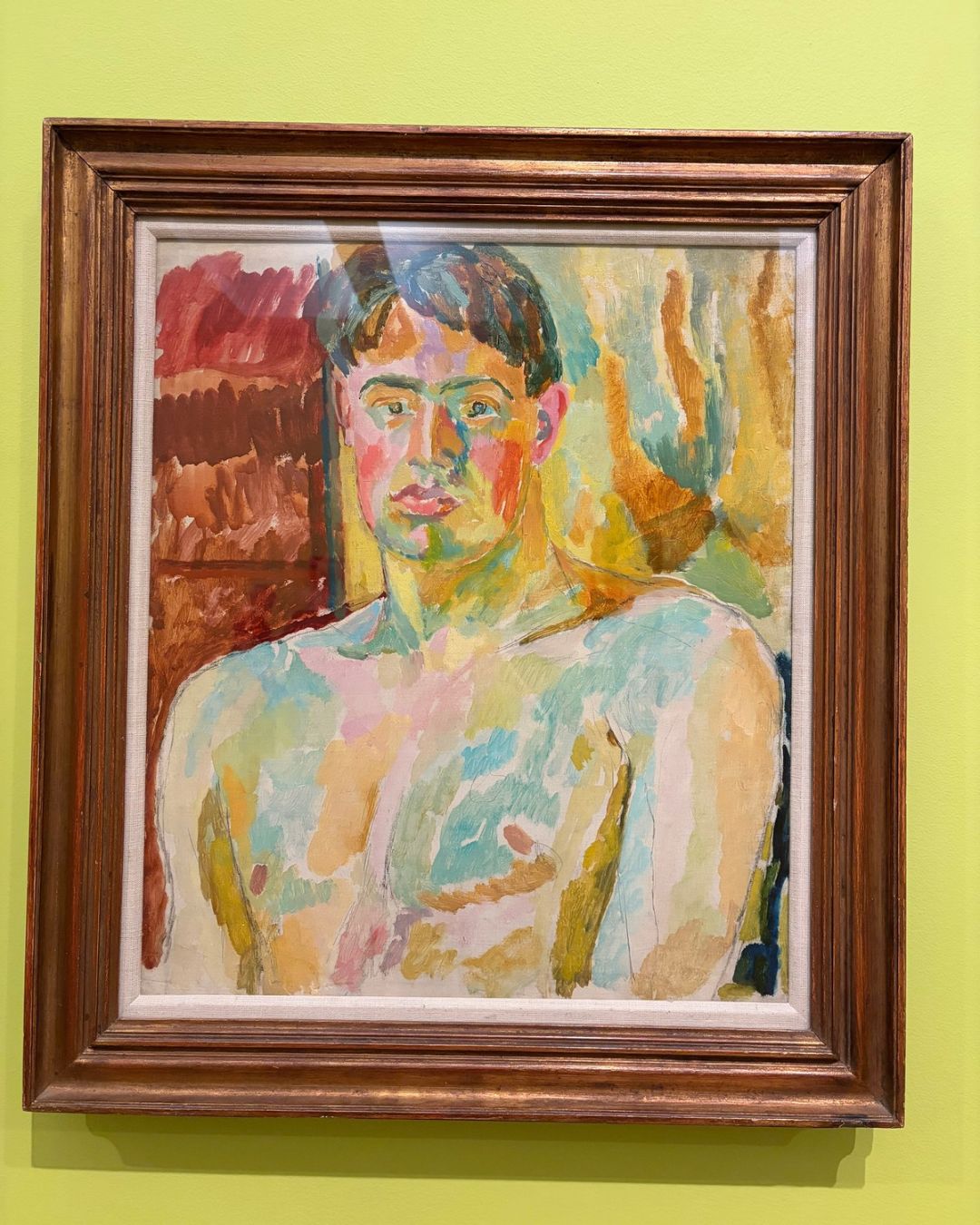
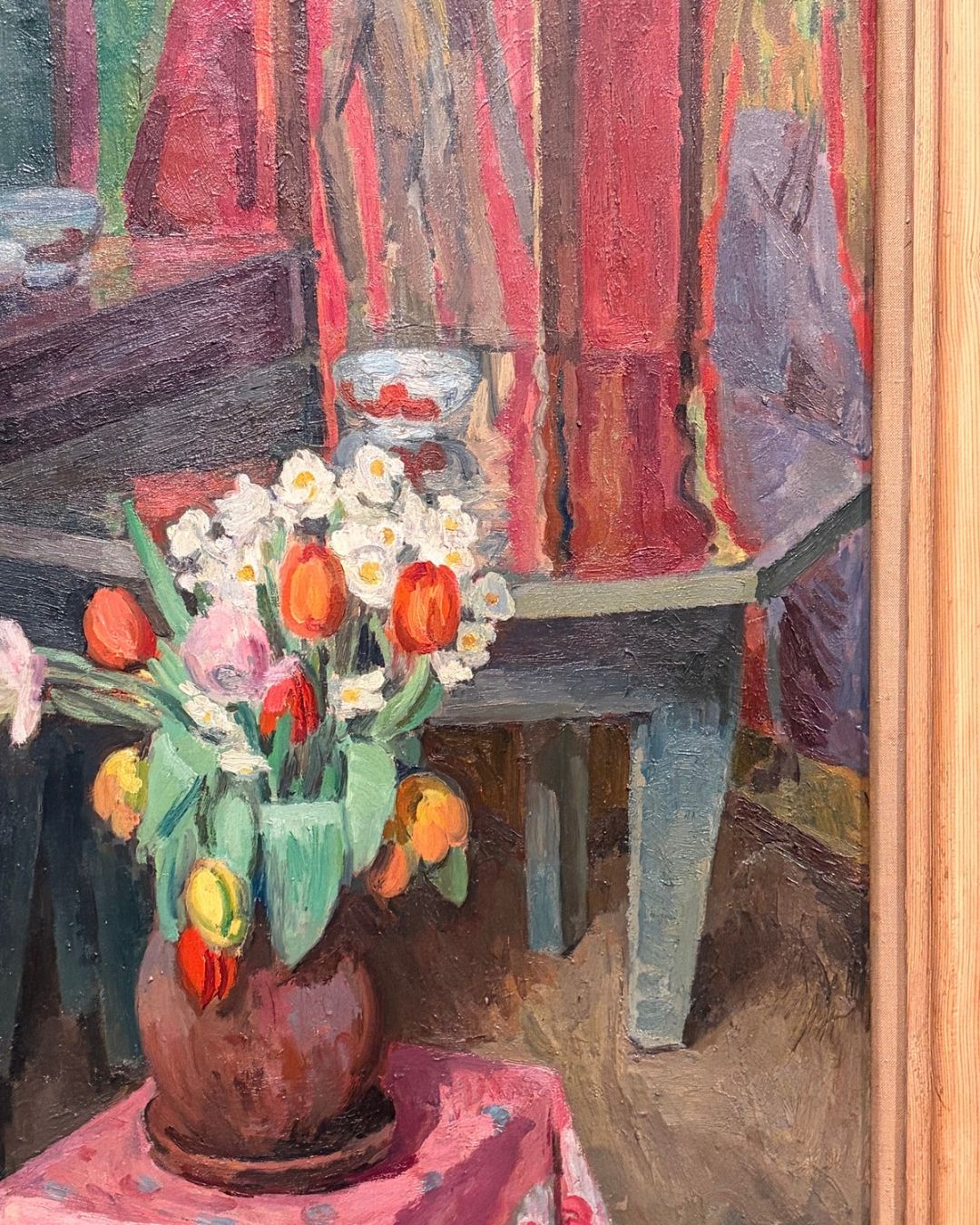
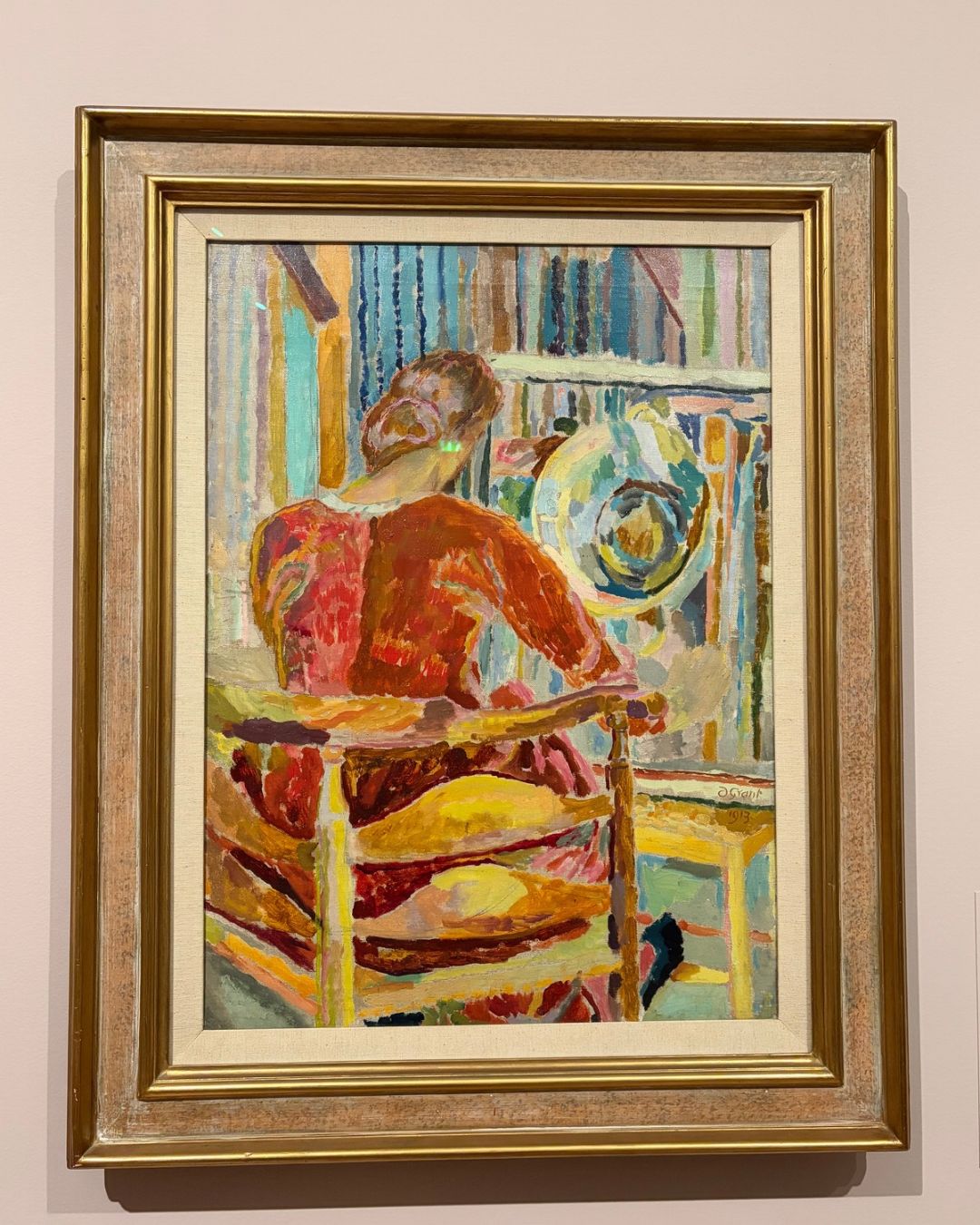
We discovered how Post-Impressionism influenced Bell and Grant, particularly following Roger Fry’s landmark 1910 exhibition, Manet and the Post-Impressionists, which introduced British audiences to new developments in European art. Inspired by the bold colours and simplified forms on display, Bell and Grant began experimenting with abstraction, helping to bring new artistic approaches to Britain.
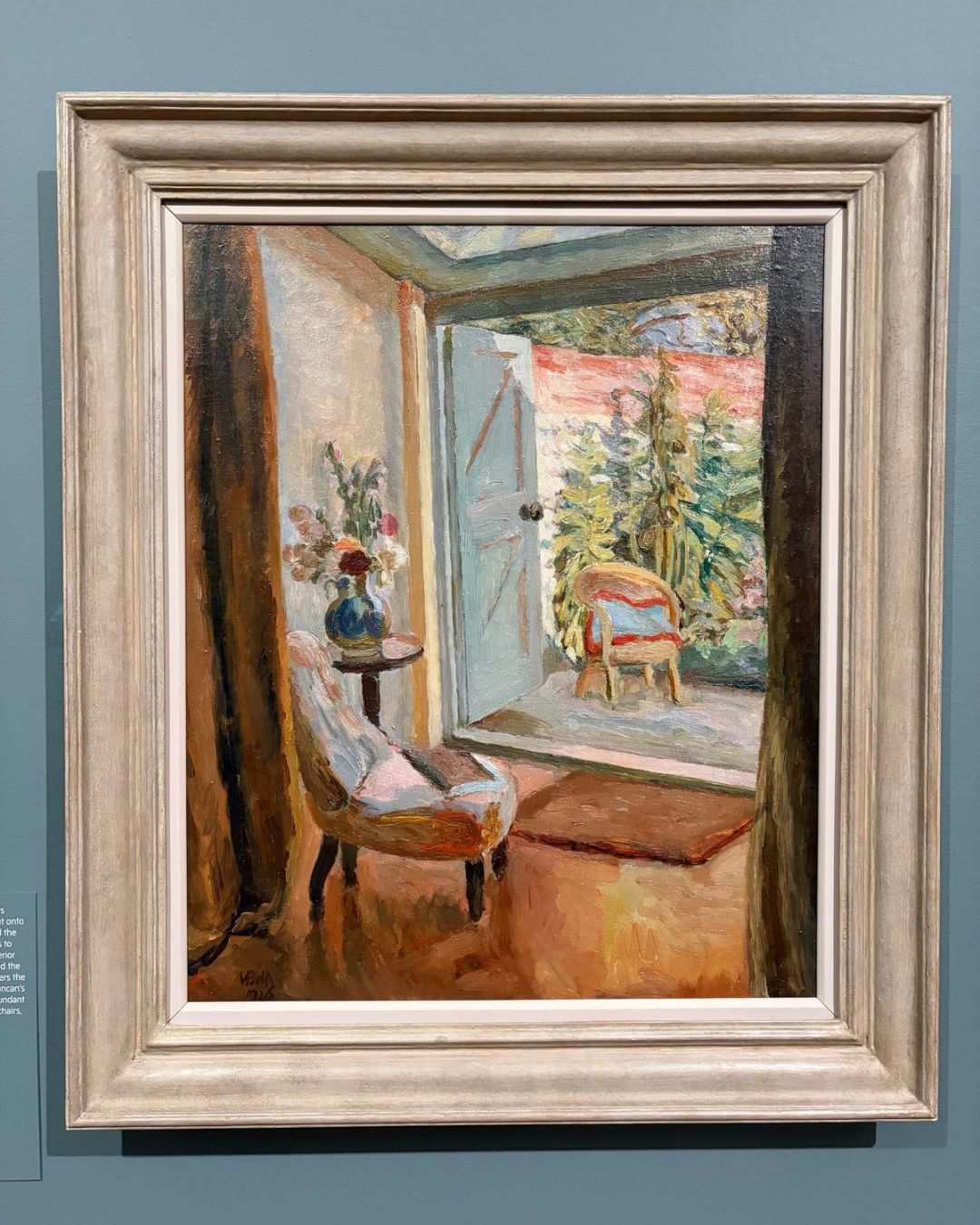
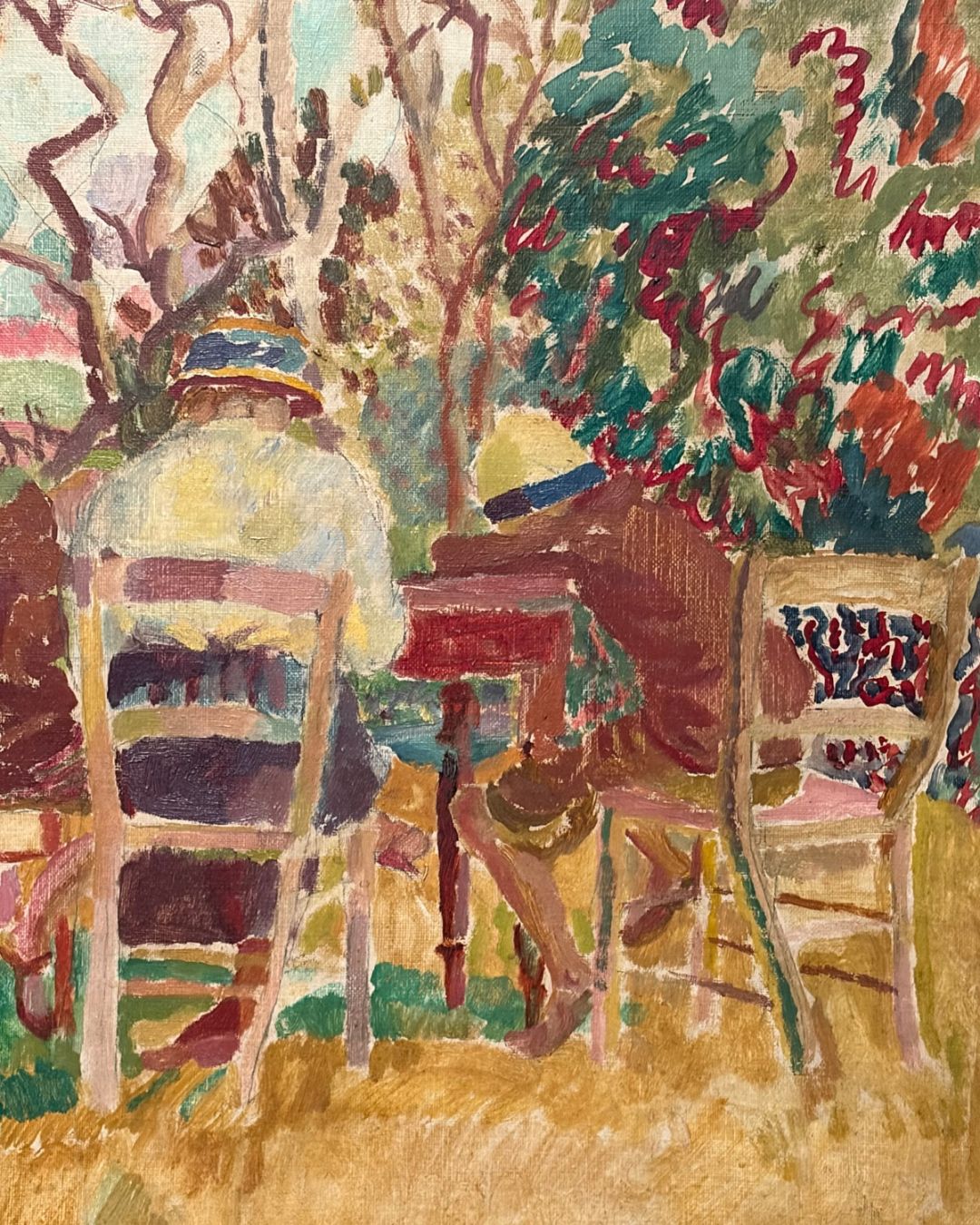
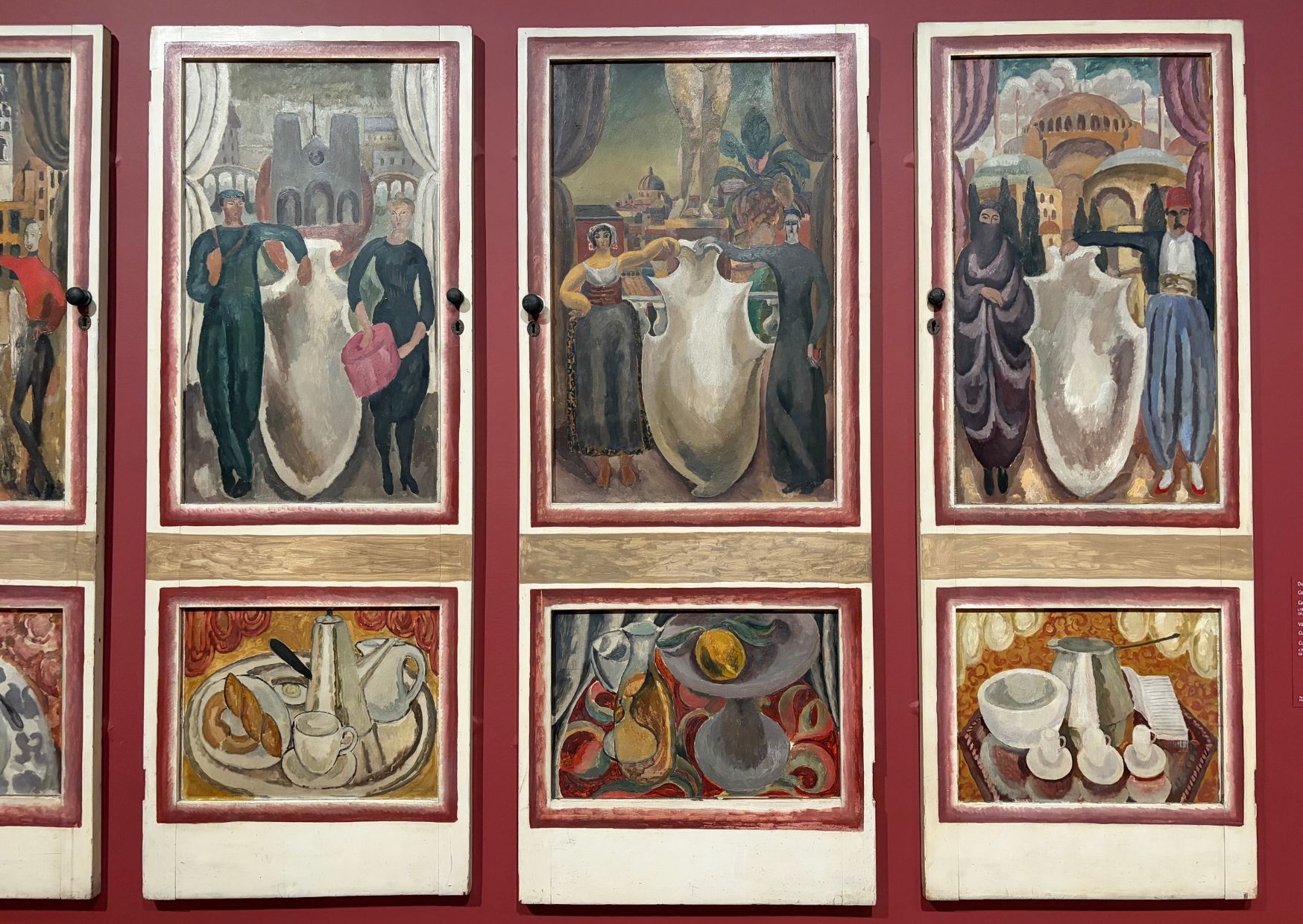
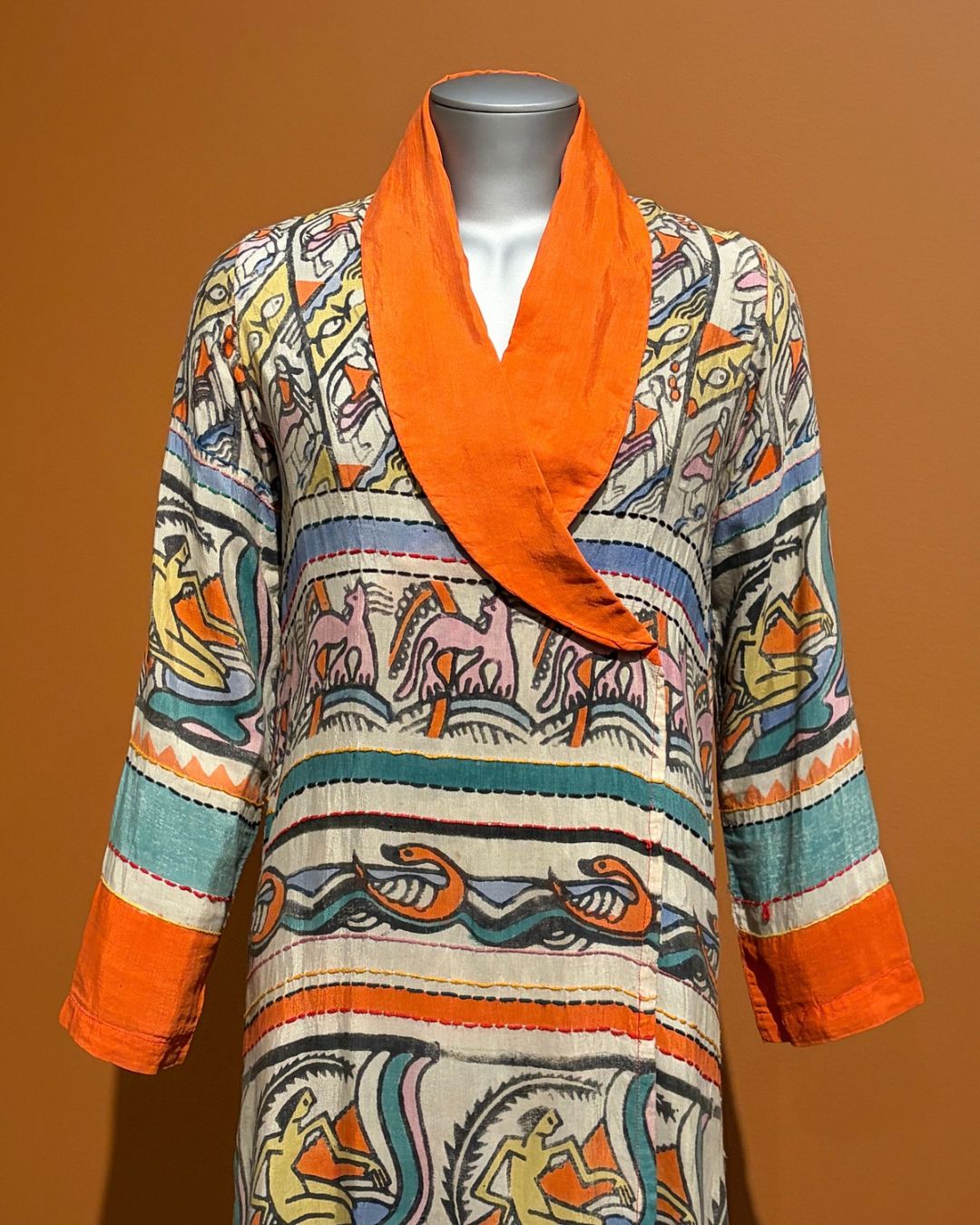
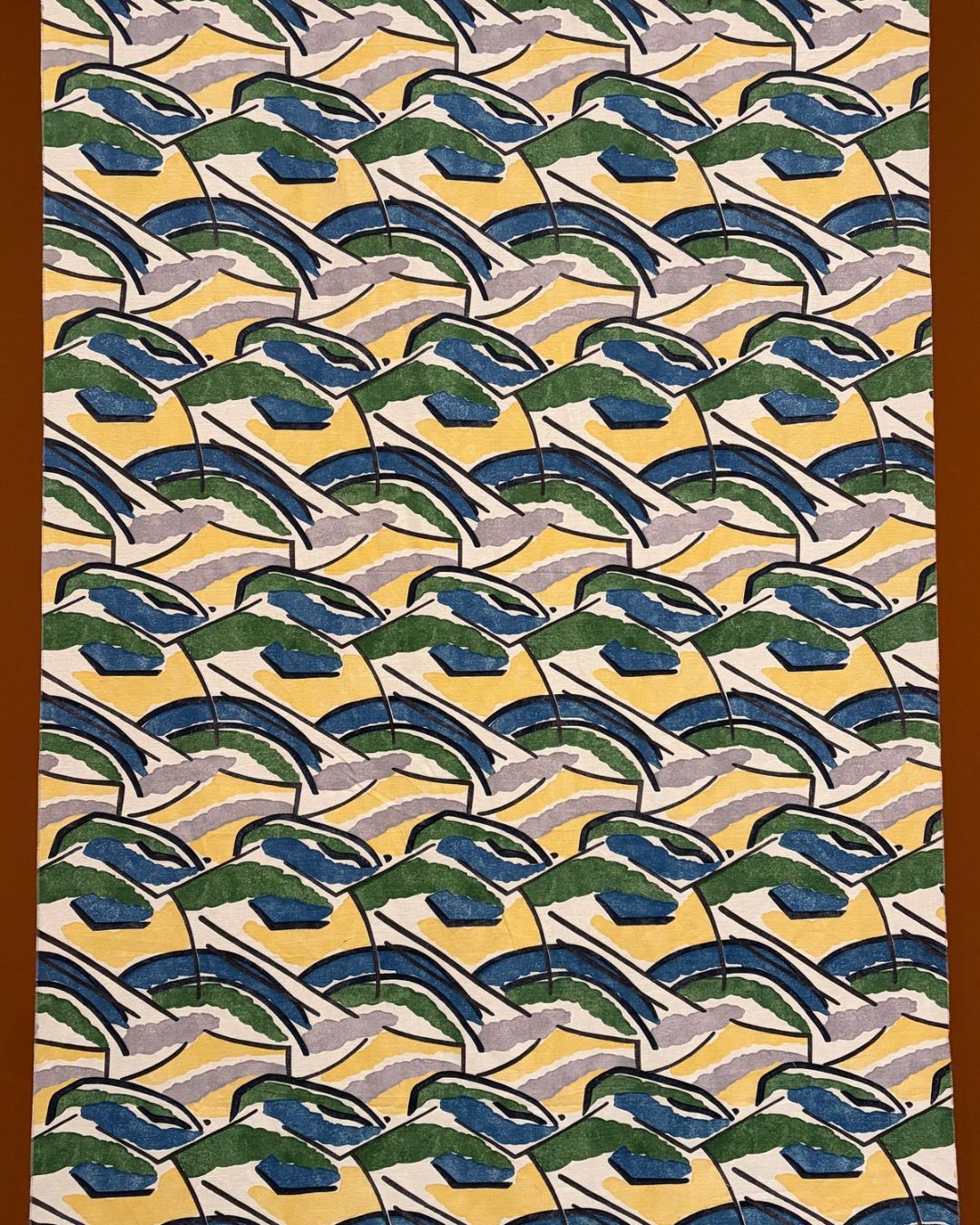
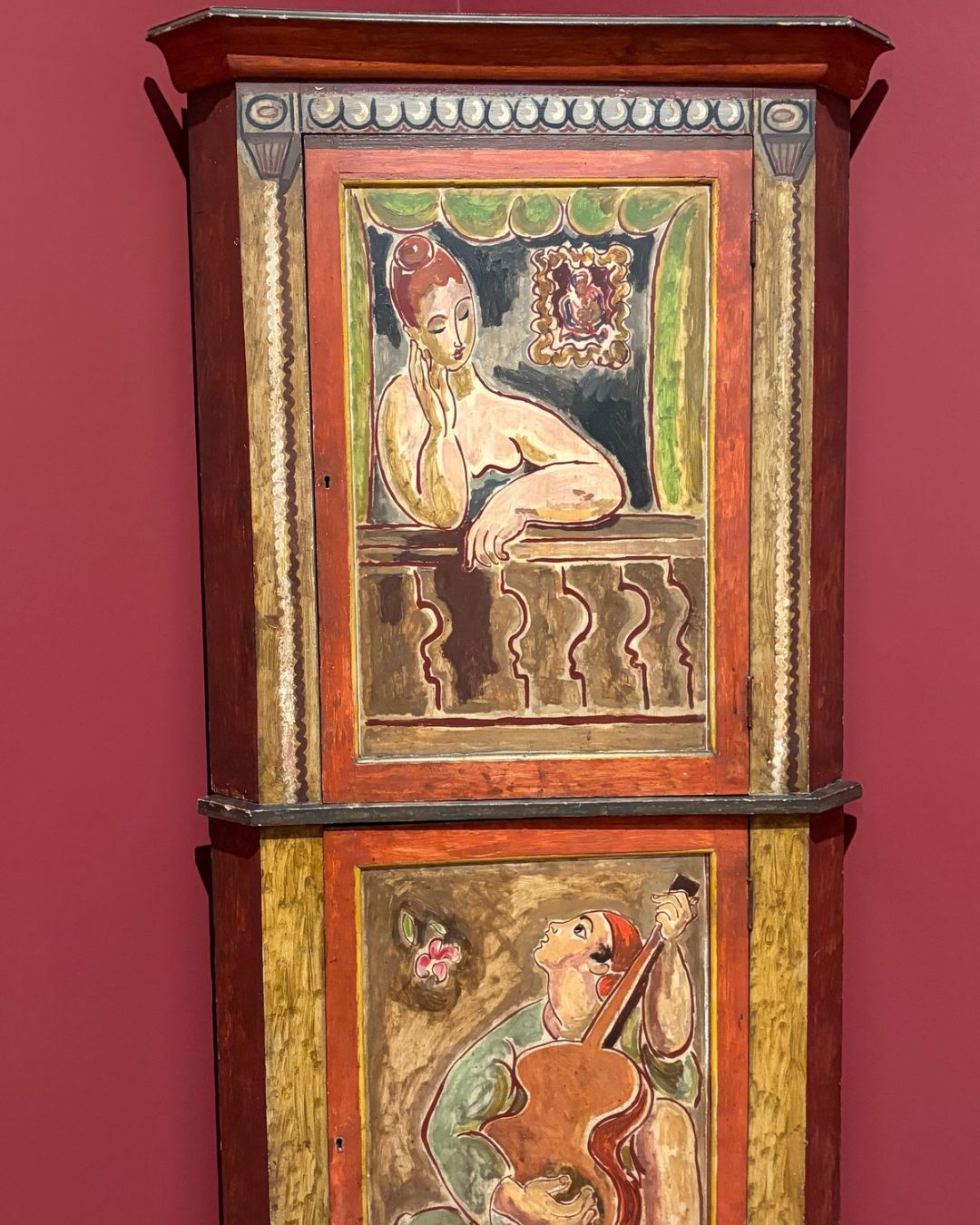
A highlight for our team was learning more about the Omega Workshops, founded by Roger Fry in 1913. We were particularly interested to discover just how involved Bell and Grant were in bringing modern art into the home. Their designs extended beyond paintings to furniture, ceramics, textiles and furnishing fabrics, making art part of everyday life.
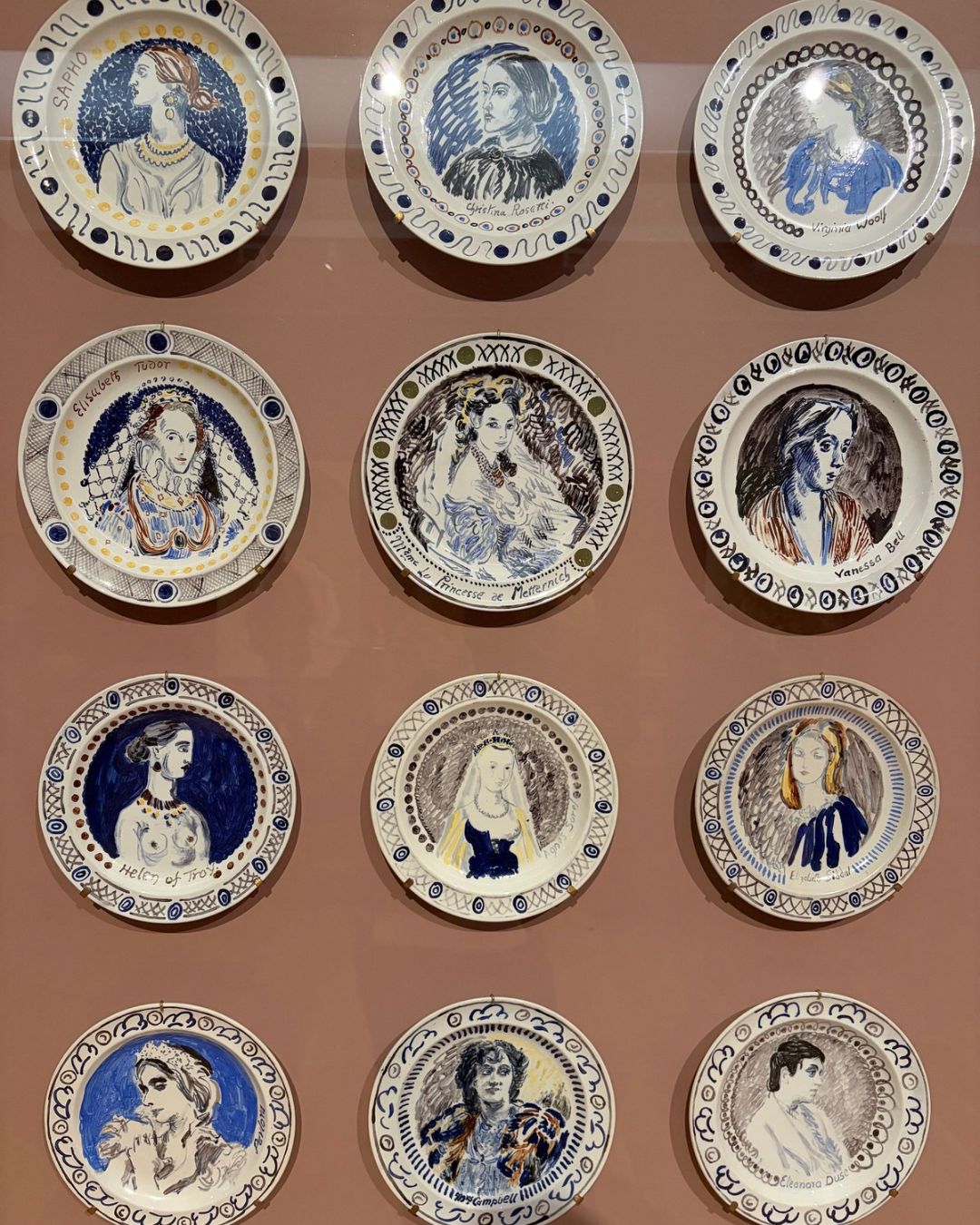
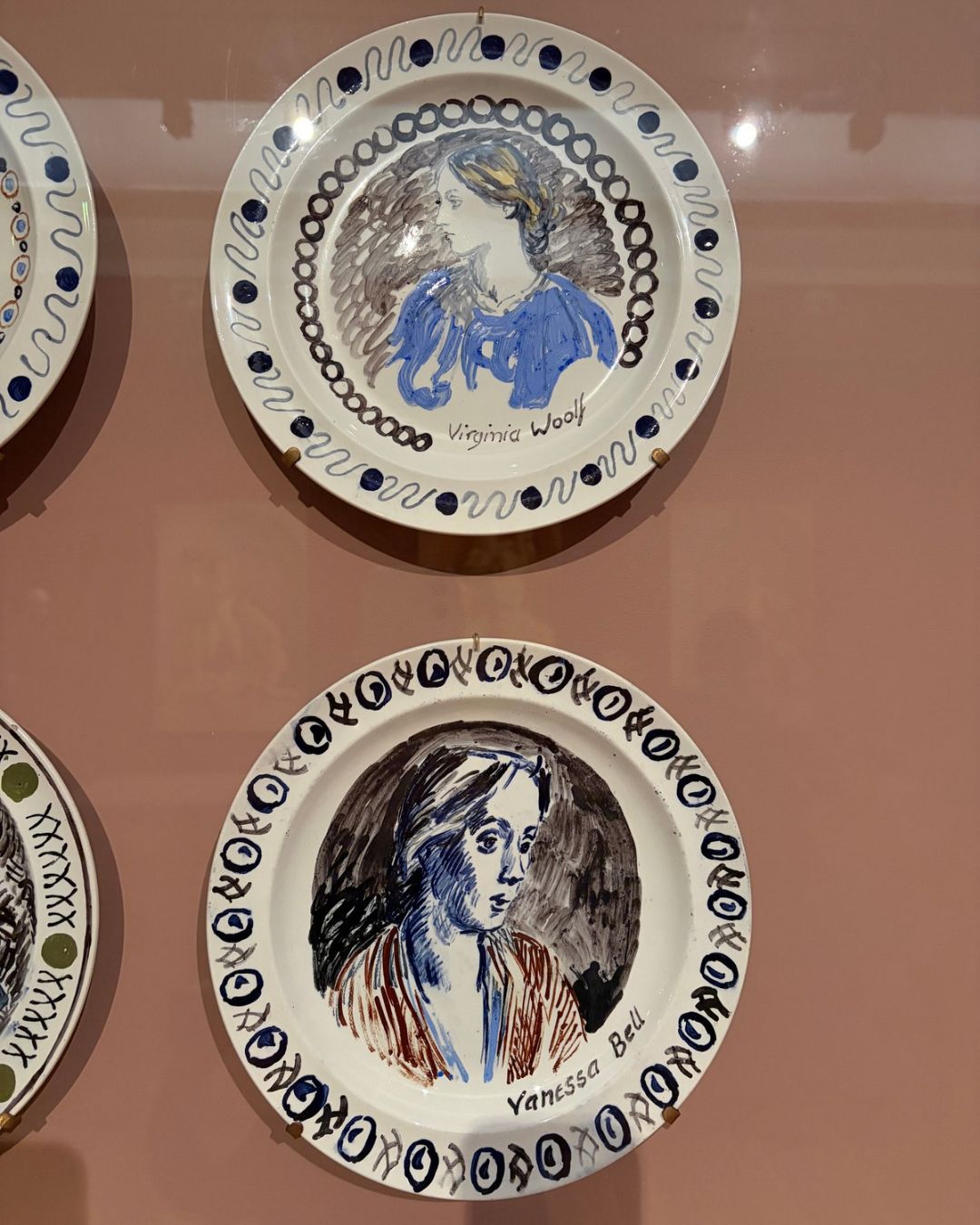
Their creative partnership also extended to private commissions, including the Famous Women Dinner Service: a collection of 50 hand-painted Wedgwood plates created for Kenneth Clark between 1932 and 1934. Neither artist signed the plates, reflecting the shared approach behind their work.
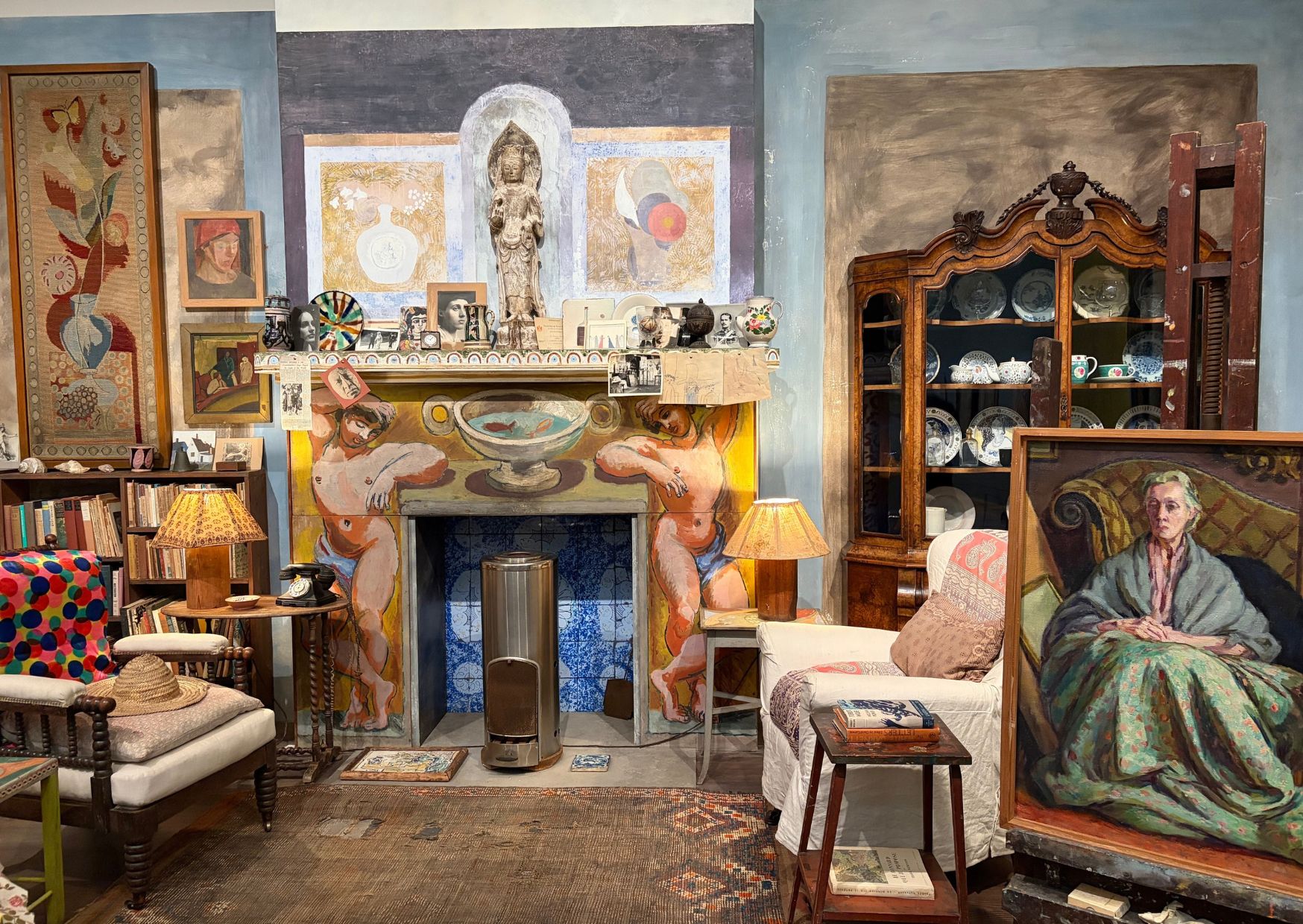
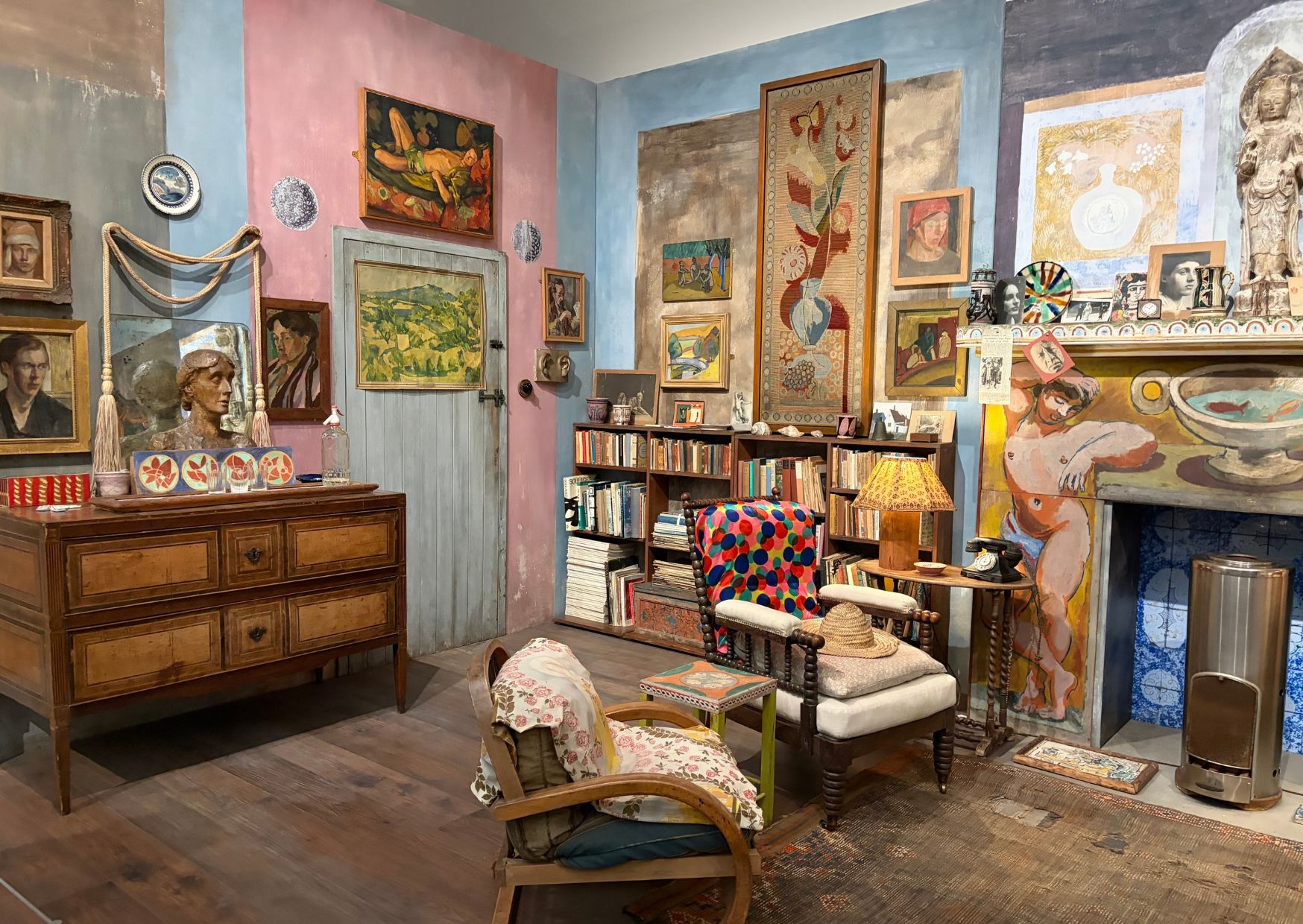
At Charleston House in East Sussex, their creativity found a home of its own. Painted furniture, decorated walls and carefully considered details transformed the house into a living canvas. Tate Britain has even recreated elements of their studio, bringing pieces from the original space in East Sussex into the exhibition.
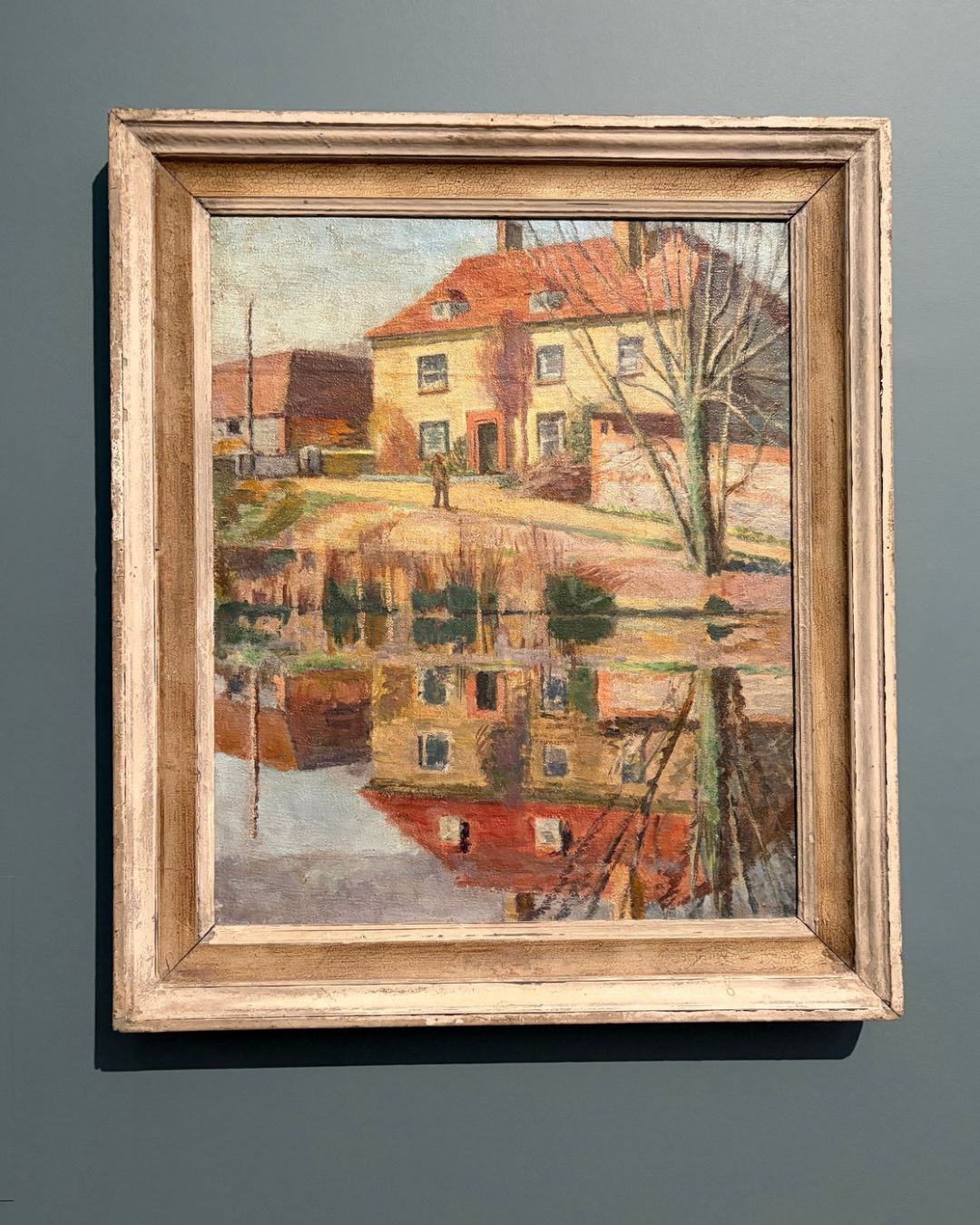
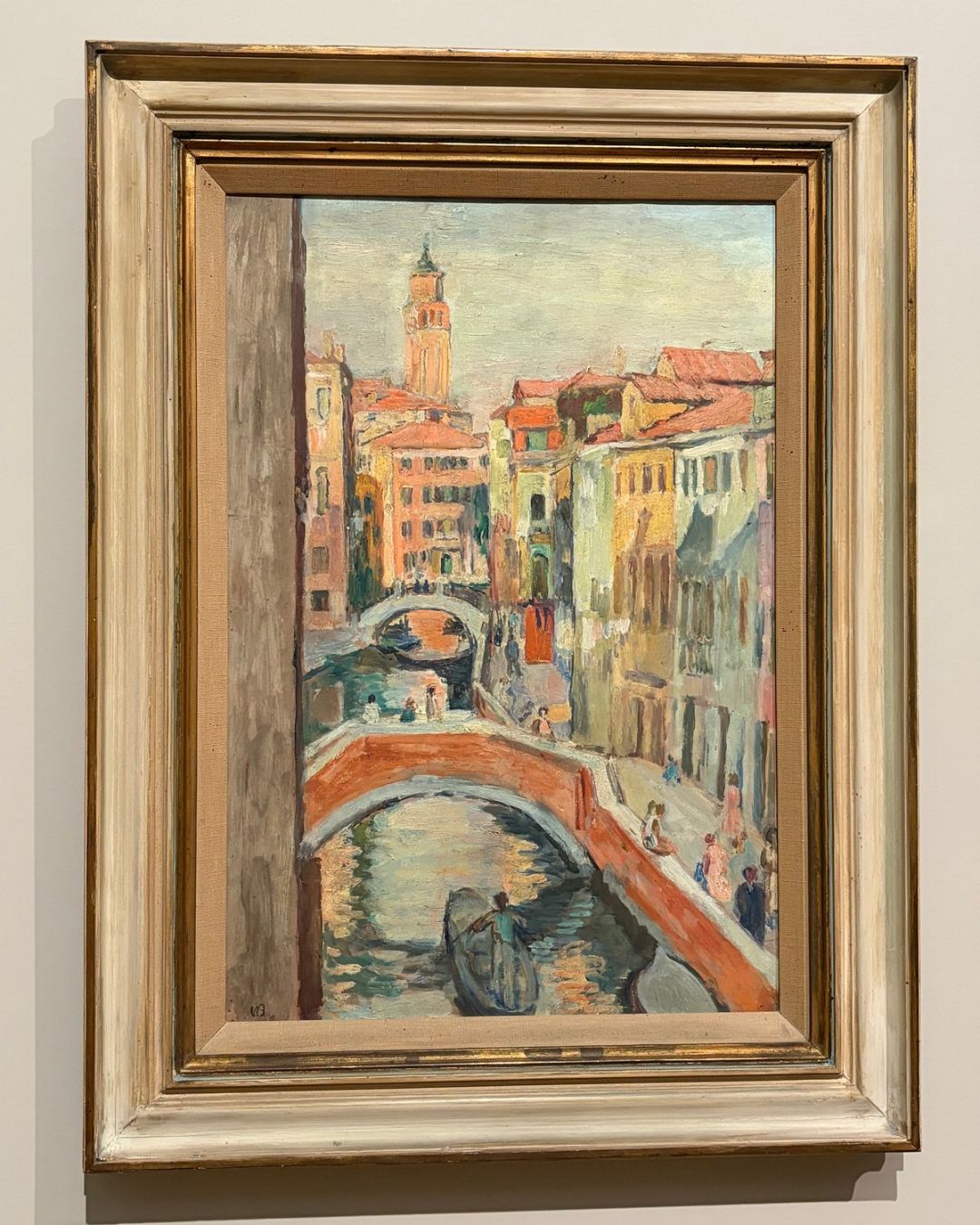
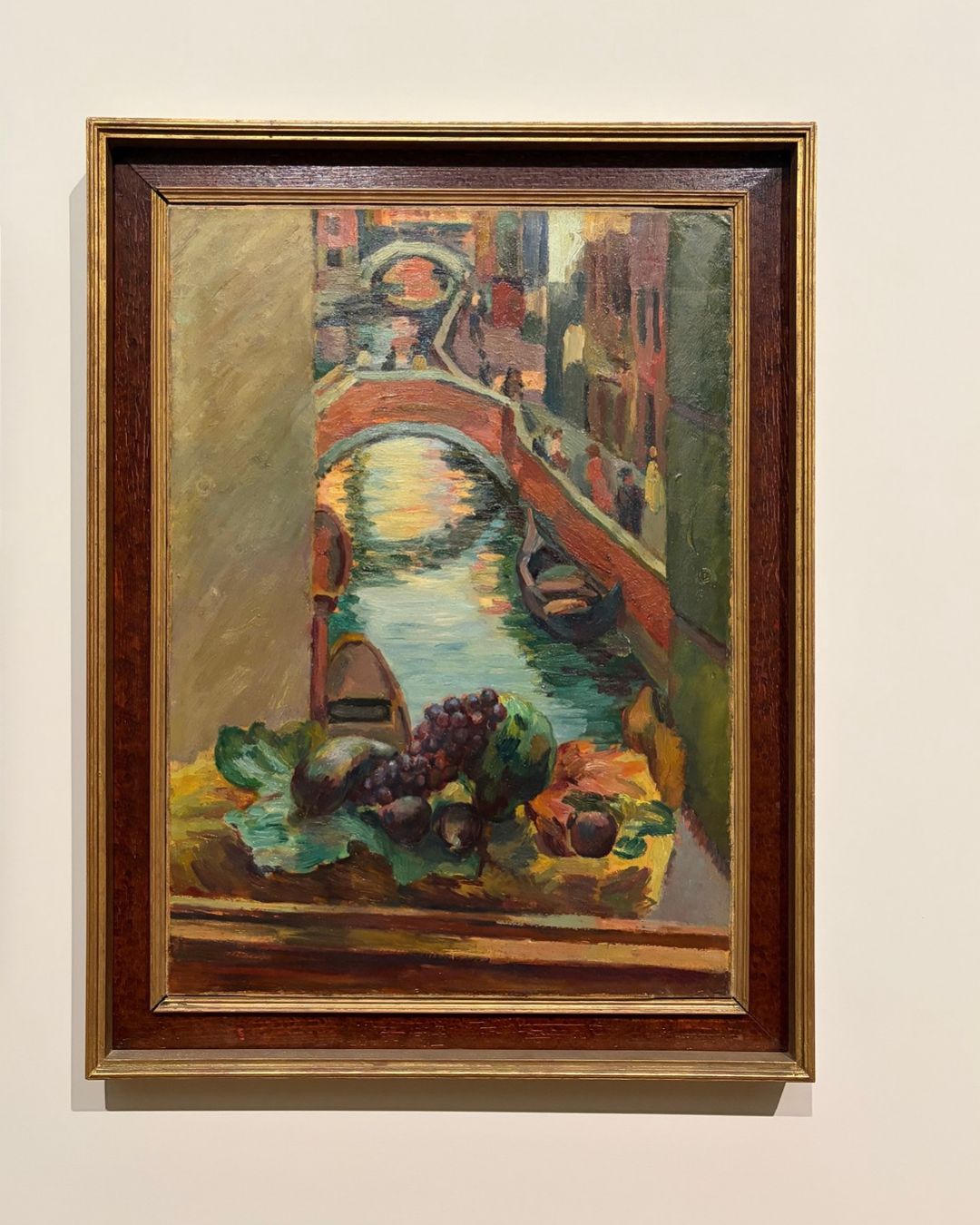
We also explored their later move towards more naturalistic painting. A pair of paintings of Venice reveal their contrasting perspectives: Bell captured the wider atmosphere and landscape, while Grant focused on a more intimate view, picking out the finer details of the scene. Despite working so closely together, each retained a distinctive artistic voice.
As interior designers, it was fascinating to see how many of the ideas we value today were being explored more than a century ago. Their belief that colour, pattern and artistic expression should be part of everyday life feels just as relevant now as it did then. The exhibition runs until 11th April 2027 at Tate Britain and is well worth a visit. Find out more and book tickets here.