

There is something very special about a Regency townhouse. With their high ceilings, tall windows and beautifully proportioned rooms, they provide a wonderful backdrop for decorating. Join us as we explore some of the defining characteristics of a Regency townhouse and why we love decorating them.
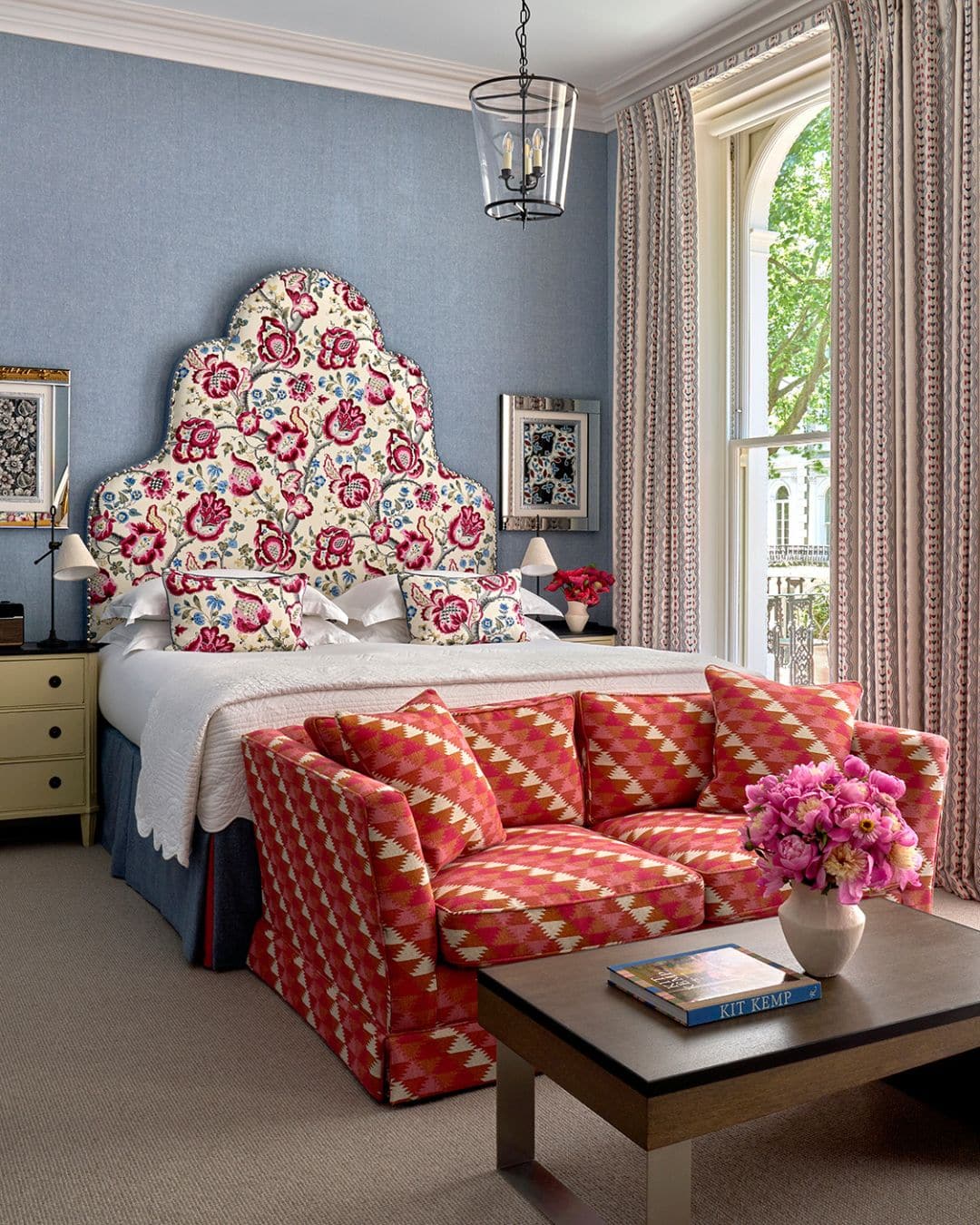
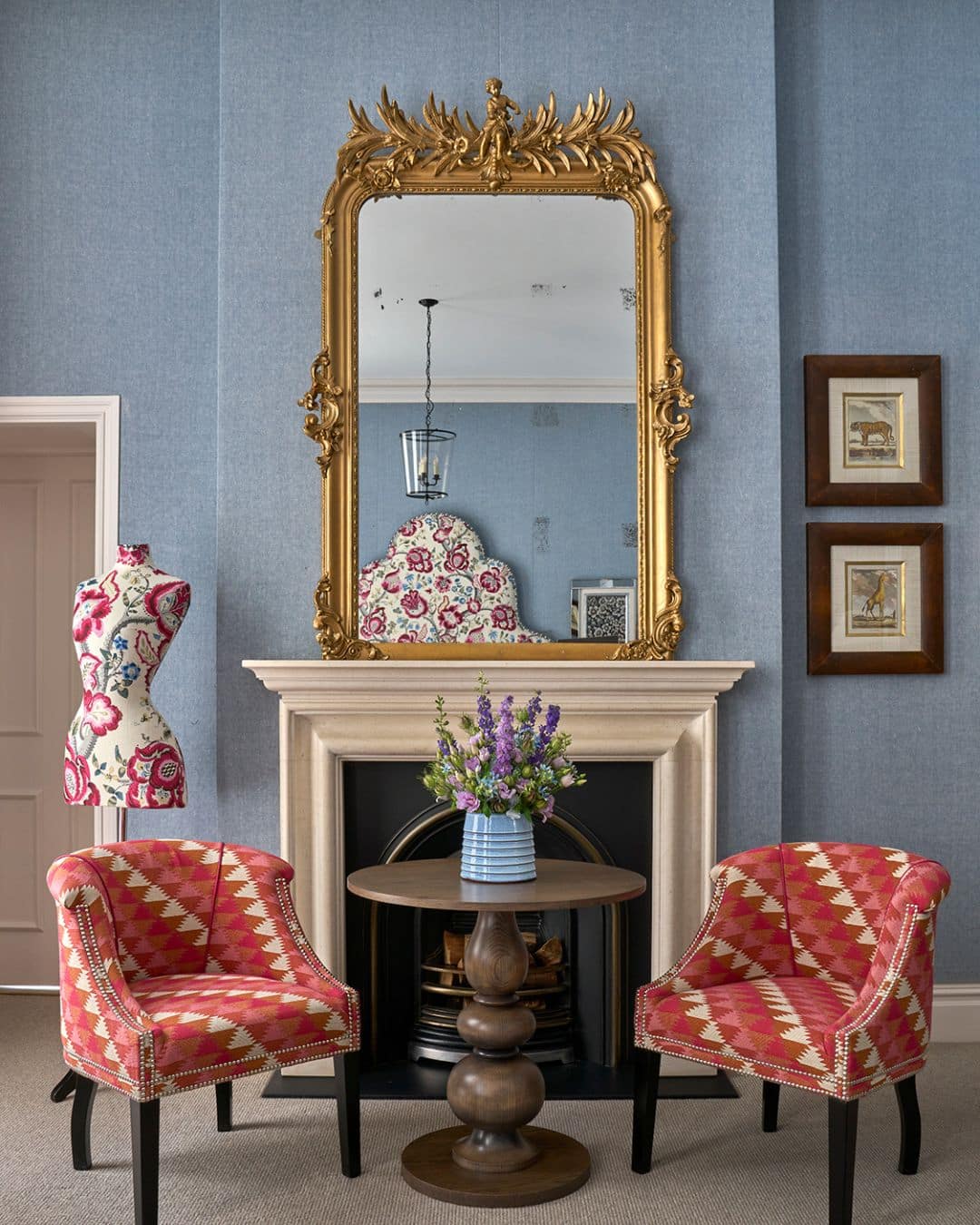
Historic architecture doesn’t mean an interior should become a museum to the period in which it was built. The classical proportions of a Regency room provide the perfect backdrop for mixing old and new, allowing contemporary colour, pattern and craftsmanship to sit happily alongside antiques and traditional architectural details.
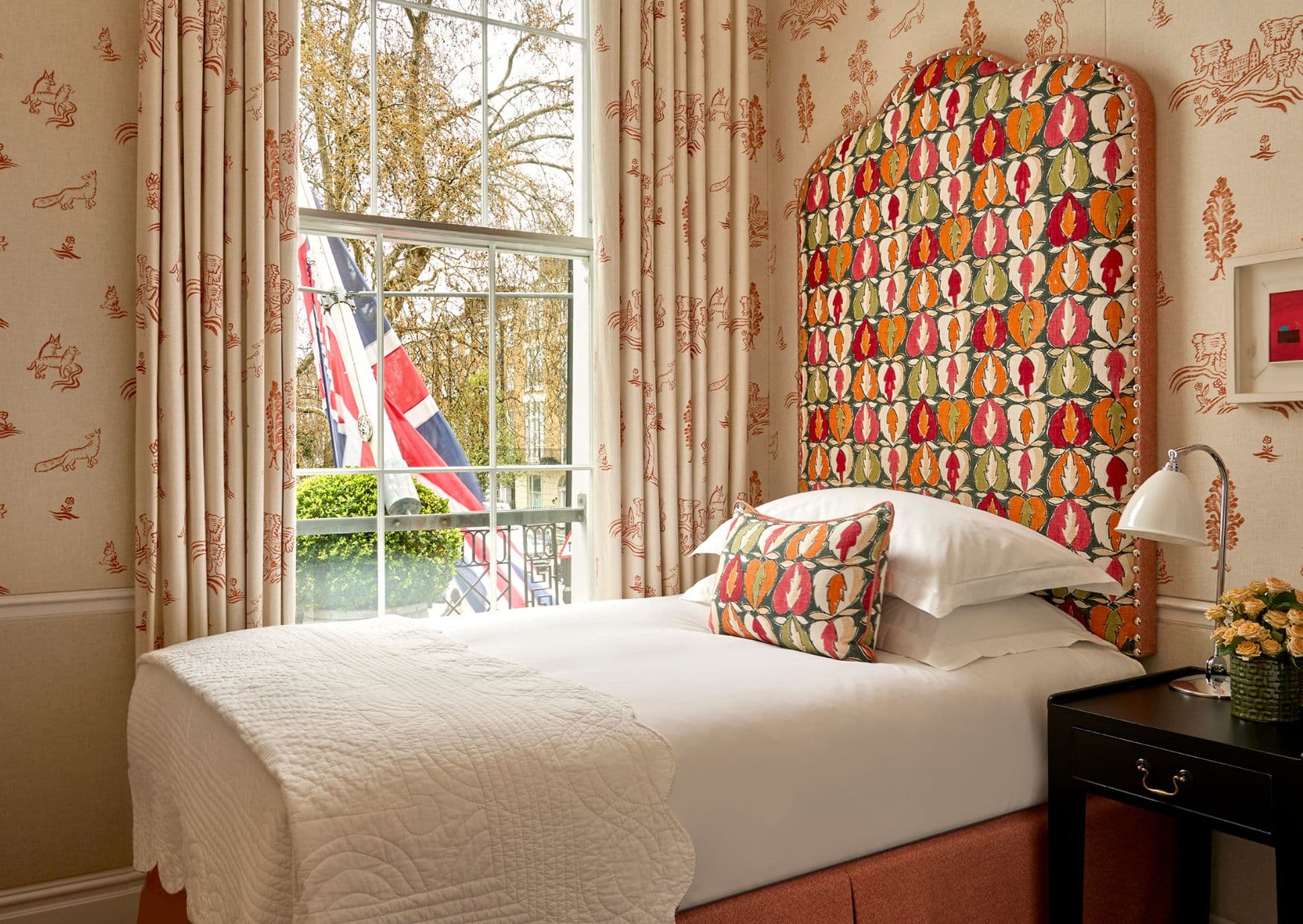
A classic Regency interior can handle a real mix of periods and styles. We love pairing antiques with contemporary art, bold fabrics and unexpected pieces of furniture. It stops a historical room from feeling too formal or tied to one particular period, while allowing its original character to remain part of the story.
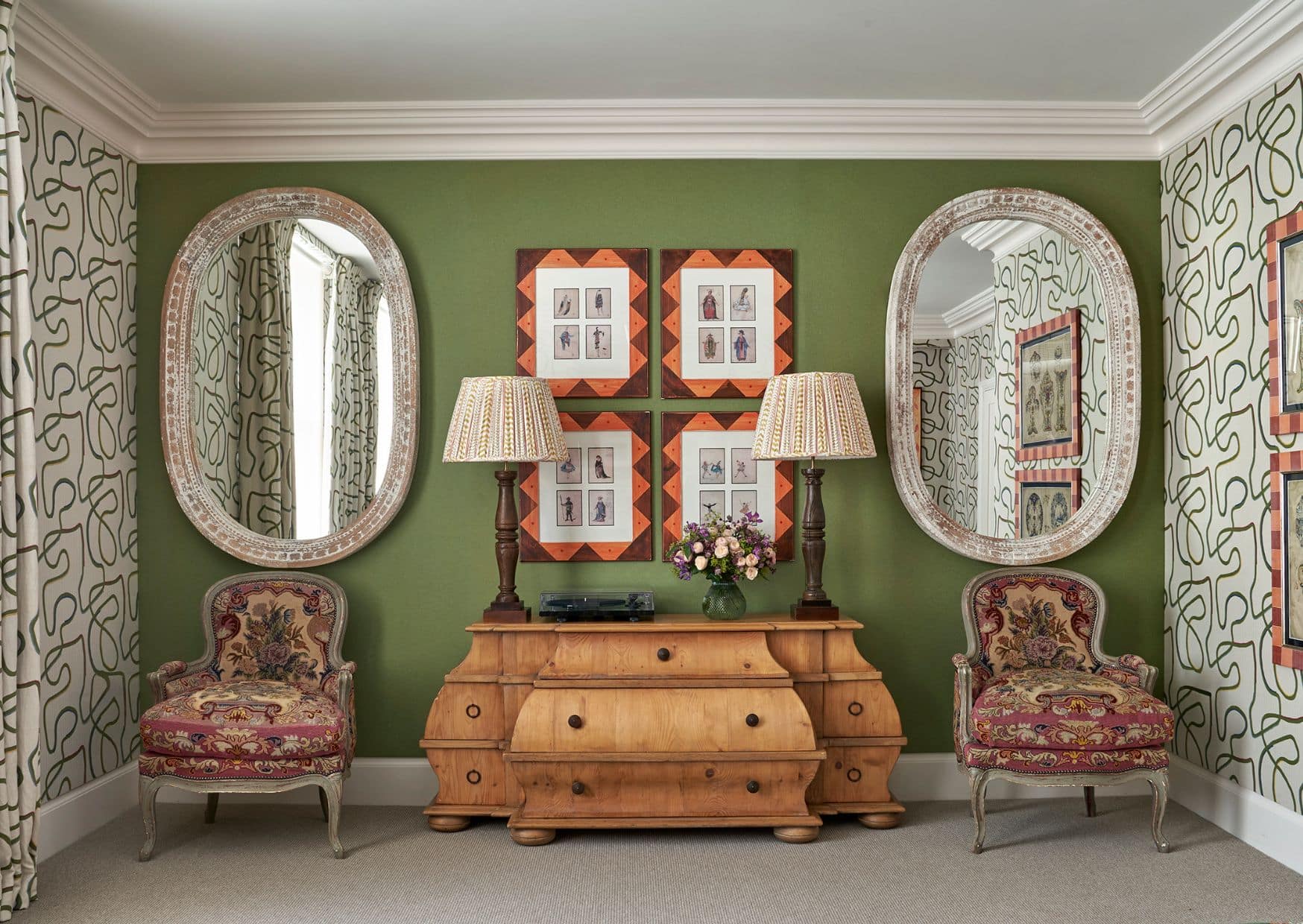
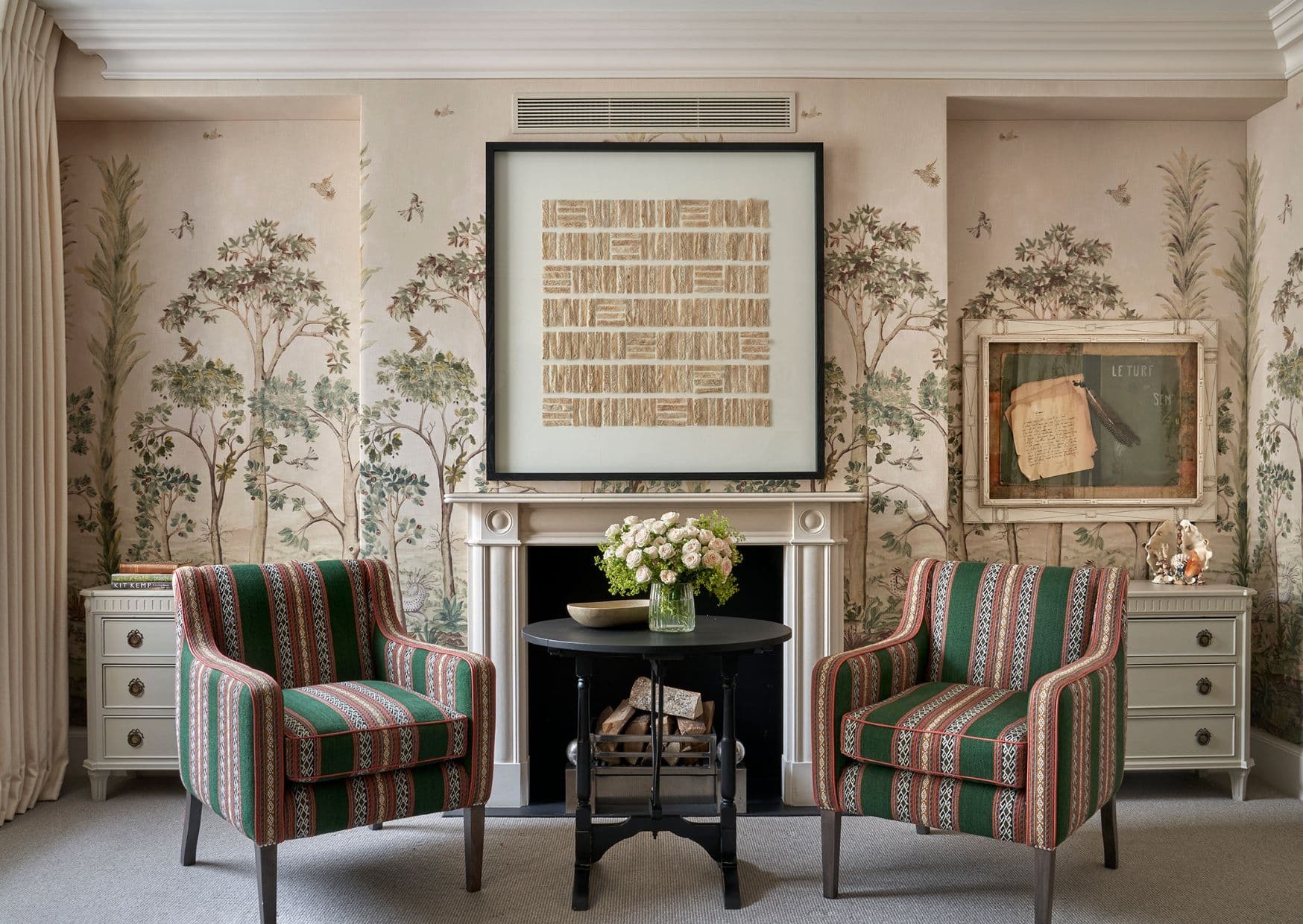
Symmetry is at the heart of Regency architecture. Rooms were designed around strong focal points, whether that’s a fireplace, a doorway or a set of beautifully proportioned windows.
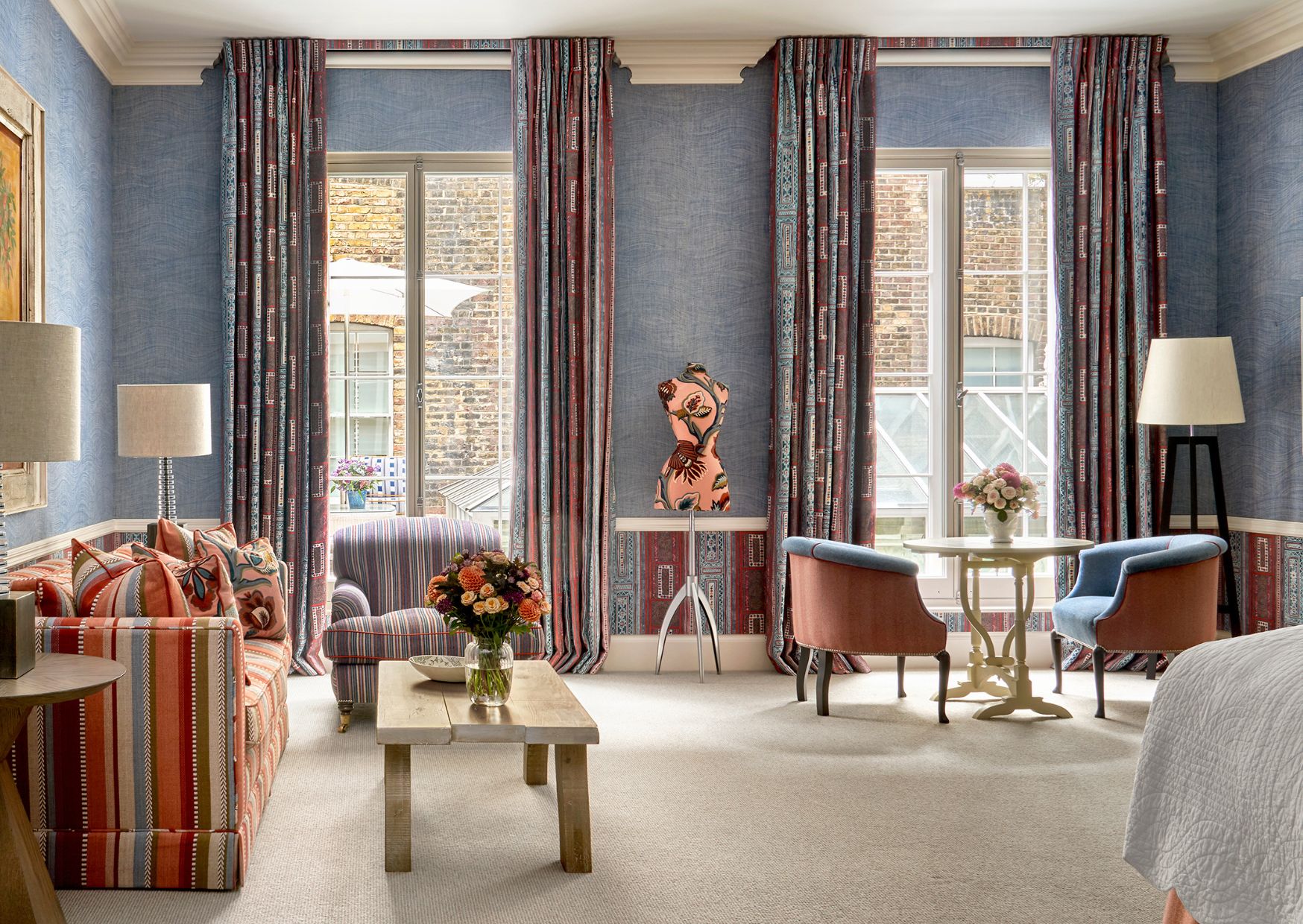
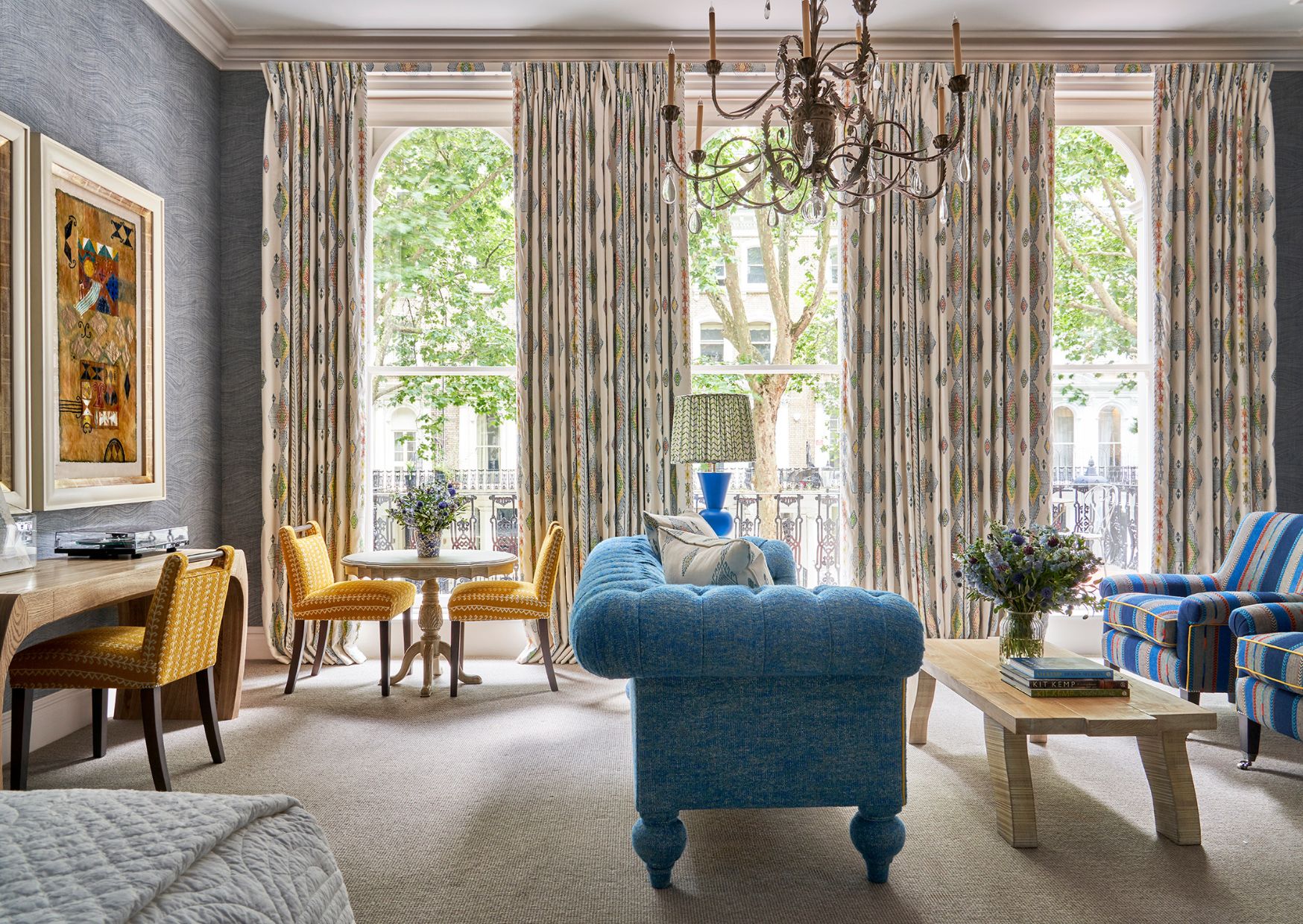
There is something naturally calming about symmetry, and it can be a useful starting point when arranging furniture. A pair of chairs either side of a fireplace or two lamps framing a console can immediately bring balance to a room.
Scale is equally important. Large, high-ceilinged rooms can carry chunky furniture, oversized lamps and generous patterns with ease. Smaller pieces can easily get lost within a grand space, so don’t be afraid to decorate with confidence. An oversized headboard, for example, can create a striking focal point against a tall wall while bringing balance and proportion to the room.
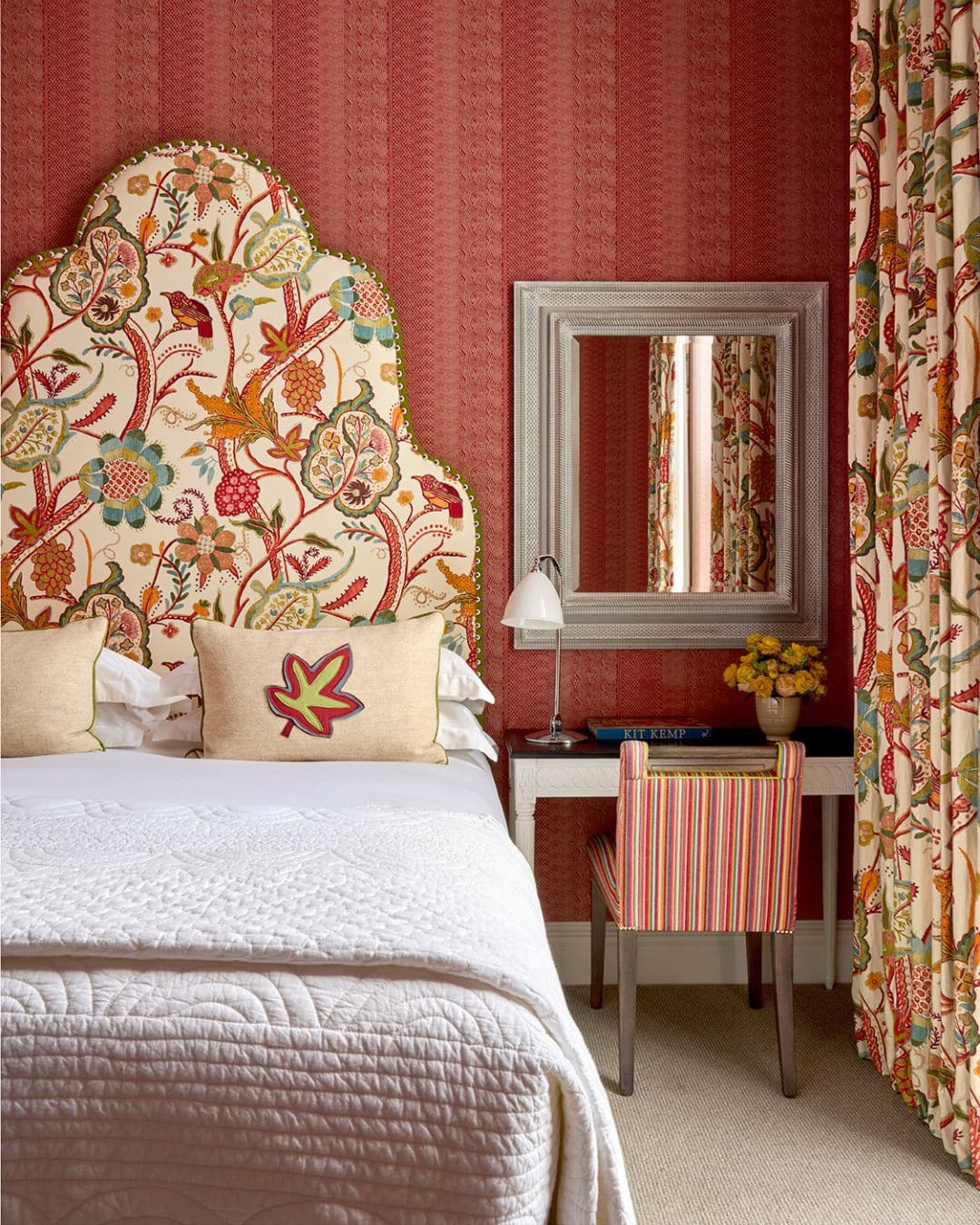
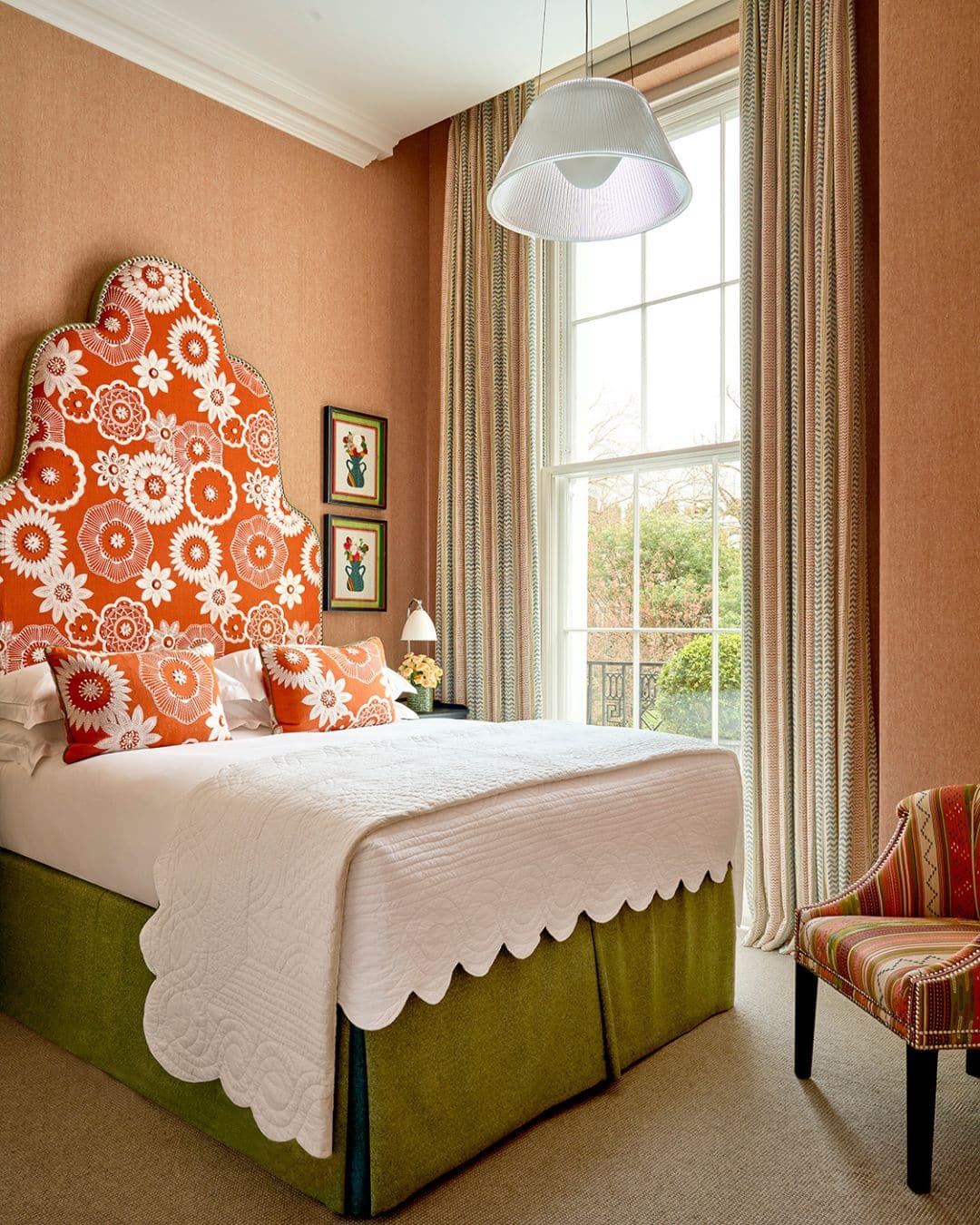
Pattern should be allowed to have scale too. A large repeat or mural can look magnificent against tall walls and high ceilings, where there is enough space for the design to breathe. Rather than overpowering the room, a larger-scale pattern can complement the architecture and make the most of the generous proportions.
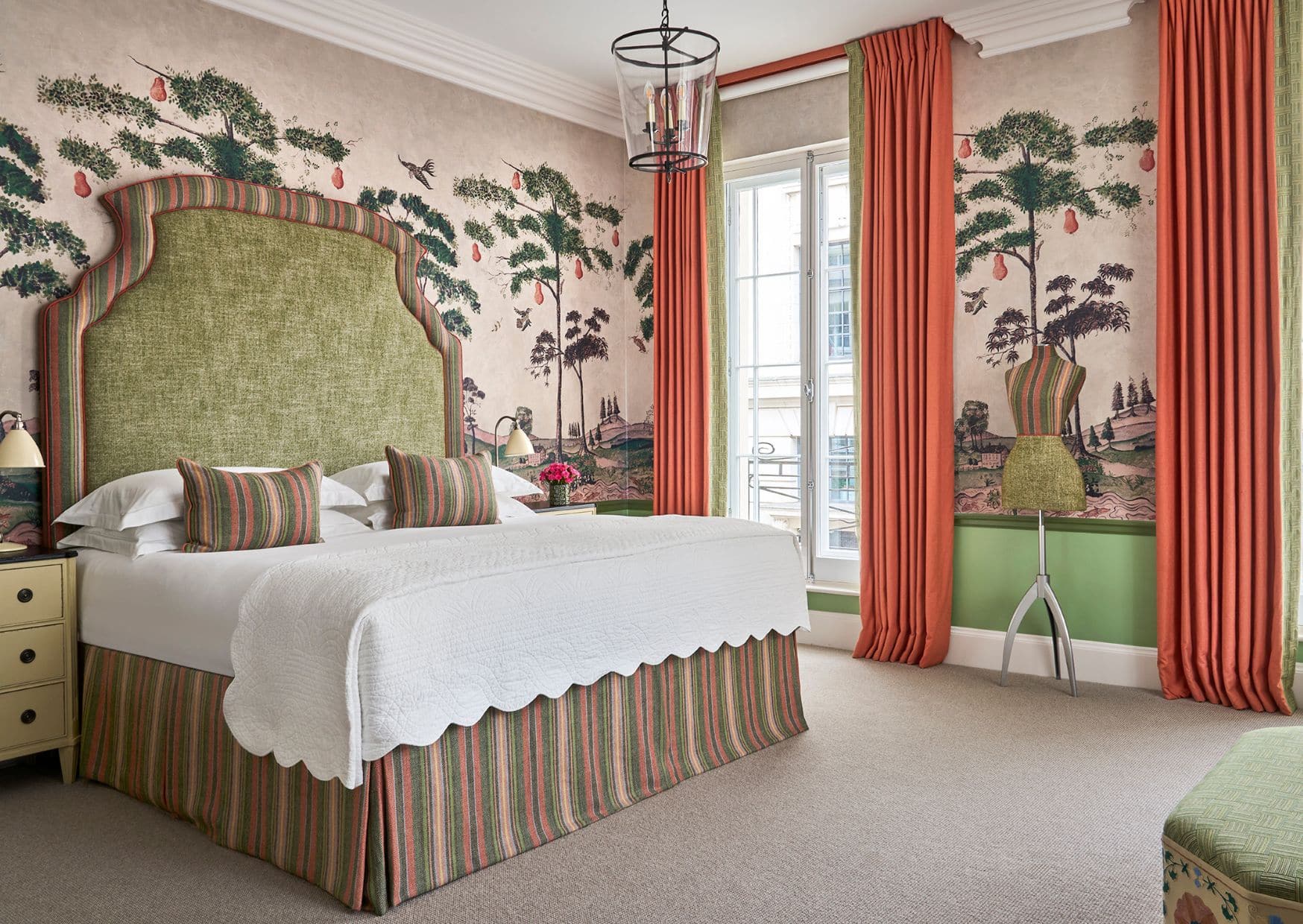
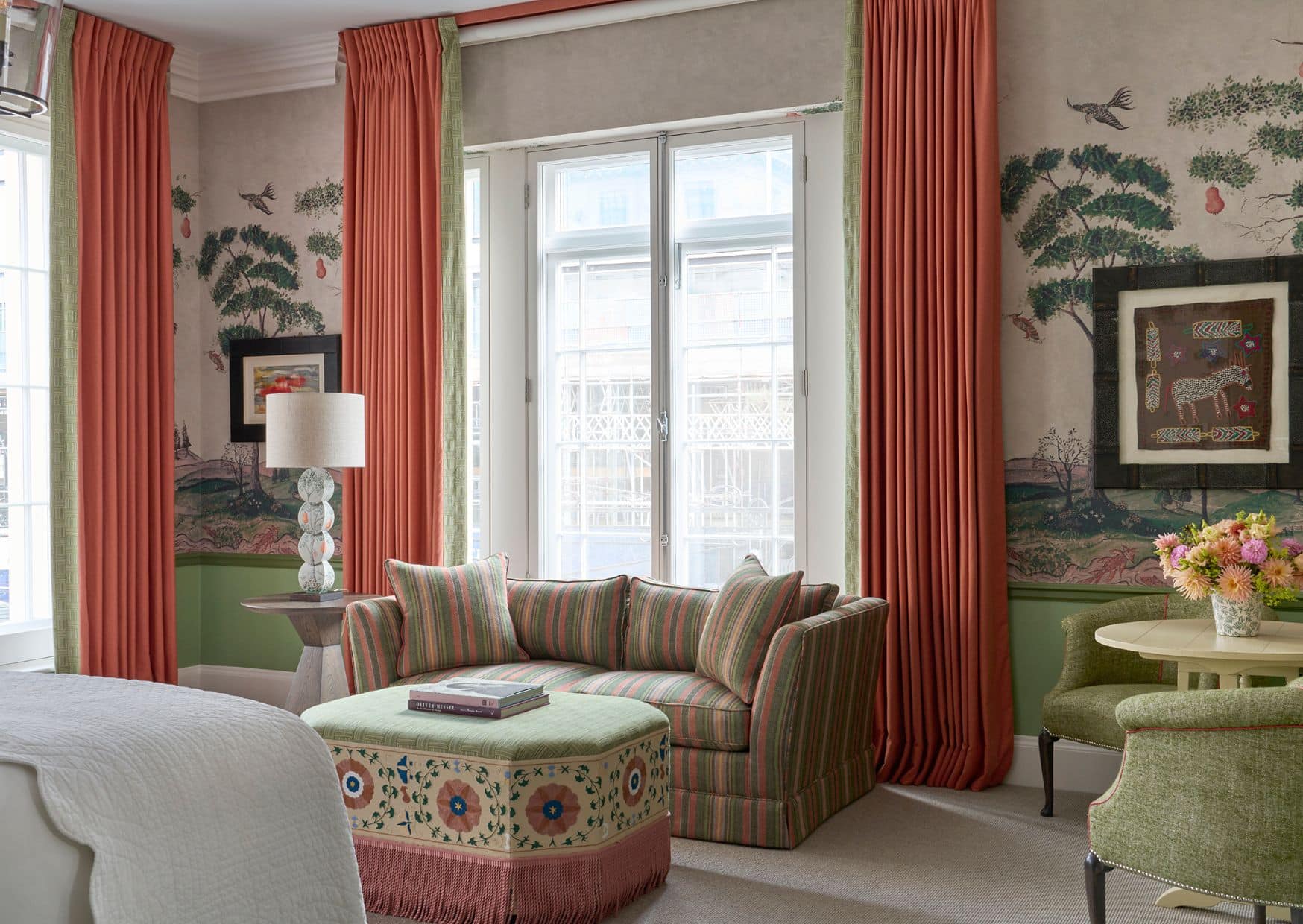
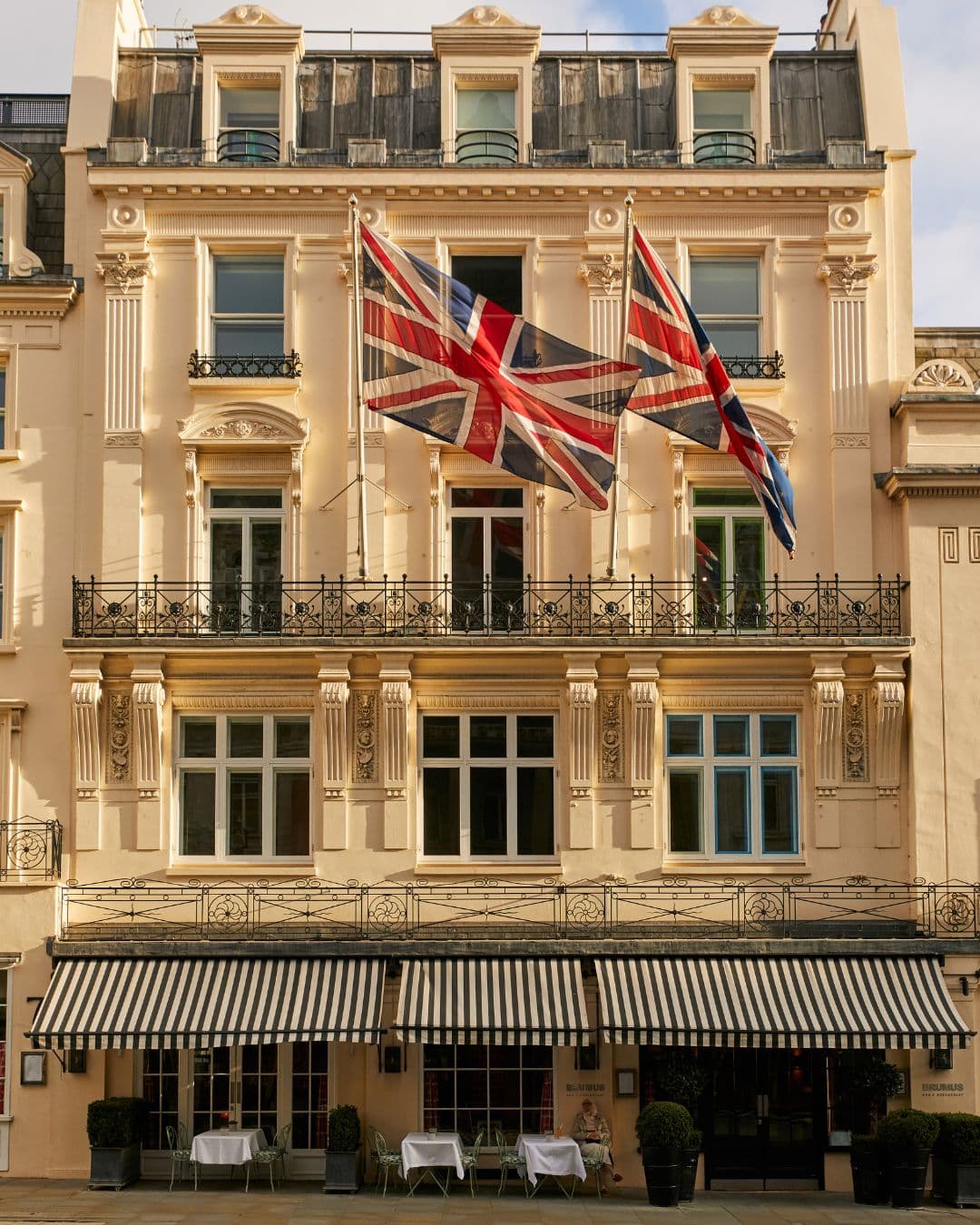
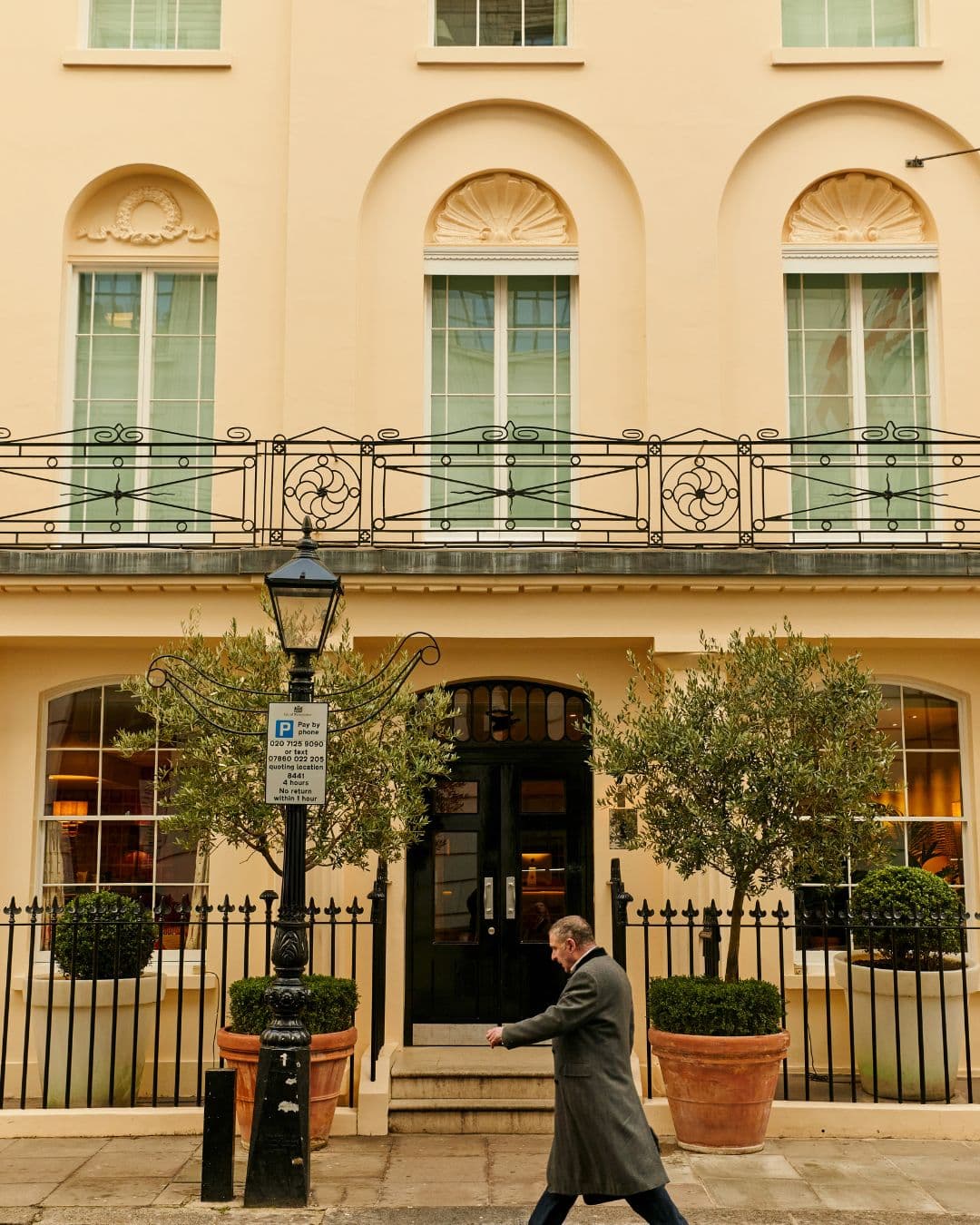
The Haymarket Hotel, designed by the great Regency architect John Nash, has all the wonderful proportions and architectural details associated with the period, including classical influences such as columns, arches and motifs inspired by Ancient Greece and Rome.
A historic interior should never feel frozen in time. The best rooms continue to evolve, allowing each generation to add another layer to their story. For us, it’s this mix of history, character and contemporary design that makes Regency townhouses such a joy to decorate.