

An English garden has a particular kind of magic, effortless yet considered, romantic yet grounded in structure. Achieving this balance is less about perfection and more about creating a space that feels timeless, abundant and gently unruly.
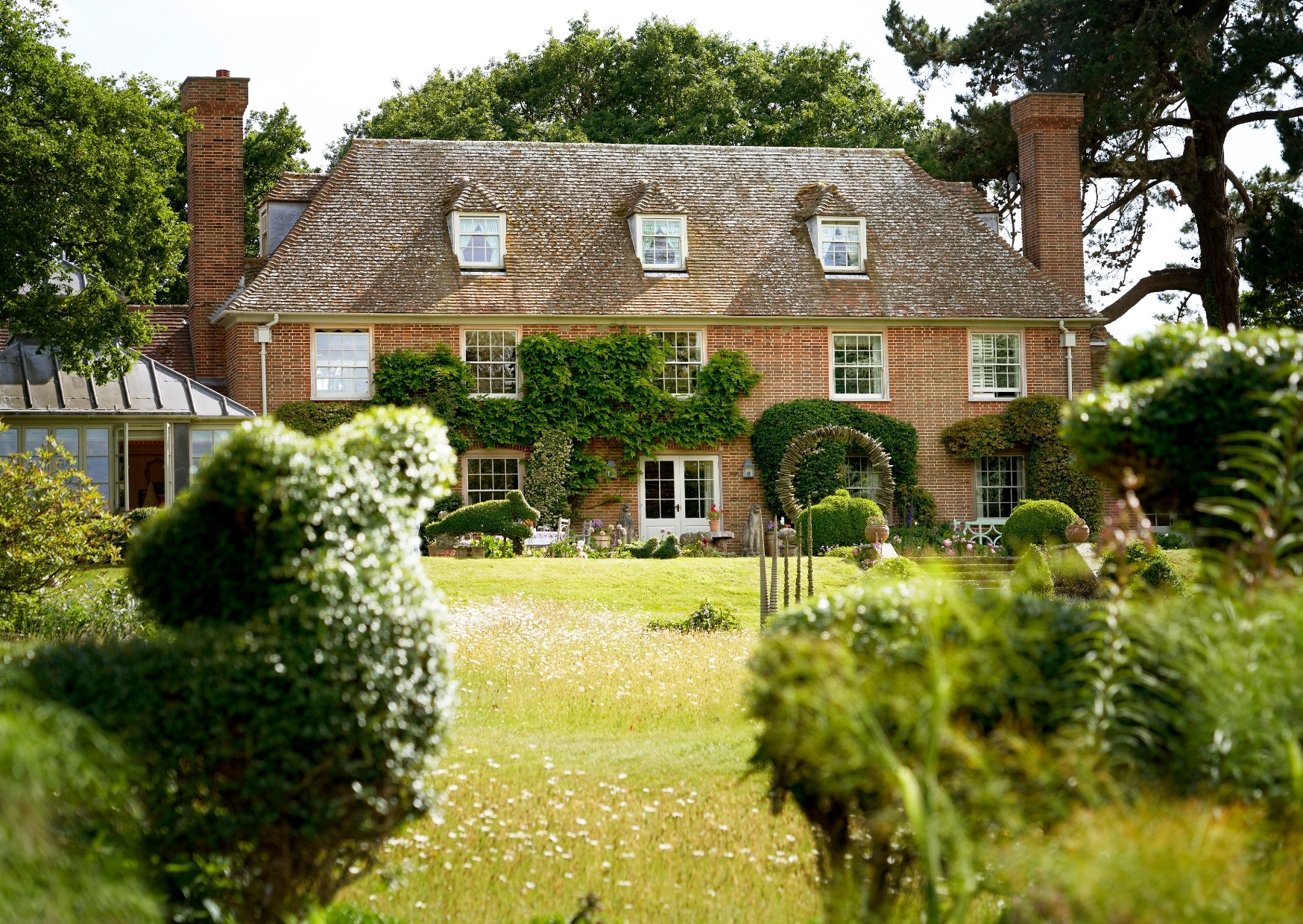
Structure is the quiet backbone of the garden. Gravel paths, low hedges, brick walls, or simple pergolas create order, while pleached trees or clipped hedging introduce rhythm and flow. A winding path gently reveals the garden in layers, inviting exploration and creating a sense of arrival into a hidden oasis.
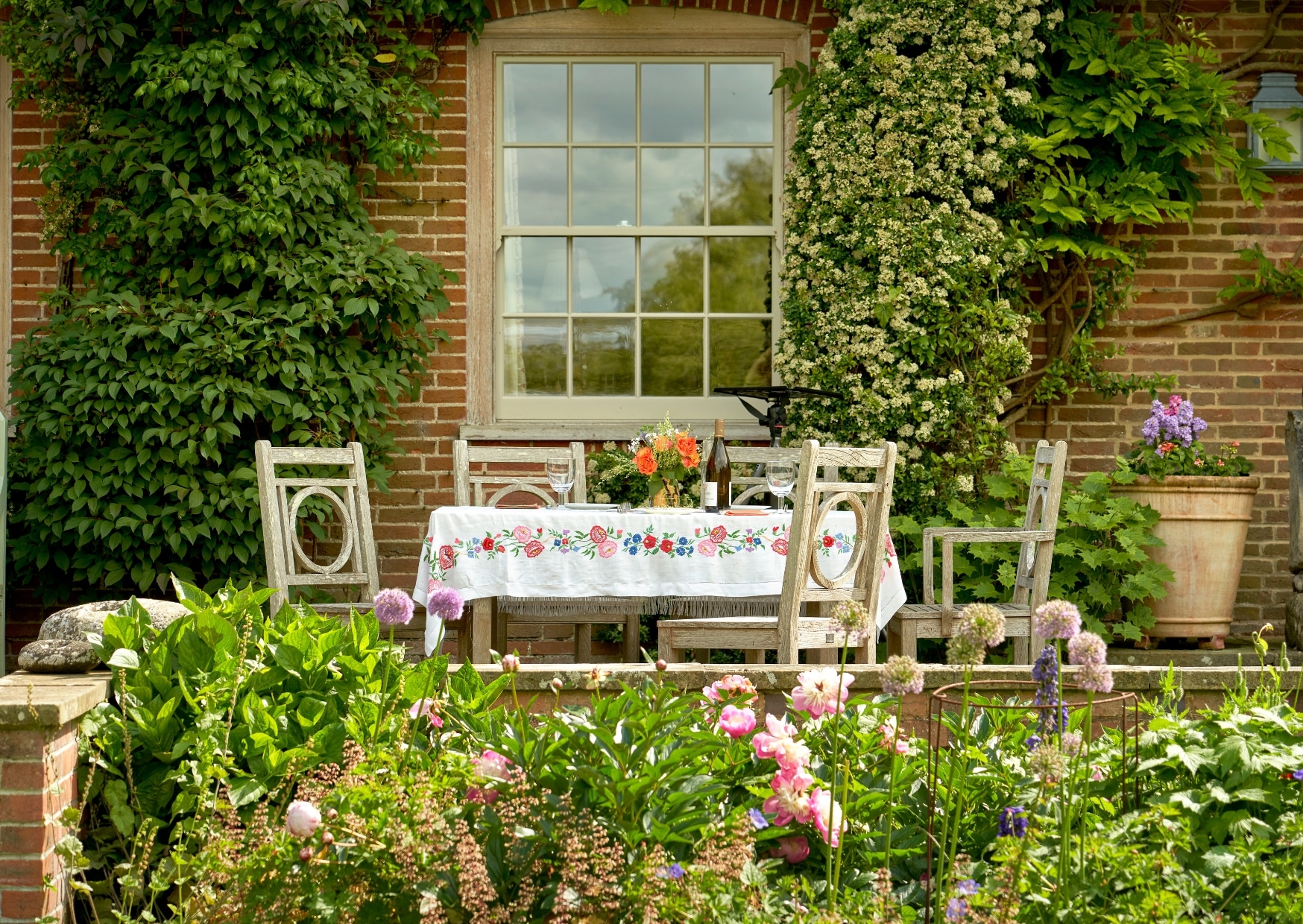
Planting should feel generous and gently untamed. Picture borders spilling with perennials and seasonal blooms, while ivy climbs over a crisp trellis. Combine varied heights, textures, and forms. Traditional English gardens often favour soft, harmonious tones of pinks, purples, creams, and powder blues. The key is to let plants mingle naturally rather than arranging them too rigidly. This allows the eye to wander and the garden to feel alive, evolving, and full of movement.
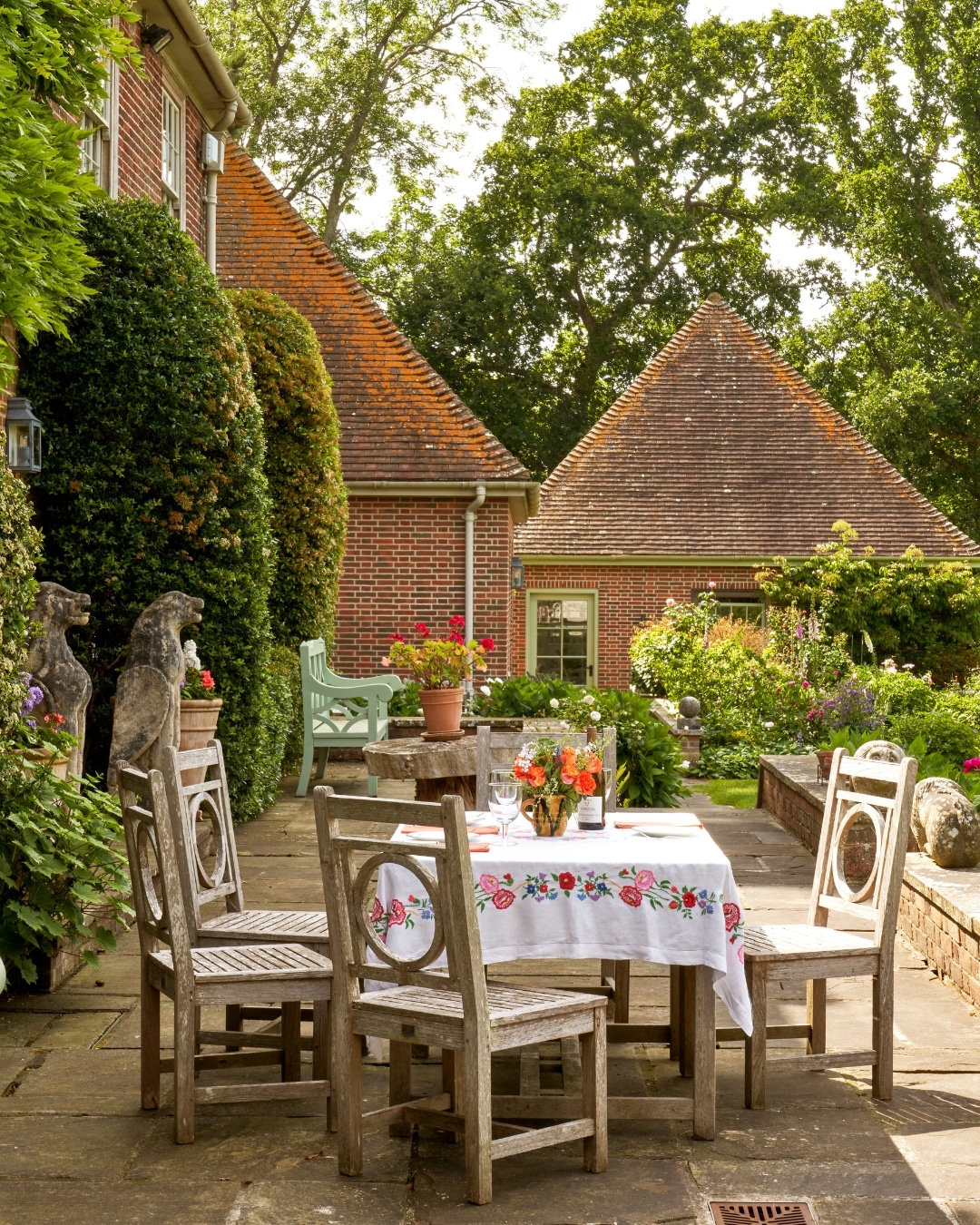
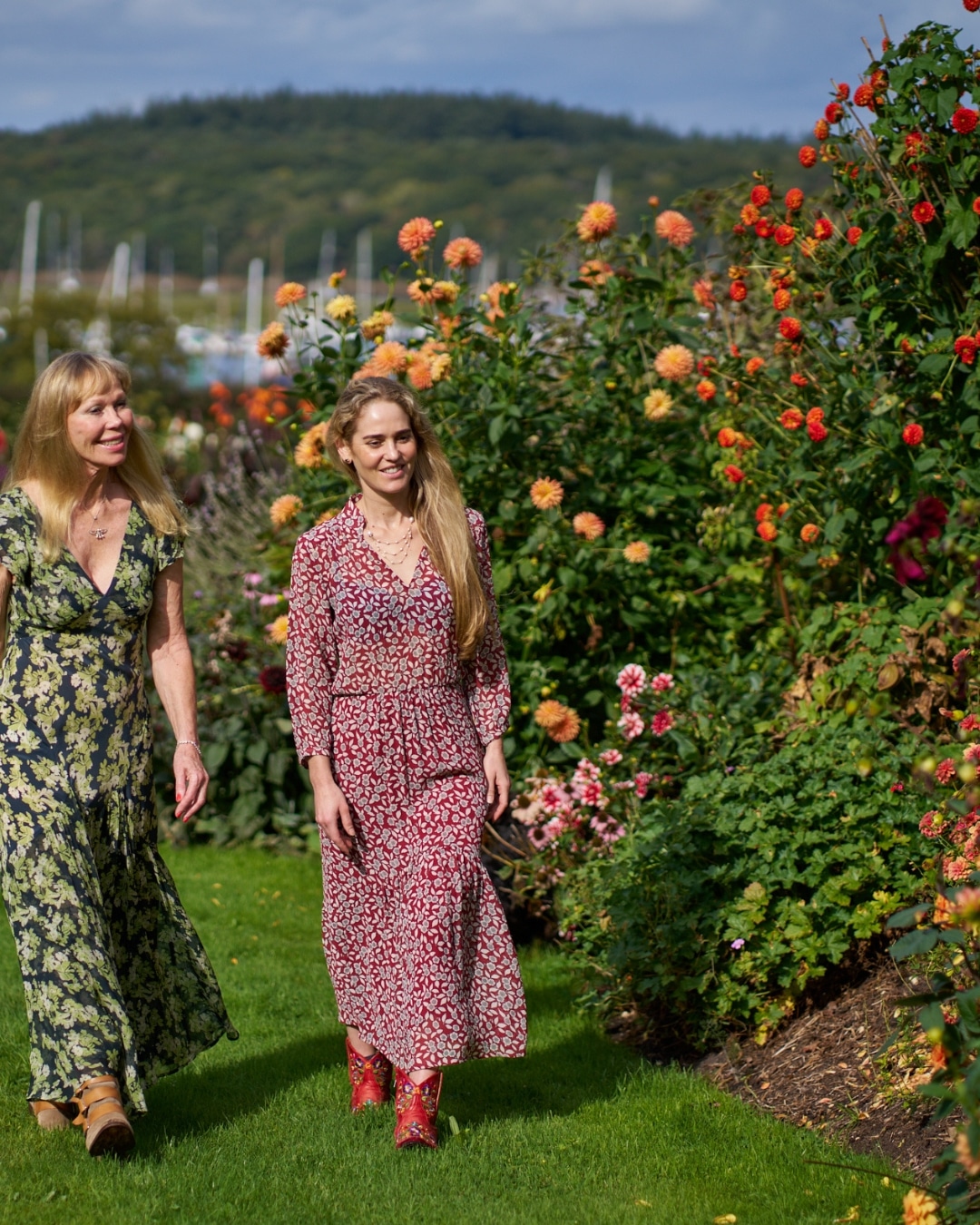
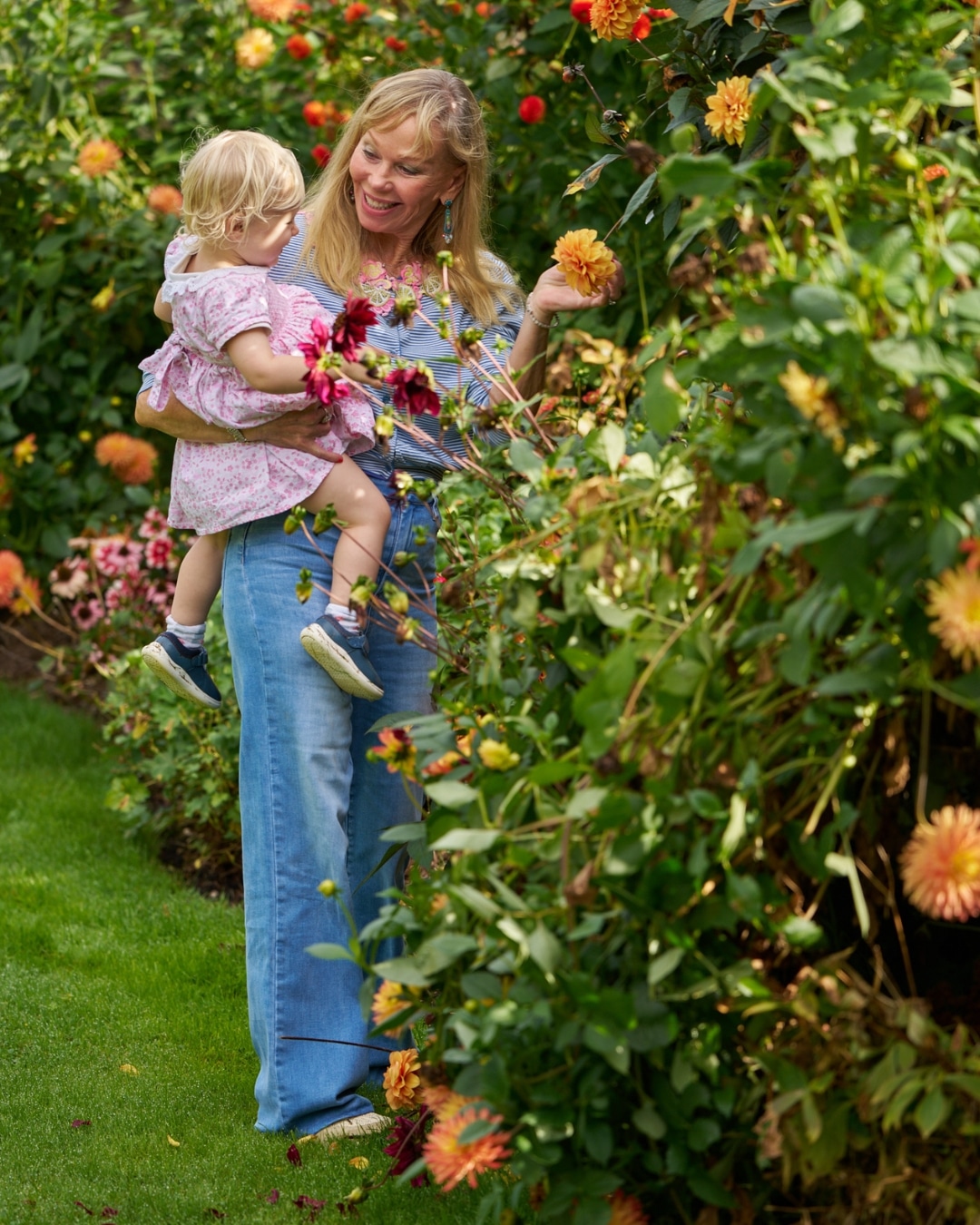
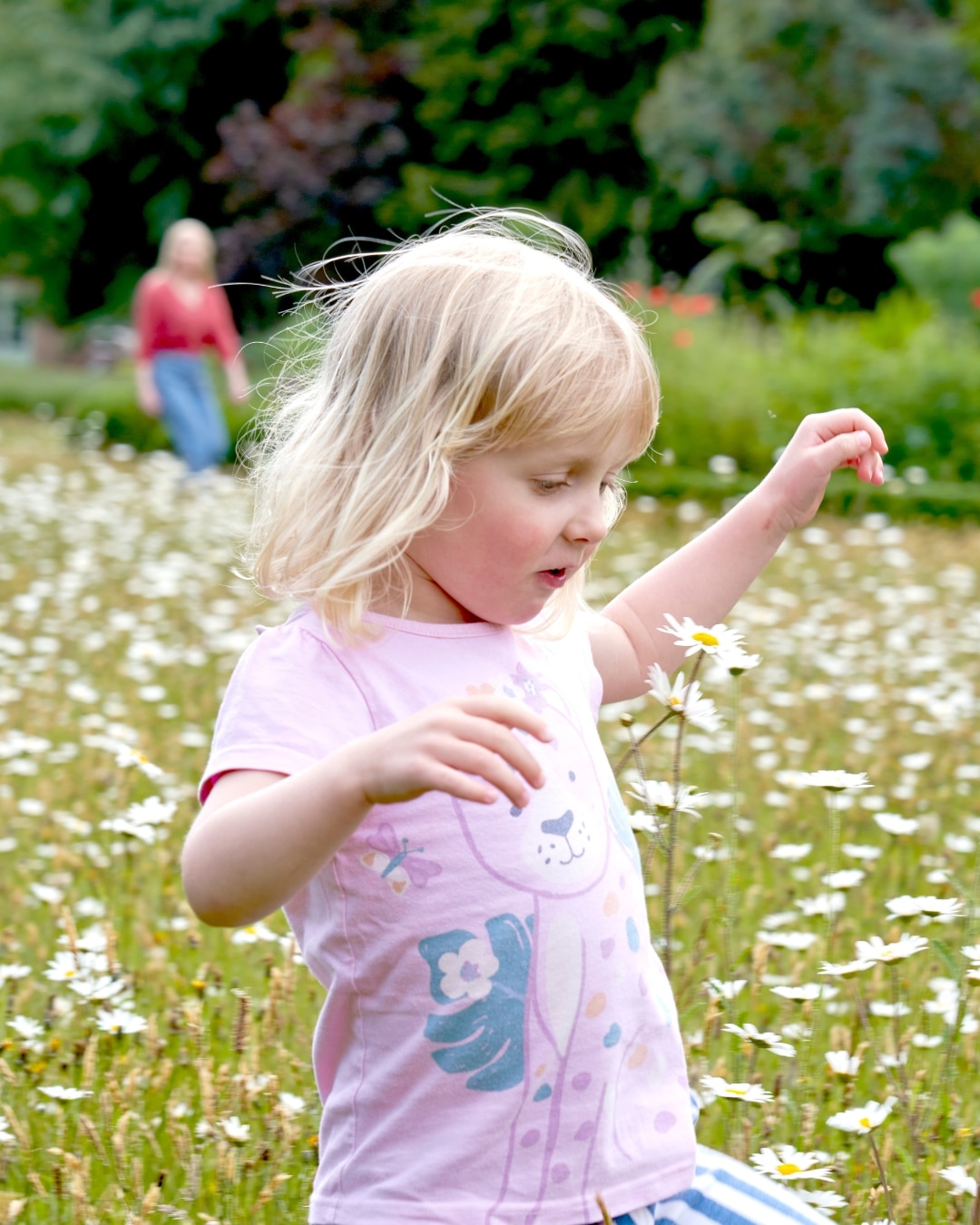
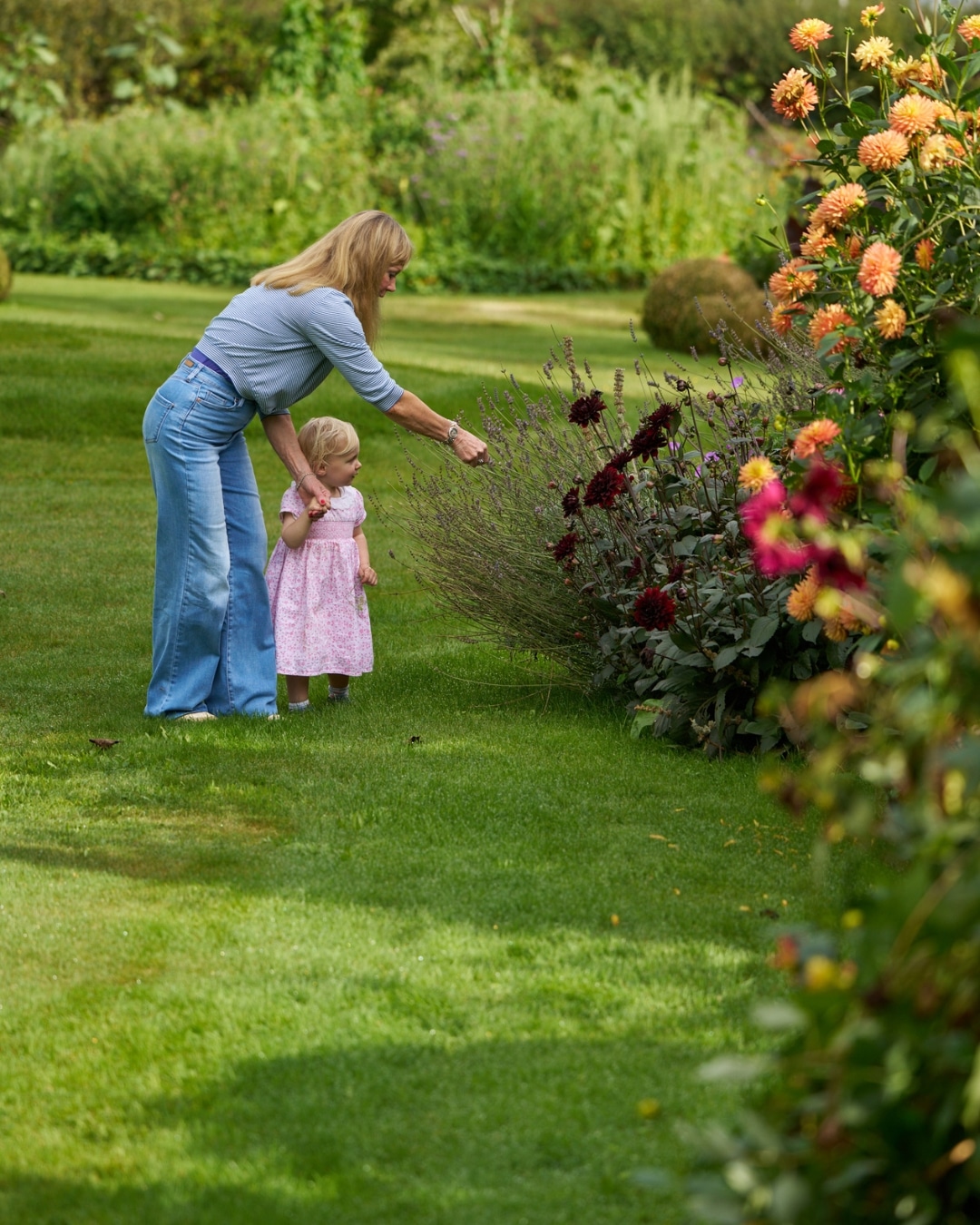
Gardening with children or grandchildren adds another layer of joy, offering a chance to connect with nature, create lasting memories and share simple moments together.
Sculptures create focal points, bringing a sense of artistry and storytelling that blurs the line between nature and design.

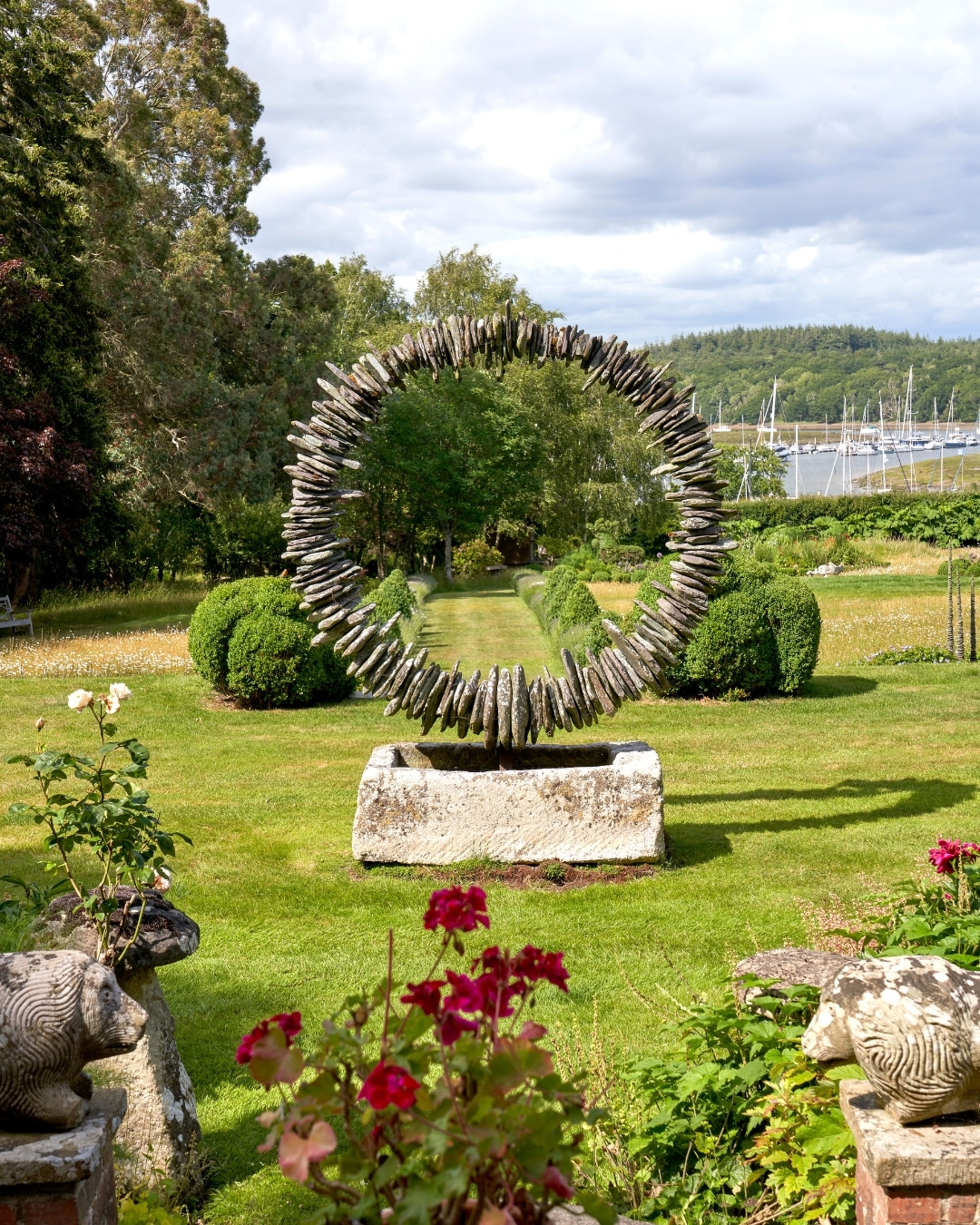
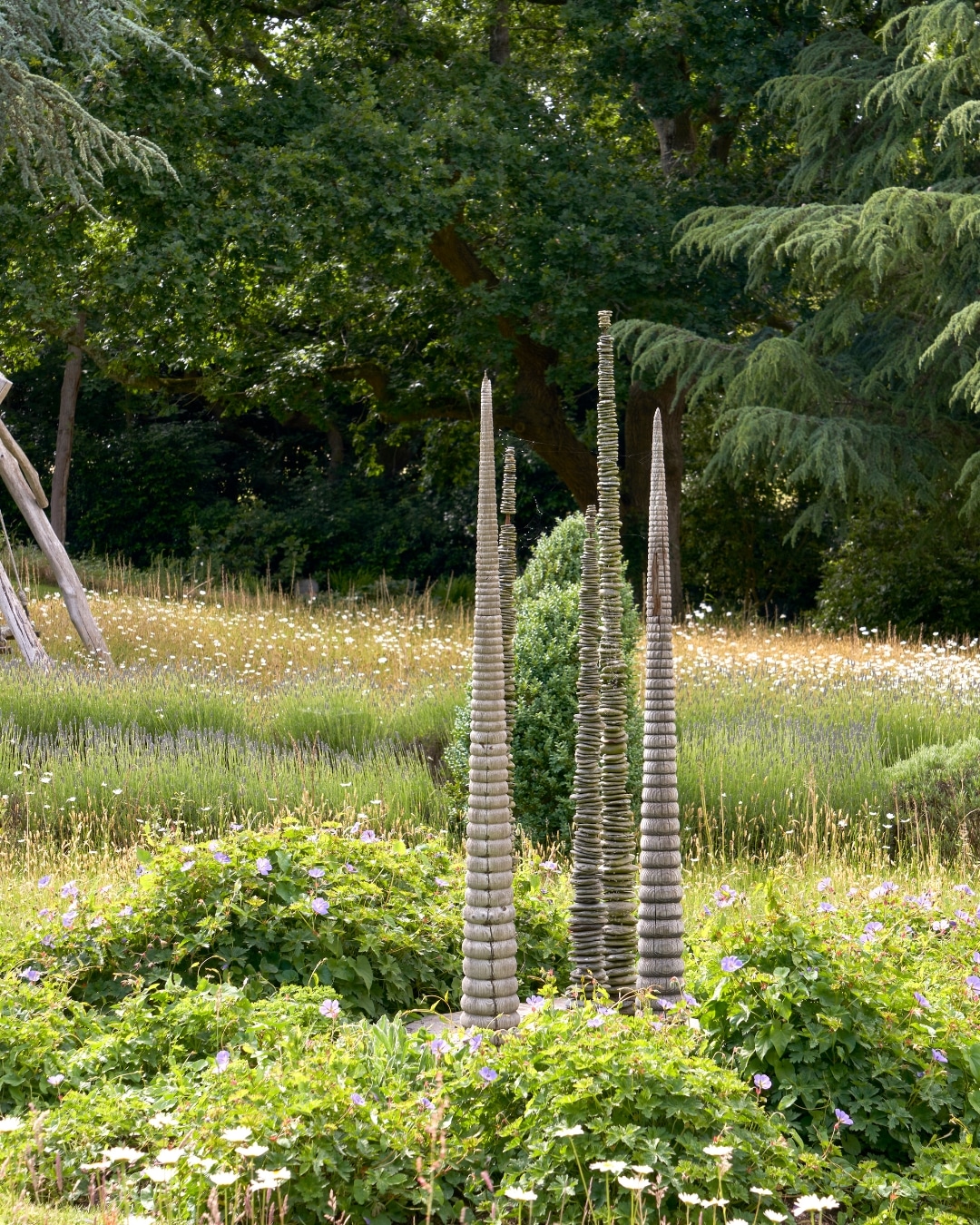
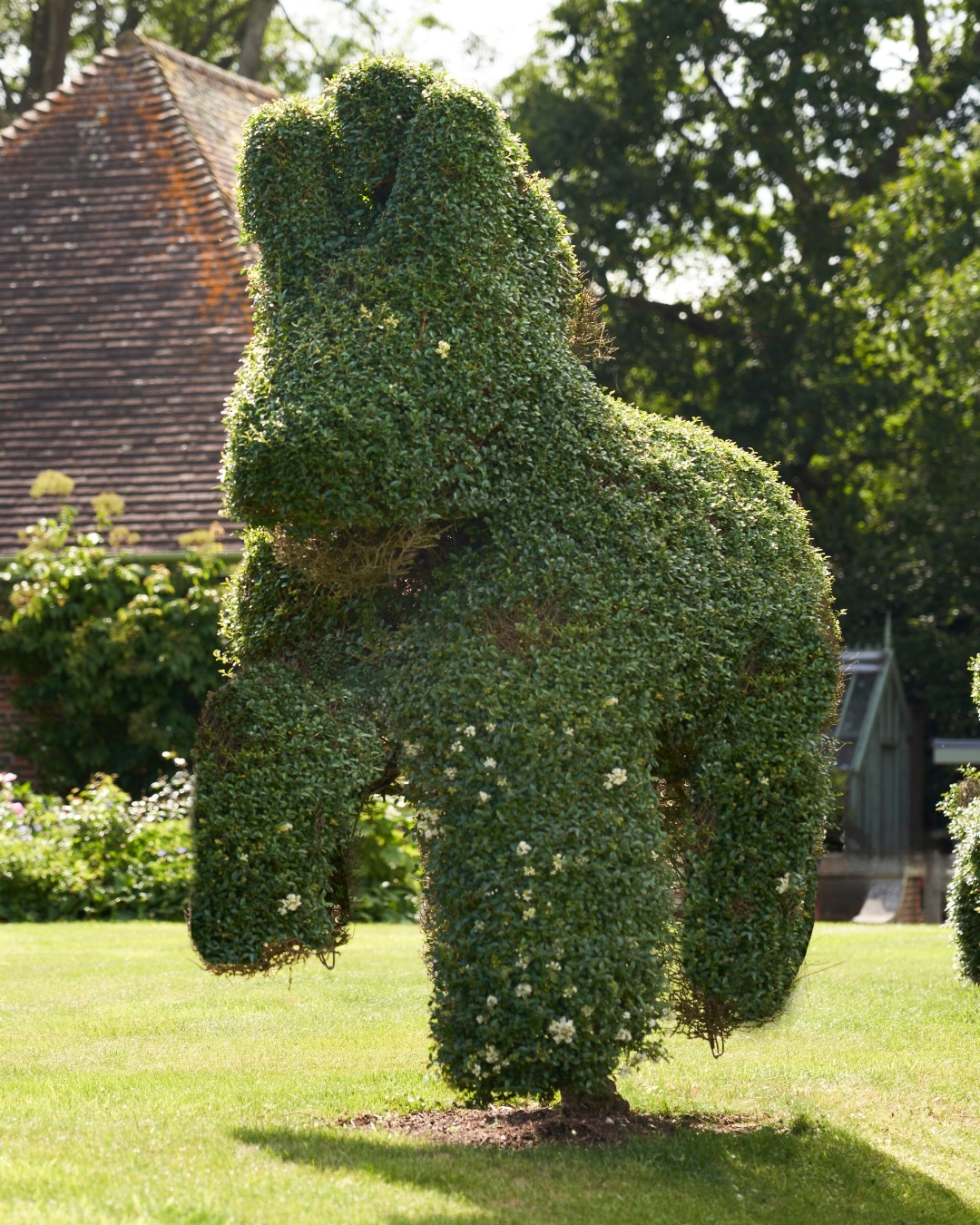
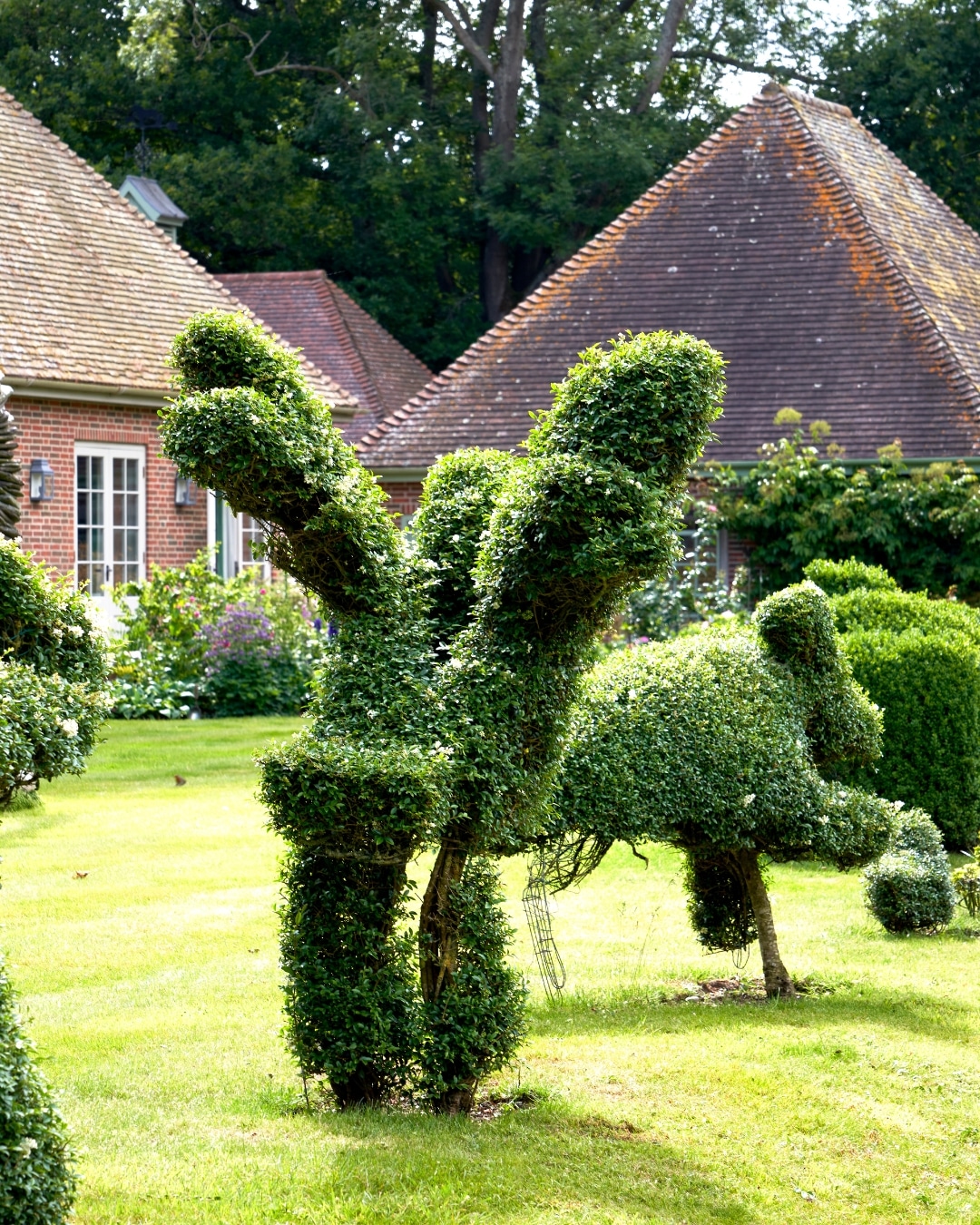
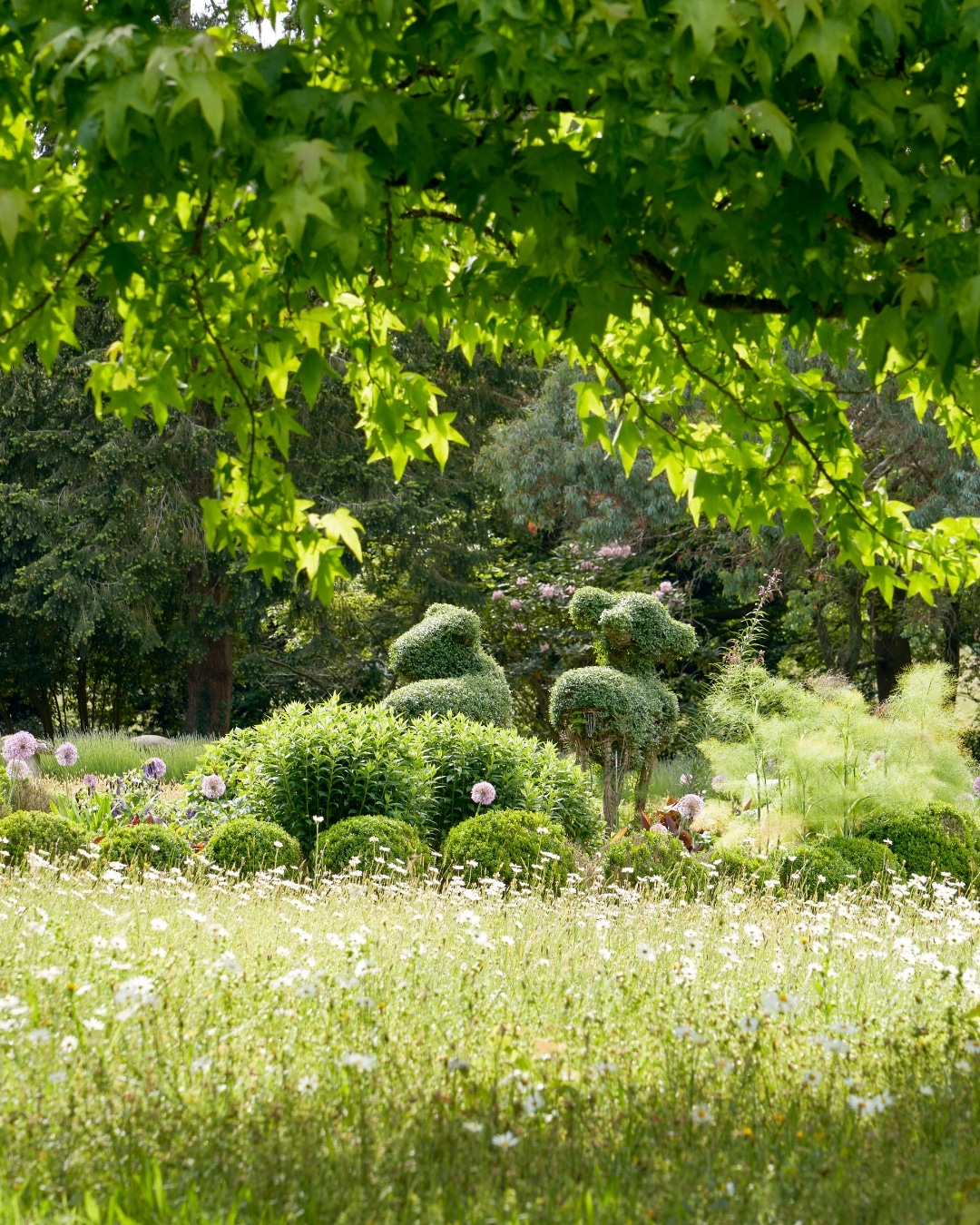
One of the most enchanting forms is topiary, the careful clipping of hedges into sculptural shapes. Living greenery can be shaped into anything from galloping ponies to elegant deer, introducing a sense of theatrical drama to the landscape. Topiary brings an oversized, dynamic quality to a garden, with forms that subtly shift through the seasons and respond to the gardener’s hand. Together, these sculptural elements add depth and personality, transforming the garden into an immersive, storybook like setting.
Water is the quiet heartbeat of a garden, bringing movement, light and life into the space. Whether it’s a still reflecting pond or a gentle fountain, water introduces a sense of calm and continuity that softens the landscape. It attracts birds and pollinators, supports biodiversity and creates a cooling effect on warm days.
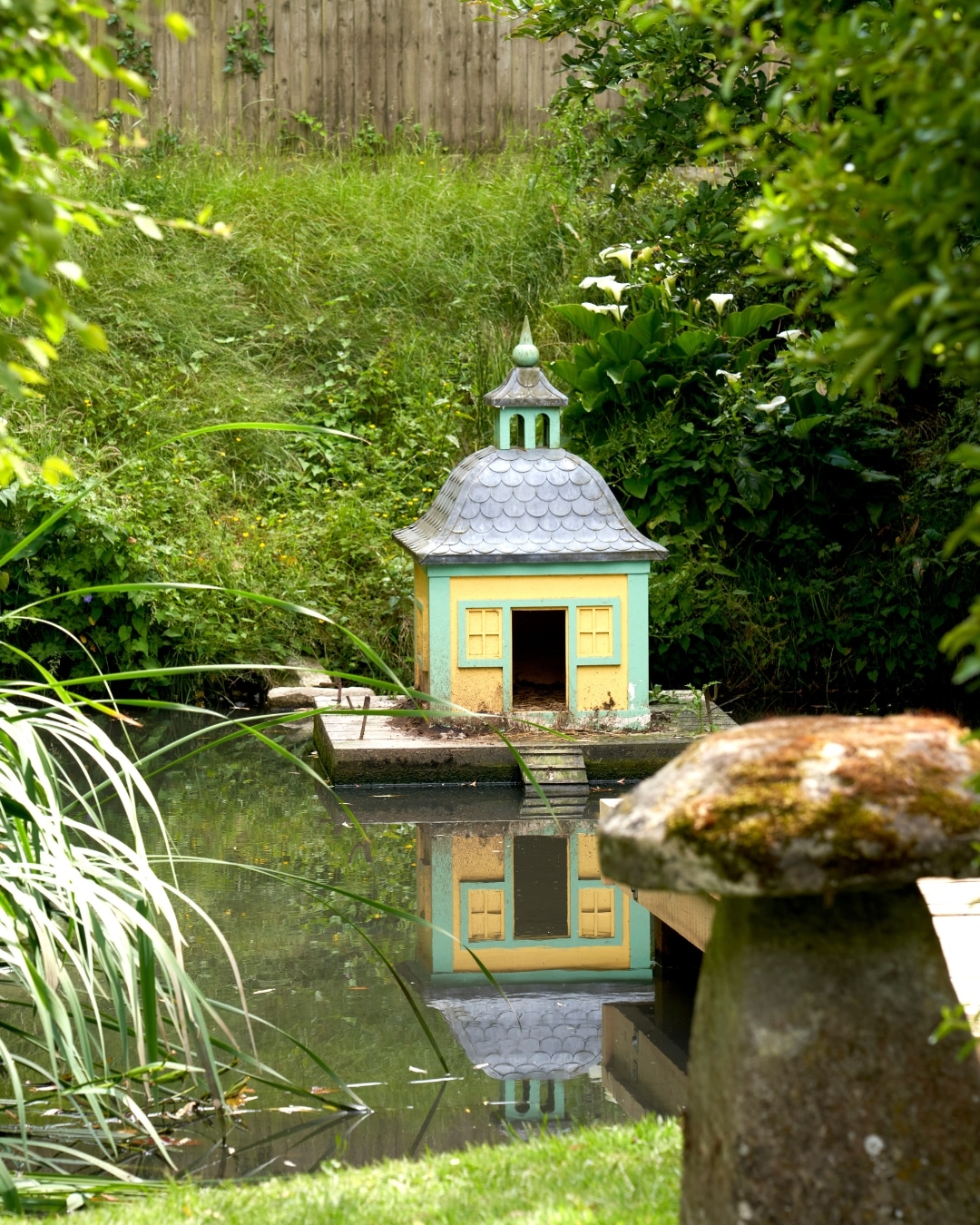
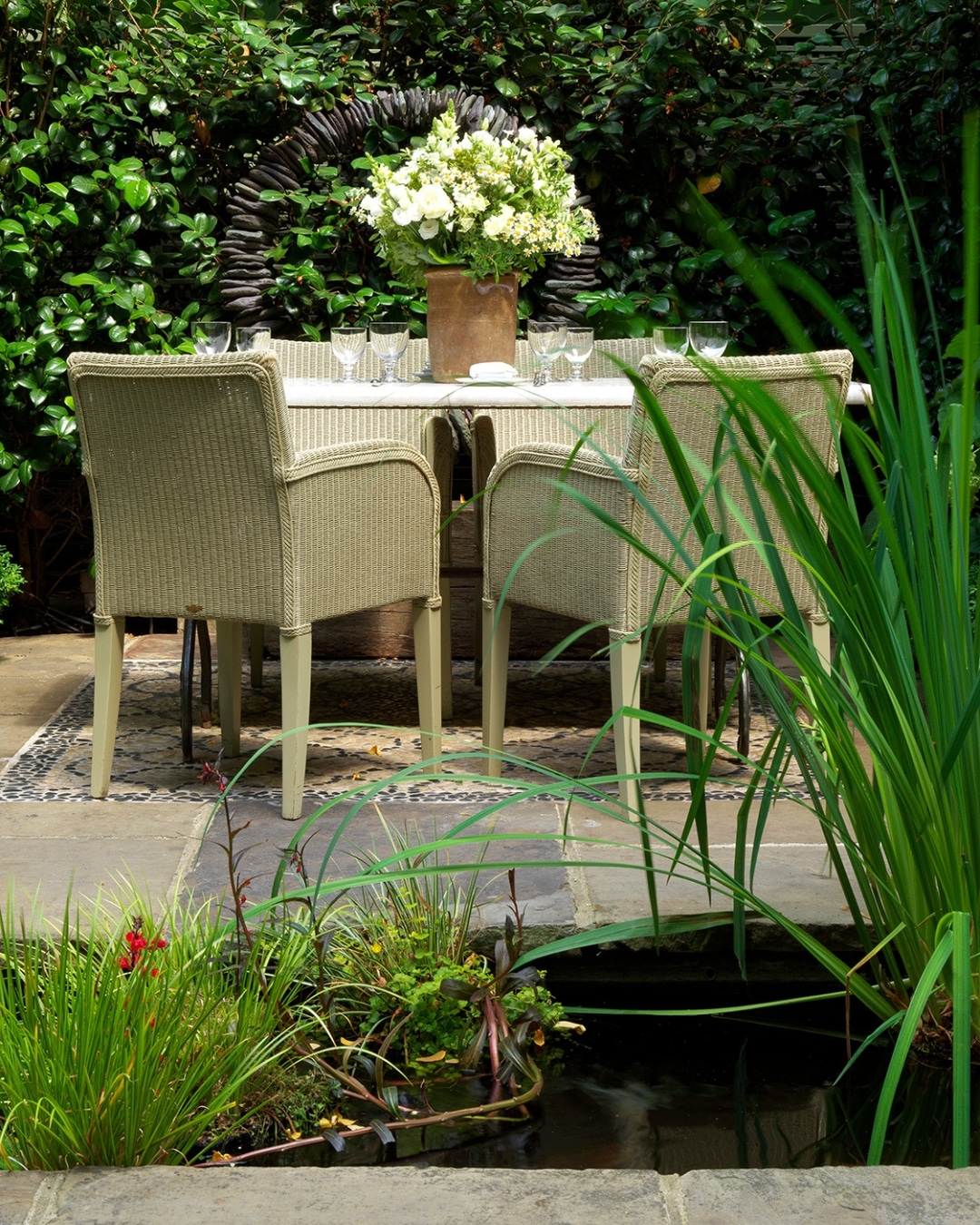
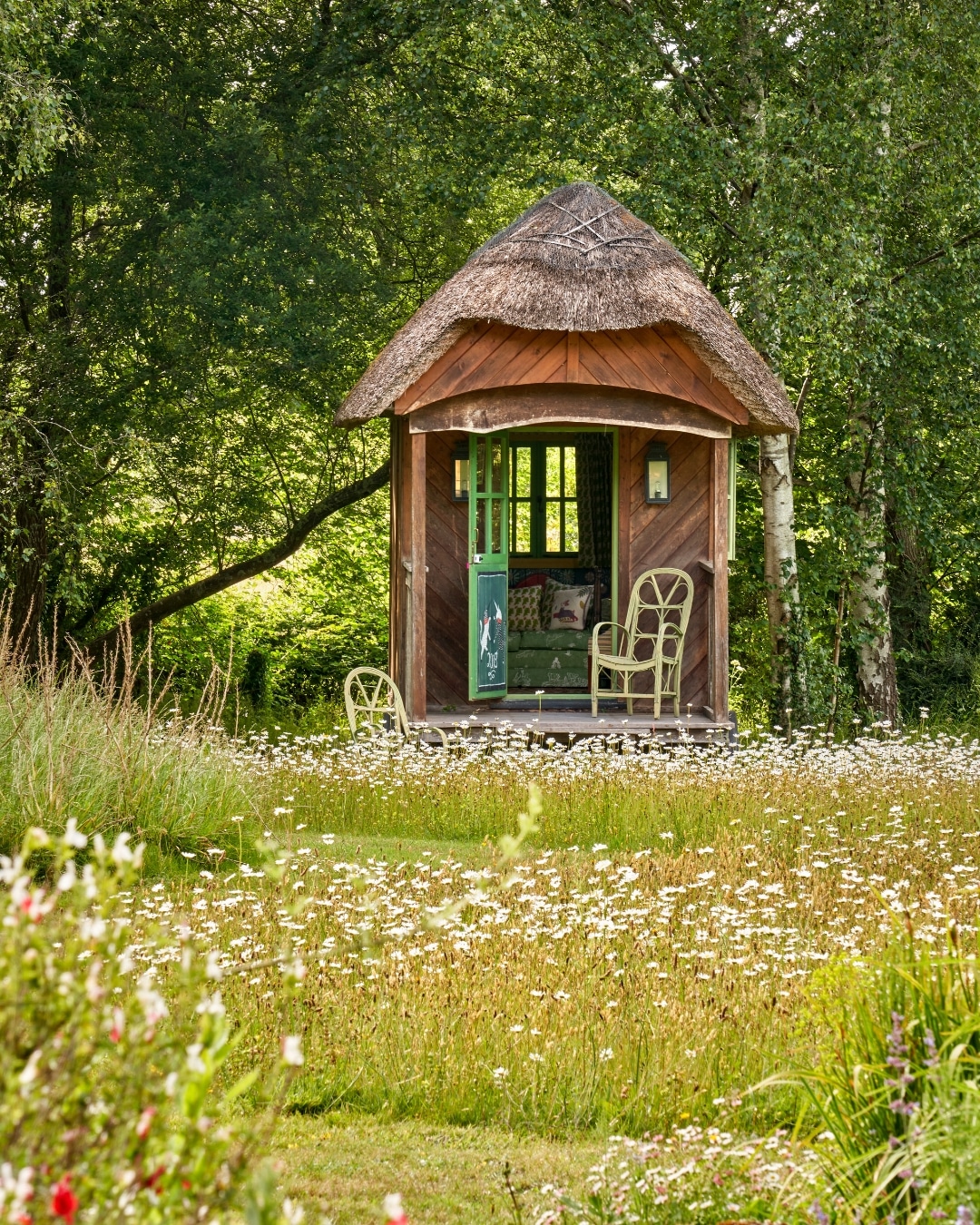
Equally important are the moments of respite, those gentle pauses within the garden. A swinging bench, a gazebo, a shepherd’s hut, or even a wandering gypsy caravan can offer shelter and charm. These inviting spaces encourage you to linger, rest and quietly reflect, giving the garden both purpose and soul.
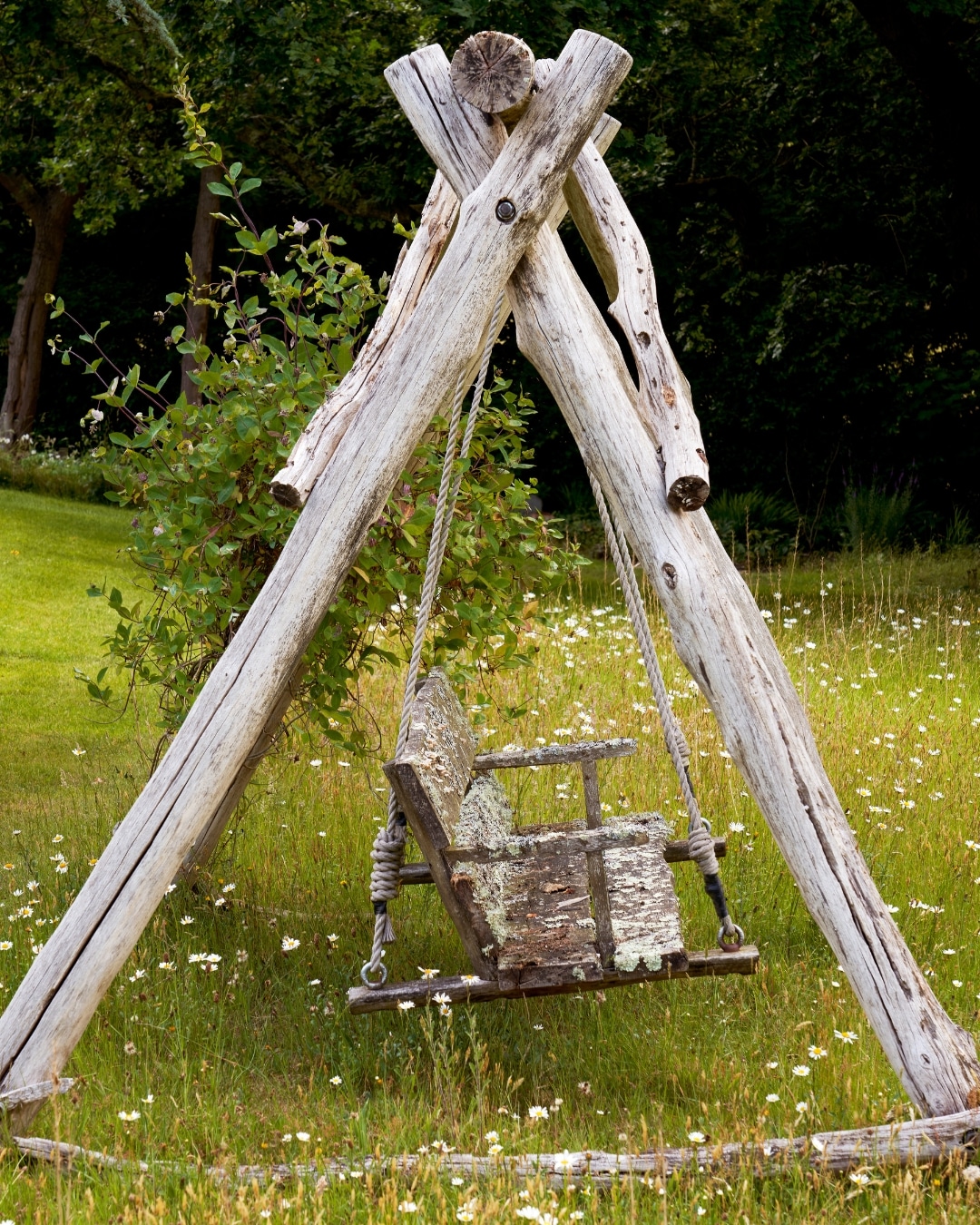
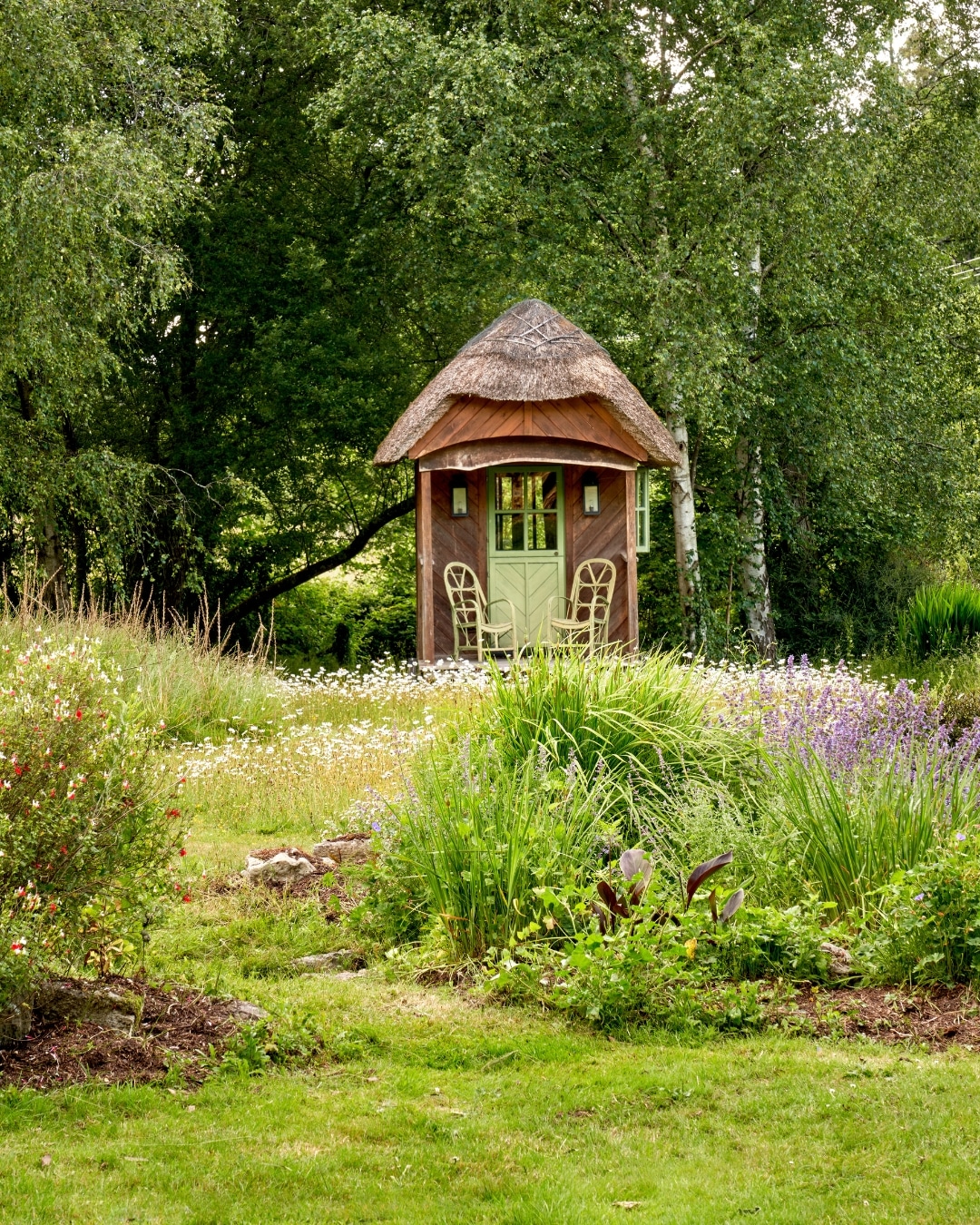
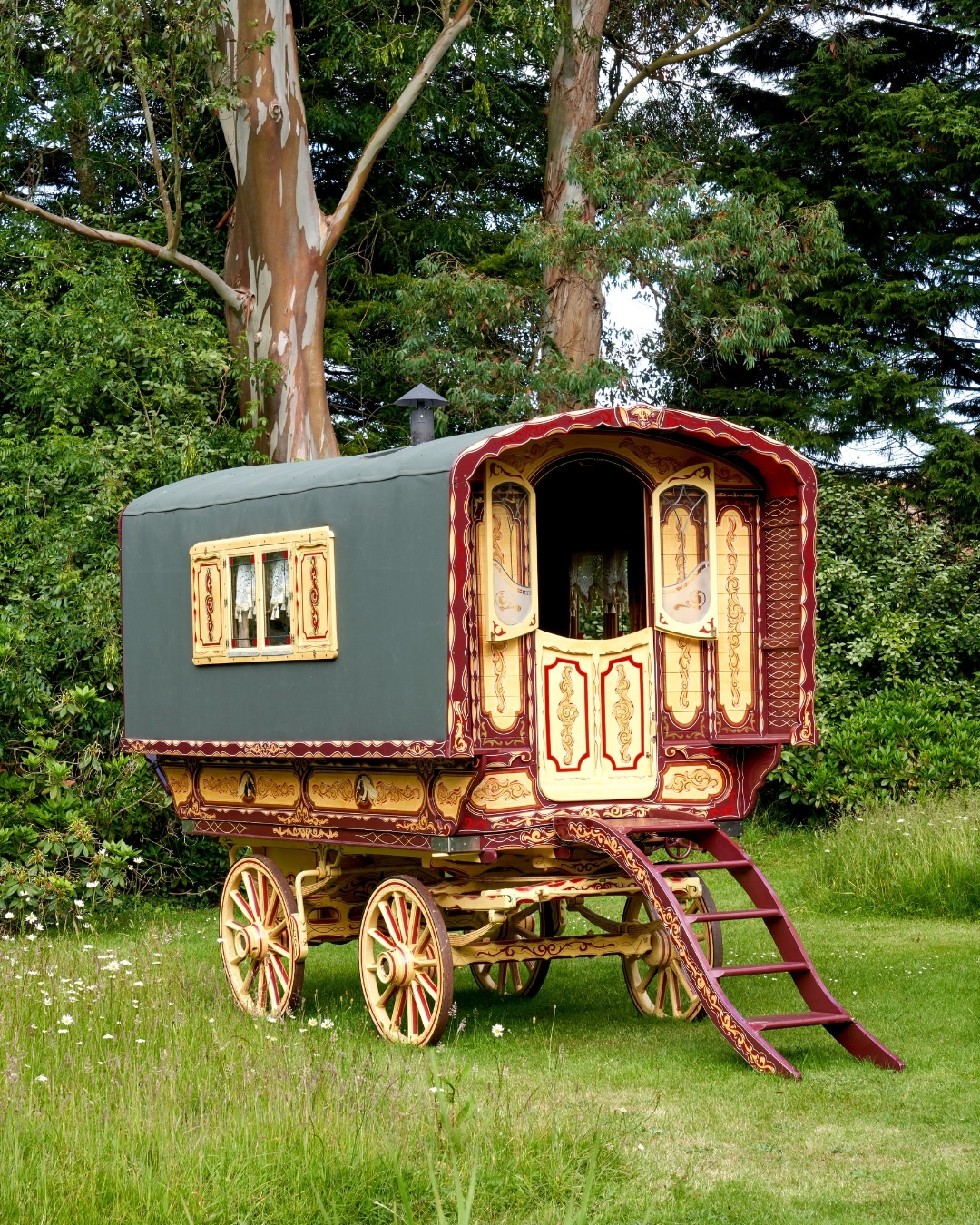
Finally, embrace imperfection. A beautiful English garden should never feel overly manicured; instead, it should evolve naturally with the seasons, much like the families who grow alongside it. We hope we’ve inspired you to begin shaping your own garden with a little more freedom and charm.