

Stripes are anything but ordinary. Both decorative and architectural, they bring rhythm, movement and balance to a space. Whether bold or understated, stripes have the ability to alter how a room feels, drawing the eye, shaping proportions and adding a sense of structure. The key is to use them with confidence and restraint. Here are our favourite ways to make stripes work beautifully in your home.
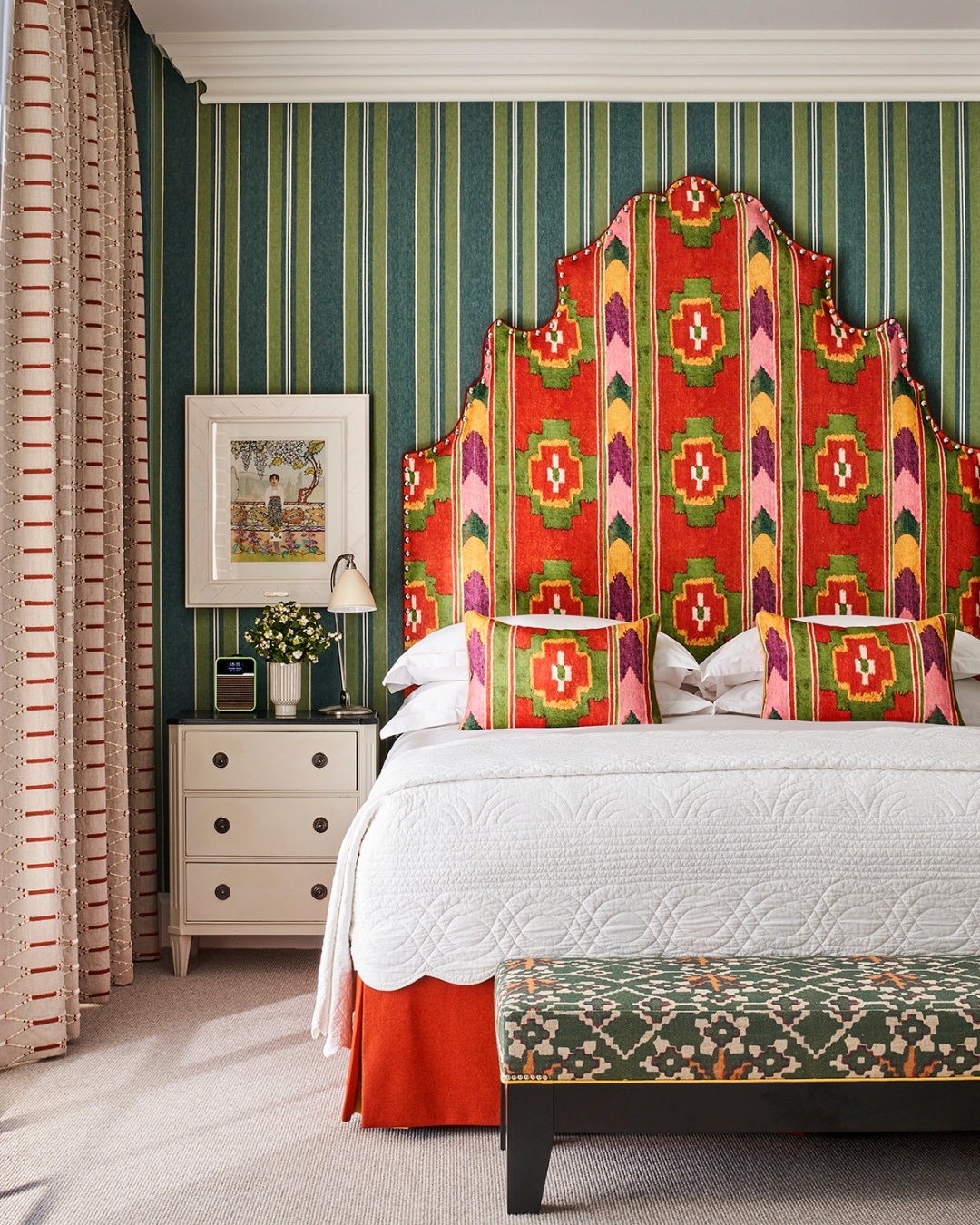
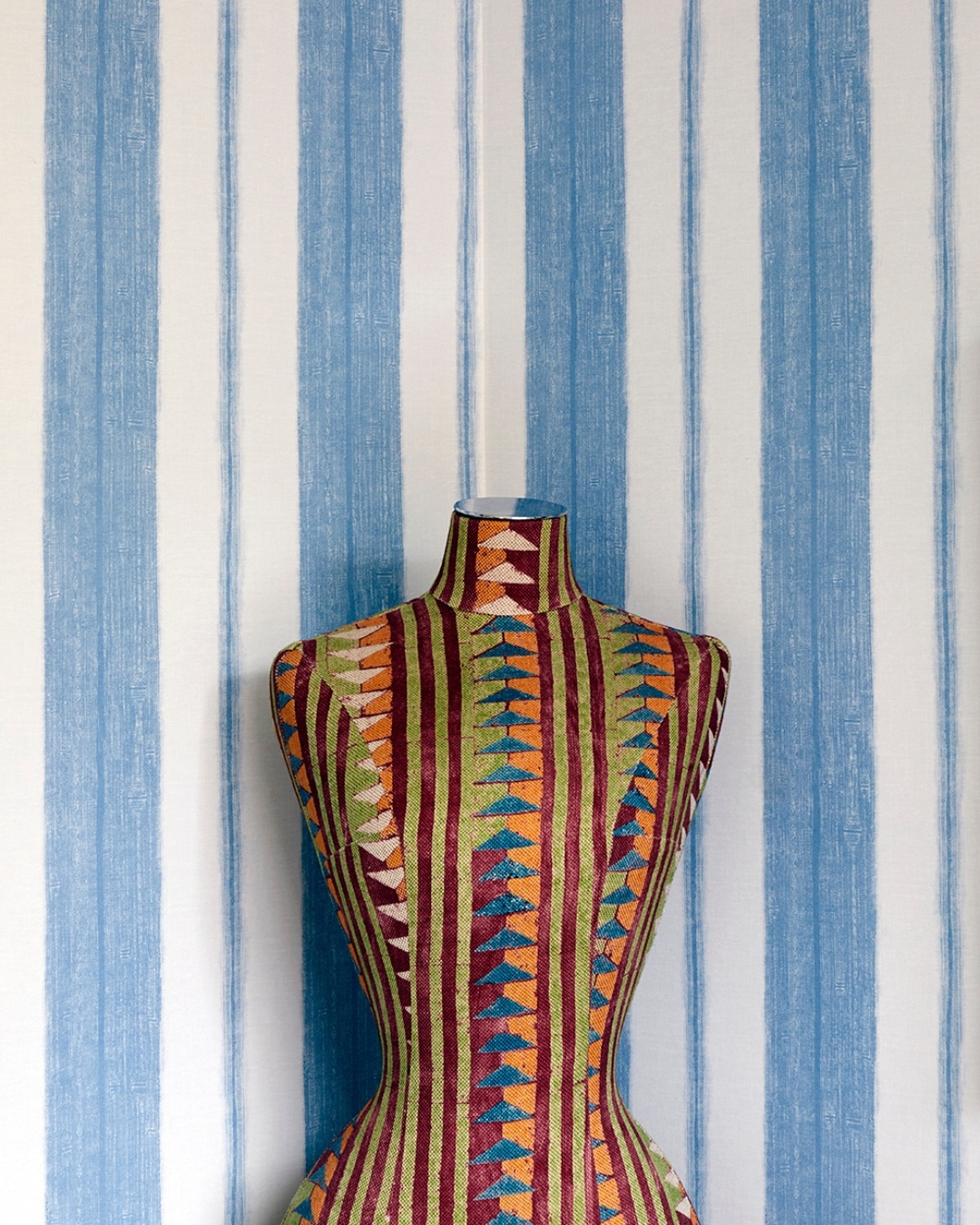
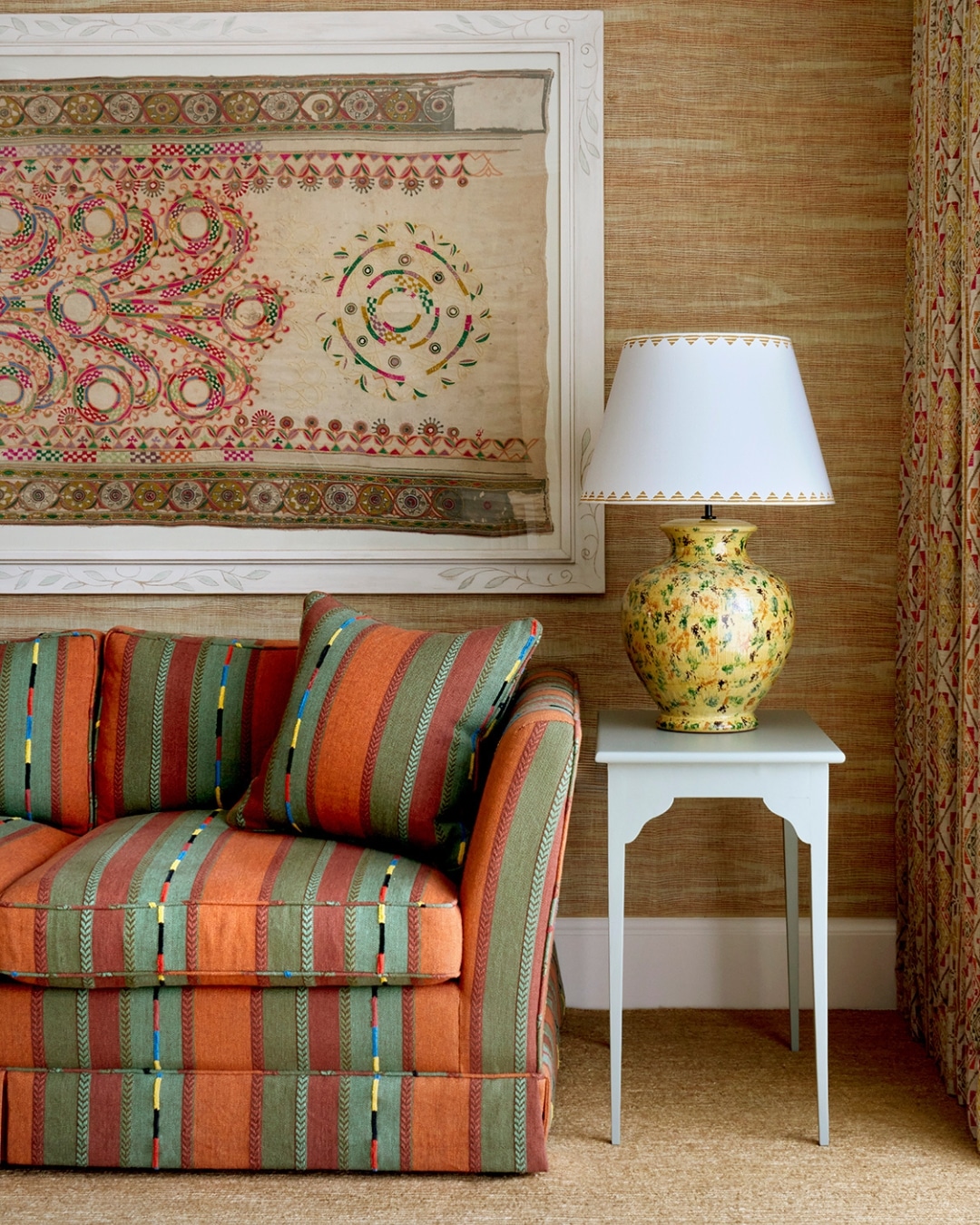
Do use stripes to create movement
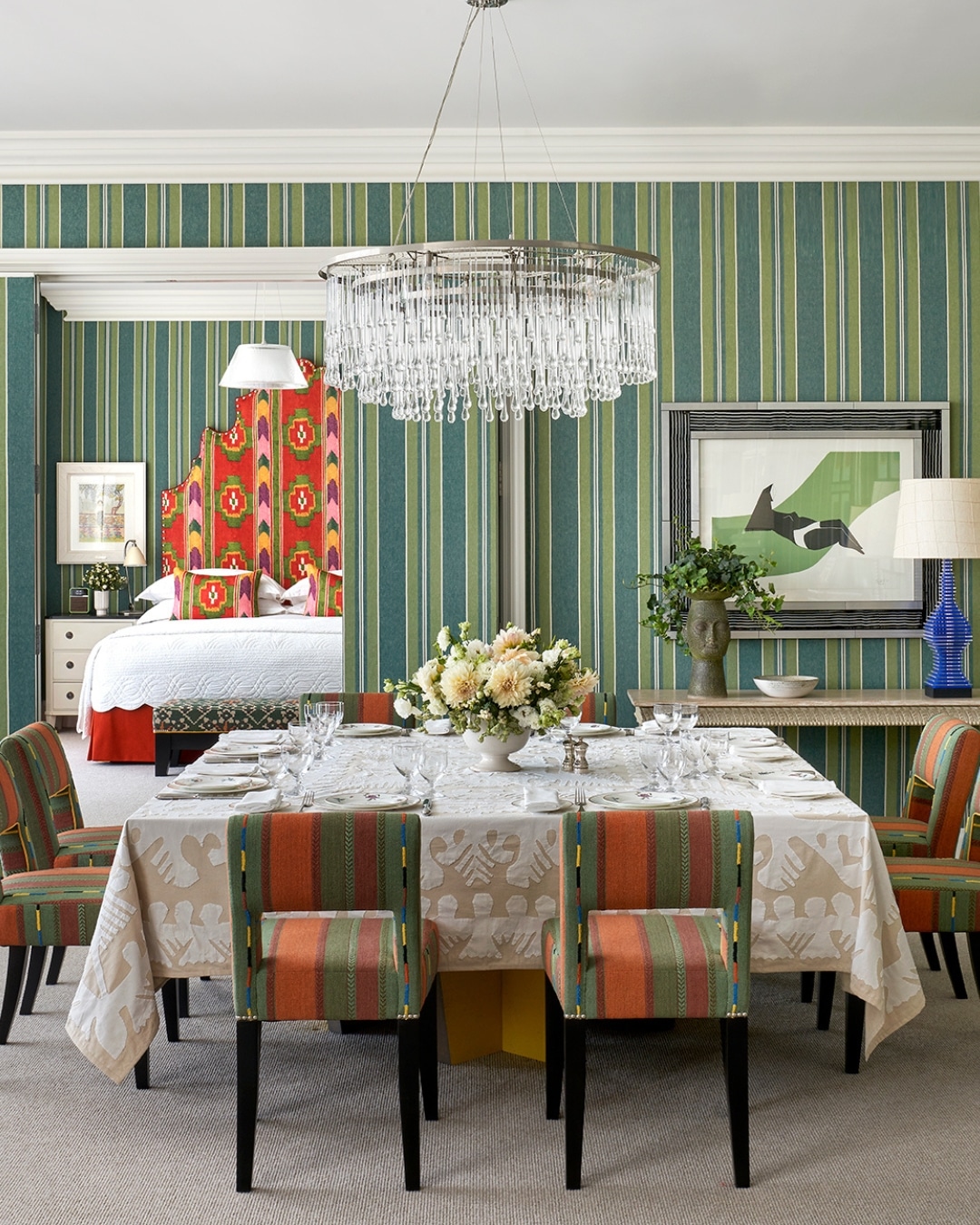
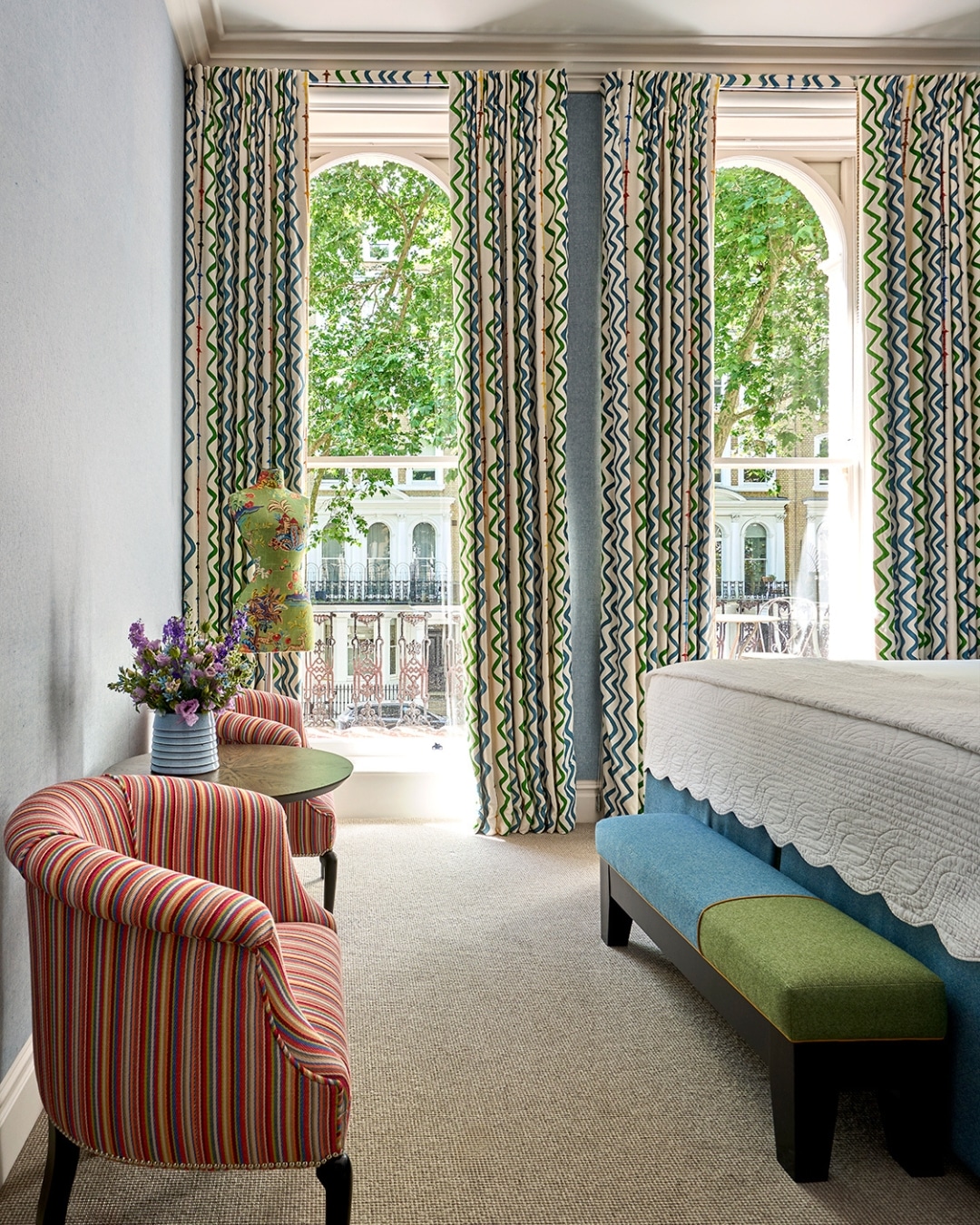
Stripes naturally lead the eye through a room. Vertical stripes on walls or curtains can emphasise height, while horizontal stripes can make a space feel broader. Consider the direction of the stripe as carefully as its colour or scale.
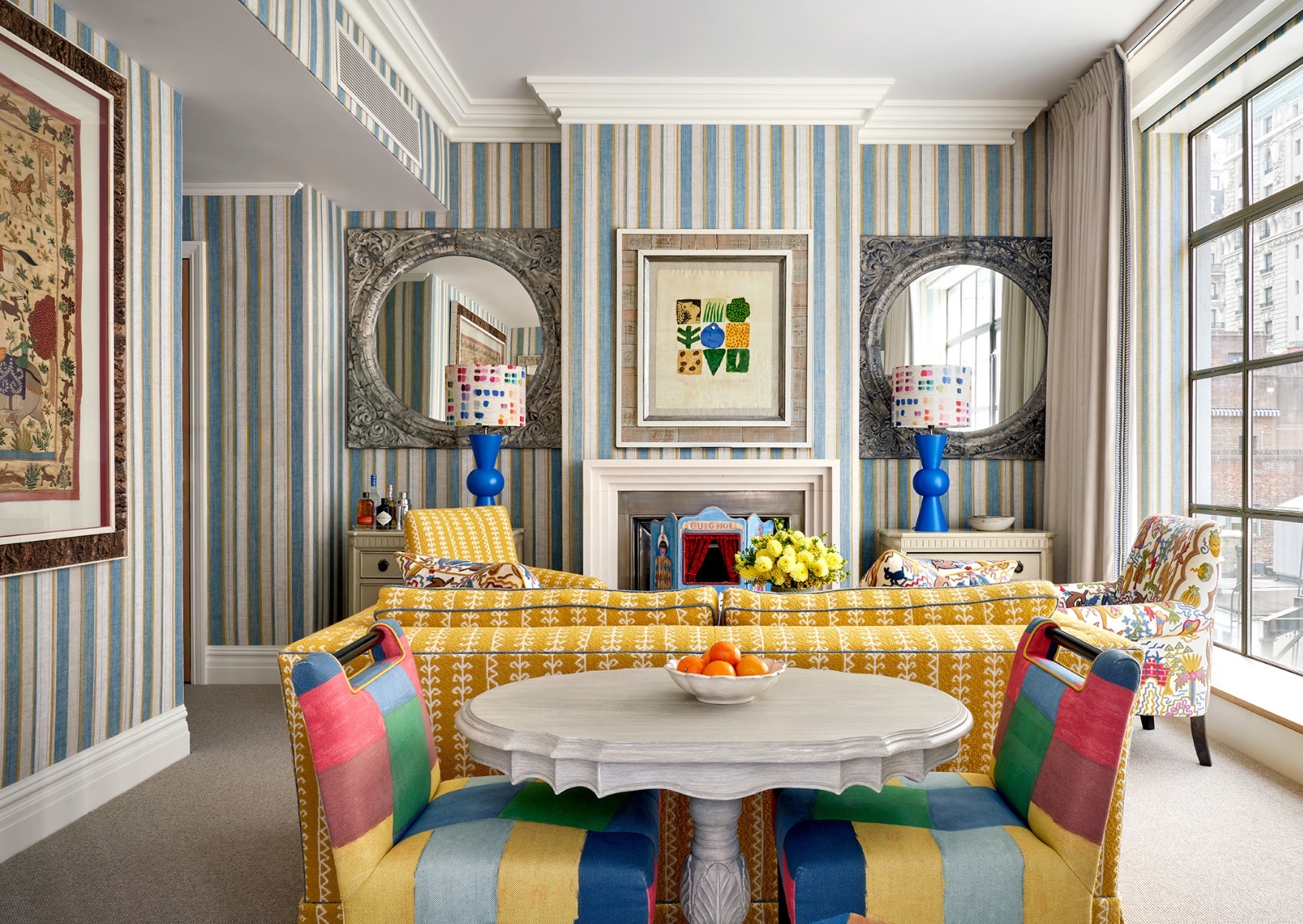
Do layer stripes with other patterns
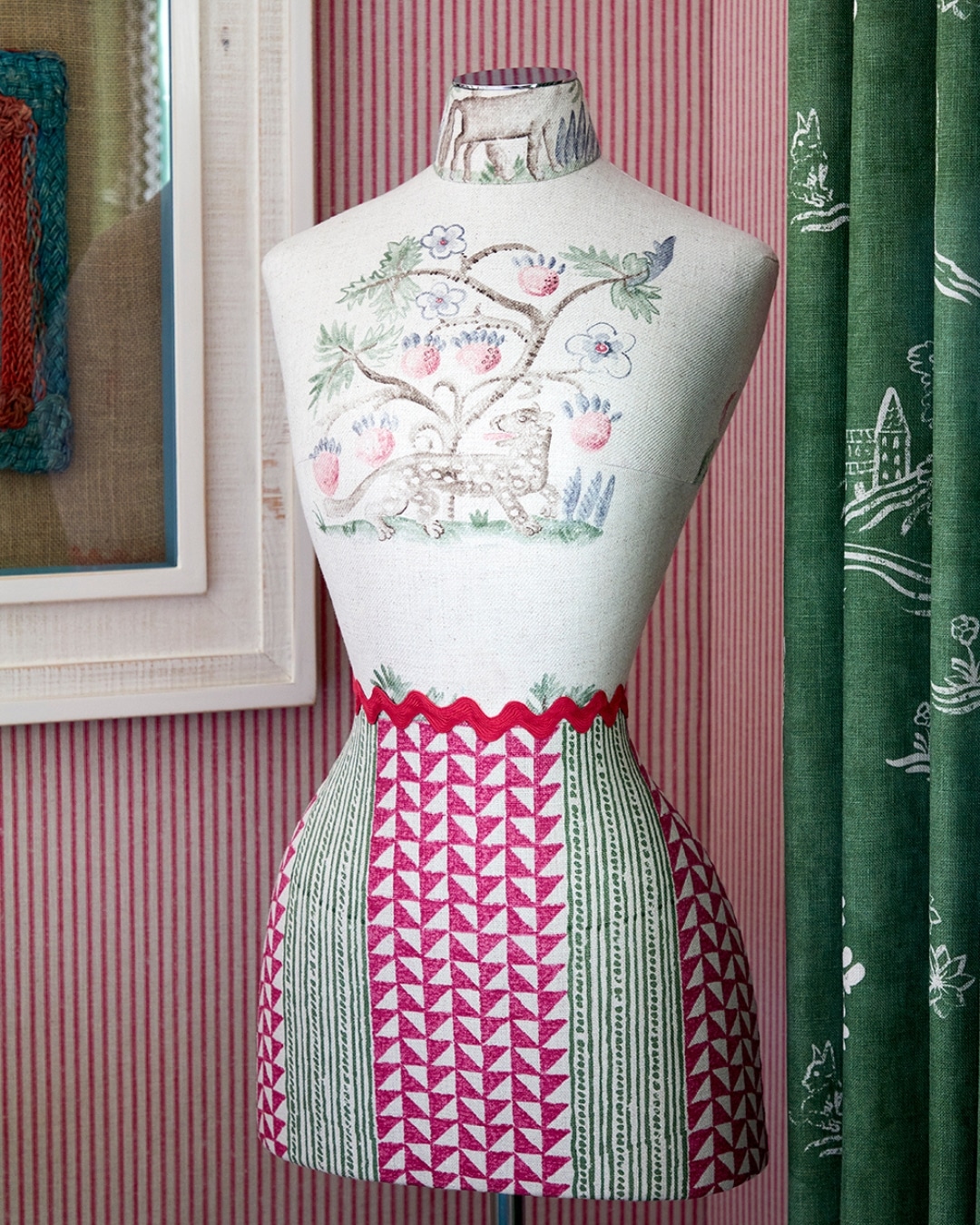
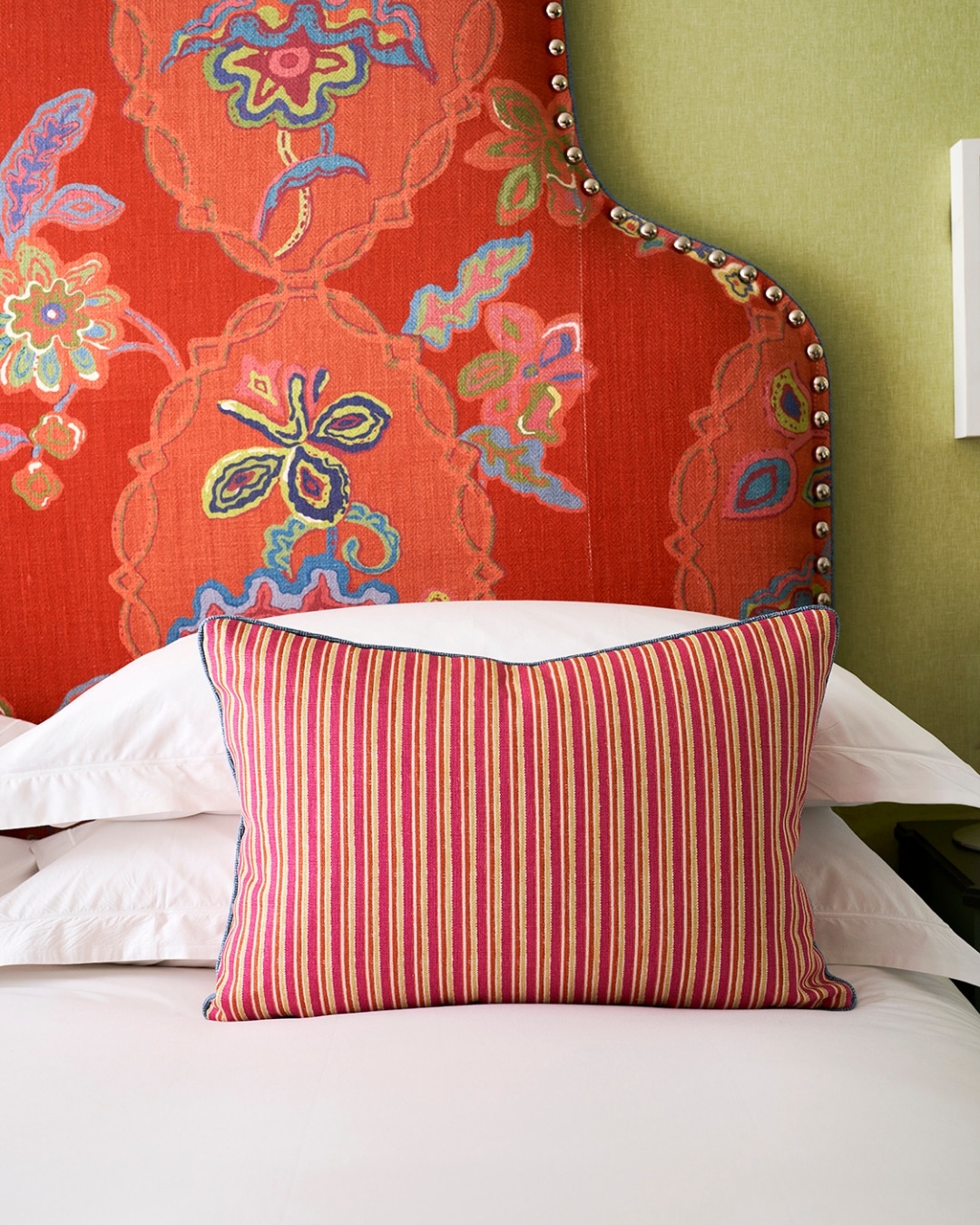
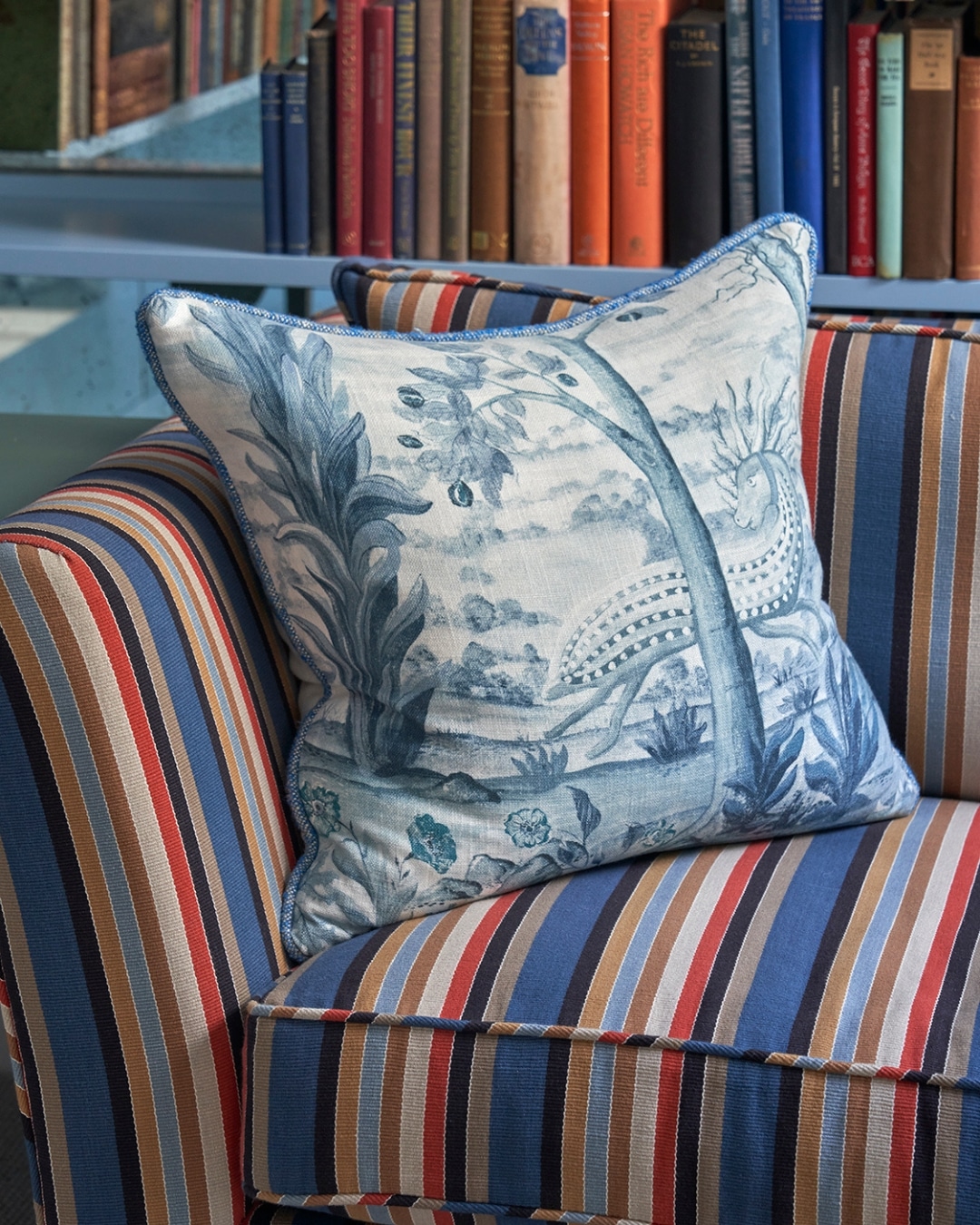
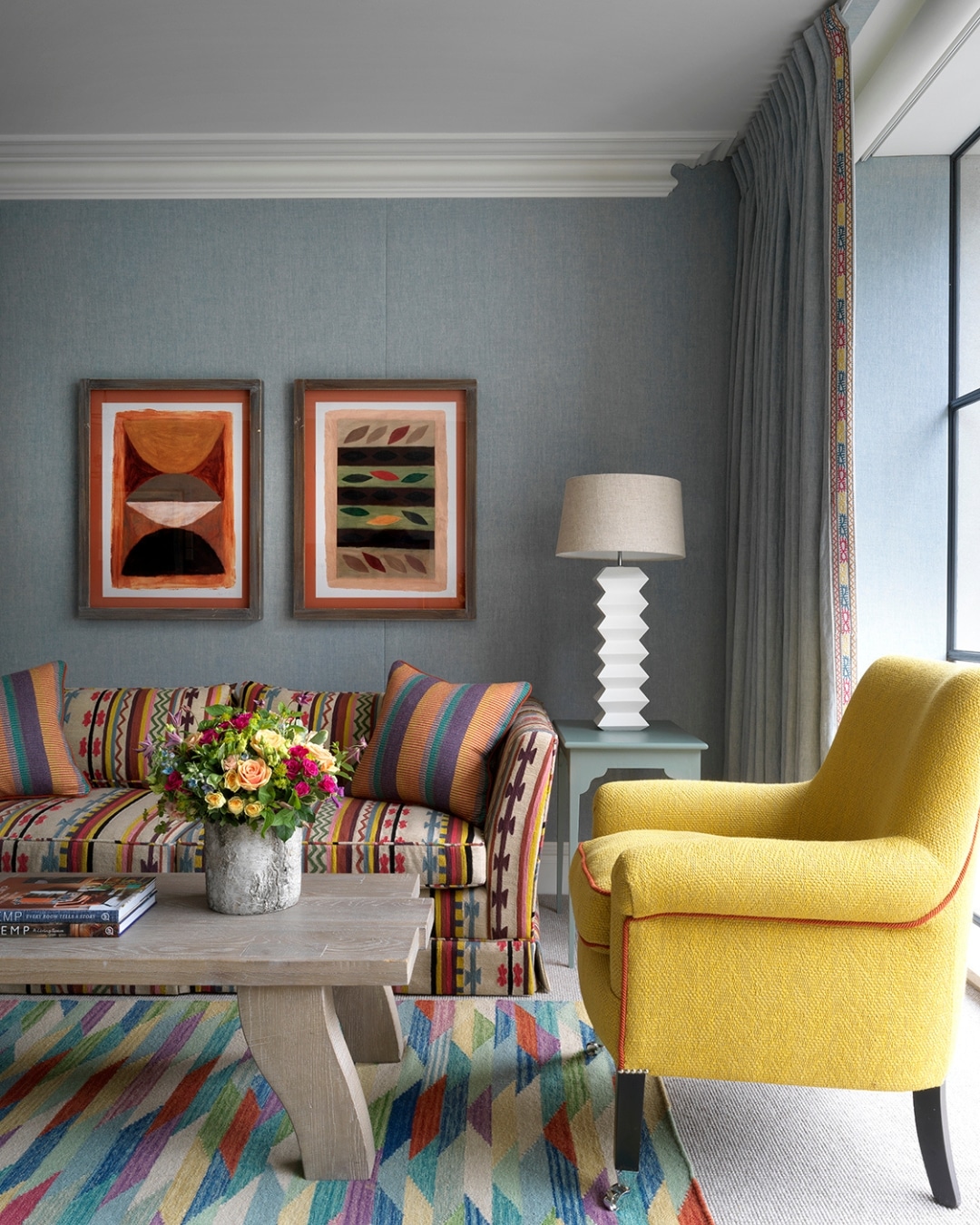
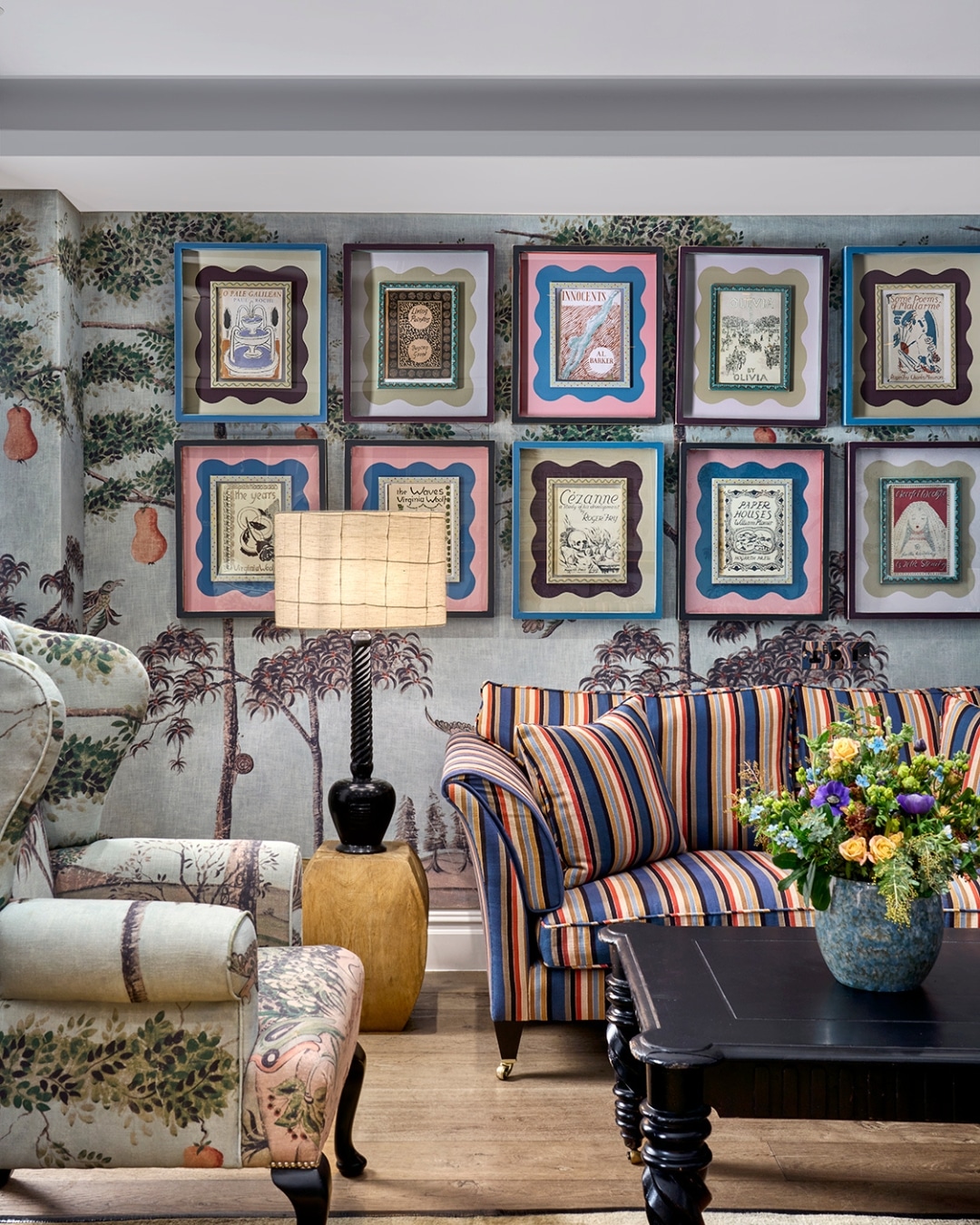
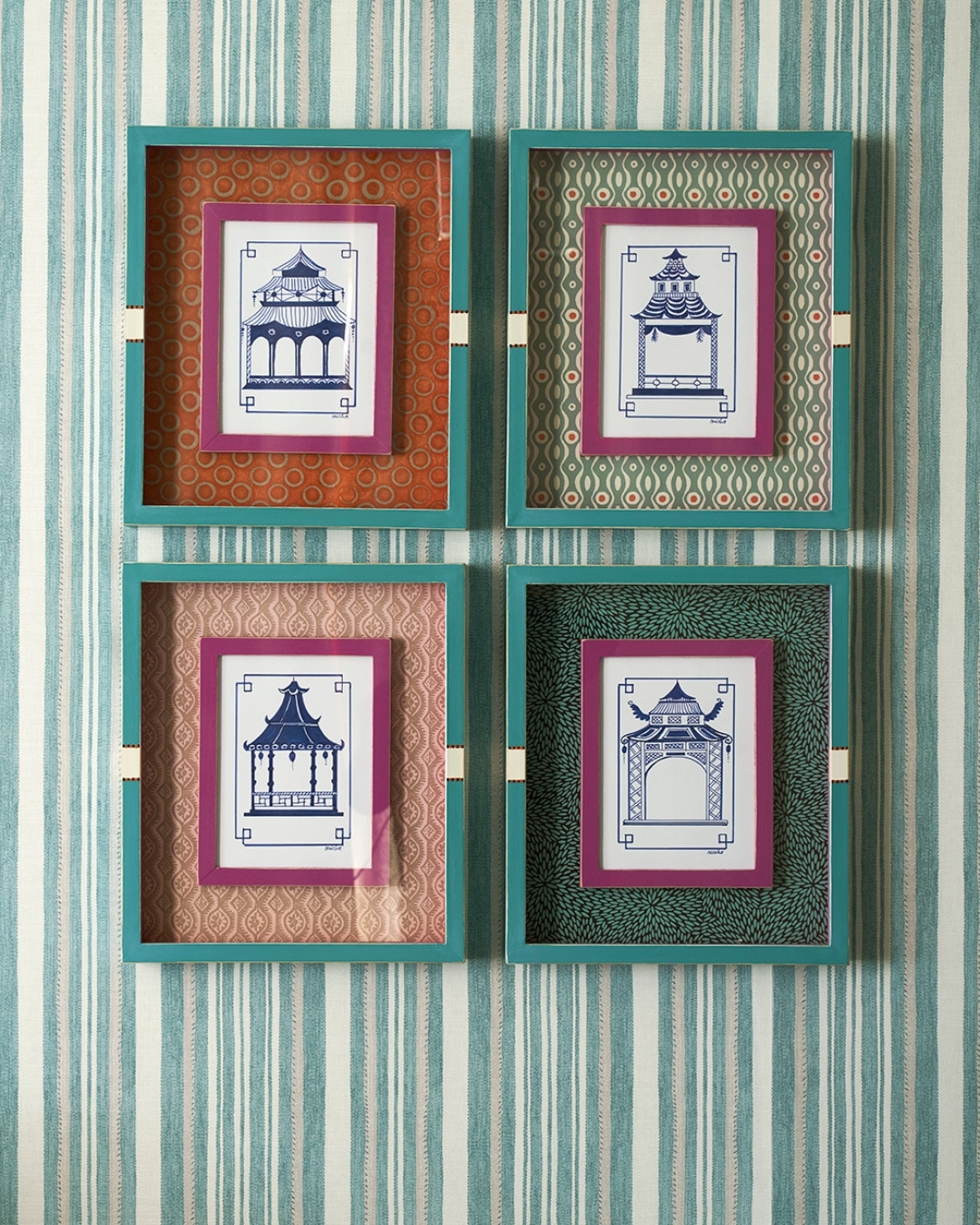
Stripes come to life when paired with complementary prints. Florals, geometrics and painterly designs all work beautifully alongside them. A shared colour palette will bring the scheme together while allowing each pattern to shine.
Do vary the scale
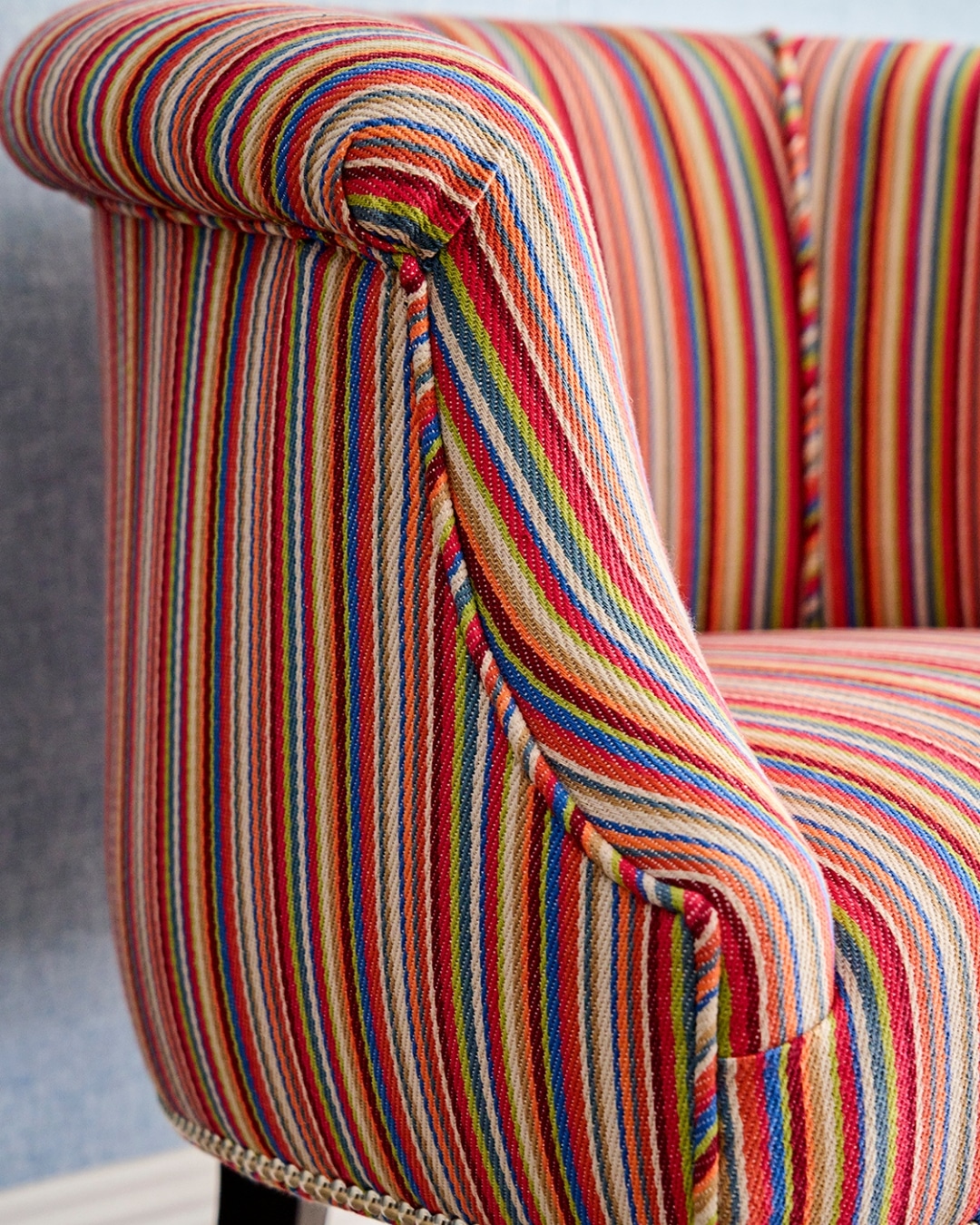
Combining wide, bold stripes with finer, more delicate ones creates depth and visual interest. Varying the scale prevents a room from feeling too uniform and gives it a more collected appearance.
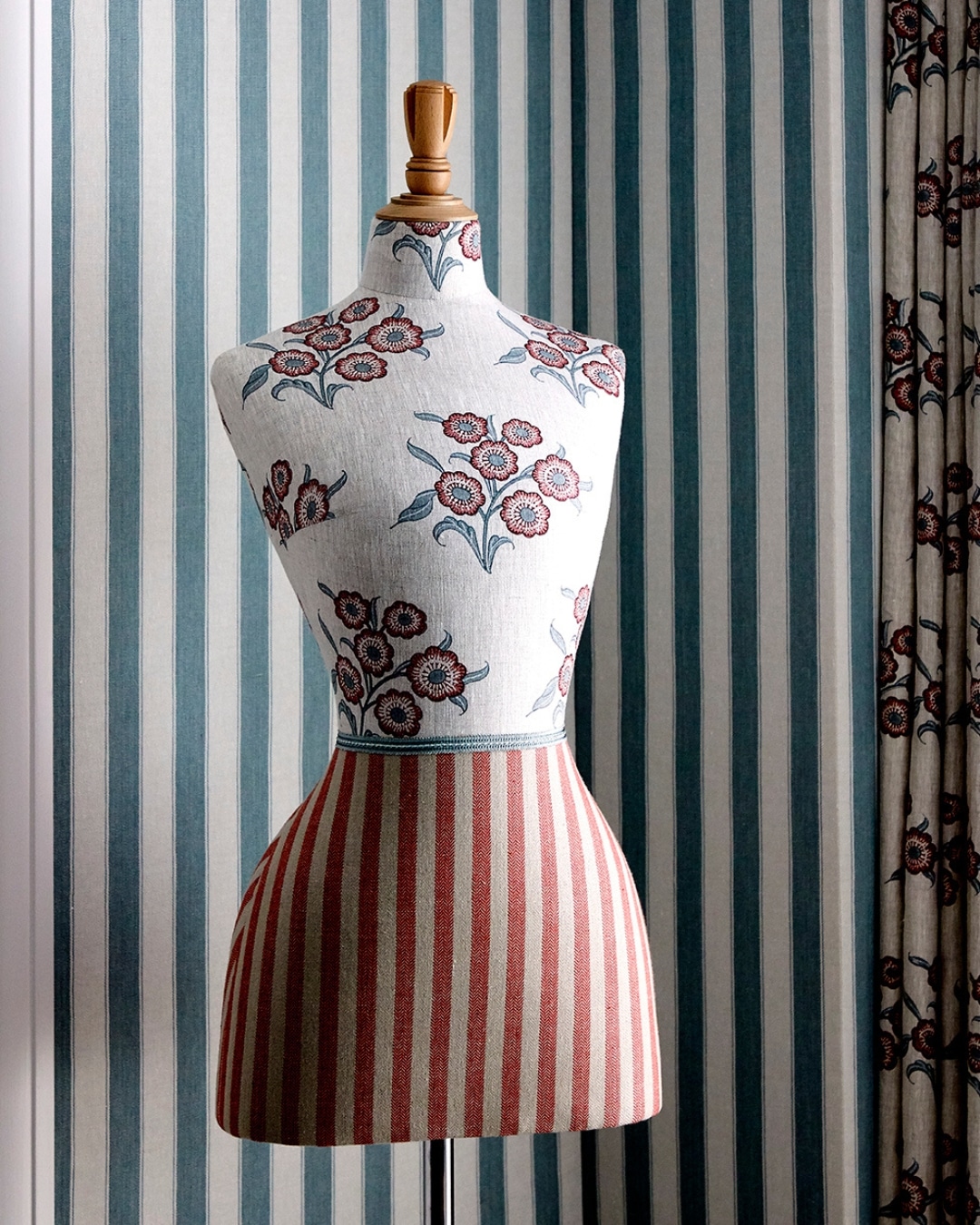
Do use stripes to anchor a room
A striped rug, upholstered chair or sofa can help define a space and bring balance to a scheme. Used thoughtfully, stripes can subtly reshape the proportions of a room while creating a strong visual foundation.
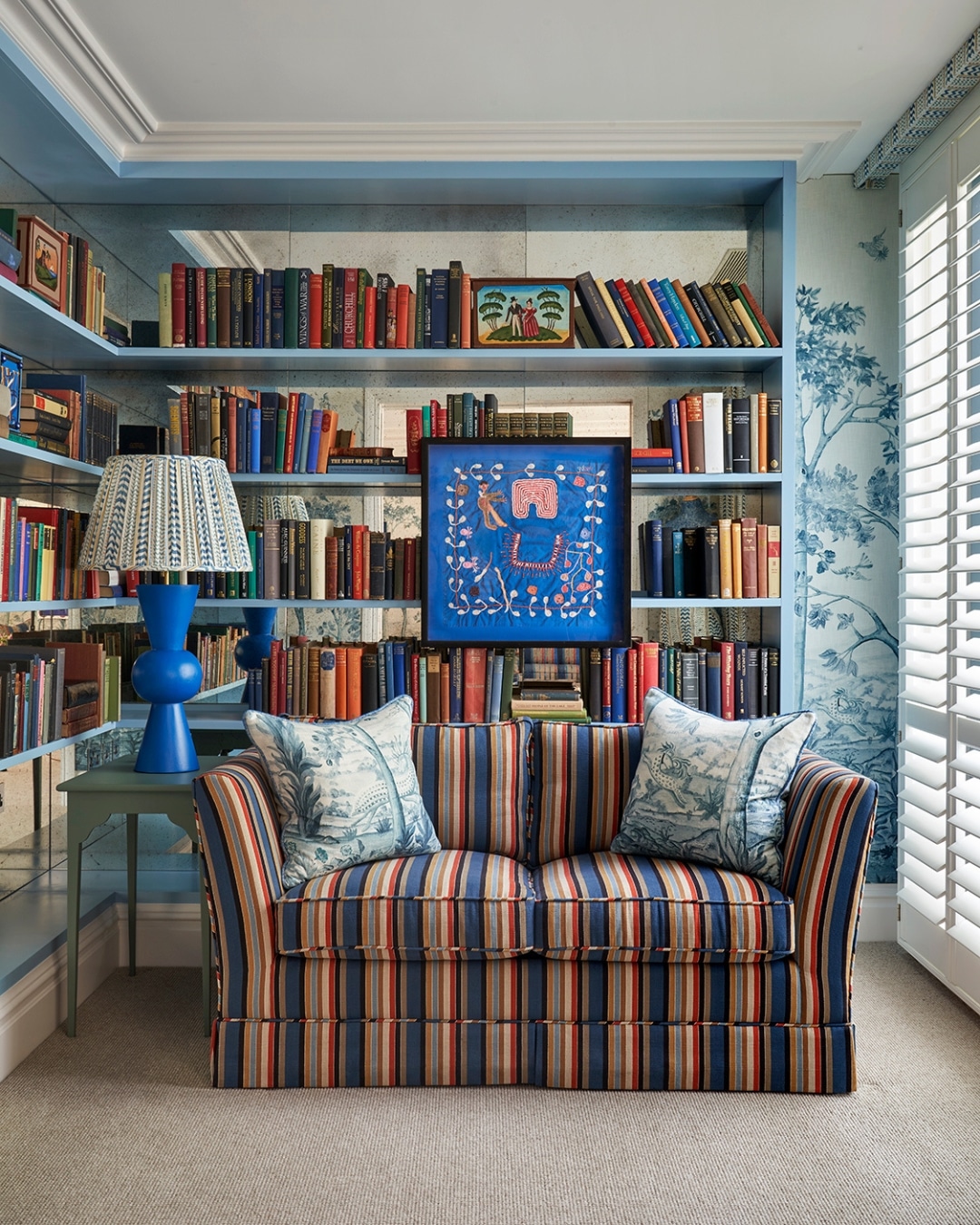
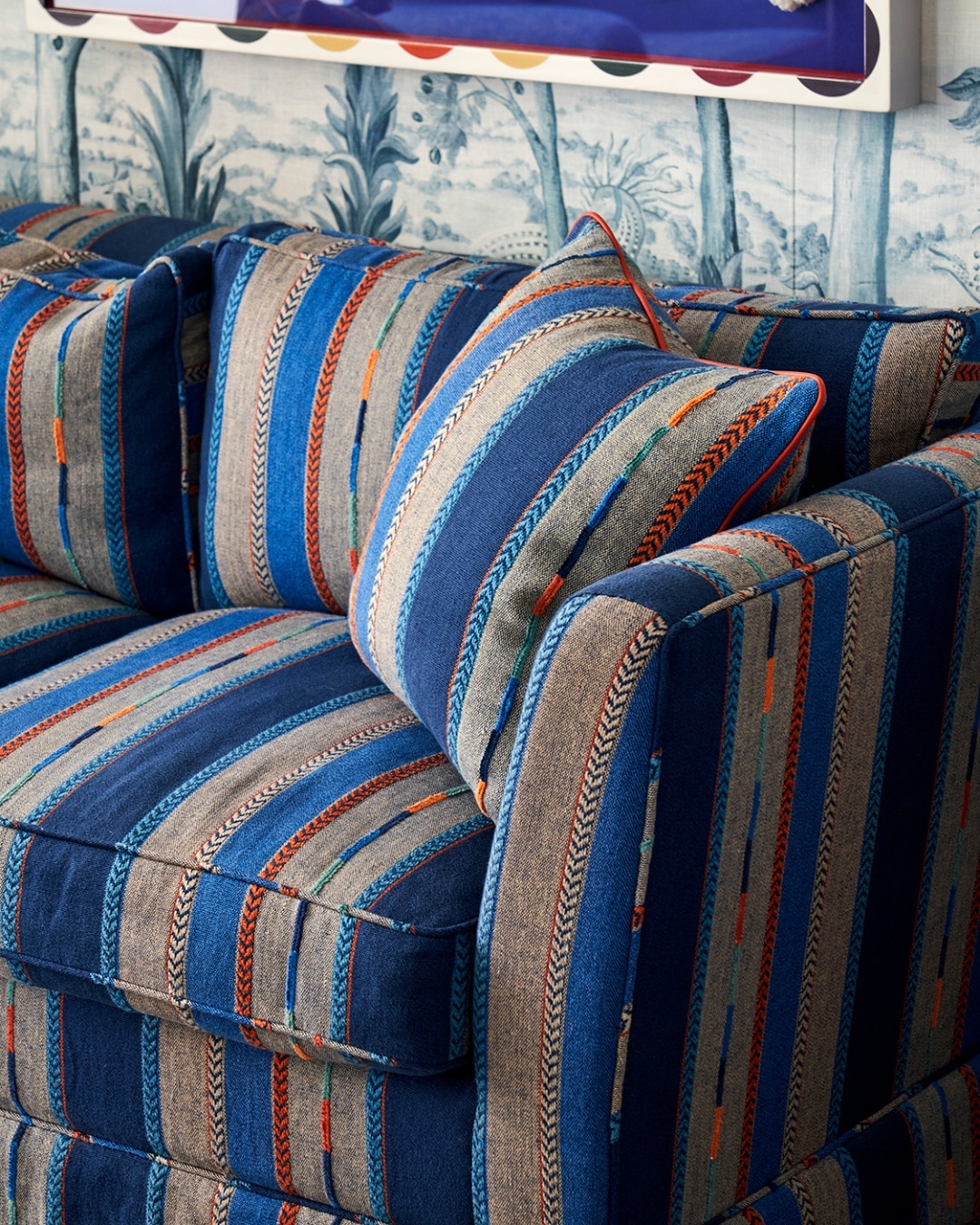
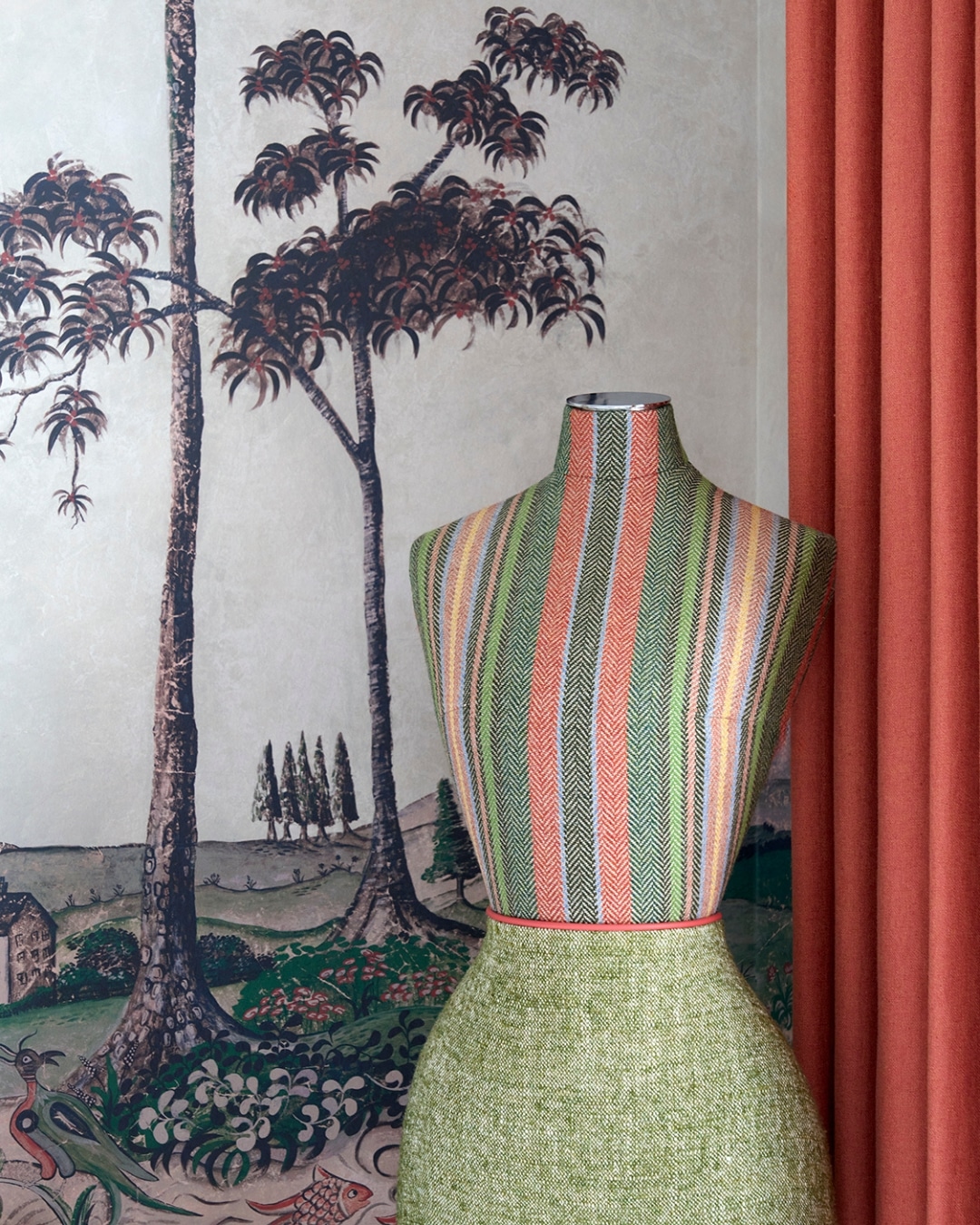
Do embrace colour and texture
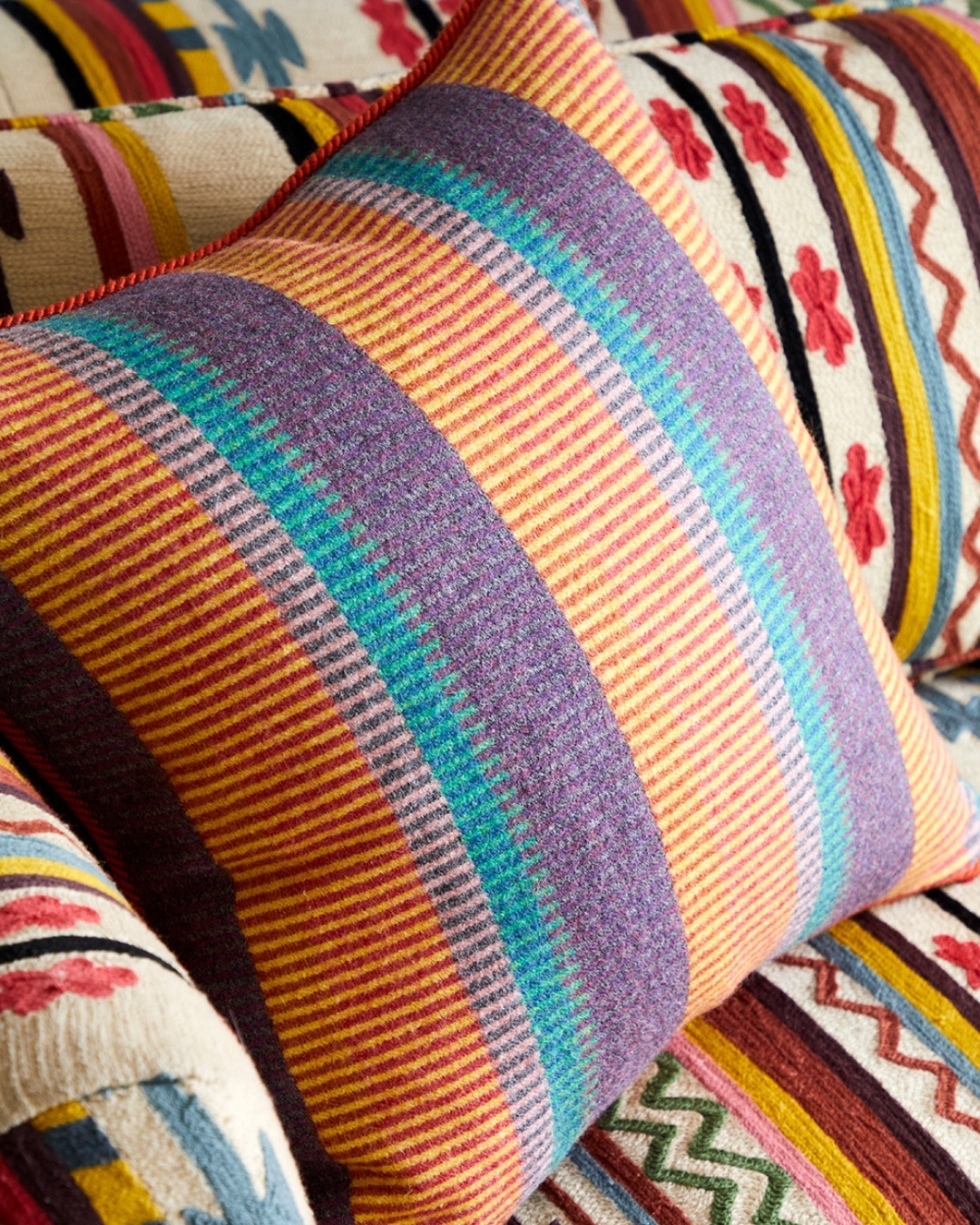
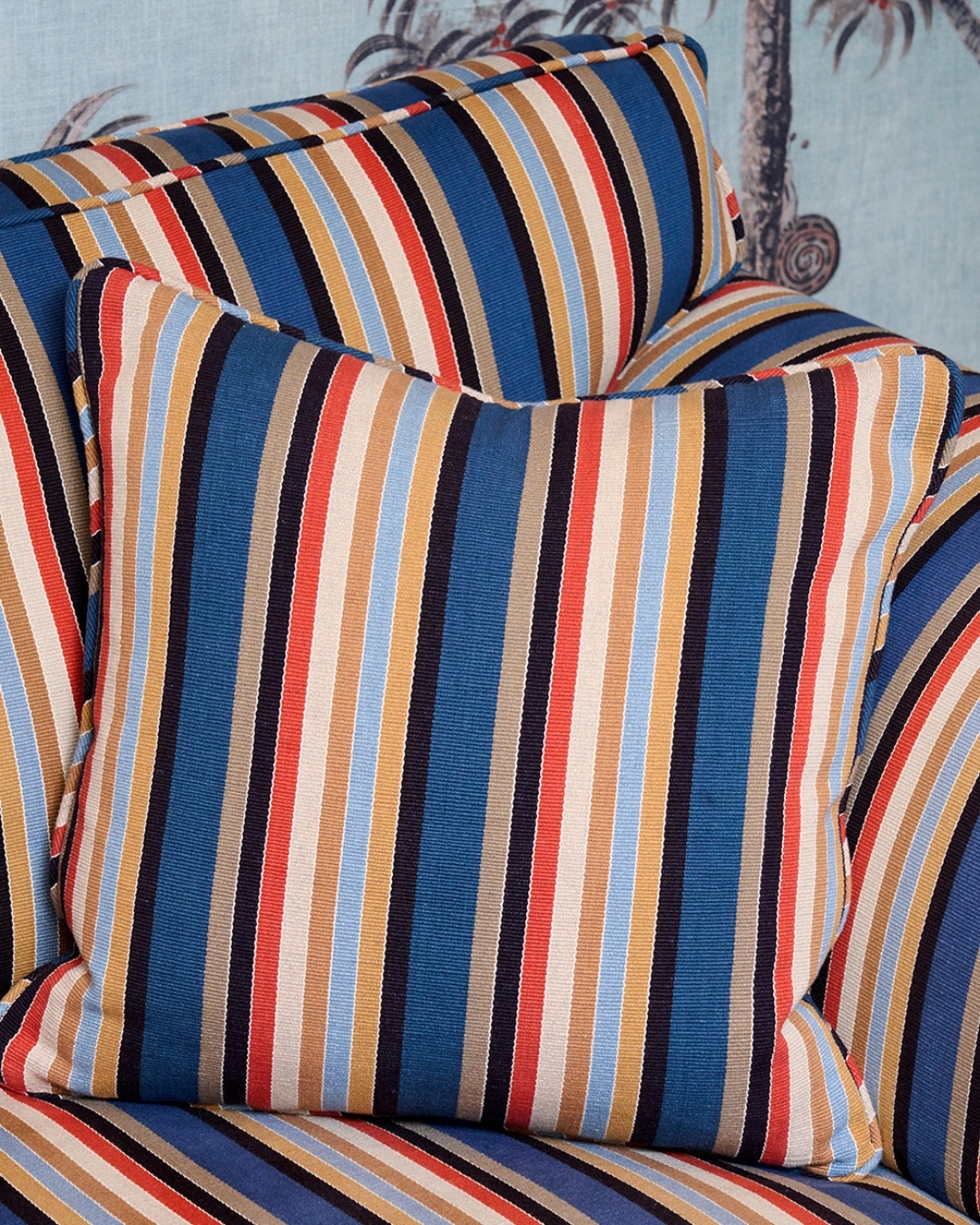
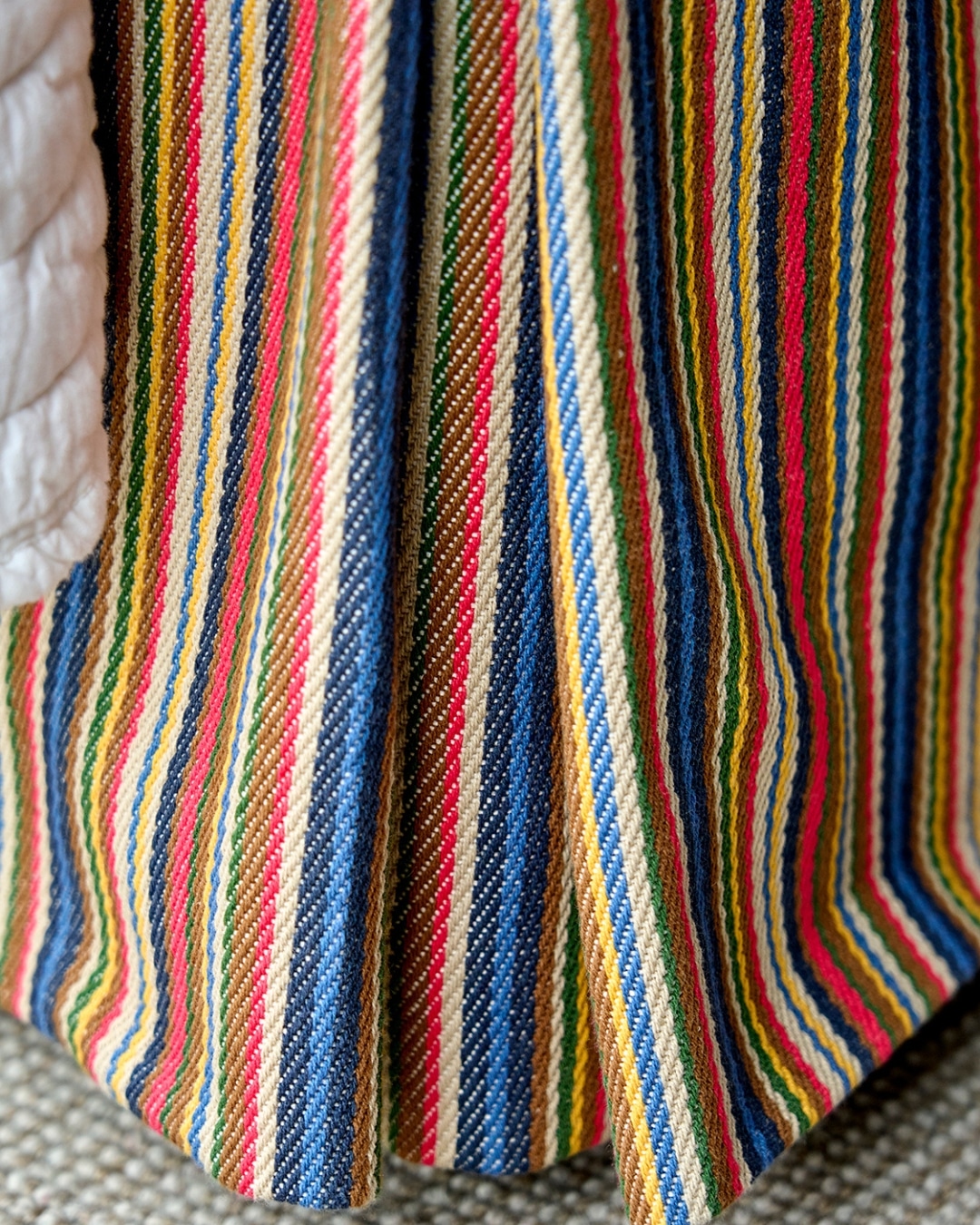
Stripes provide the perfect canvas for colour. Pair them with tactile materials such as linen, woven textiles or embroidery to soften their graphic quality and introduce warmth and depth.
Don’t let stripes take over
Stripes should complement the room rather than dominate it. Balance them with furniture, artwork and carefully chosen decorative objects so every element has space to be appreciated.
Don’t mix too many stripe directions
Vertical, horizontal and diagonal stripes all have different visual effects. Using too many directions within one room can feel unsettled. Limiting the number of orientations creates a calmer, more cohesive scheme.
Don’t overuse the same stripe
Repeating one striped fabric throughout a room can feel overly coordinated. Instead, introduce variation through scale, spacing or colour to create a layered, effortless look.
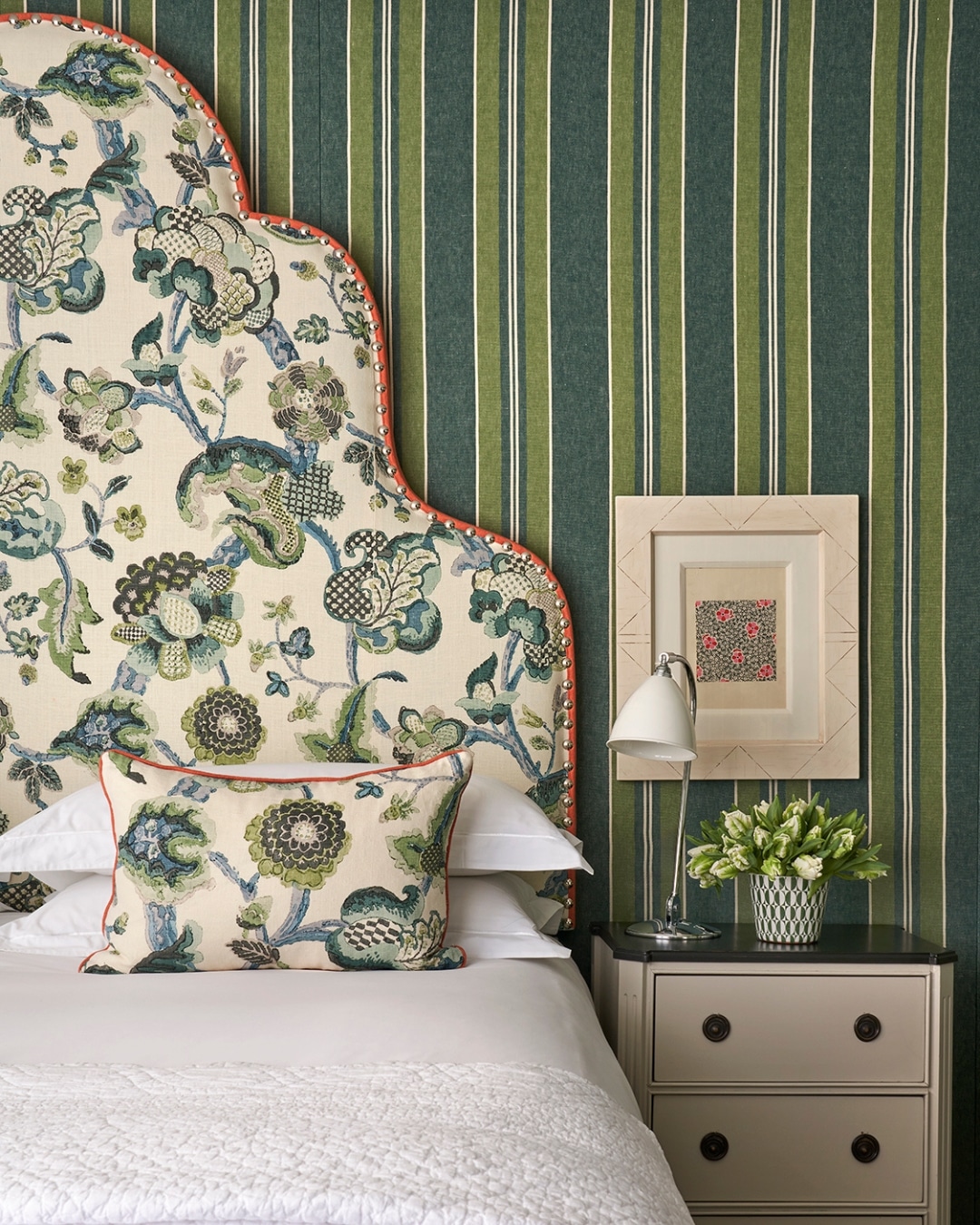
Don’t overwhelm the space
Stripes are most effective when used selectively. Giving them room to breathe allows their rhythm and character to stand out without competing for attention.
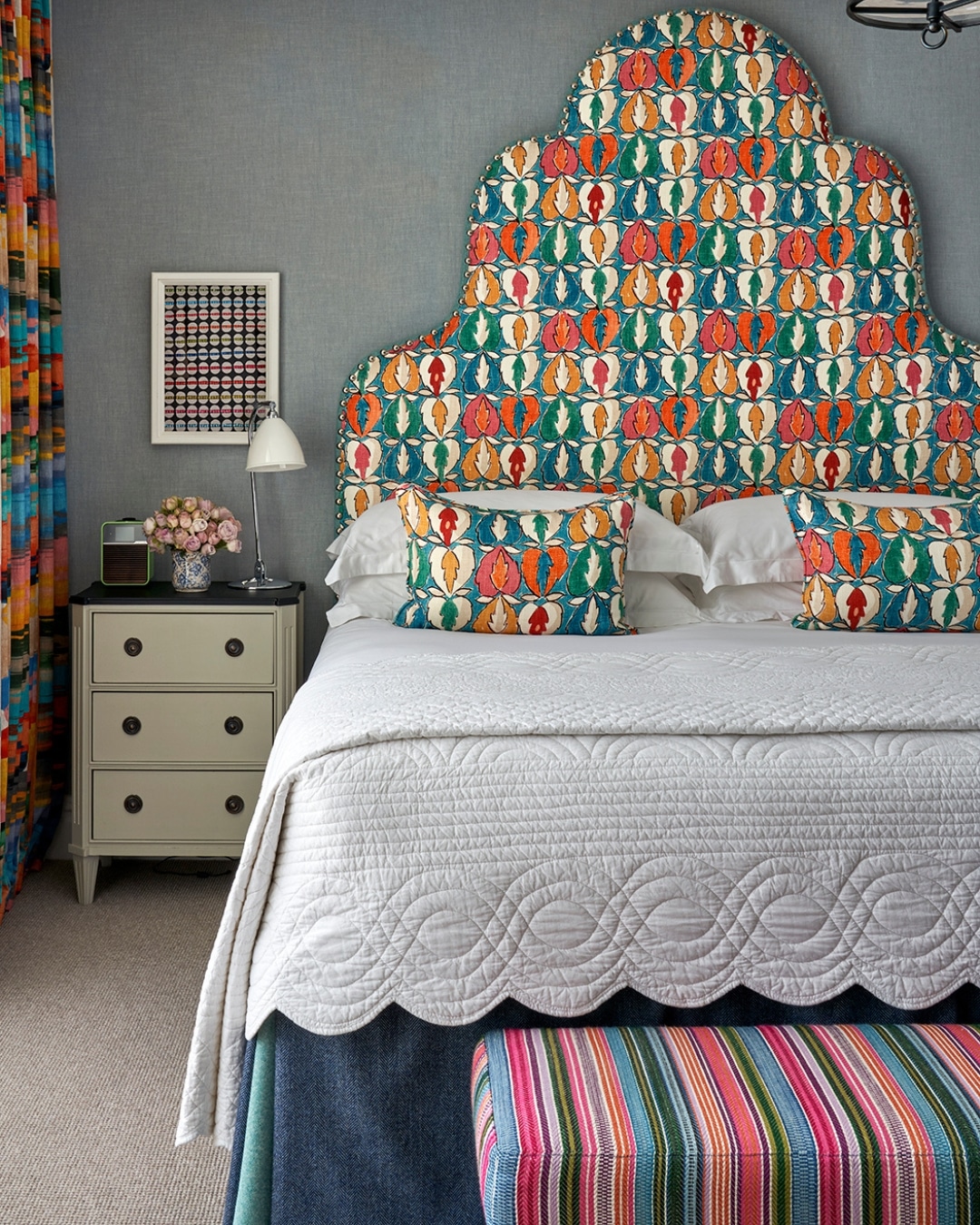
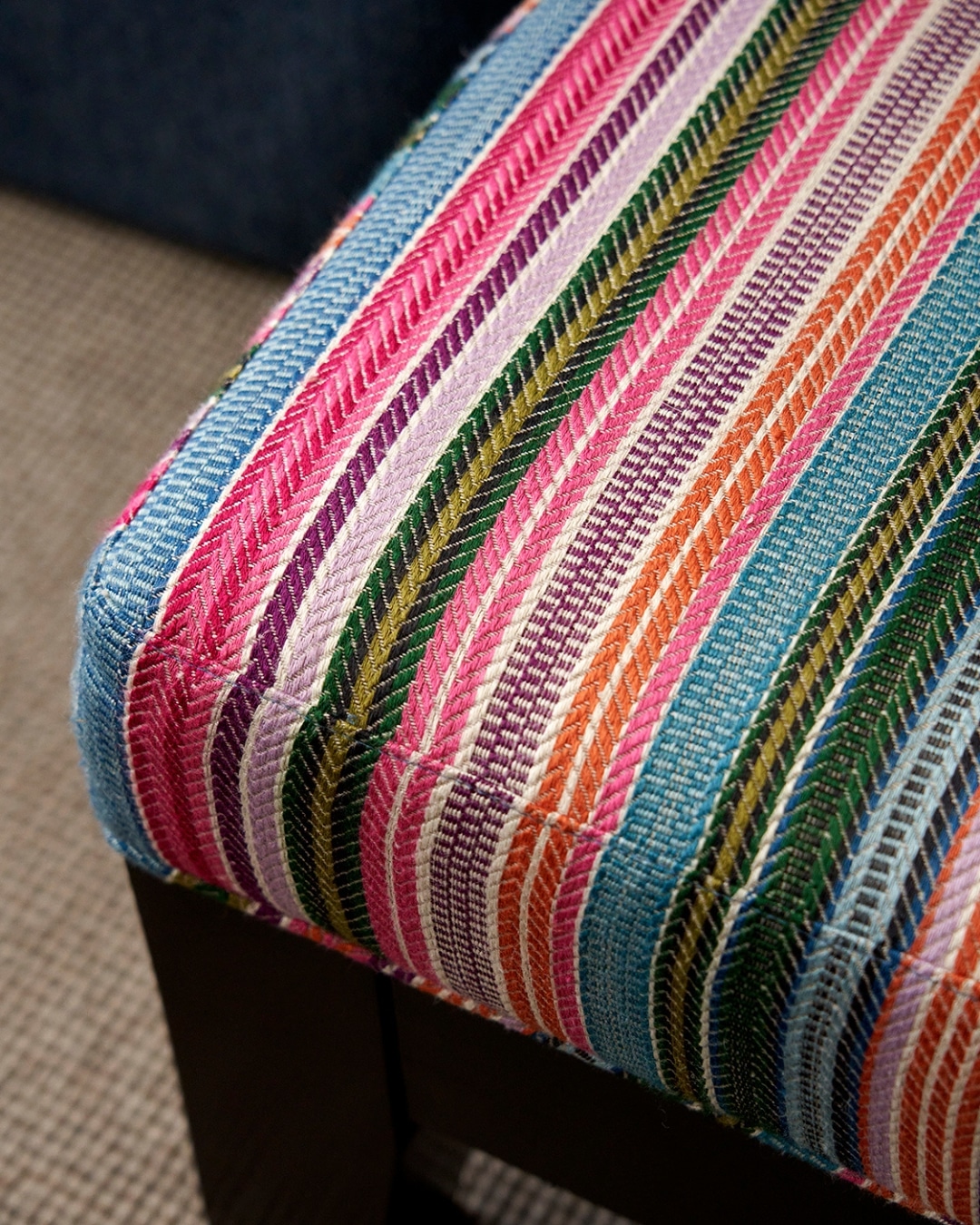
Don’t be afraid to experiment
Classic stripes are timeless, but some of the most memorable interiors come from unexpected combinations of colour, irregular spacing or playful interpretations of this enduring pattern.
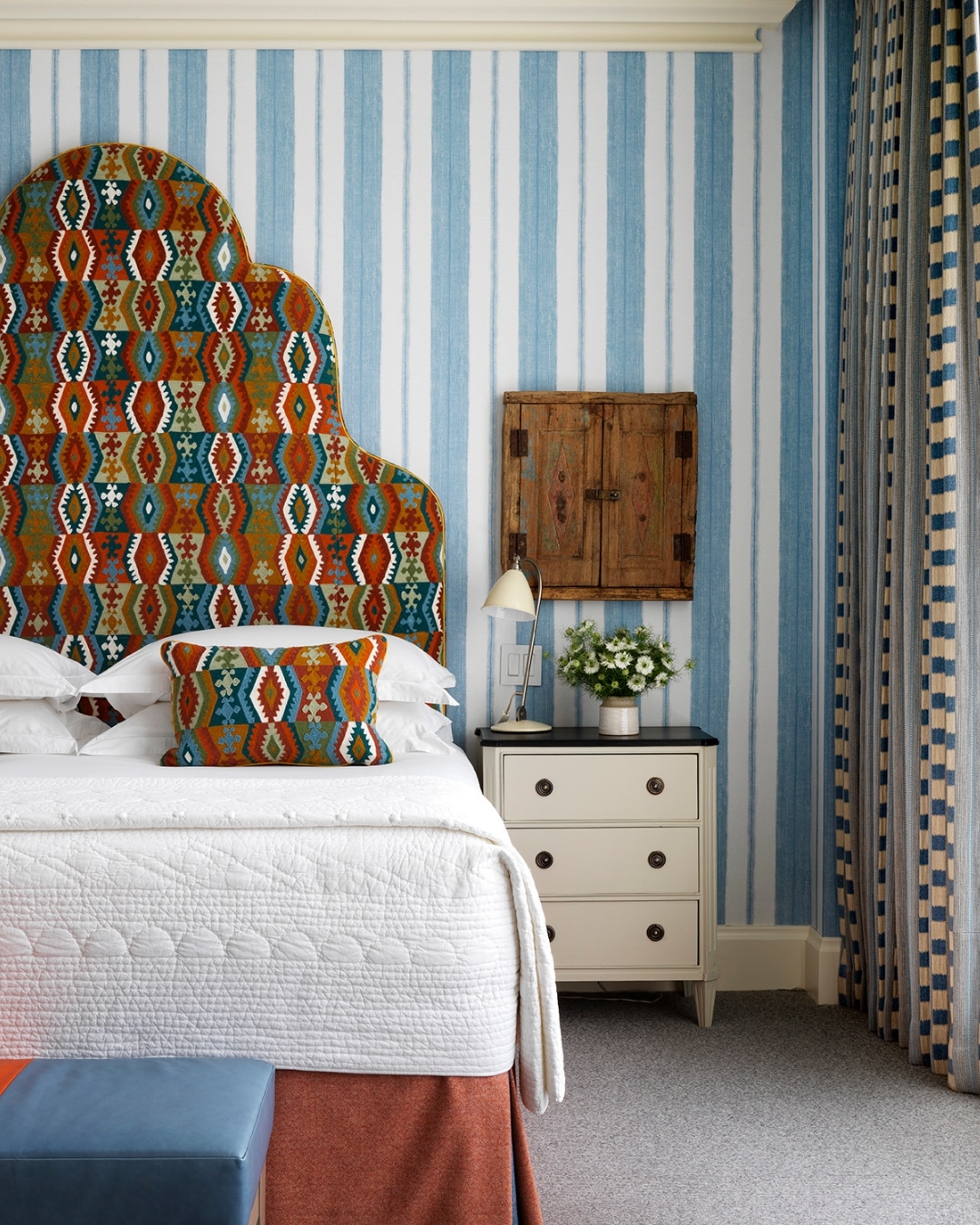
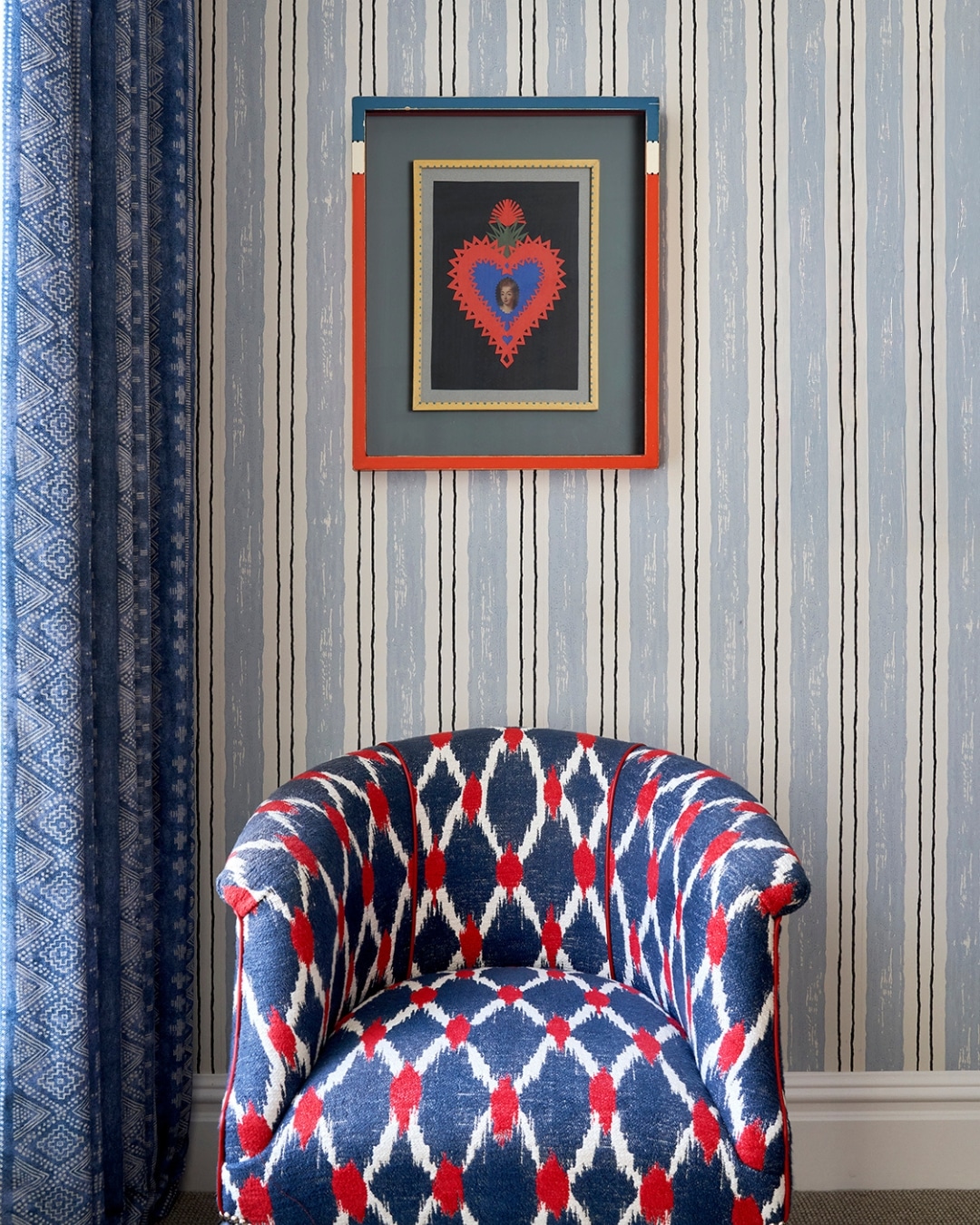
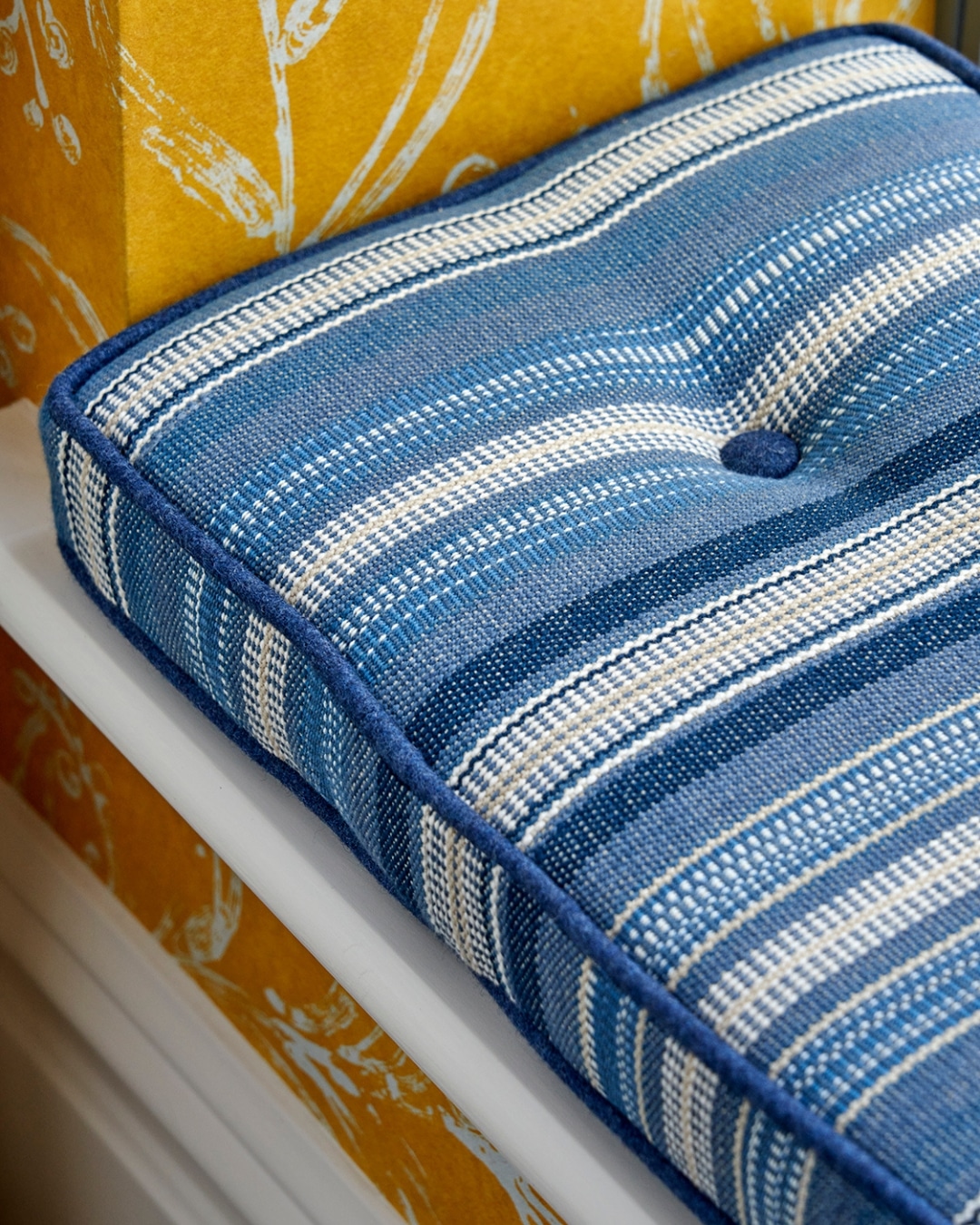
Stripes have a quiet confidence. They don’t need to shout to leave a lasting impression. Their strength lies in rhythm, proportion and simplicity. Used with intention, they become more than a pattern, shaping the way a room is experienced and bringing a sense of balance, warmth and character to every space.