
Typography and signage are often treated as an afterthought, simply there to inform before fading into the background. Yet typography is an art form in its own right. Every typeface carries the invisible imprint of the designer who created it, from the curve of a serif to the weight of a stroke and the careful spacing between each letter. Every detail is considered, shaping not only how words are read but how they are felt.
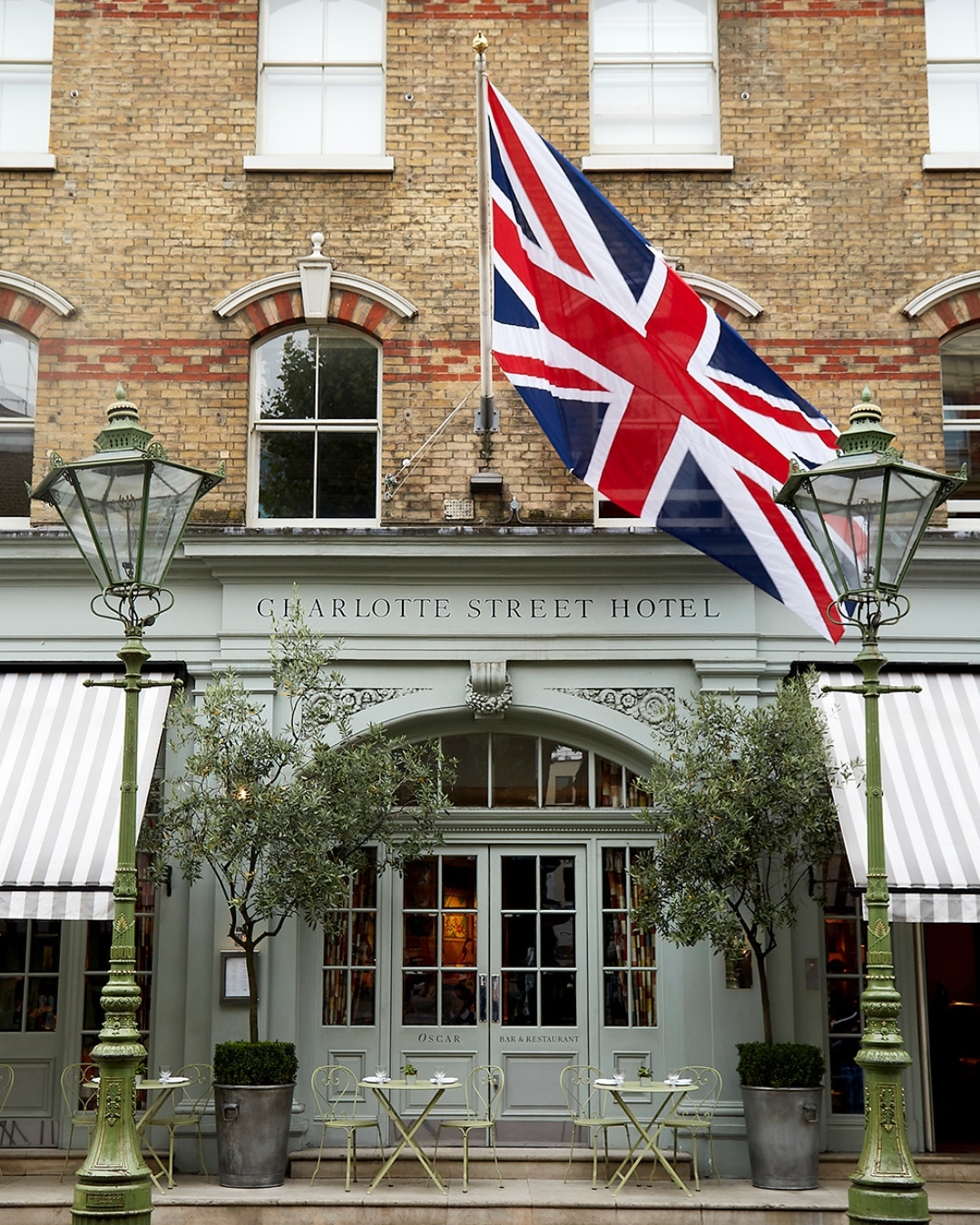
Designing a typeface is a balance of precision and intuition. A subtle change in weight can make a letter feel bold and confident, while a softer curve brings warmth and gentleness. Proportion, rhythm and spacing determine whether typography whispers or declares, reassures or commands. It can feel architectural and timeless, playful and expressive, or rooted firmly in history while remaining entirely contemporary.
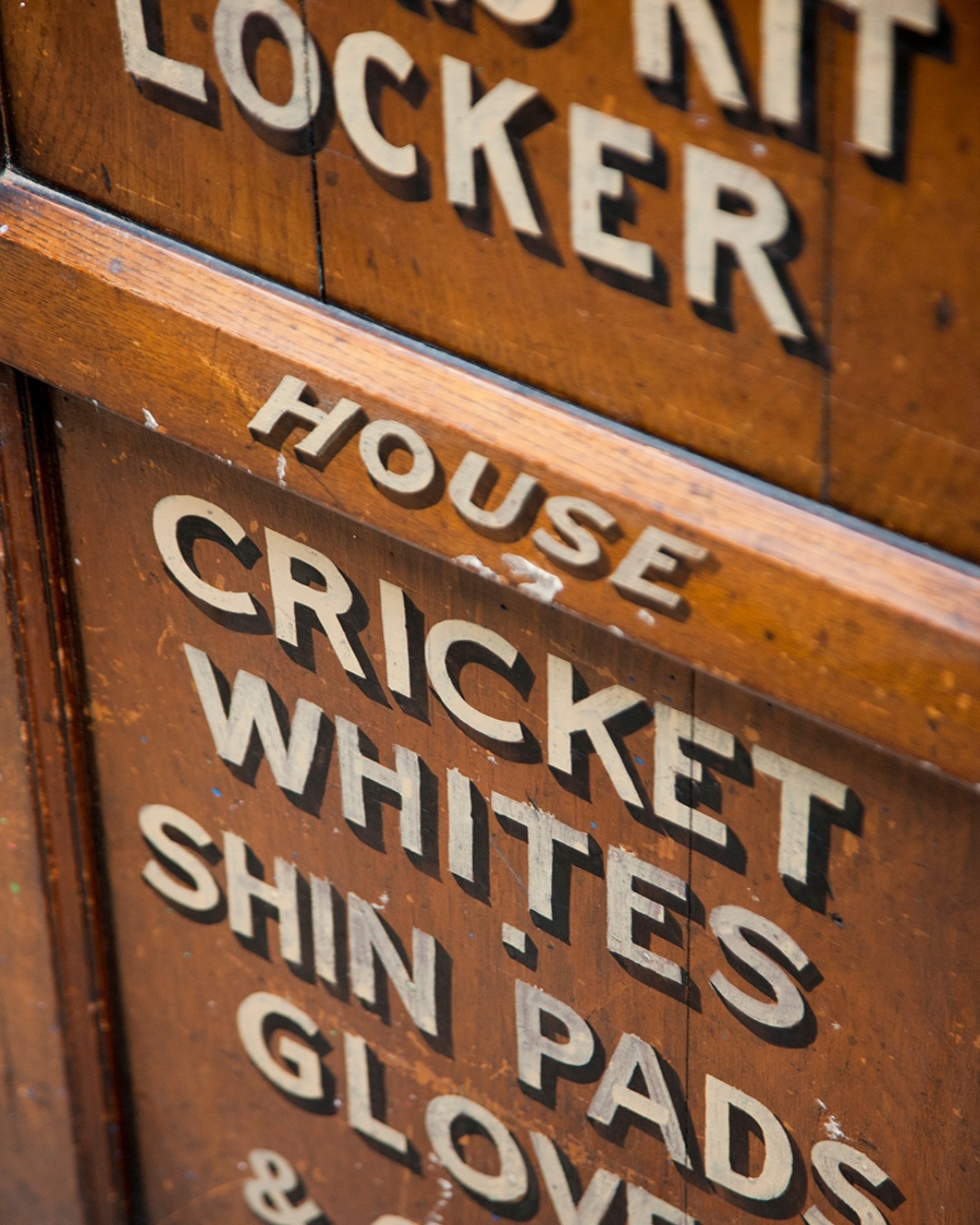
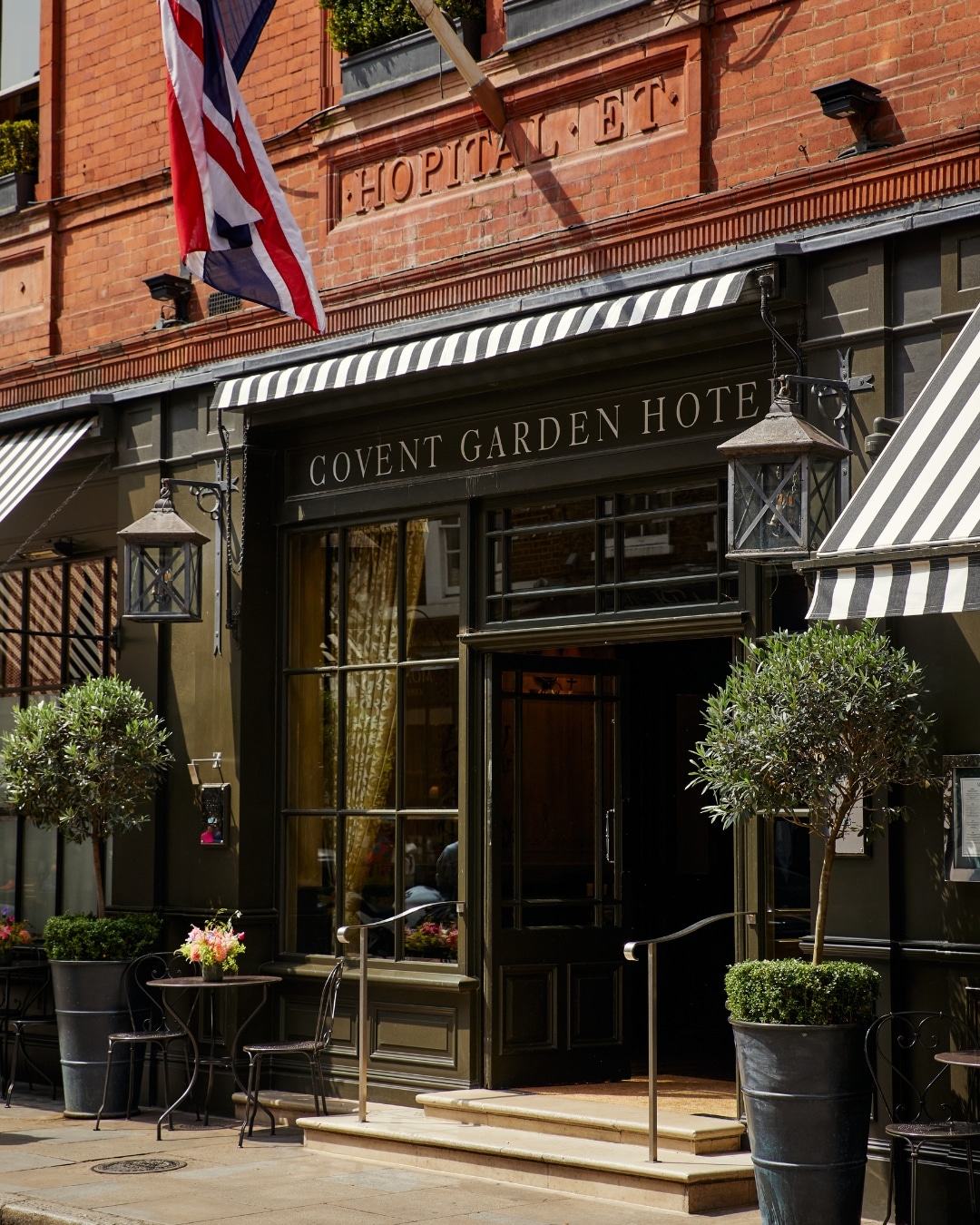
Walk through any city and look closely at the lettering around you. Shopfronts speak in different voices. Some command attention with bold block capitals, while others invite you in with elegant scripts.
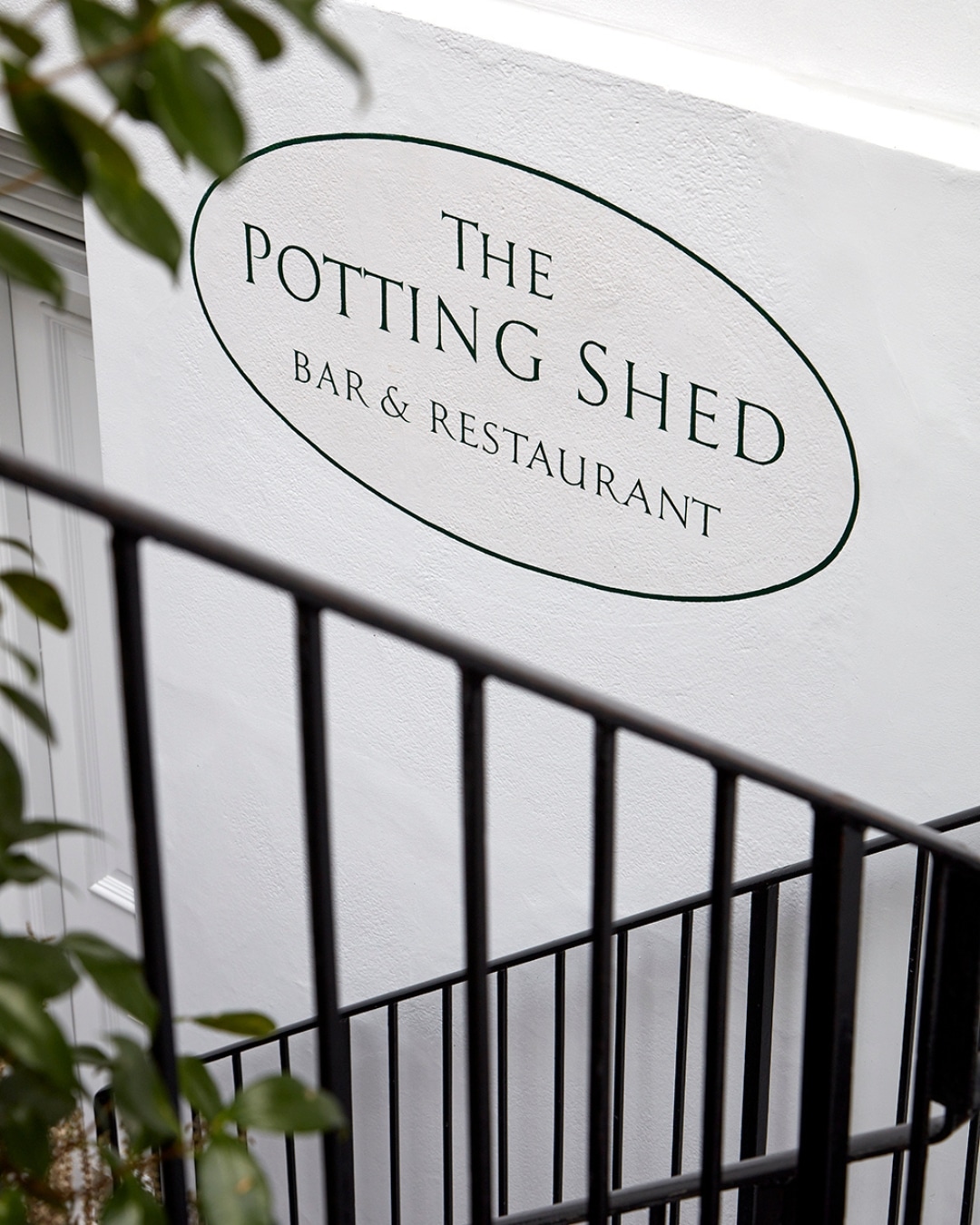
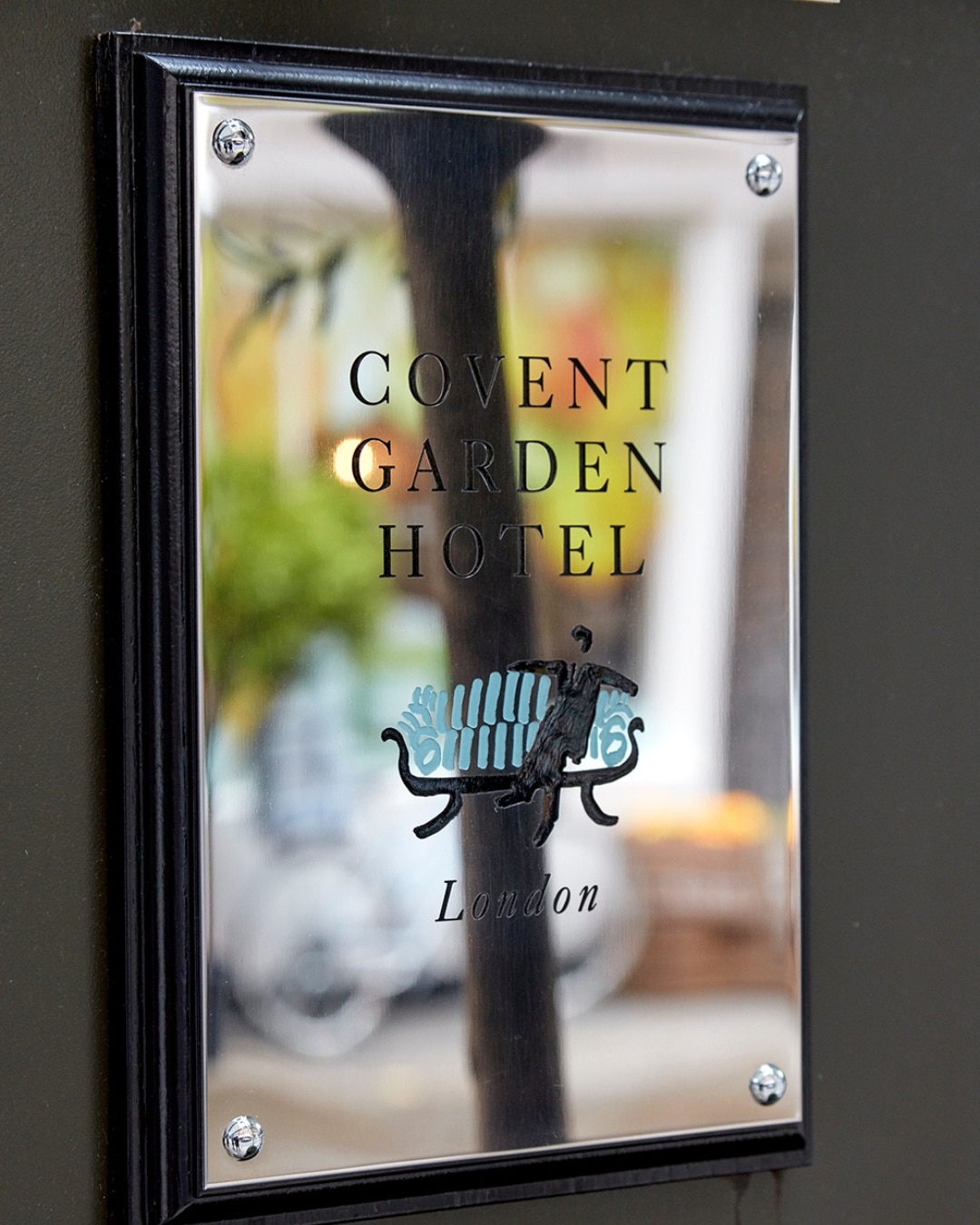
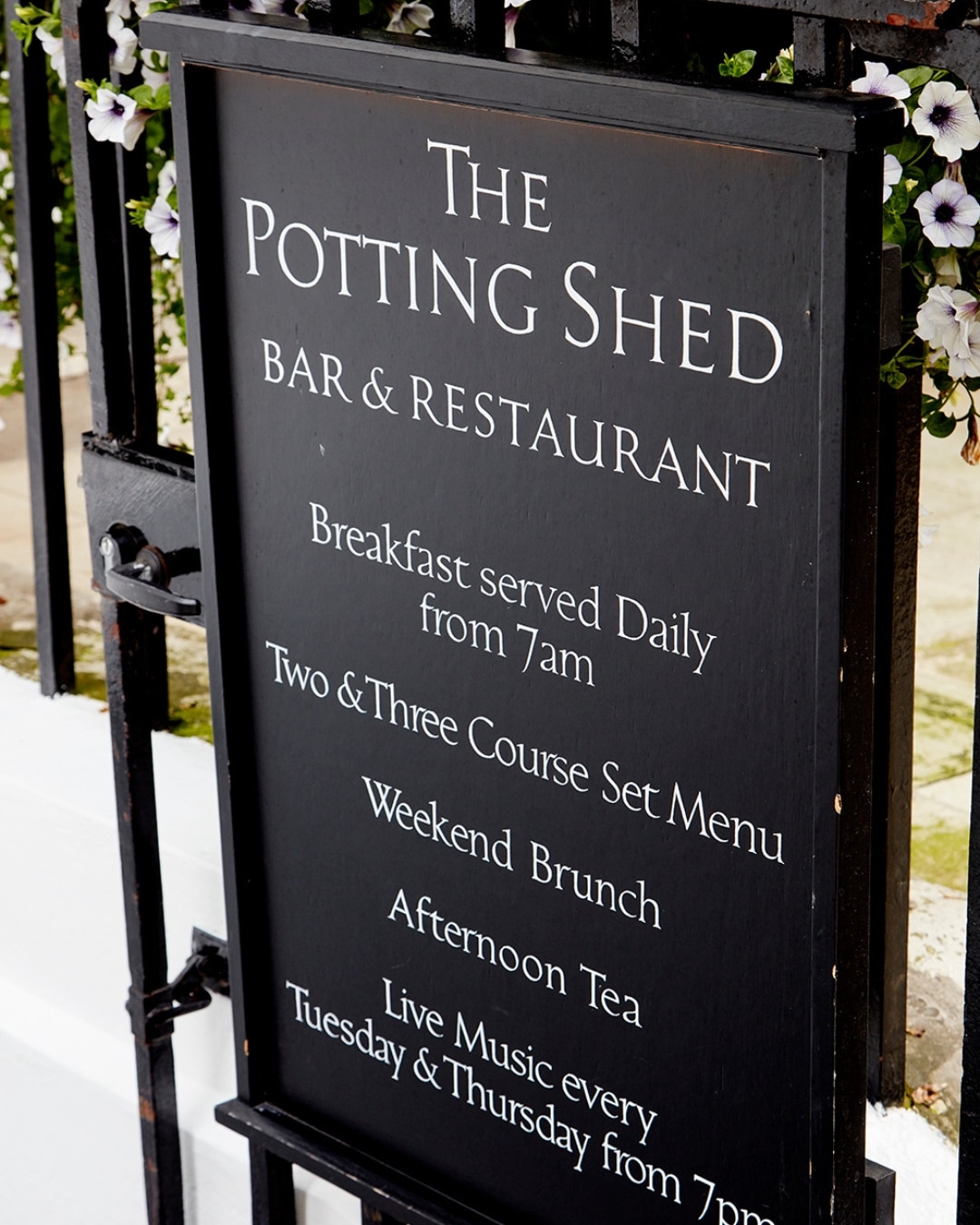
Neon signs glow with energy, while carved stone conveys permanence and quiet authority. Typography is constantly shaping how we experience a place, often without us even noticing.
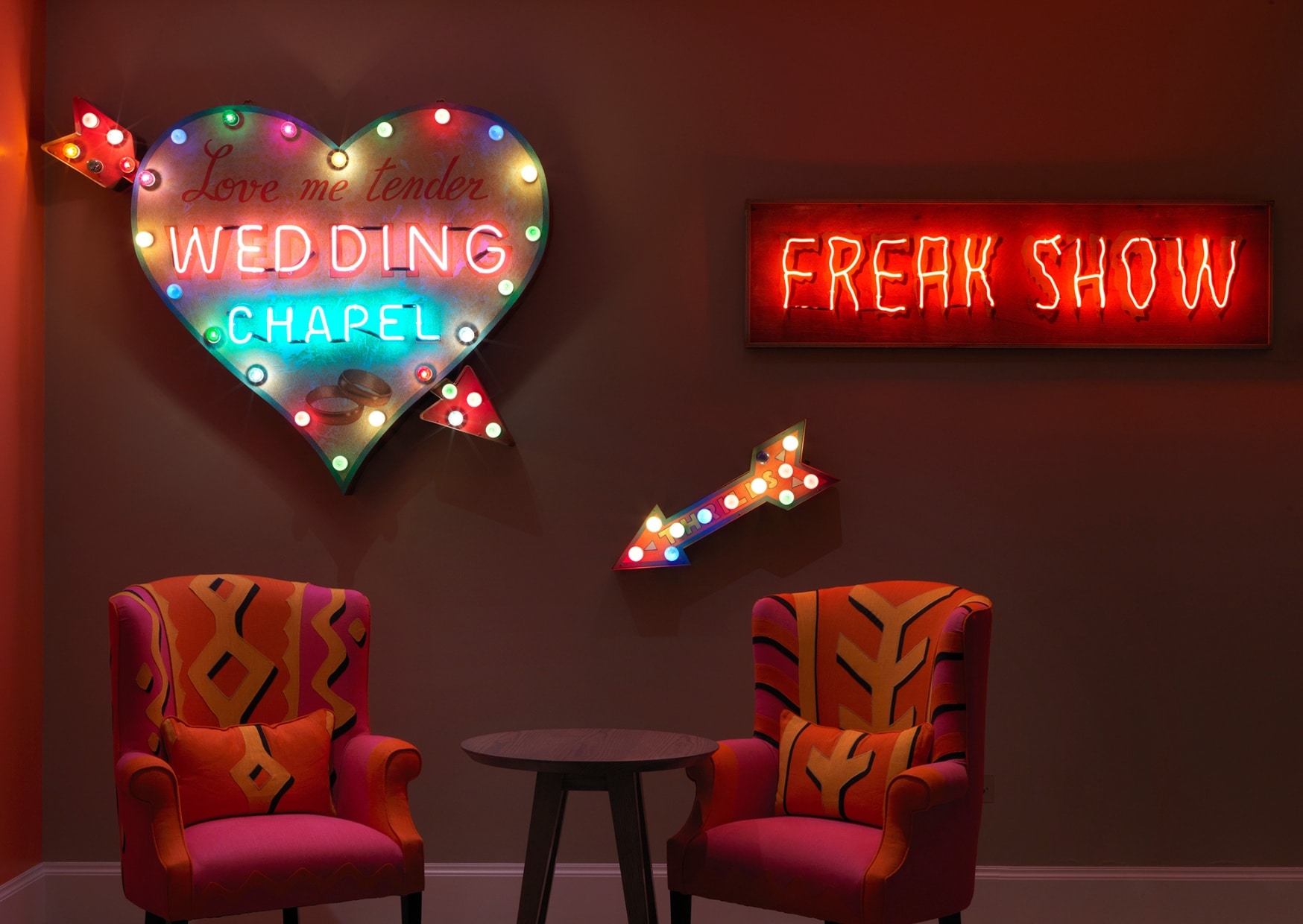
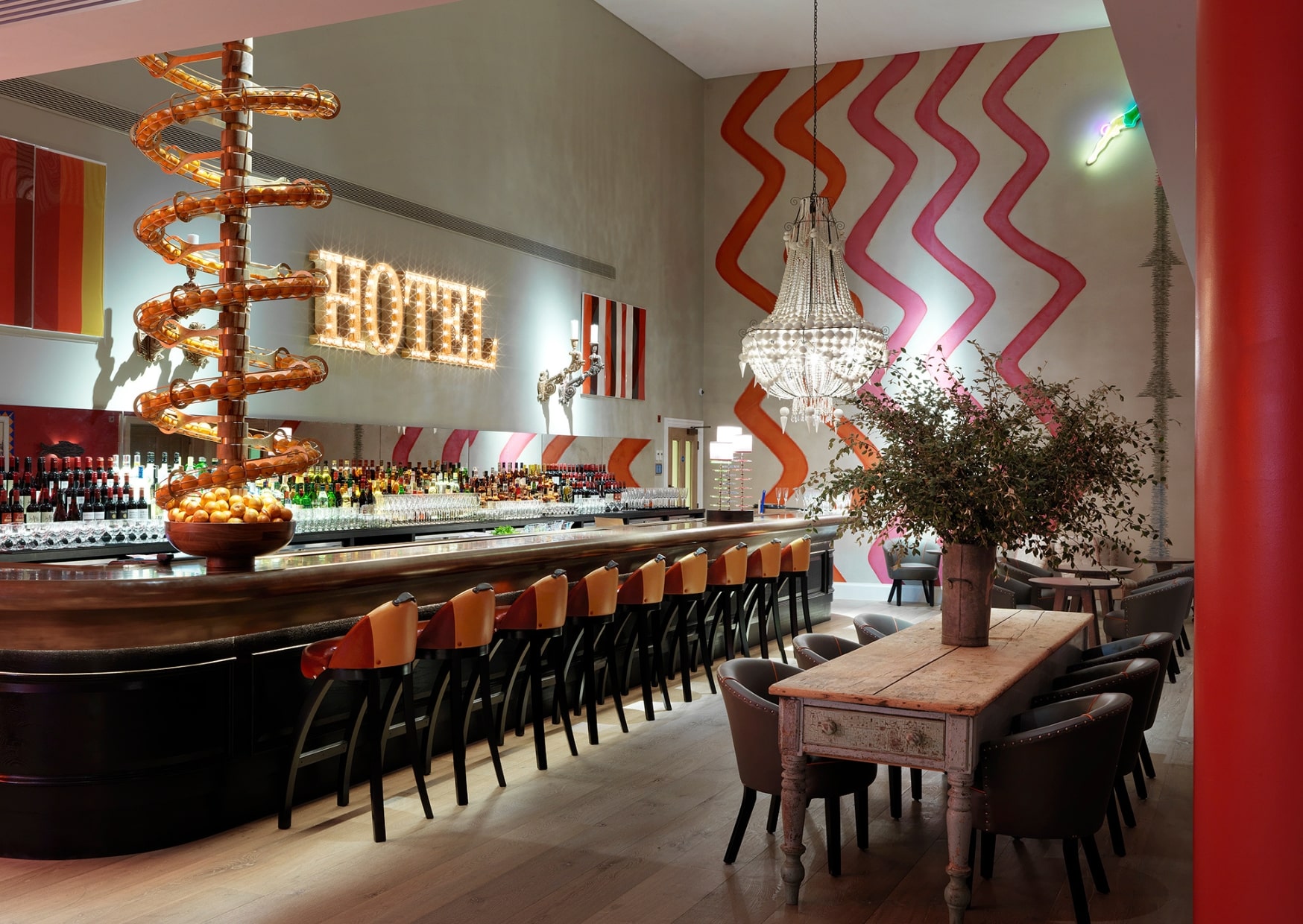
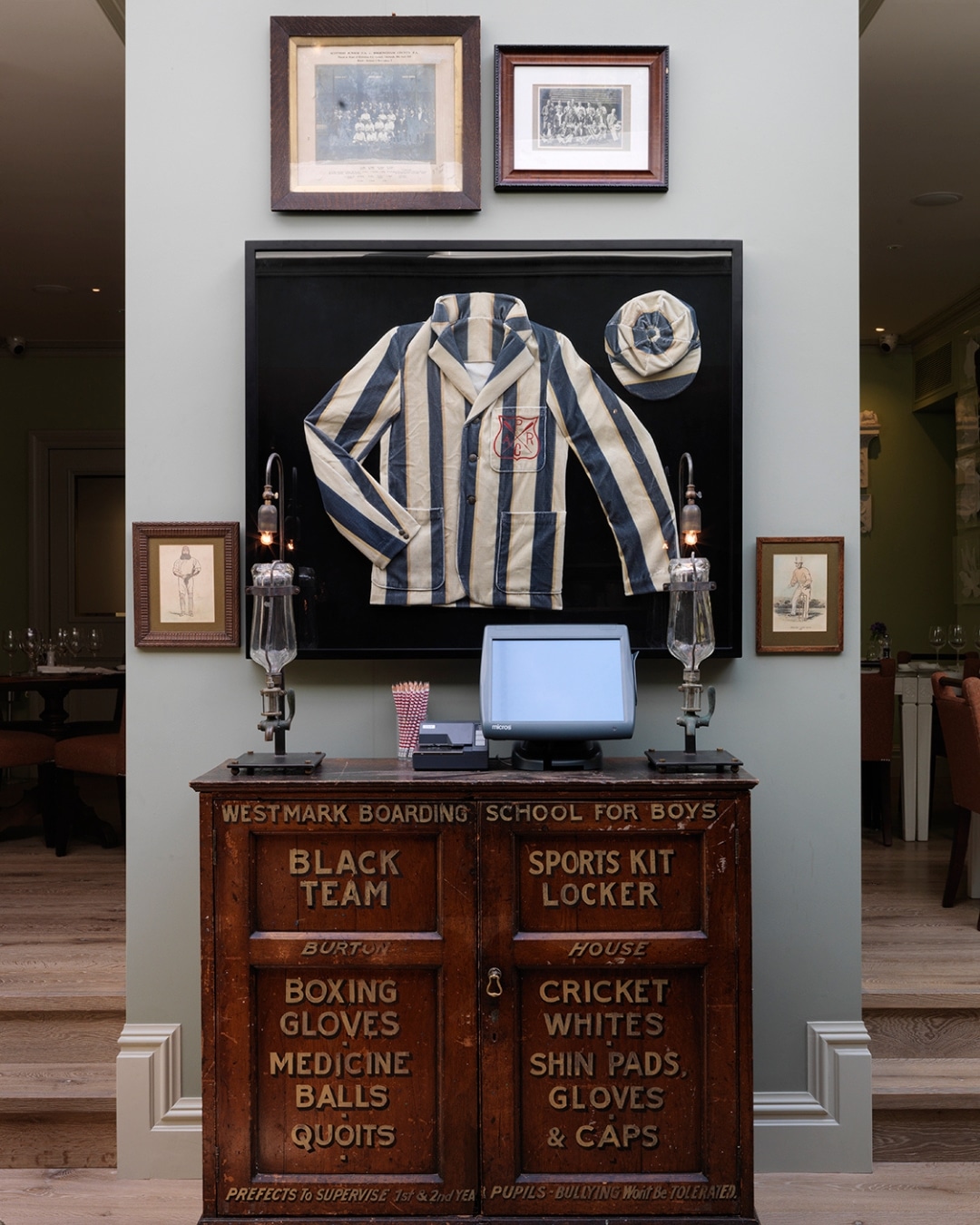
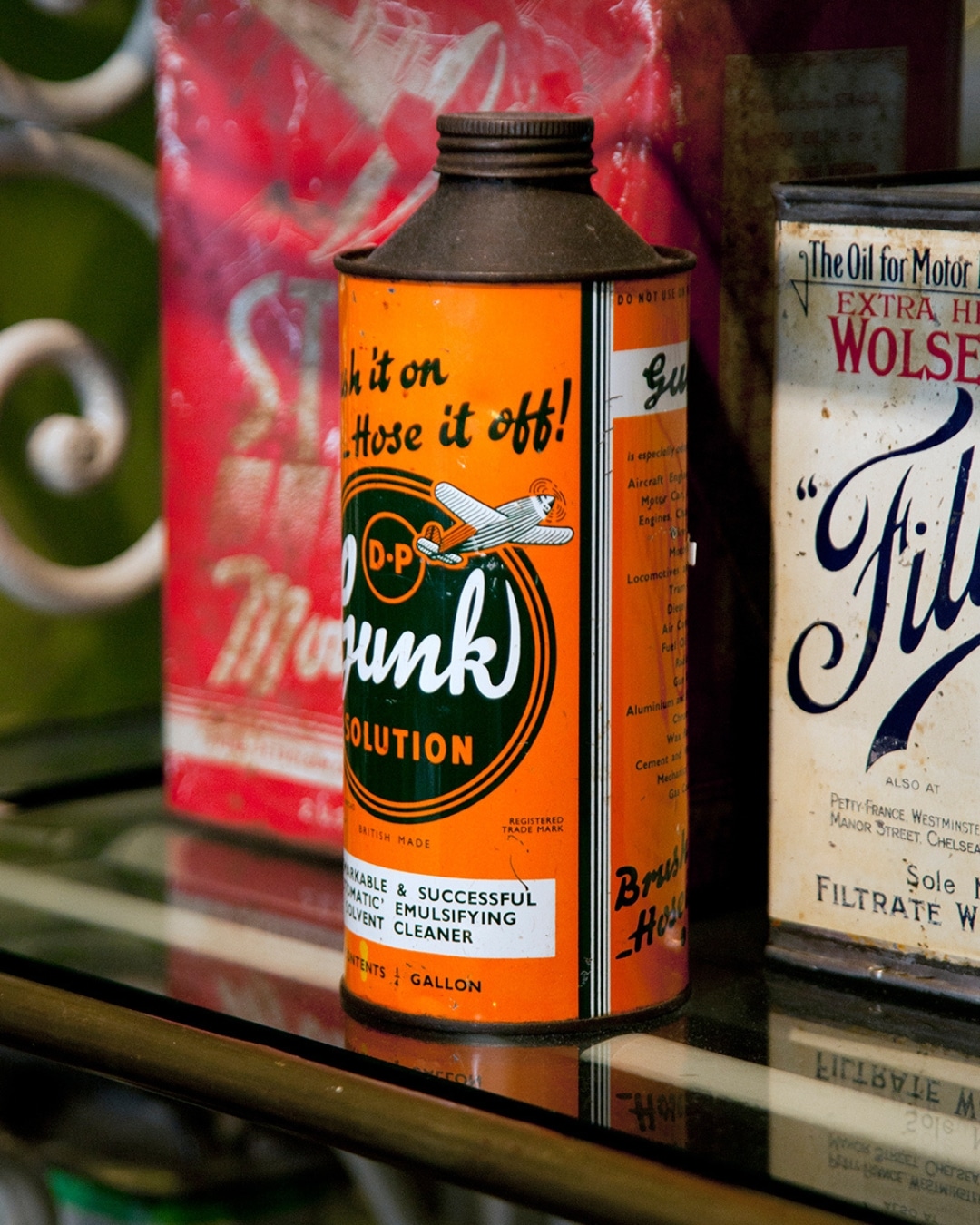
In interiors, typography deserves the same consideration as artwork or furniture. A beautifully chosen font can introduce character, create a focal point or add a quiet sense of refinement. Throughout our hotels, typography appears in many forms and at many scales. Elsewhere, hand-painted signs retain the expressive marks of their maker, while embroidered words add warmth and personality. These thoughtful details become part of the story of a place.
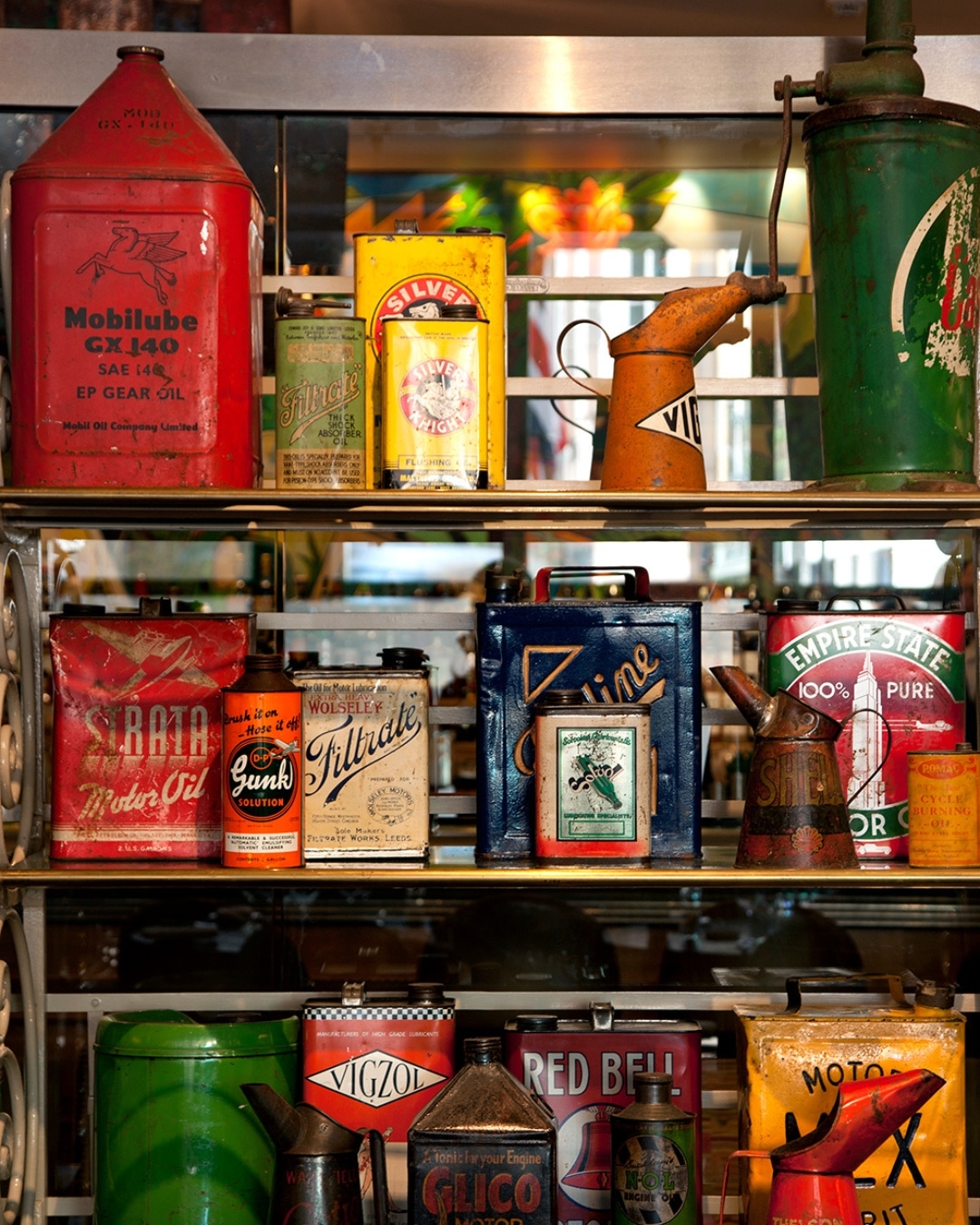
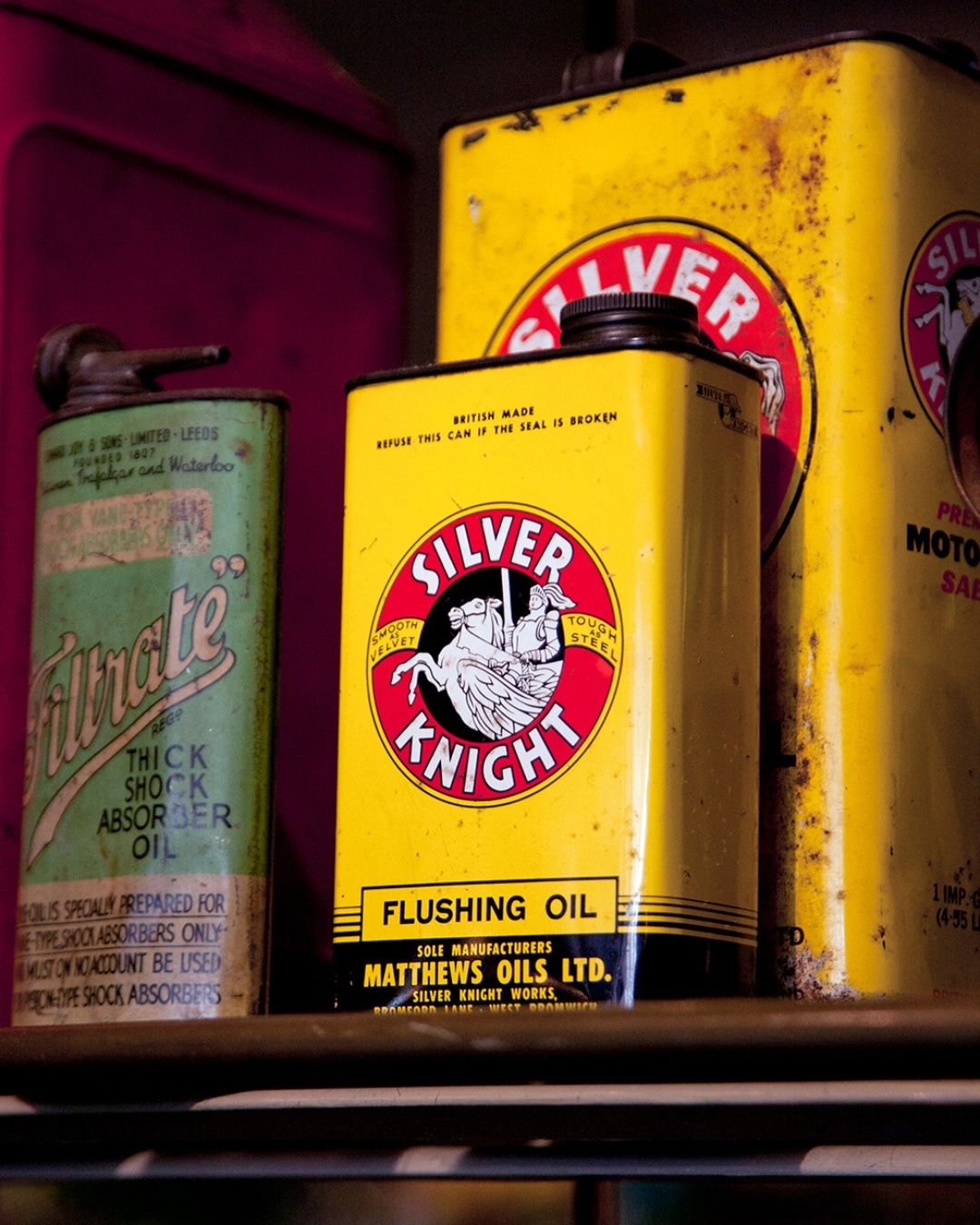
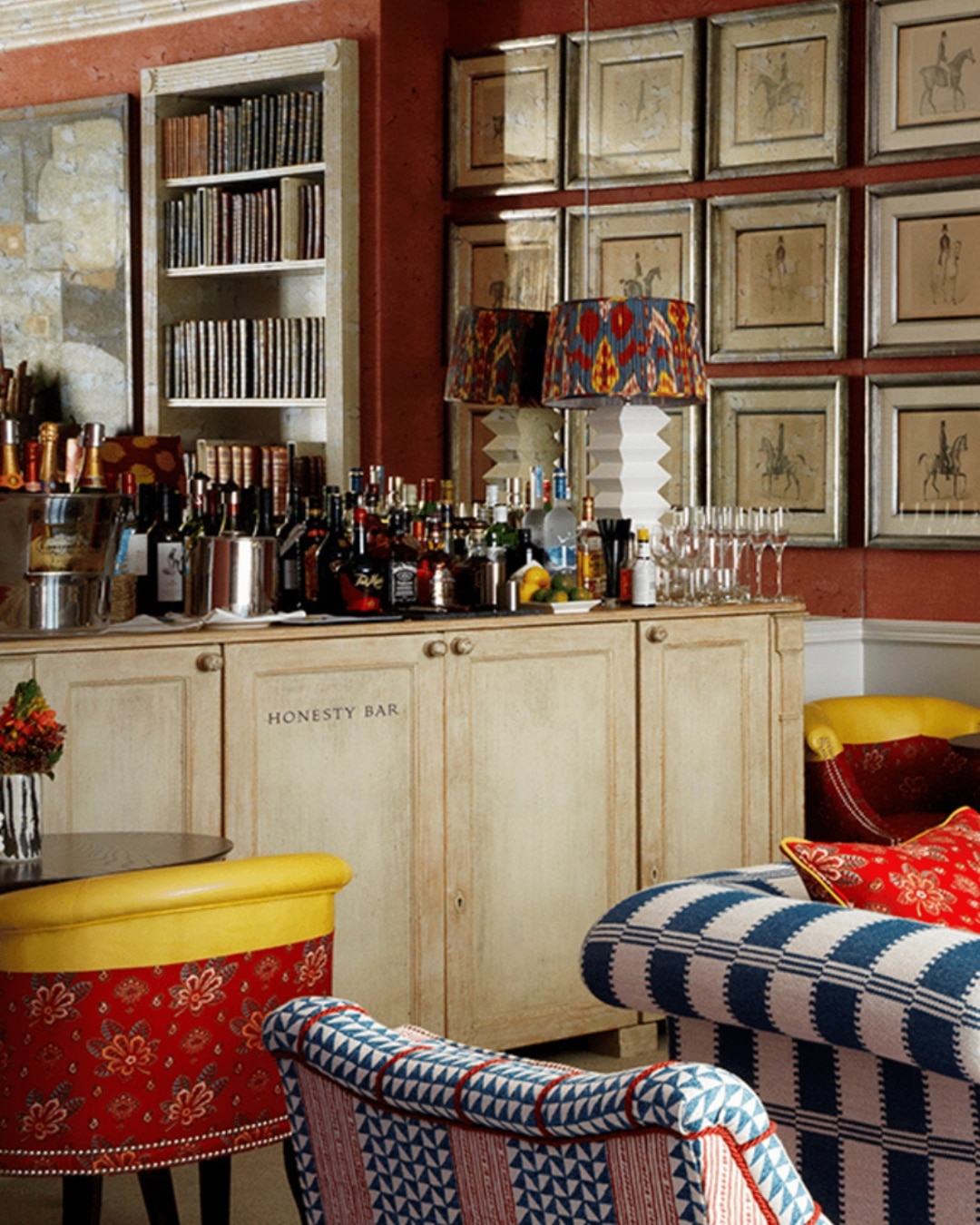
Even something as simple as an ‘Honesty Bar’ sign can become a memorable design feature when crafted with care.
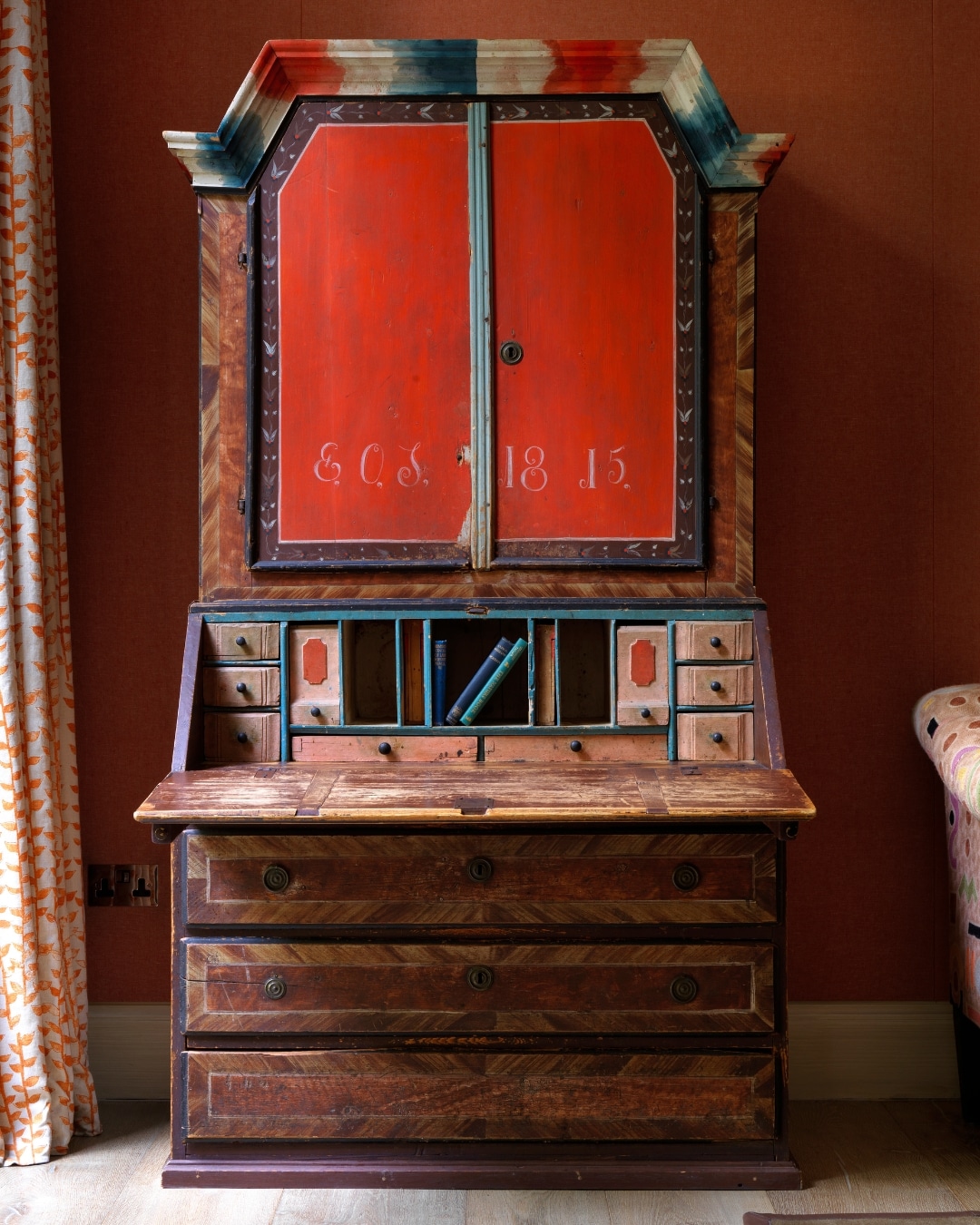
One of the simplest ways to appreciate typography is to create it yourself. Write a letter by hand or paint a favourite word and suddenly you become aware of every curve, every line and every movement of the pen. There is something deeply personal about handwritten words. A note from someone you love, or a treasured piece of a grandparent’s calligraphy, carries a character that no digital font can ever replicate. Framed and displayed, these handwritten pieces become works of art in their own right, rich with memory and the unmistakable trace of the human hand.
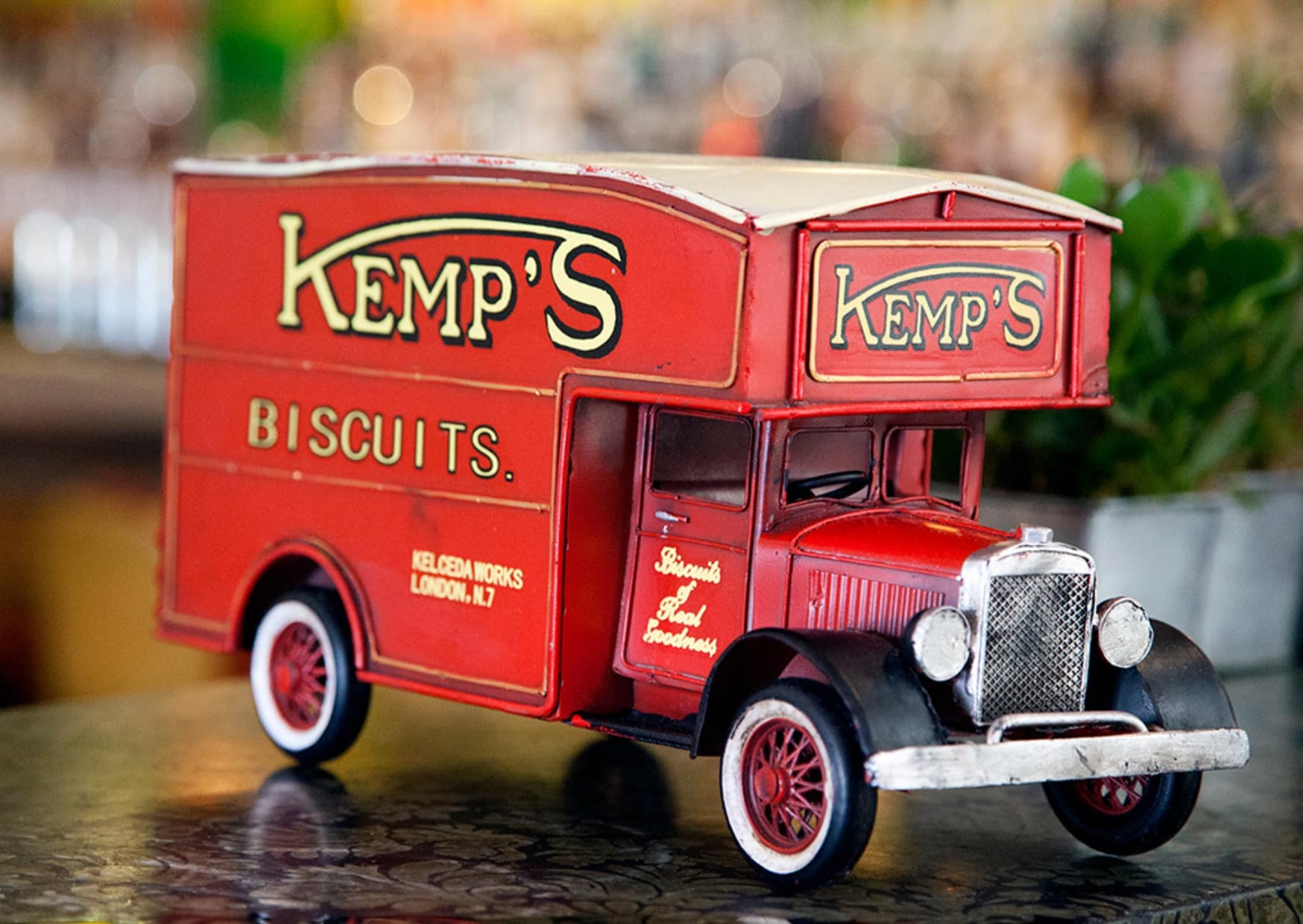
Next time you’re out and about, take a moment to notice the lettering that surrounds you, from painted shopfronts and engraved stone to handwritten notes and embroidered words. You may find that typography is far more than a means of communication. It is craftsmanship, character and storytelling woven quietly into everyday life.