

Not all artwork arrives as a finished statement. Some pieces are quiet and understated, easily overlooked without the right context. A small drawing, a fragment of textile, even something collected rather than declared. These are the pieces that do not demand attention but gently invite it. Often, what brings them fully into focus is not the artwork alone, but what surrounds it.
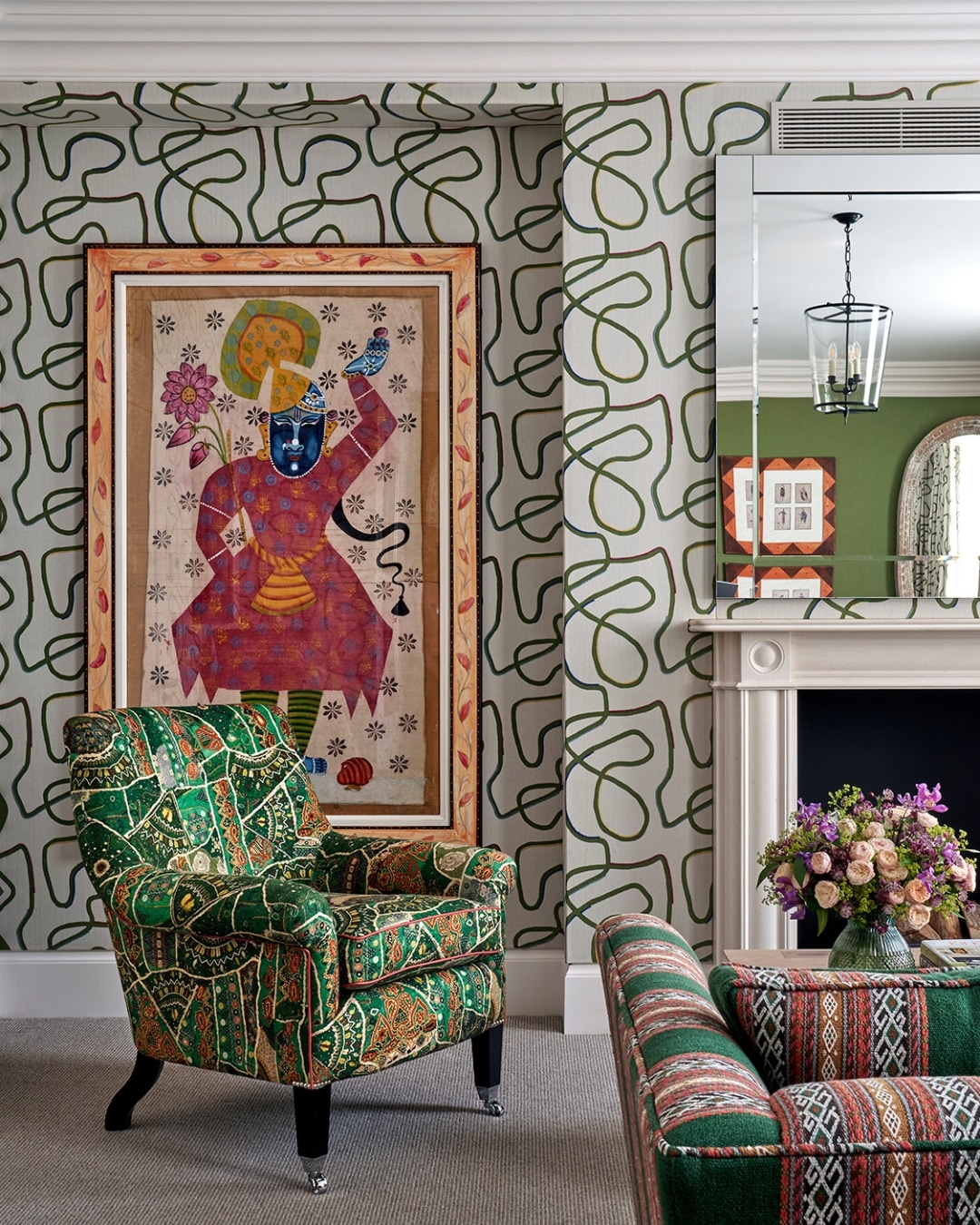
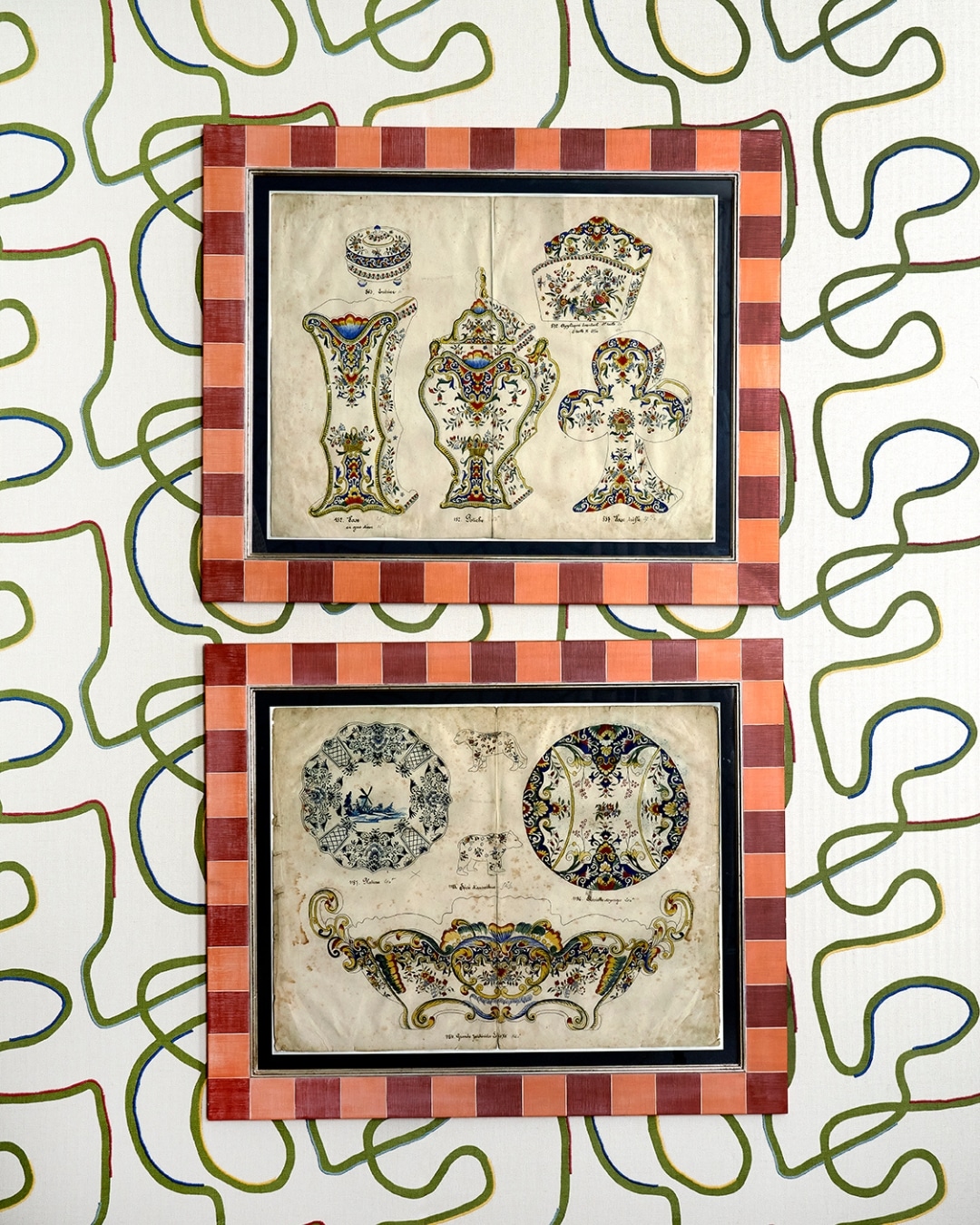
We often think of framing as the final practical step, something added once everything else is decided. But sometimes it works the other way around. A frame, through its colour, depth, or material, can call for a certain kind of piece. It can suggest a mood or create a setting in which something quieter suddenly comes to life.
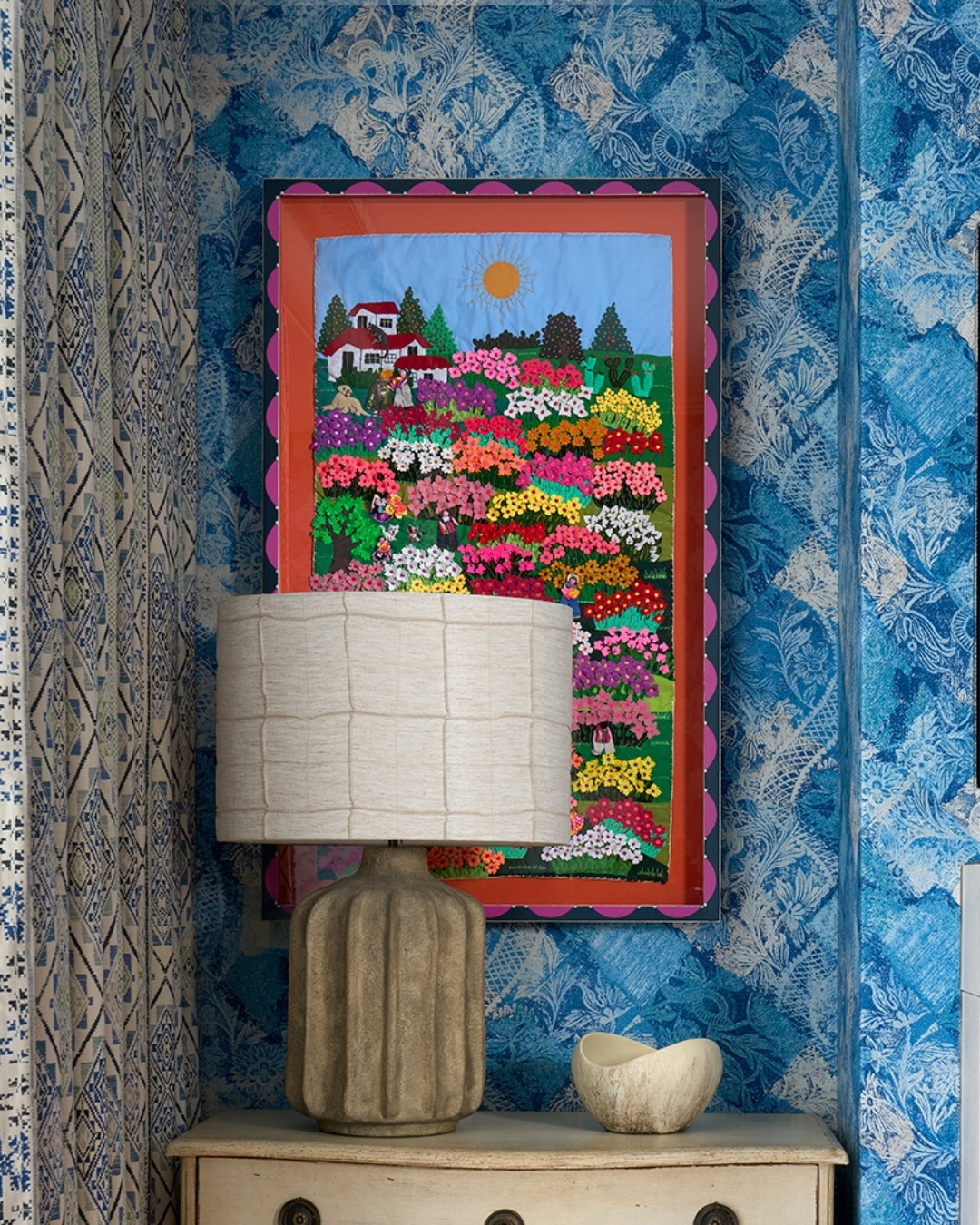
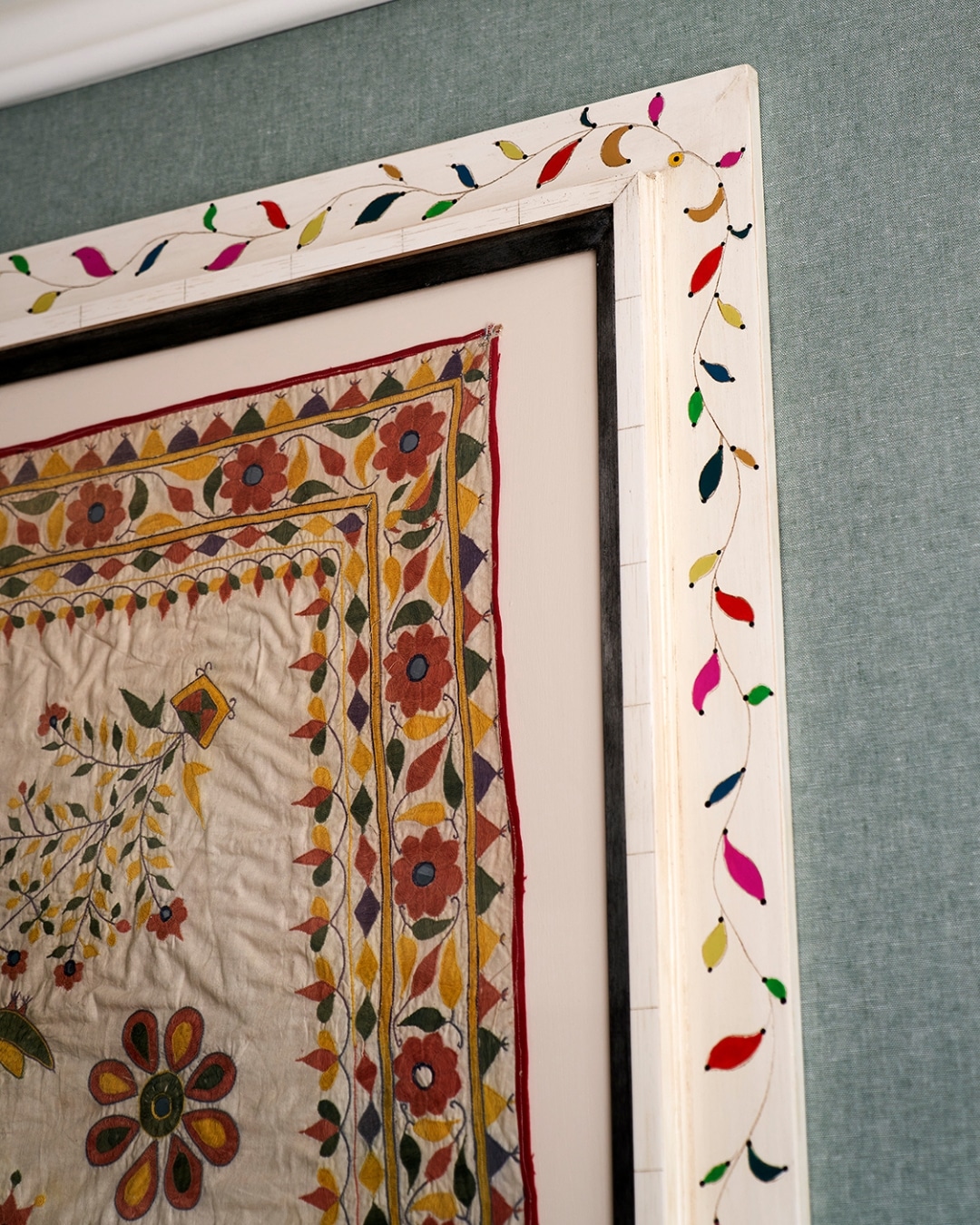
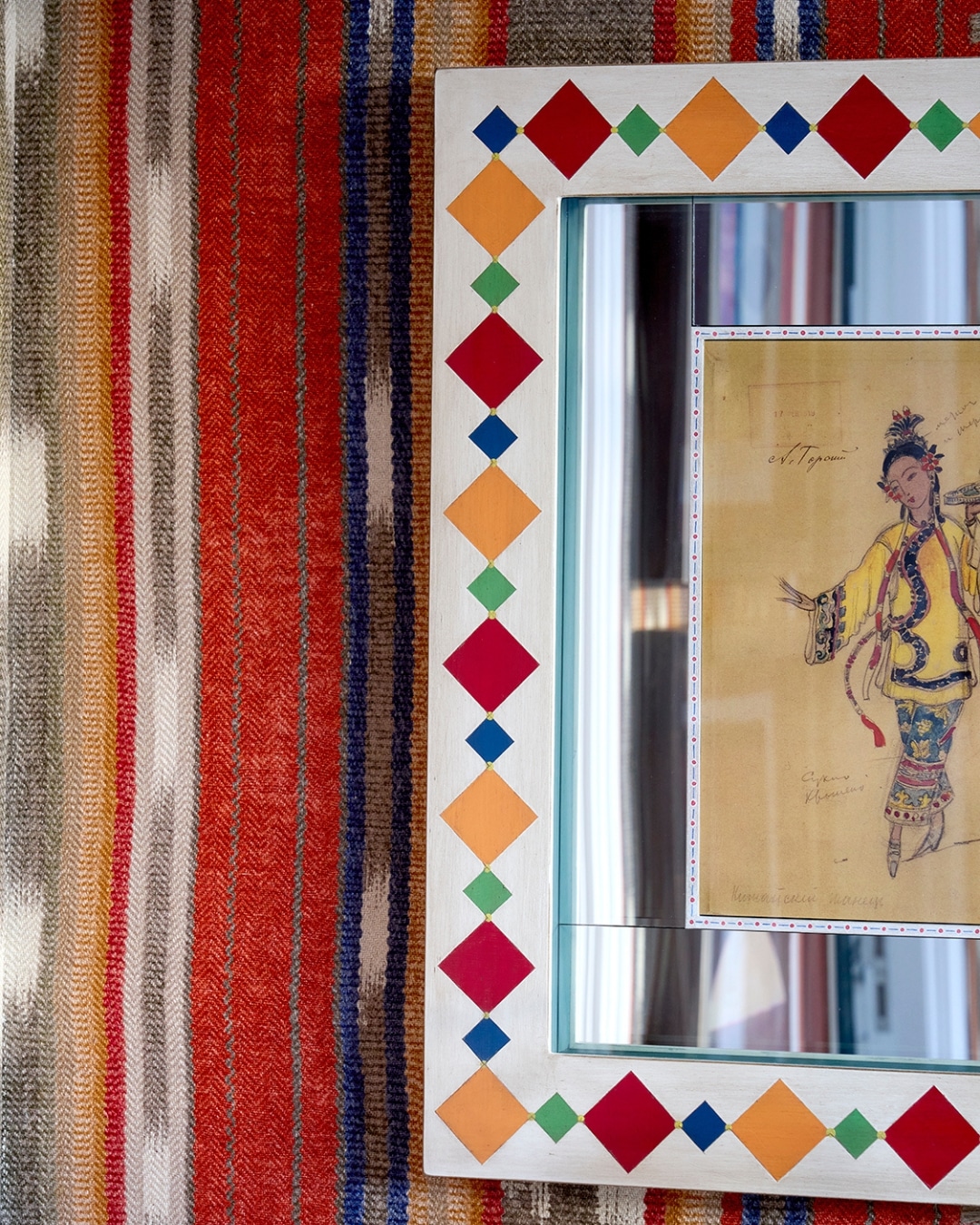
Frames can be playful, tactile, and expressive, not simply supporting the artwork but shaping the way it is experienced. In this way, the relationship becomes less about fitting one into the other and more about creating harmony. The frame does not just hold the artwork, it helps it arrive.
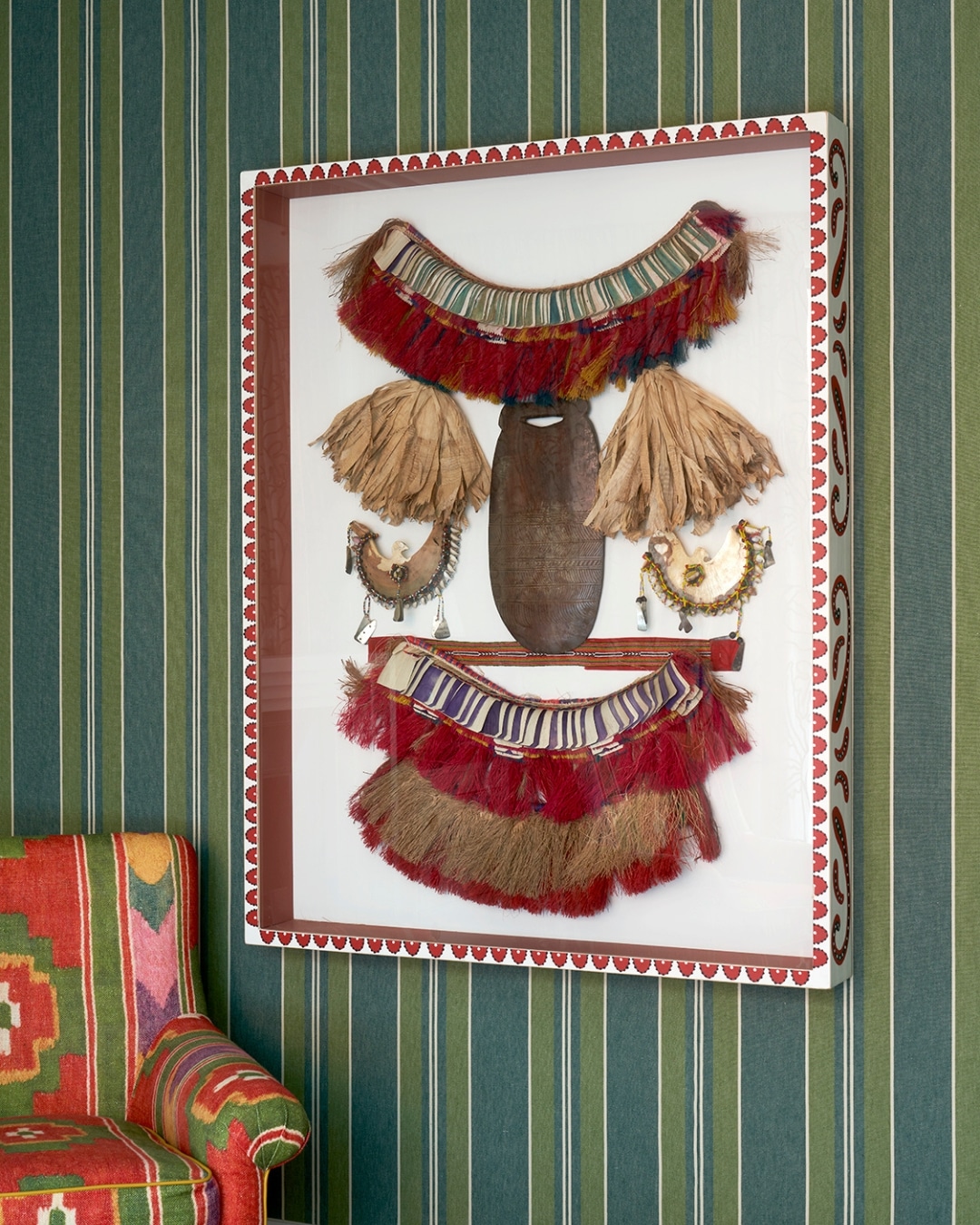
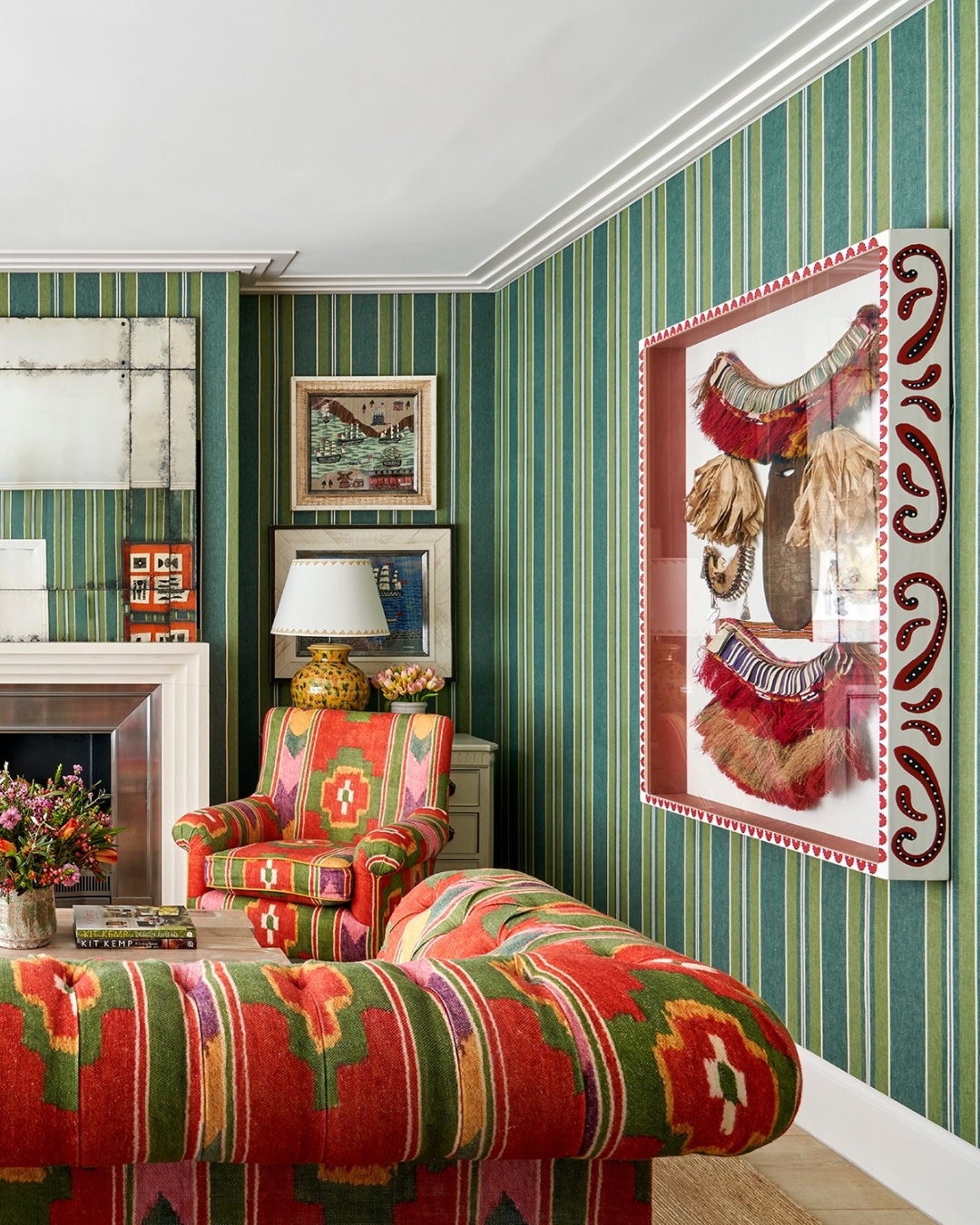
A change in edge can completely alter perception. A delicate piece placed within a bold painted border gains confidence. A simple composition given space and depth begins to breathe. The frame does not overpower, it reveals.
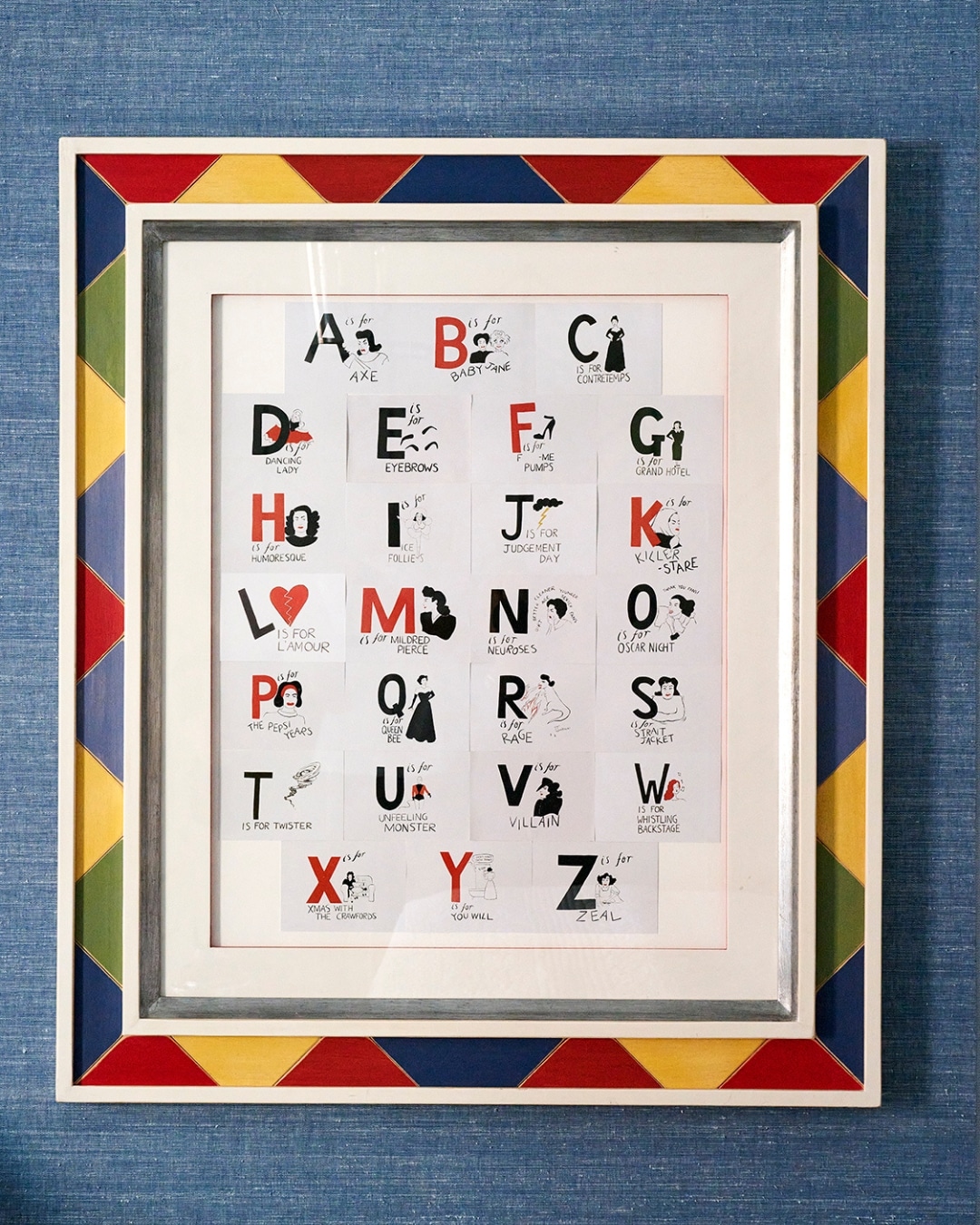
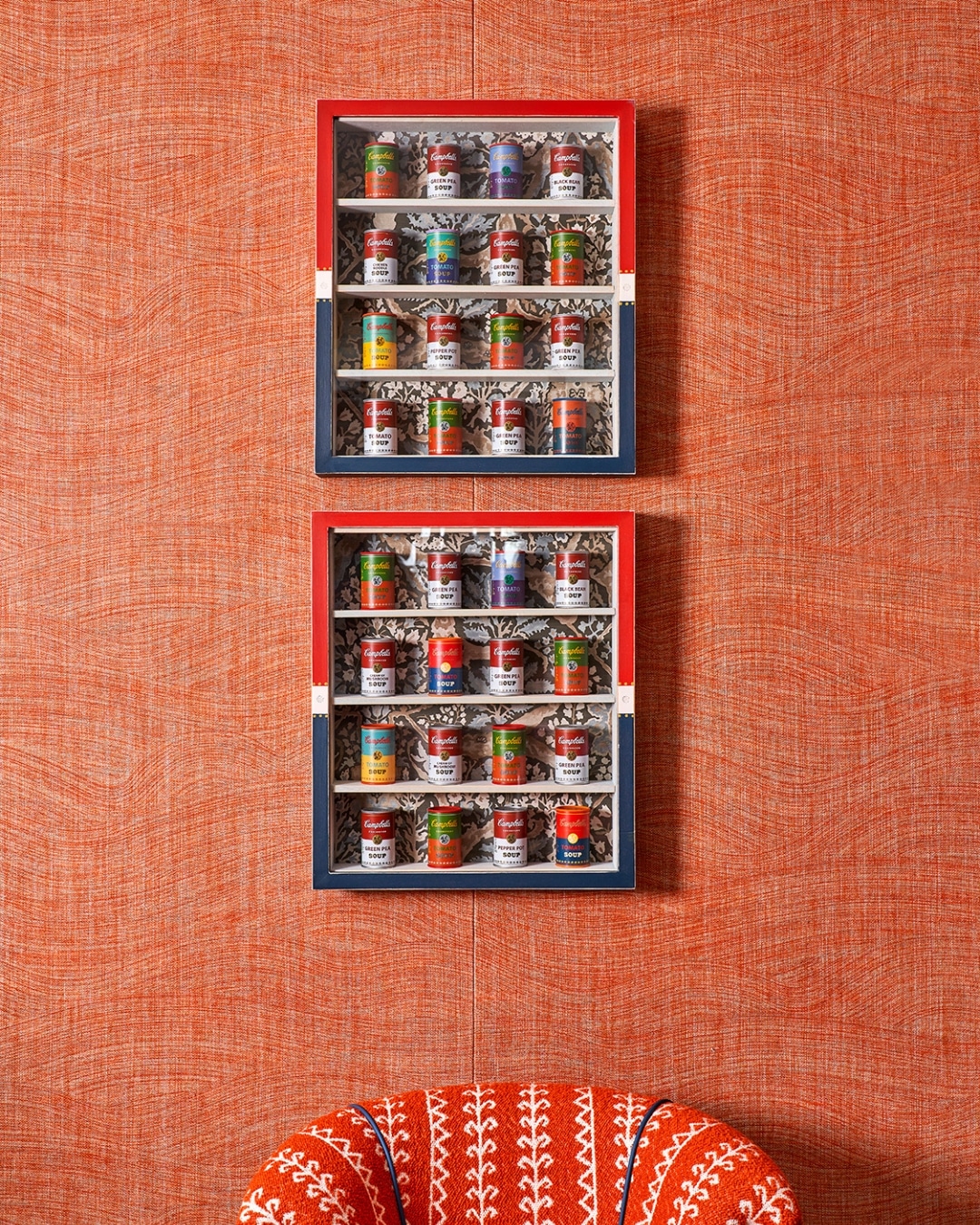
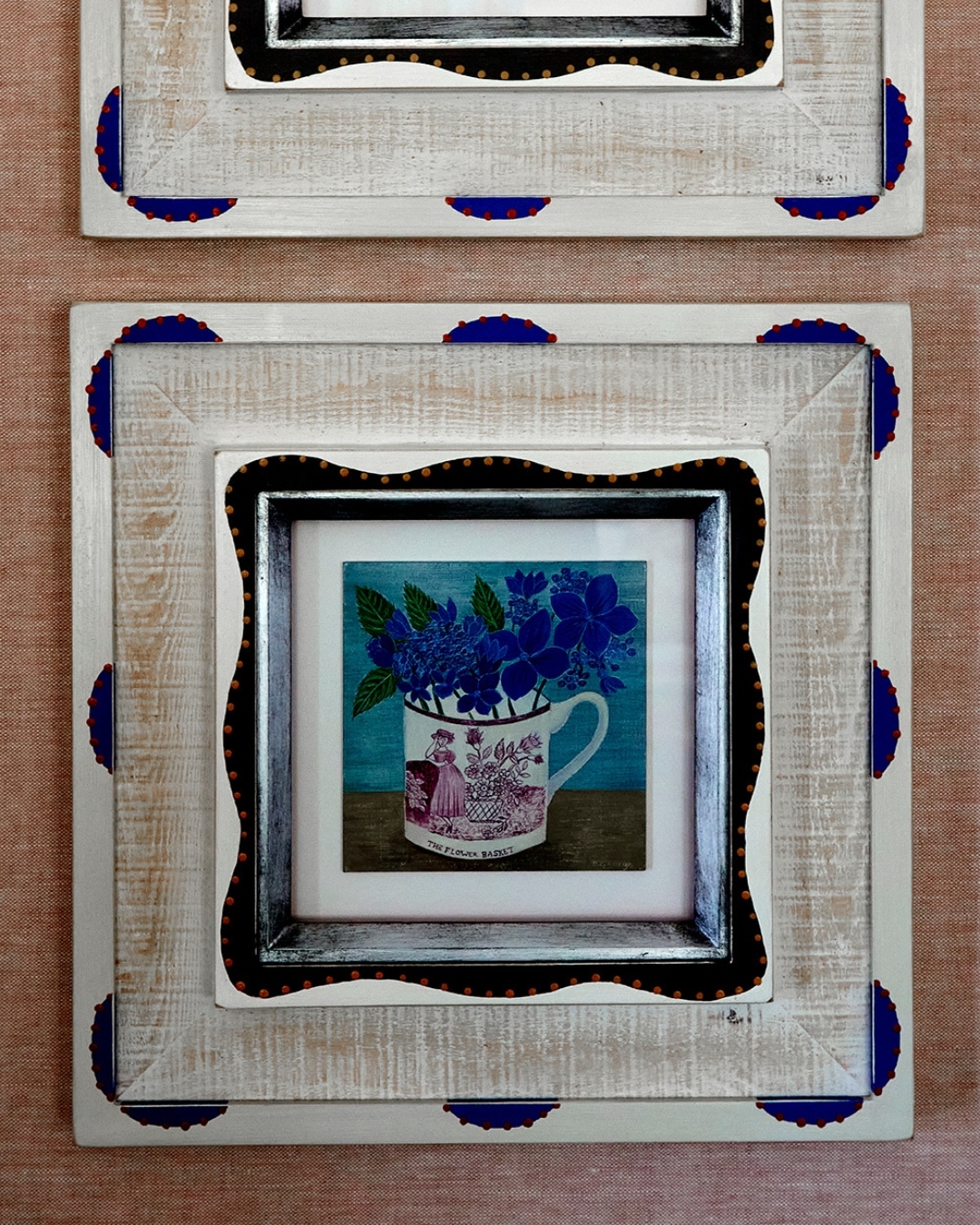
It draws out colour, emphasises texture, and gives presence to what might otherwise feel fleeting. There is a quiet luxury in paying attention to the edges, noticing proportion, considering colour, and allowing the right amount of space. These are small decisions, but they shape the whole scheme.
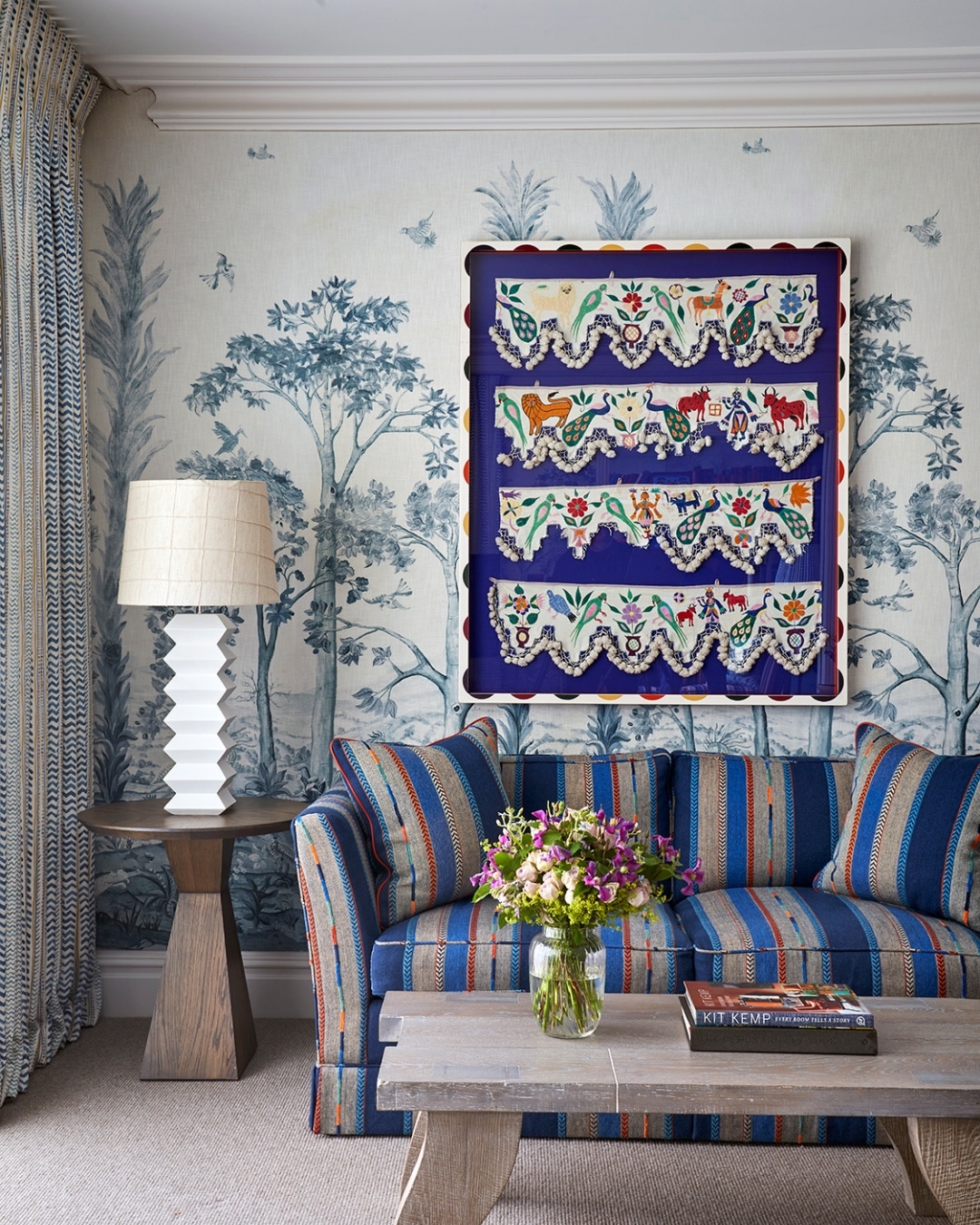
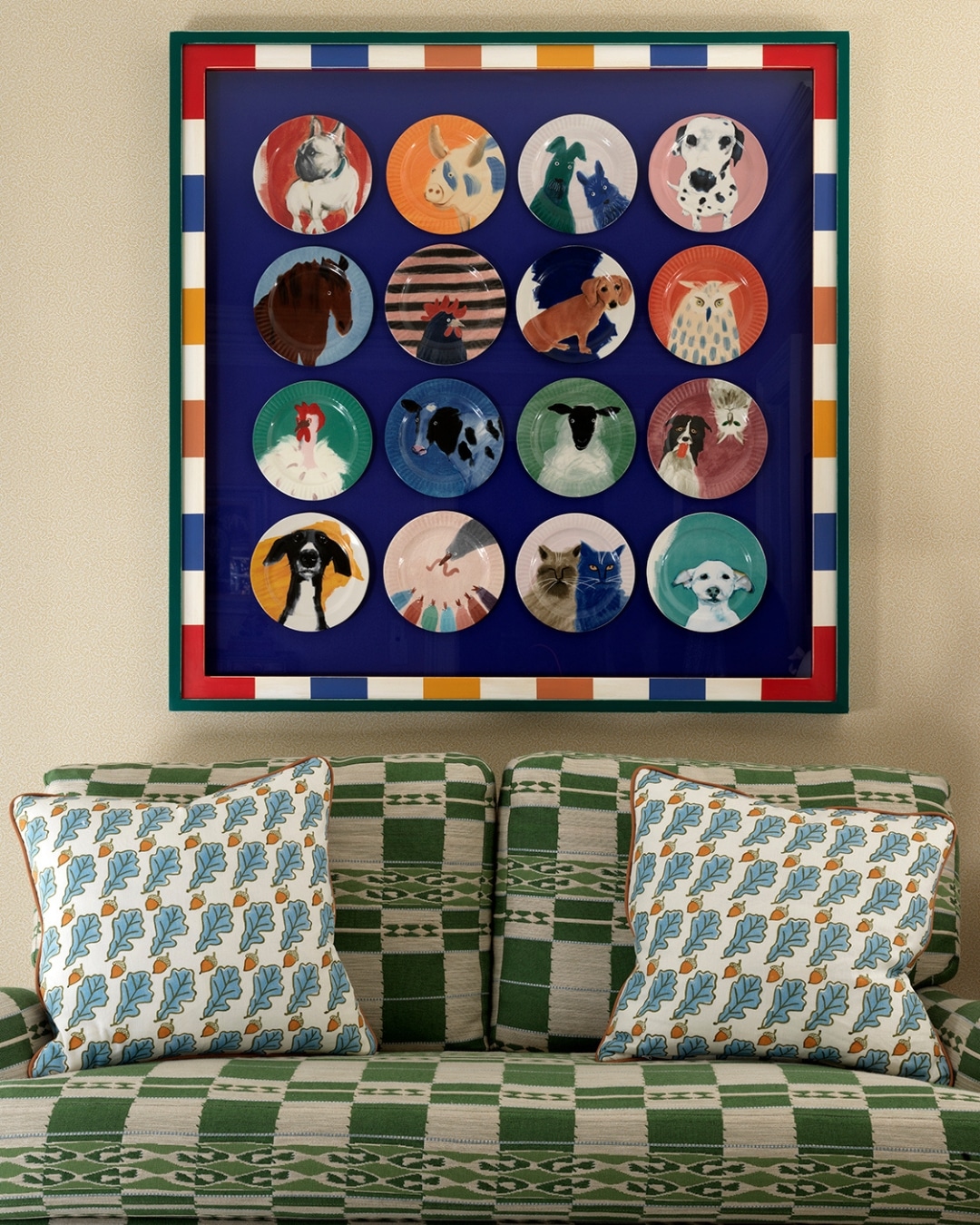
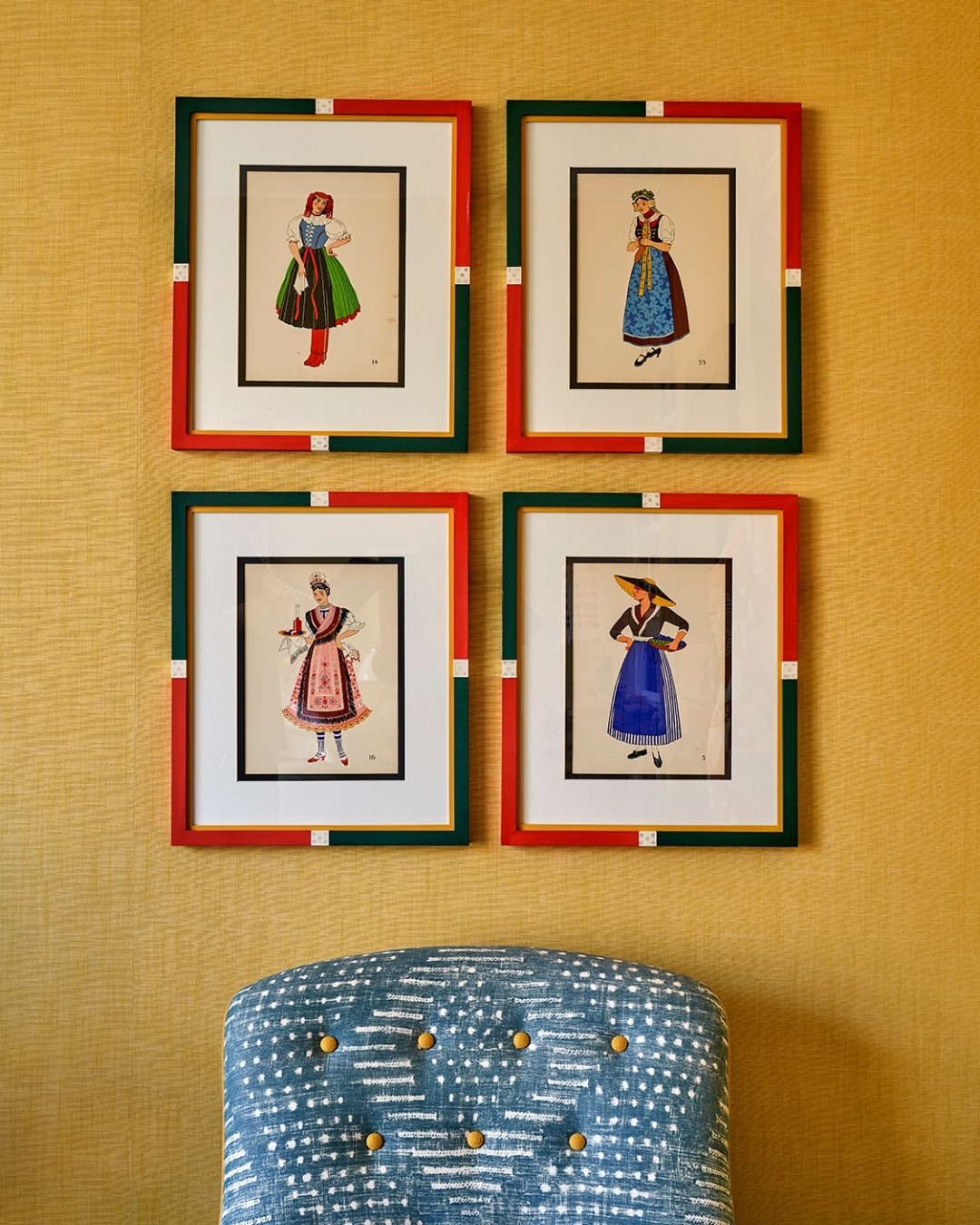
In a world that often feels fast and flat, framing offers something slower and more considered. When frames are treated as part of the design language, walls begin to shift. They gain rhythm, variation, and a sense of layering.
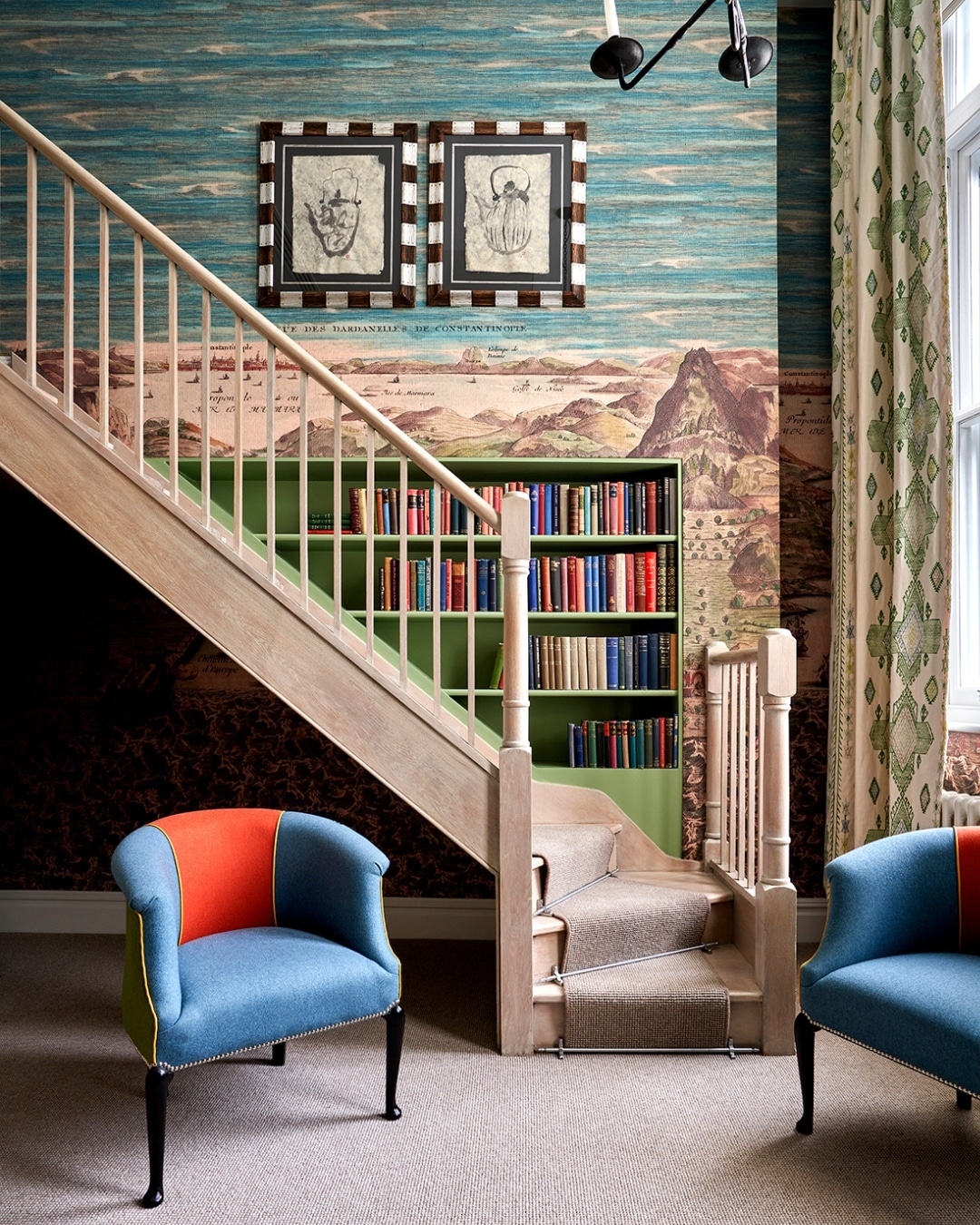
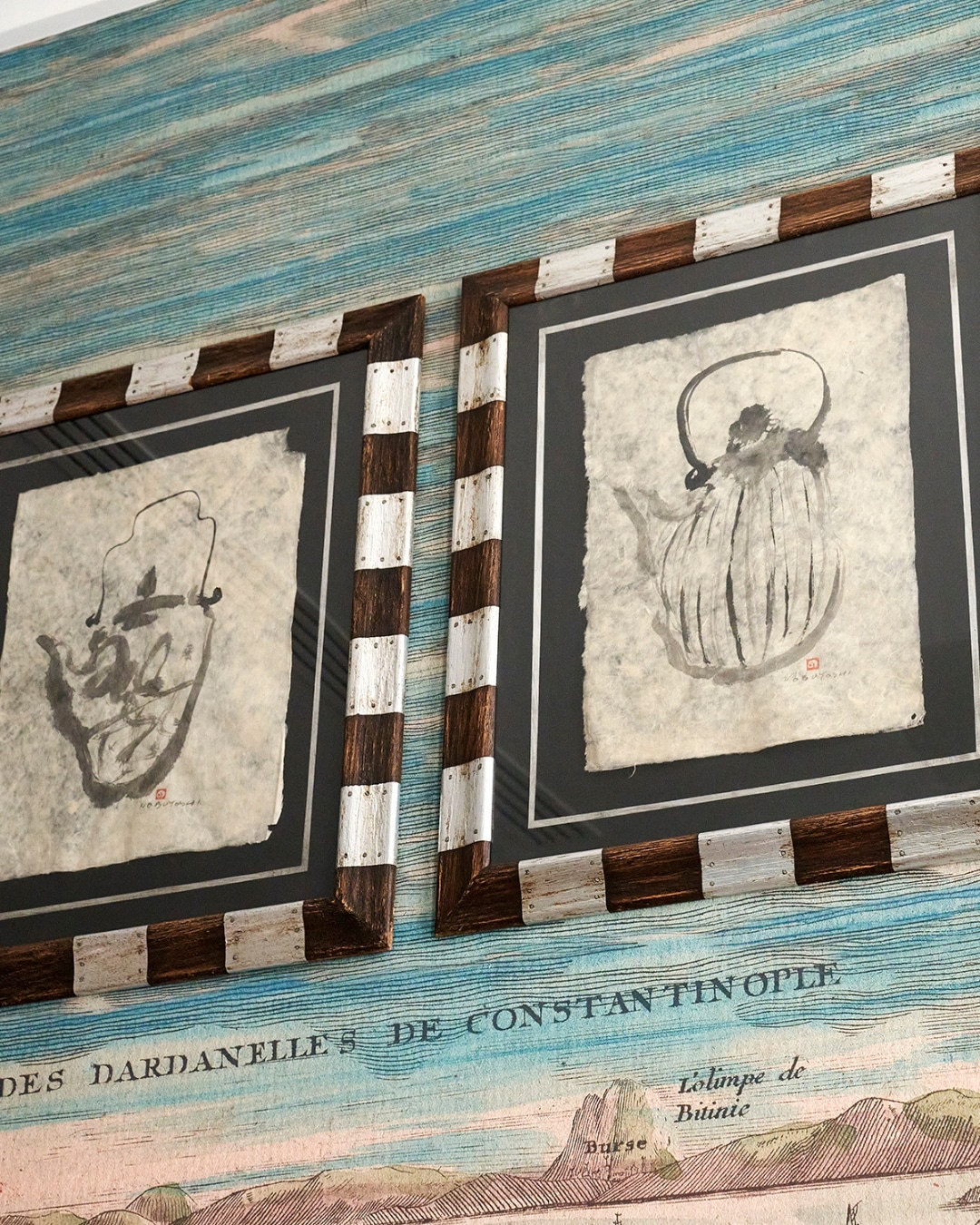
Different finishes catch the light in different ways. Depth creates shadow, while colour introduces moments of pause and contrast. The result is not simply a display, but a composition that feels collected rather than arranged.
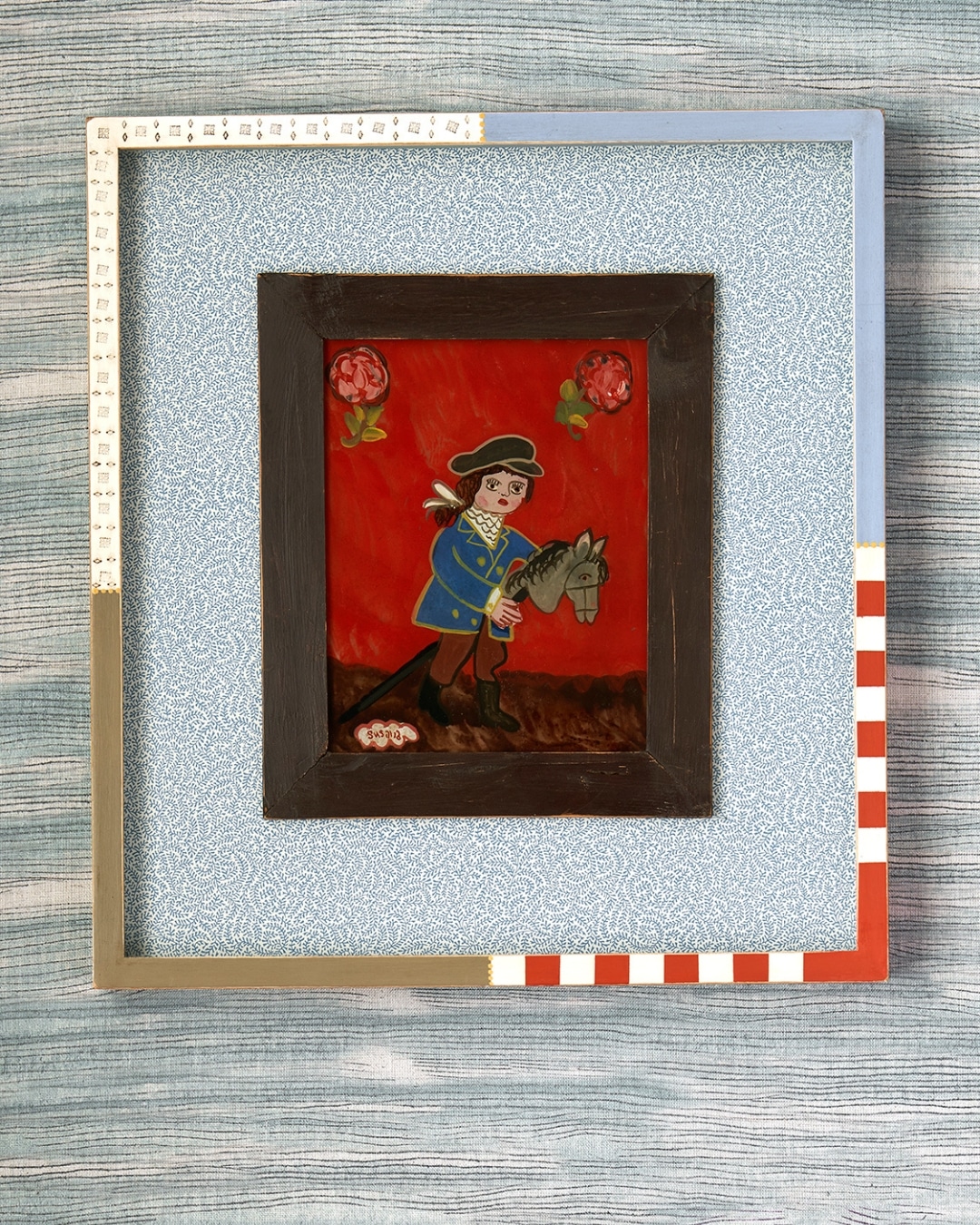
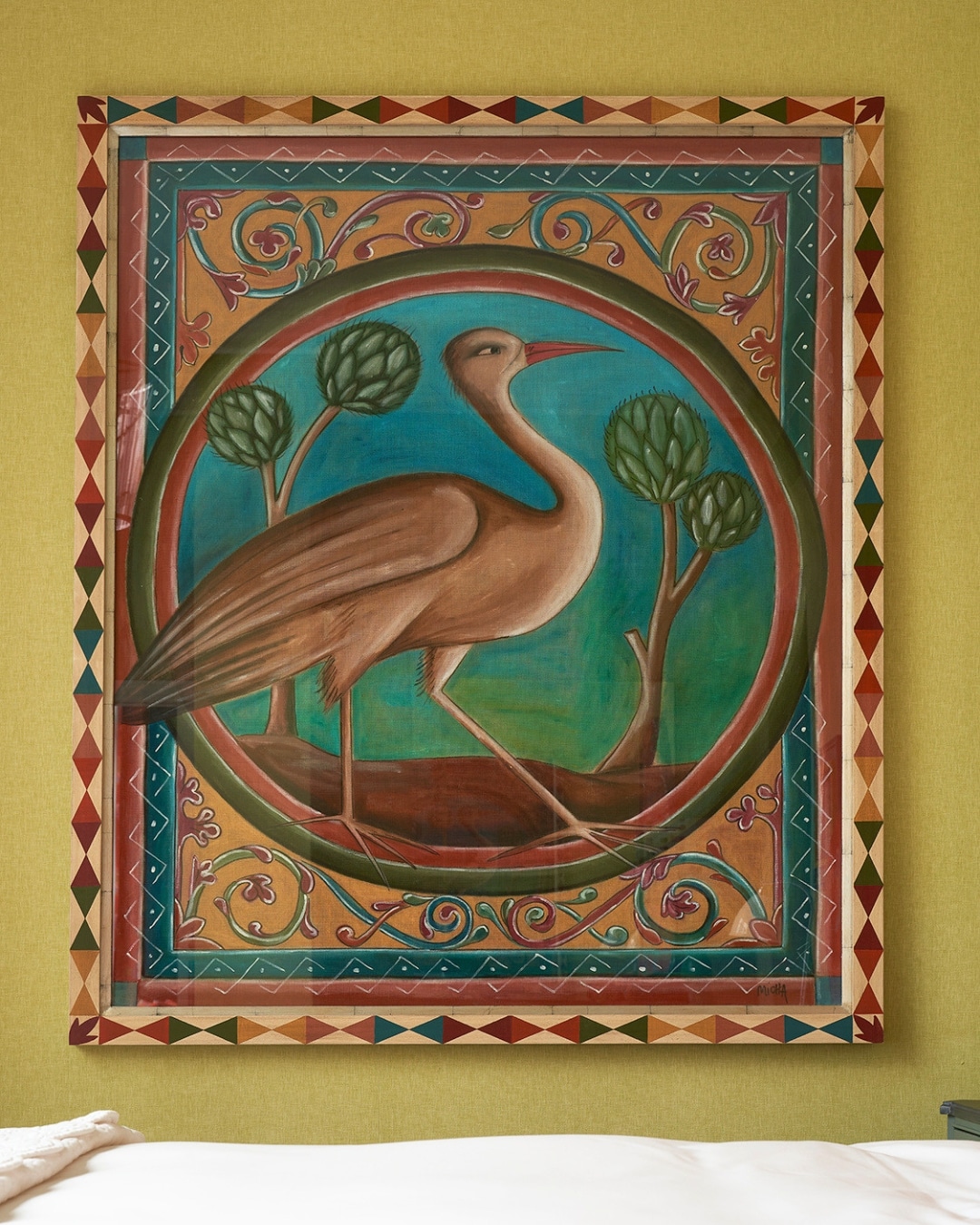
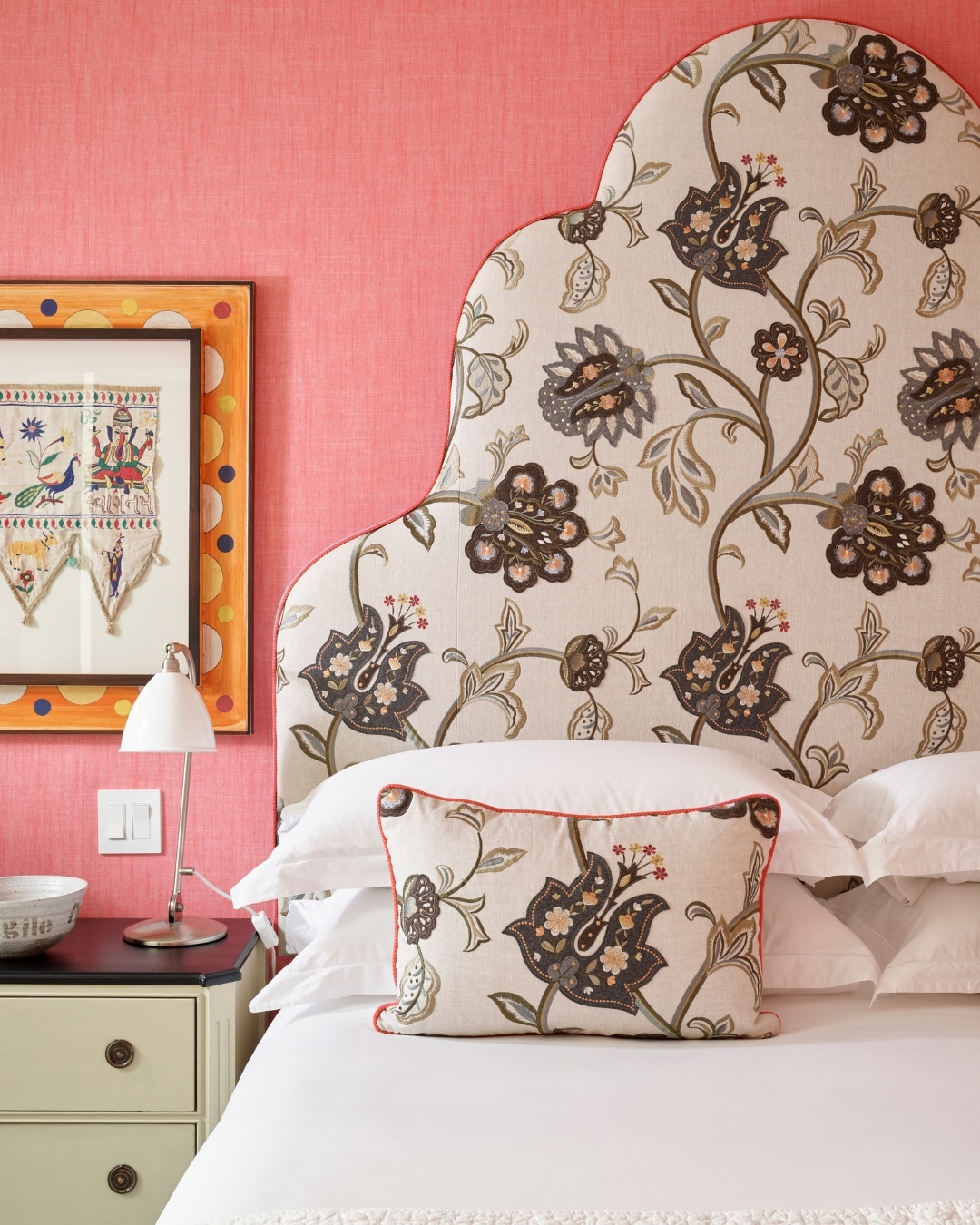
At its simplest, a frame encloses, but at its best, it does far more than that. It gives presence, creates context, and allows something to be seen not only as it is, but as it could be. And sometimes, it is the frame that leads us there.