

Curtains can completely transform the feeling of a room. They soften architecture, shape light, add warmth, and bring a sense of completeness to a space. Often, the difference between curtains that feel simply functional and those that feel truly captivating comes down to thoughtful detail. Here are a few guiding ideas to keep in mind when planning your next window refresh.
Do use curtains to soften a room
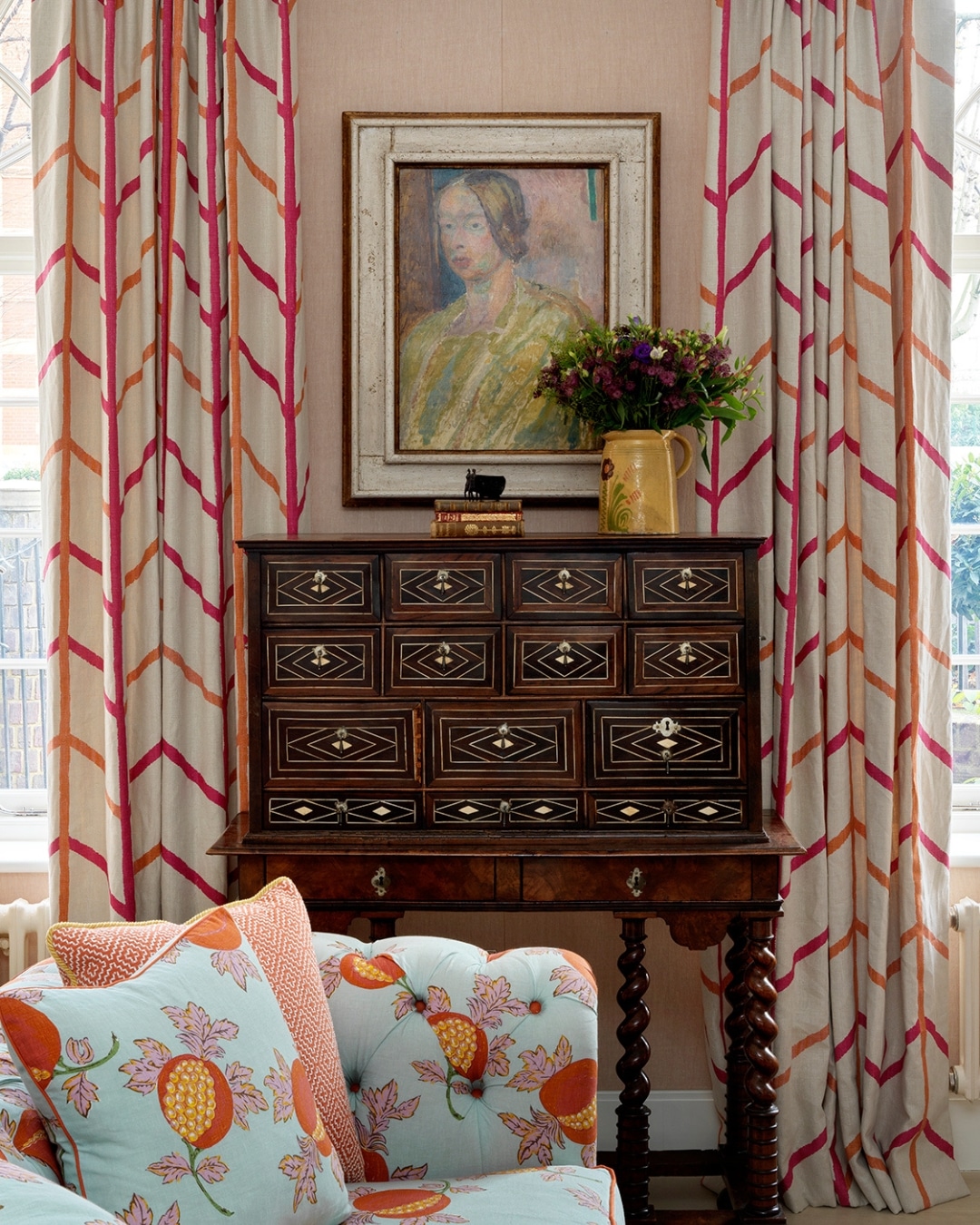
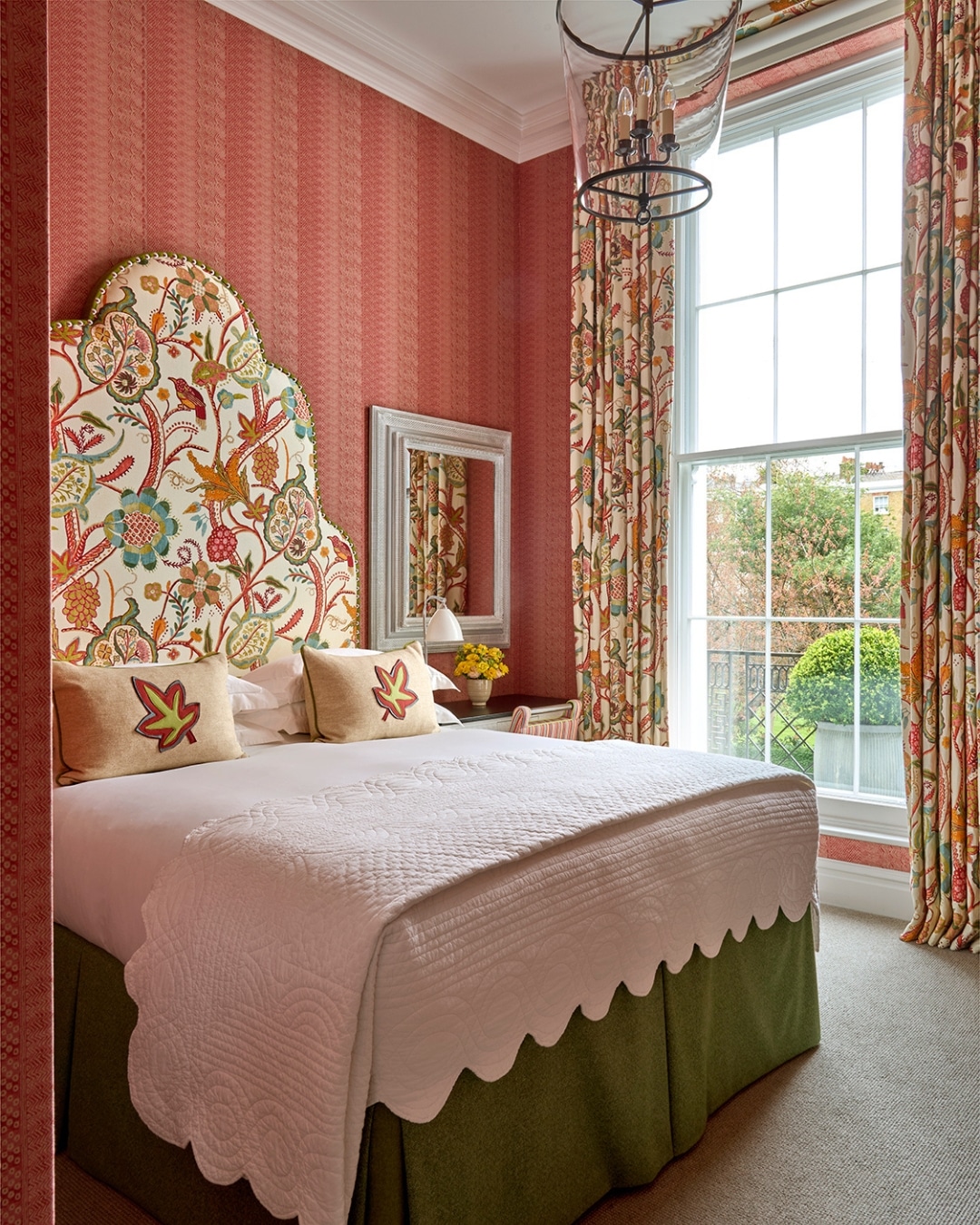
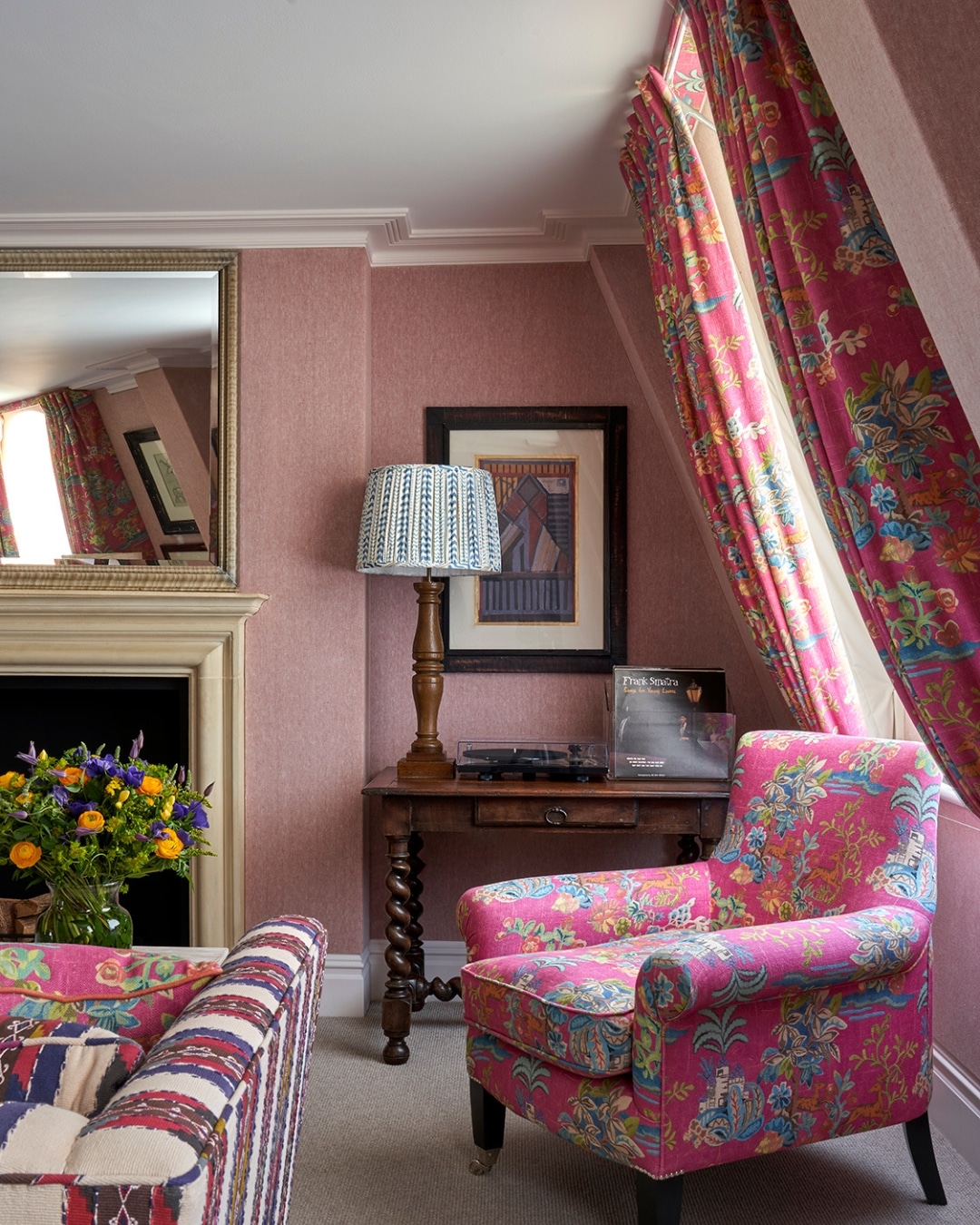
Curtains bring an immediate sense of warmth and ease, especially in spaces that feel a little hard or architectural. They soften windows, layer texture, and help a room feel more inviting. Heavier fabrics can also absorb sound and create intimacy, while lighter linens diffuse light beautifully, changing the atmosphere entirely.
Do use enough fabric
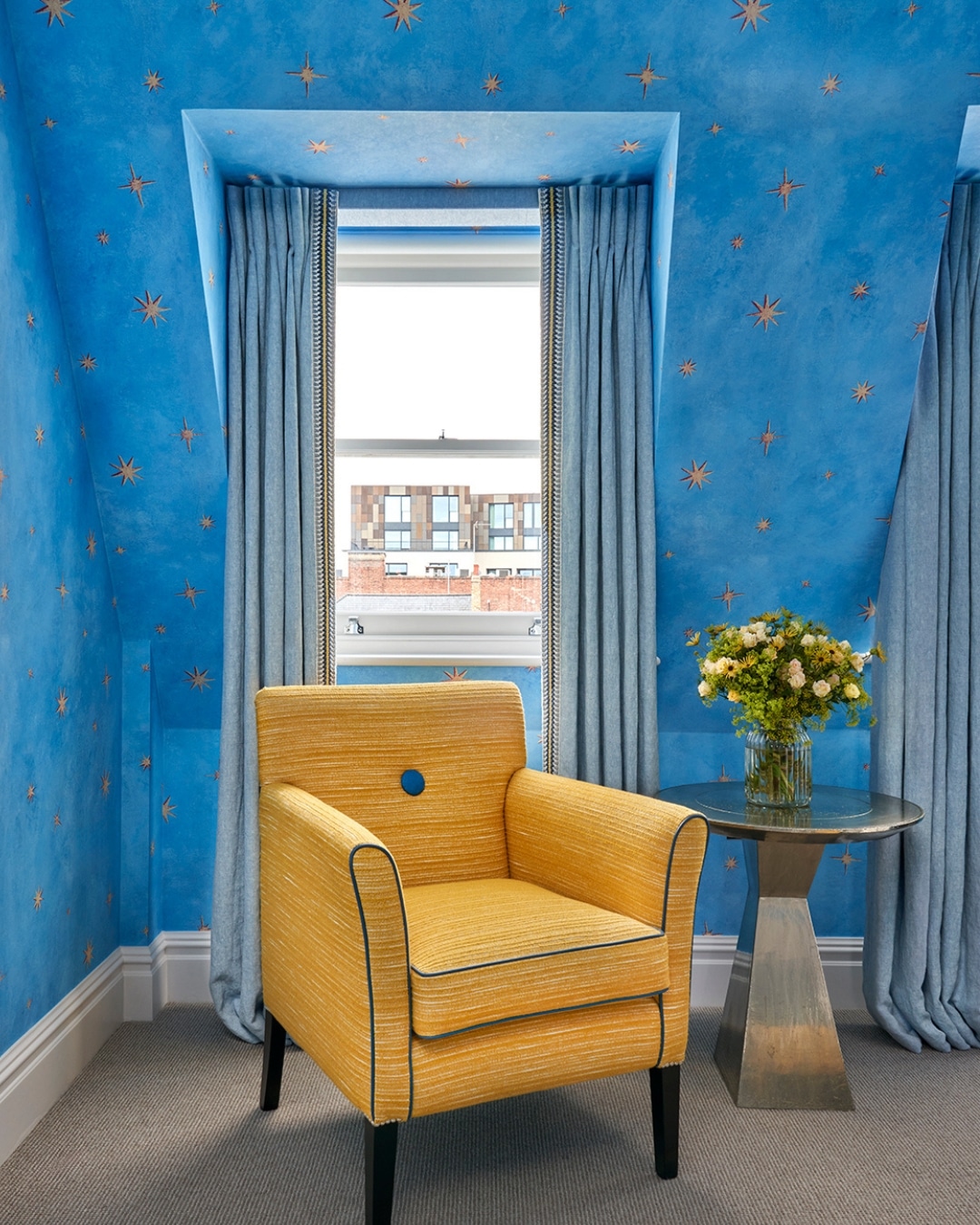
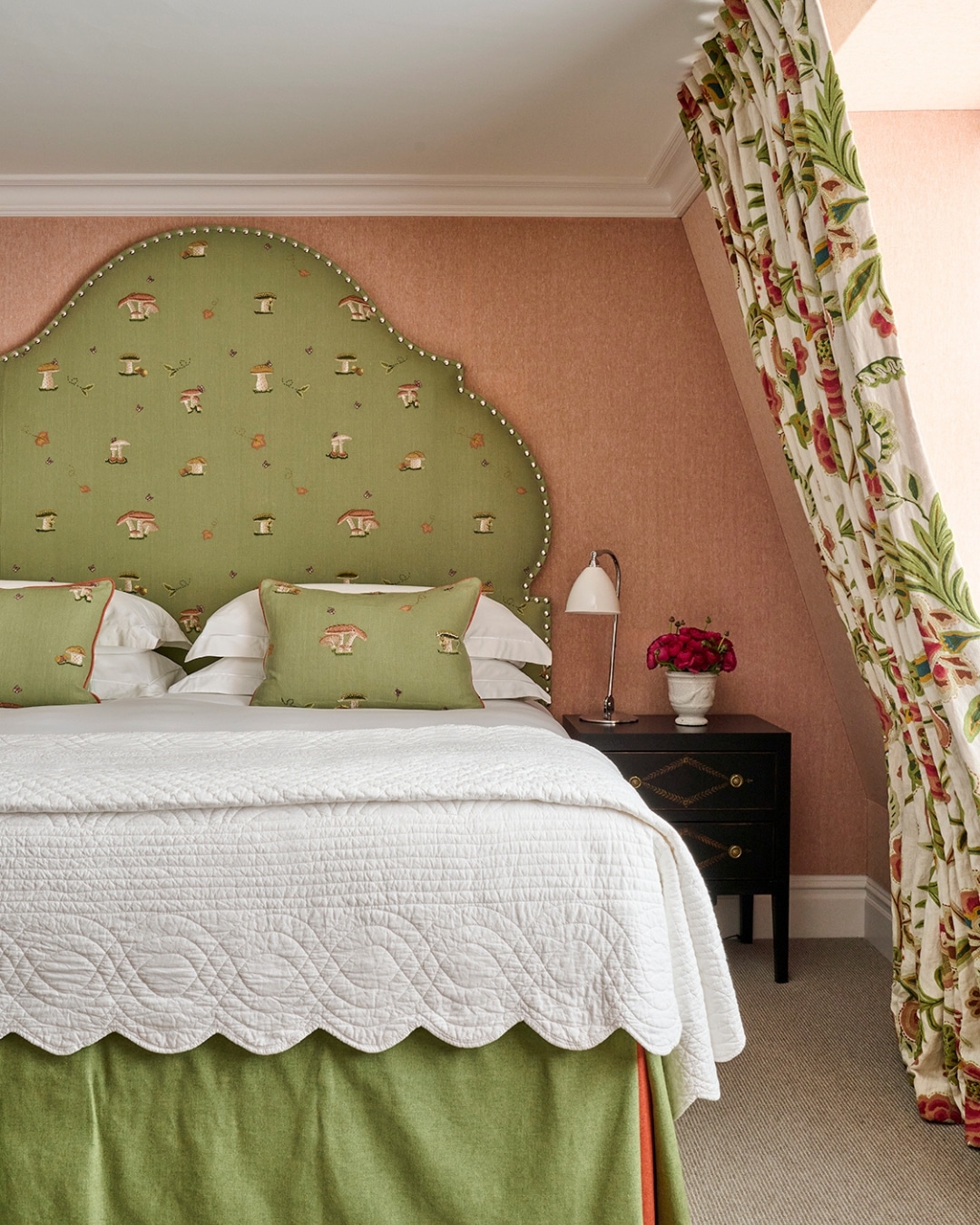
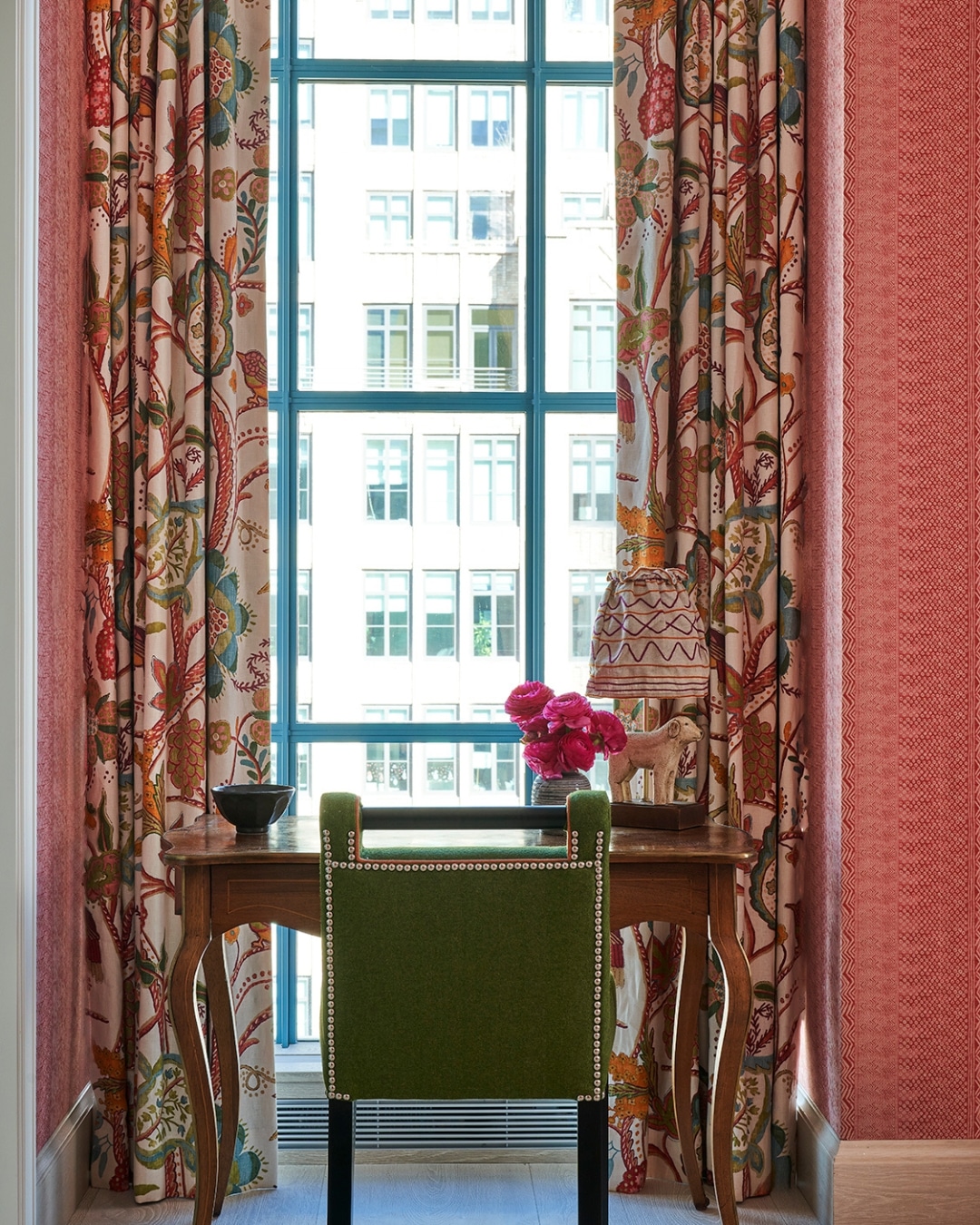
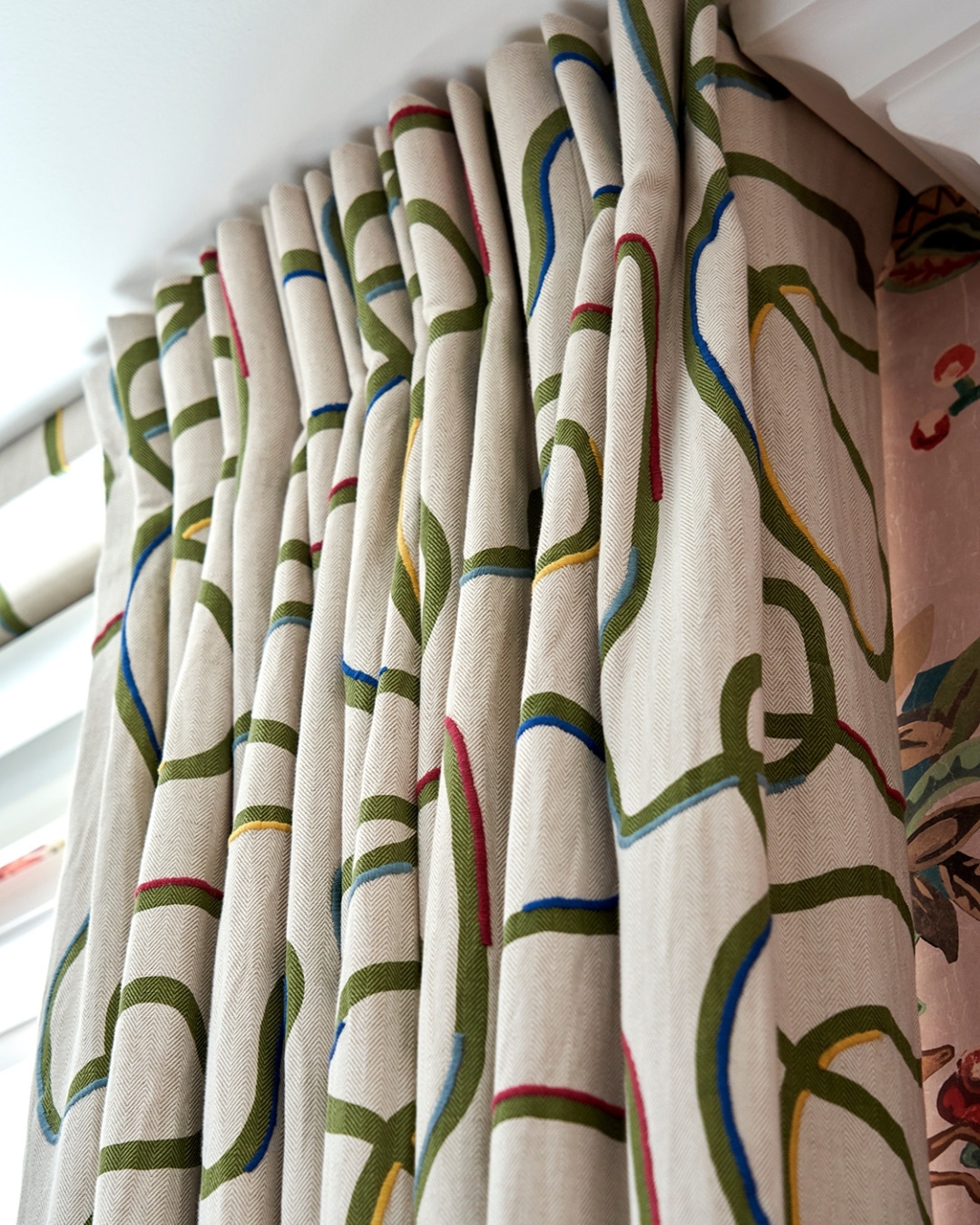
Generosity is key. Curtains should fall in relaxed, elegant folds rather than feeling tight or stretched. A well-draped curtain always feels more luxurious and considered.
Don’t go too short, but do consider context
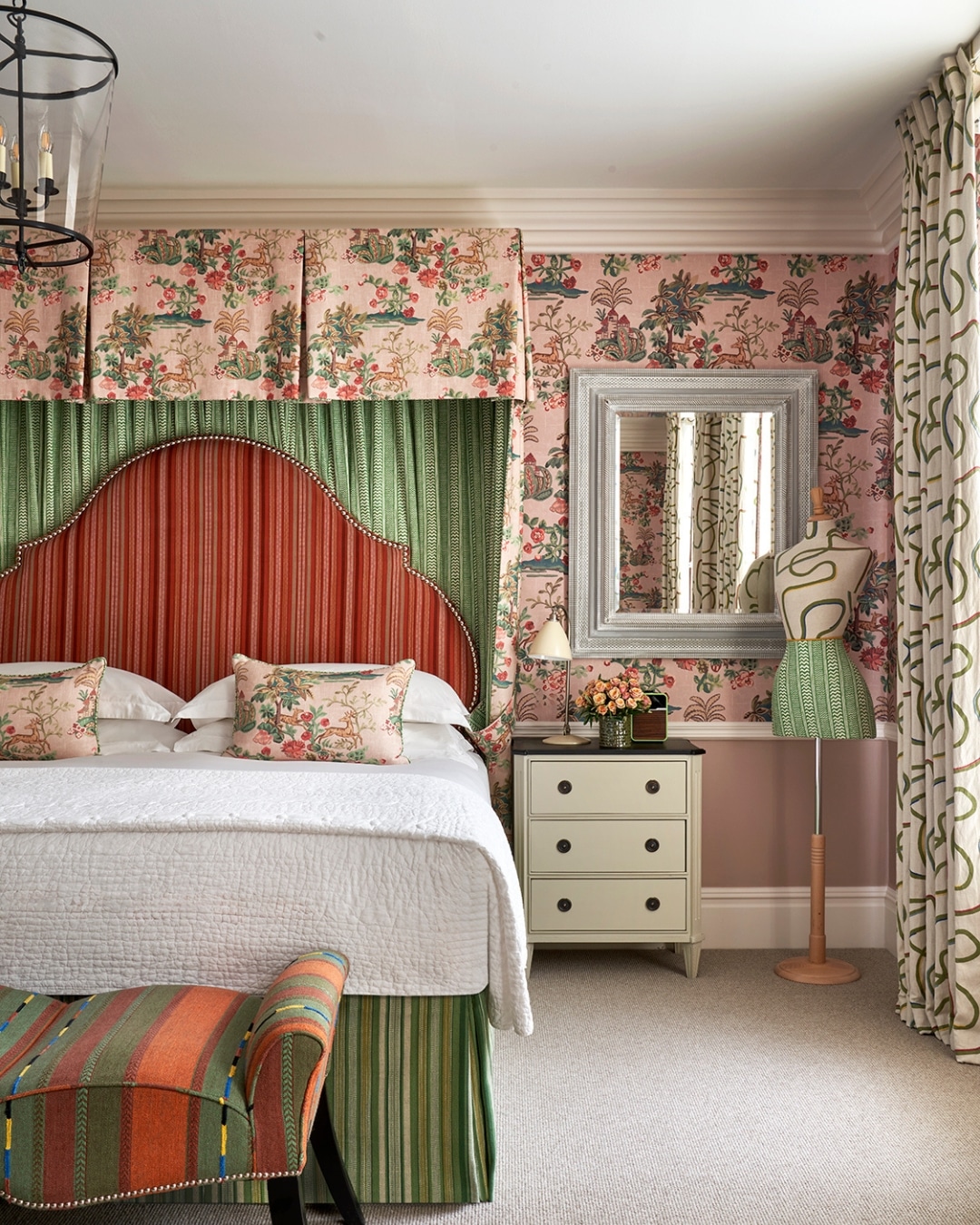
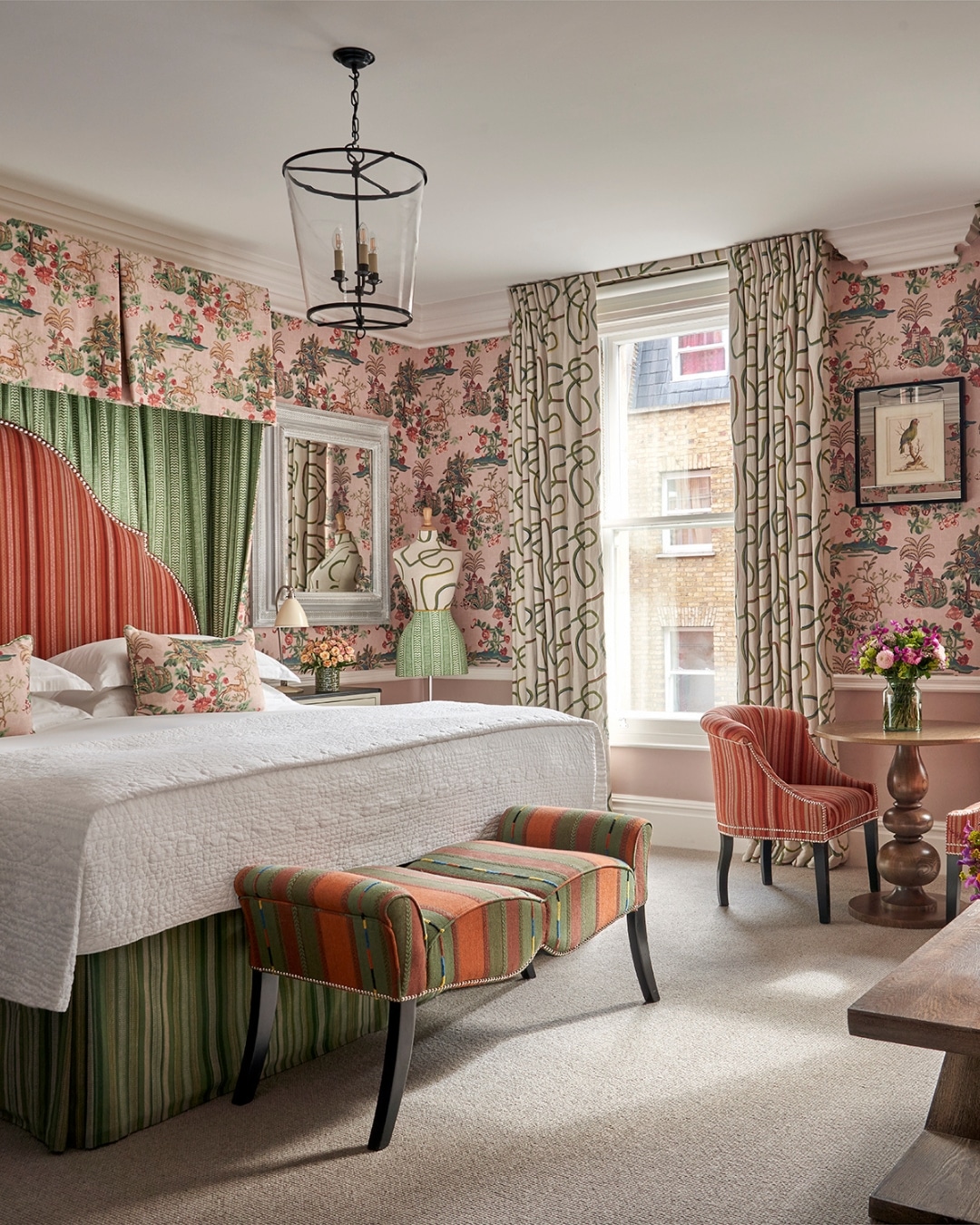
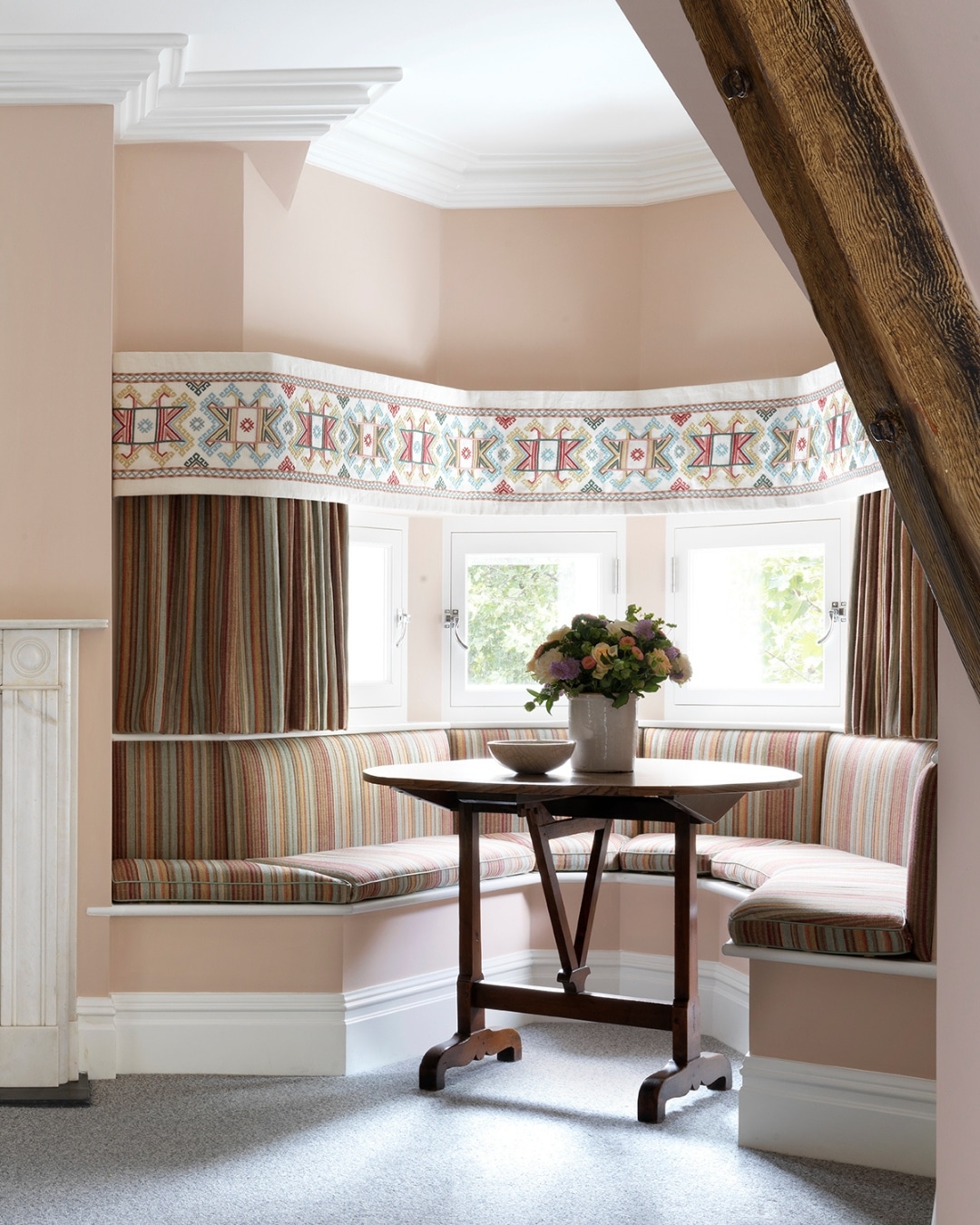
Curtains that sit awkwardly above the floor can interrupt the flow of a room. Ideally, they should just kiss the floor or puddle slightly for a softer effect. That said, context matters. A breakfast nook might call for something lighter and more lifted, while a bedroom or sitting room often benefits from more drama and weight.
Do think about scale and pattern
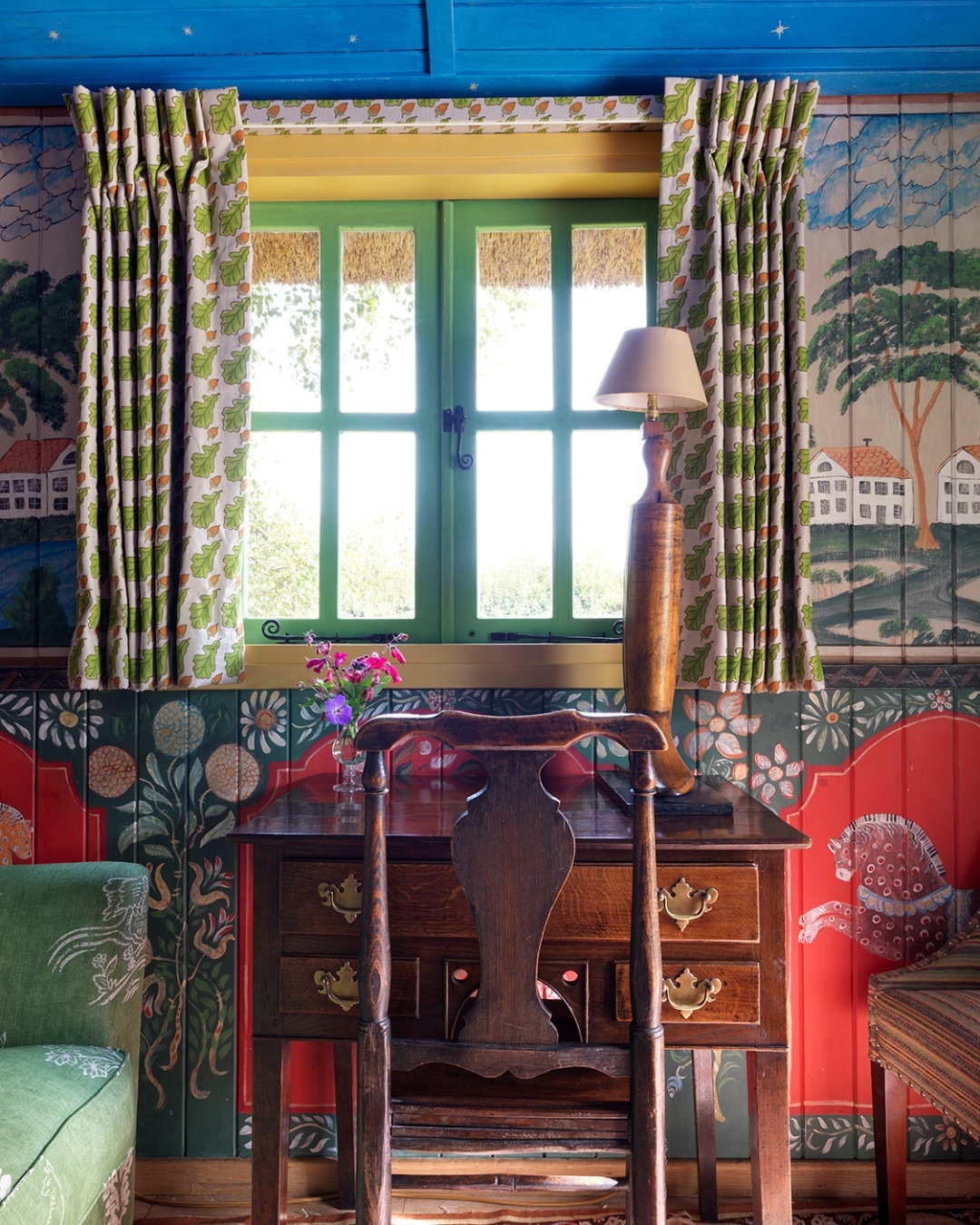
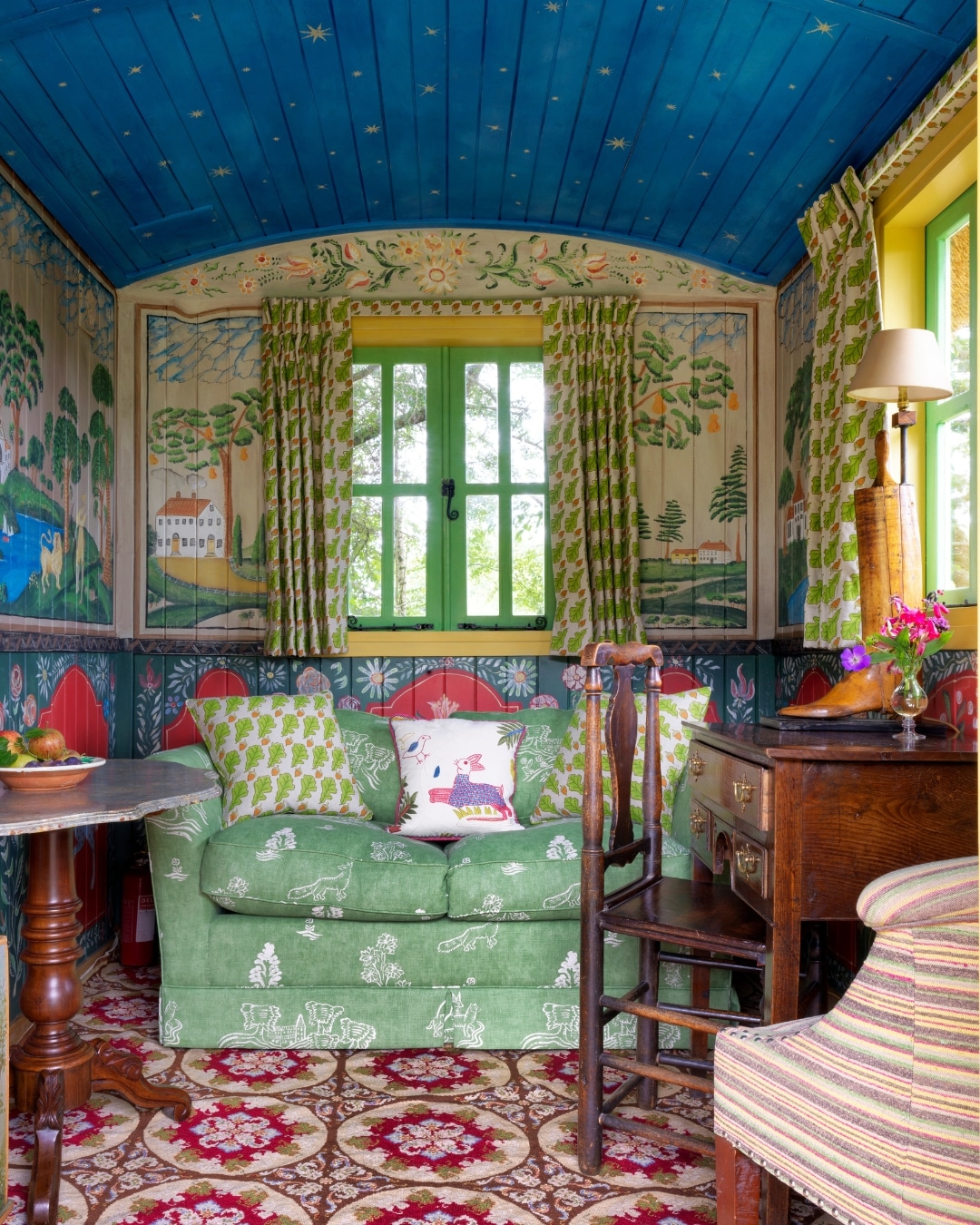
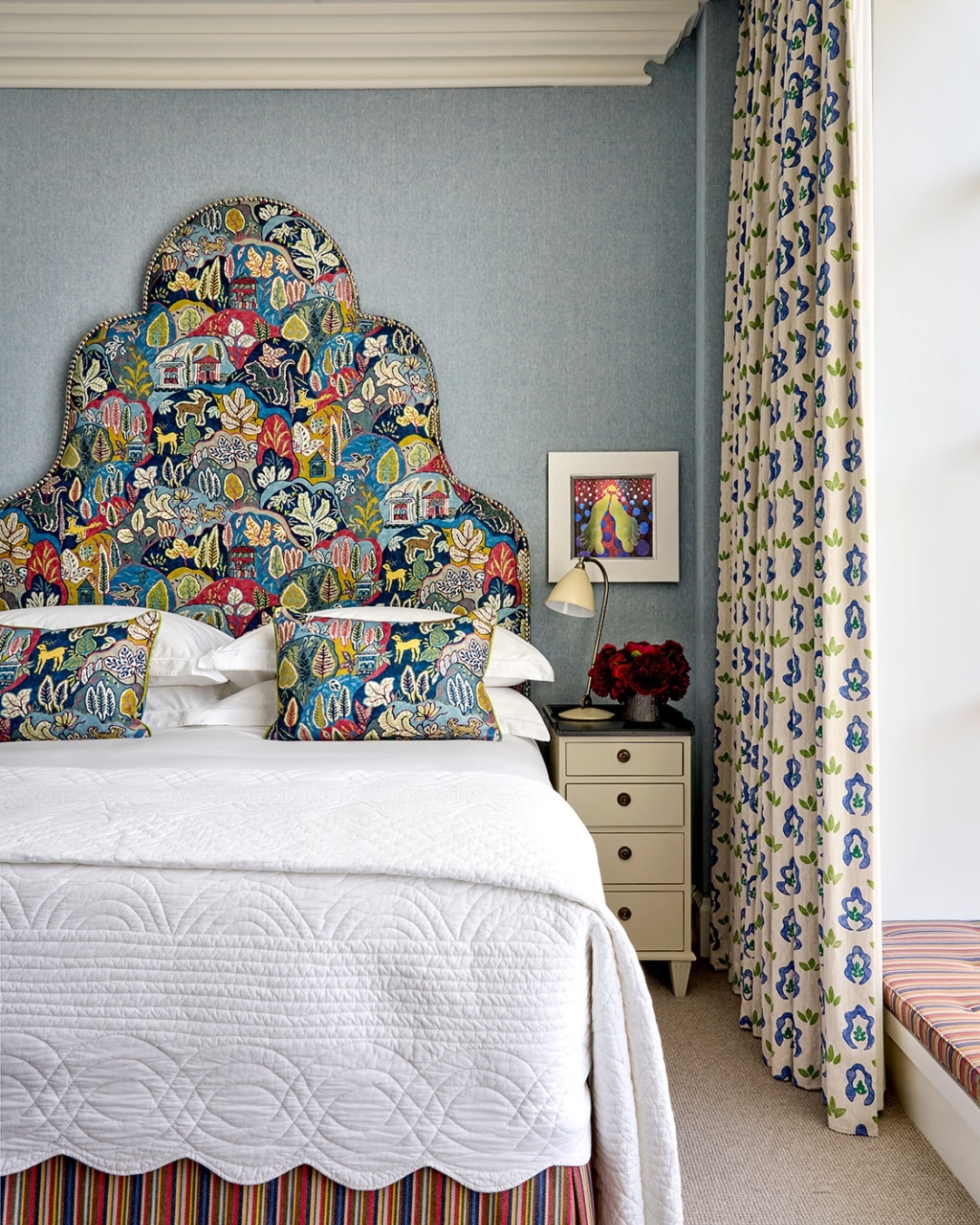
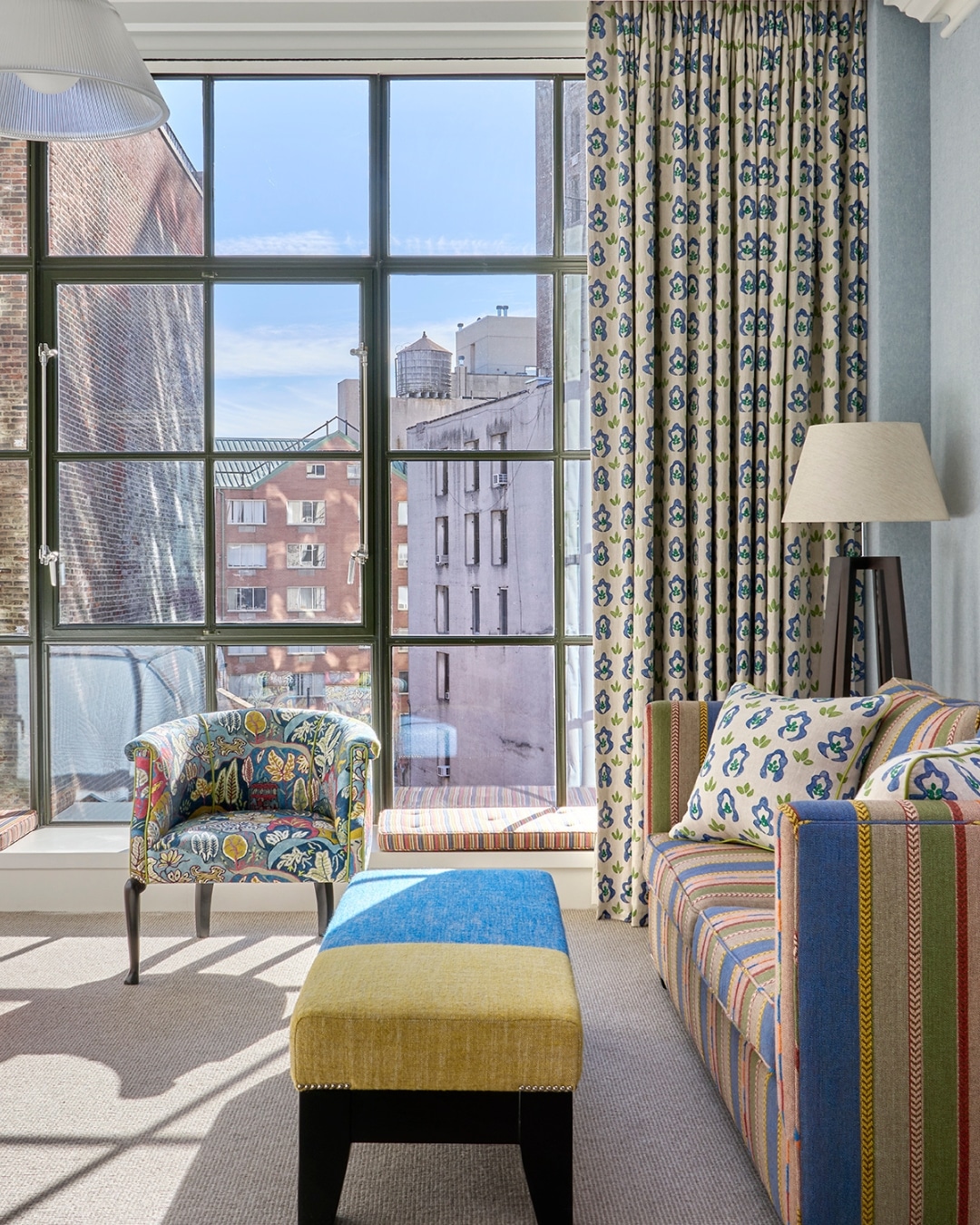
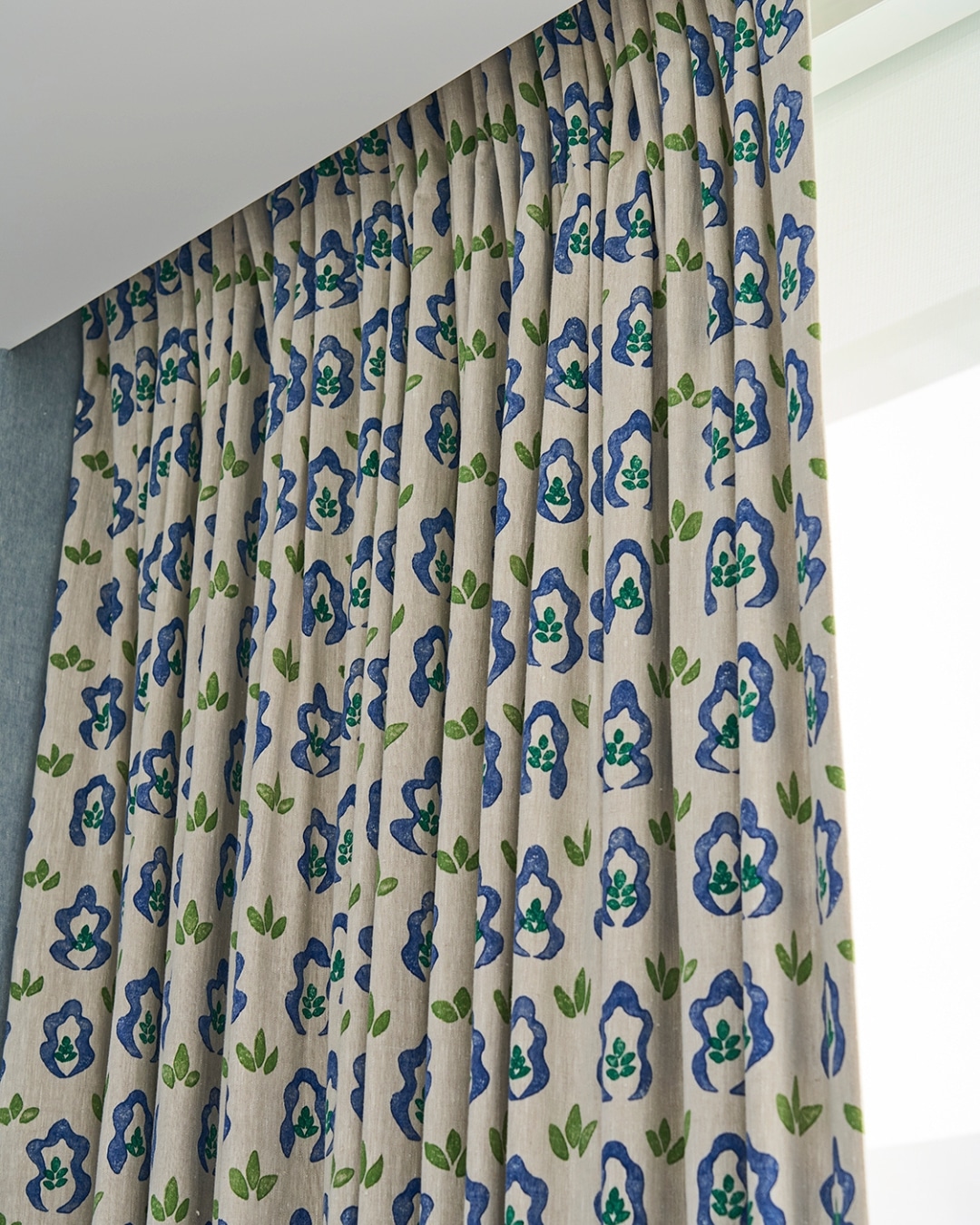
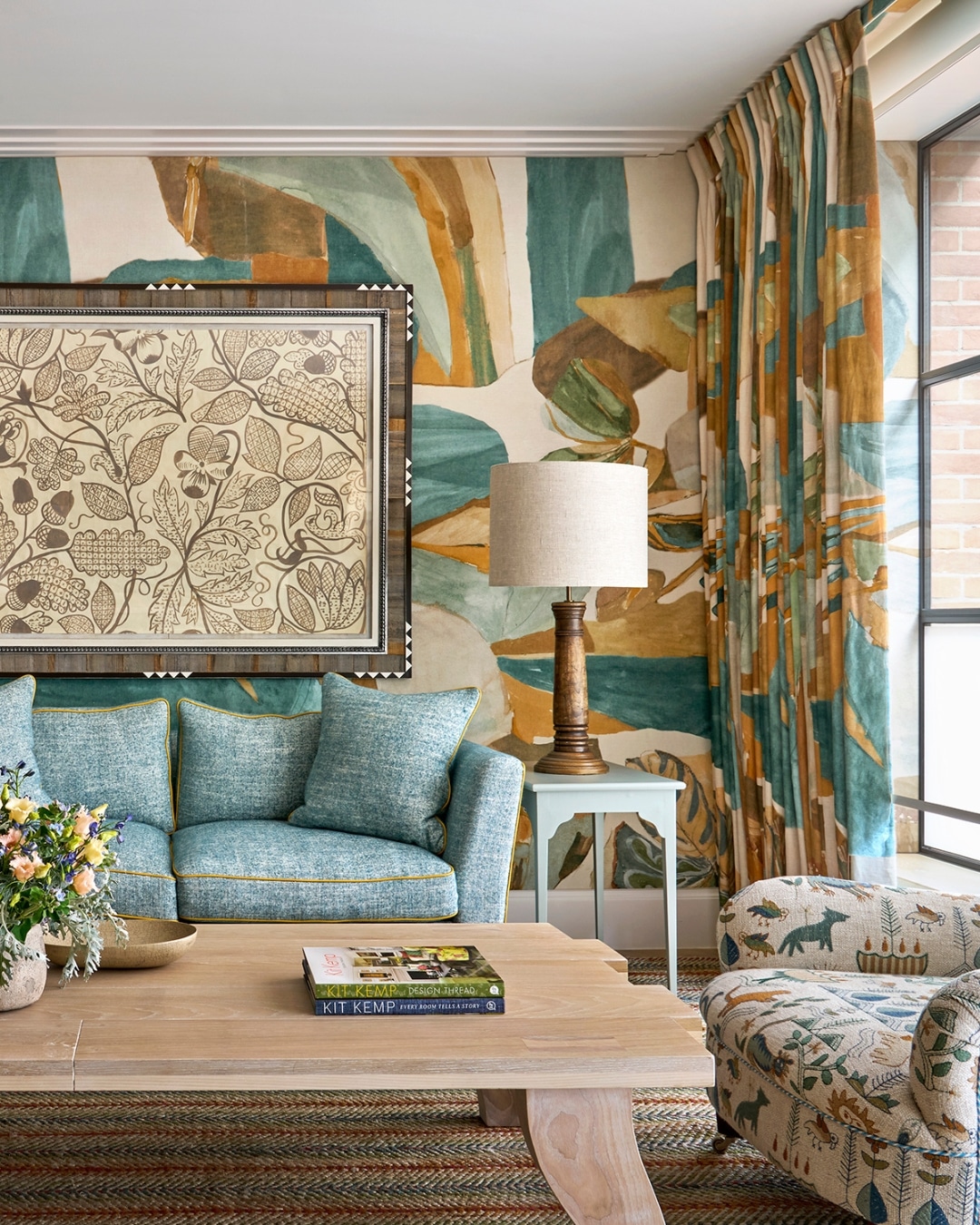
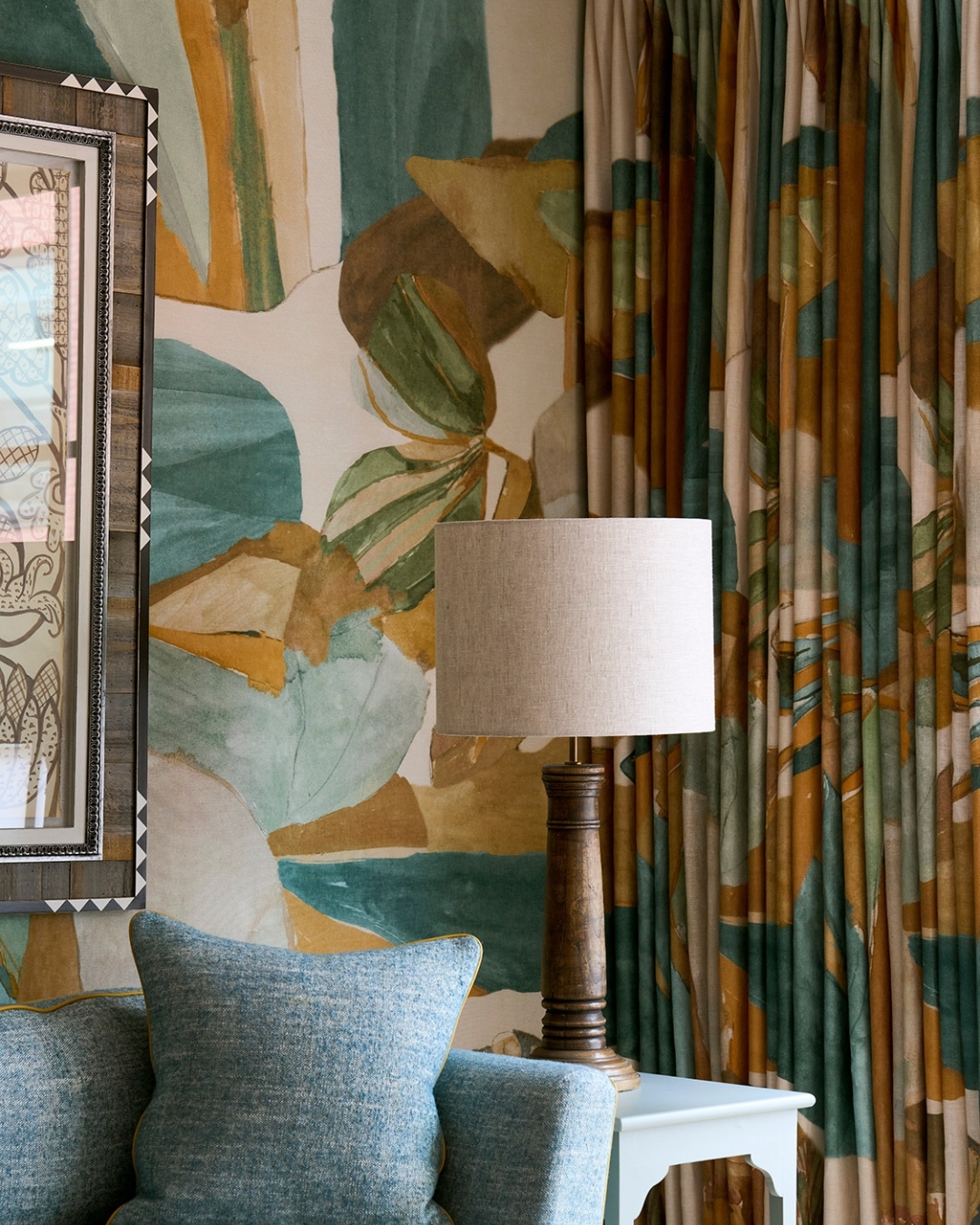
Curtains offer a wonderful opportunity to introduce pattern in a way that feels immersive. Florals soften, stripes bring a sense of order, and checks feel timeless and tailored. Layering or mixing patterns elsewhere in the room can create depth and a lived-in richness.
Don’t be afraid of matching walls and curtains
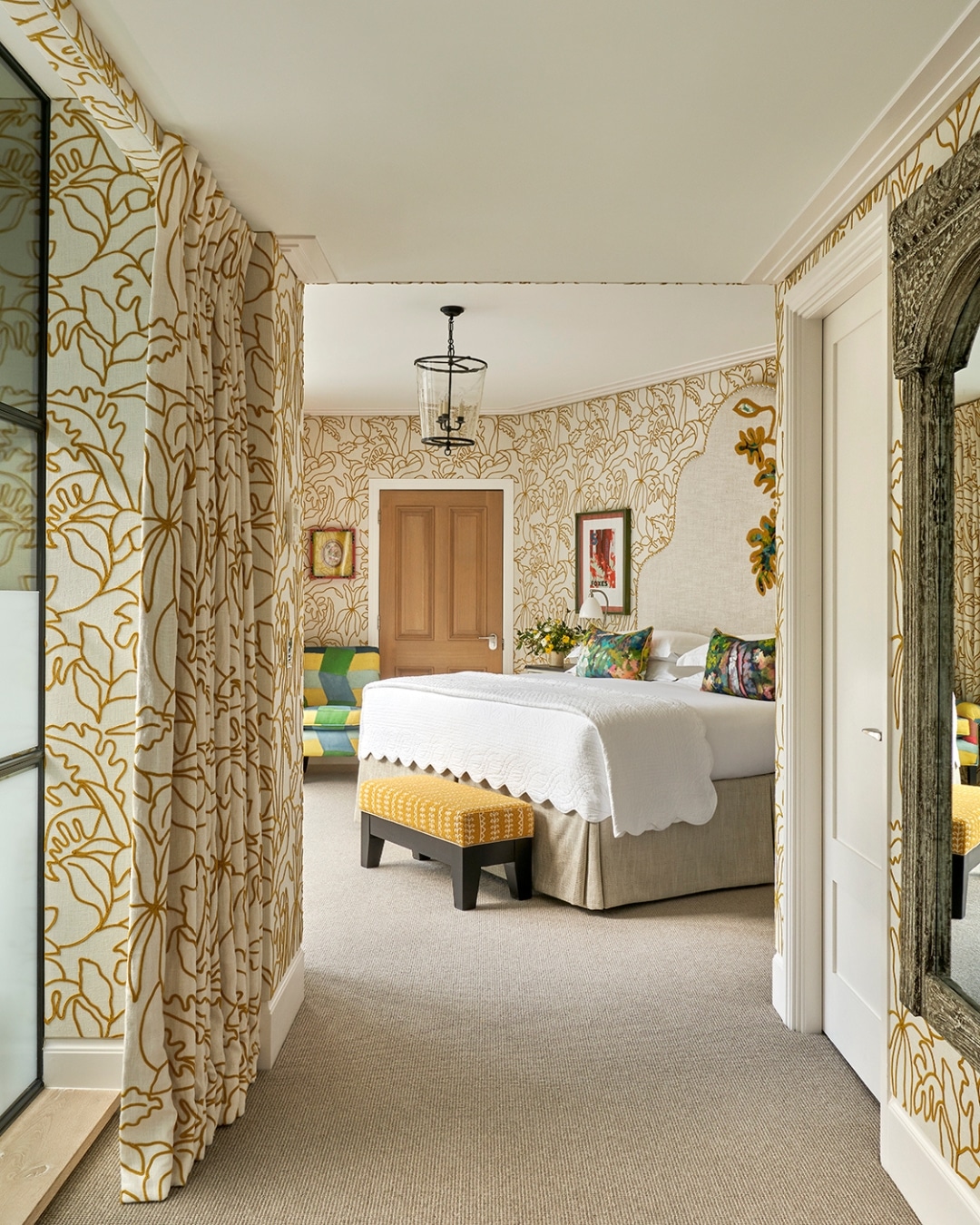
Using the same fabric on walls and curtains creates a cocooning effect that feels calm and unified. It works particularly well in bedrooms and smaller sitting rooms where softness and atmosphere are key.
Do add trim or decorative edging
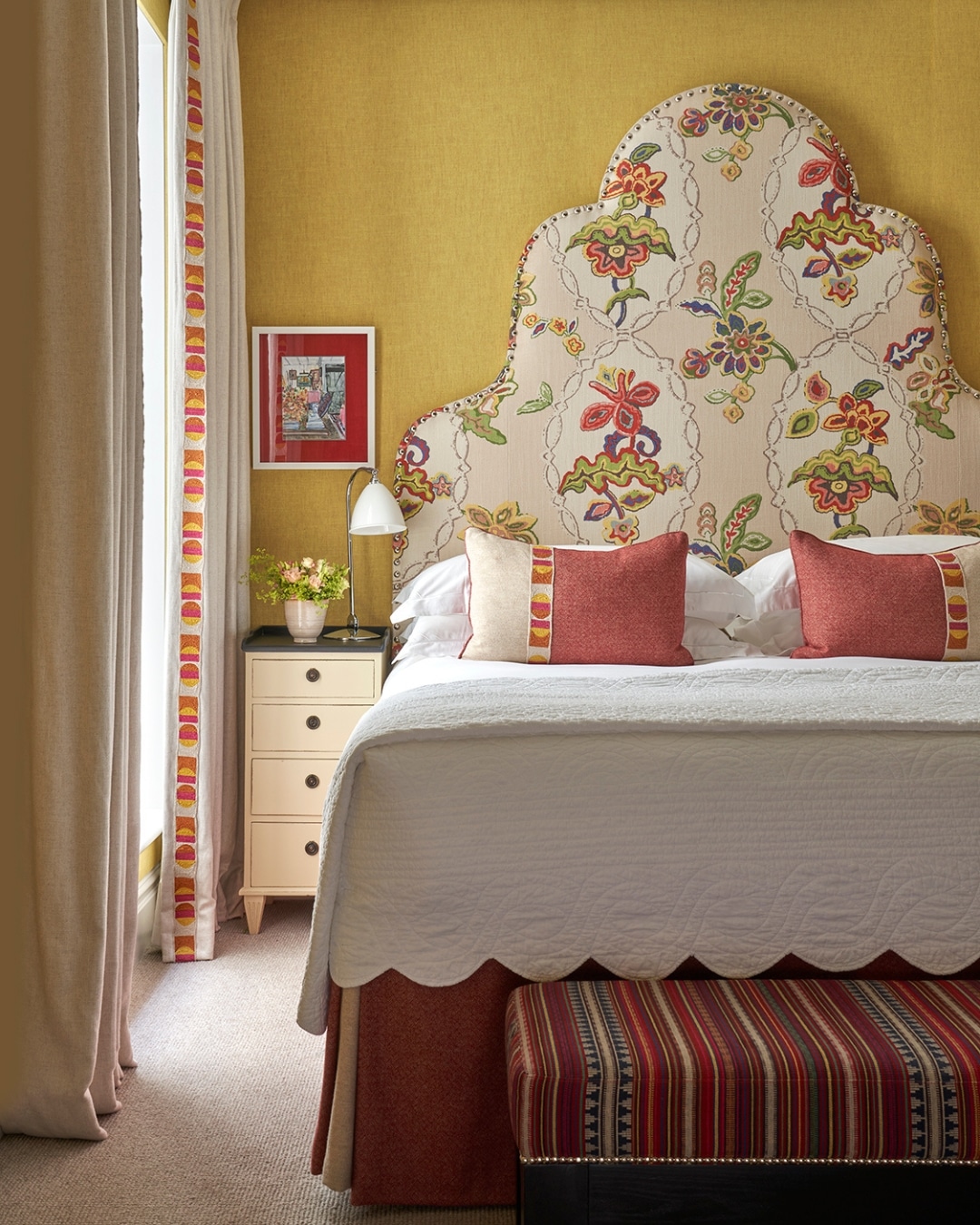
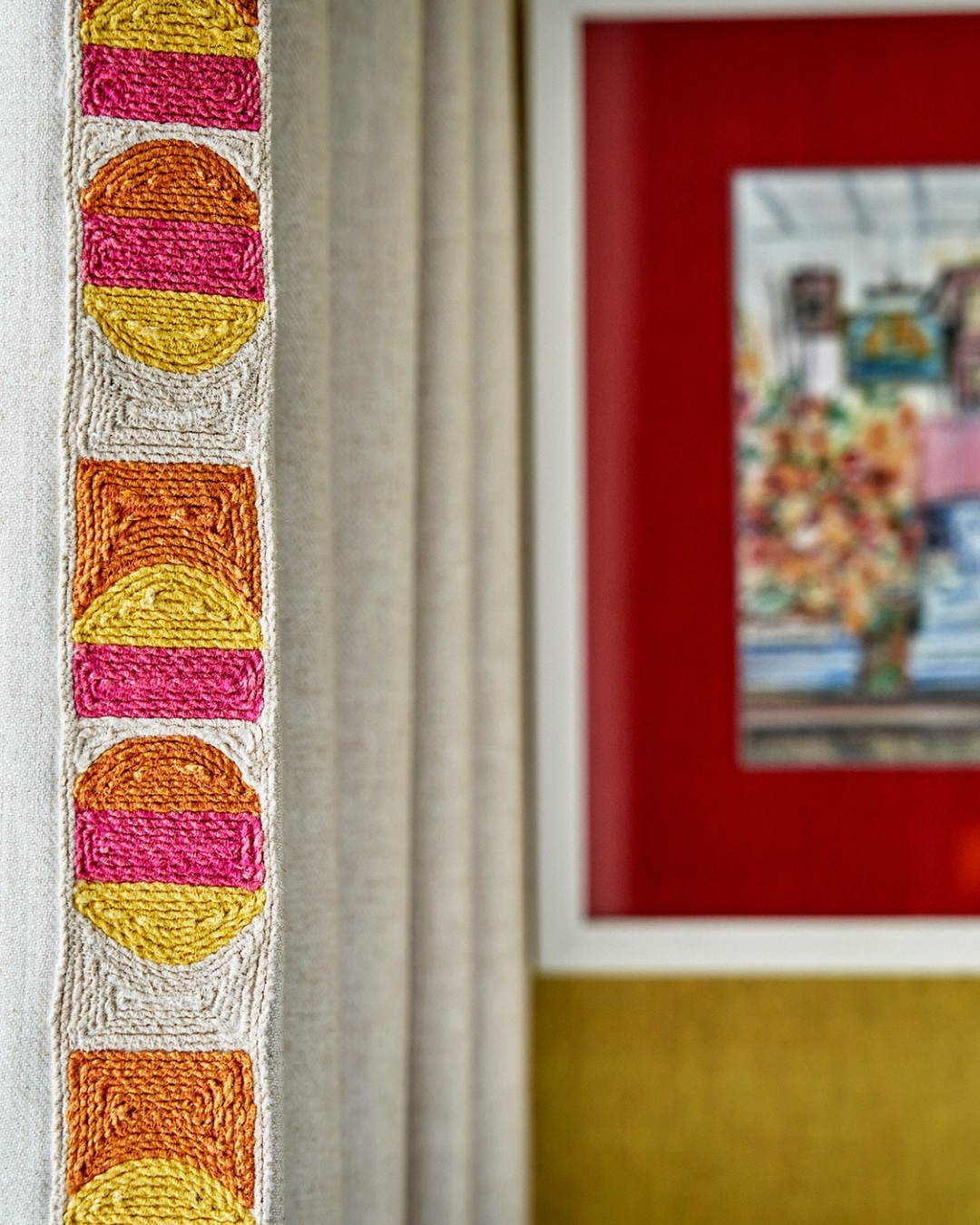
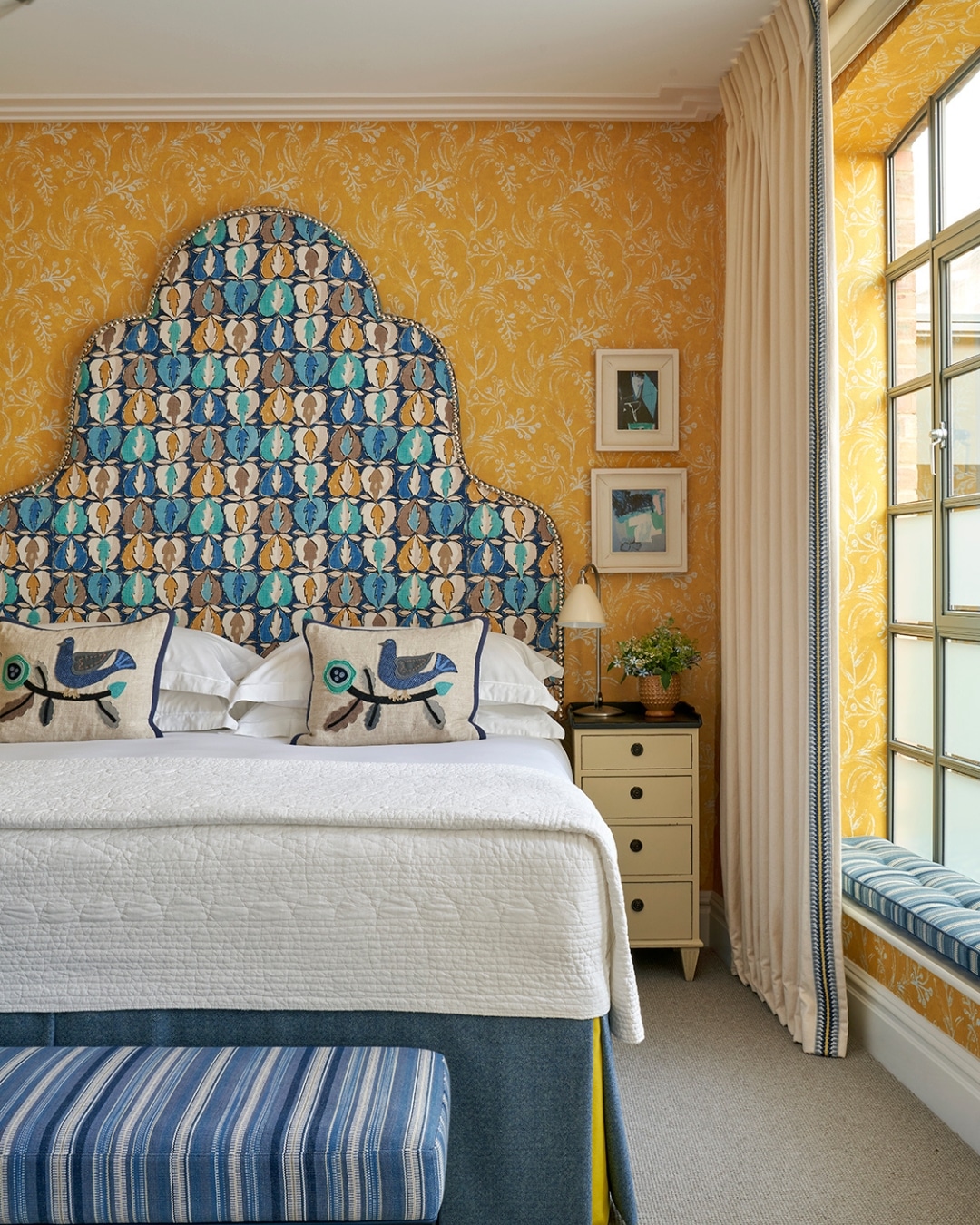
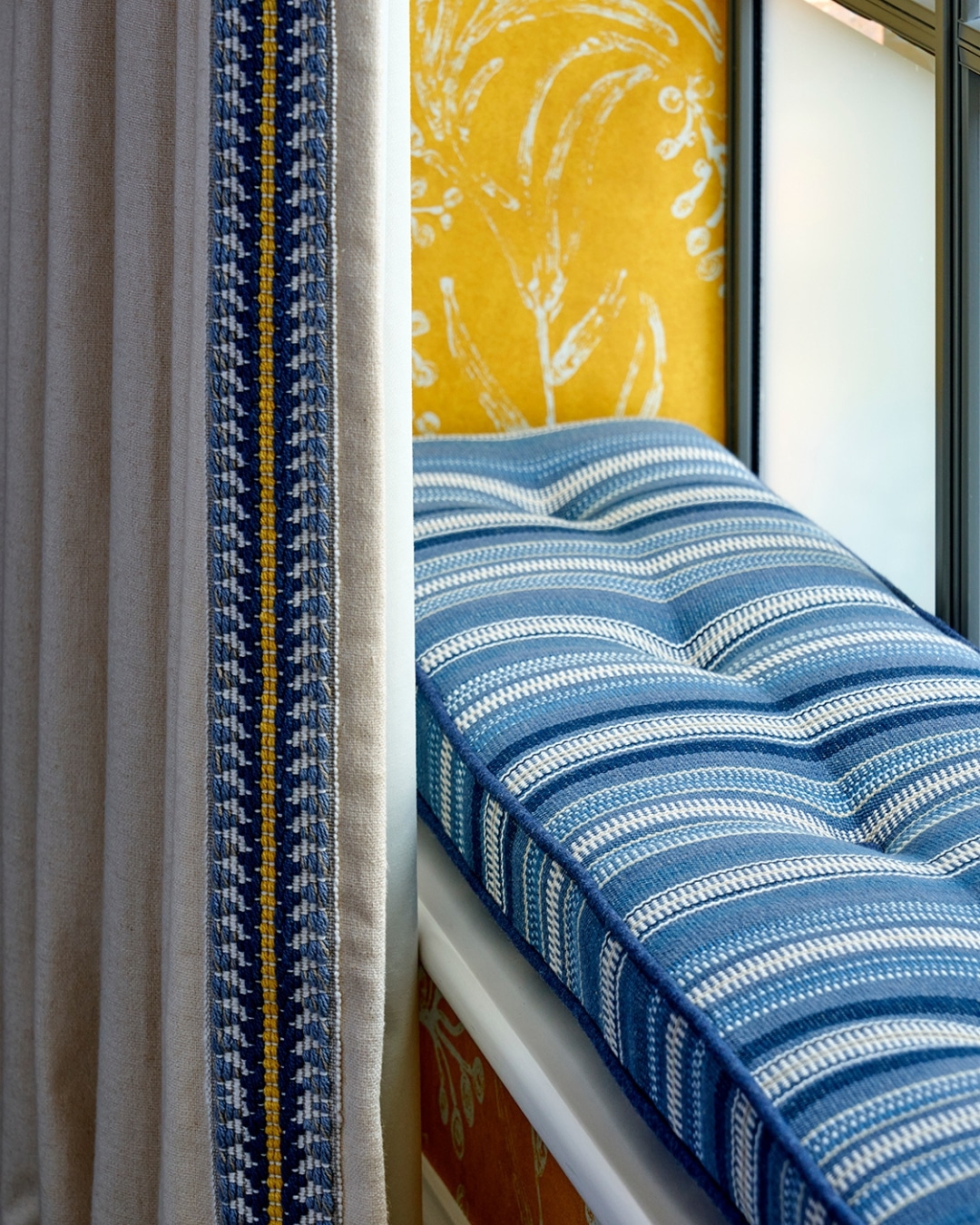
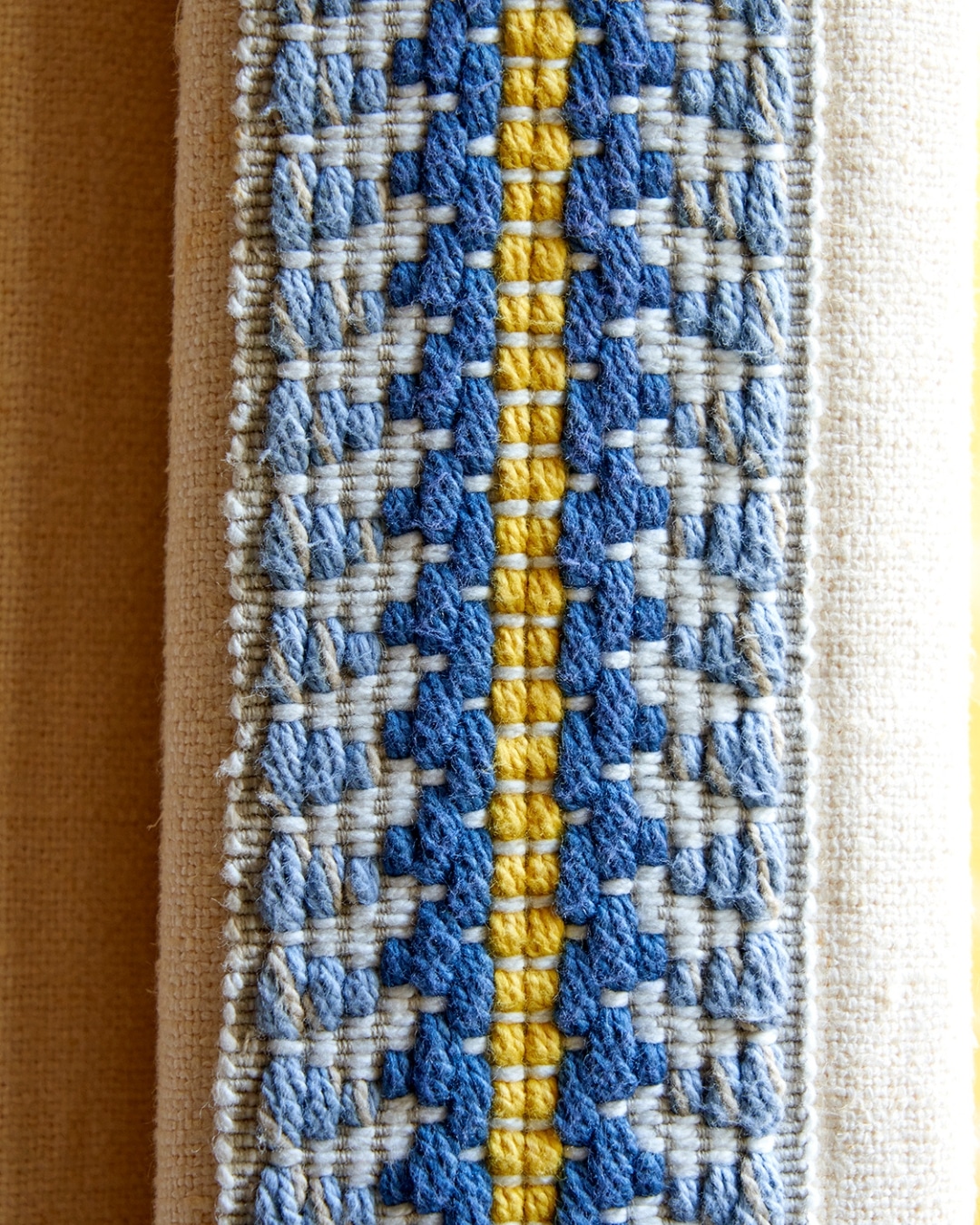
A contrast border or trim can elevate even the simplest curtain. These small details add personality and a sense of craftsmanship, making the whole scheme feel more intentional.
Do consider the heading style
The way a curtain is hung changes its entire character. Tailored pleats feel crisp and architectural, while gathered headings or softer gathers feel more relaxed and romantic.
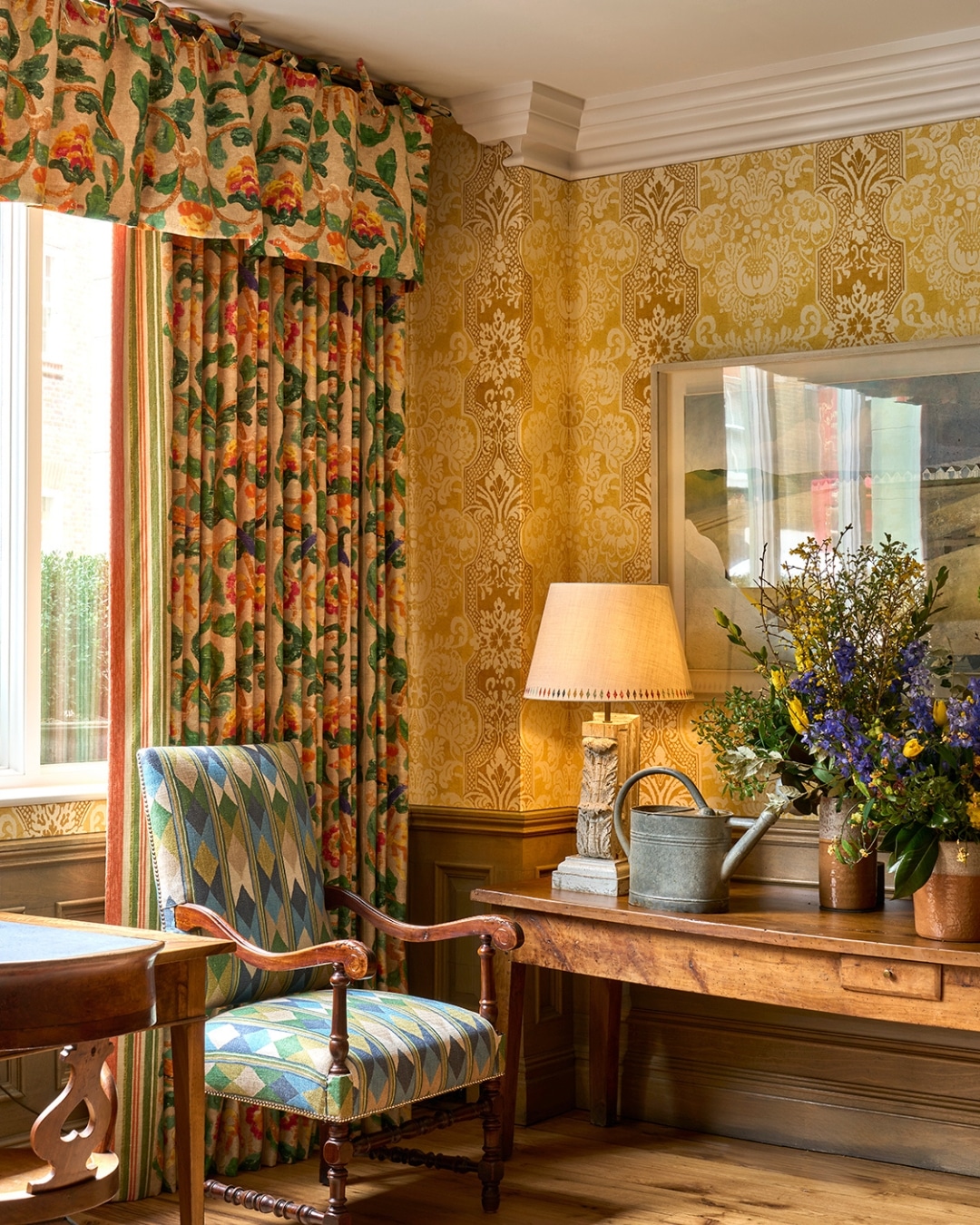
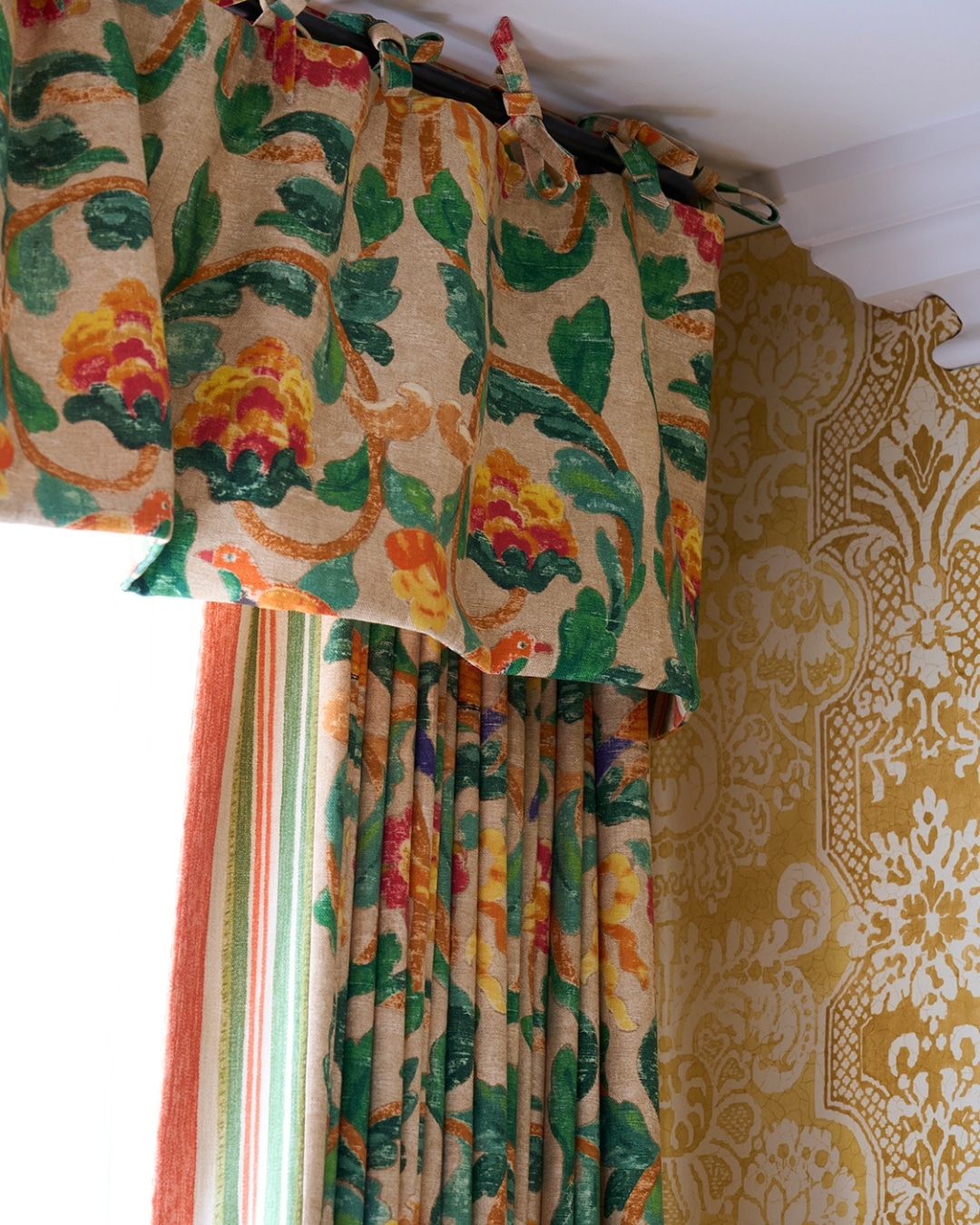
Don’t forget about tiebacks
Tiebacks can completely change the mood of a curtain. Fabric ties feel casual and gentle, cords feel more formal, and sometimes no tieback at all is the most elegant choice, allowing the fabric to fall naturally.
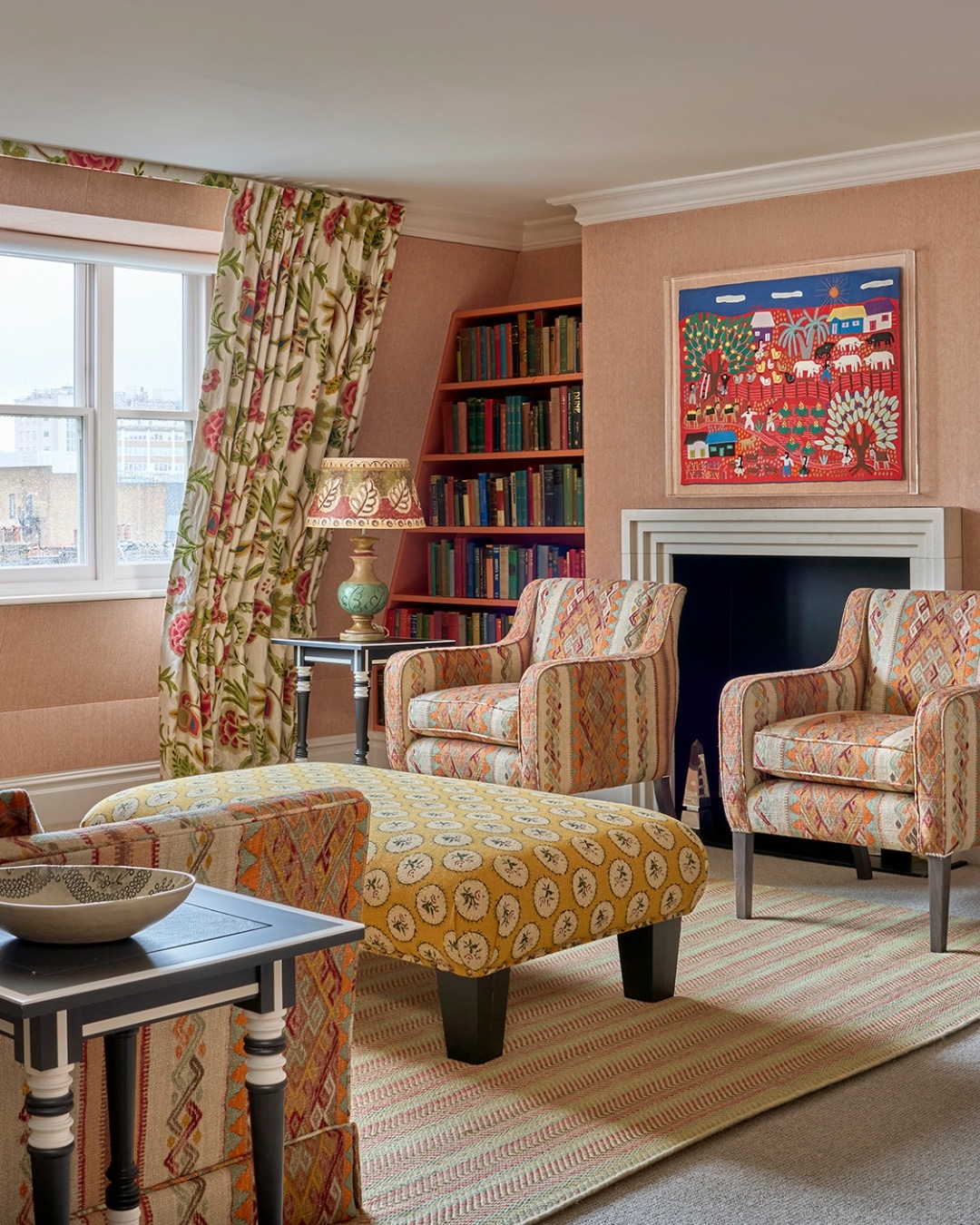
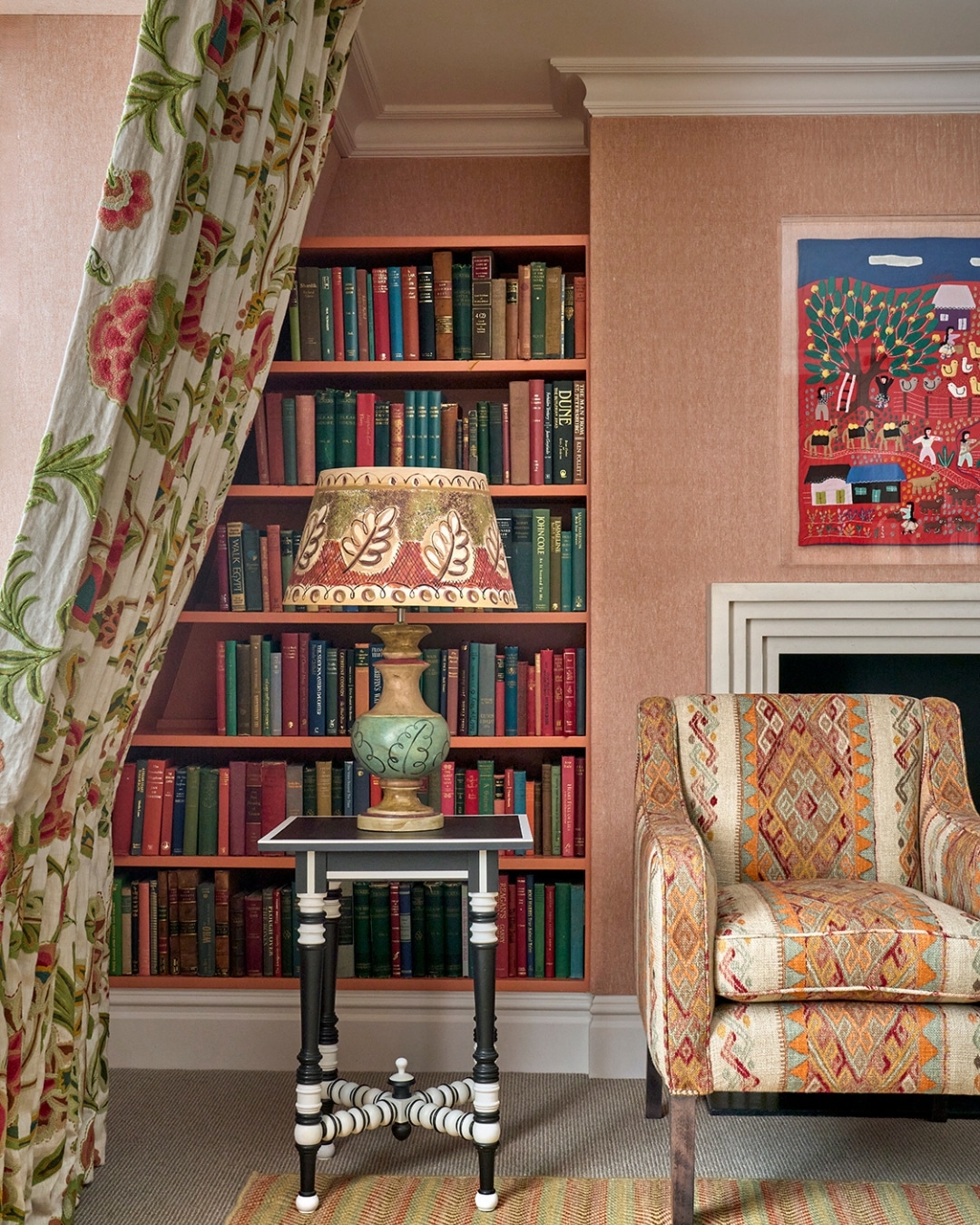
Do use curtains beyond windows
Curtains can do much more than frame a view. They can divide spaces, conceal storage, soften architectural lines, or even create a sense of theatre around a bed.
Do think about Grand Drapes
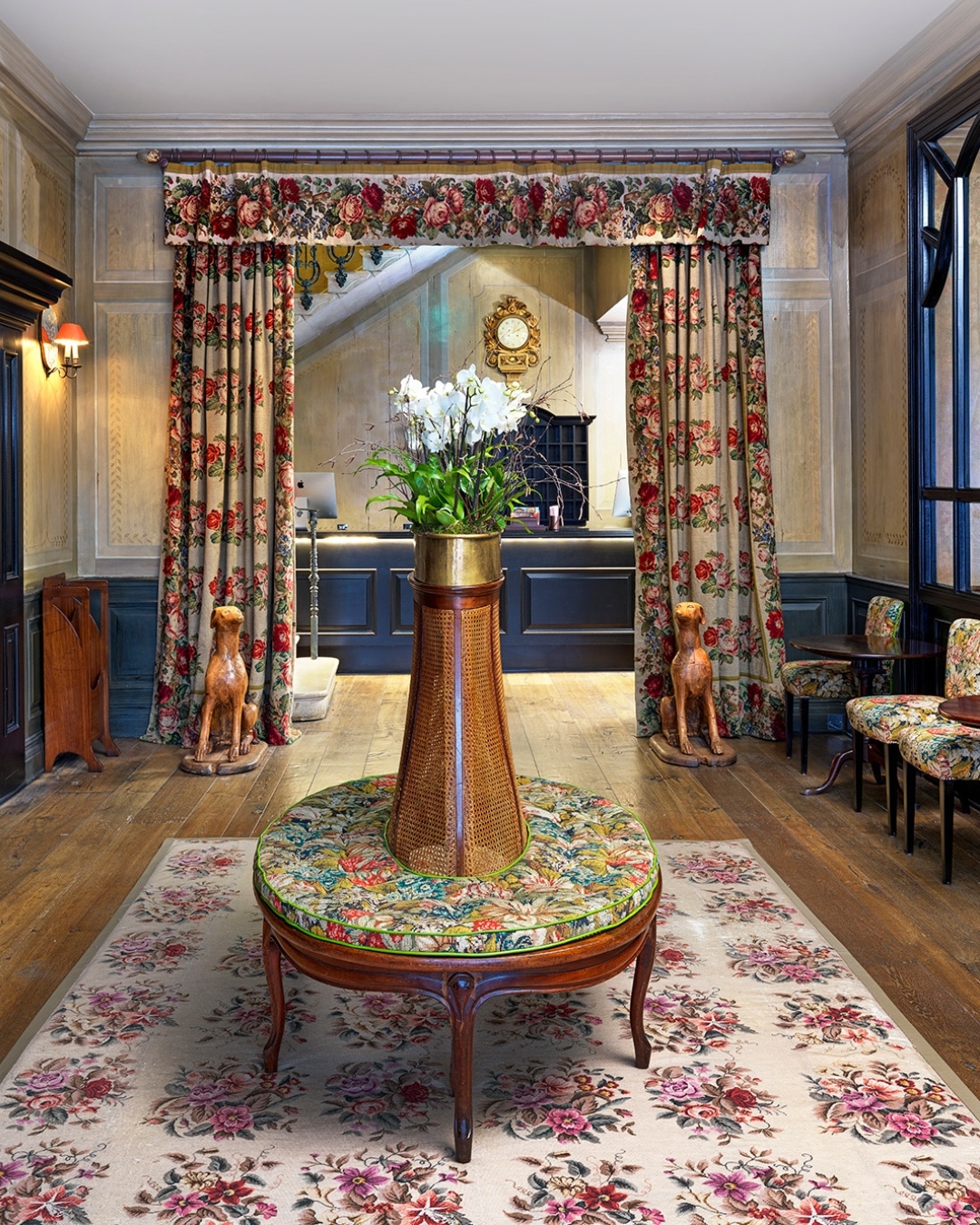
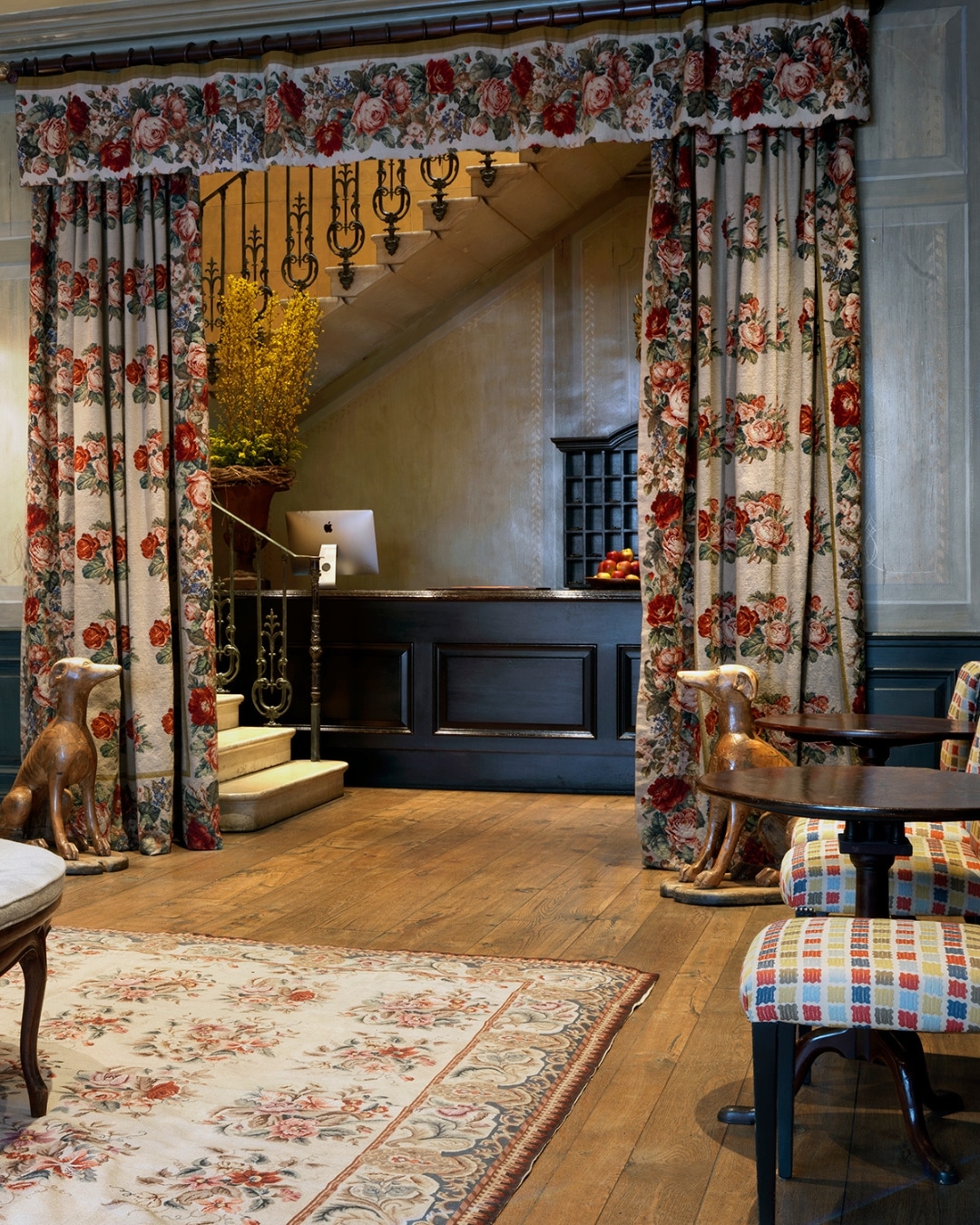
Sometimes curtains deserve to feel truly theatrical. In spaces like the lobby at Covent Garden Hotel, we’ve used grand floral curtains with generous fullness and decorative valances to frame the space and create a sense of arrival. This approach turns fabric into architecture in its own right, softening the room while adding warmth, movement and a welcoming atmosphere.
Do get creative
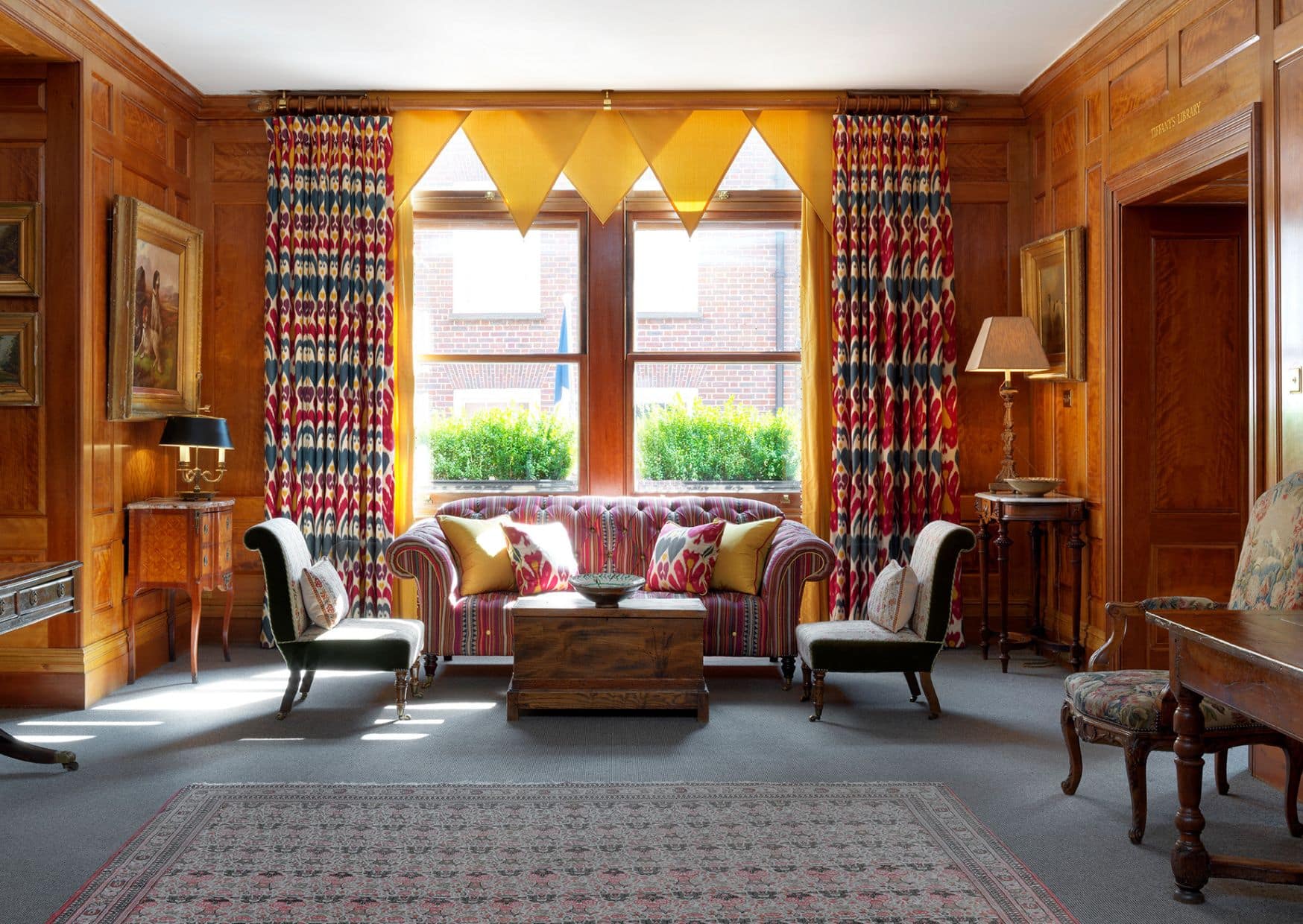
We always encourage playfulness with curtains. In the Drawing Room at Covent Garden Hotel, we introduced dramatic grand curtains with sunshine yellow flags across the top, creating a theatrical canopy effect that completely transforms the window.
Don’t treat curtains as an afterthought
Curtains are one of the most influential elements in a room. They shape light, soften edges, and have a profound effect on atmosphere. Getting them right transforms how a space feels, not just how it looks.
We hope you’ve found this blog helpful and feel inspired to experiment with curtains in your own home.