

A staircase should never feel like an afterthought. It is not merely a route from one floor to another, but an opportunity to create a sense of theatre within a home. The best staircases have presence. They naturally draw you upwards and create a feeling of transition between spaces, rather than simply serving a practical purpose. A staircase should offer a gentle pause between rooms, rather than a hurried passage from one floor to the next.
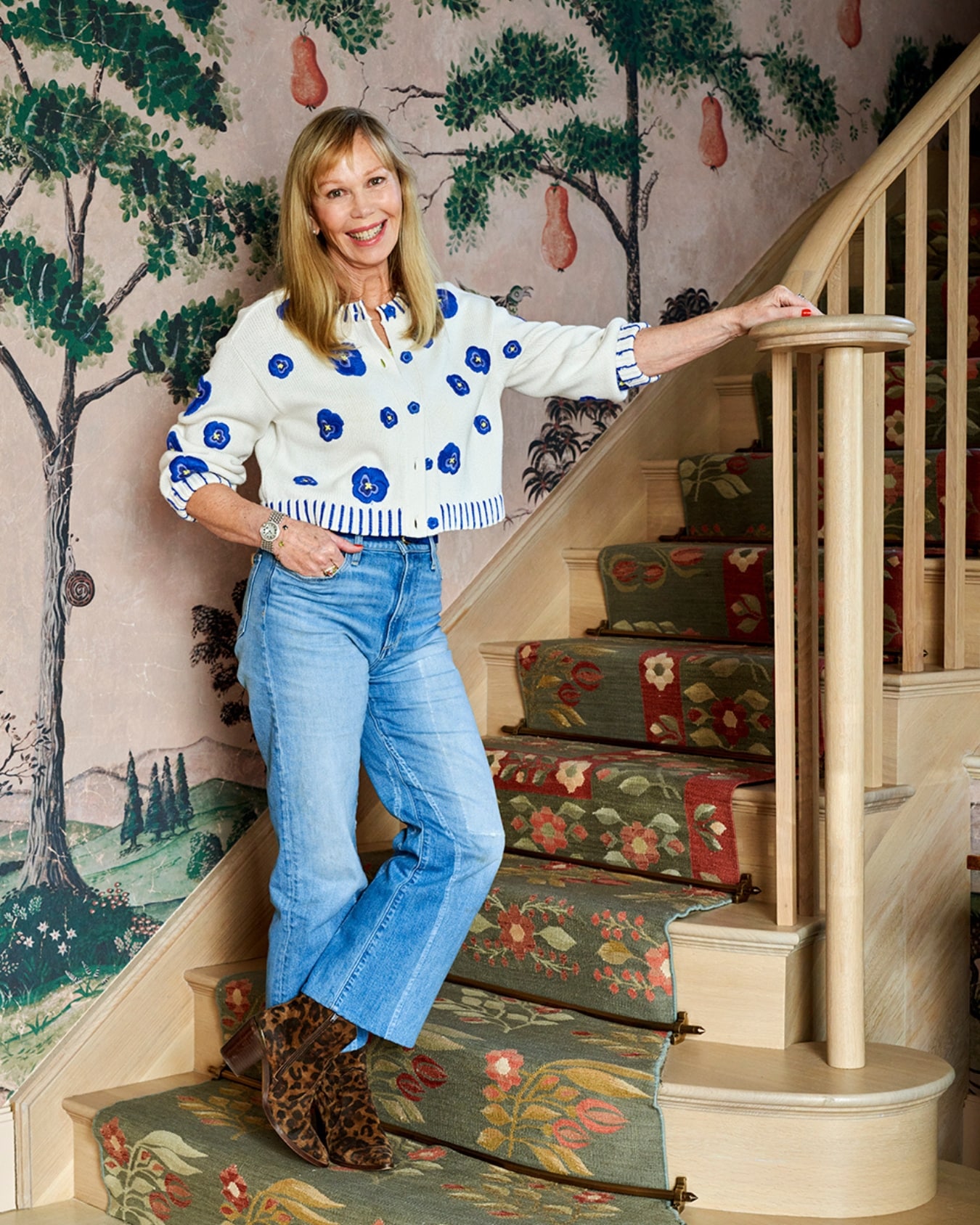
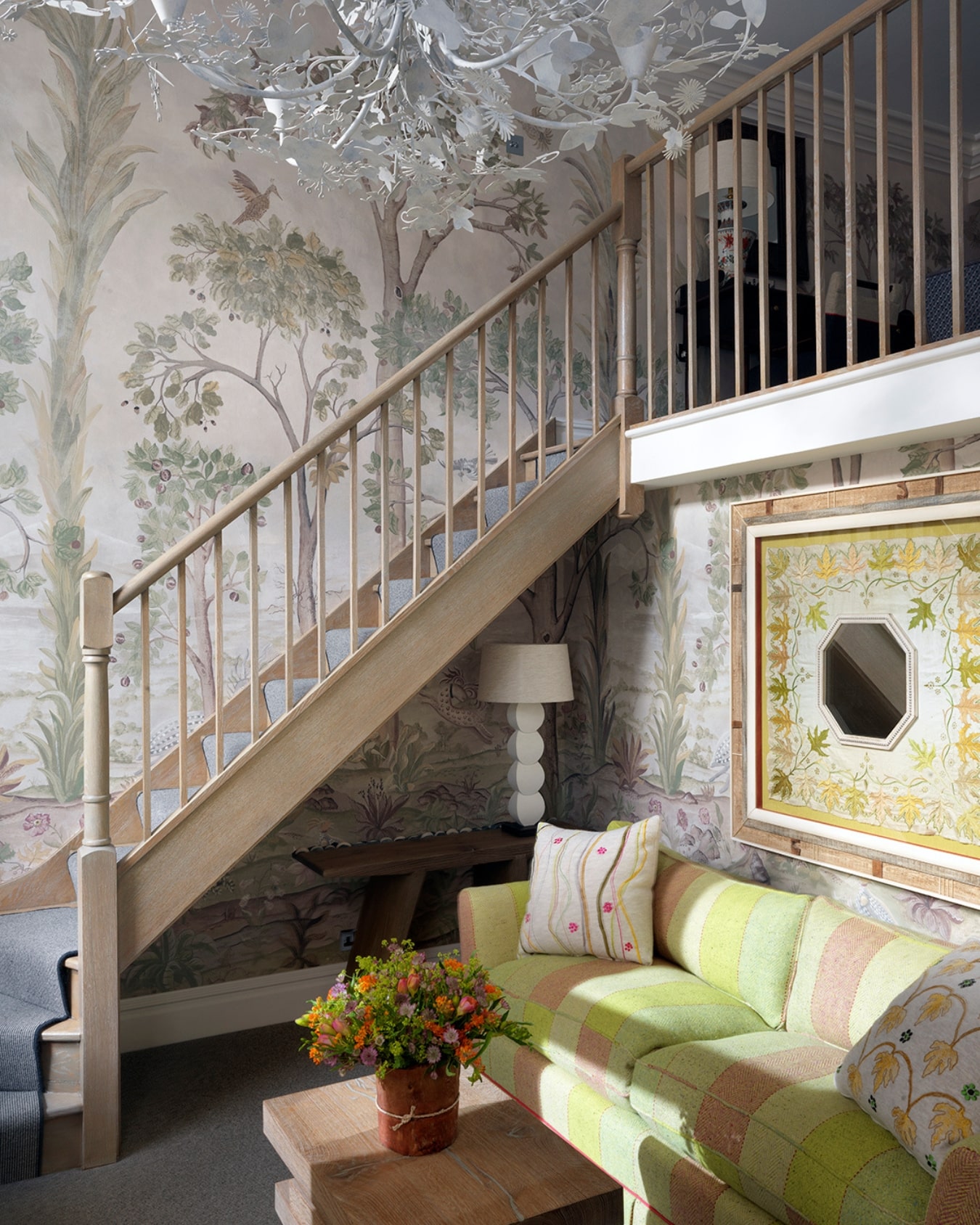
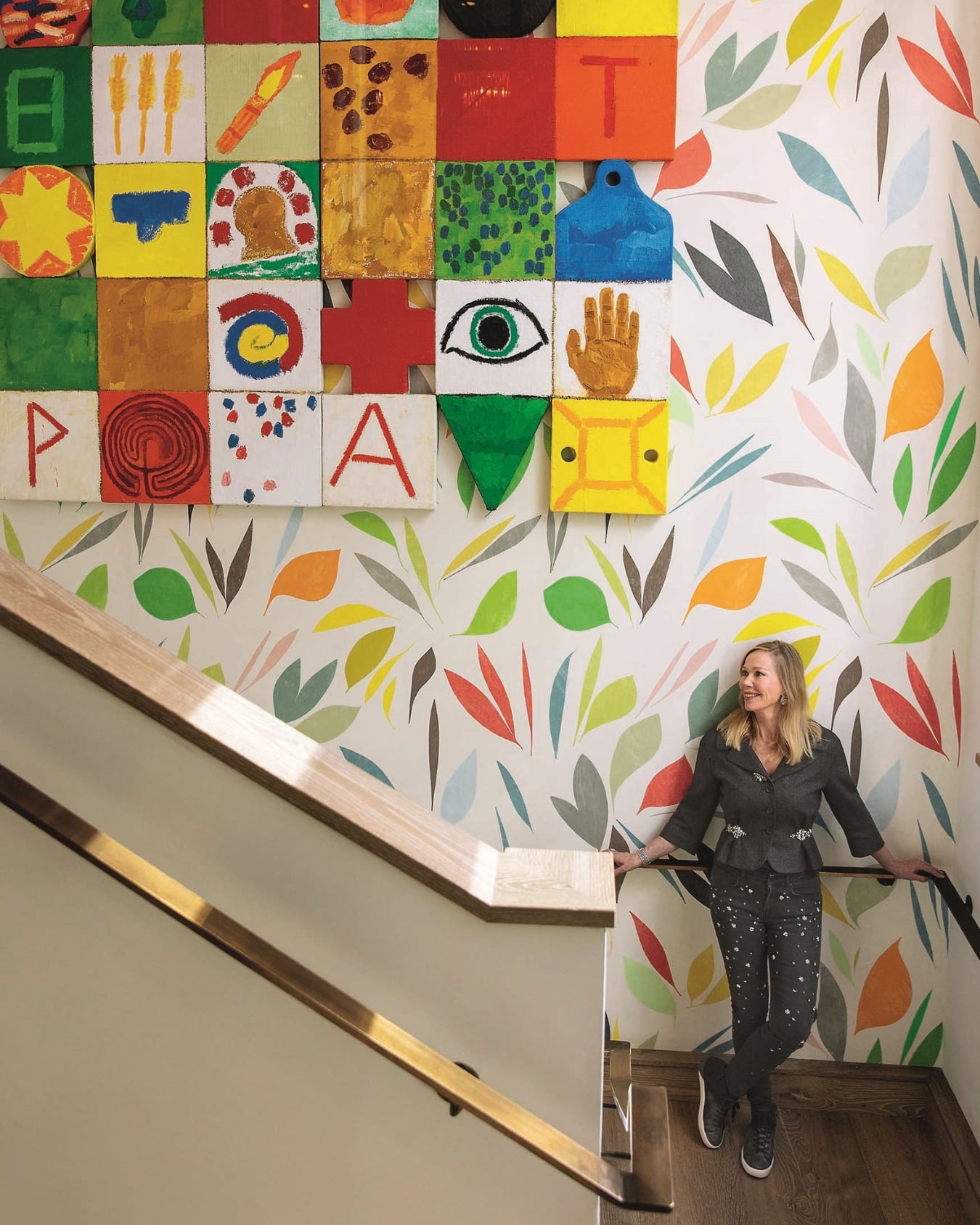
Getting the Proportions Right
When designing a staircase, proportion should always come first. A staircase must feel comfortable before it feels beautiful. Wide treads, a graceful rise and generous landings create an immediate sense of ease. Even in smaller homes, thoughtful proportions can make a staircase feel elegant rather than squeezed into place. Where space allows, curves can be especially beautiful, softening the architecture and introducing movement into a room.
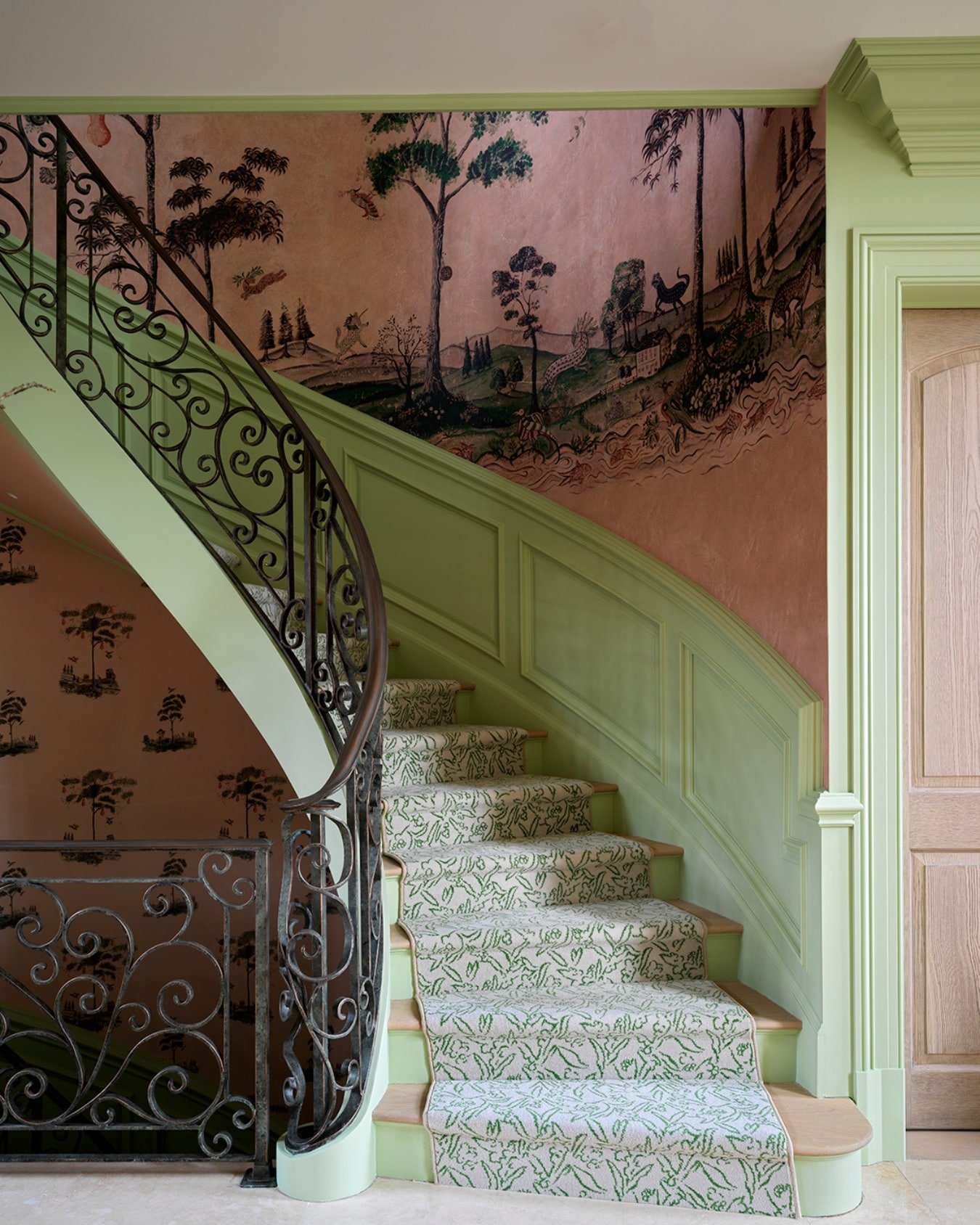
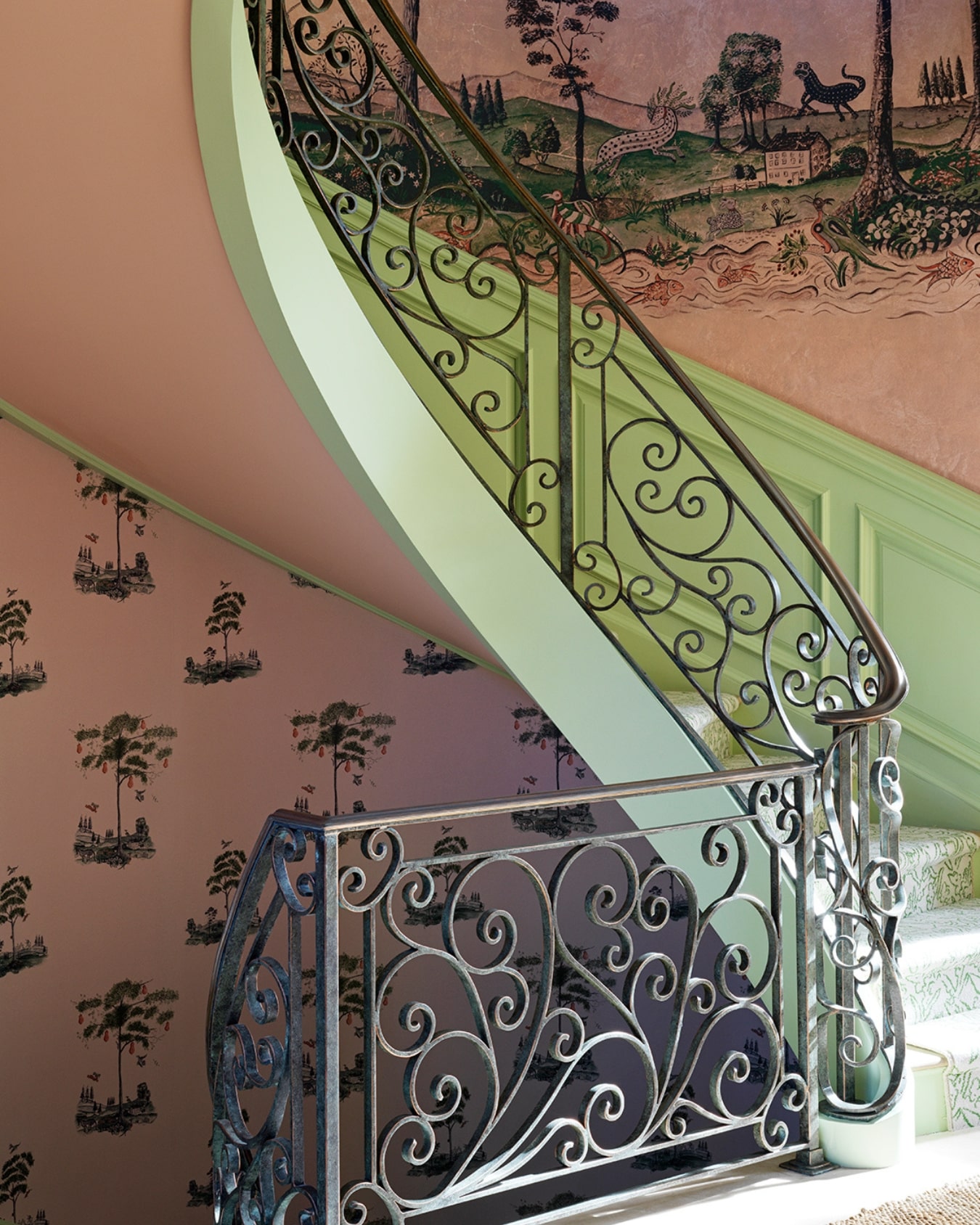
Playing with Materials
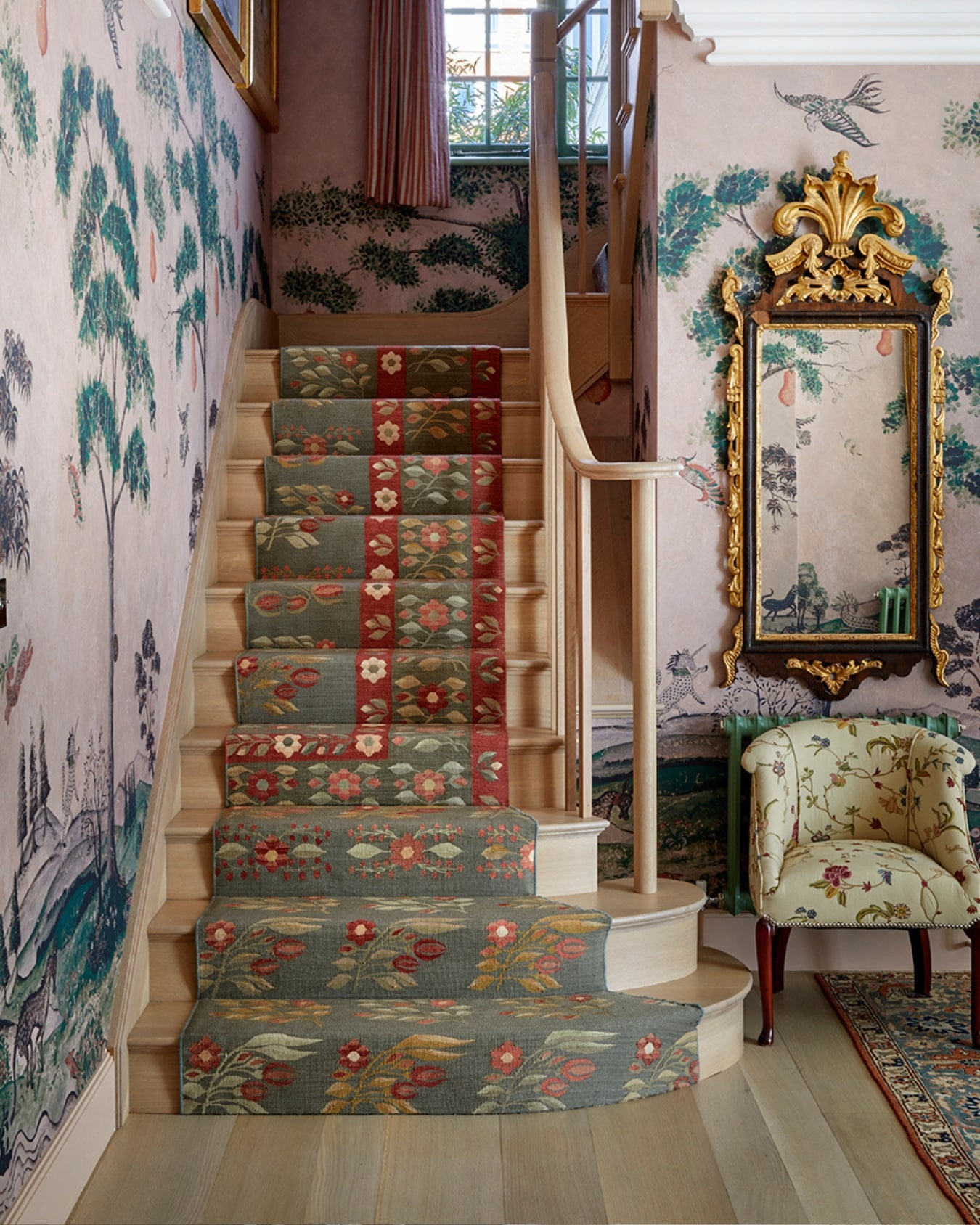
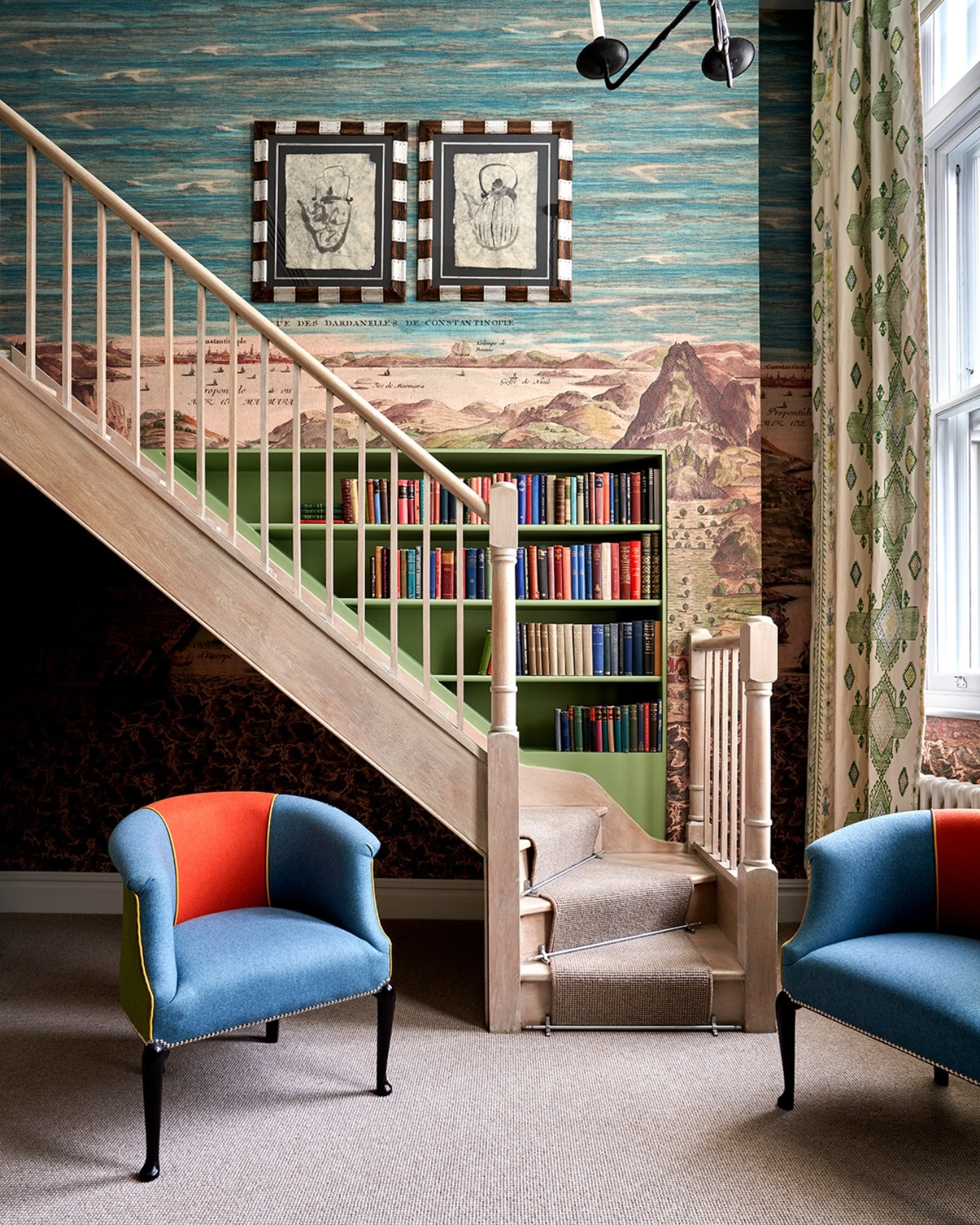
Materials also play an important role. Timber brings warmth and familiarity, while painted stairs can feel crisp and fresh. Contrast often works beautifully, whether that is dark stained oak against pale walls or a bold runner climbing through painted joinery. Combining tactile surfaces keeps the staircase visually interesting without feeling excessive.
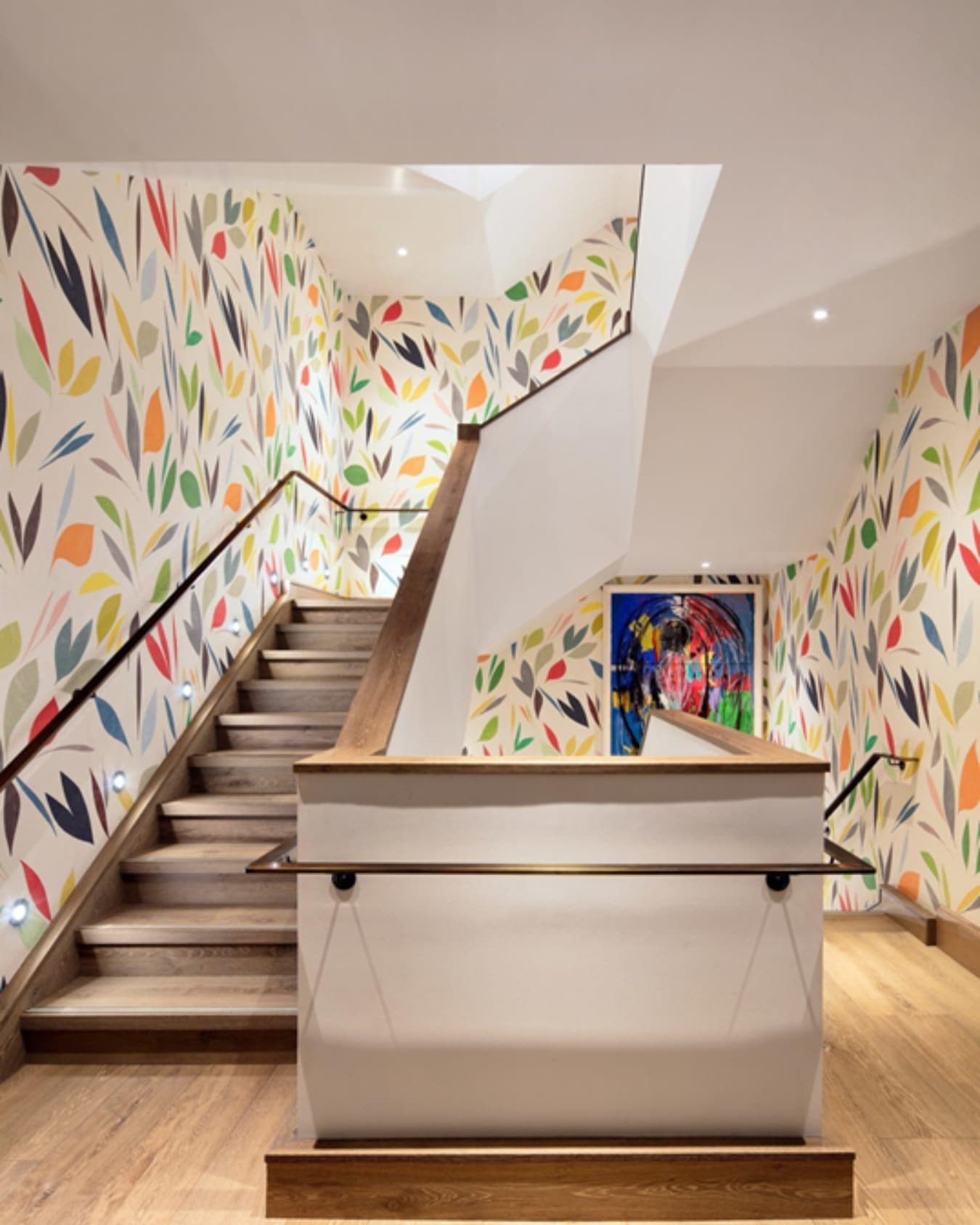
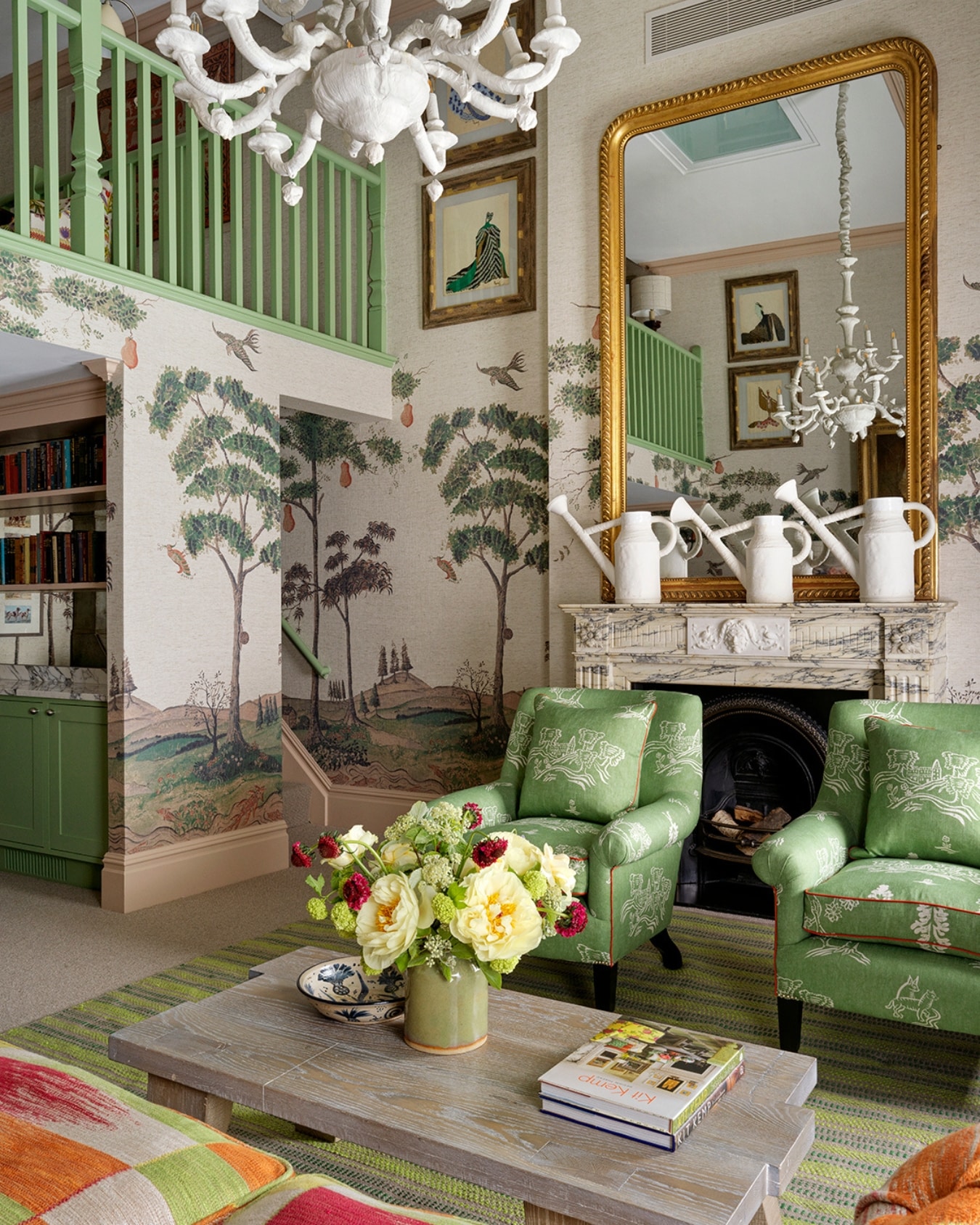
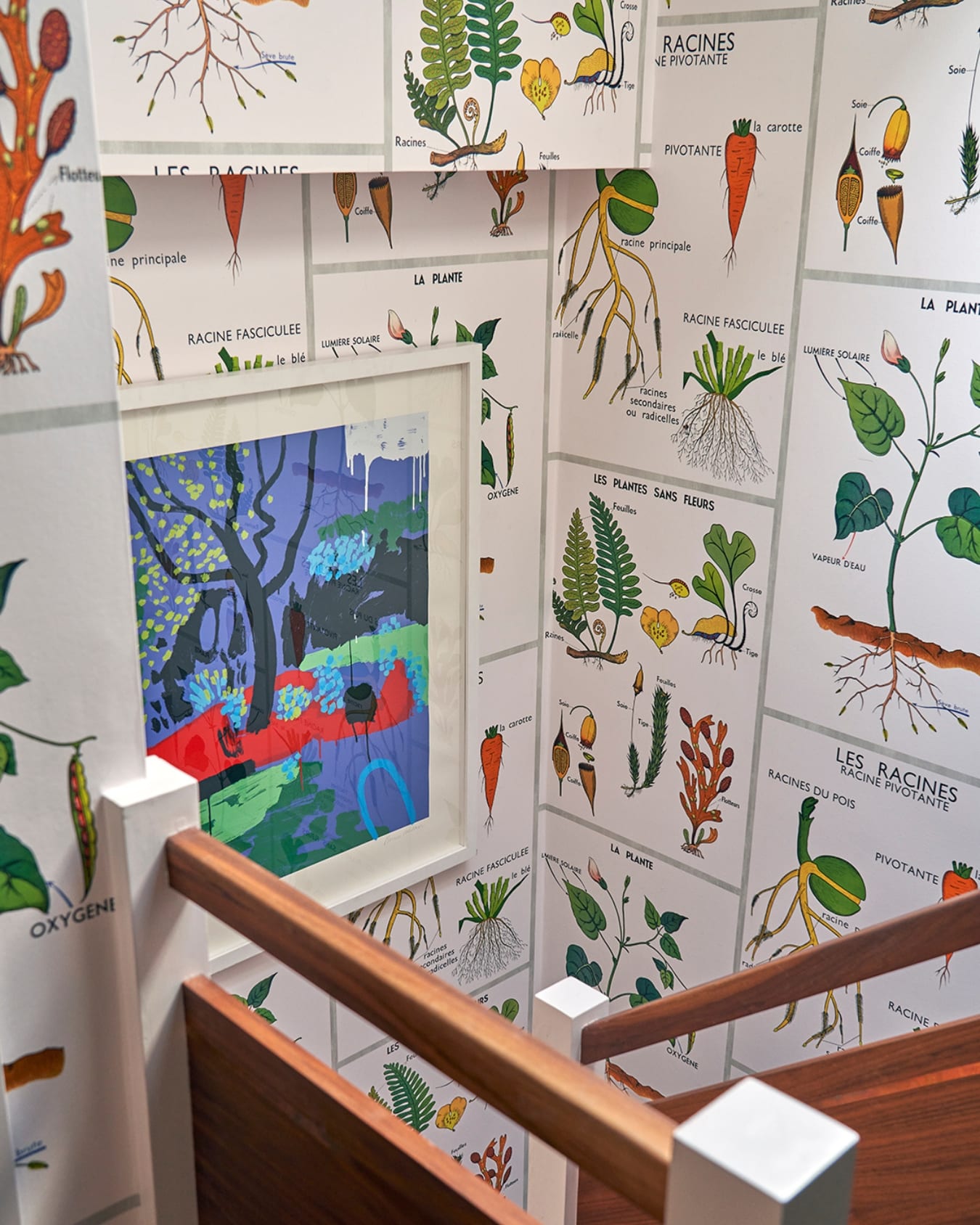
The Magic of a Stair Runner
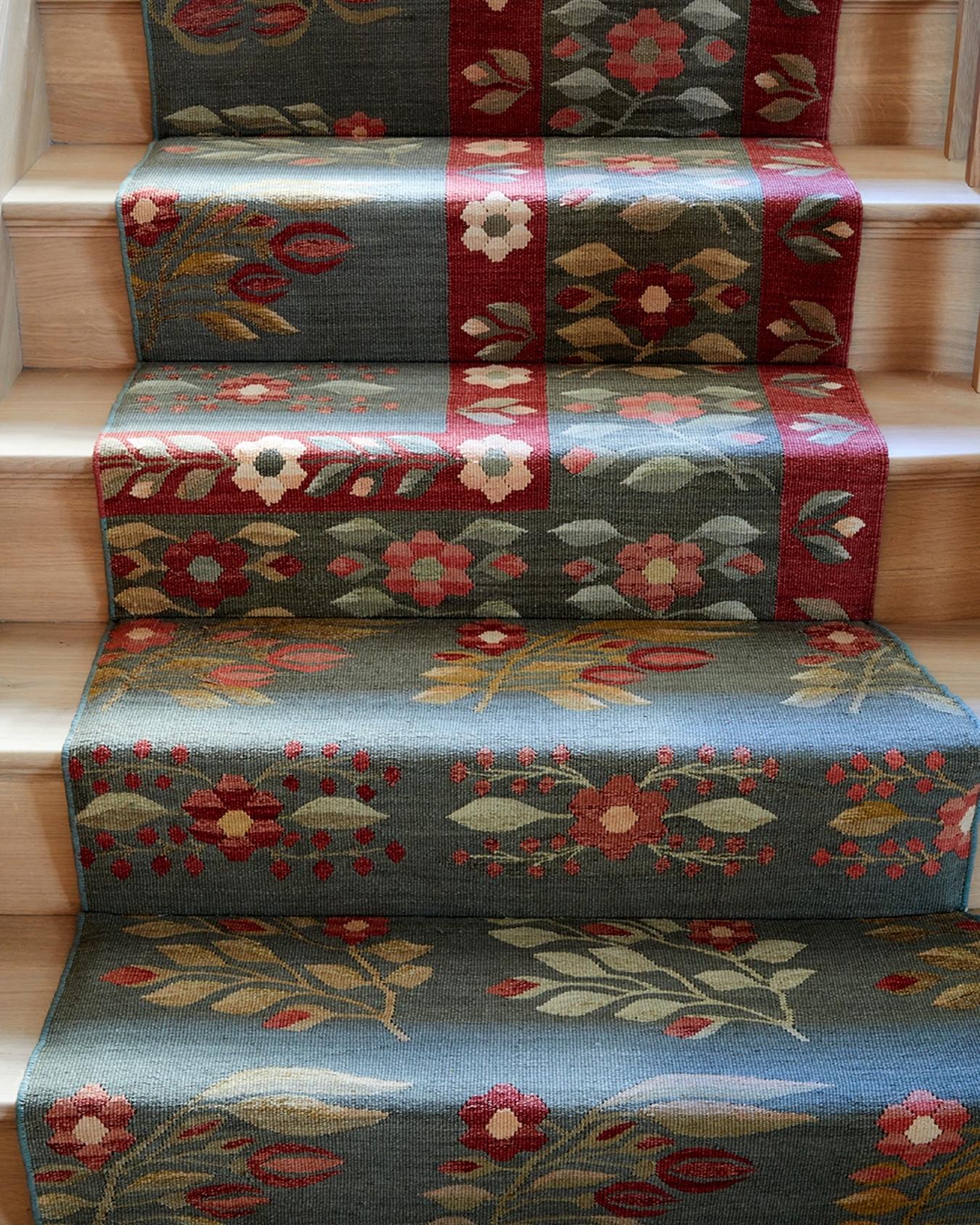
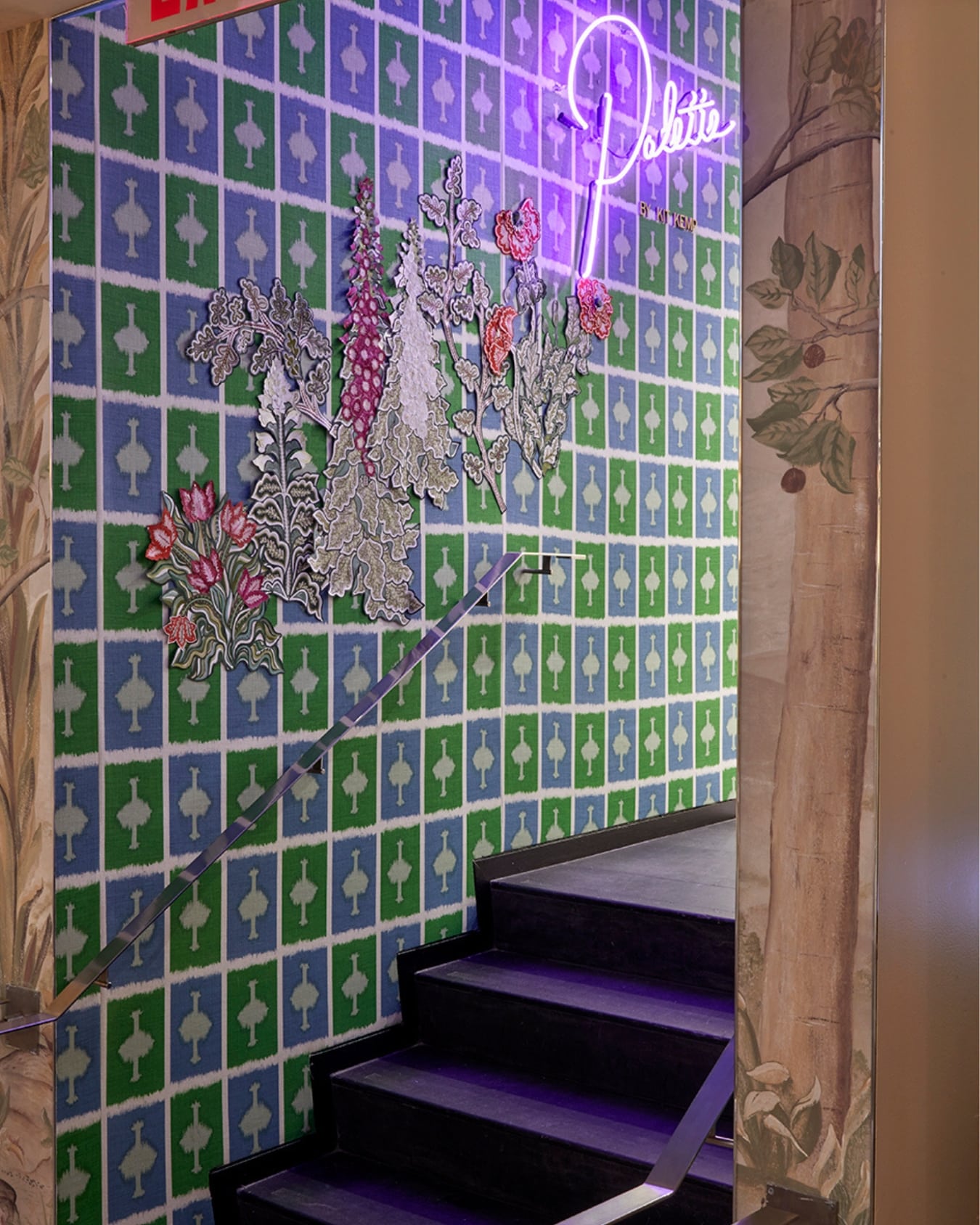
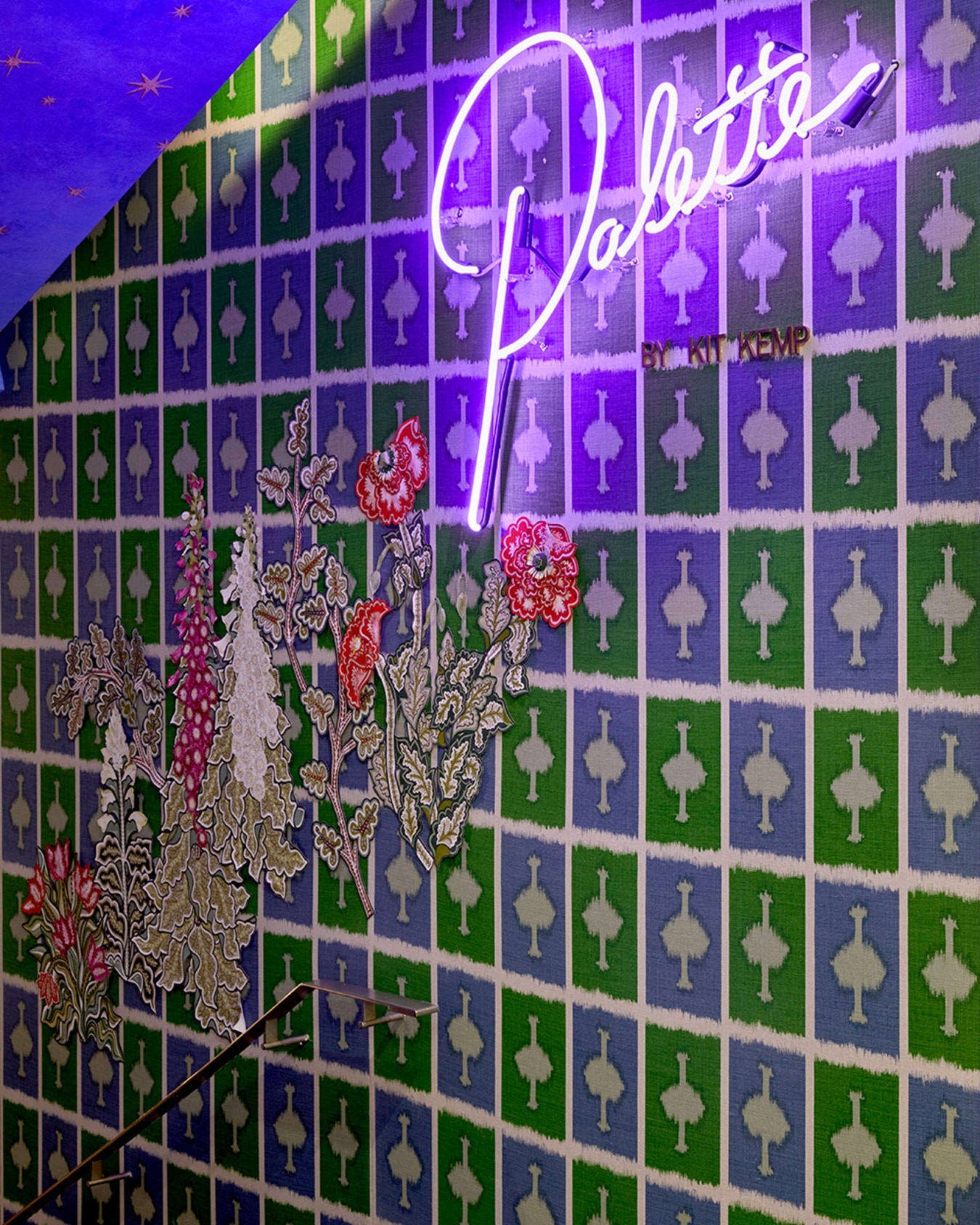
One of the most transformative additions to a staircase is a runner. It introduces softness, pattern and rhythm, while also making the space feel quieter and more inviting. Stripes are timeless because they naturally elongate the staircase and add a subtle sense of formality. Geometric motifs or small scale prints can work equally well, particularly in homes that embrace colour and layered decoration. The key is balance. A staircase should feel full of character, never chaotic.
Lighting the Way
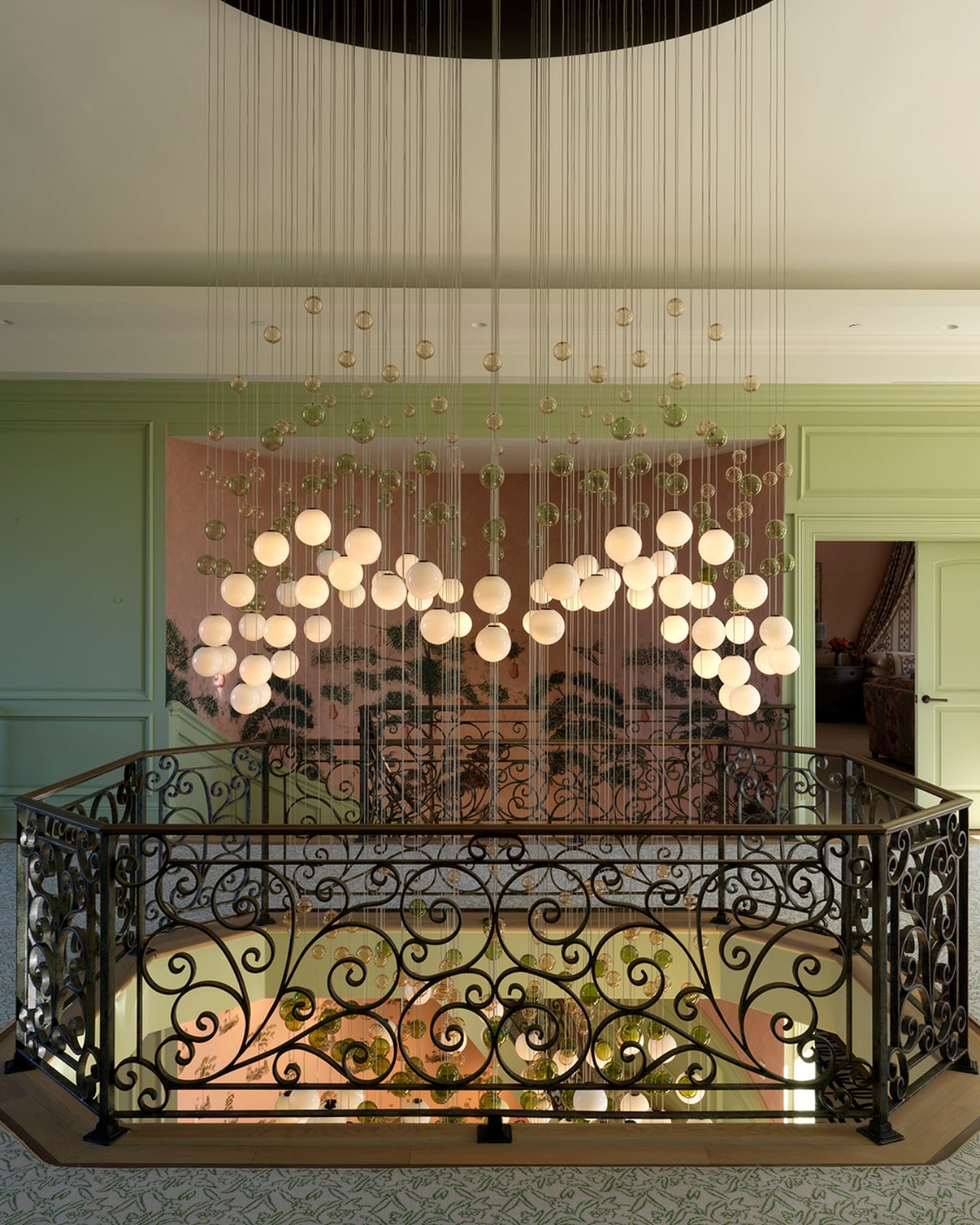
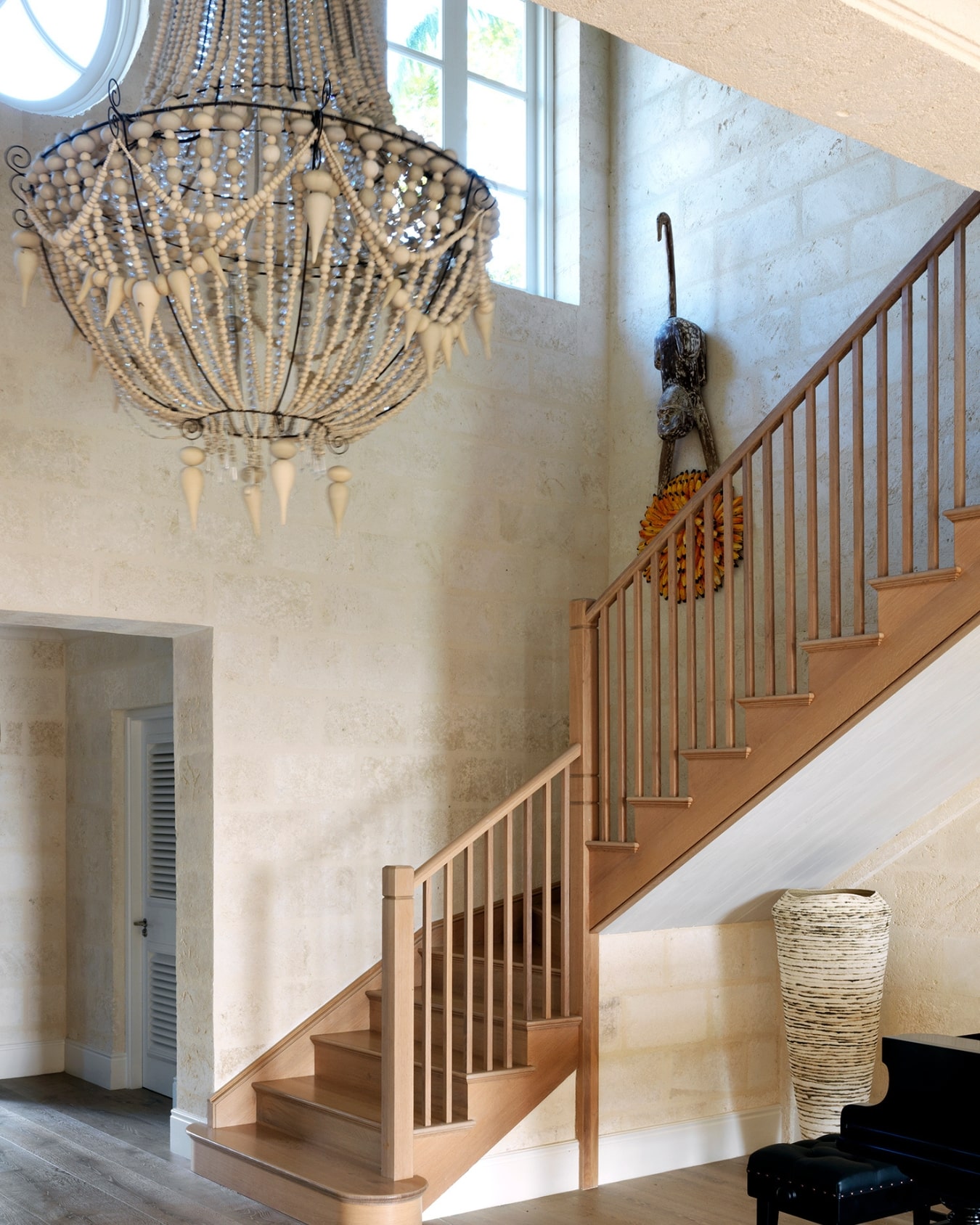
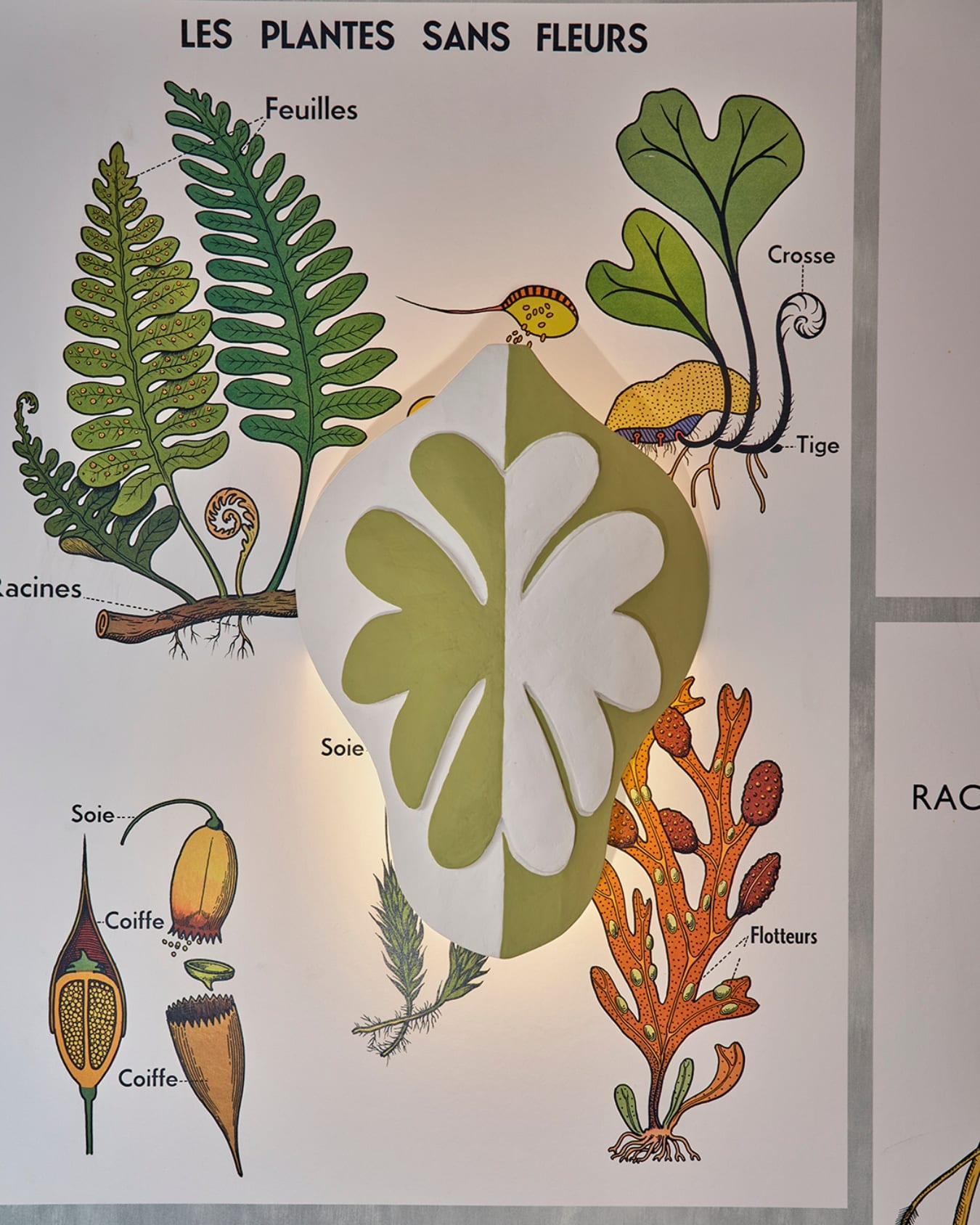
Lighting is just as important. During the day, natural light can transform a staircase into a sculptural feature, so it is worth carefully considering nearby windows, roof lights or glazed doors. In the evening, wall lights create warmth and intimacy, while a lantern or pendant suspended above the stairwell can become a striking focal point visible from several floors.
Turning Walls into Storytelling Spaces
The walls surrounding a staircase offer some of the most valuable design space within a home. Because people naturally slow their pace as they move through it, a staircase becomes the perfect setting for a gallery wall. Layering artwork, textiles, photographs and found objects brings personality and depth to the space, allowing it to feel intimate and expressive. The most beautiful arrangements feel collected gradually over time, rather than overly curated or perfectly symmetrical.
Details That Make the Difference
The smaller details matter too. Banisters and balustrades are often overlooked, yet they can completely transform the character of a staircase. Upholstered handrails, painted spindles or detailed ironwork all bring individuality without requiring major architectural changes.
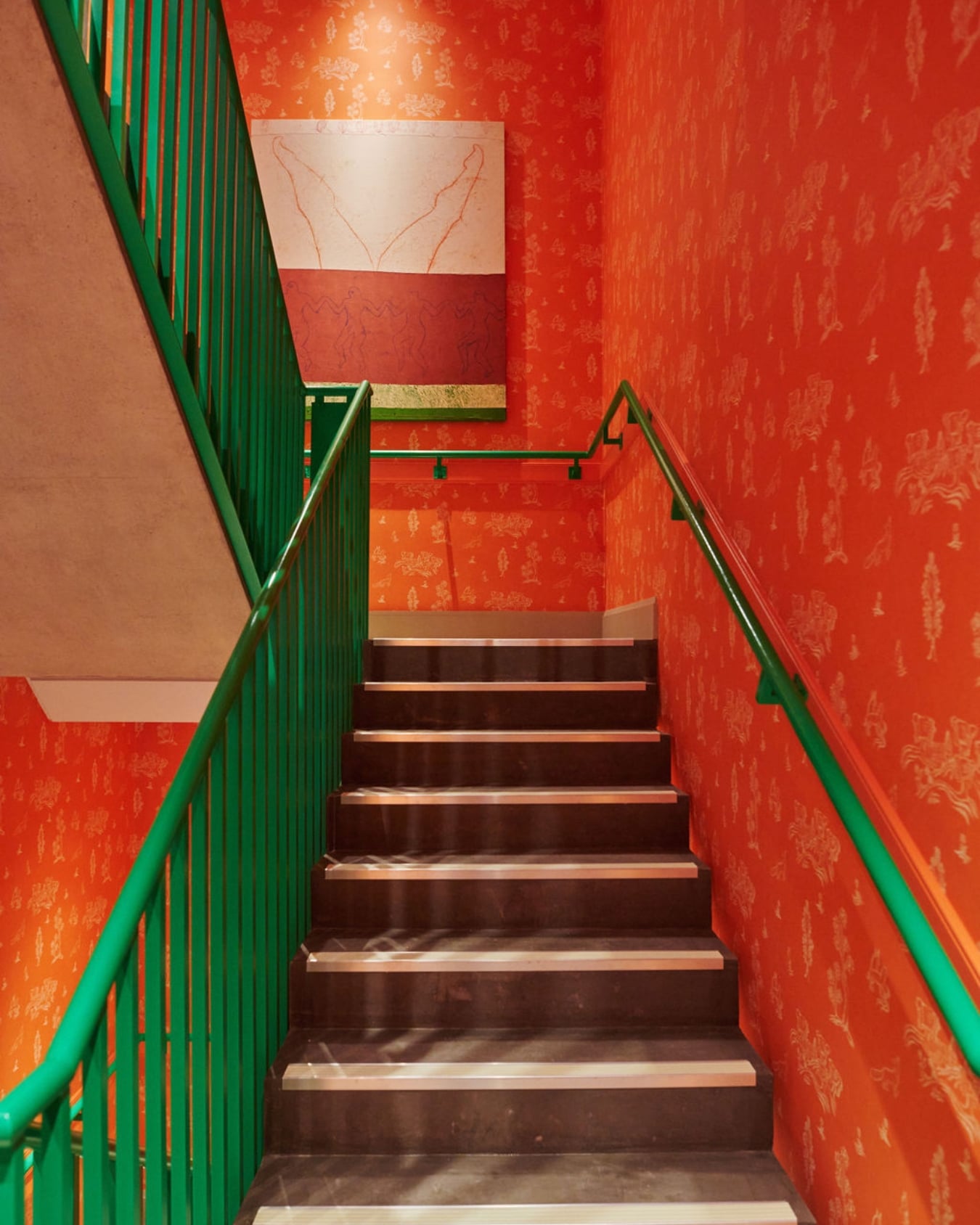
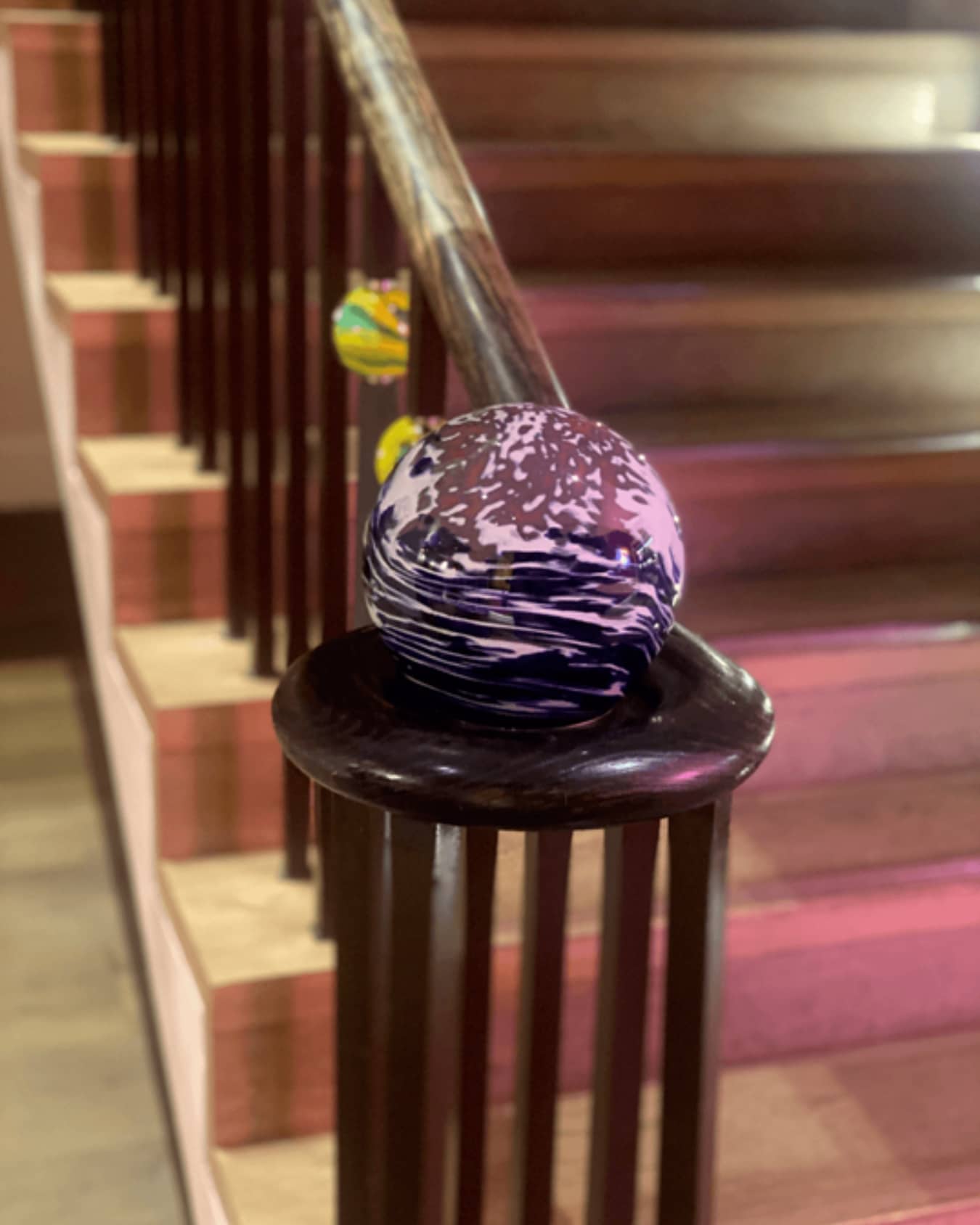
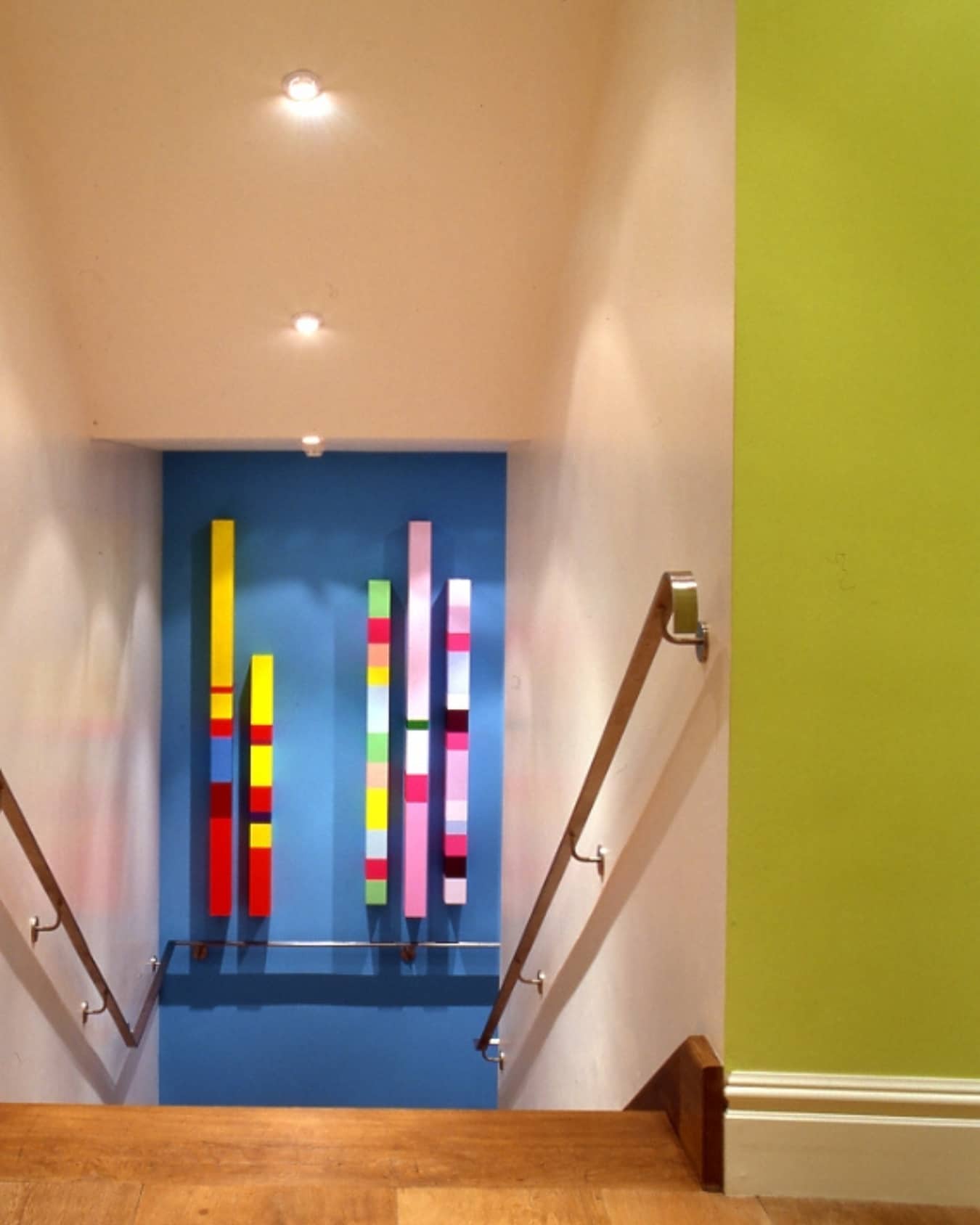
More than anything, a staircase should feel connected to the character of the house. It is often the first thing people see when they walk through the door and the last thing glimpsed before bed. A well-designed staircase carries atmosphere throughout a home. It reveals the owner’s confidence with colour, their sense of comfort and the importance they place on making everyday spaces feel special.