

Geometry has always played a subtle role in interiors. From the lines of a chair to the repeat of a fabric pattern, geometric motifs introduce structure and movement in a way that feels timeless yet versatile. When layered thoughtfully, they can ground a room, create contrast and bring a sense of harmony to eclectic spaces.
DO: Balance the Scale
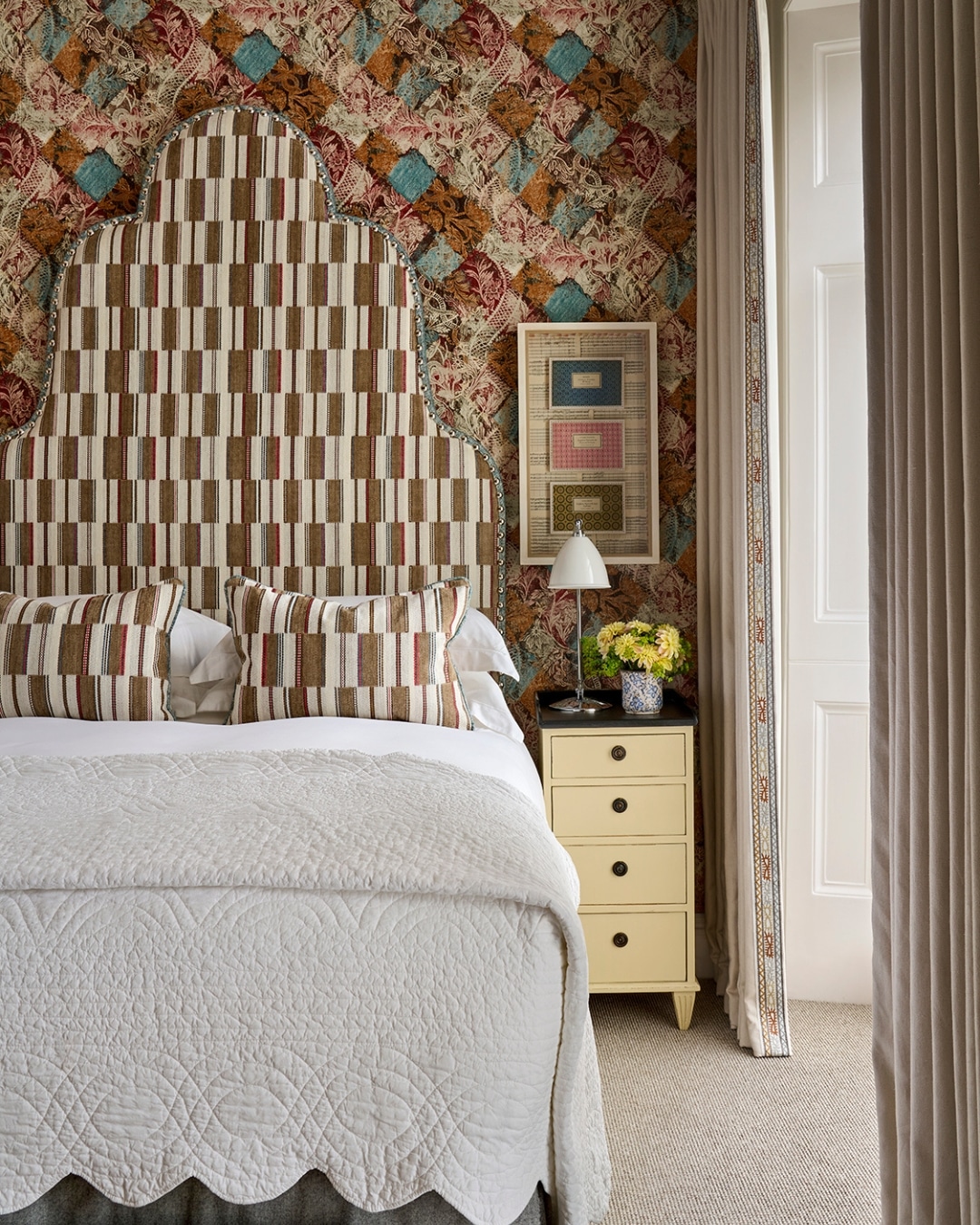
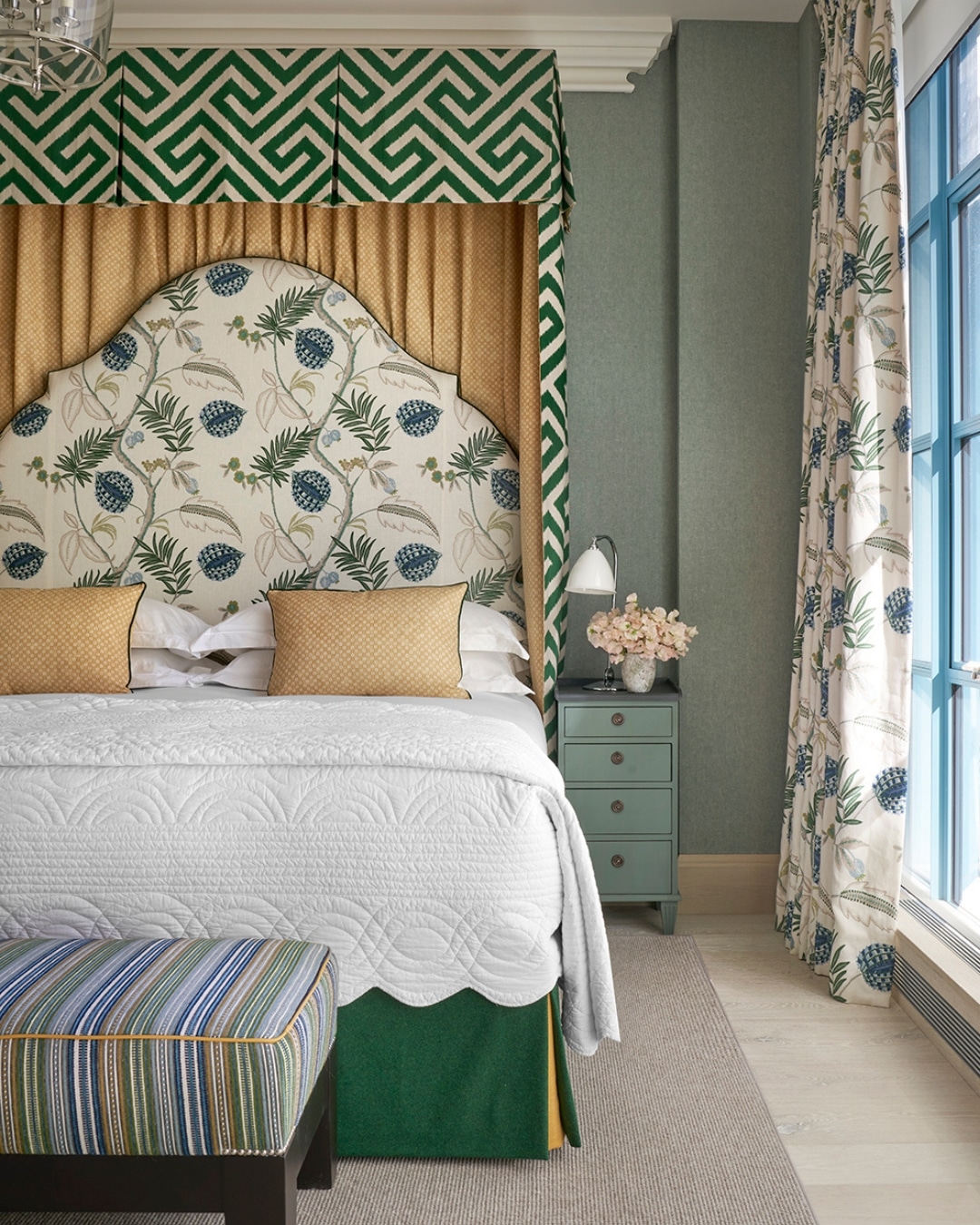
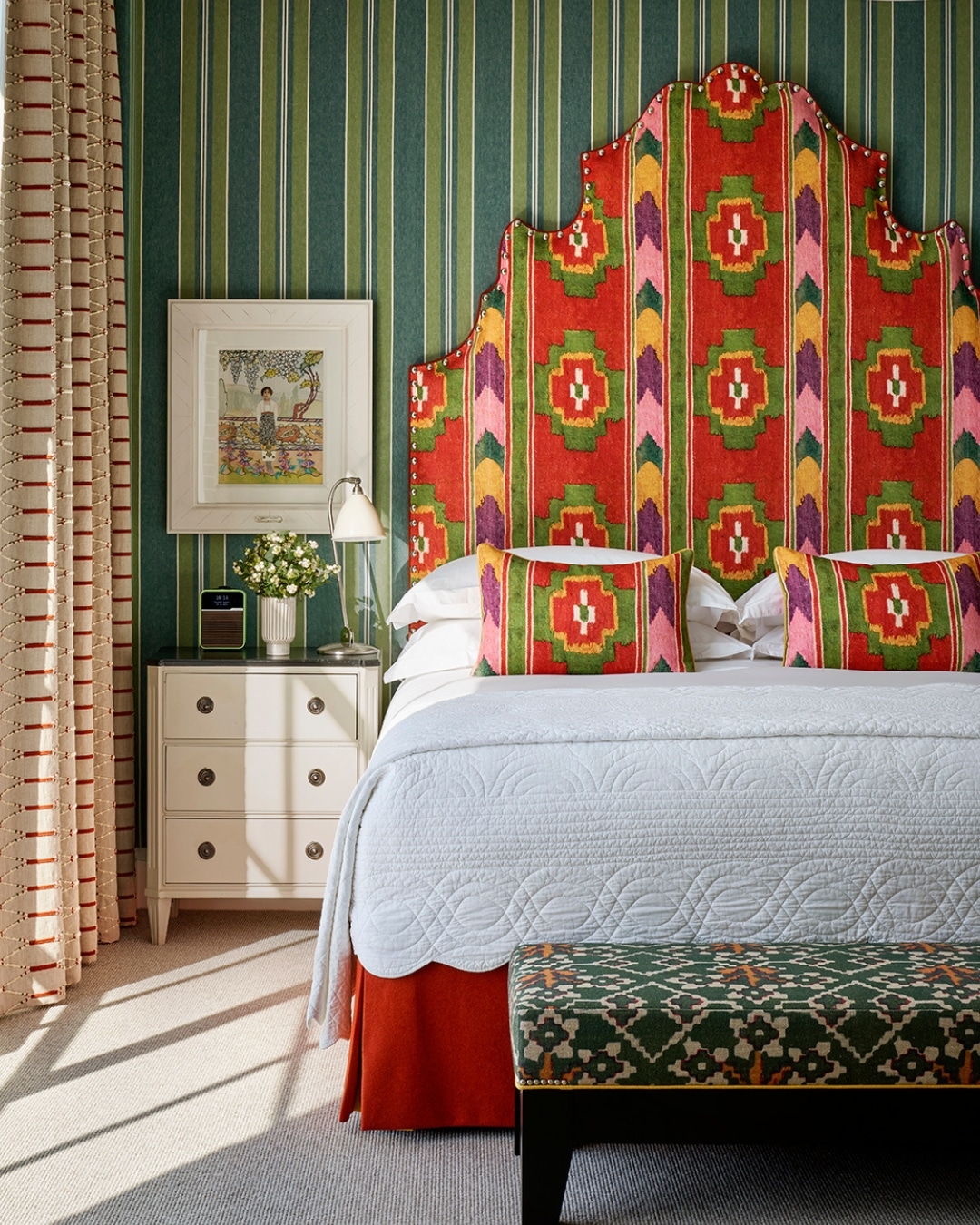
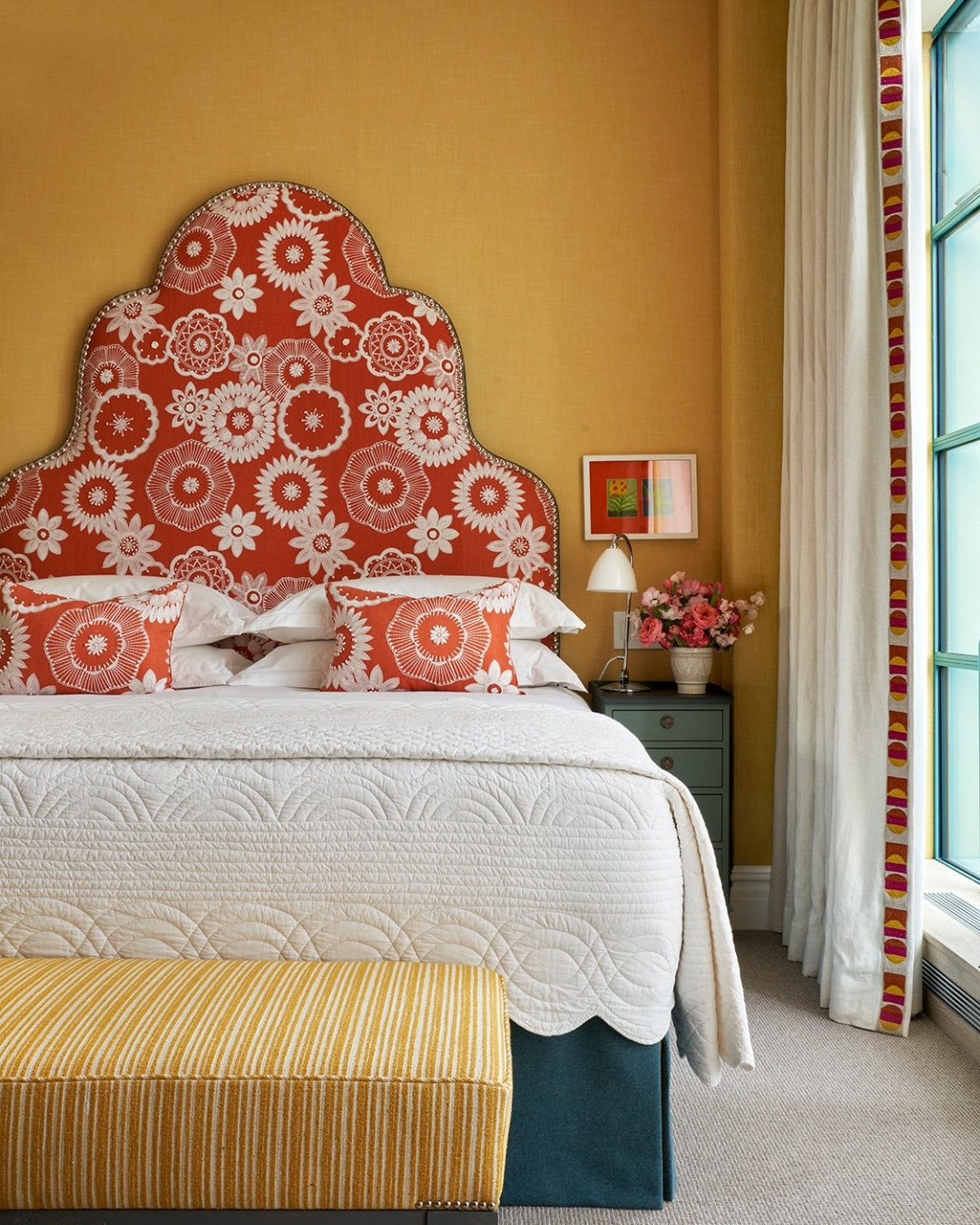
The secret to a successful pattern mix lies in the variation of scale. If every geometric print in a room is the same size, they begin to compete for attention, creating visual noise rather than balance. Large scale prints work beautifully to anchor statement pieces and create focal points, whether on a headboard, sofa or curtain. Smaller repeats, meanwhile, can behave almost like textured plains. From a distance they feel subtle and understated, while up close they reveal intricate detail and rhythm.
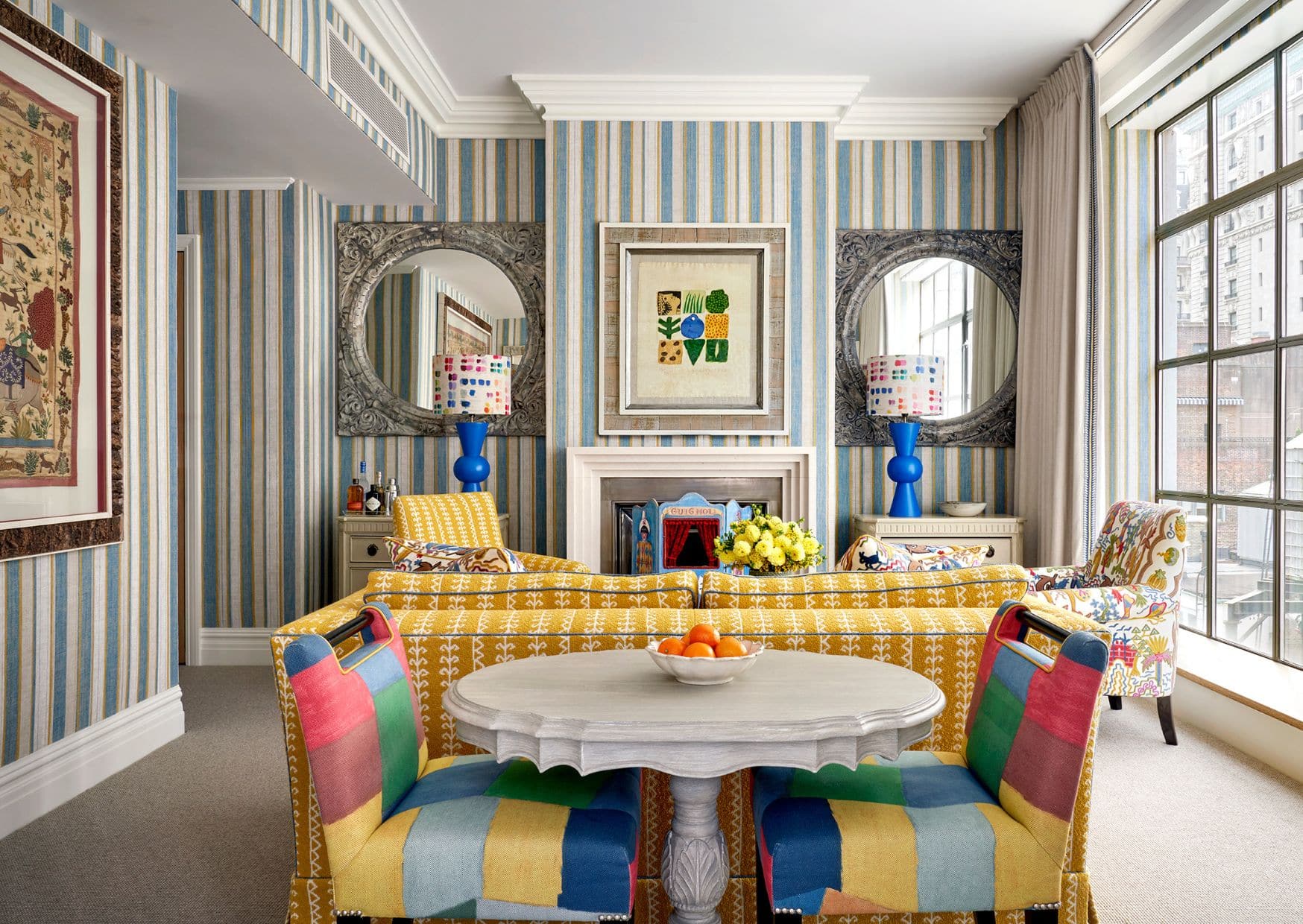
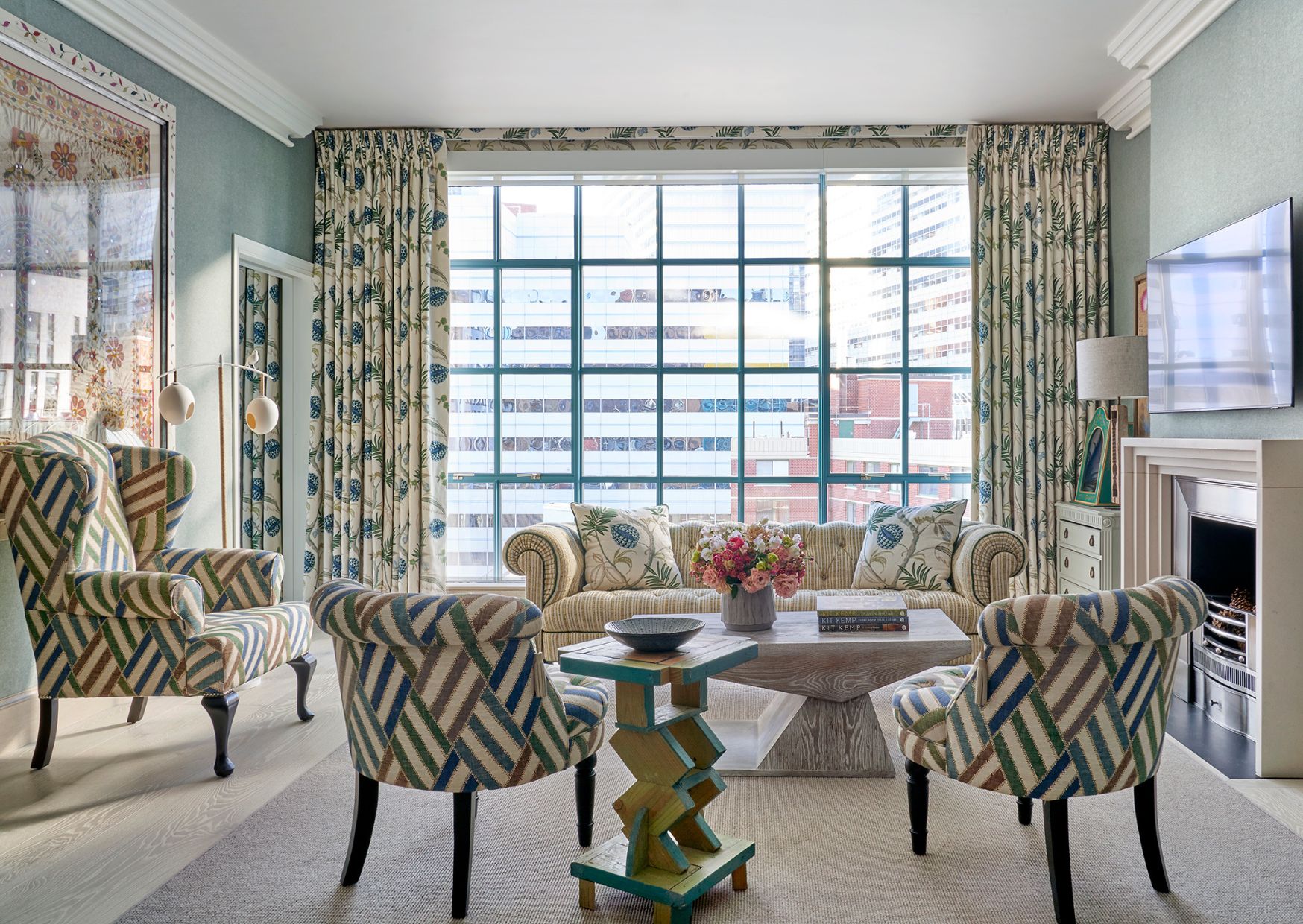
Mixing scales creates a room that feels layered, relaxed and effortlessly collected.
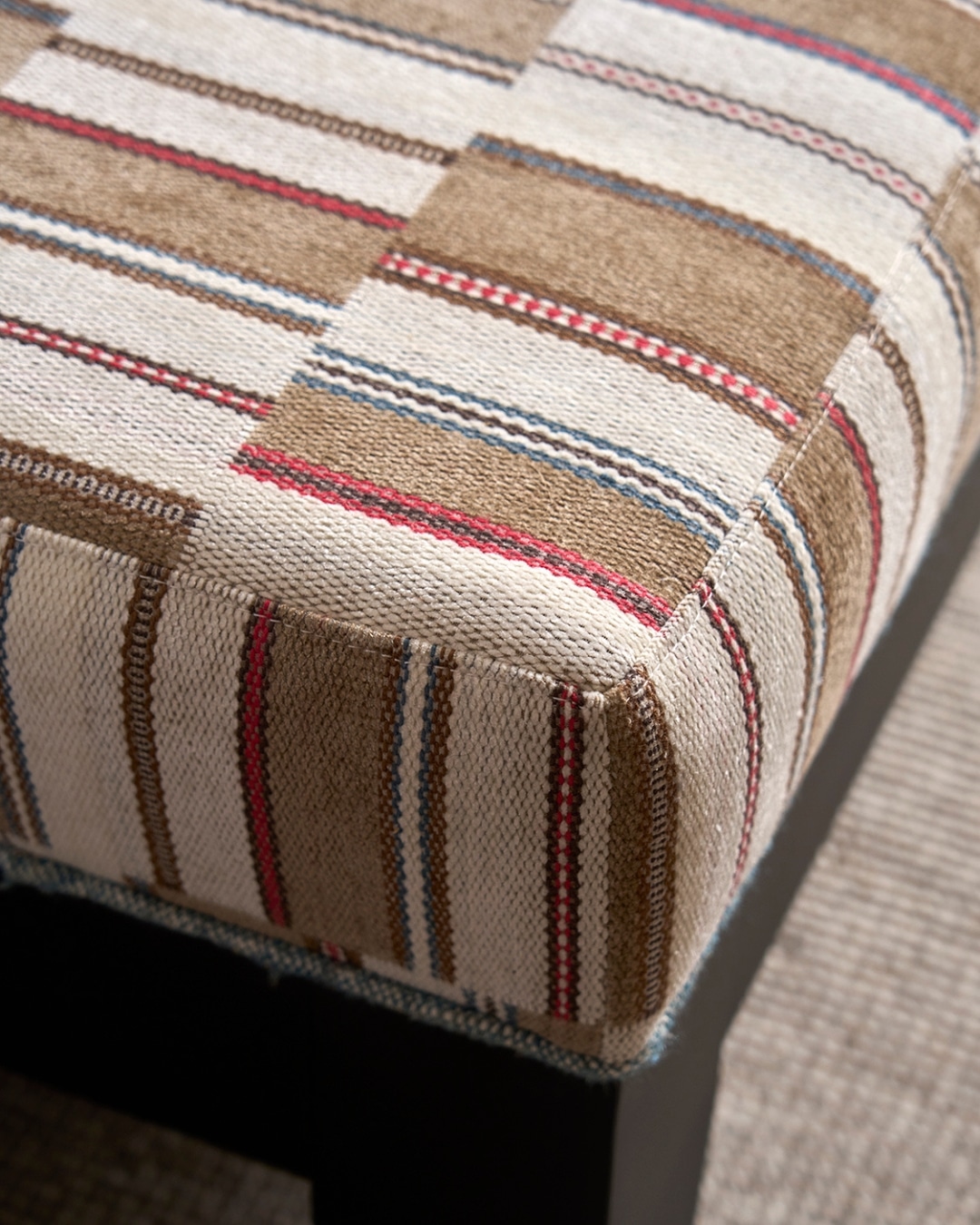
DON’T: Overdose on Shapes
Too many geometrics in one space can quickly feel overwhelming. Without moments of calm, a room risks becoming overly busy or rigid. Introducing plain fabrics, softer surfaces and quieter areas allows the eye to rest and gives geometric prints the space they need to stand out beautifully. Balance is what keeps a scheme feeling inviting rather than overpowering.
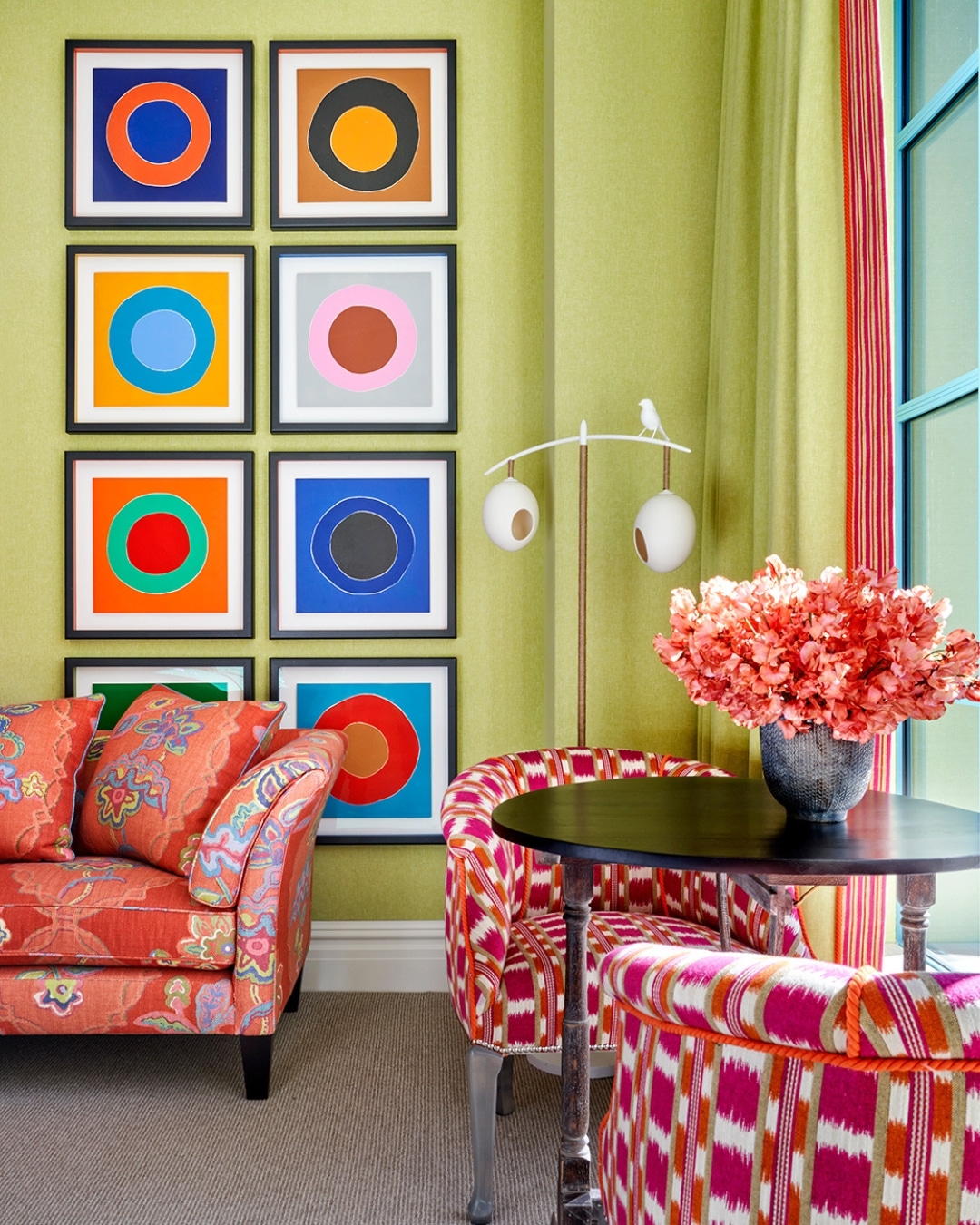
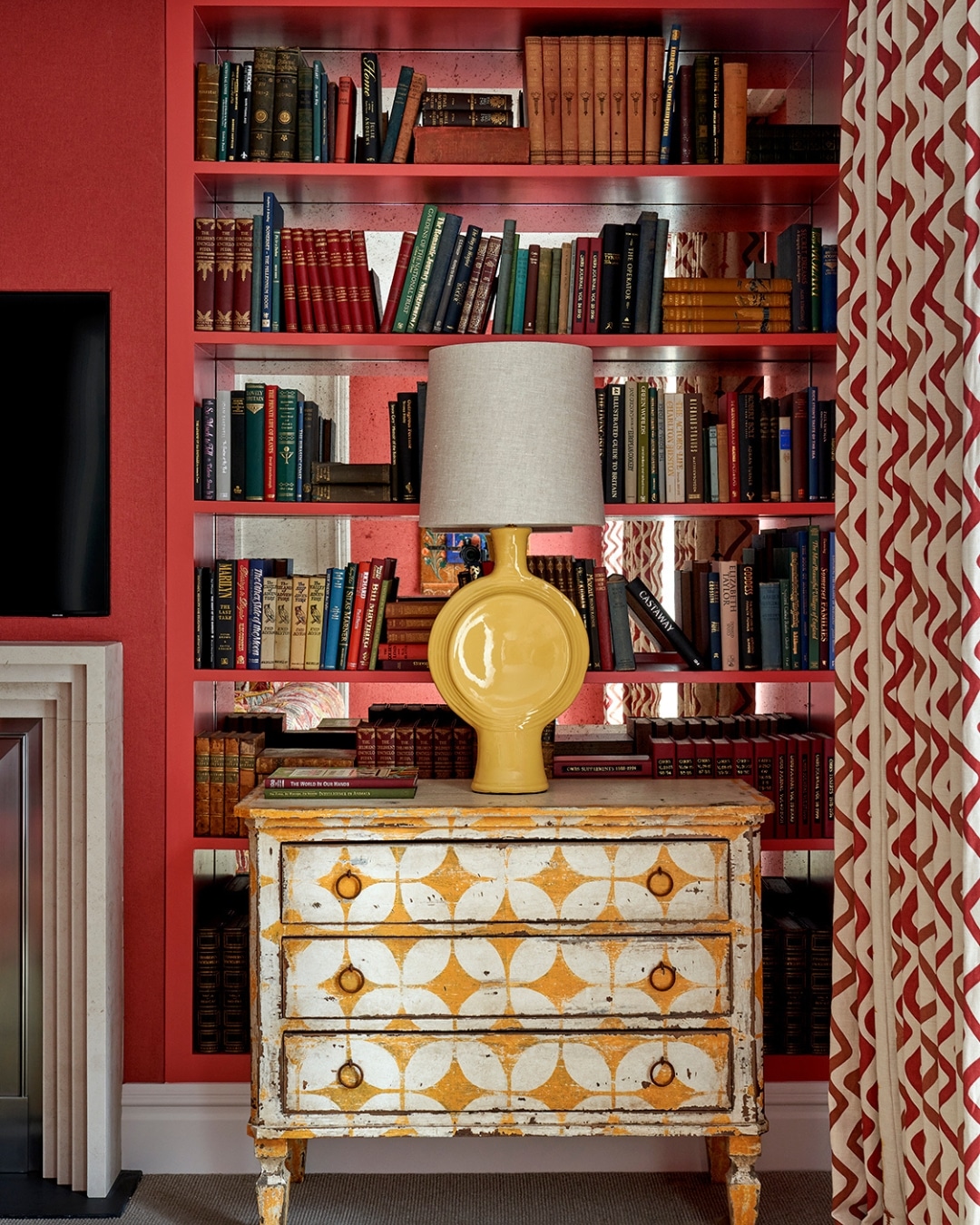
DON’T: Forget the Organic Touch
Geometrics are at their best when paired with softer, more organic patterns. The looseness of a floral or the fluidity of a painterly print creates a beautiful contrast against sharper motifs such as stripes or chevrons. This combination prevents a room from feeling too structured and introduces warmth, character and a sense of spontaneity. Conversational prints and handcrafted details also help bring personality to a scheme that might otherwise feel overly formal.
DO: Embrace Texture
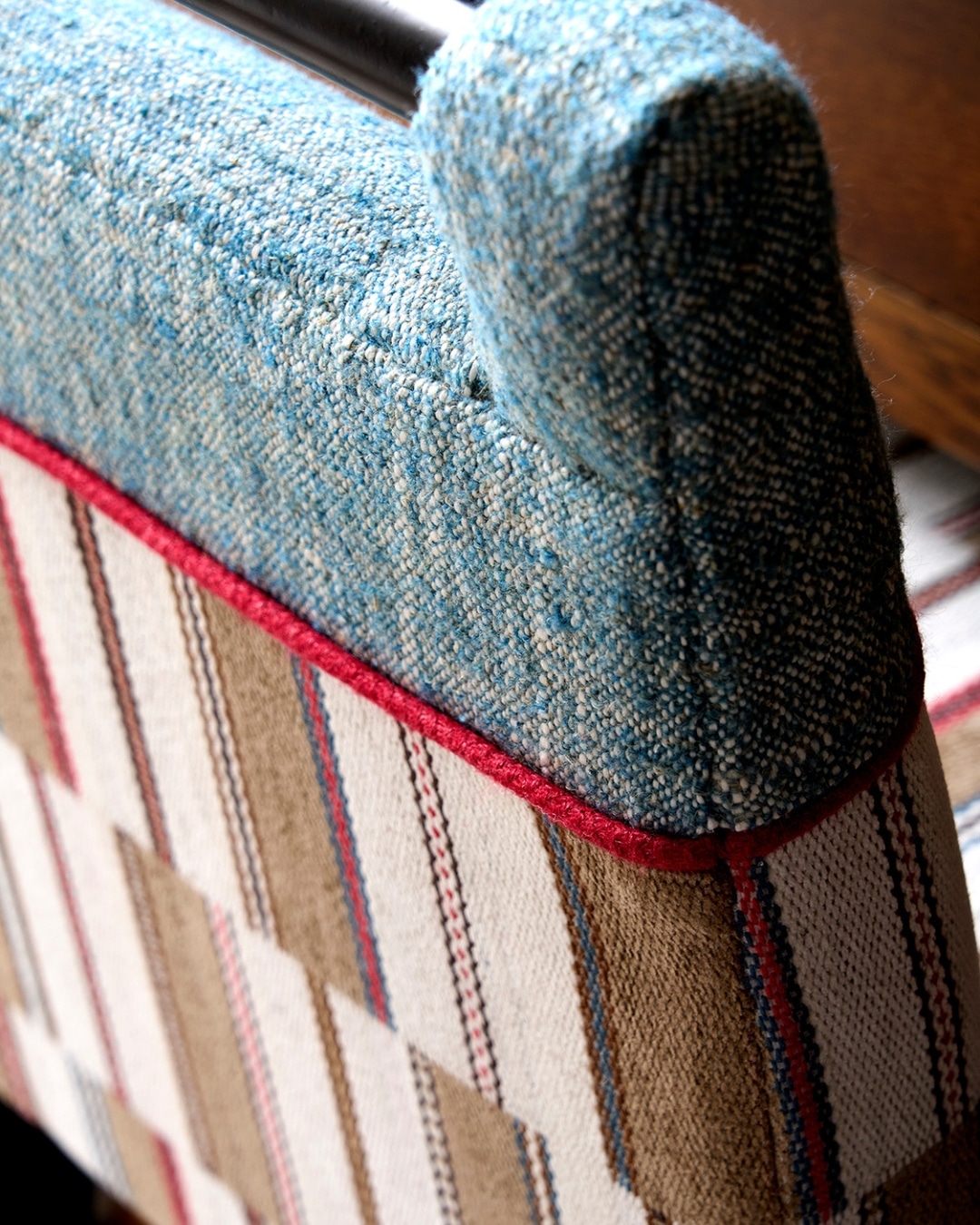
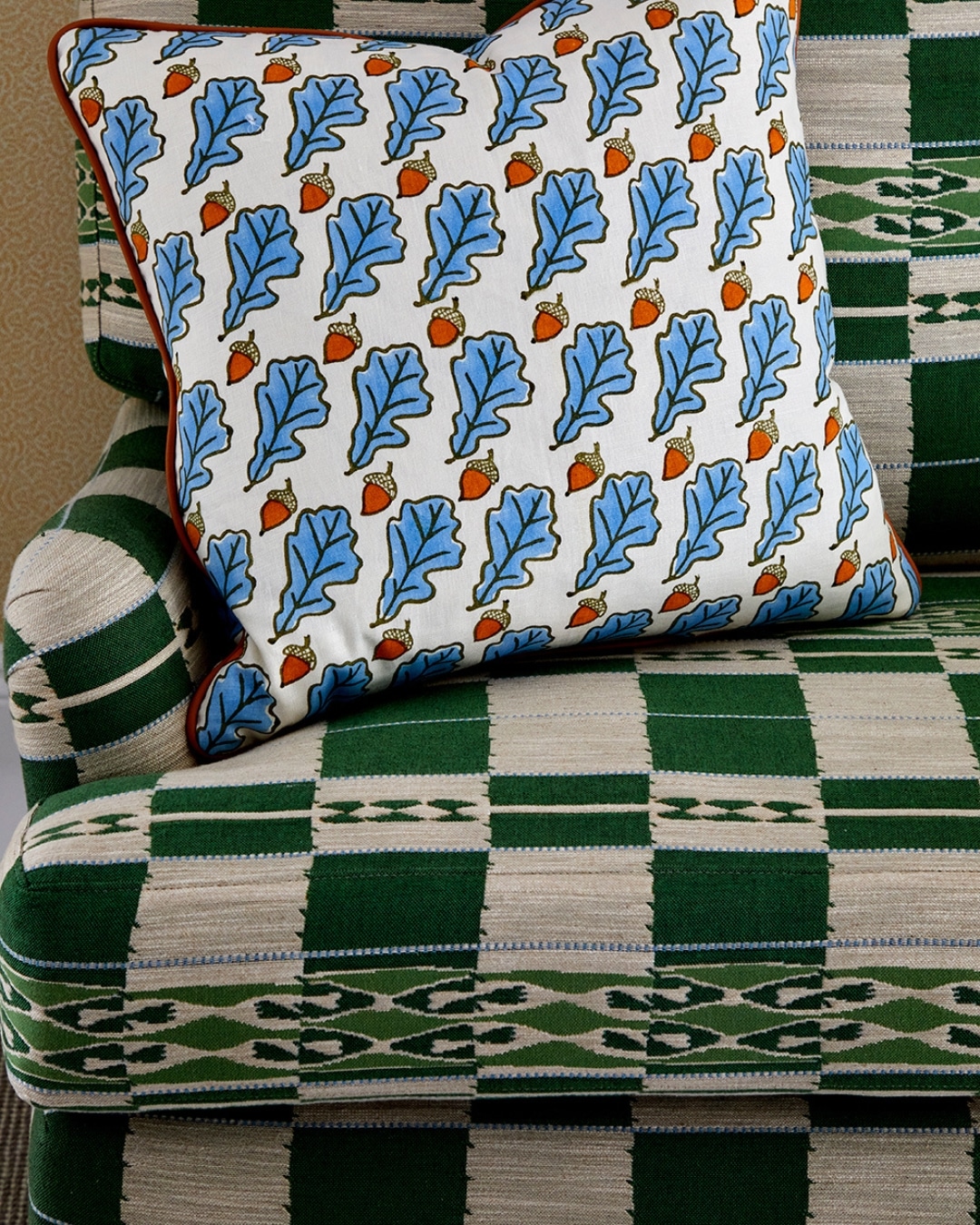
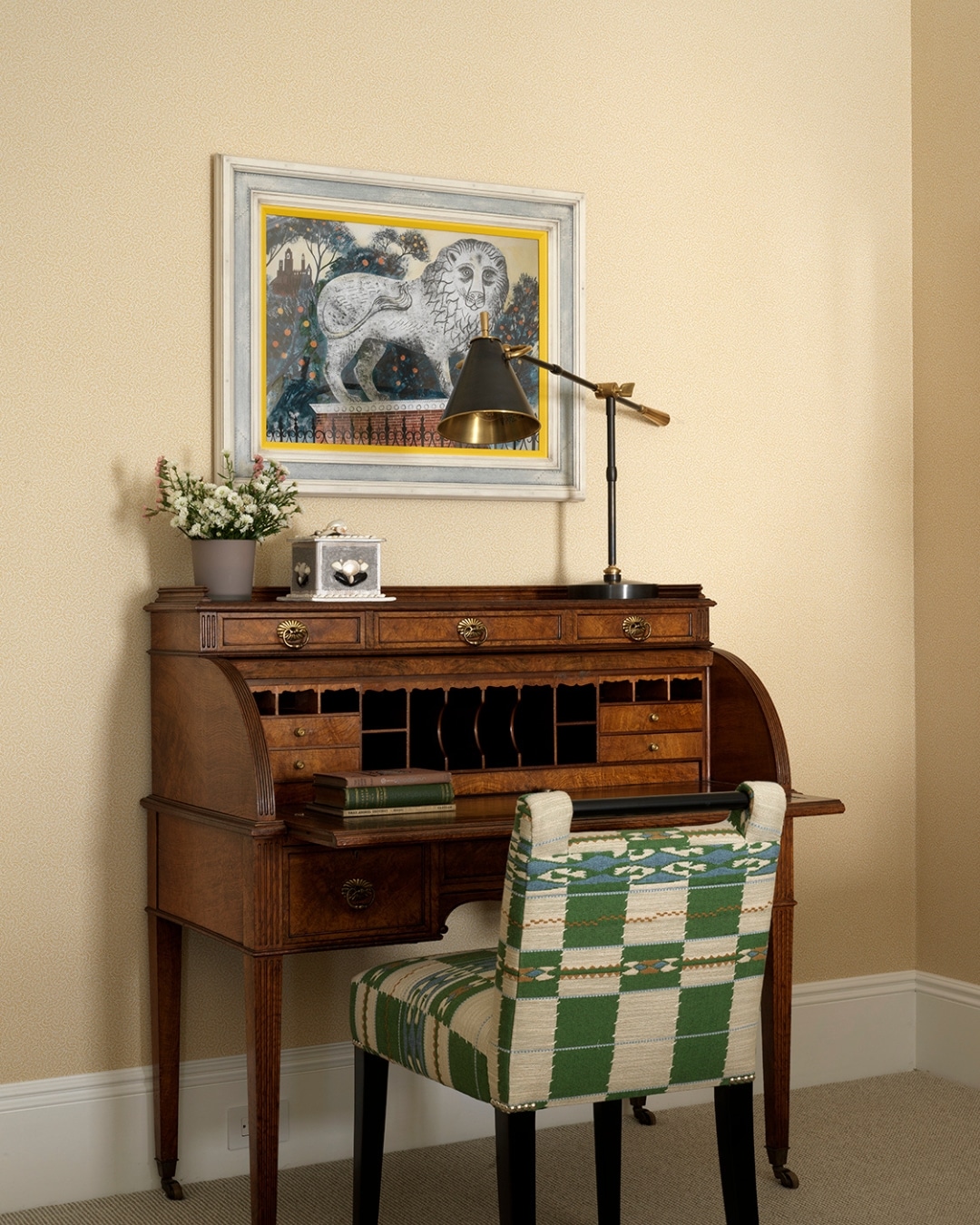
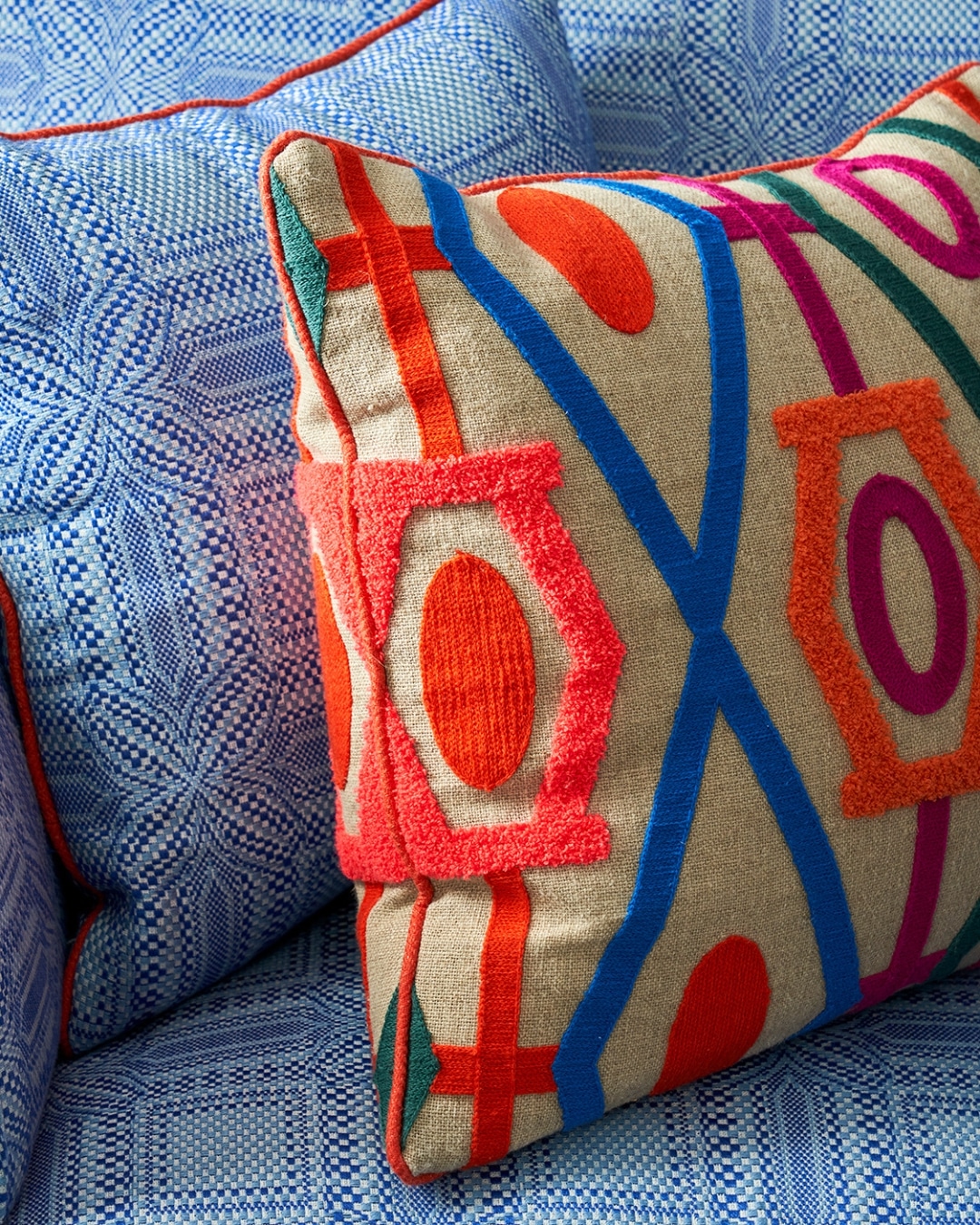
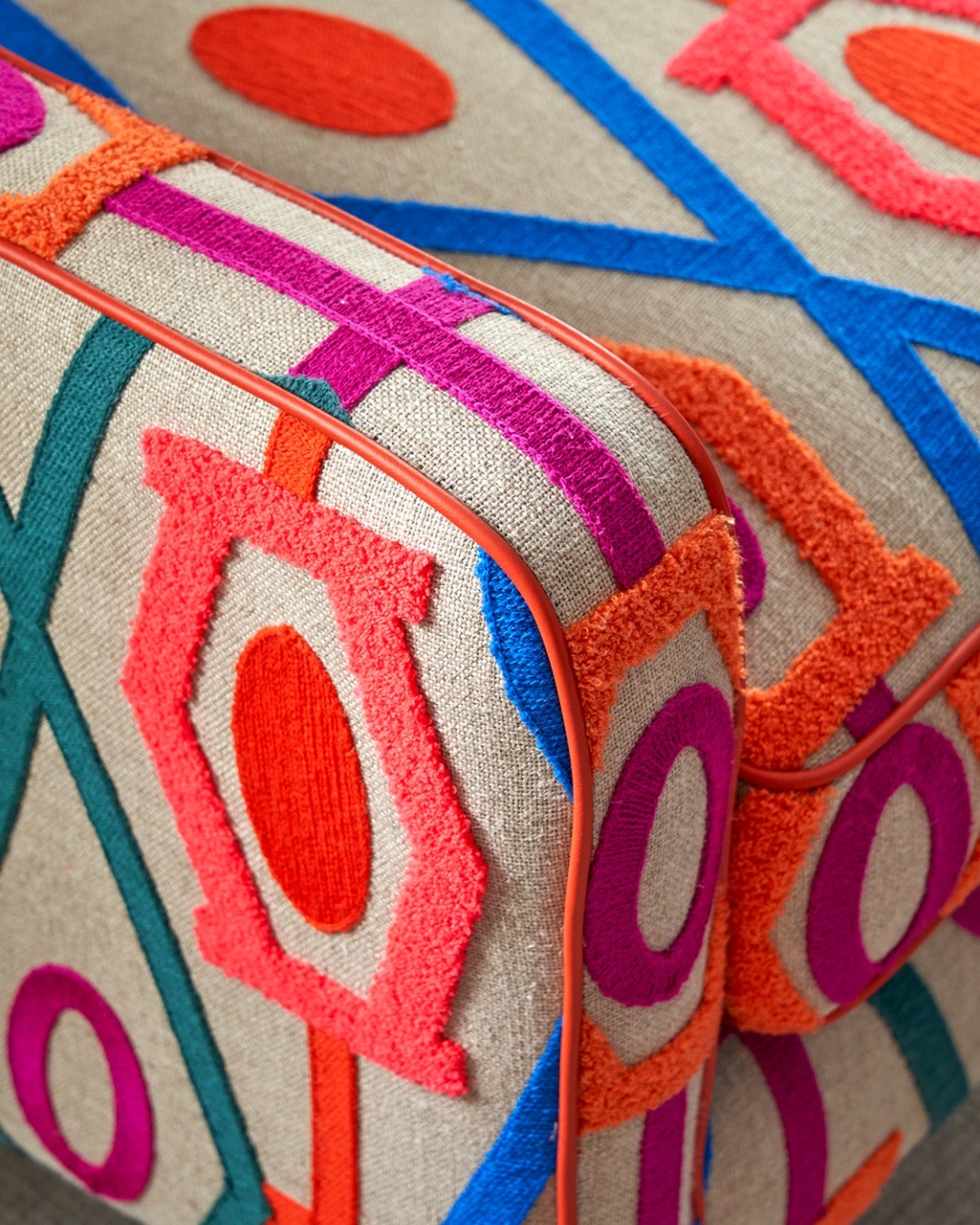
Geometrics do not always need to be printed. Embroidered, woven or stitched interpretations add depth and tactility, bringing warmth and softness to more structured designs. Texture is what gives a room dimension. Layering tactile materials such as linen, wool and embroidery alongside geometric patterns helps interiors feel inviting and lived in rather than polished to perfection.
DO: Mix Beyond the Geometric
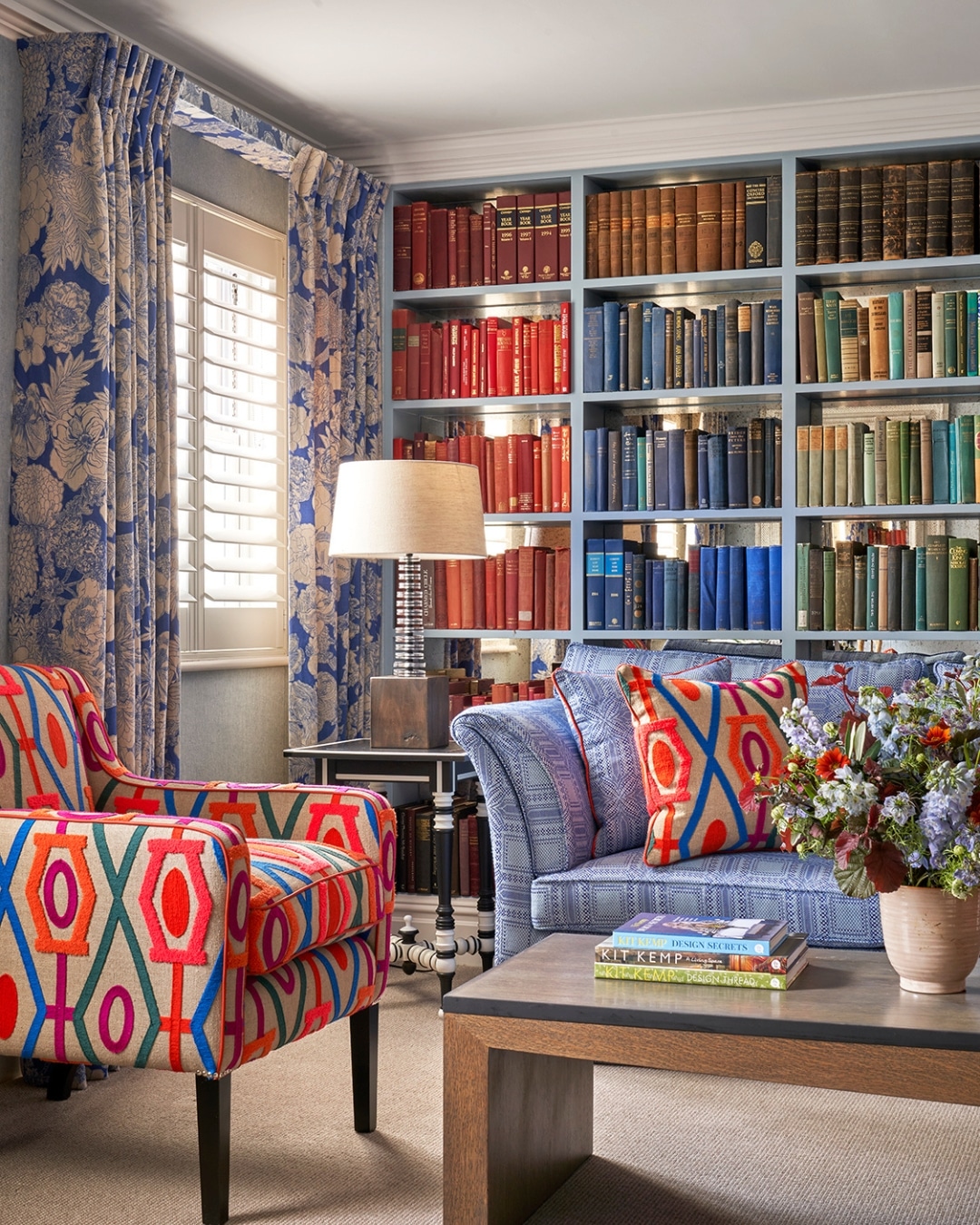
The most interesting interiors rarely rely on a single design language. Layering geometrics with florals, stripes, painterly prints and natural textures creates movement and cohesion throughout a space. A room should feel curated but comfortable, where patterns complement one another rather than match too perfectly. It is often this contrast that gives interiors their sense of charm and individuality.
DON’T: Forget the Small Details
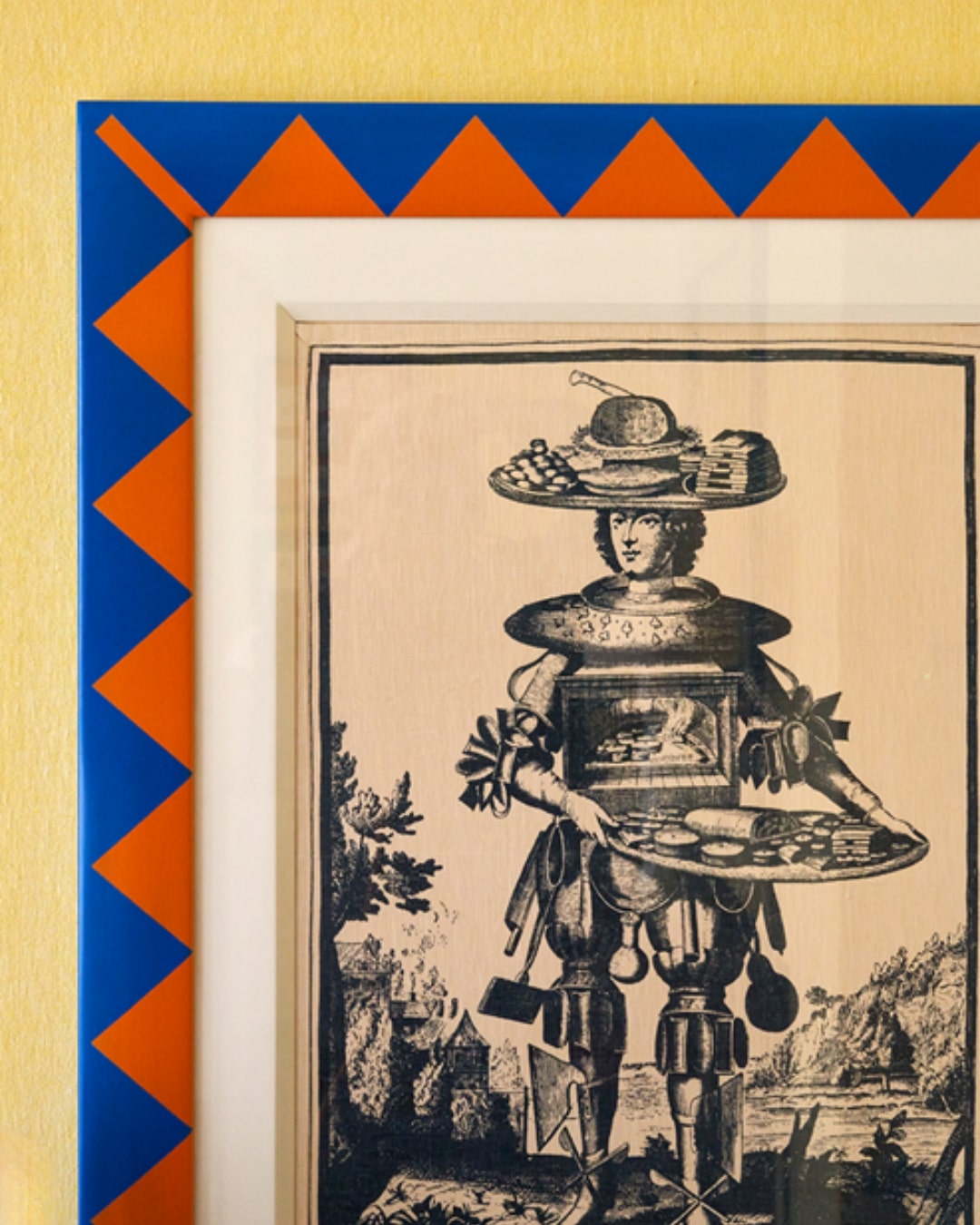
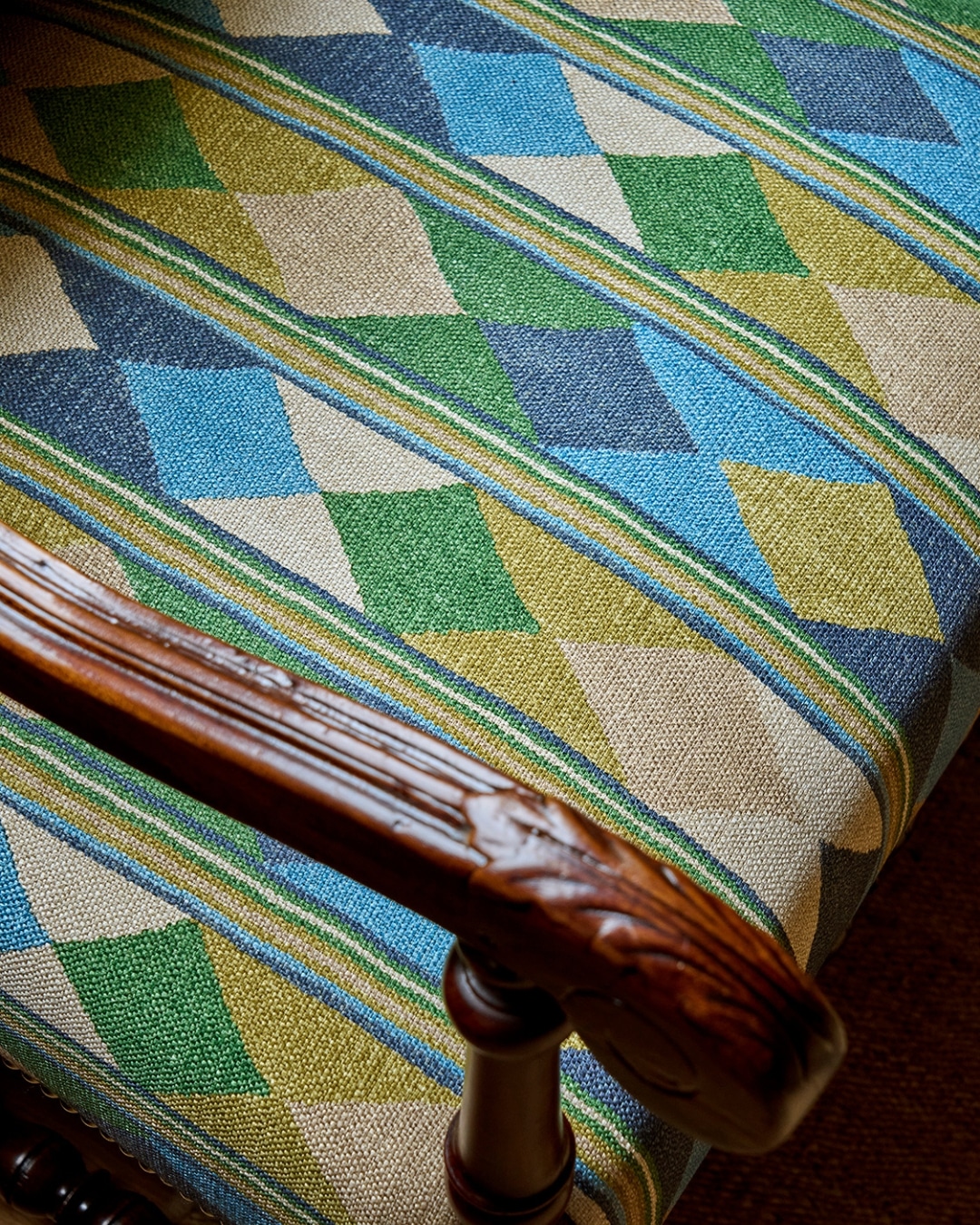
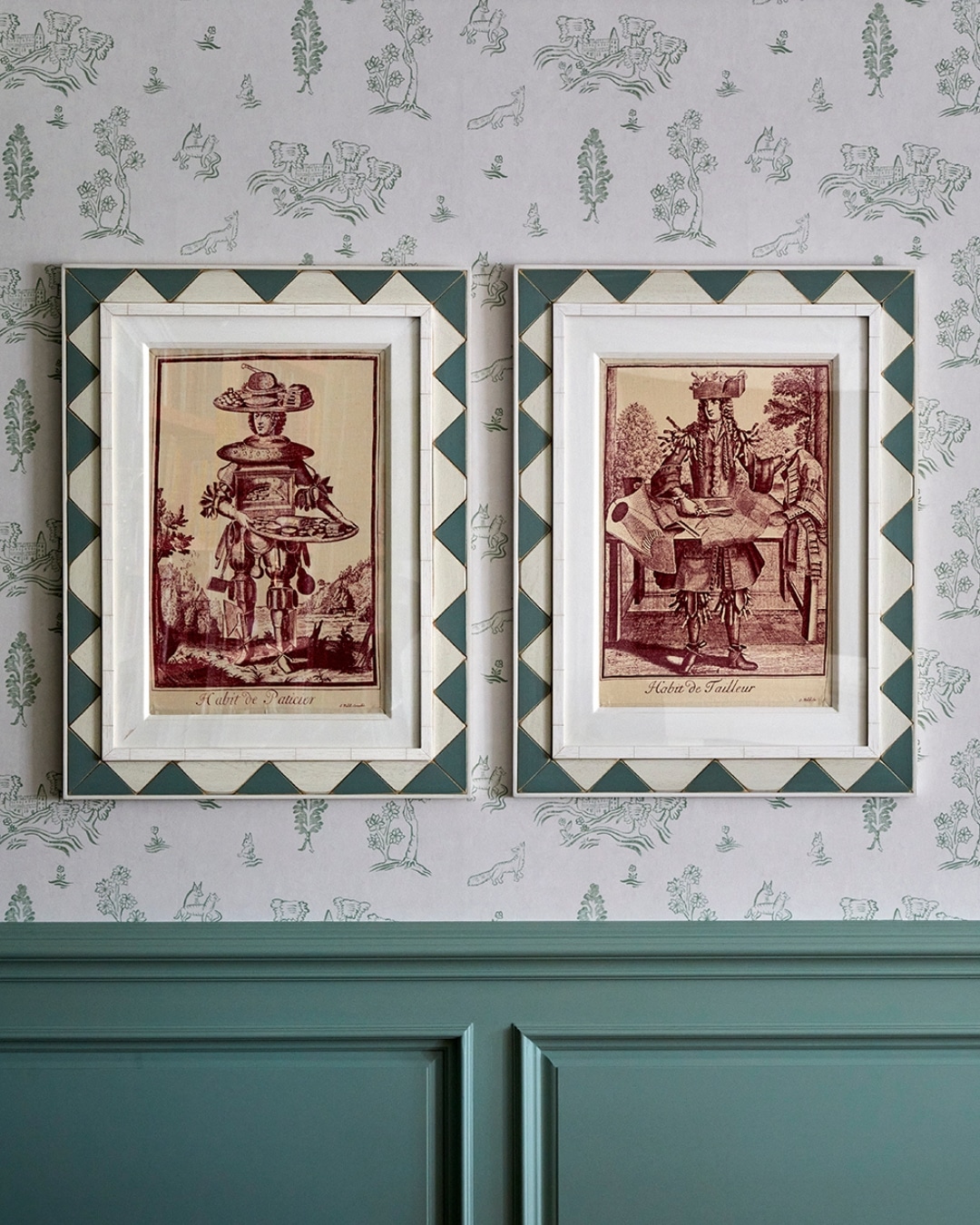
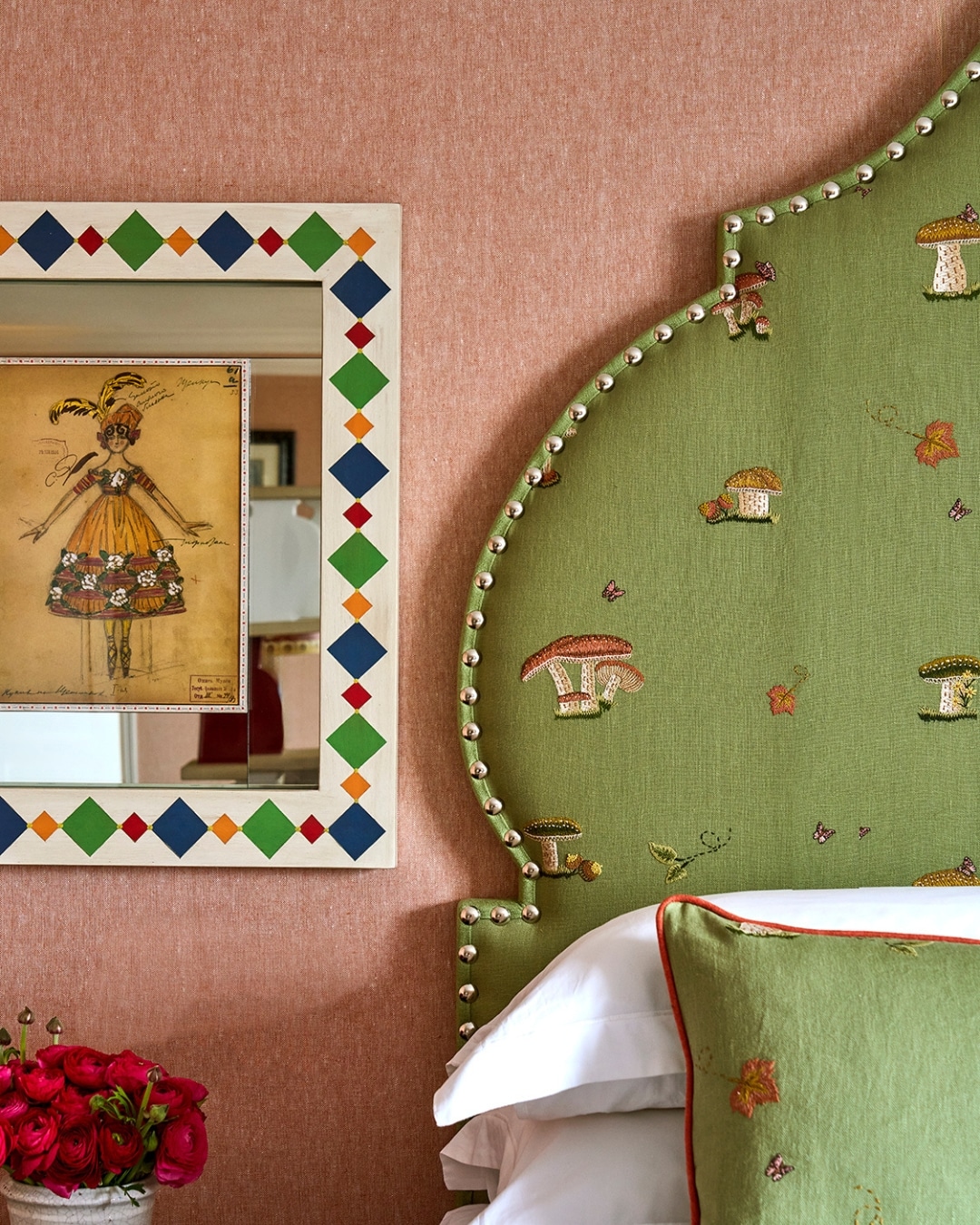
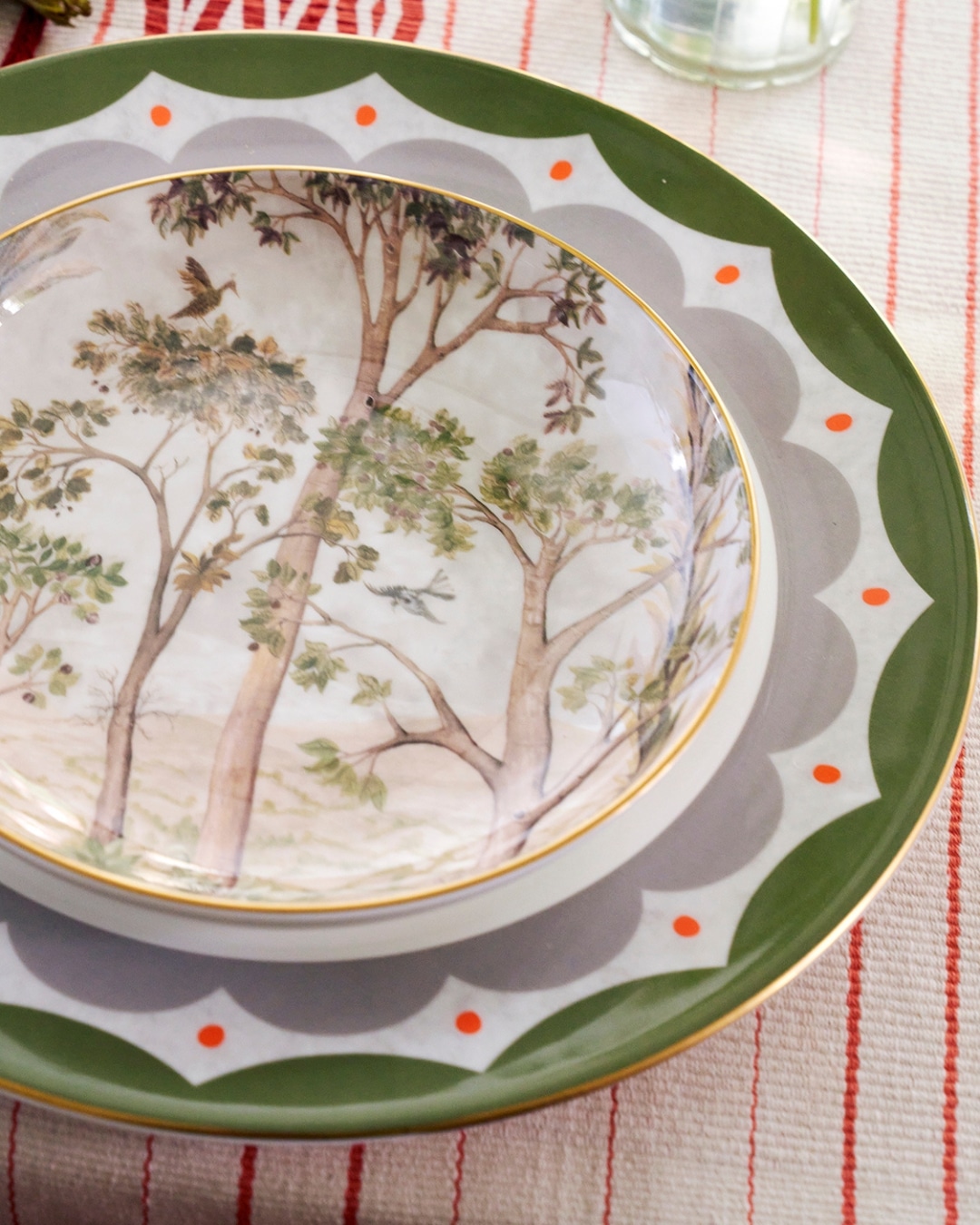
Geometrics need not be reserved for larger pieces of furniture or upholstery. Used sparingly, they can bring just the right amount of structure and playfulness to smaller details throughout the home. A geometric trim on a cushion, a patterned picture frame or decorative crockery layered alongside more illustrative pieces can create unexpected moments of contrast. These quieter details often bring the most personality to a room.
When used thoughtfully, geometric fabrics bring clarity and movement to a space. They connect decoration with architecture, while still leaving plenty of room for comfort, character, and individuality.