

Paint is often the first instinct when shaping a room, but there is another way to think about surfaces. Instead of focusing only on how a space looks, consider how it feels. Fabric, used where paint would usually go, introduces depth and richness. Today we are exploring some unexpected places where fabric can take the place of paint.
Walls
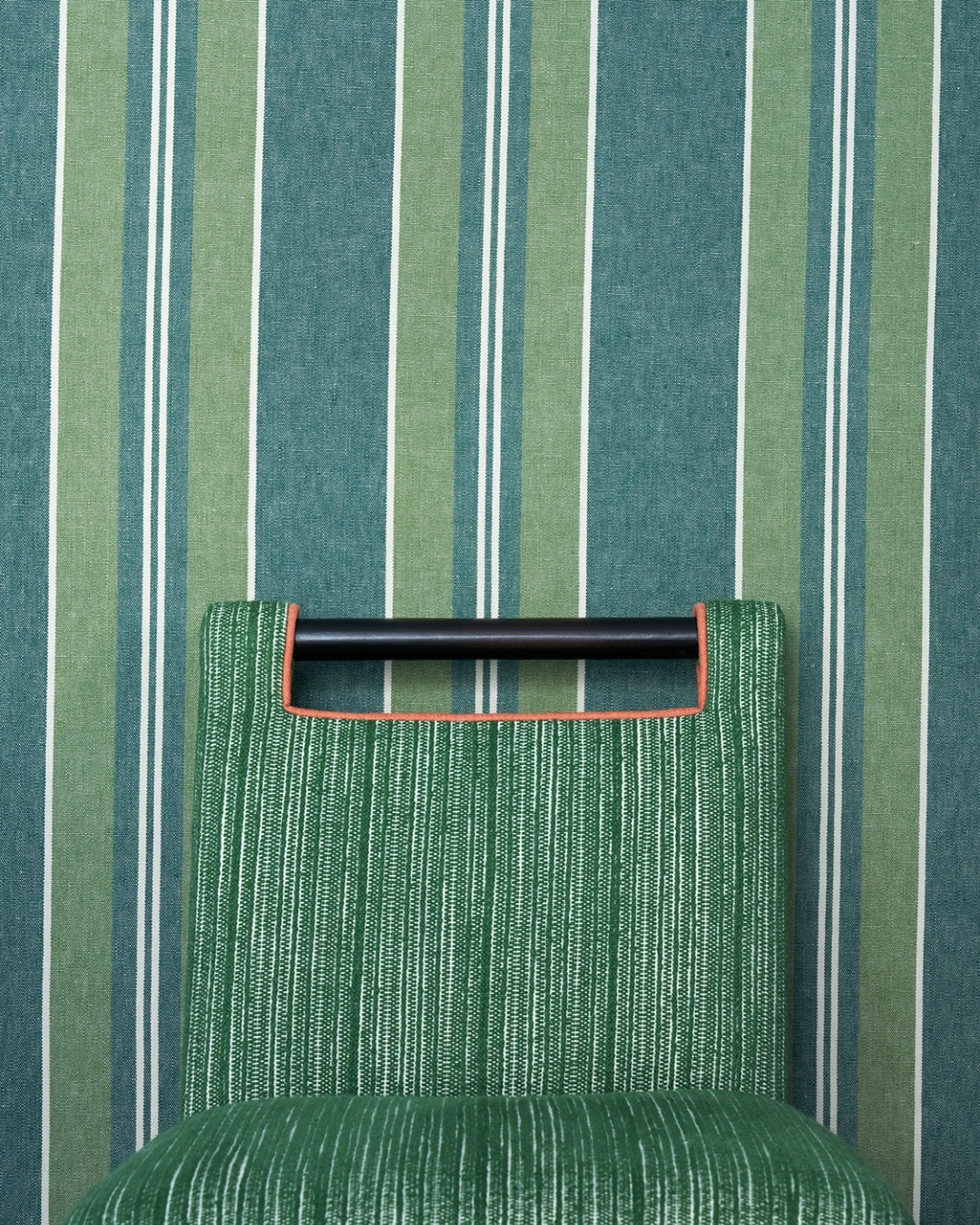
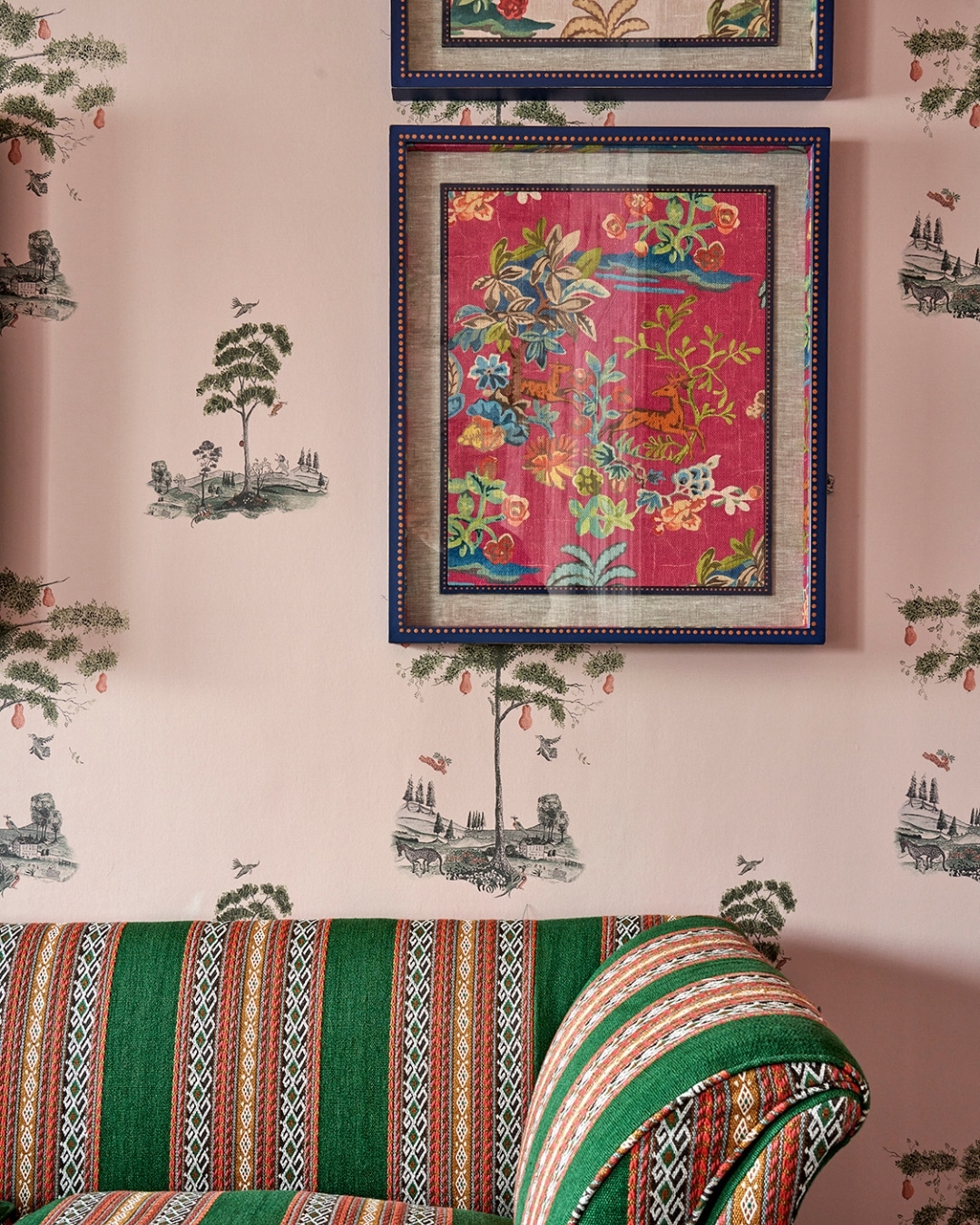
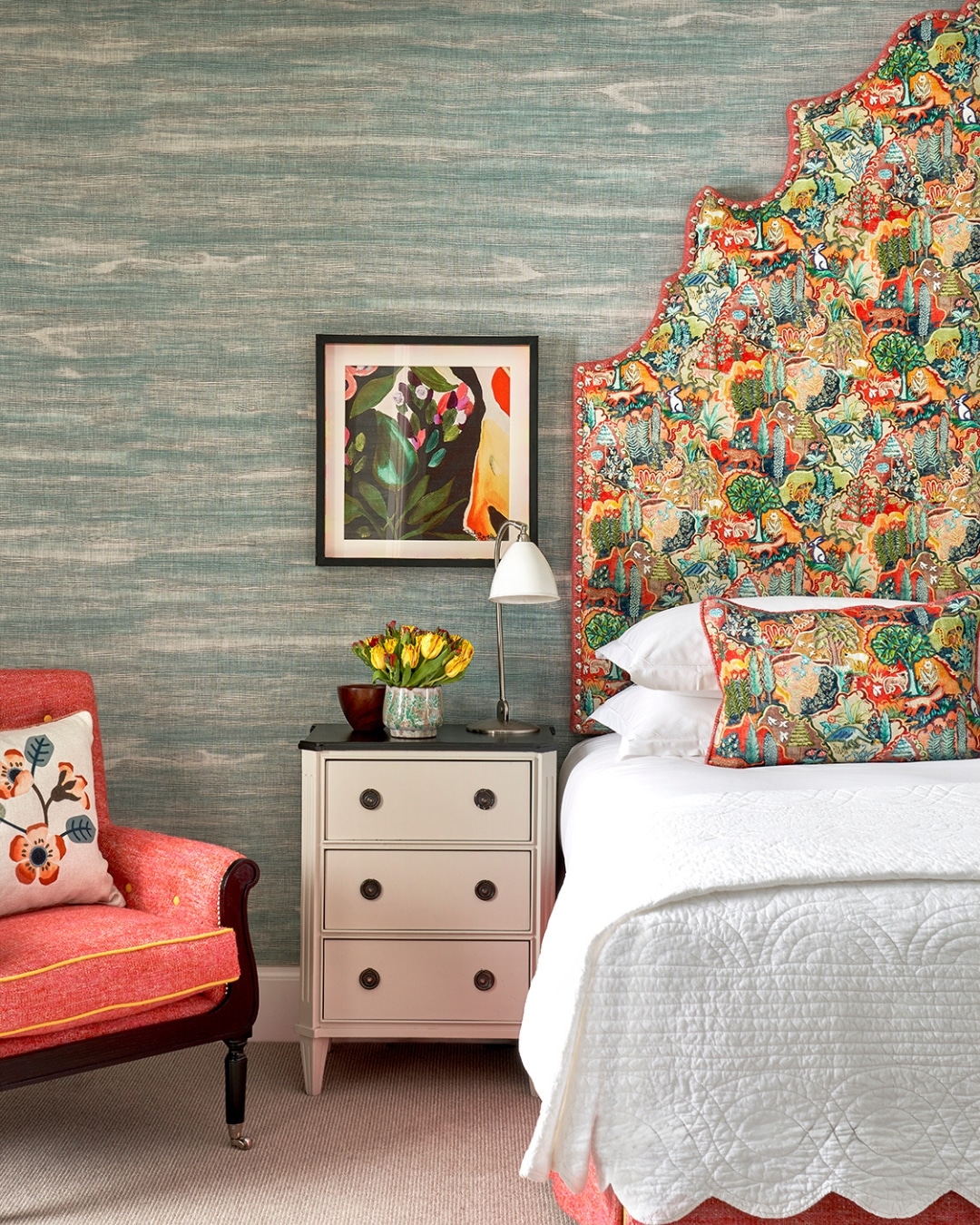
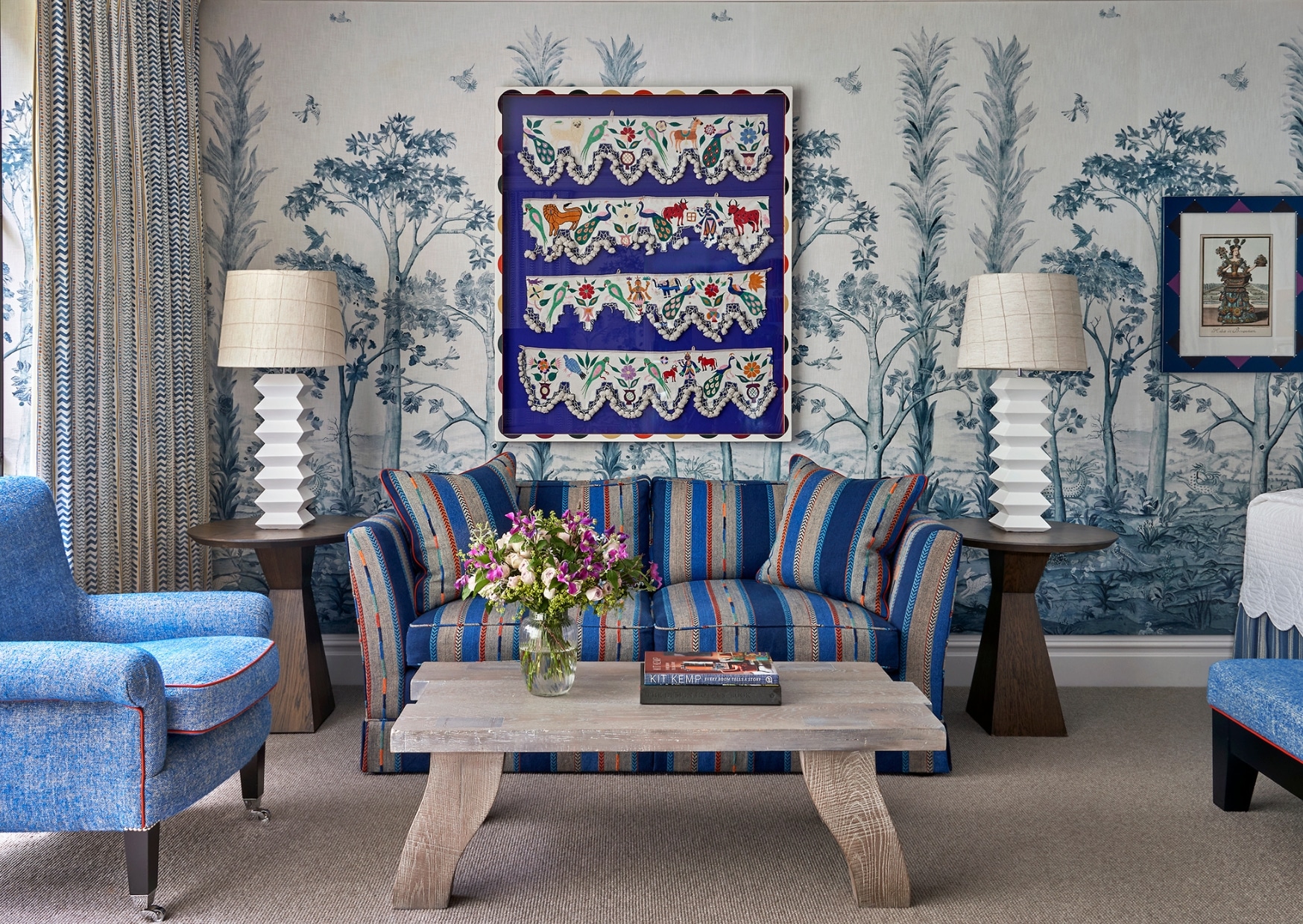
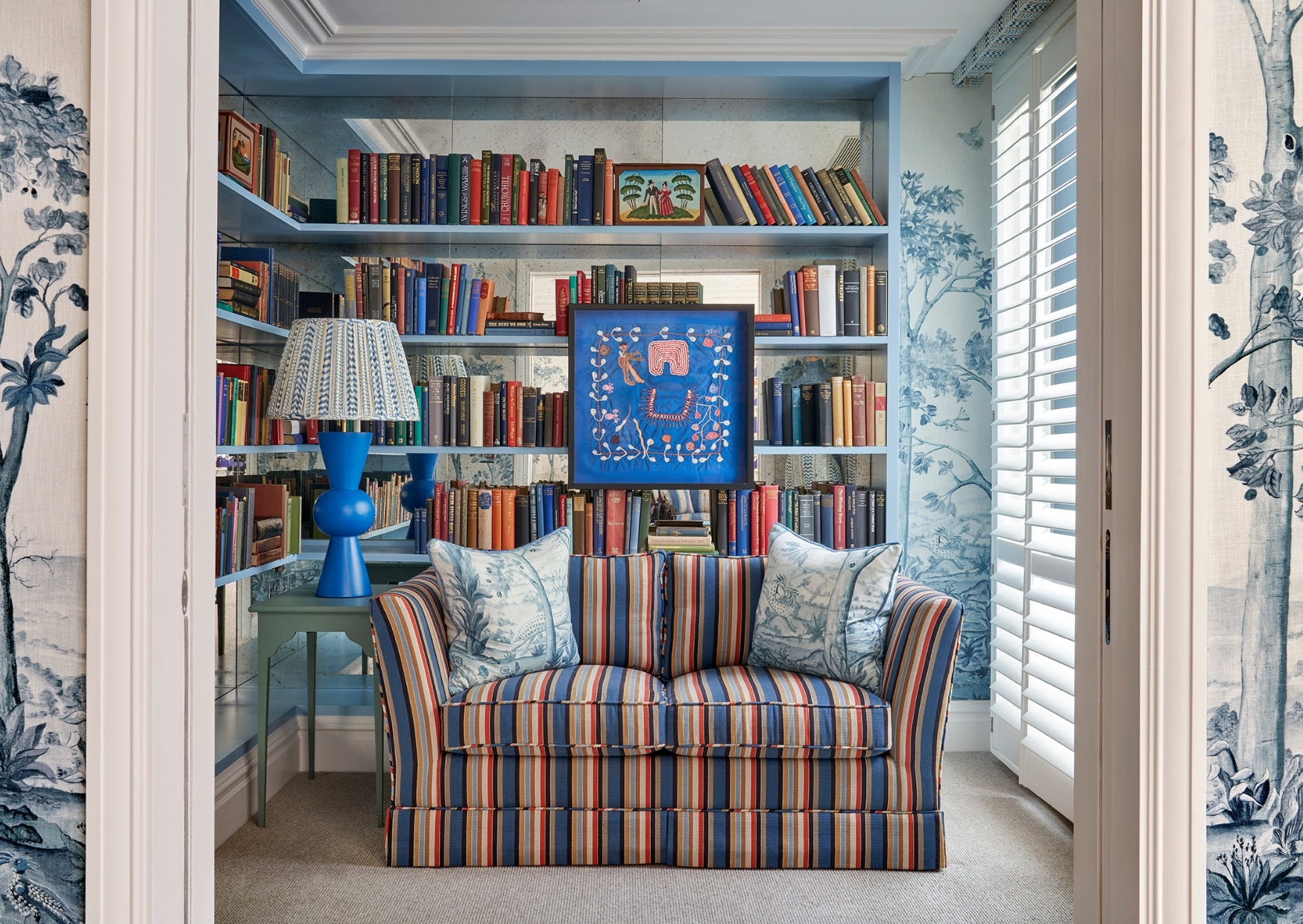
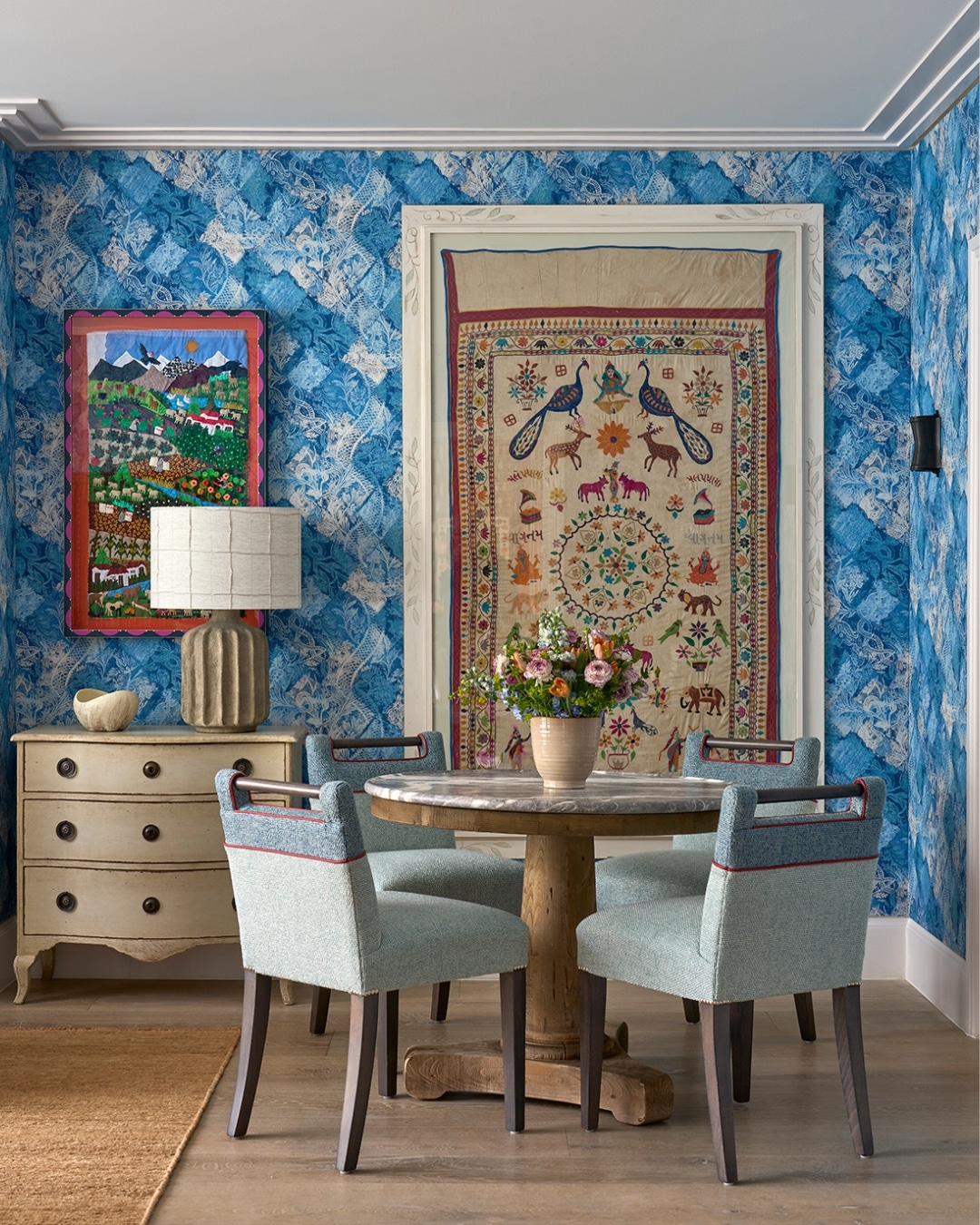
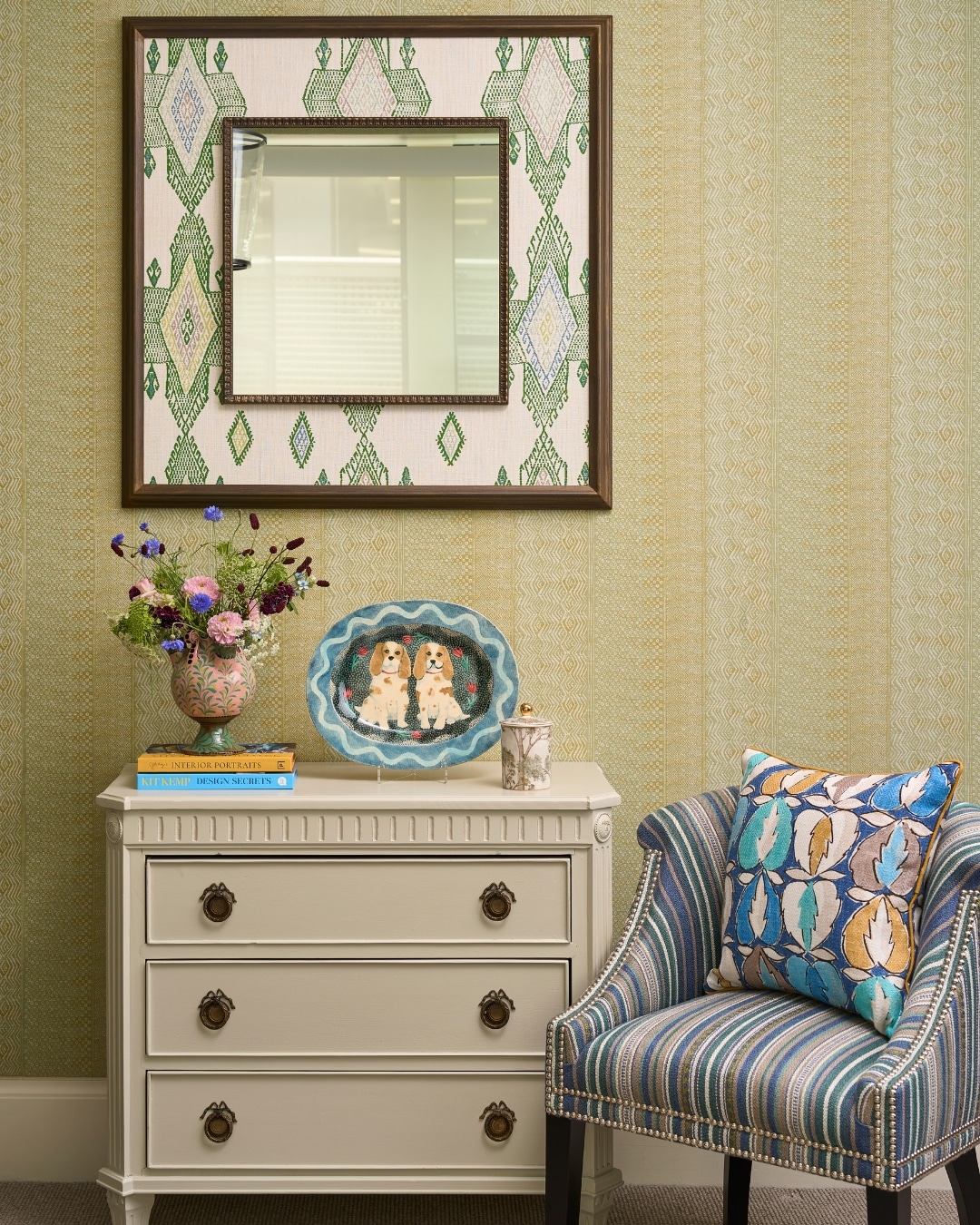
Soft furnishings absorb sound, reduce echo and bring a sense of warmth that paint simply cannot achieve. We love incorporating fabric on walls as it creates an immediate feeling of comfort and arrival the moment you step into a room.
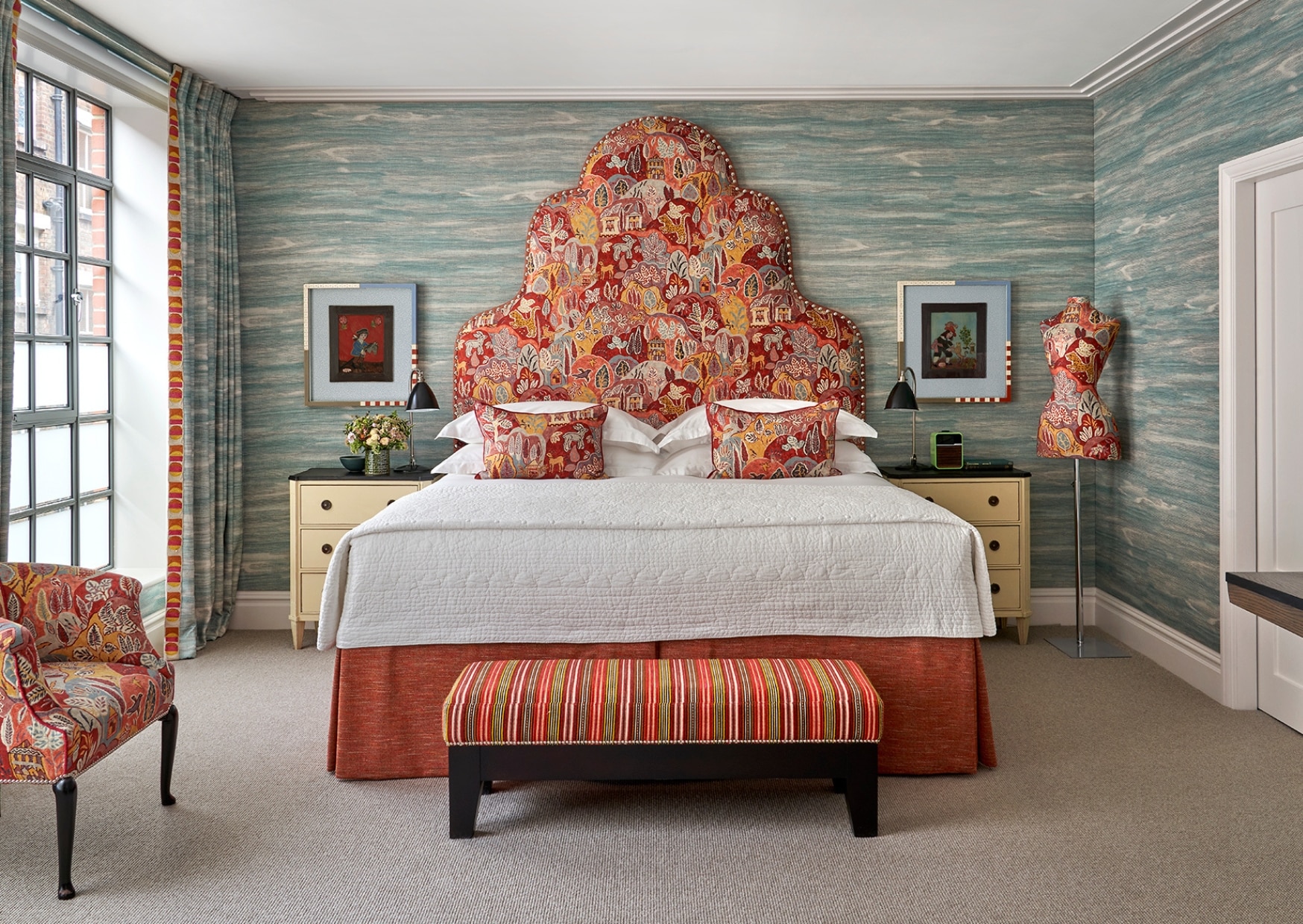
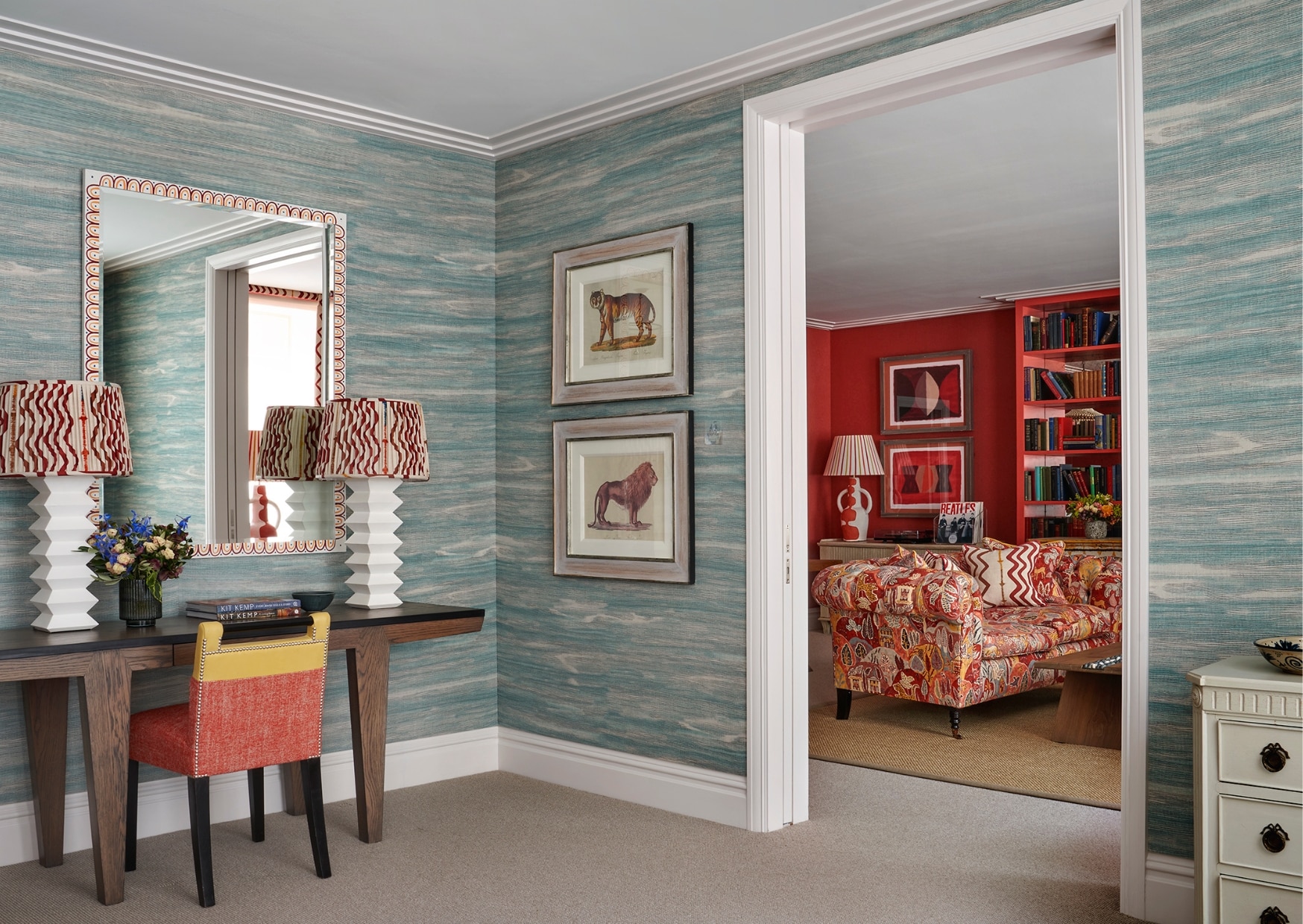
Working with fabric also opens up opportunities to layer textures and patterns, allowing a fuller and more expressive story to unfold.
Lampshades
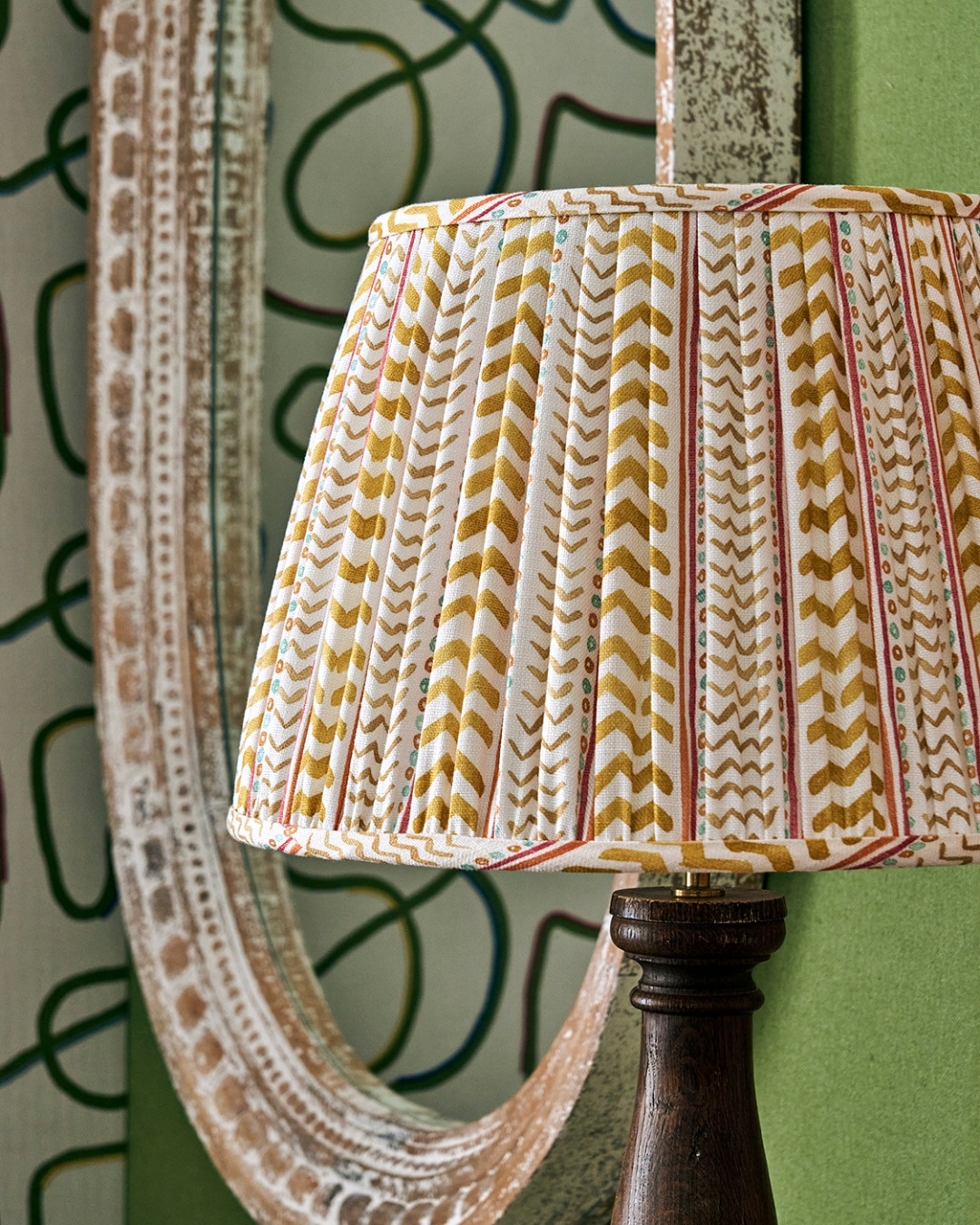
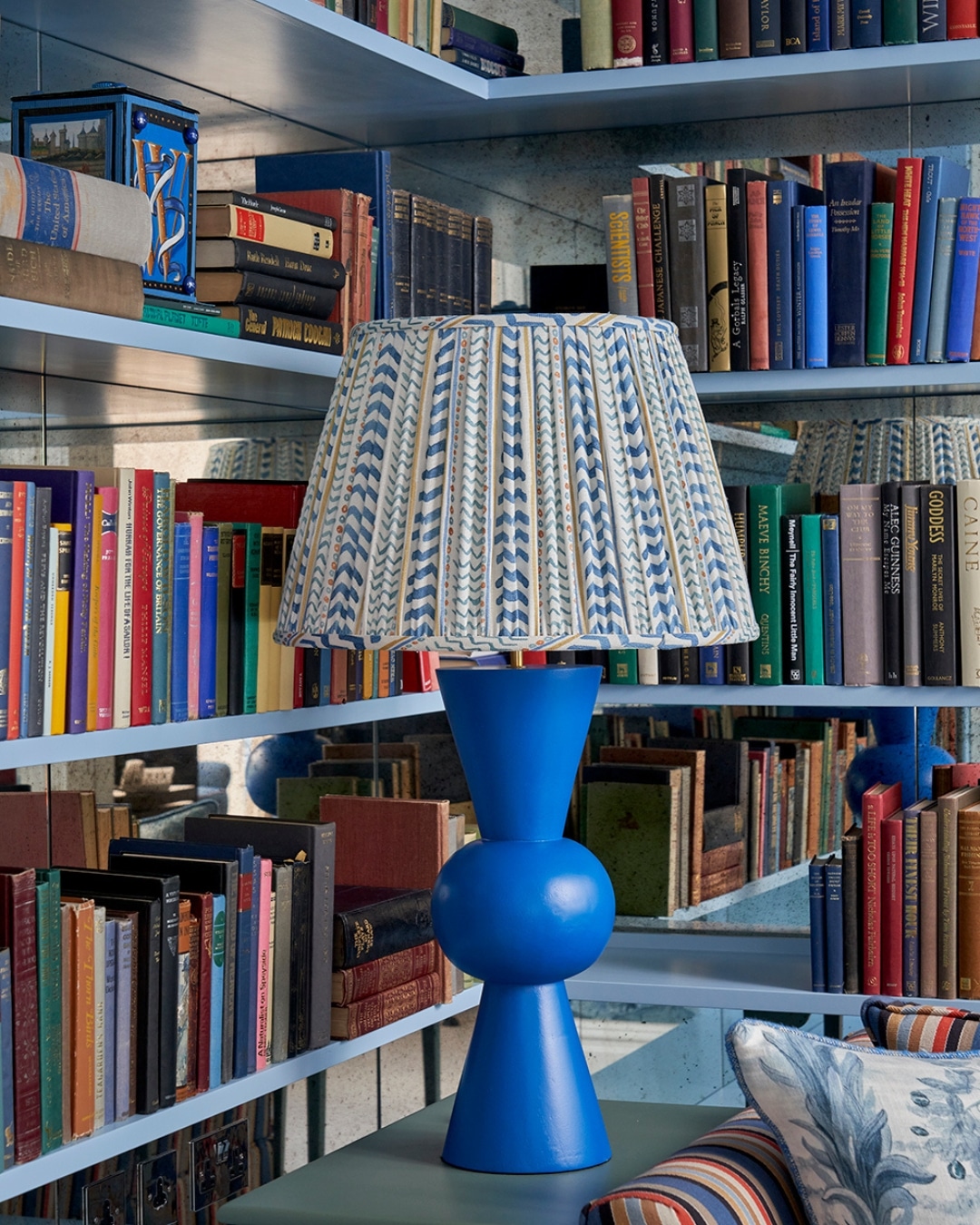
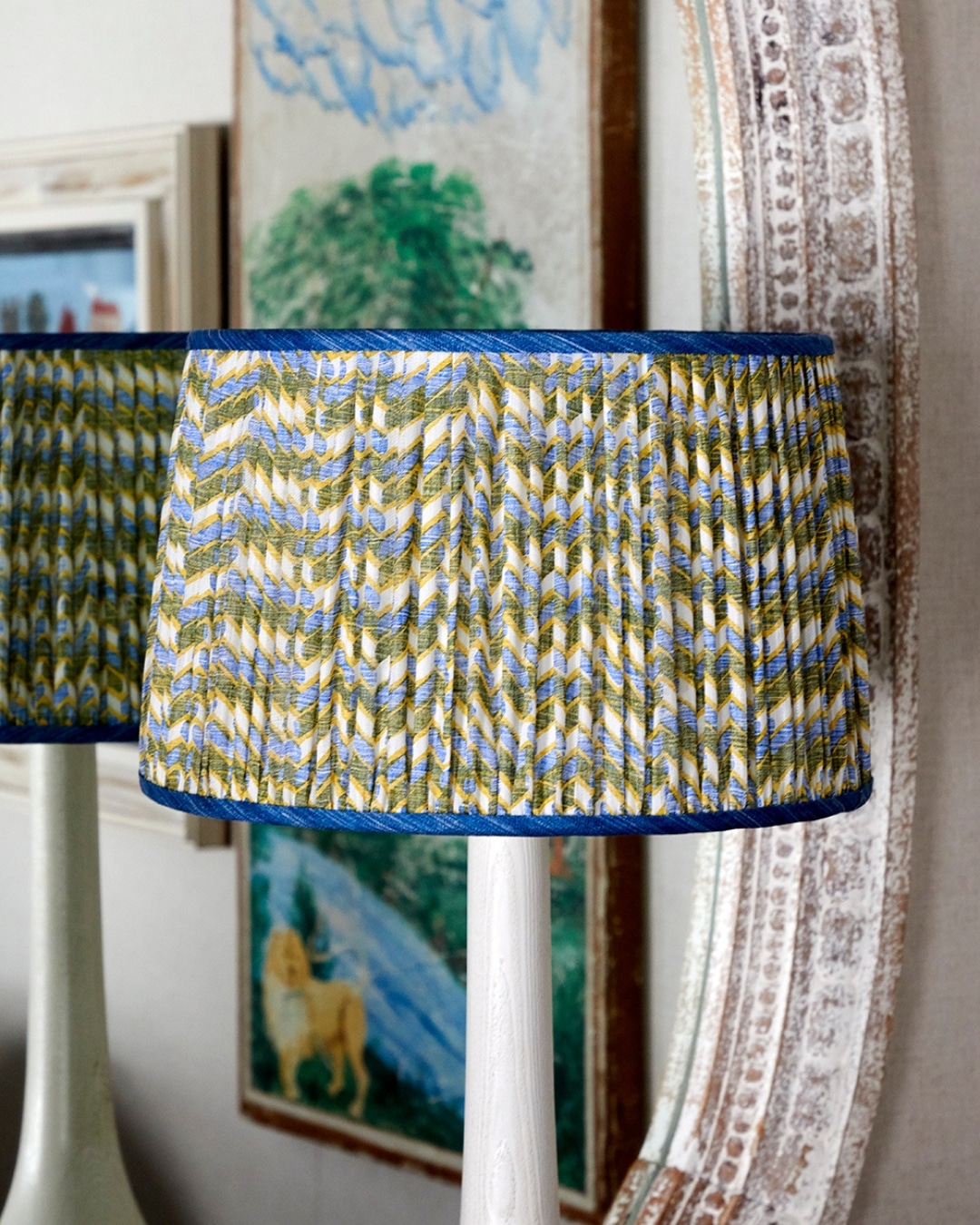
Where a painted or card lampshade directs light in a single way, a fabric shade filters and softens it. Linen, in particular, diffuses the glow beautifully, creating a gentle and inviting atmosphere. Whether gathered or tailored, fabric lampshades lend a thoughtful, handcrafted quality to a space.
Columns
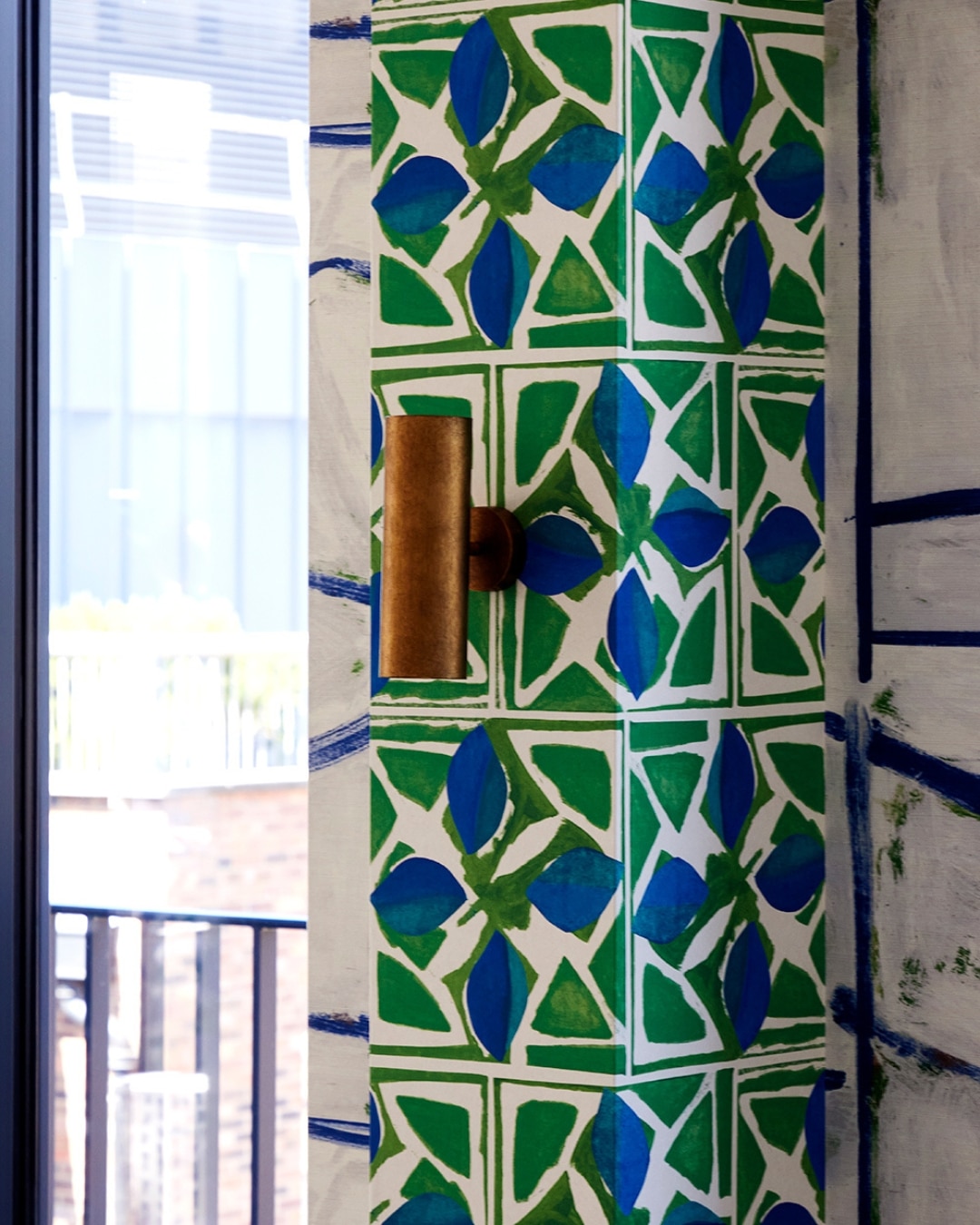
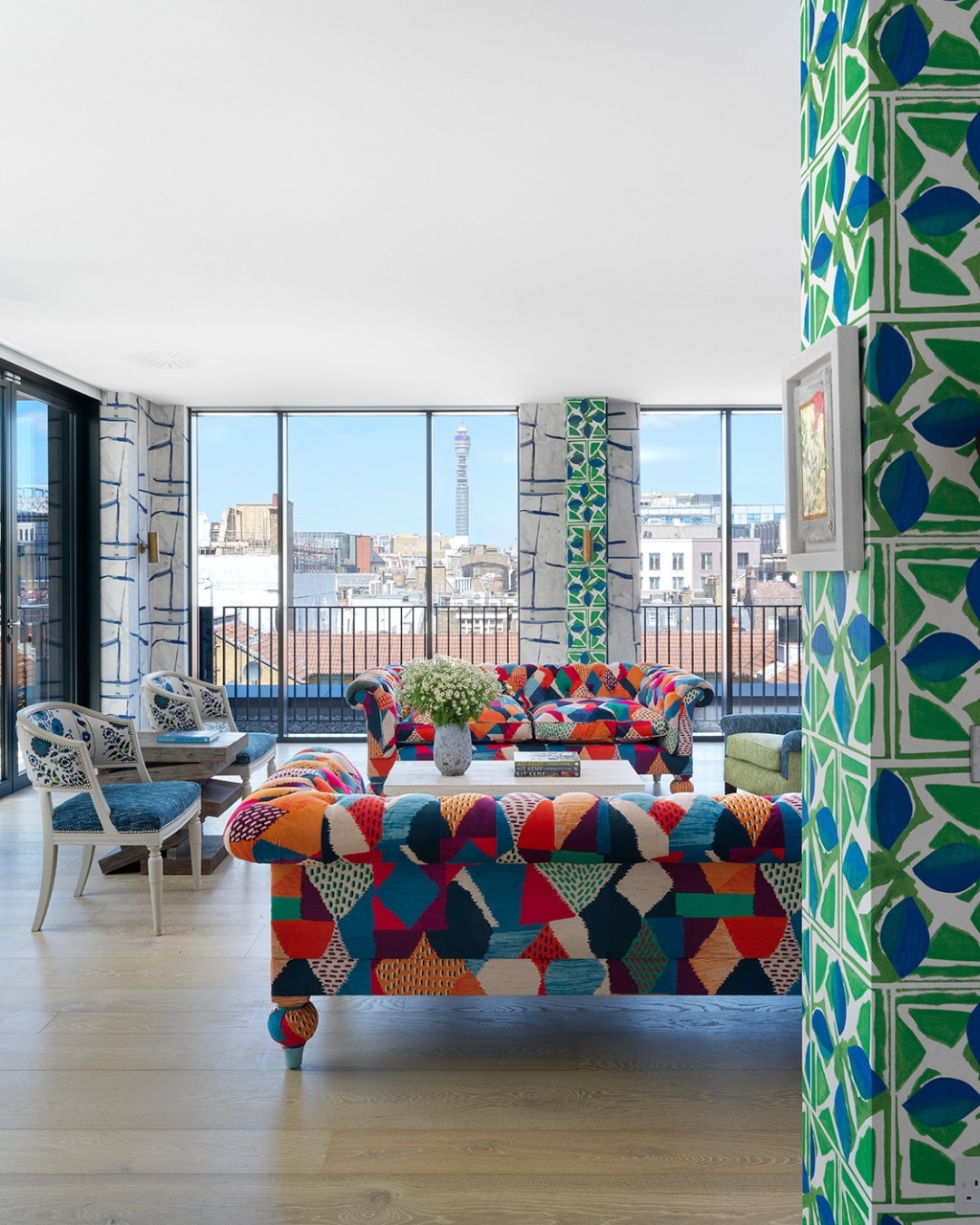
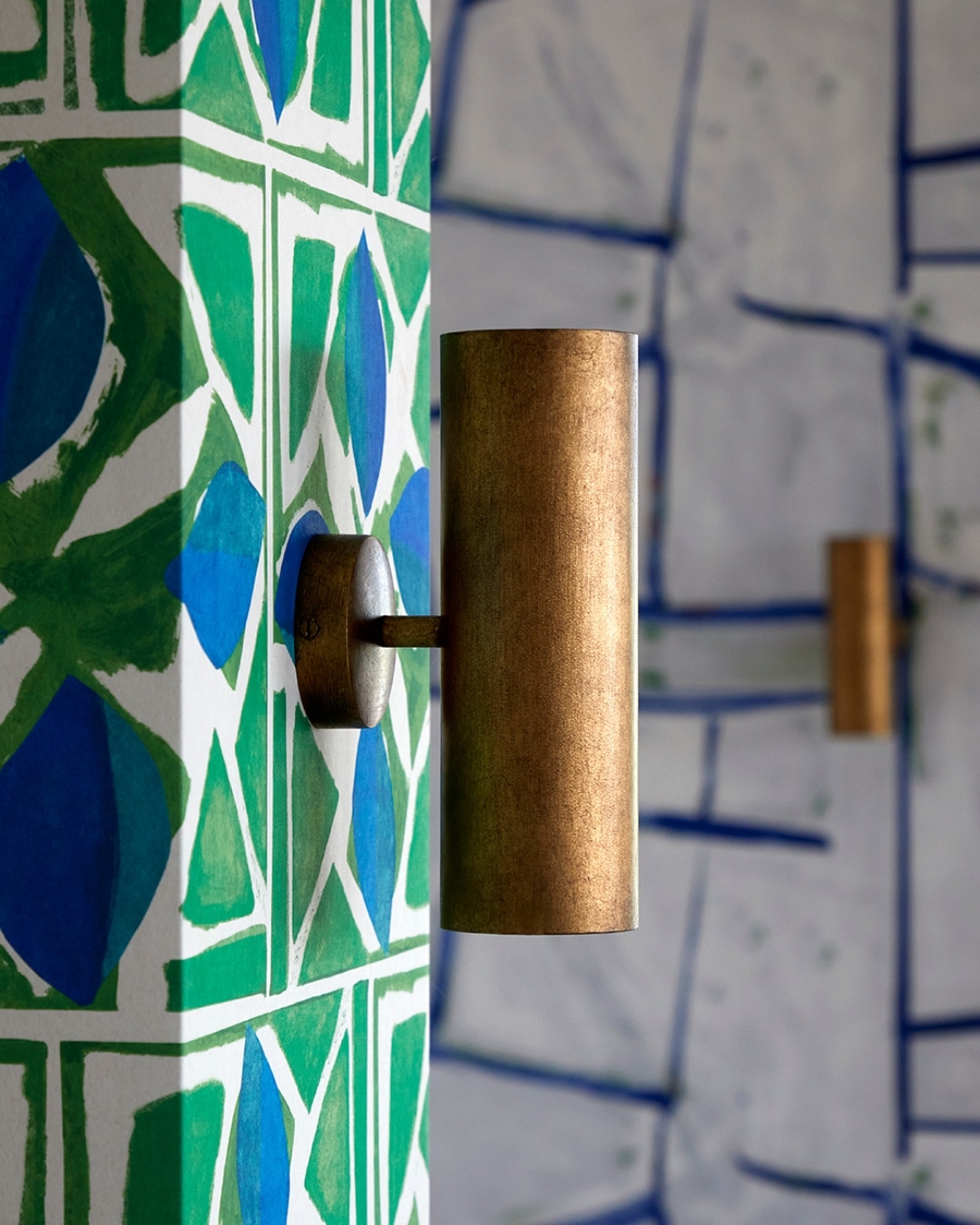
Columns are often large, prominent and awkwardly placed. Rather than concealing them, they can be transformed into a feature. Wrapping them in fabric, such as a bold graphic or tile-inspired pattern, adds character and turns an inconvenience into a statement.
Chests
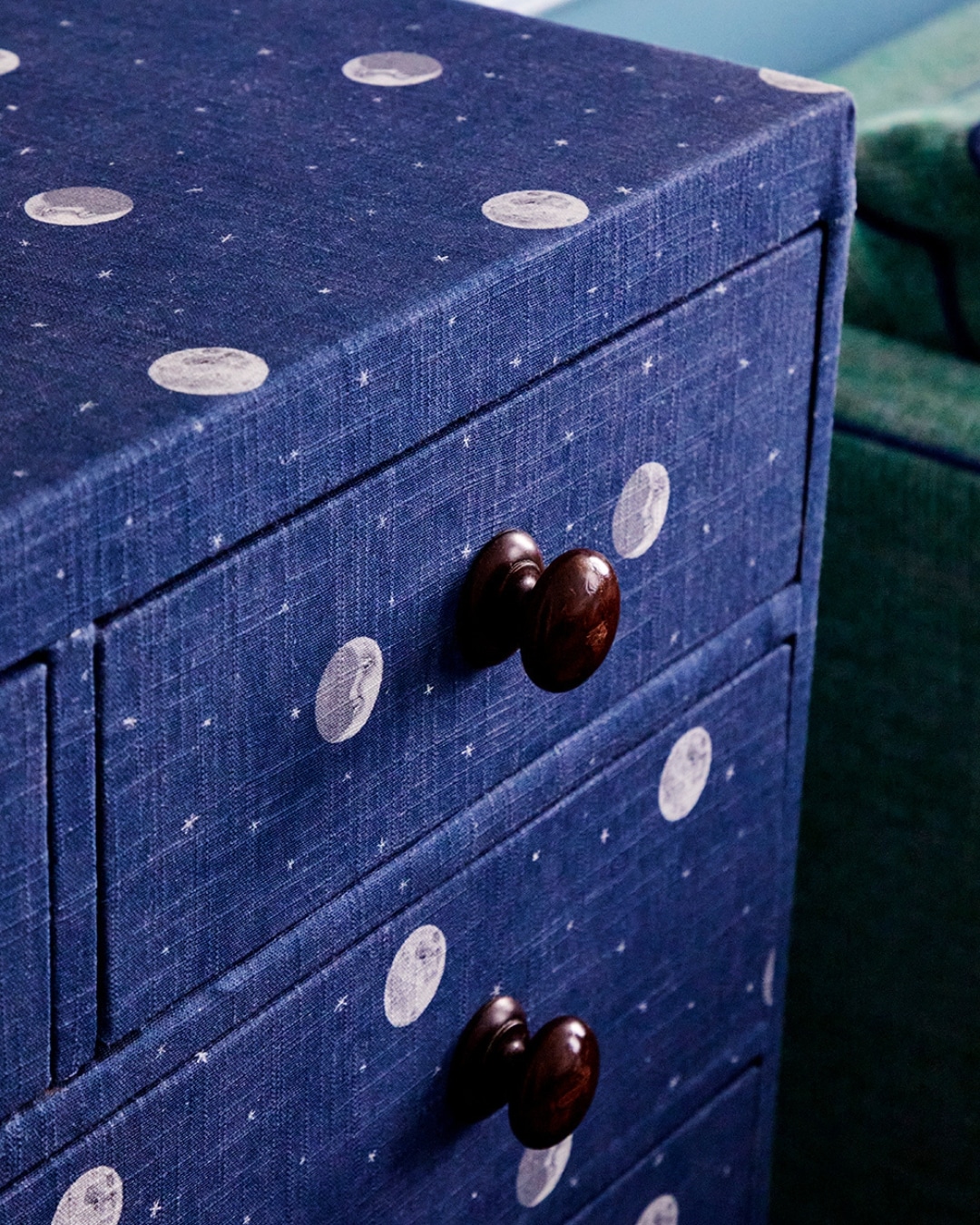
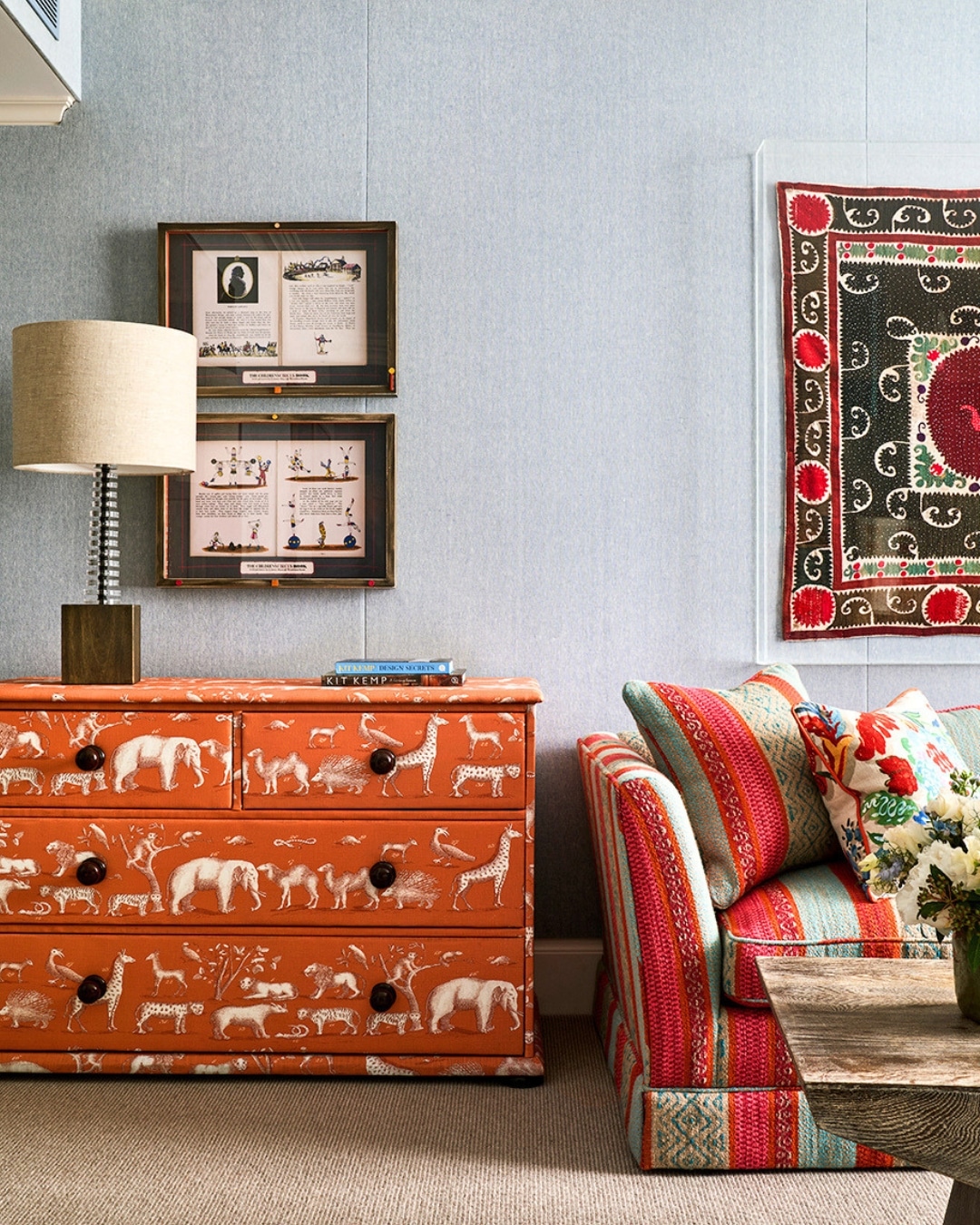
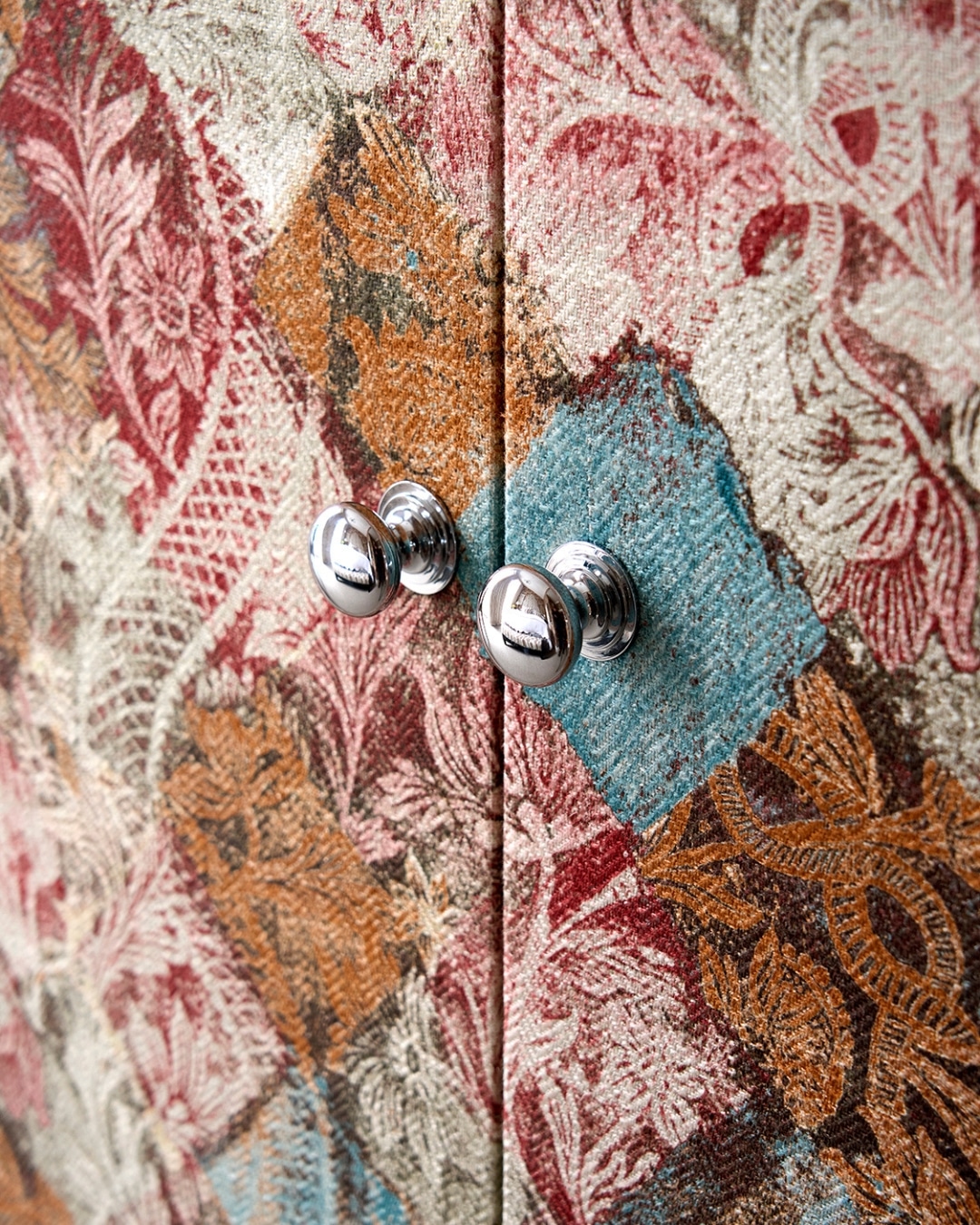
A painted chest of drawers is always appealing, but a fabric-covered piece can be just as striking. It introduces texture, creates a distinctive look and allows for more fluid, organic shapes that complement the rest of the room. It can also become a unique piece that evolves with the space over time.
Artwork
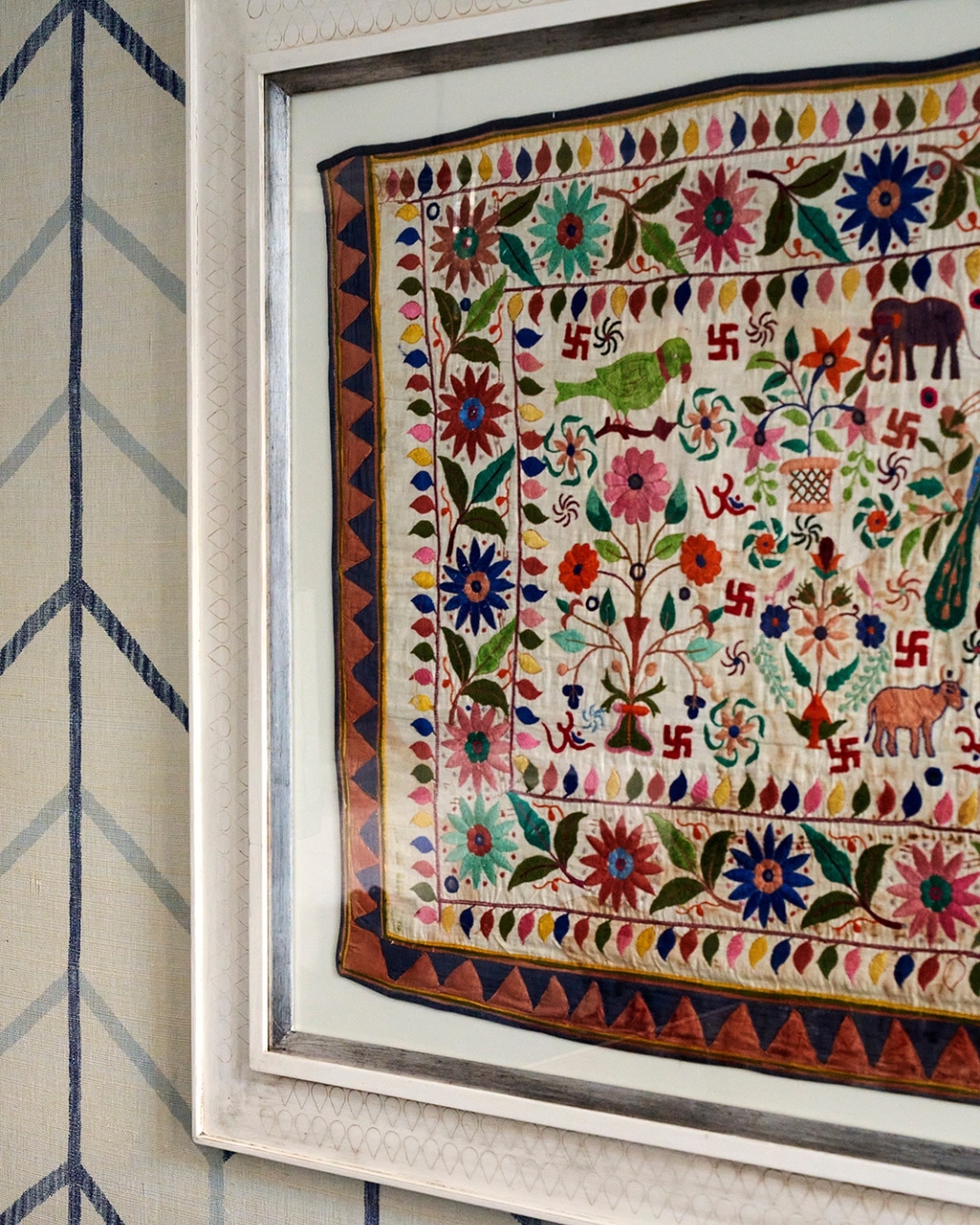
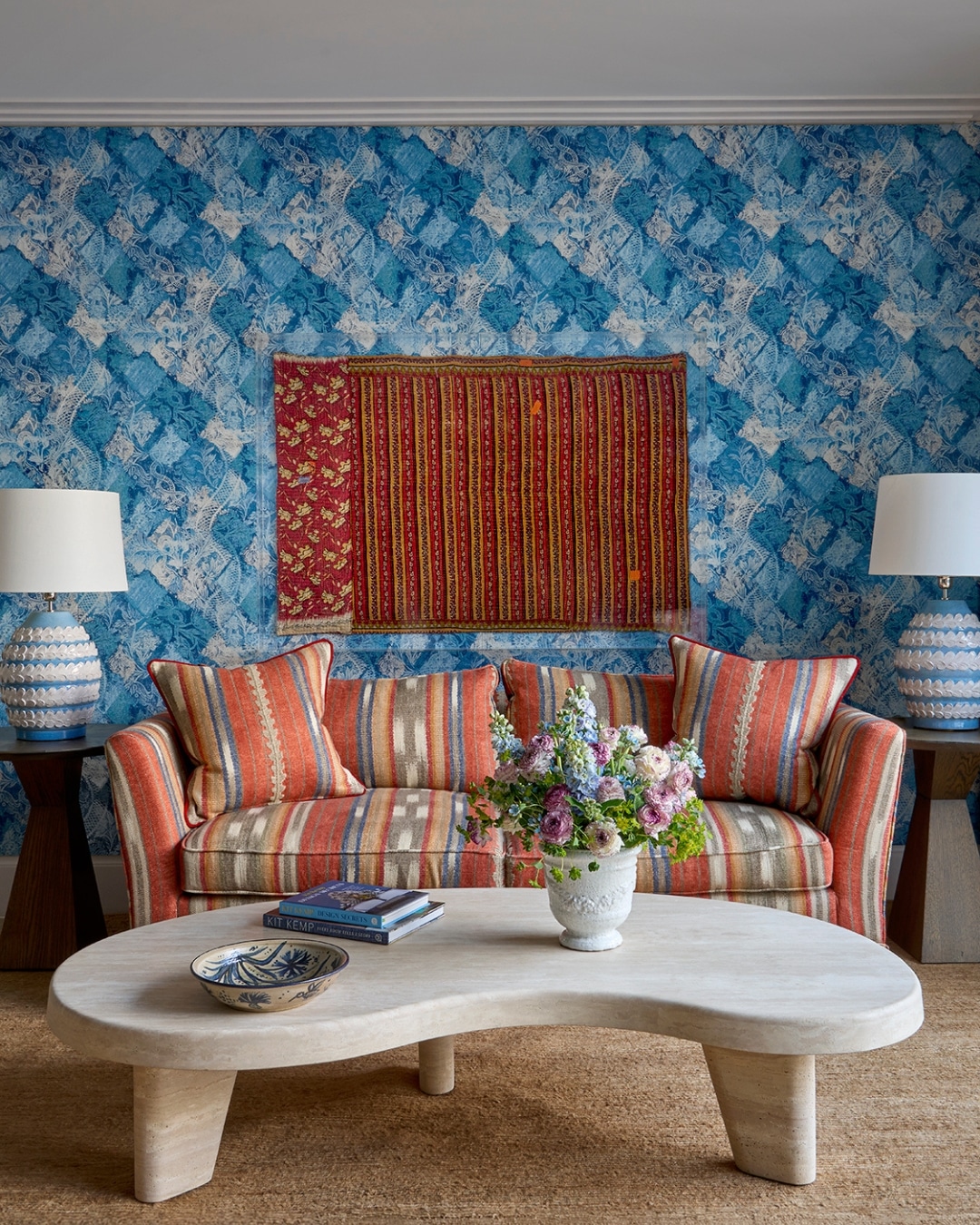
In rooms already filled with painted artwork, a tapestry offers balance and a fresh point of interest. Positioned above a sofa and framed simply, it can become a focal point. The intricate detail of woven textiles often invites closer attention and conversation.
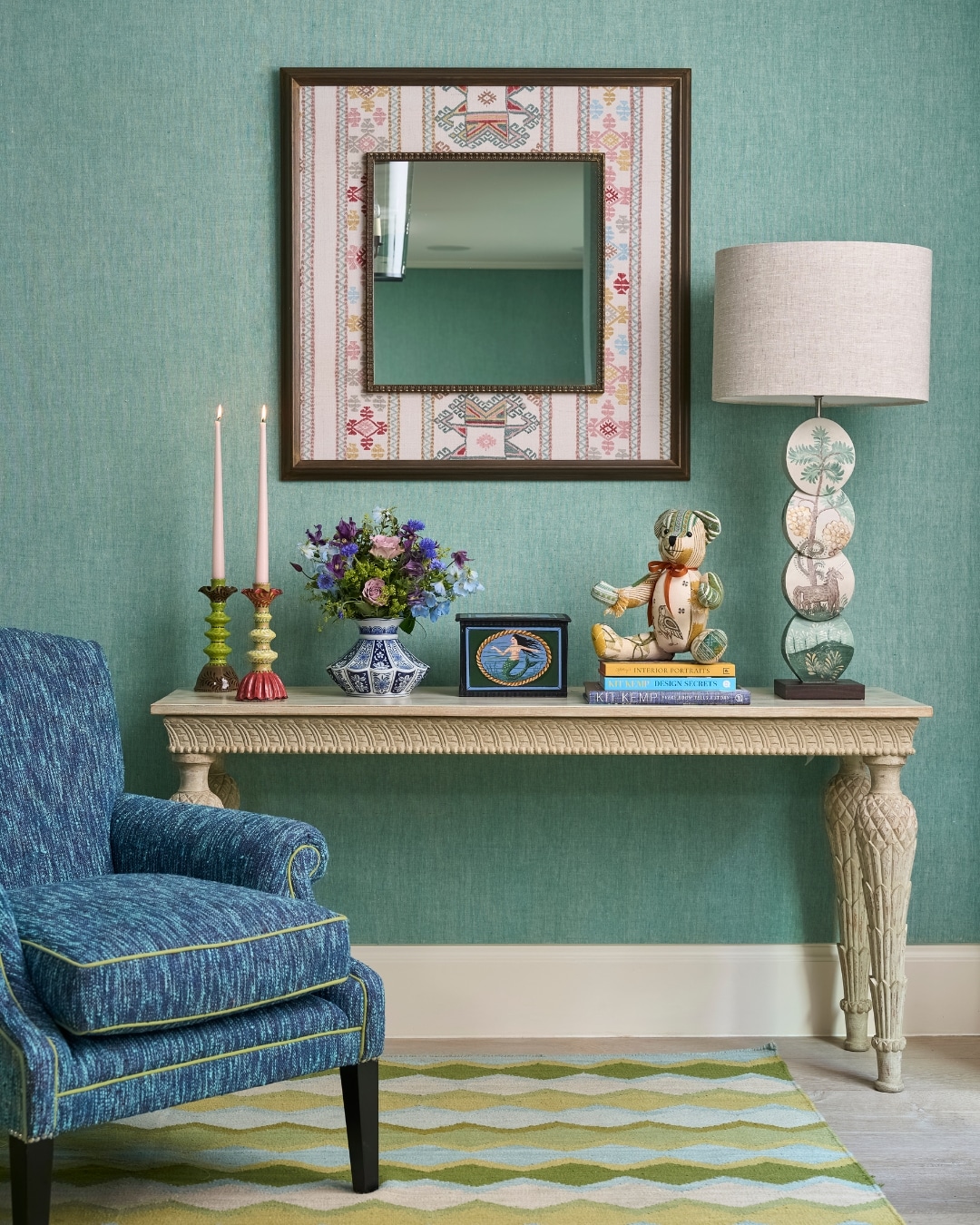
A fabric framed mirror can also become a decorative feature in its own right, adding interest to something otherwise simple. Set against plain walls, the contrast between the solid form and patterned fabric brings an extra layer of visual richness. If you have a spare mirror at home, it is well worth experimenting.
The surfaces we tend to overlook are often the ones with the most potential. When fabric replaces paint, a room becomes warmer, more personal and more alive. It is a subtle shift, but one with lasting impact, reminding us that in design, the most compelling choices are rarely the most obvious.