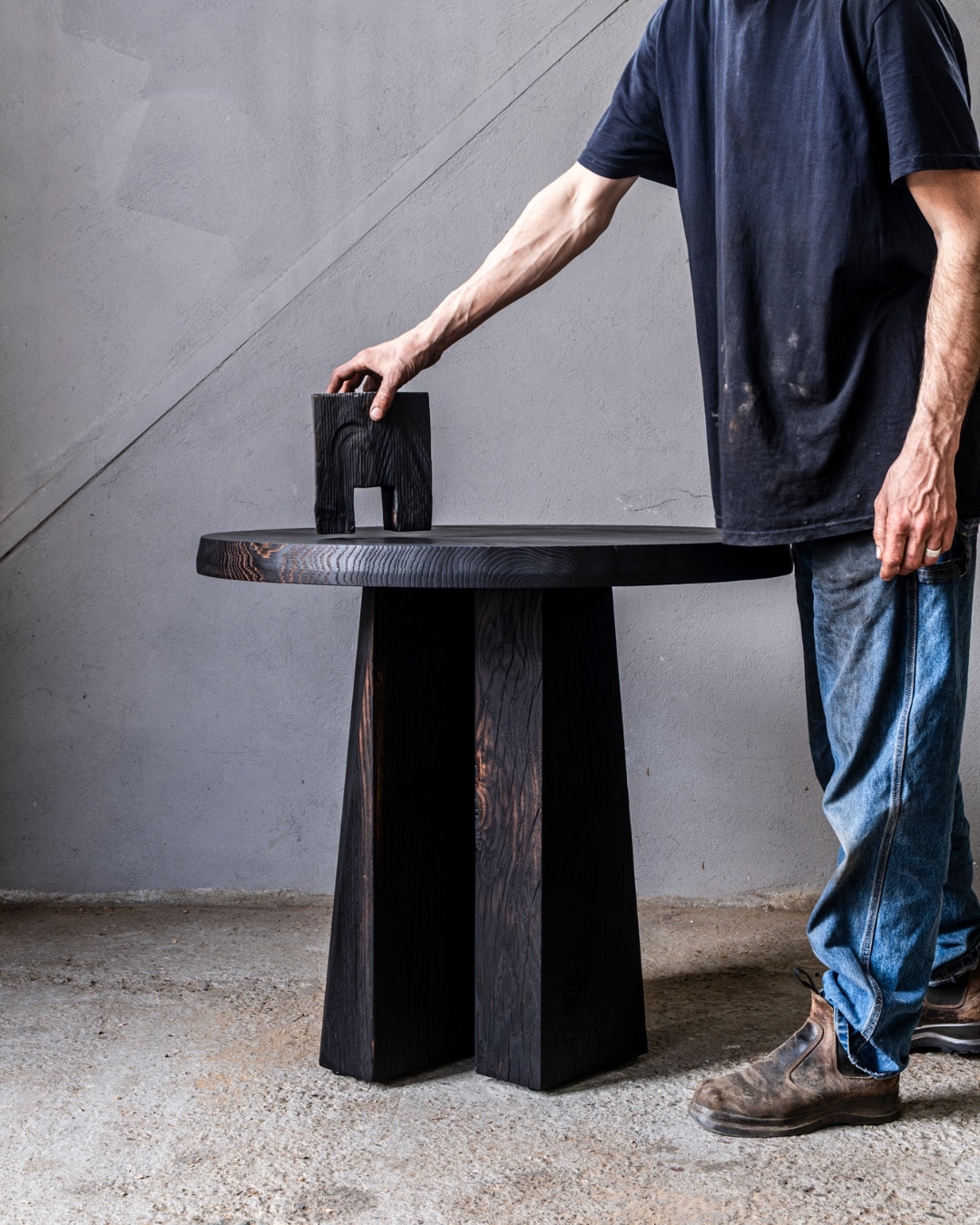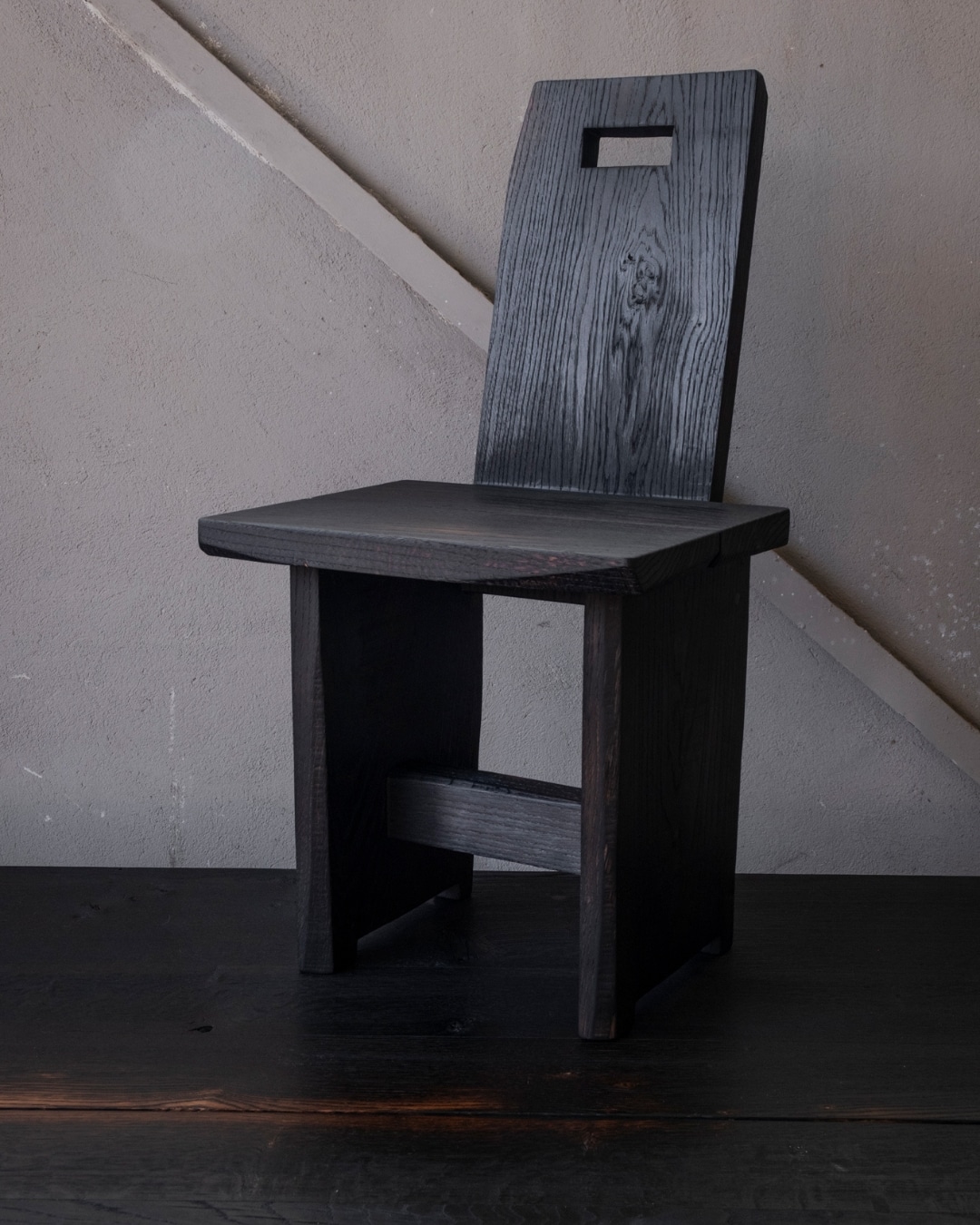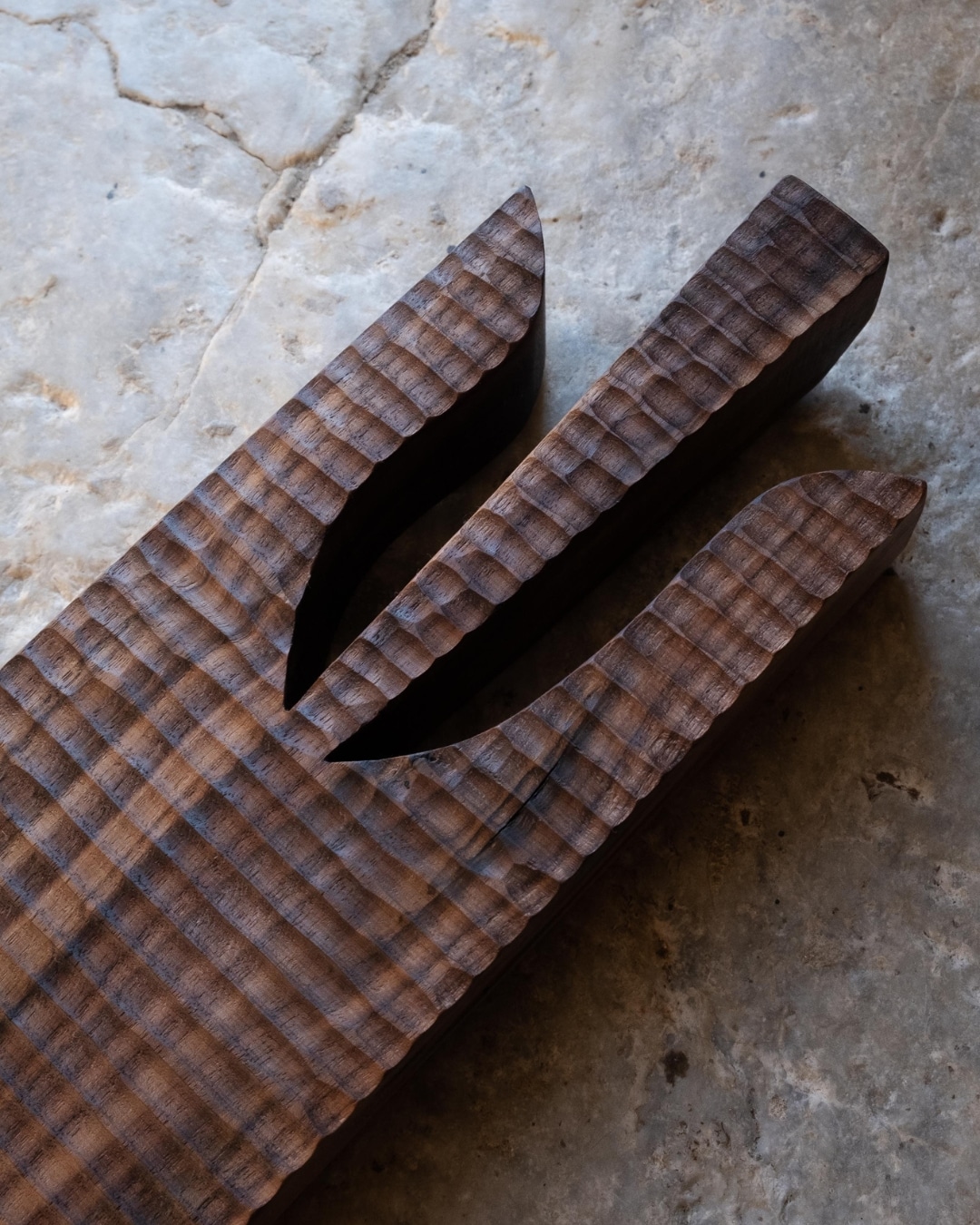

Riccardo Monte is an architect and multidisciplinary artist based in Ornavasso, Italy. Surrounded by the peaks of the Italian Alps, his practice is deeply rooted in a sense of place, drawing on time, history and materiality in their purest forms.
We’ve had the pleasure of collaborating with Riccardo on a number of projects and continue to be inspired by his honest craftsmanship and authentic, intuitive approach. Working with some of the oldest materials, he brings a quiet depth and integrity to everything he creates. On a recent visit to his studio, we were captivated by the atmosphere and the work itself, each piece reflecting a profound connection between maker and material. Join us as we meet the maker.
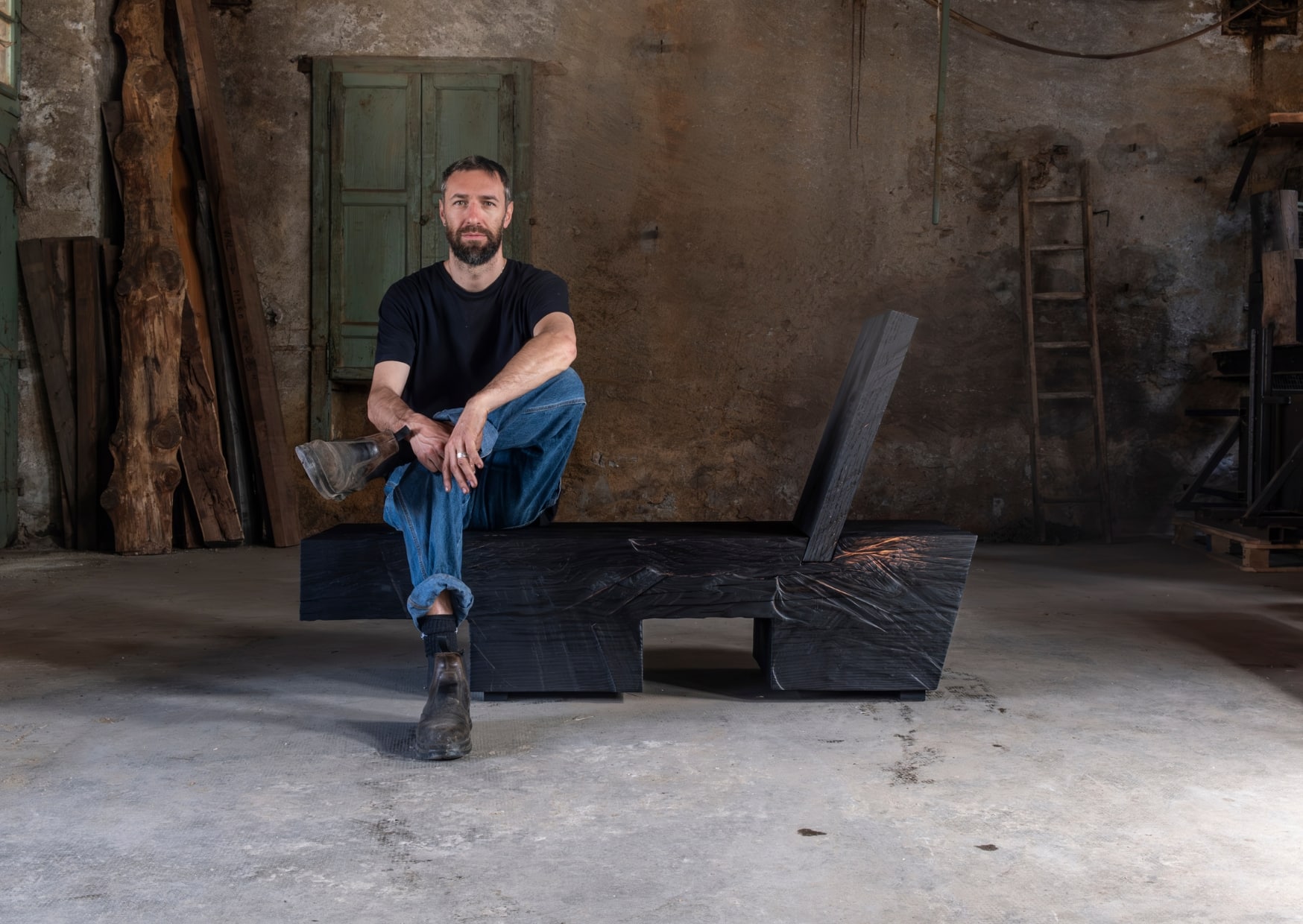
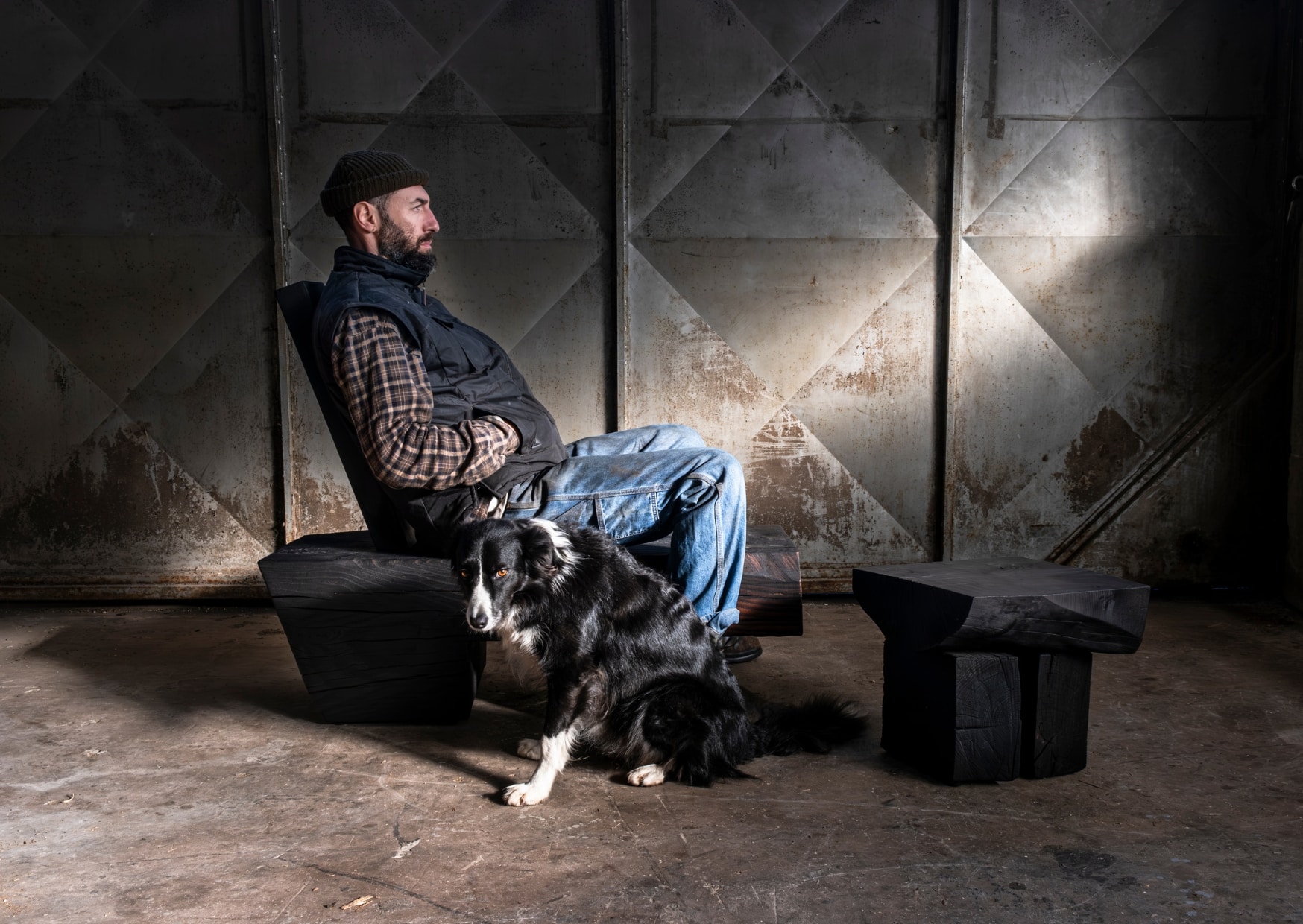
1. After eight years in London, at the forefront of contemporary architecture, you chose to return to Ornavasso – to the mountain, the stone, the silence. And then you went further, spending six months alone in a mountain cabin with no electricity. What was it that the city could no longer give you, and what did those months of solitude teach you?
I deeply loved my time in London, then I suddenly needed a change. I never thought about leaving the city but from one day to the next, things changed in my mind. Mountains were calling….and so I climbed them. London gave me so much, it opened my mind, it let me see things from another perspective, in a different way and I am so grateful to have had this experience. Also, I met Katie there.
I decided to travel, India perhaps. But then I thought that I could find all I needed in the solitude of a family cabin at 1500m above sea level. No one ever lived there during snowy winter, no road to access, no electricity and no internet connection. This was the right place. It has been the best time. I really lived like a mountain man, chopping wood to keep me warm, reading in front of the fire for hours, walking through the forest. A charcoal drawing was always on the table, all the magic began there. Sadly, spring arrived and it was time for me to go back down to civilisation.
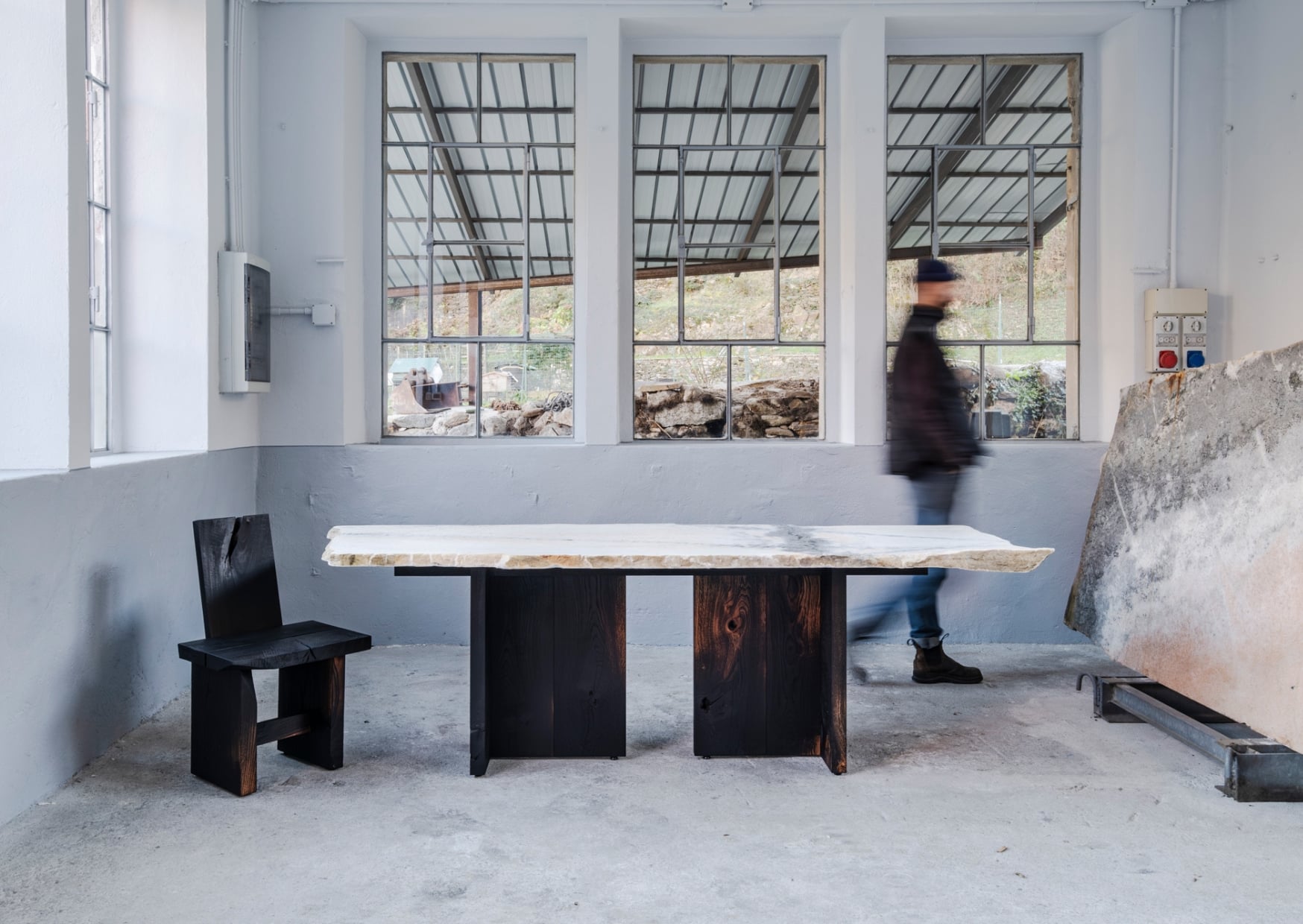
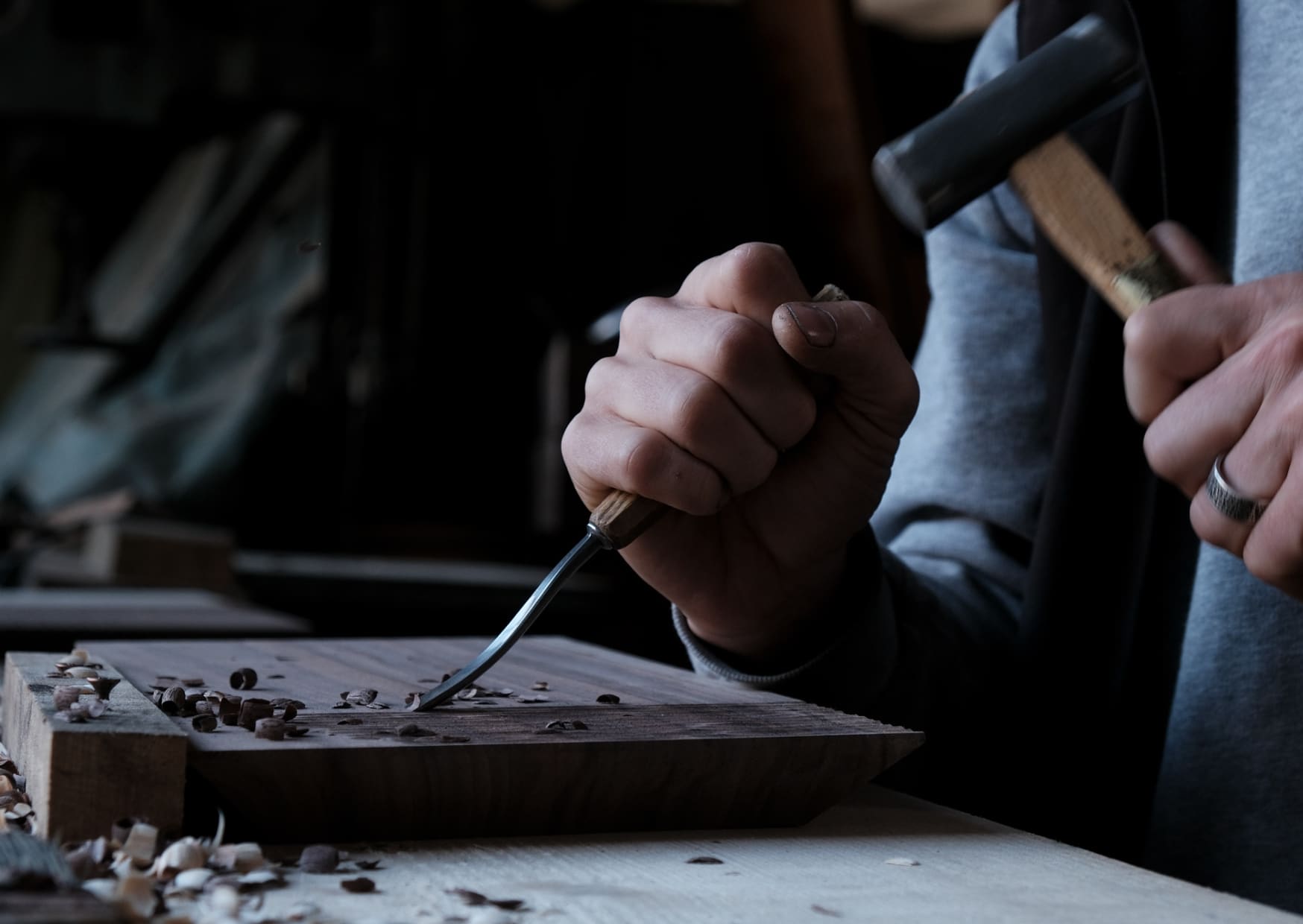
2. The mountain shaped you long before you ever chose to be an architect and artist. When you begin a new piece – whether a building, a furniture object, or an installation – where does it actually start? Is it the material, the place, a feeling?
We set up an important rule. We do what we enjoy doing. We do it with passion and dedication. All our projects come from the idea that if we make or design something we like, we believe that someone else would enjoy it too. “Start something new, stop making sense, logic is predictable, think differently” these words are not mine but are written by Paul Smith and they are always been a source of inspiration for me.
We are always interested in looking for a concept behind any project we approach. Studying history, what is left by who lived before us, what they did and how they did. Then the aim is to create something that expresses our vision, making something long-lasting without following any trends.
Through the process we like to express our ideas, our lifestyle and values. Our work aims to reflect what we wish society would look like: simple, genuine, peaceful, honest, intelligent, dreaming and so on.
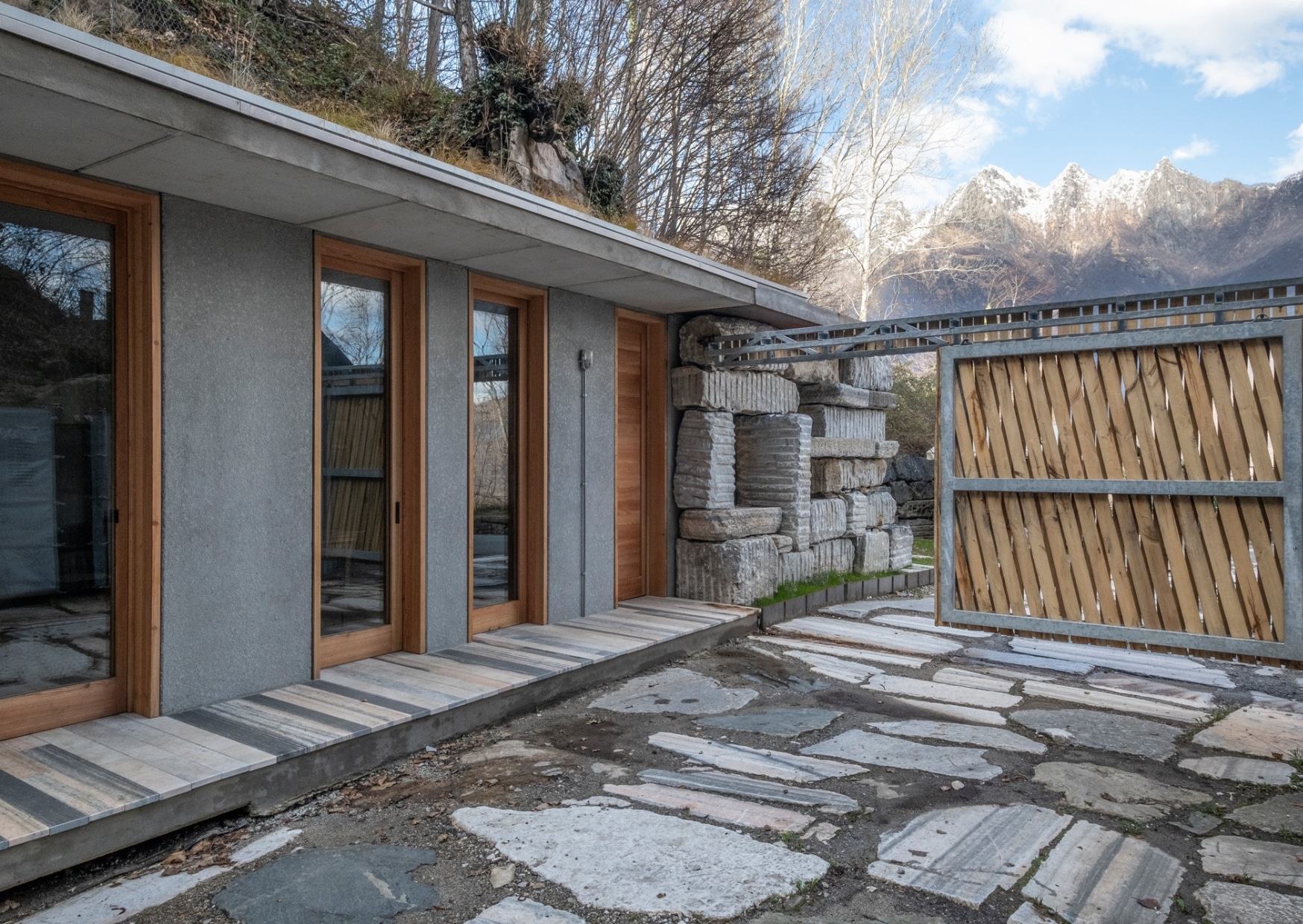
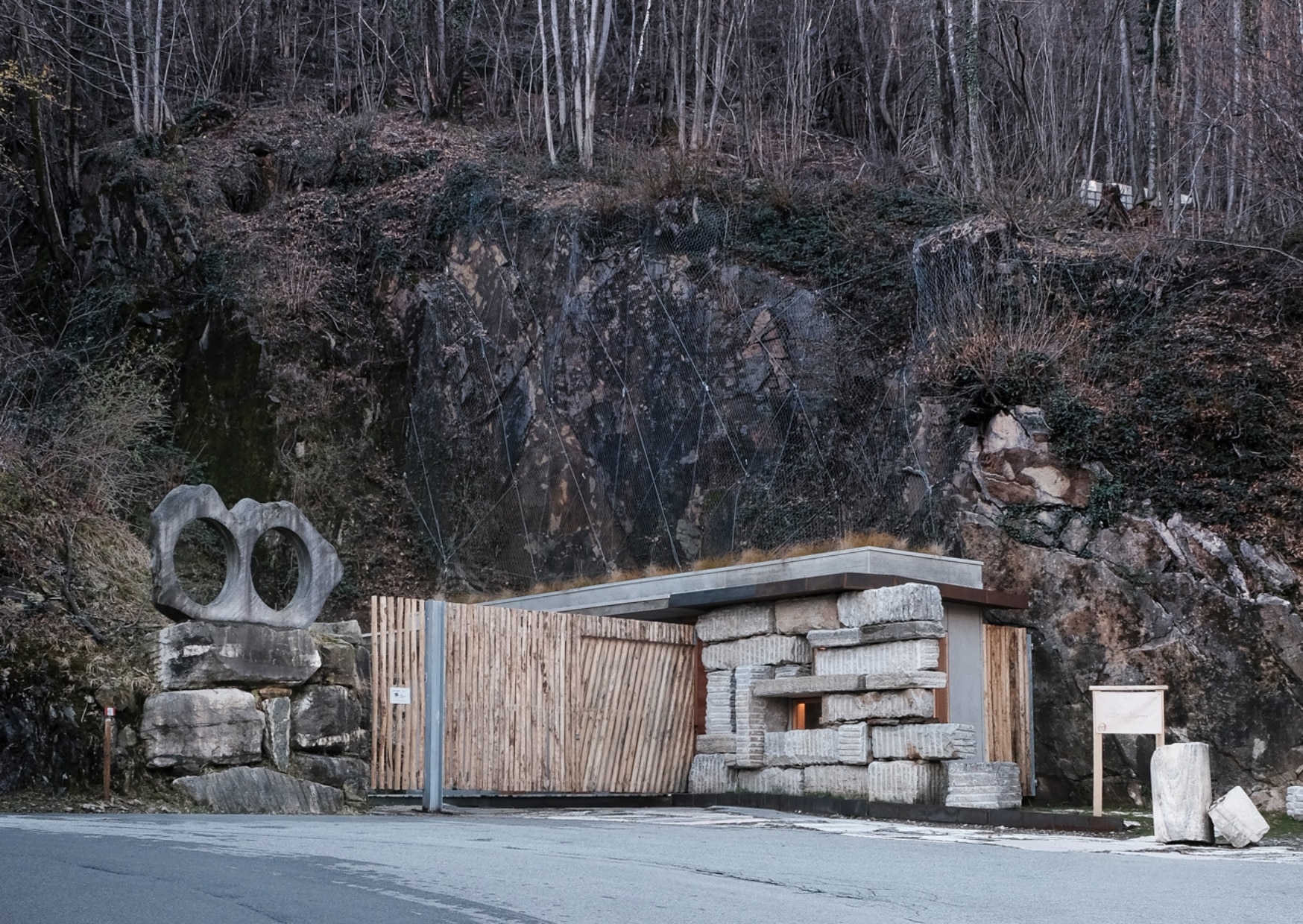
3. You have adopted Shou Sugi Ban – an ancient Japanese technique of charring timber for preservation. What drew you to a centuries-old Japanese craft while living in the shadow of the Italian alps?
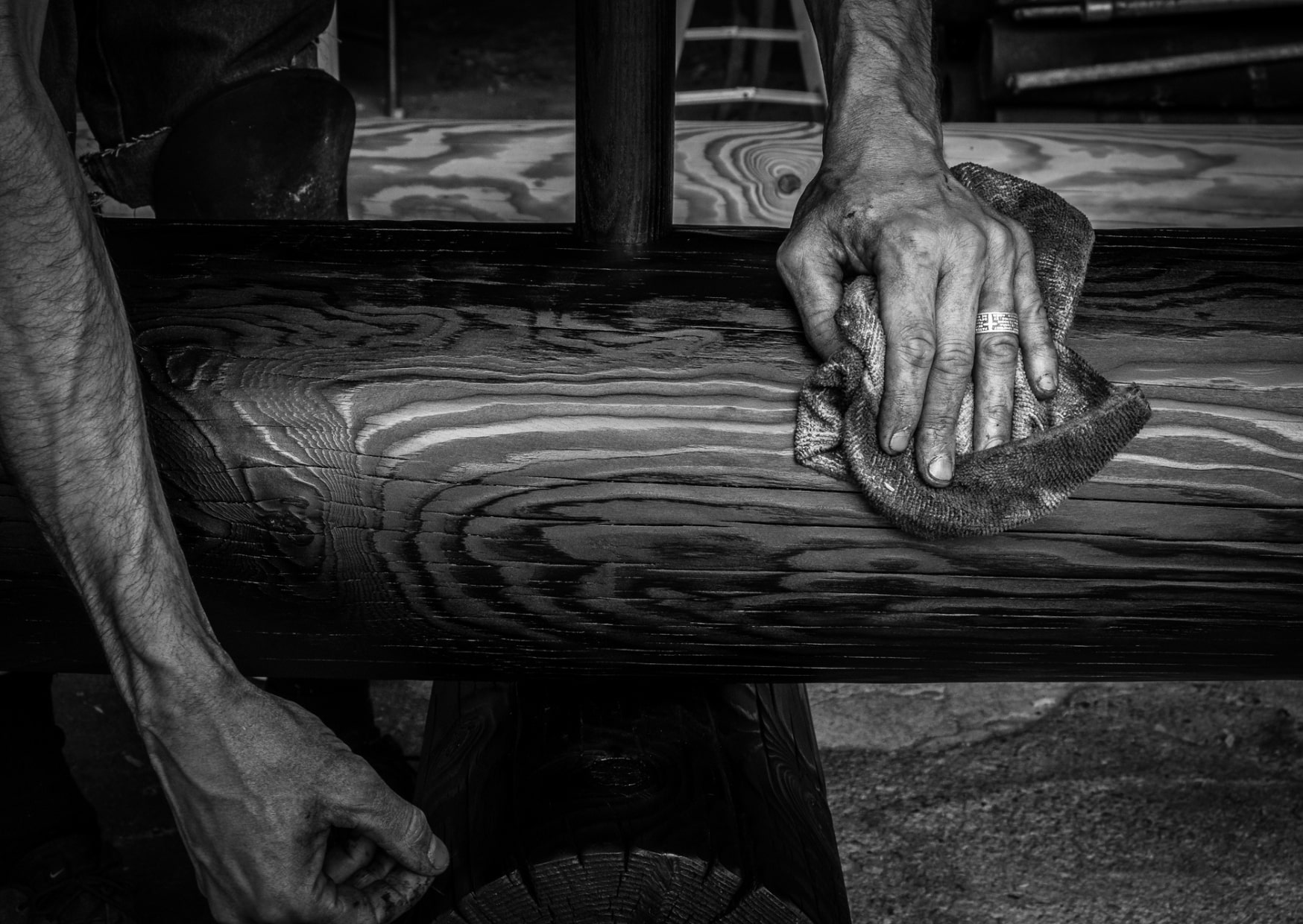
This is interesting because I did not know anything about Shou Sugi Ban, the charring techniques was taught to me by my 82-year-old neighbour. She said to me to char the posts of the grapevine structure for our garden in order to make the wood last longer. I then tried to char the wood and I said, wait a minute, I can make a little stool in that way, then it all started. The ancient Greeks and Romans used charring techniques to strengthen wood – there’s even a moment in Homer’s tale where Odysseus hardens a stake in fire before using it to blind Polyphemus, making it stronger and more resilient. It’s a story I’ve always loved.
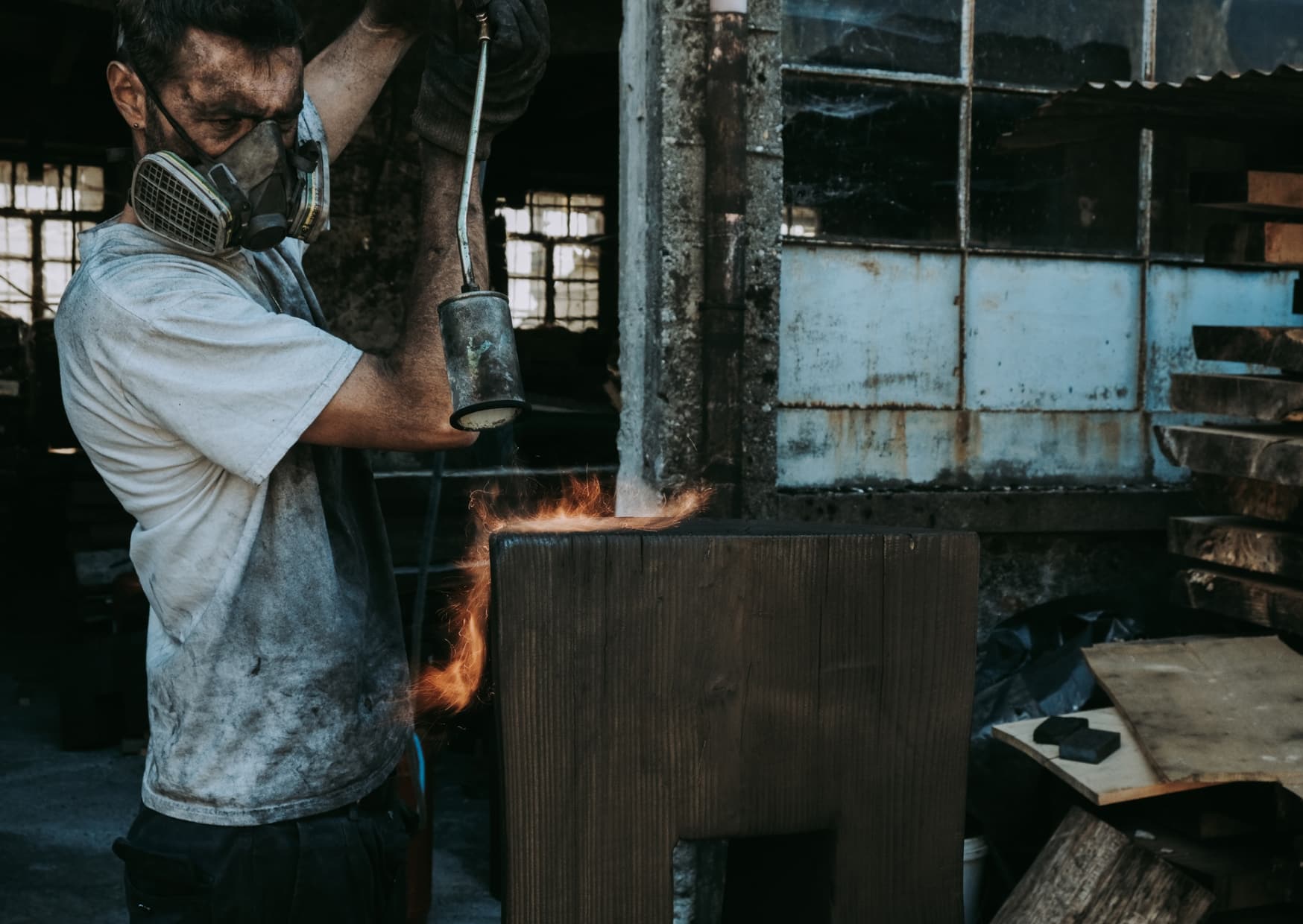
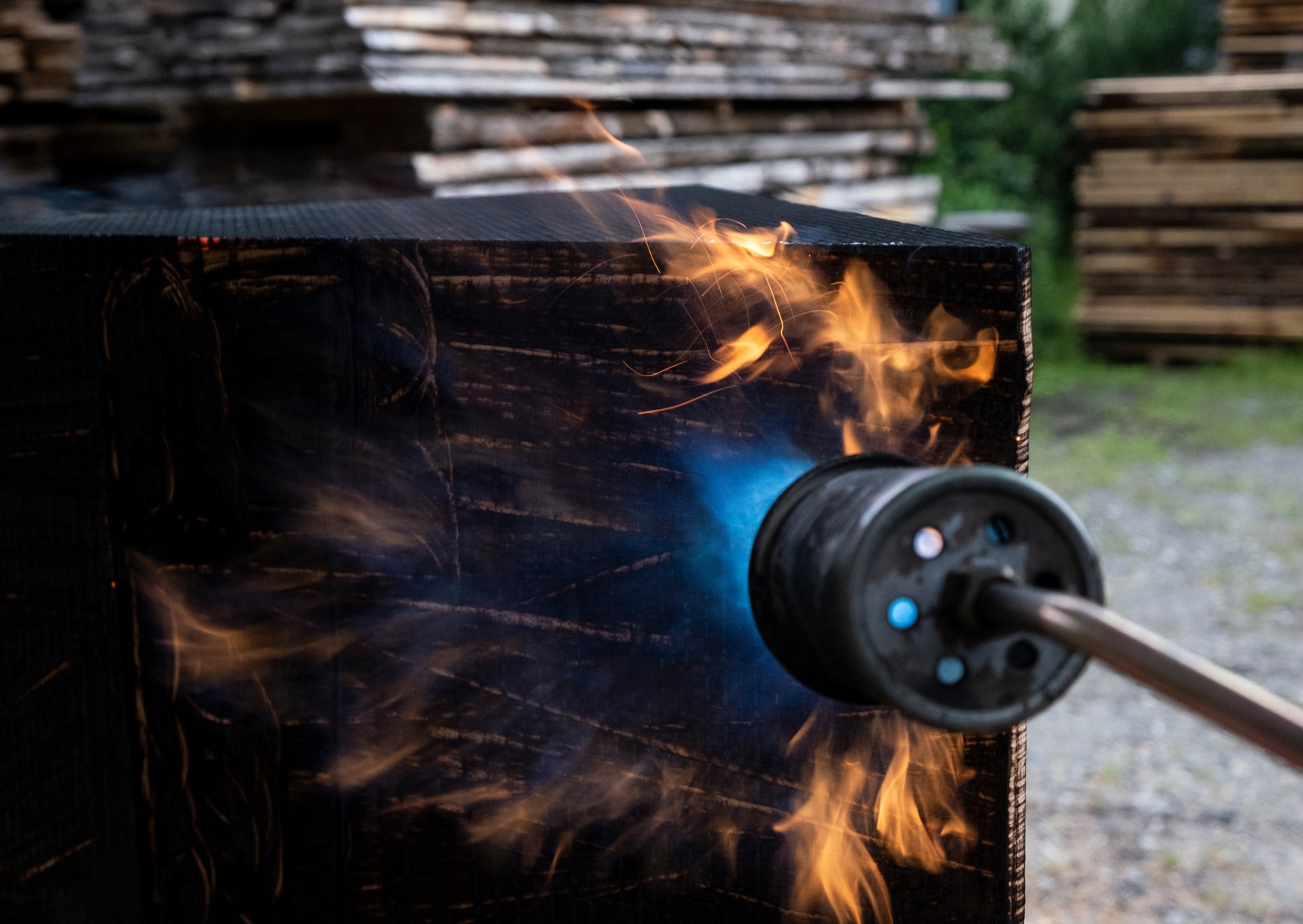
4. Stone cracks, timber splits and fire spreads beyond where you intended. Do the materials ever push back, and have they taken a piece somewhere better than you originally planned?
At one point, I wanted to call our studio “Cracks Studio” — I may still do it one day. It happens all the time. There is always an initial idea, a quick sketch or a physical model, but the most interesting part of this work is being guided by the material and its imperfections. This is what makes what we do so exciting — you never quite know the final result until the end of the making process. It can, of course, be a little stressful, as in the end we must create something that our clients love as well.
We enjoy involving our clients in the process, encouraging them to contribute with their own suggestions and ideas. They value this greatly and feel part of the journey of creating something truly special and unique. We embrace imperfection and try to help clients appreciate materials as they are — their true beauty. Most of the time, they understand this, and we feel fortunate to work with such kind and open-minded people along the way.
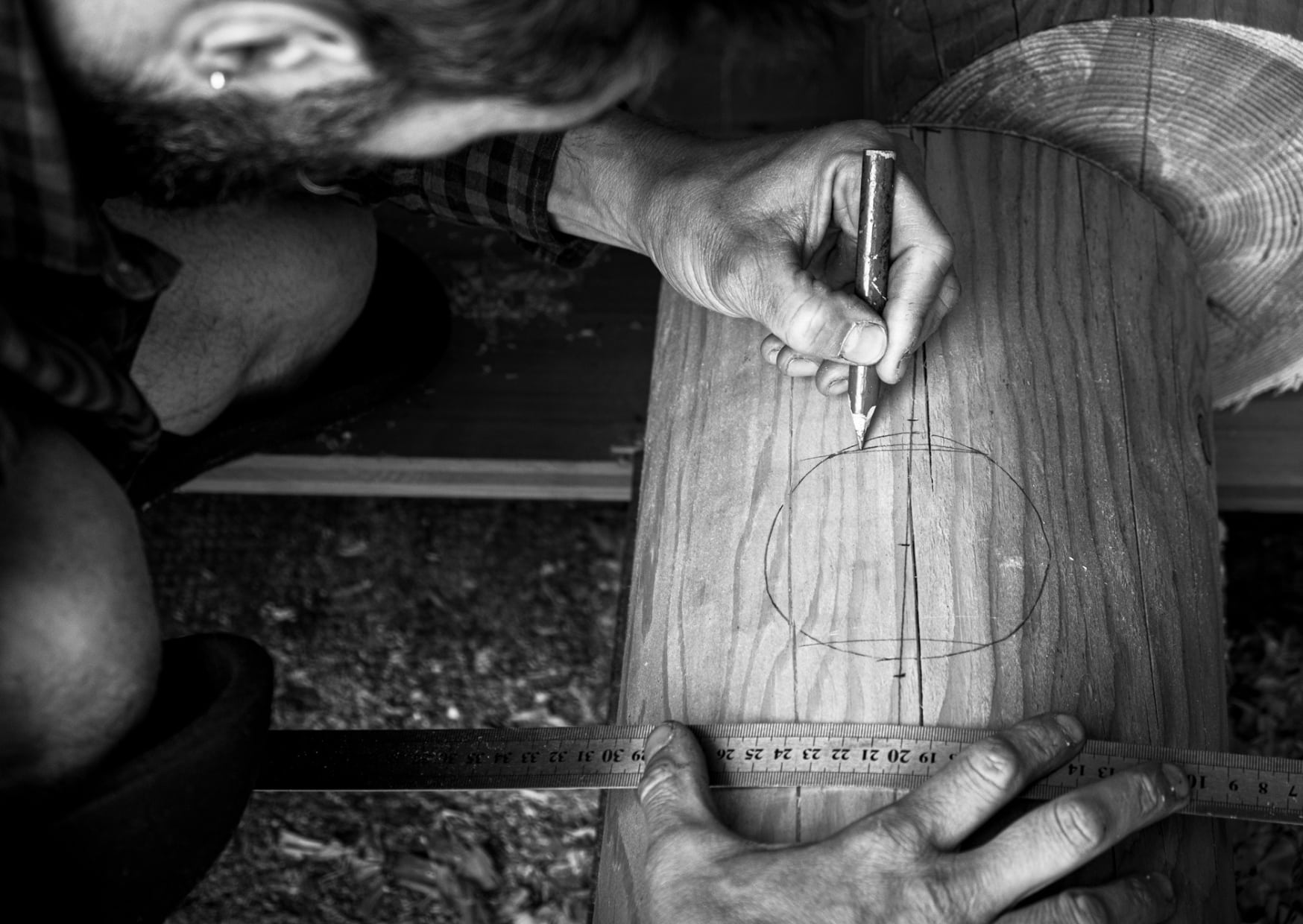
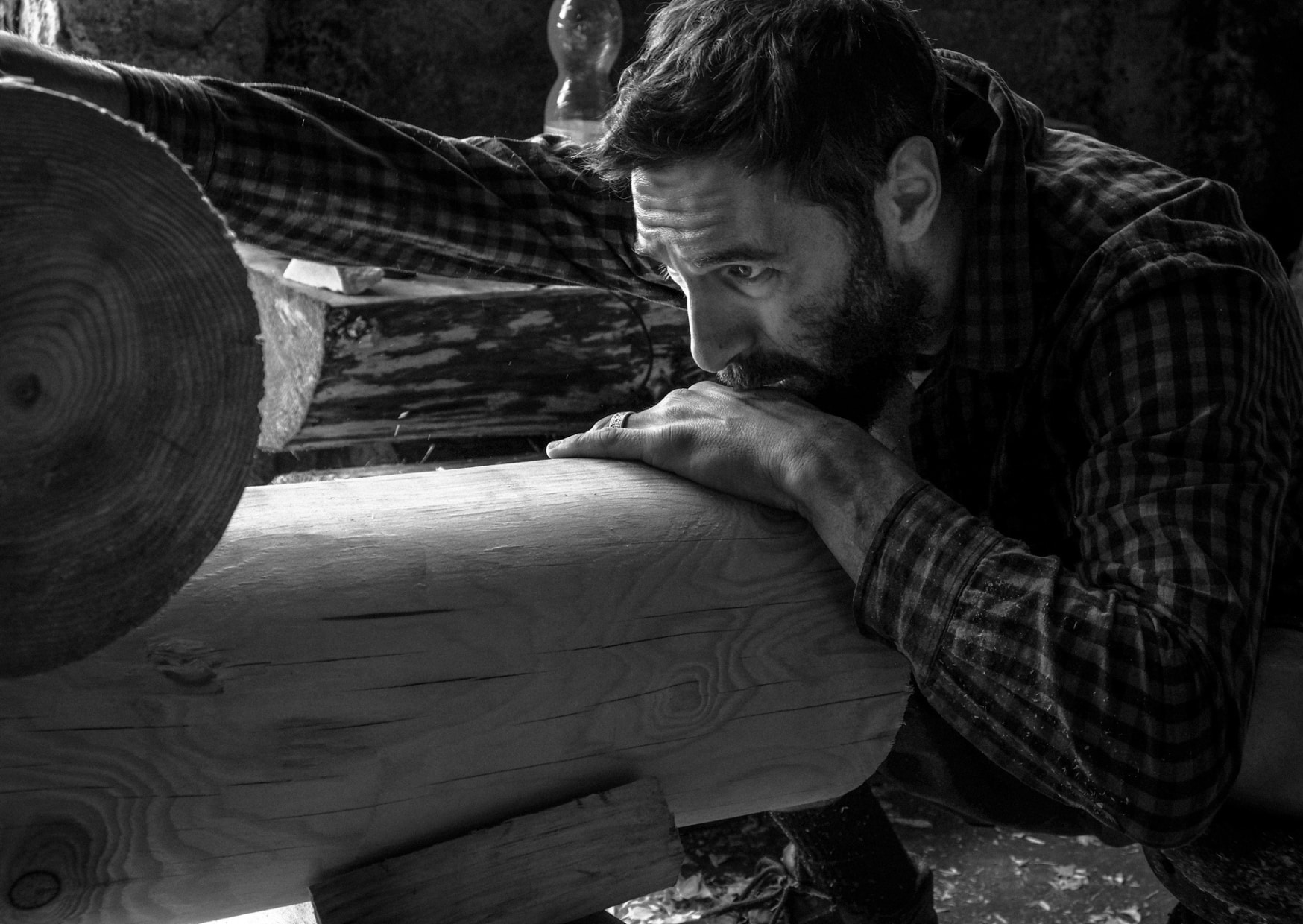
5. How has building a practice alongside your partner, the talented British artist Katie, and your son Julian shaped your work and inspired what you create day to day?
I would strongly recommend not working with your partner… I am joking. Katie is not only a talented photographer but also someone with great taste, and her contribution to our daily work is invaluable. It is important to see the world through the eyes of someone you respect and love.
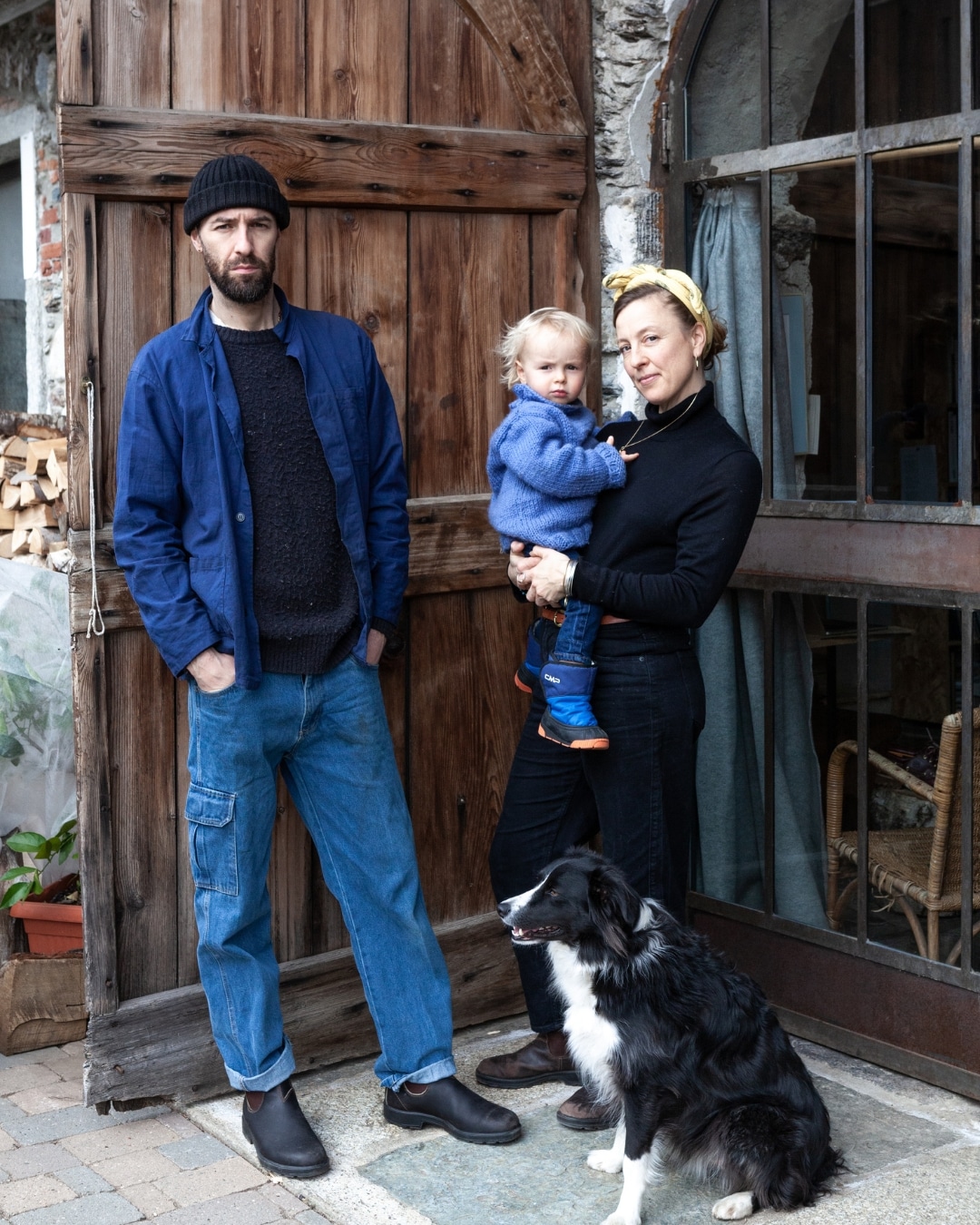
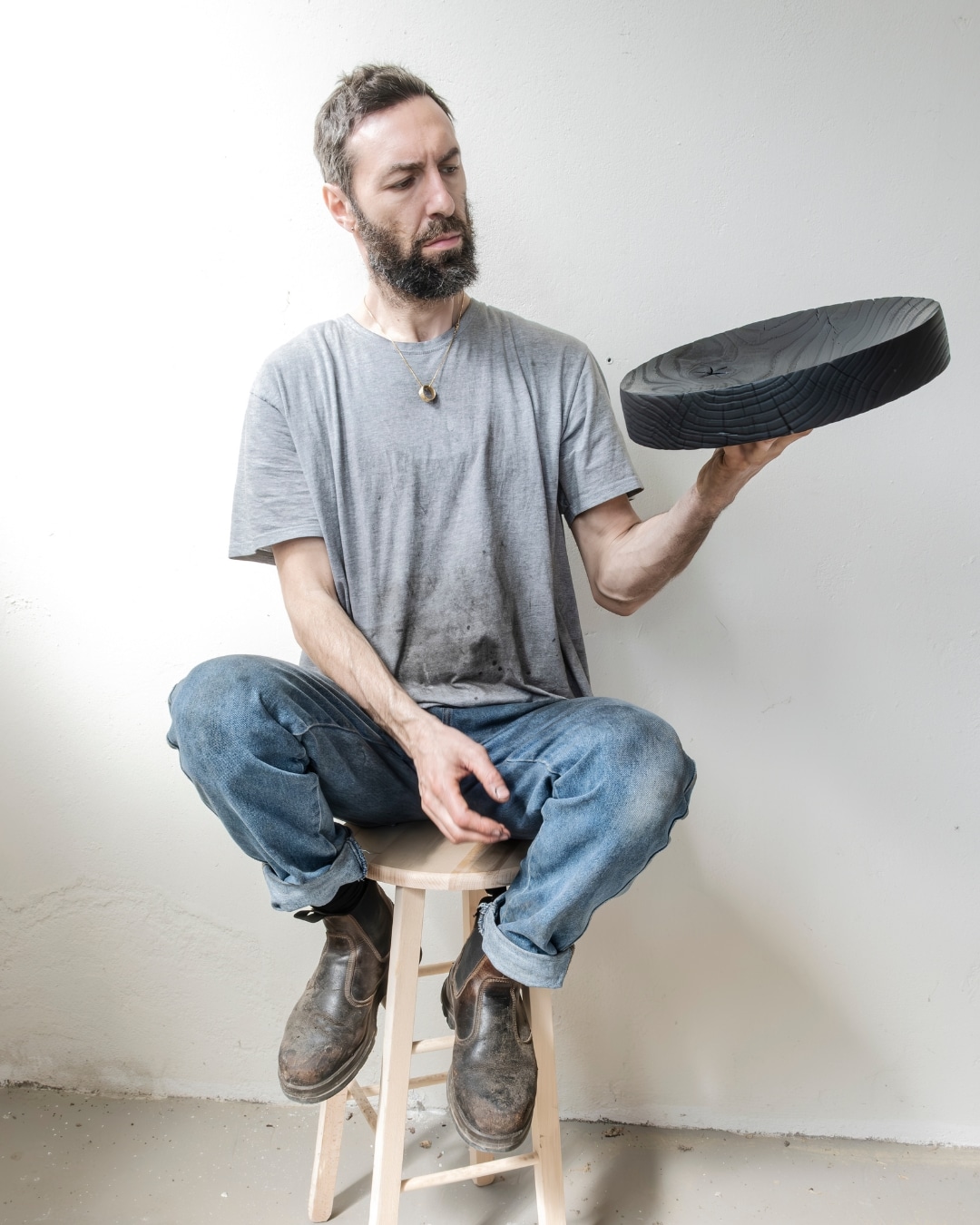
With Julian, as with all children, he is always making things with his hands — from pottery to playing the drums to helping with woodworking. I love seeing his curiosity and interest in what we do, and I hope it will inspire him in the future.
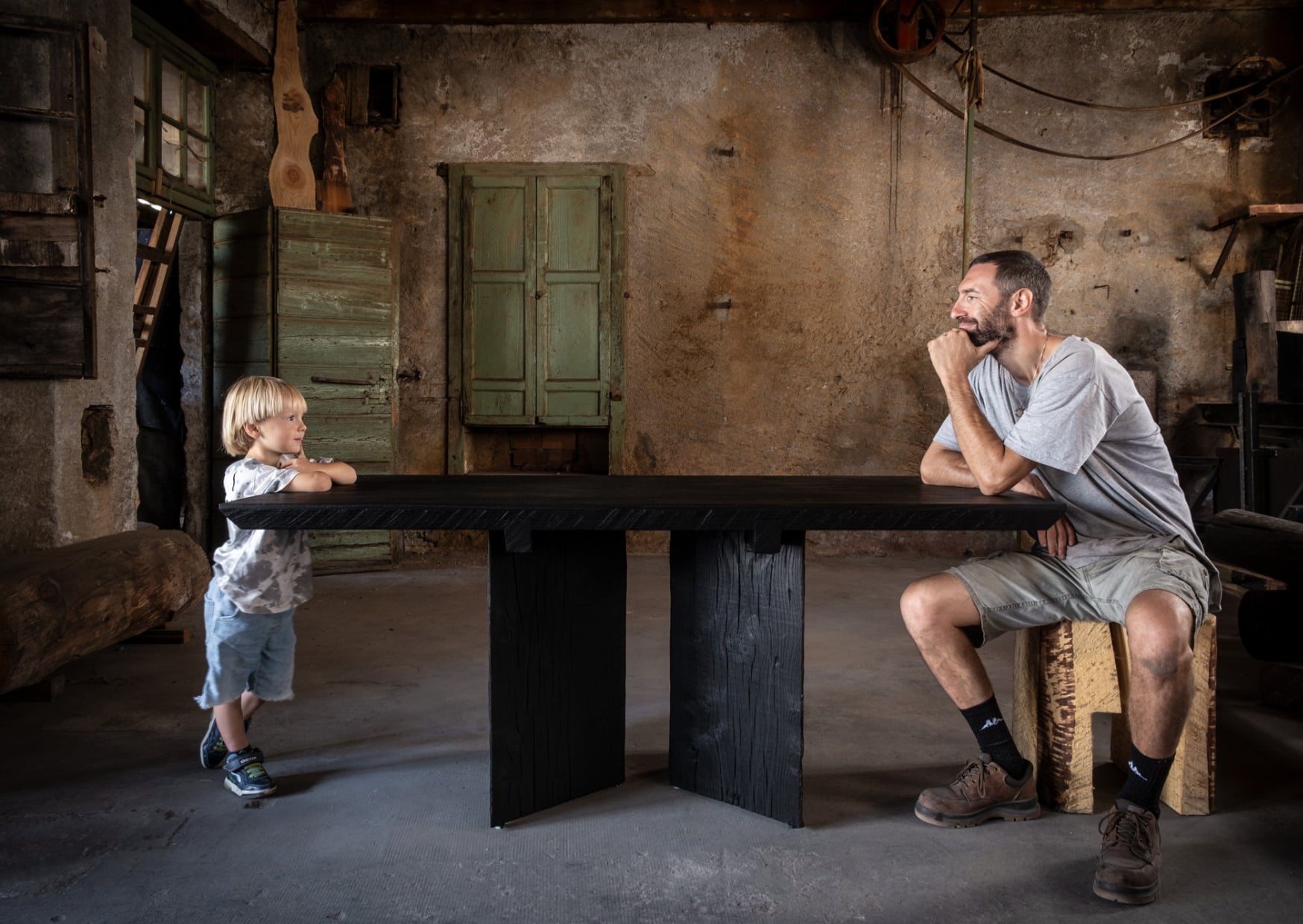
Here are some of our favourite pieces Riccardo has created for us. We are continually in awe of his craftsmanship, his authenticity, his deep respect for the materials he works with, and the way he honours the land they come from in every piece. We hope you feel inspired too.