

Scheming is often seen as the most instinctive part of design, an effortless layering of colour, pattern and texture. In reality, it is far quieter and more complex. It is a process of trial, hesitation and gradual clarity, where confidence builds over time.
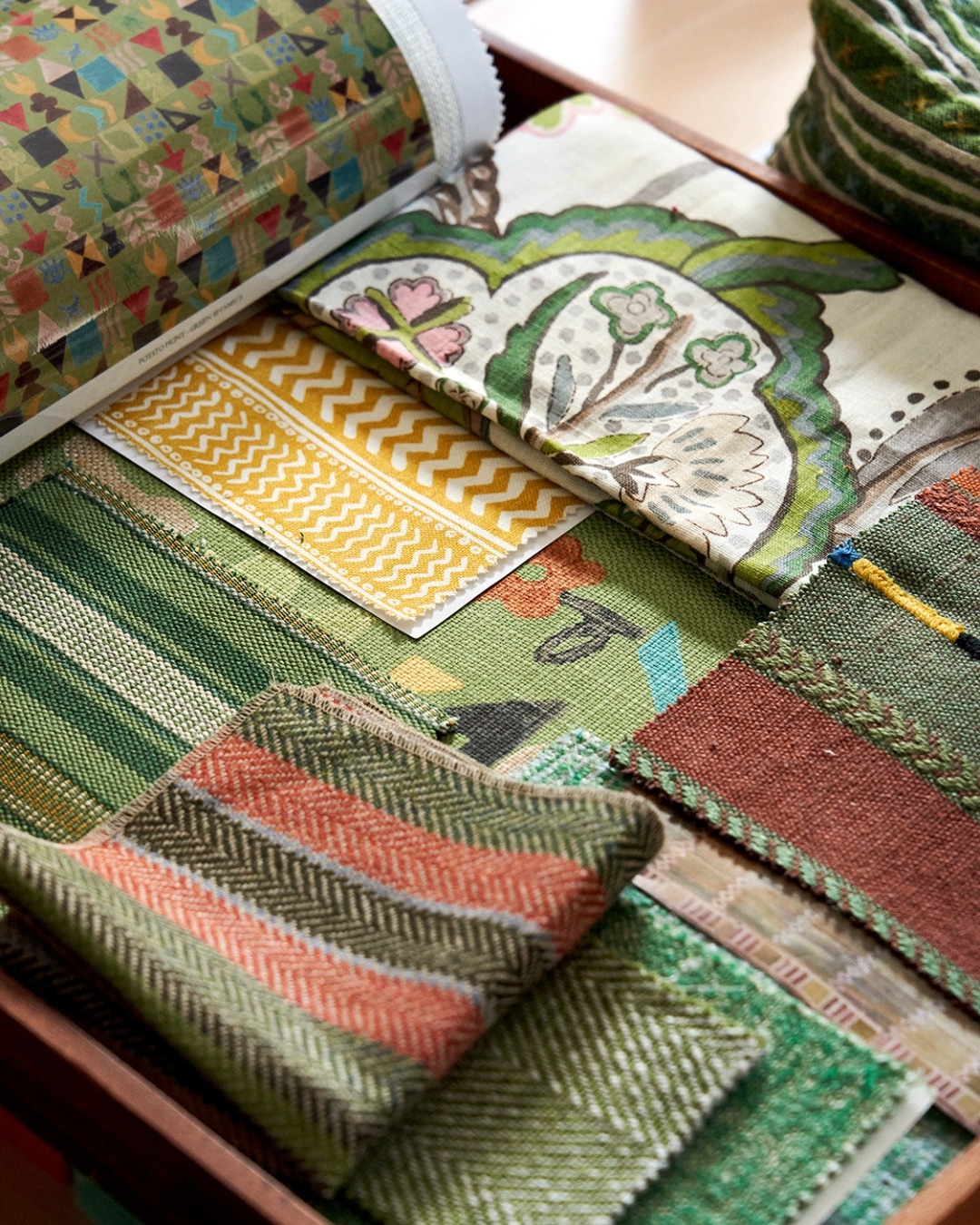
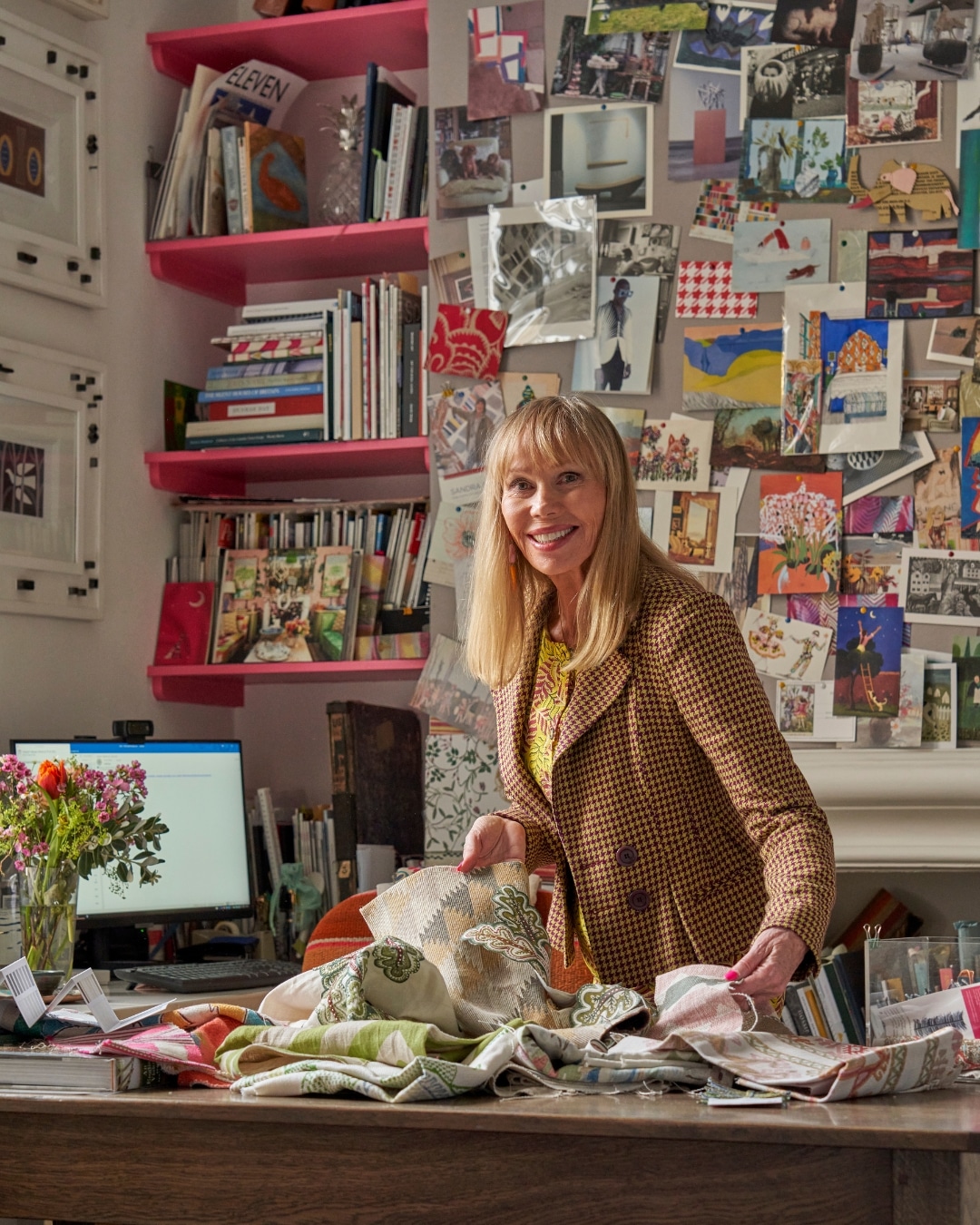
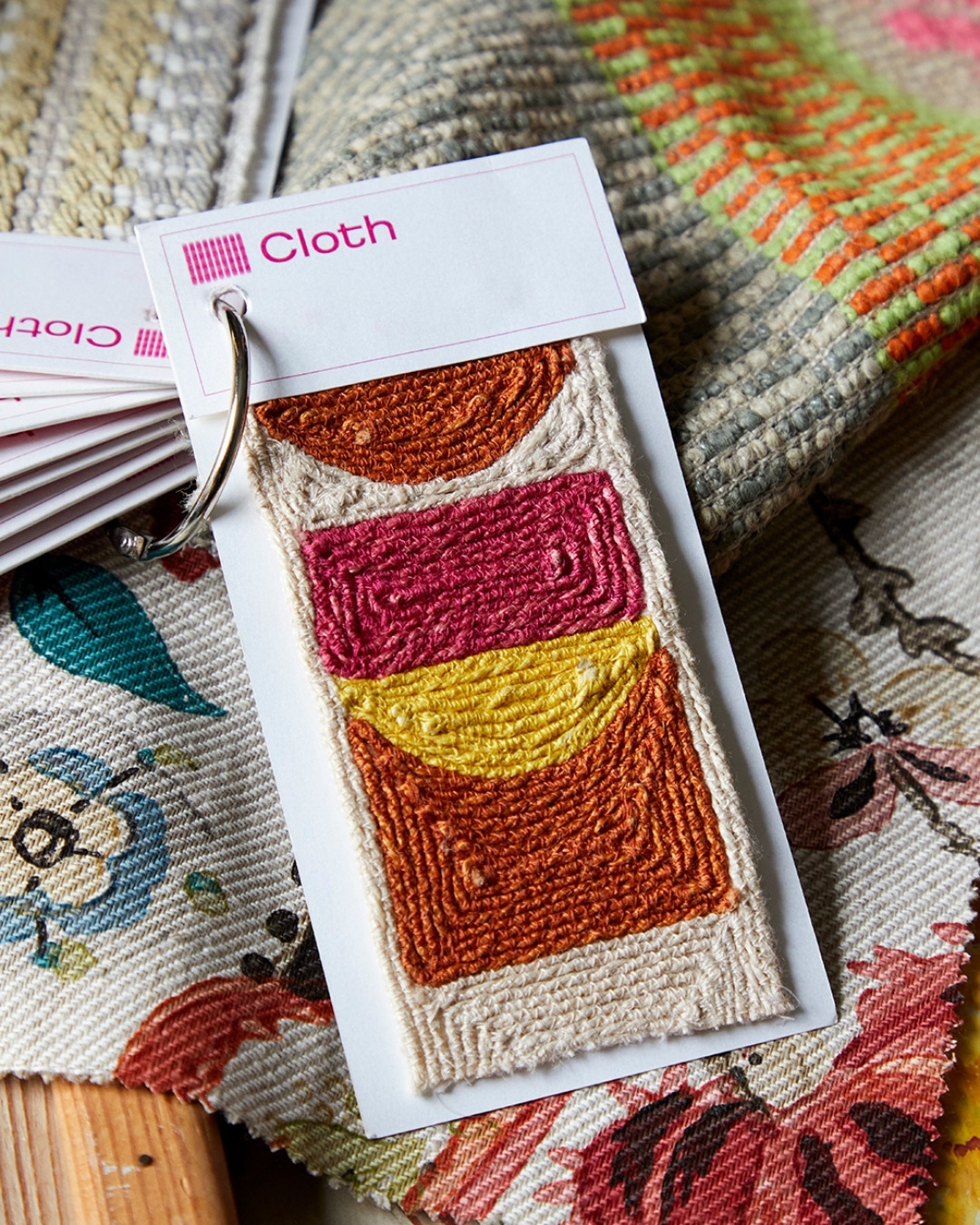
Most schemes start with something small rather than a fixed plan. A fabric, a tone, a fragment of inspiration, something that begins to shape the direction of a space.
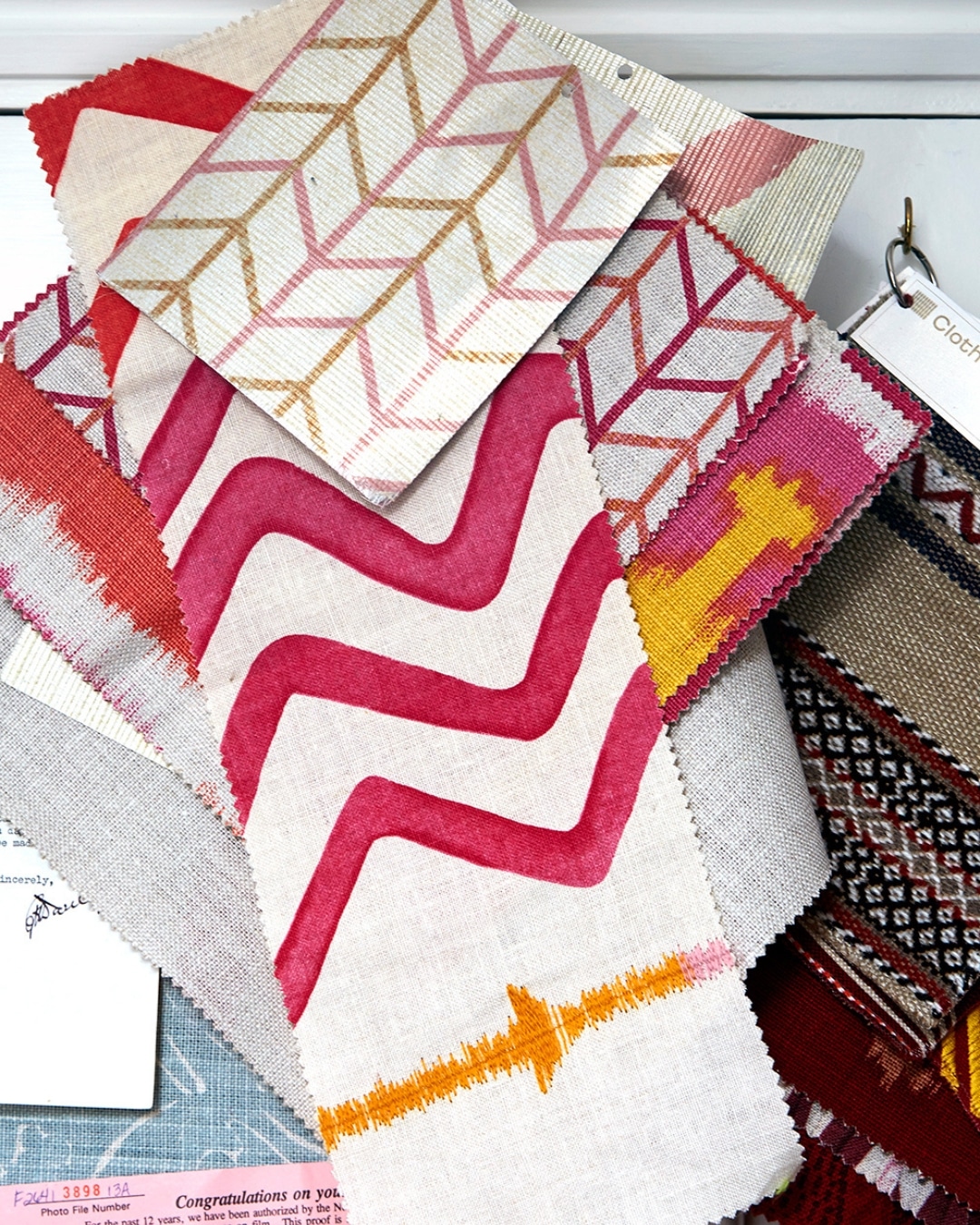
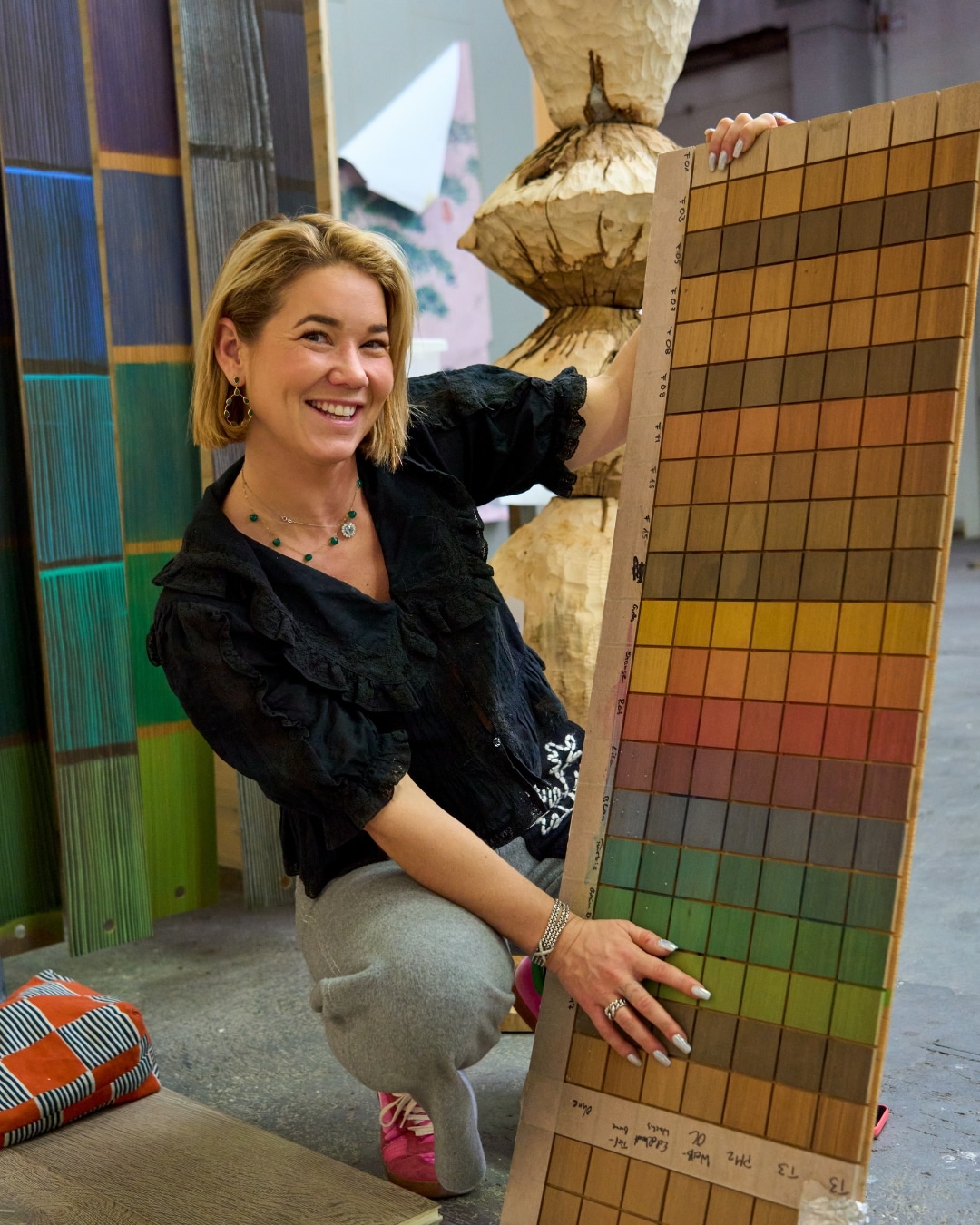
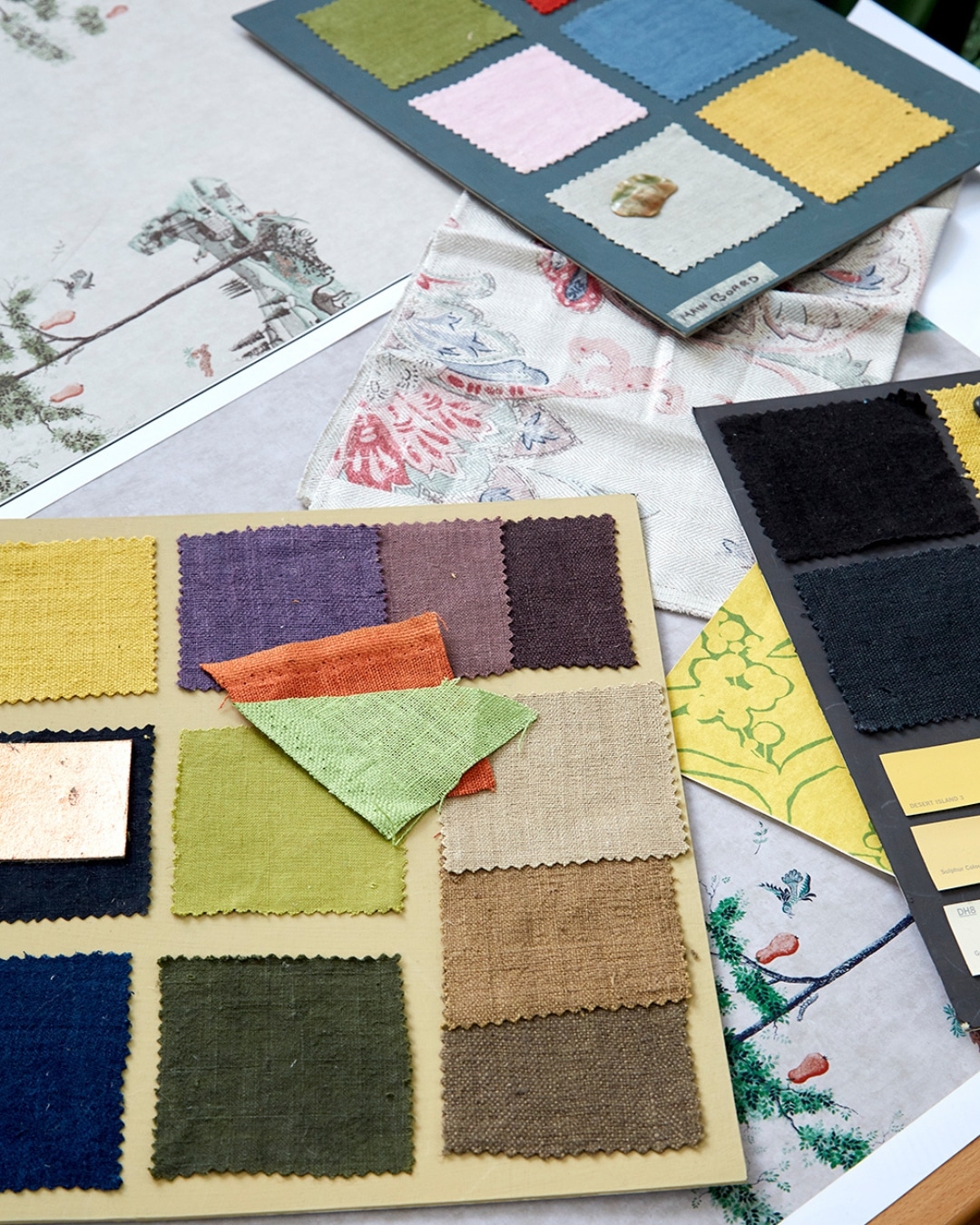
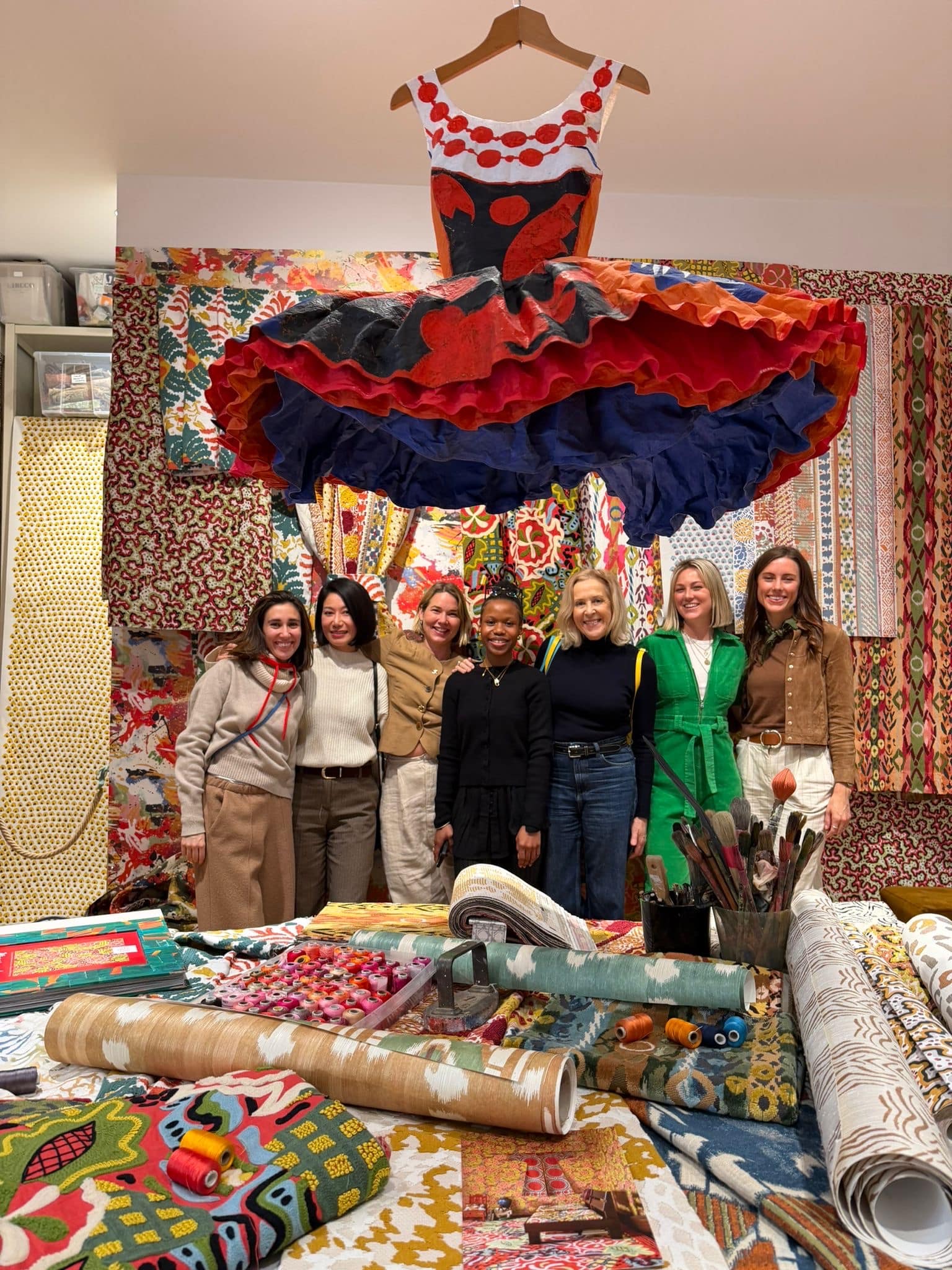
At our Design Studio, schemes never feel forced. They evolve. One textile leads to another, a trim introduces contrast, a colour shifts things slightly off balance before settling into place again. It is a process that requires patience, allowing combinations to sit, to be questioned and sometimes undone.

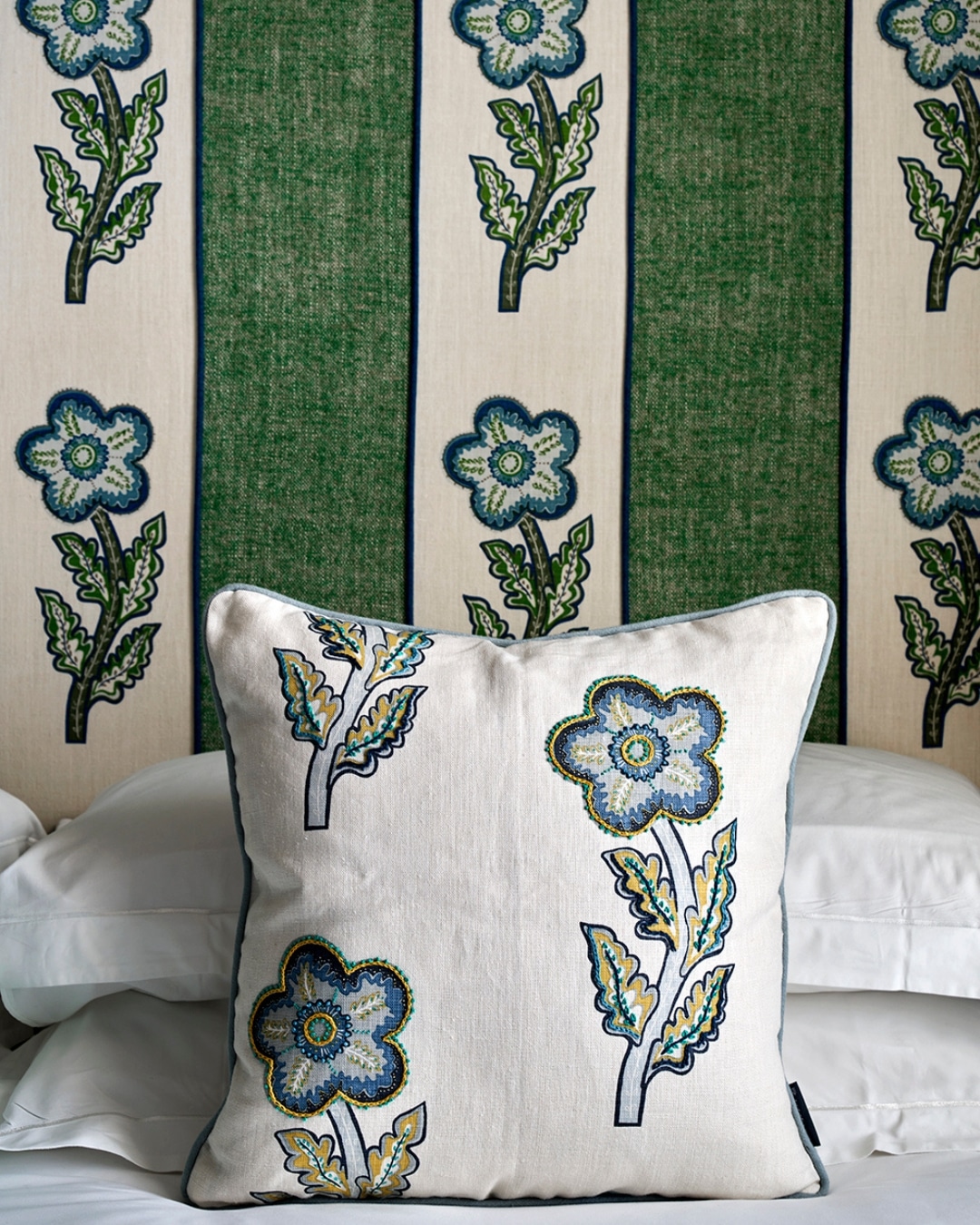
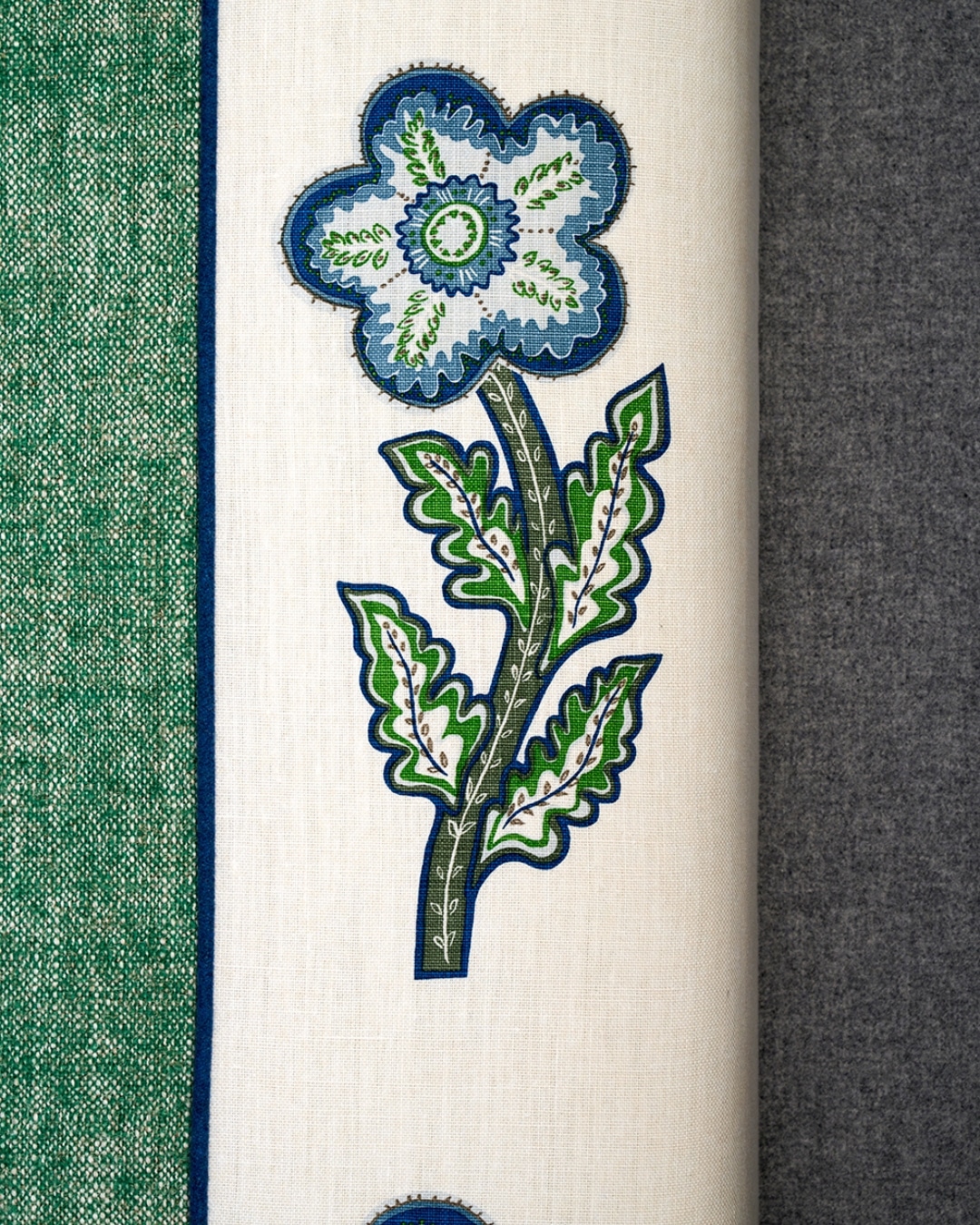
What is not often spoken about is how uncertain scheming can feel, especially at the beginning. Knowing what works is one thing, trusting it is another entirely. There is a quiet self-doubt in placing fabrics side by side and wondering if they truly belong together. Whether a pattern is too much, or not enough. Whether something feels resolved, or still slightly off. Within our expressive approach, a sense of discipline underpins the playfulness, with each layer thoughtfully considered, even when it appears effortless.


Over time, something begins to shift. What once felt overwhelming starts to make more sense, not because there are strict rules, but because the eye becomes more attuned. Scheming becomes less about getting it right straight away and more about refining, trying combinations, stepping back and adjusting.

The presence of a team also plays an important role. Feedback brings reassurance, but also challenge, pushing ideas further, questioning safer choices and encouraging a more confident approach.
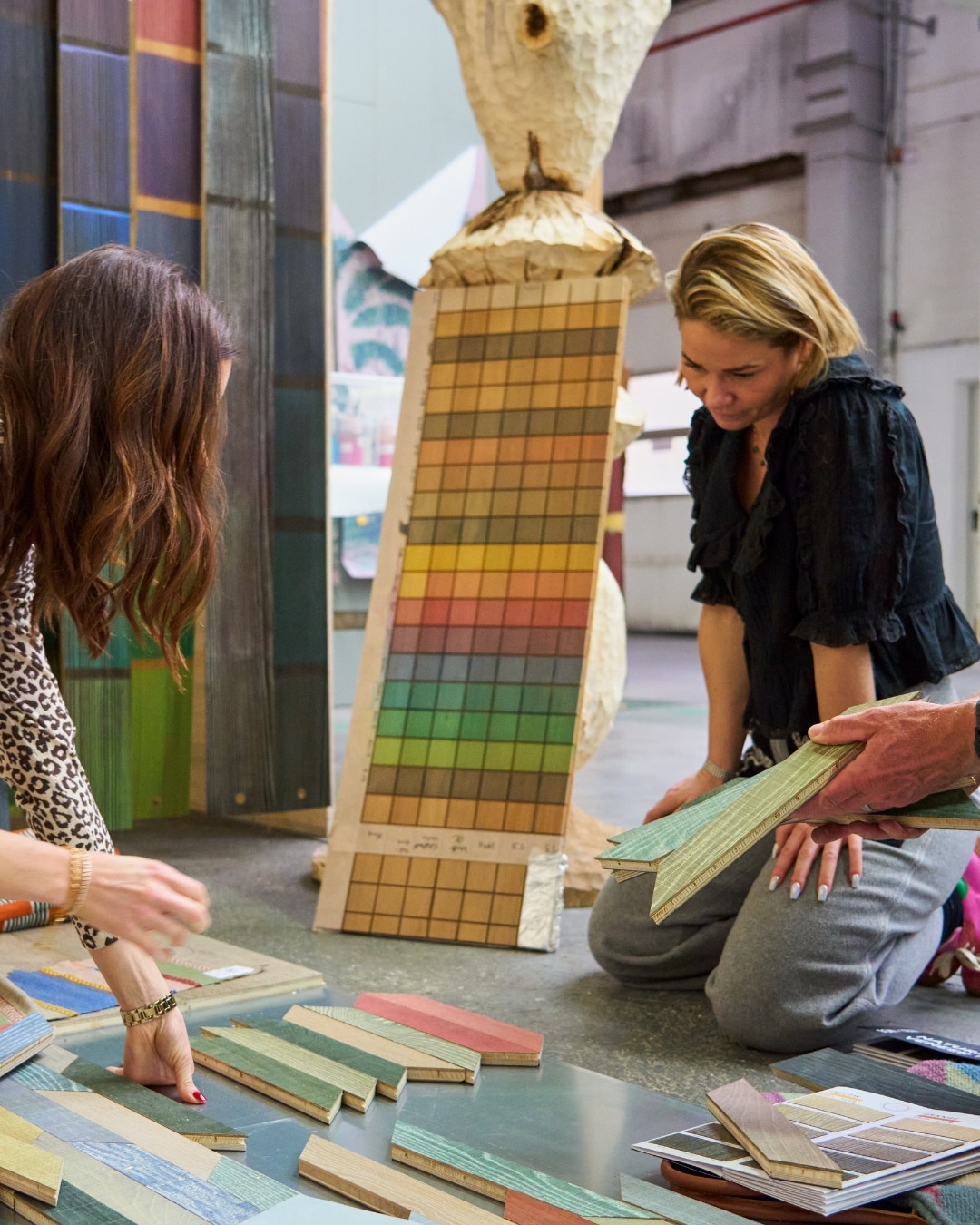
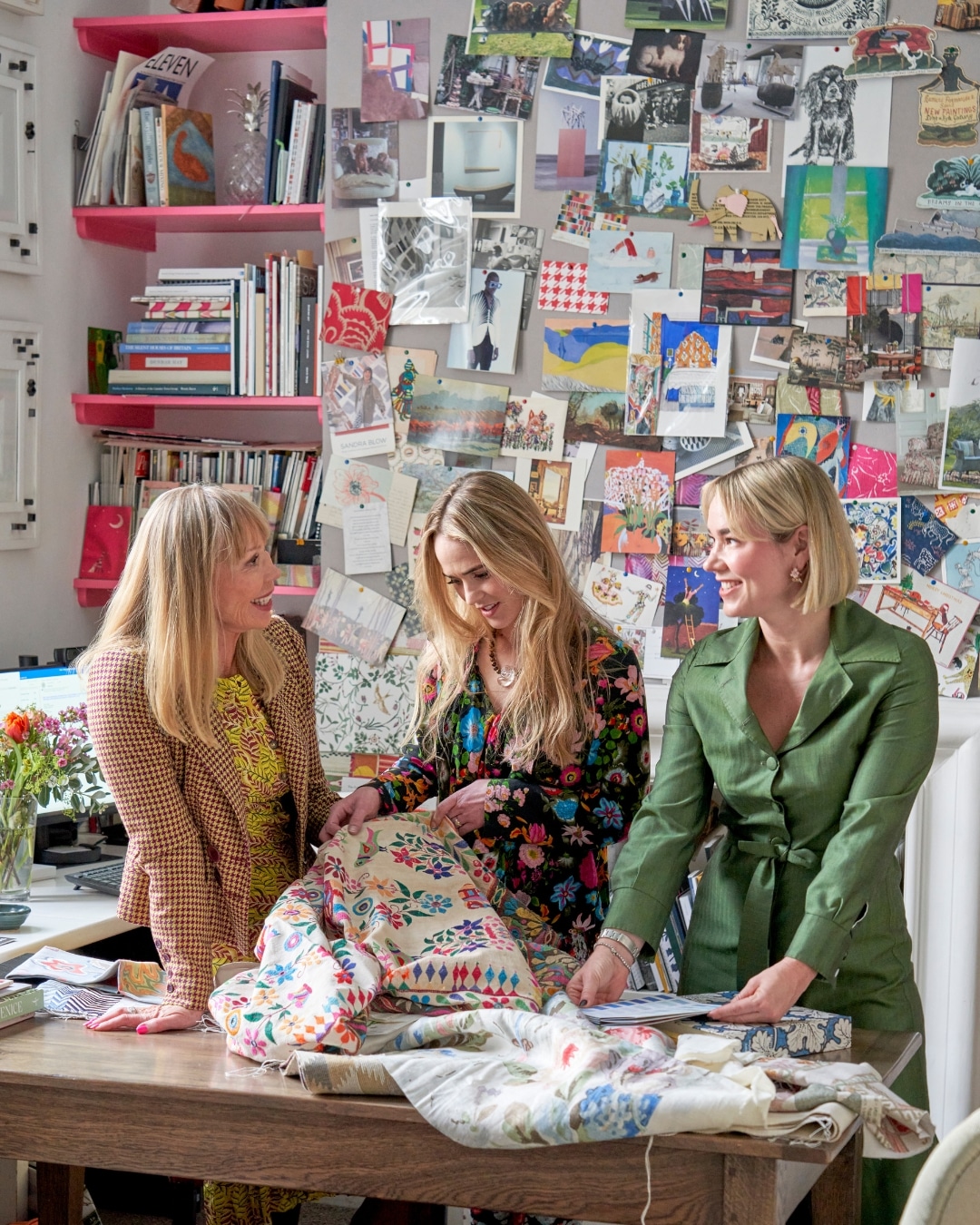
Perhaps the most important part of scheming is understanding that it is not a single moment of decision, but an ongoing process. It is built through experimentation, moments of doubt and small breakthroughs. While the final scheme may appear cohesive and resolved, it carries all the unseen steps that led there.
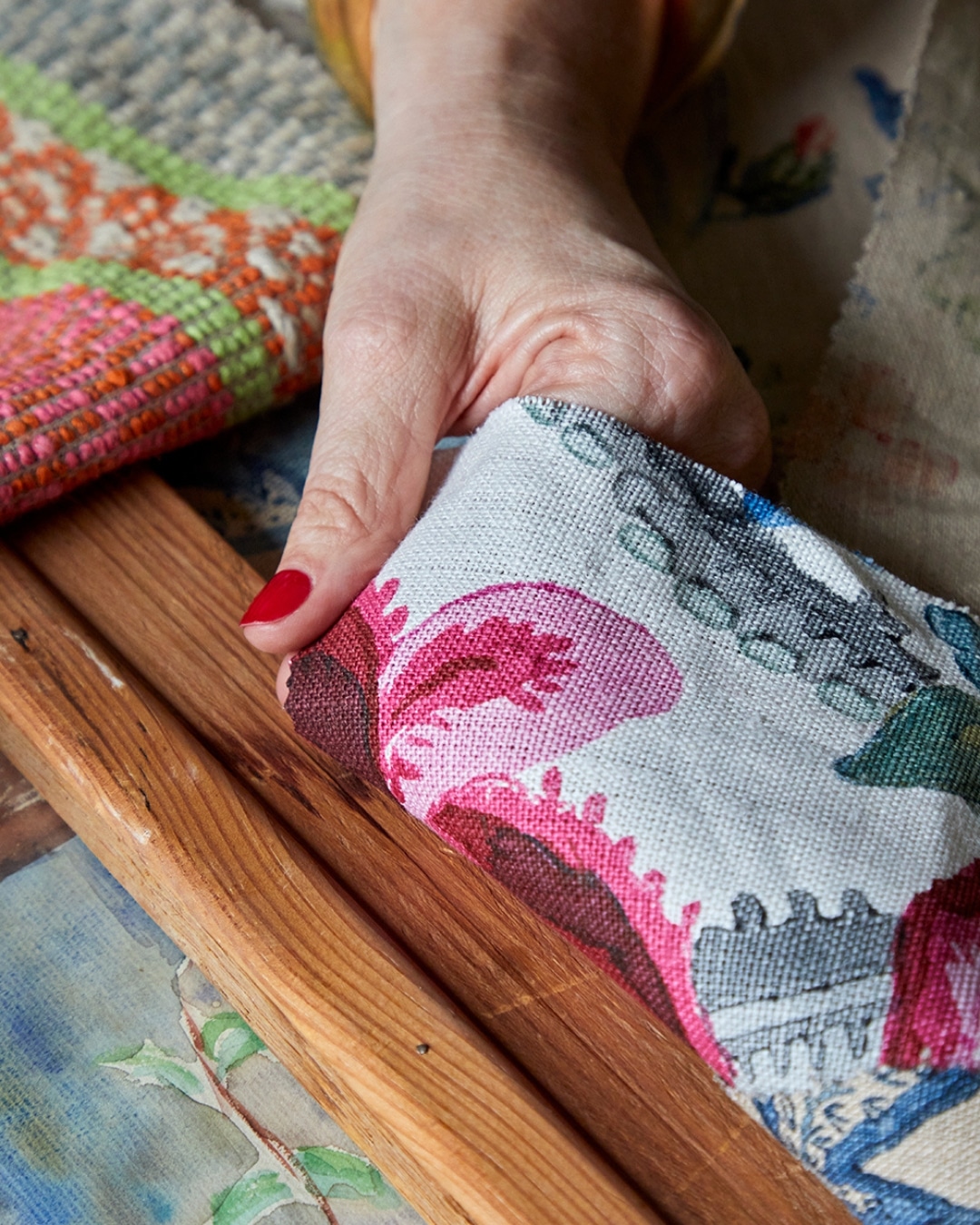
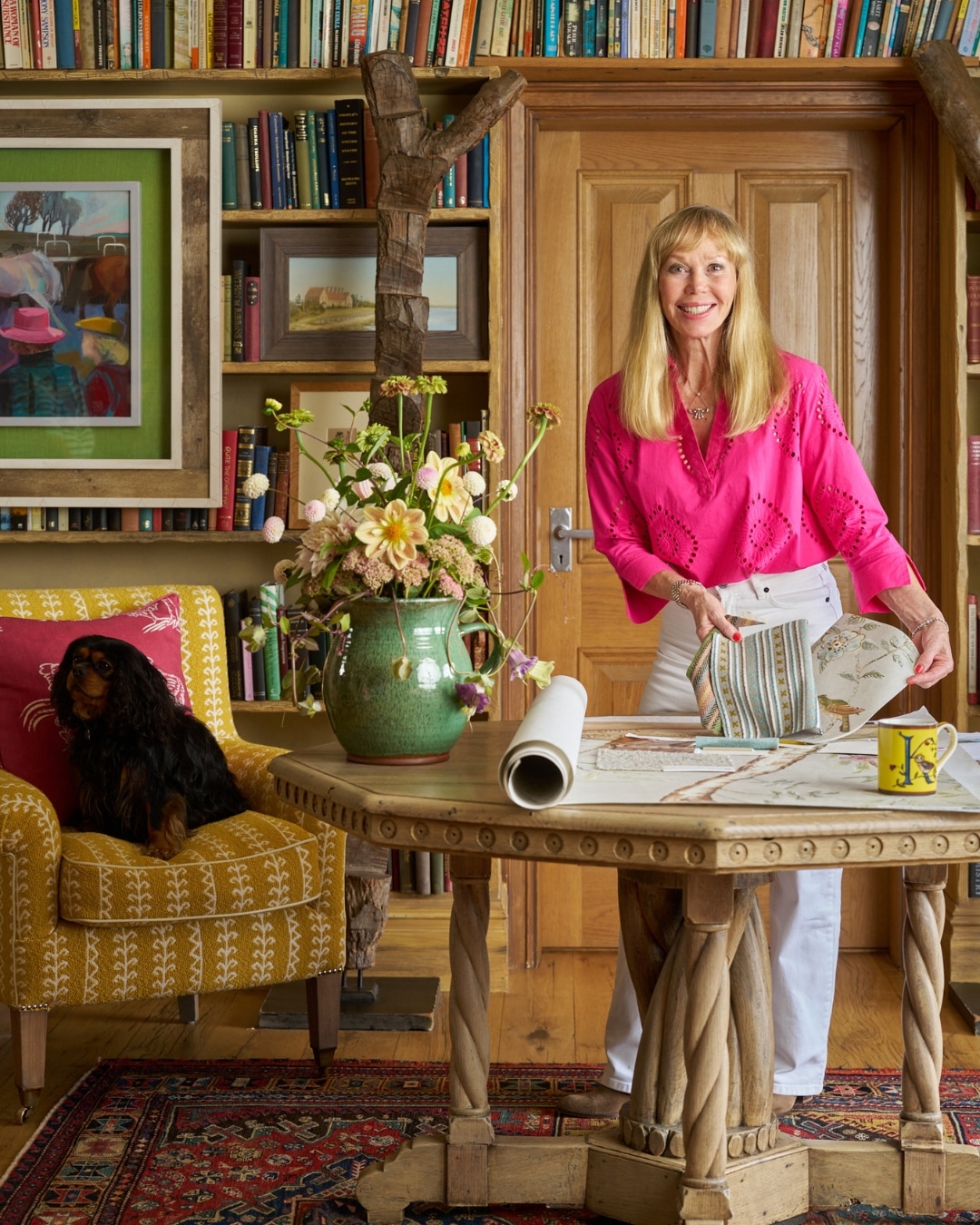
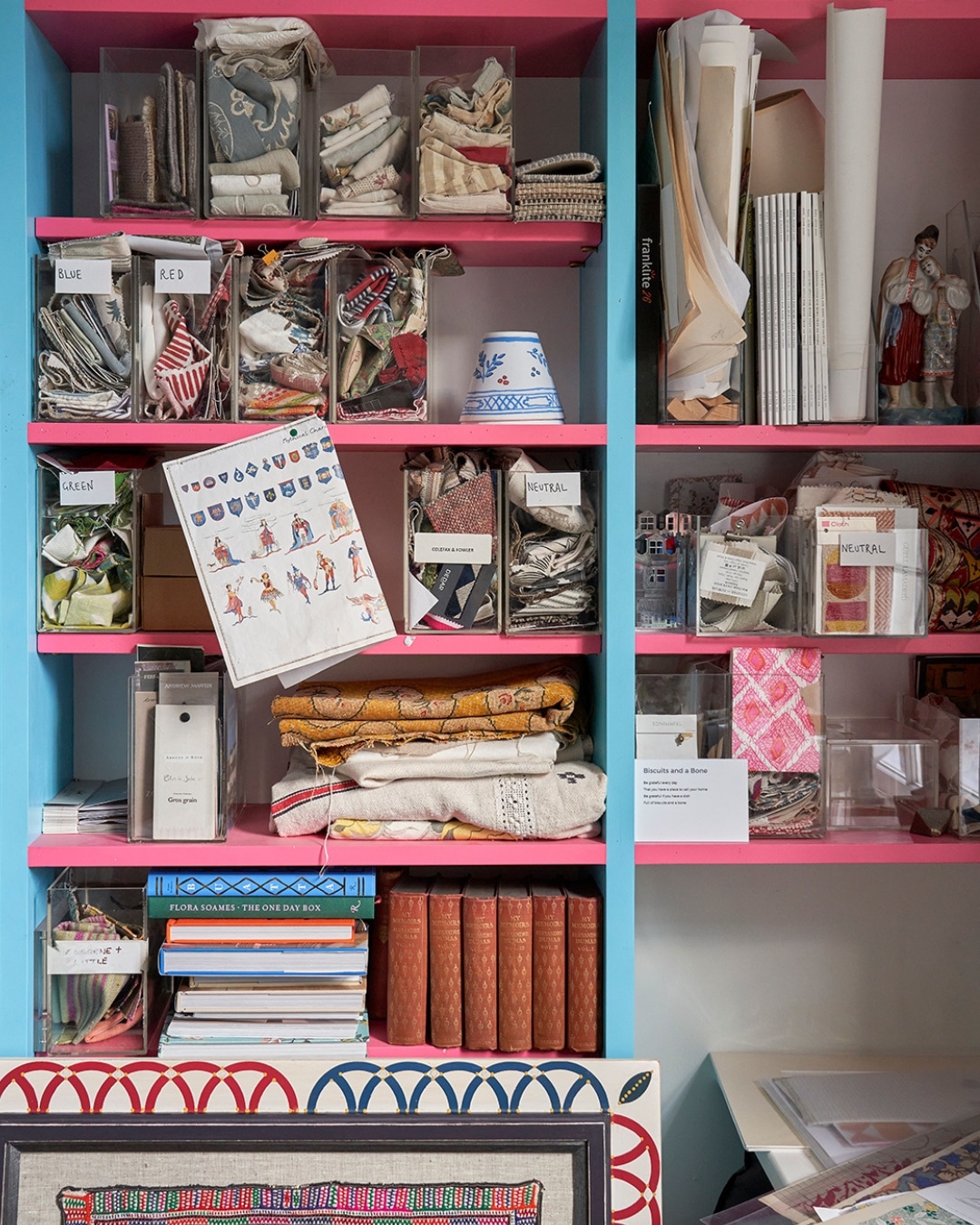
Scheming is not just about combining fabrics or colours, it is about learning to navigate uncertainty. To trust instinct, while still allowing space for change. In the end, confidence does not come from always knowing what works, but from being willing to explore what might.