

We live much of our lives on screens. Work, communication and entertainment are all flattened into glass and light. In contrast, craft is tactile. It demands touch and holds weight. A hand-glazed mug feels different from a factory-made one. You notice its thickness, its uneven rim and the way the glaze pools slightly at the base. These small subtleties reconnect us with materiality and with the physical world.
In many ways, the return of craft is a quiet rebellion against digital fatigue. We are craving texture in a world that feels increasingly intangible.
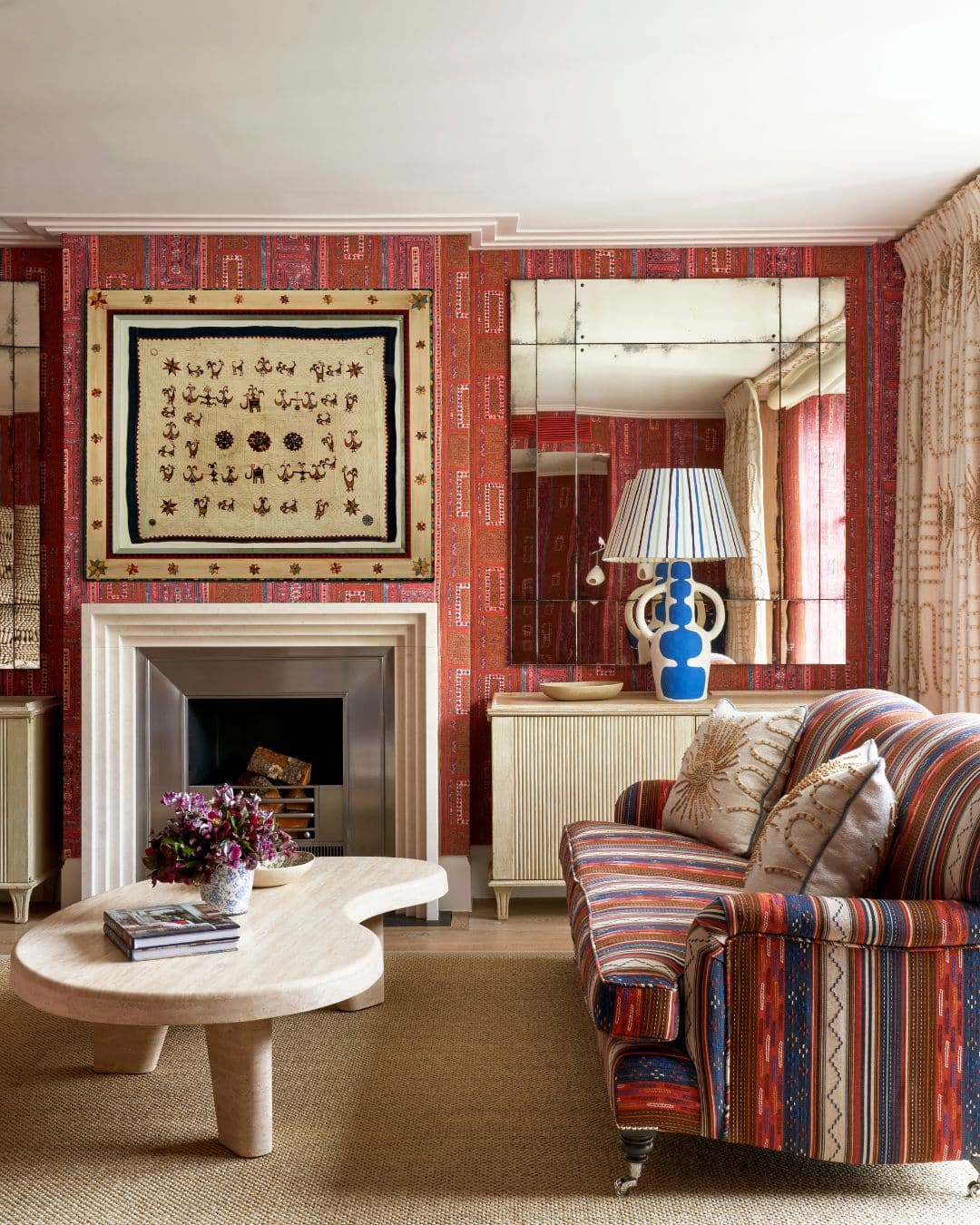
Craft carries evidence of the human hand. A slight asymmetry, a visible stitch or a brushstroke that veers gently off-centre. These imperfections are not flaws, they are reassurance. They remind us that something was made slowly and thoughtfully by someone with skill and care. In uncertain times, there is deep comfort in that. A handwoven throw draped over a sofa softens not only the room but the mood within it. A carved wooden armoire beside it feels grounding and enduring. Craft introduces warmth where minimalism can sometimes feel cold.
For years, sophistication was associated with polish and perfection. Today it is increasingly associated with time. Time spent making, time spent sourcing and time spent learning a skill.
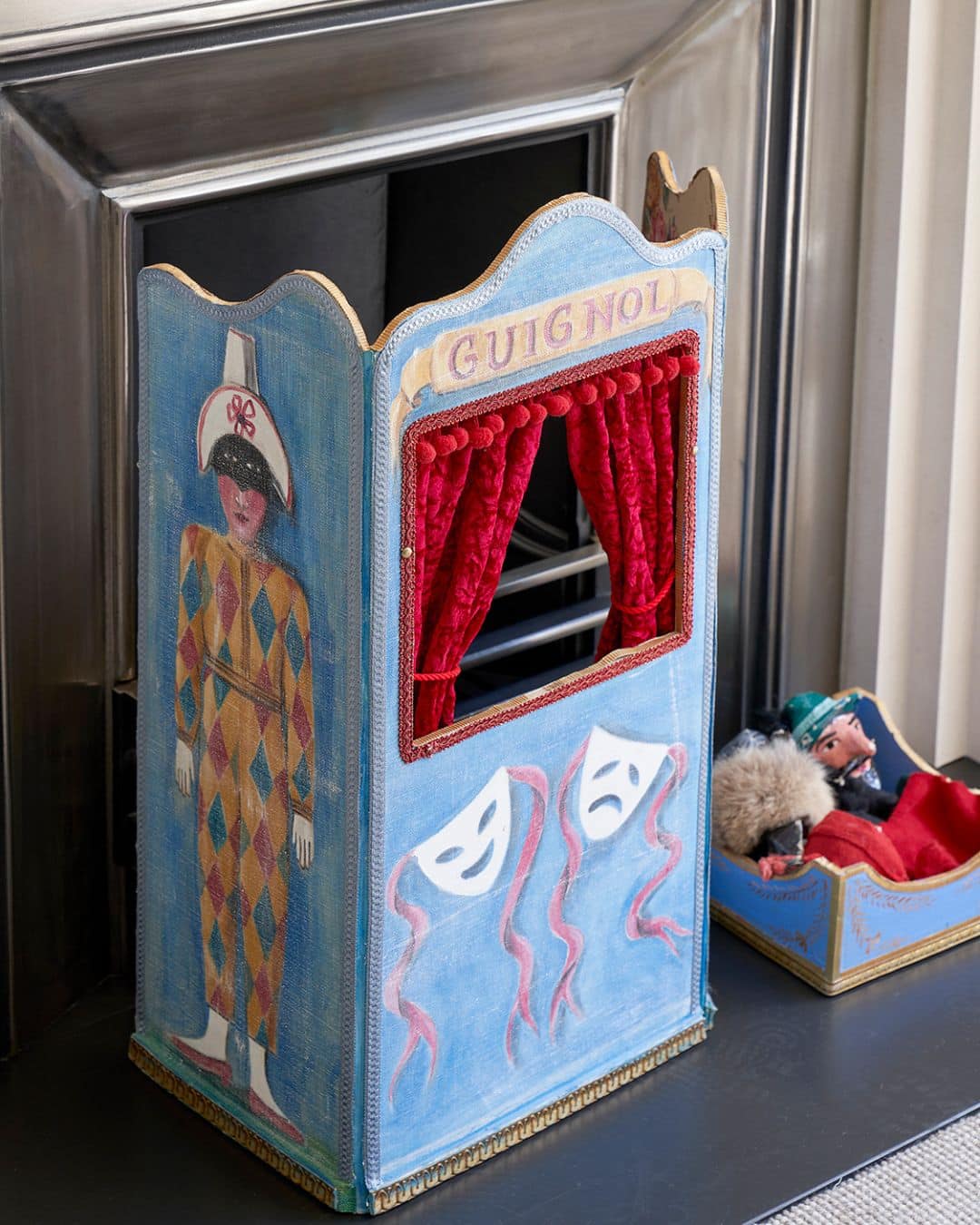
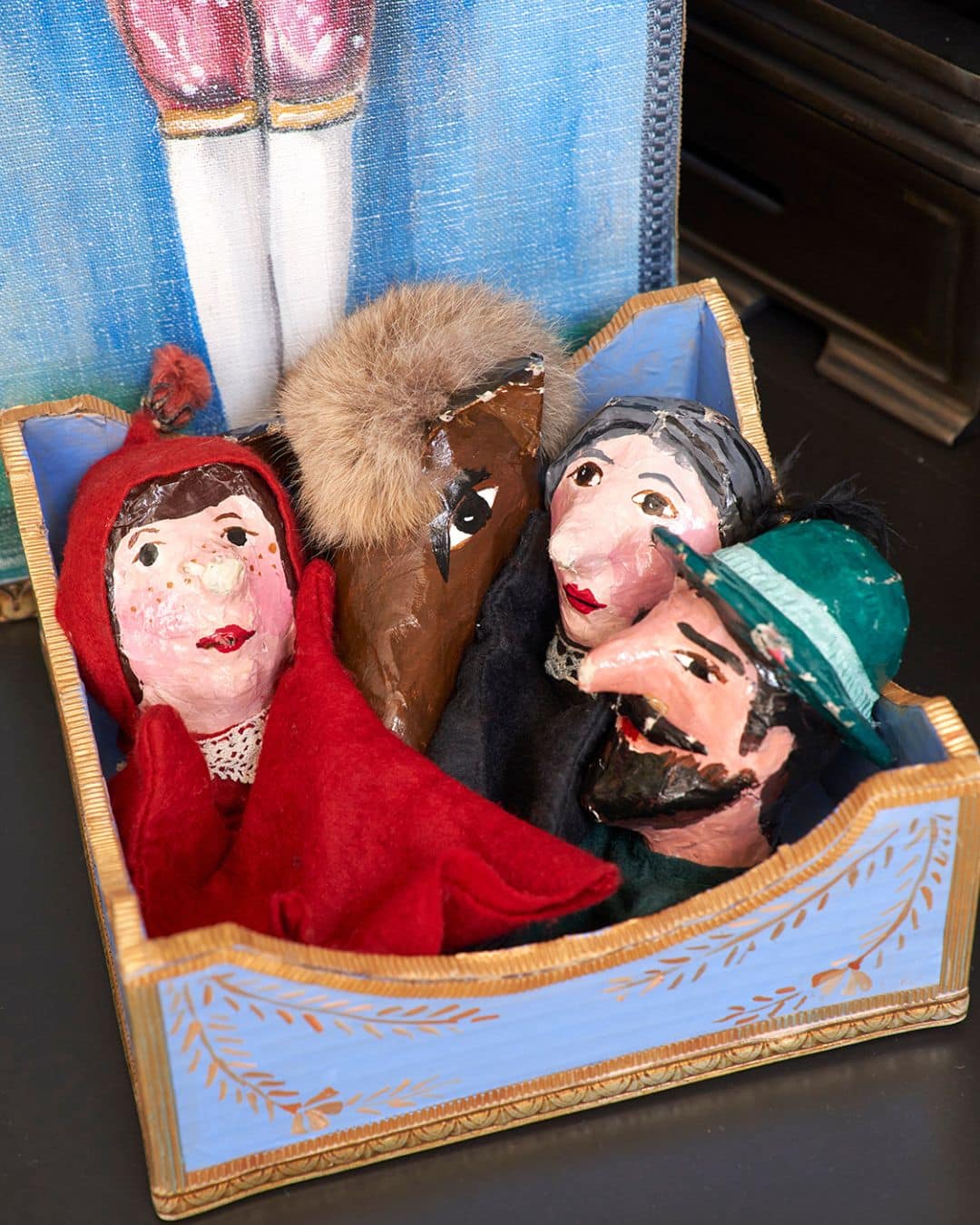
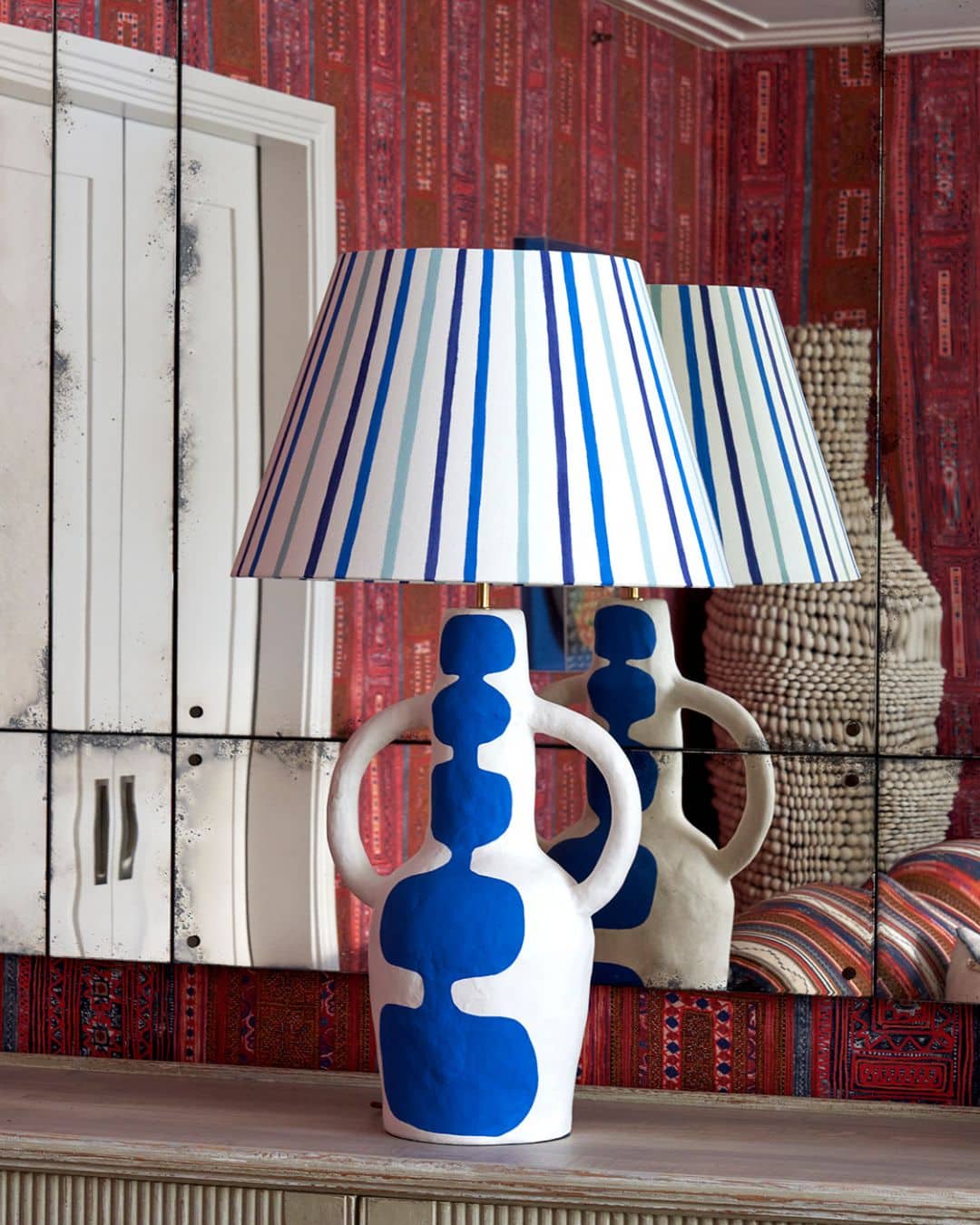
The idea of owning fewer, better pieces, objects with provenance and longevity, feels far more meaningful than constantly replacing what we have. Craft aligns with this shift. It encourages us to value process over speed and substance over surface. In this sense, craft is not nostalgic. It is progressive and reflects a more conscious way of living. Mass production often leads to sameness. Craft, by contrast, allows individuality to flourish. A hand-painted lampshade or a ceramic plate bought from a local maker carries its own story and becomes layered with memory and meaning.
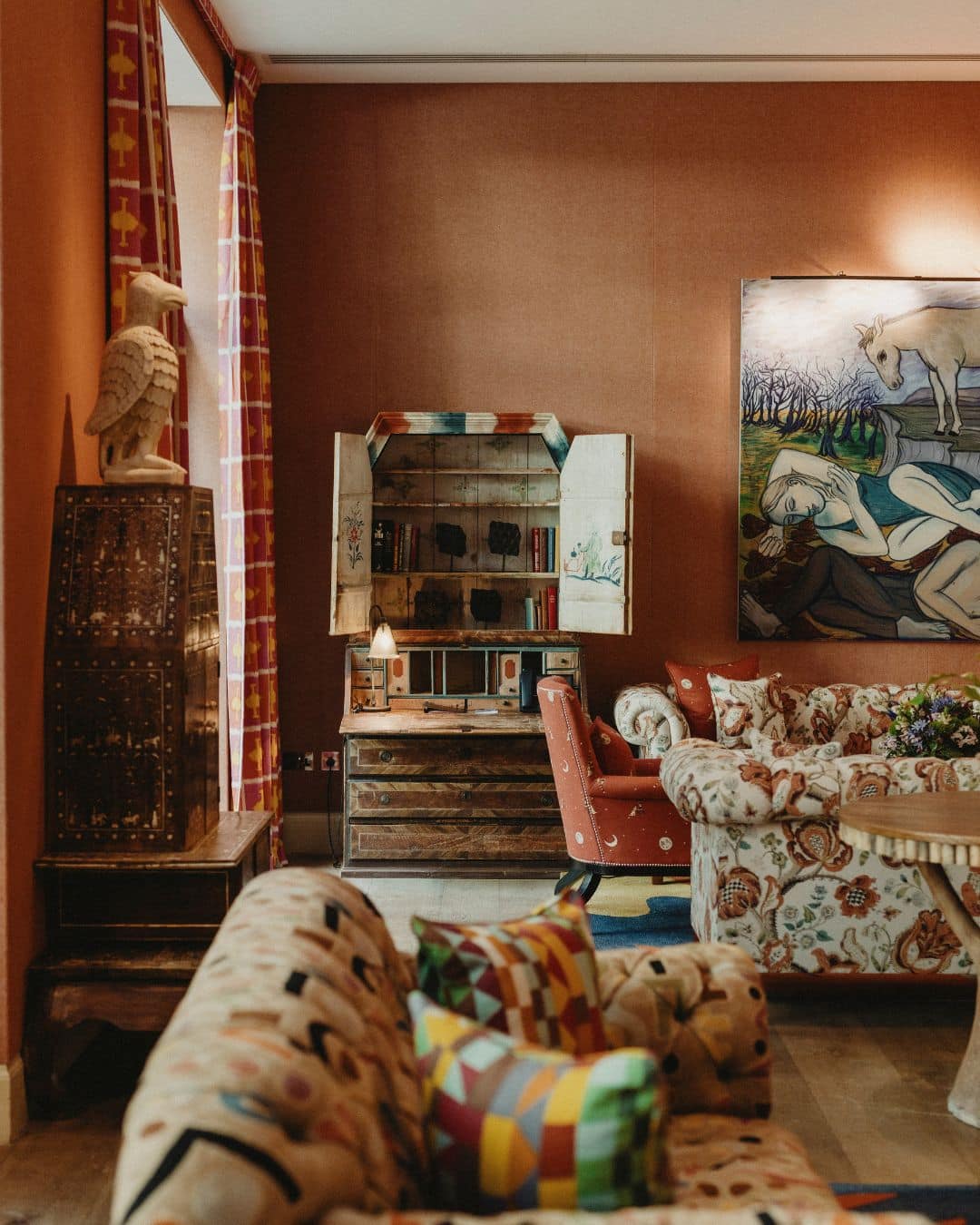
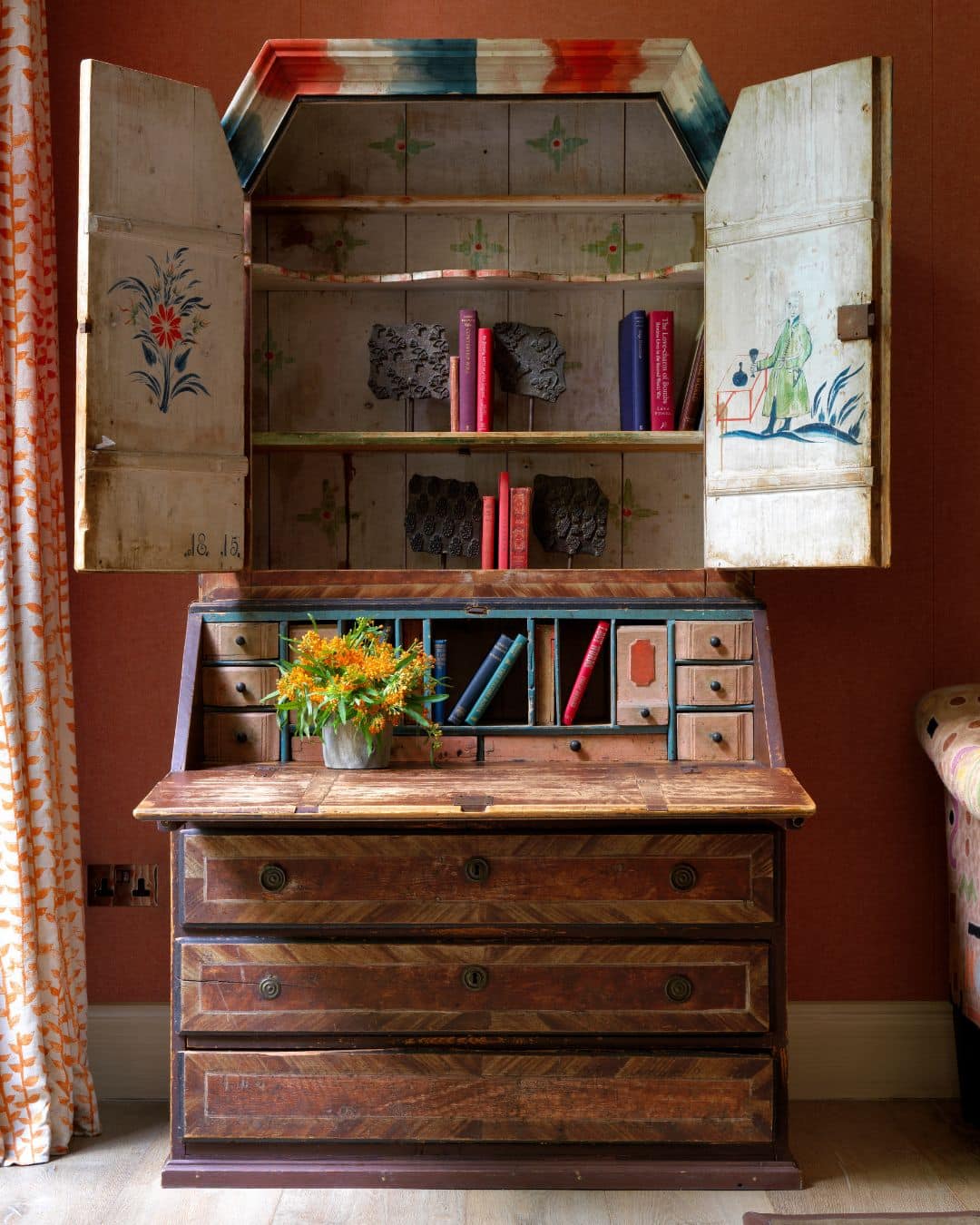
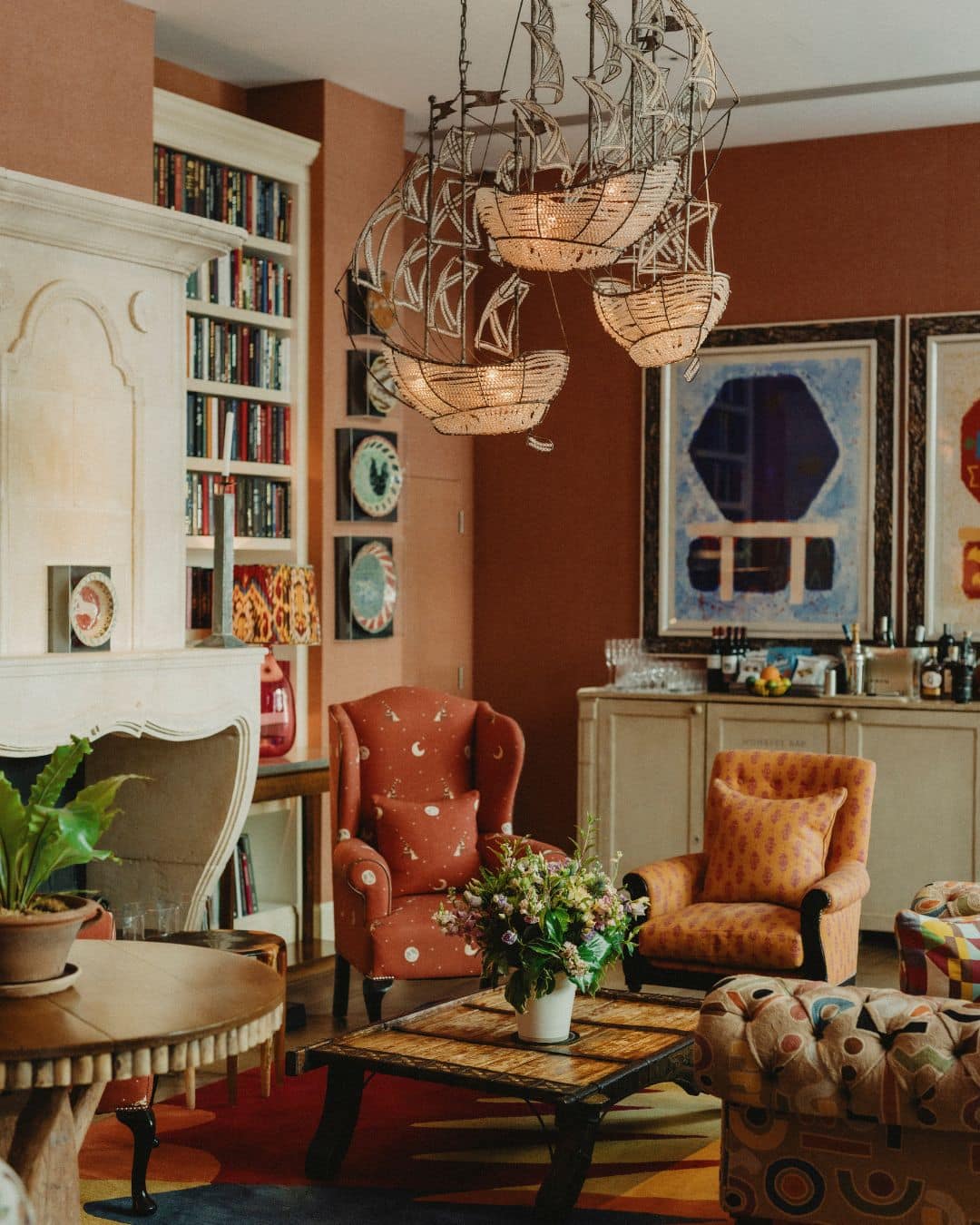
Homes feel richer when they reflect the people who live in them. Craft invites personality, resists uniformity and makes space for the collected rather than the coordinated. When we incorporate craft into our interiors, we introduce depth, both visually and emotionally. Texture becomes as important as colour. Process becomes as important as appearance.
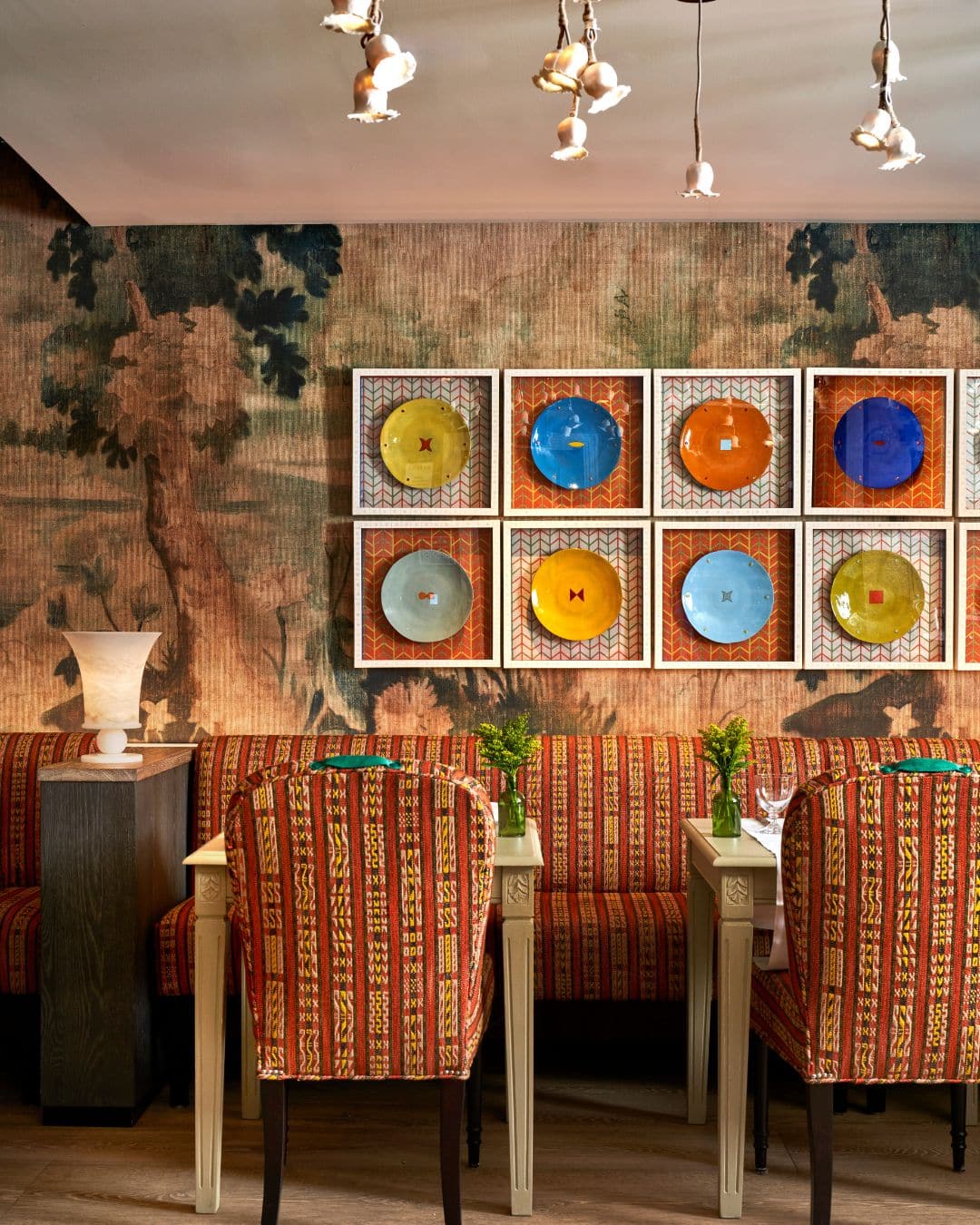
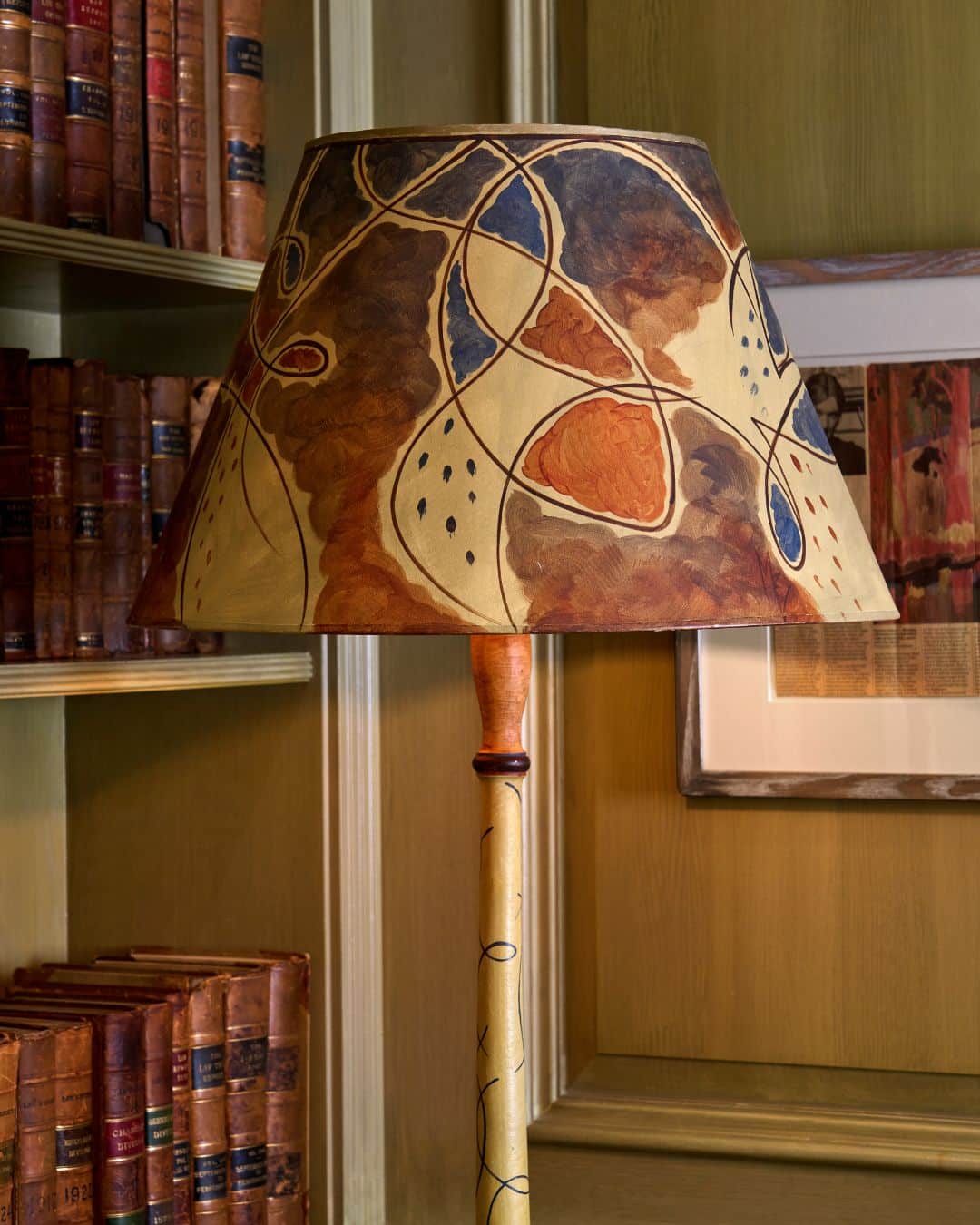
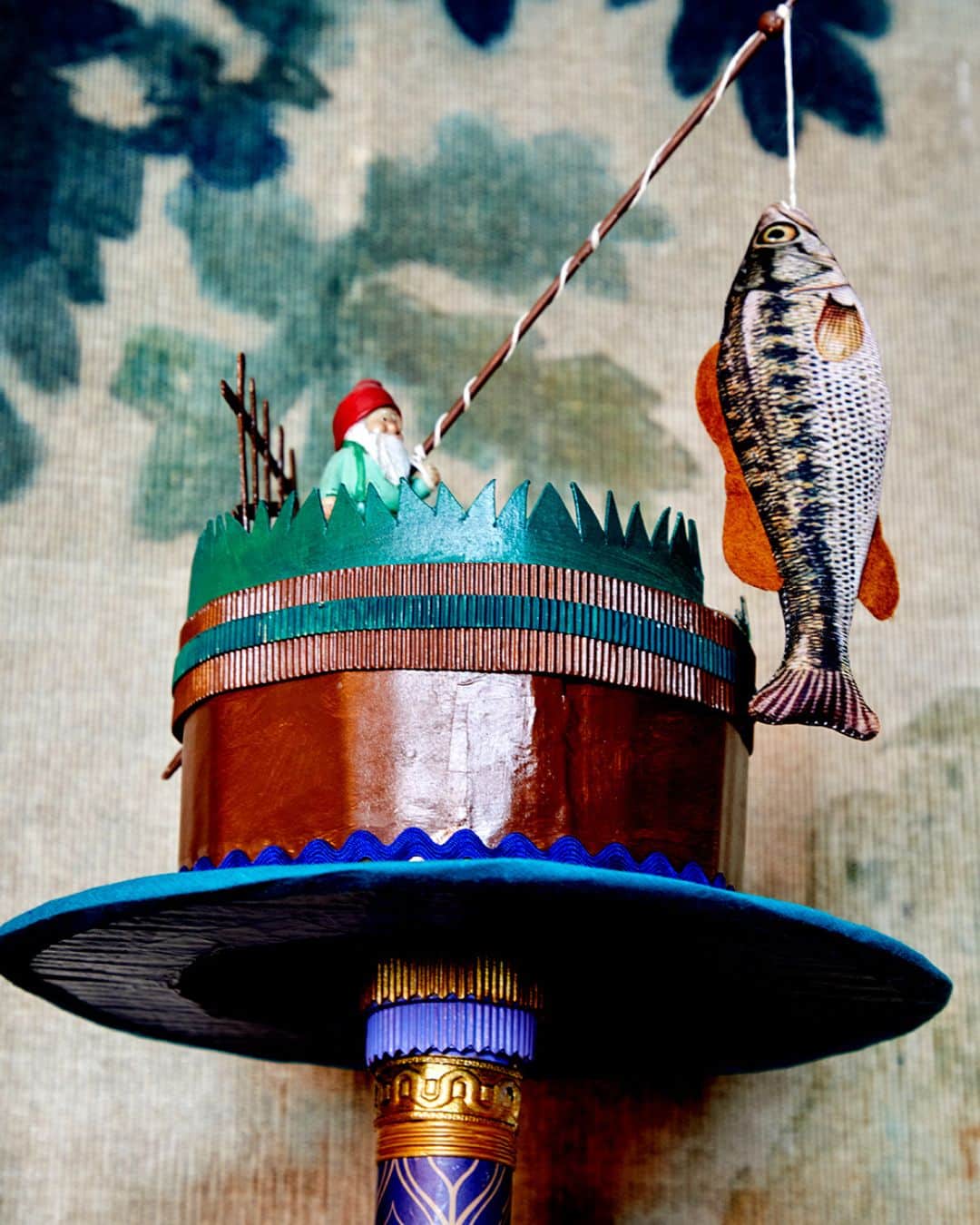
A room layered with woven fibres, natural timber, glazed clay and embroidered textiles feels alive. It absorbs light differently, sounds different and invites interaction.
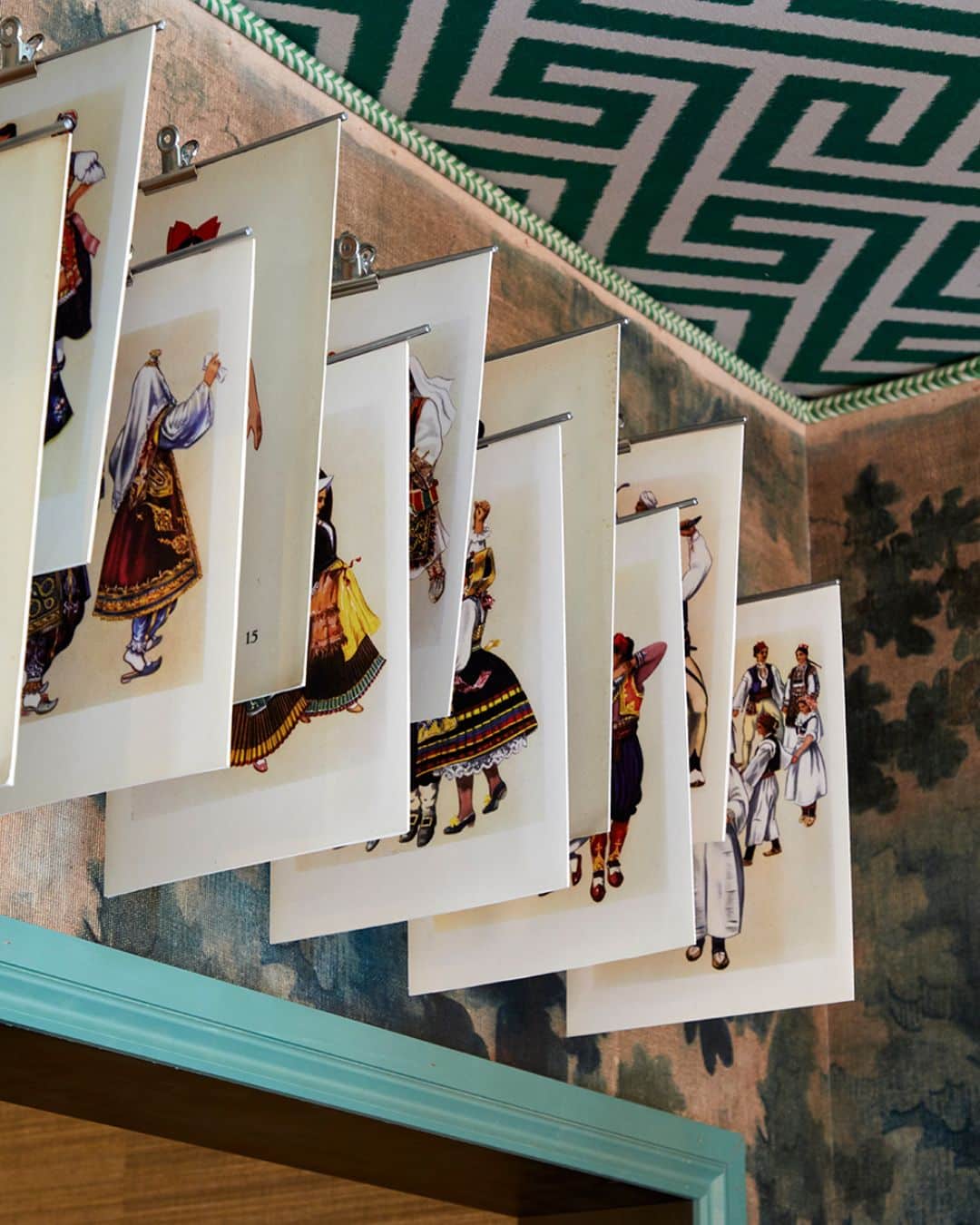
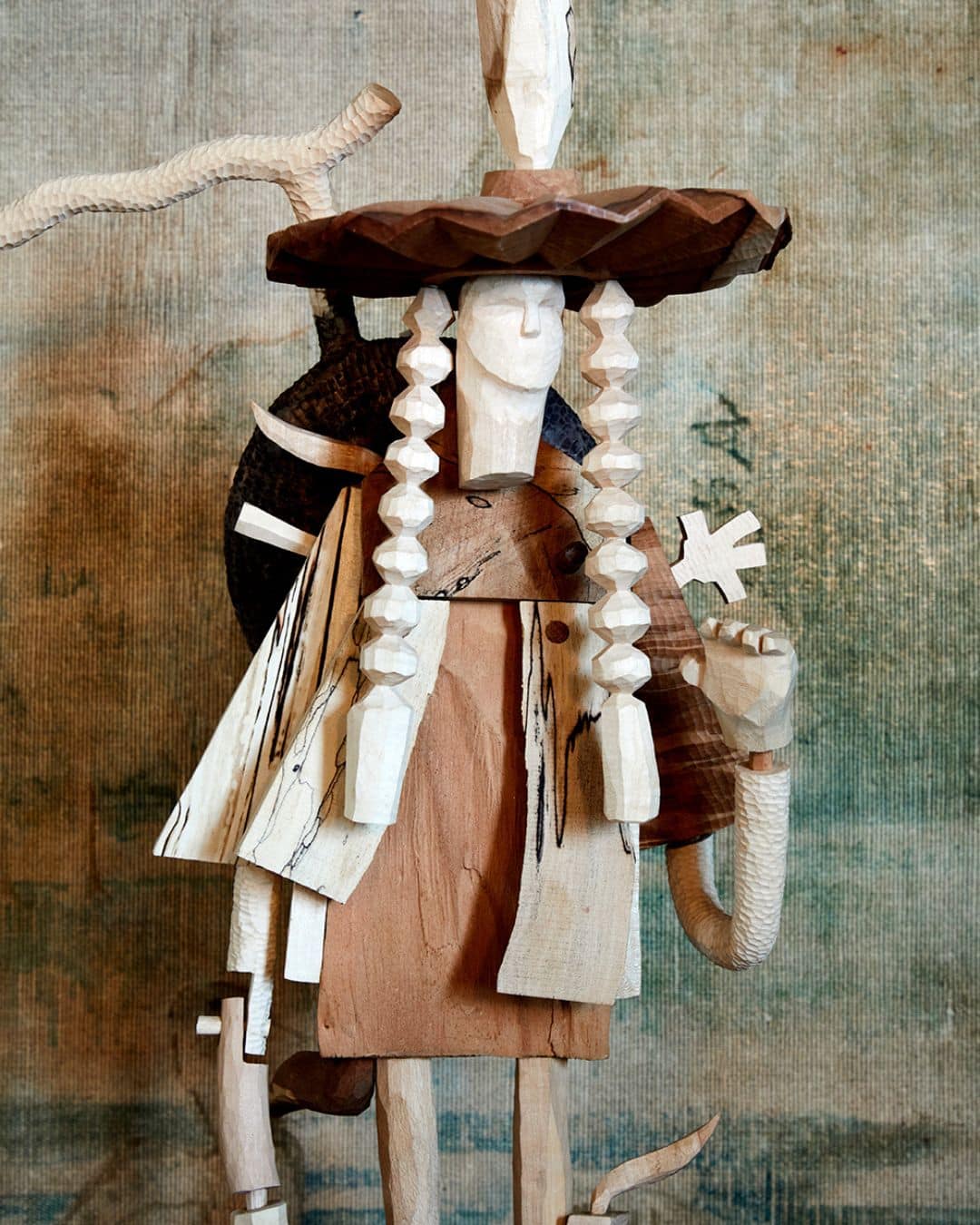

Craft reminds us that design is not only about how something looks, but how it feels in the hand, underfoot, in everyday use.