

Threaded with pattern, colour, art and antiques, each of Kit Kemp’s schemes unfolds like a richly stitched tapestry, layered, expressive and unmistakably individual. Celebrated for her fearless embrace of texture, intuitive eye and deep respect for craftsmanship, she has long created interiors that tell stories as vividly as the people who inhabit them. Few designers have made such a distinctive imprint on the world of interiors. As Co-Founder and Creative Director of Firmdale Hotels and Founder of Kit Kemp Design Studio, she has built an international reputation for spaces that are bold yet welcoming, characterful yet deeply comfortable.
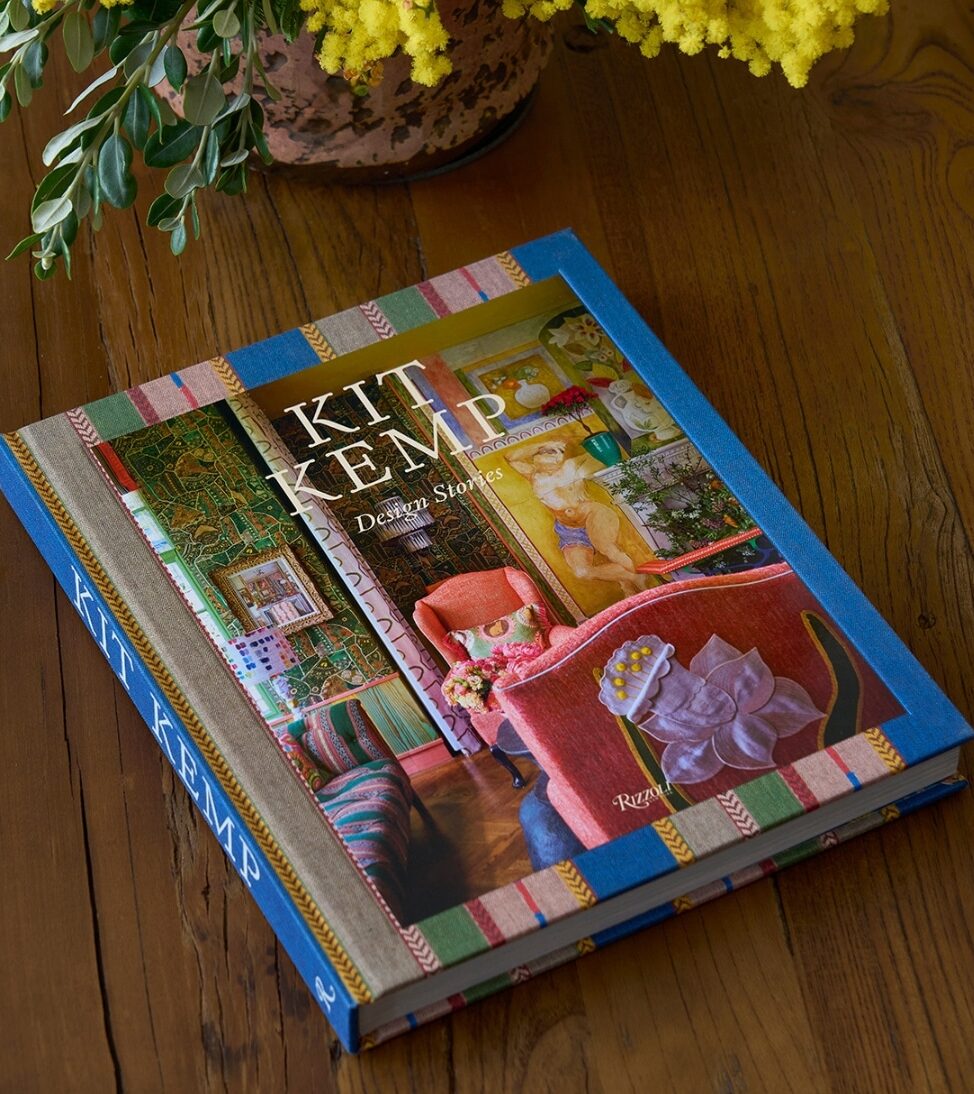
In her latest book, Design Stories, Kit opens the doors to some of her most characterful projects, revealing the inspirations, collaborations and collected treasures that shape her singular aesthetic. Emma J Page sat down with Kit to discuss the creative journeys behind these spaces, the art of balancing boldness with comfort, and why narrative remains at the heart of everything she does.
1. Tell us about the inspiration behind Design Stories?
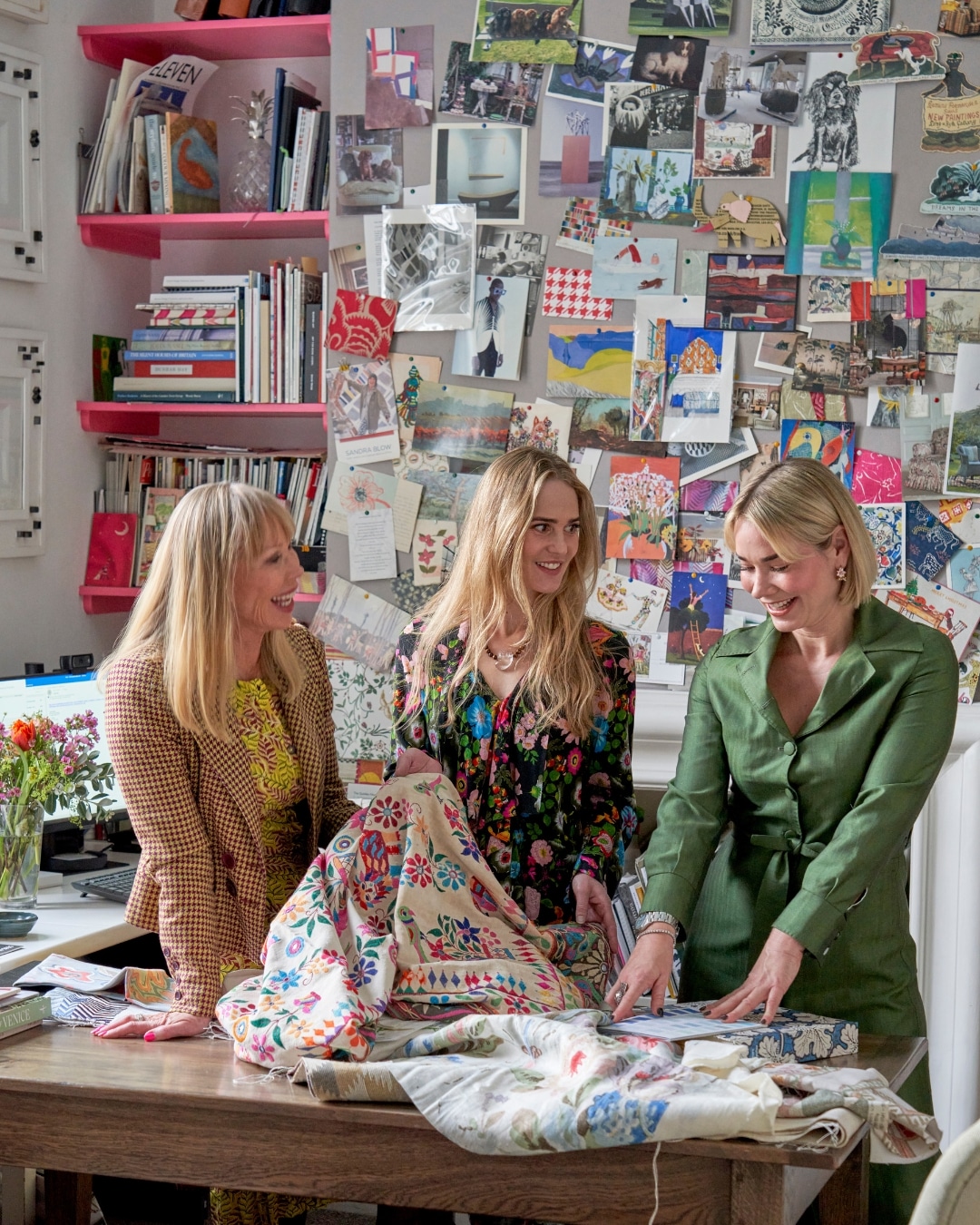
I really wanted to showcase the studio’s versatility – from hotels and private residences to collaborations and commercial premises. This is my fifth book and it feels like a great opportunity to highlight new projects and spotlight the artists, craftspeople, brands and makers that have been part of my creative journey. Also, two of our daughters, Willow and Minnie, are now an integral part of the design studio and it feels special to celebrate that.
2. A sense of the unexpected runs through your schemes – why is that important?
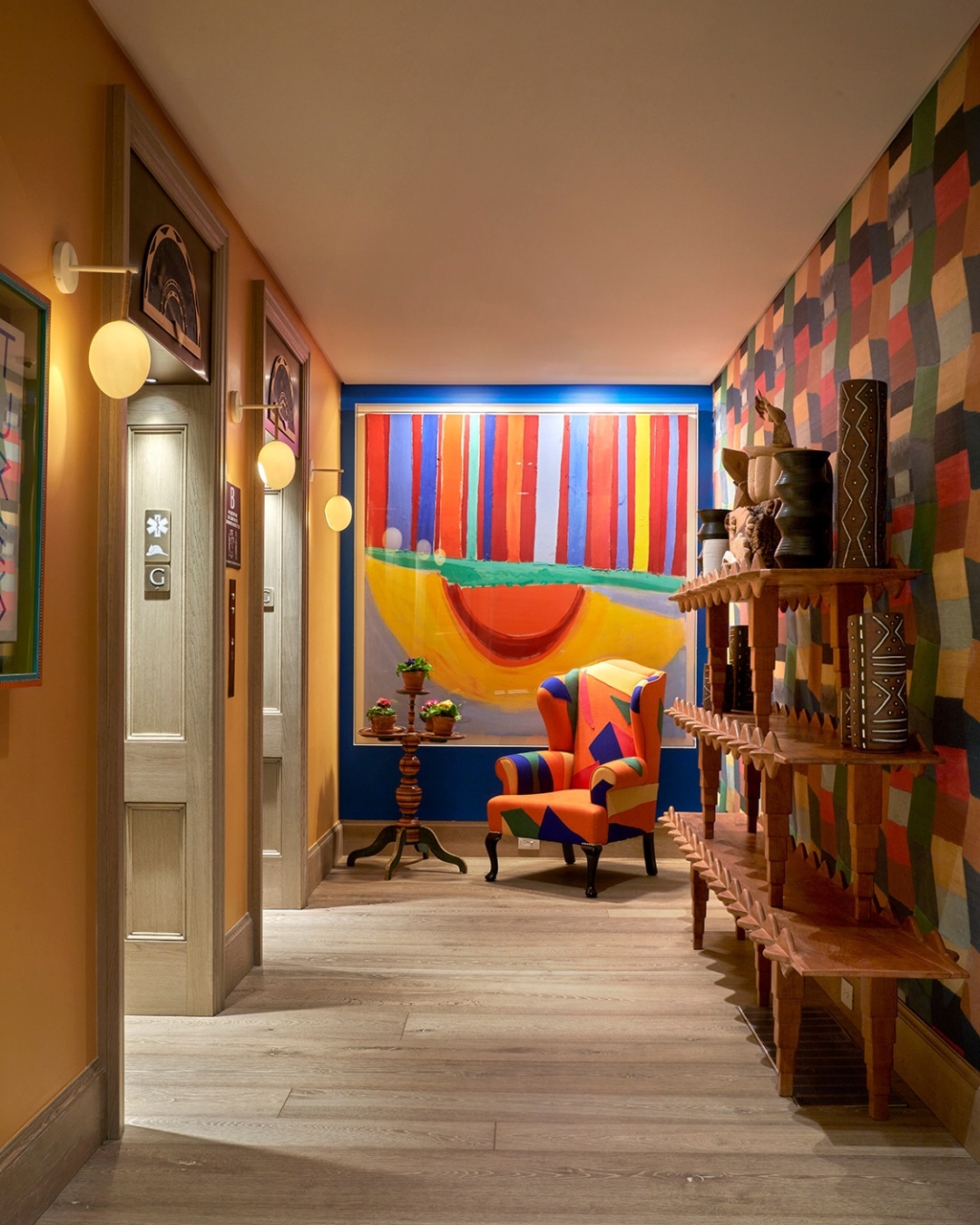
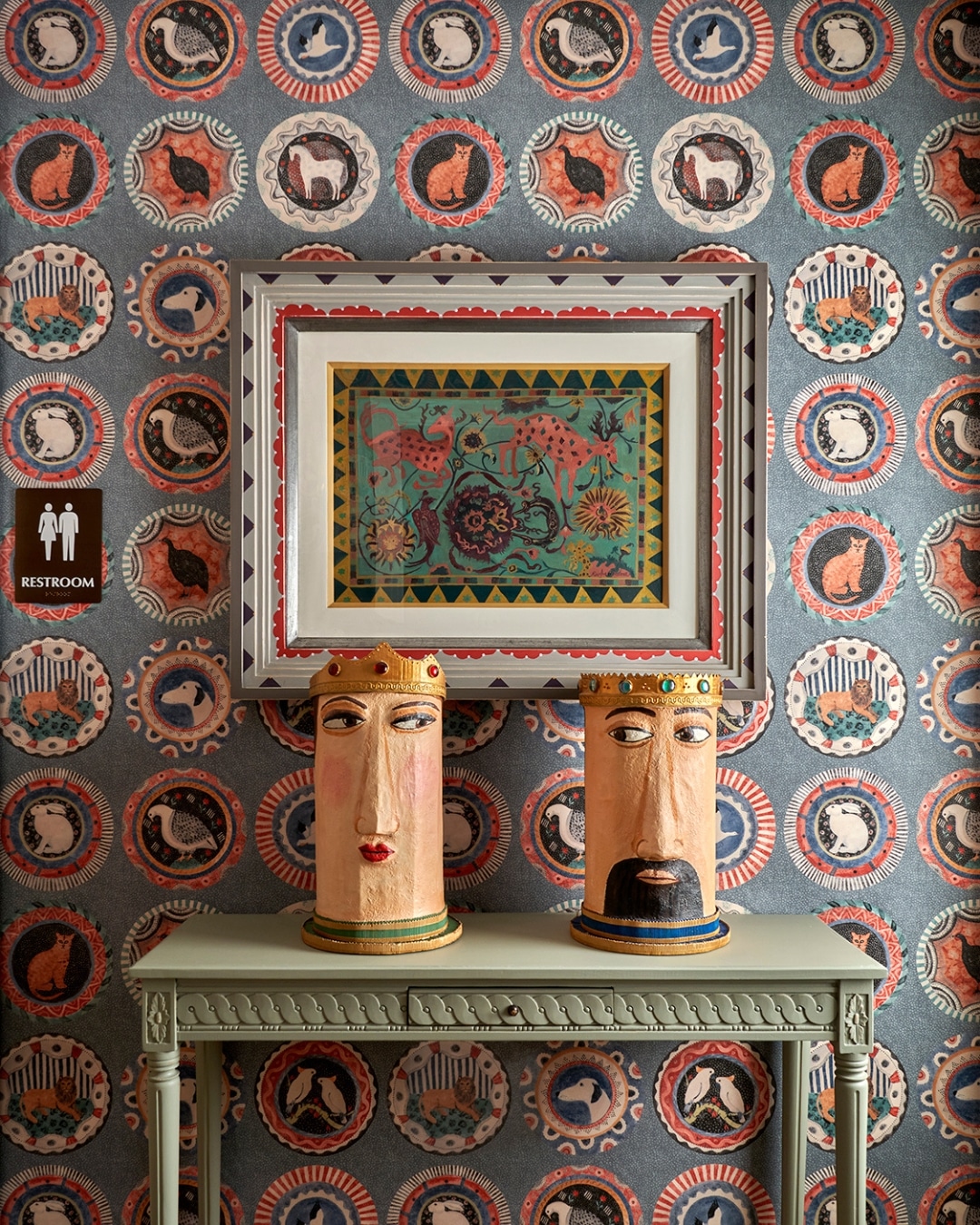
I think there’s a sense of wit – more than just playfulness for example – that pervades. It often comes through in those ‘in-between’ spaces, whether a corridor, a windowless lobby, or by an elevator, such as with the Maarten Baas grandfather clock in The Whitby Hotel in New York, where the artist himself appears to draw the clock’s hands in real time every minute. That turns the mundane prospect of waiting for a lift into a memorable moment. I always think a scheme should have something it in that delights you, prompts a smile and makes you want to come back a second time to investigate. Those moment are, after all, what makes travelling fun.
3. You’re known for being adept at designing large spaces as well as small – what’s the key to humanising a scheme?
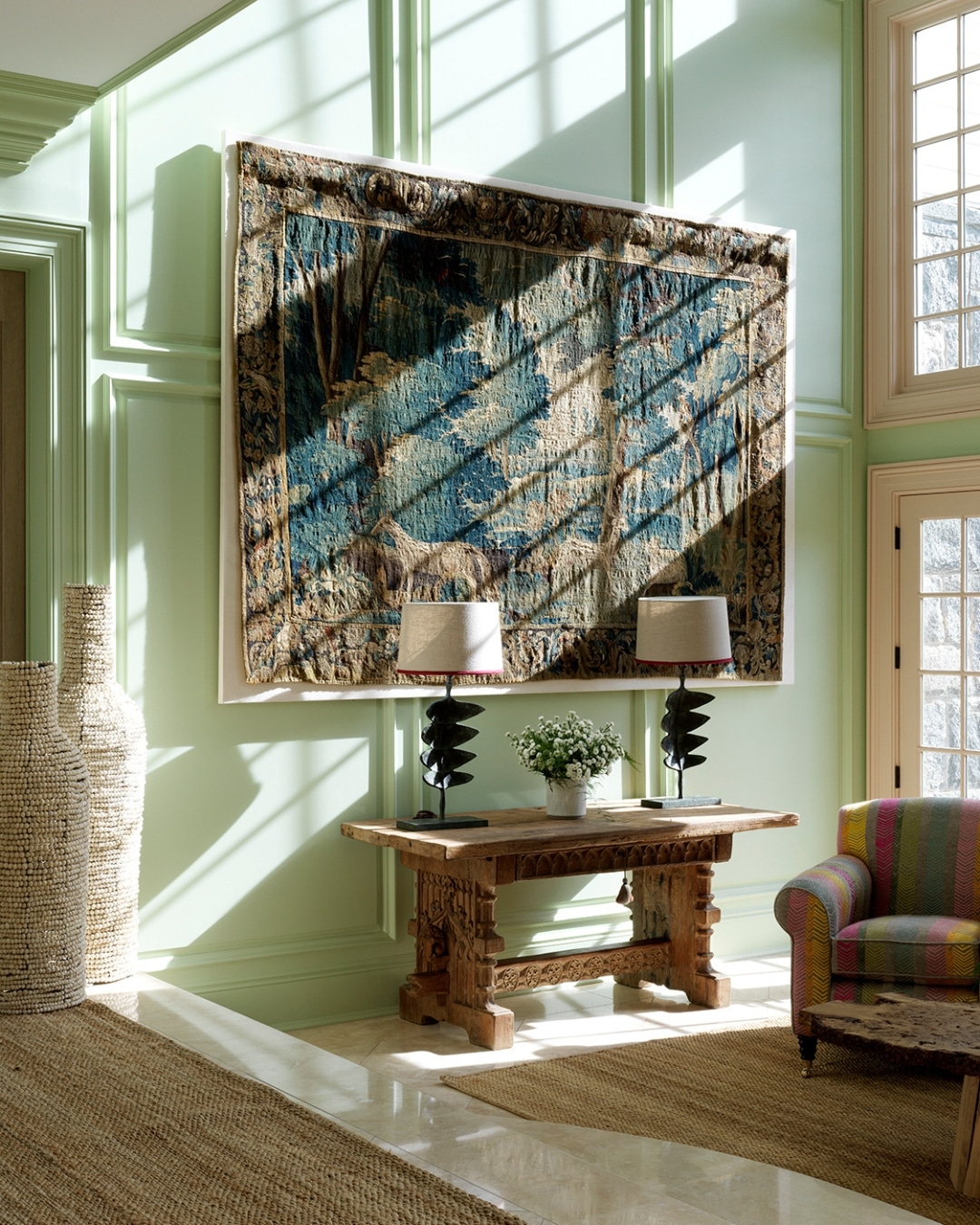
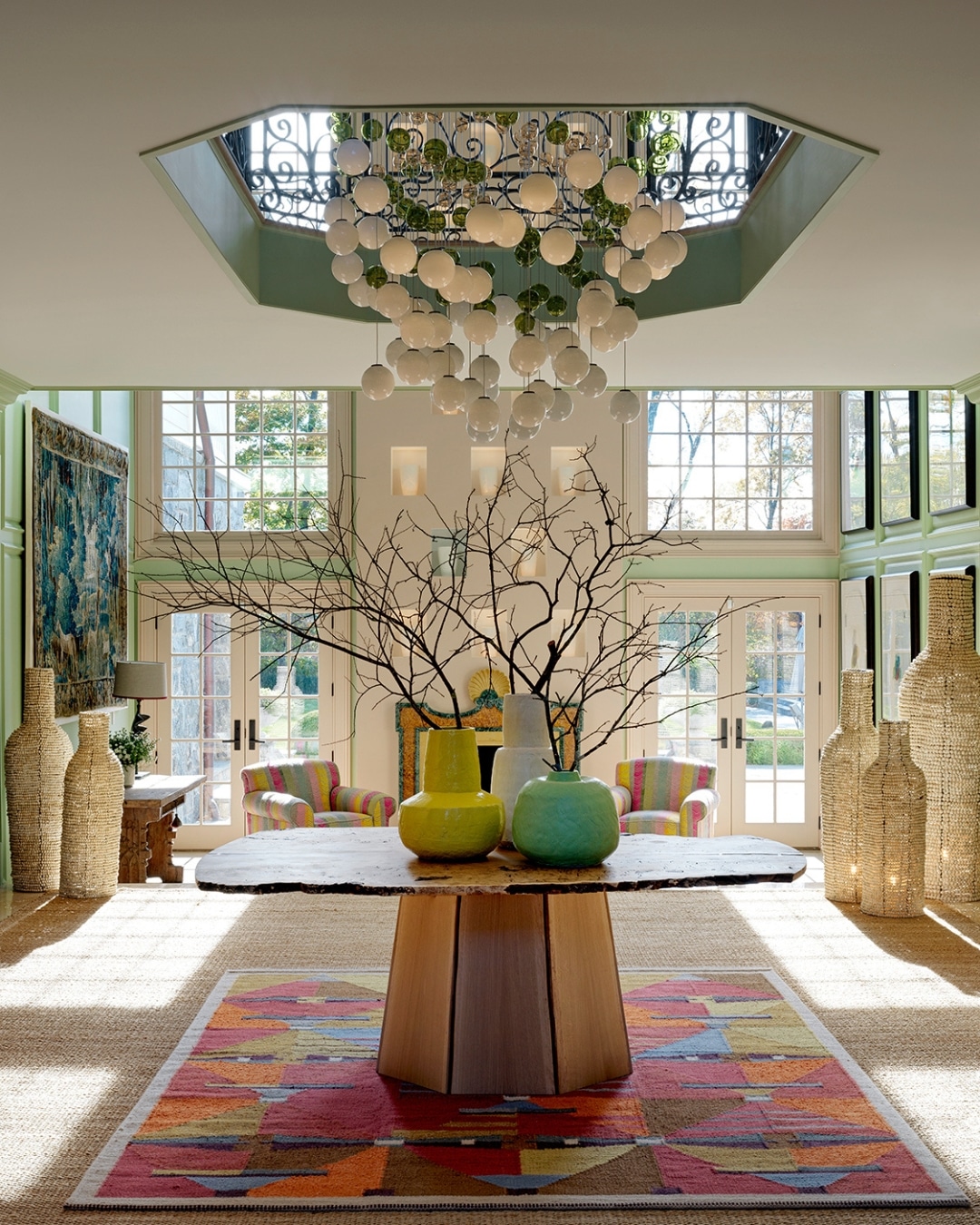
Firstly, you want to eliminate that impersonal, echo-y feel that grand spaces can sometimes elicit. There’s a home in Westchester featured in the book which has a very impressive entrance hall. I decorated it for a young couple, and we had fun introducing a little informality, from the seagrass flooring, which we layered with a rug on top and an organically shaped oak table on top of that. Then it was about creating some very loose symmetry, something bold for the eye to fall on in the centre – in this case a bold, contemporary light fitting – and then some moments for conversation, through relaxed seating. When all of these elements are in dialogue with one another, a room feels well scaled.
4. And conversely, smaller spaces can present their own challenges – how best to create a sense of generosity?
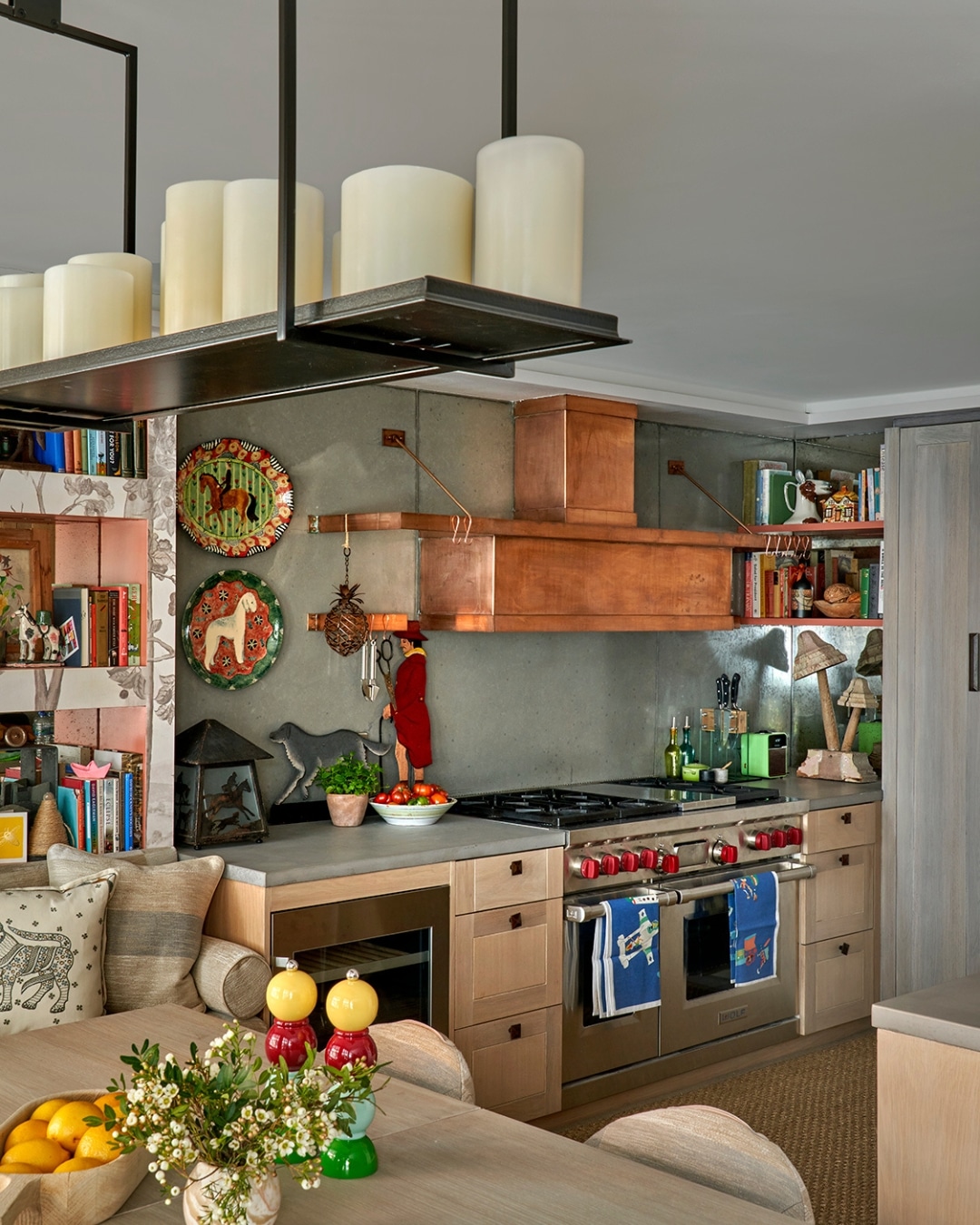
In many ways, you have to be even cleverer with a compact space. My daughter Willow’s London mews house features in the book, and we approached it a little as you would when designing a ship, meaning that every square inch needed to be carefully considered. Unnecessary corridors have been eliminated, so the front door opens directly onto the kitchen which necessitated some clever thinking about making the space both beautiful and practical. Hidden in the floor underneath the natural mat covering is a storage hole, while a yoga-cum-guest room upstairs features green linen walls with a pull-down bed. Willow designs spaces so well – she thinks very architecturally.
5. What about your approach to your own London home – in what way is it a place of experimentation?
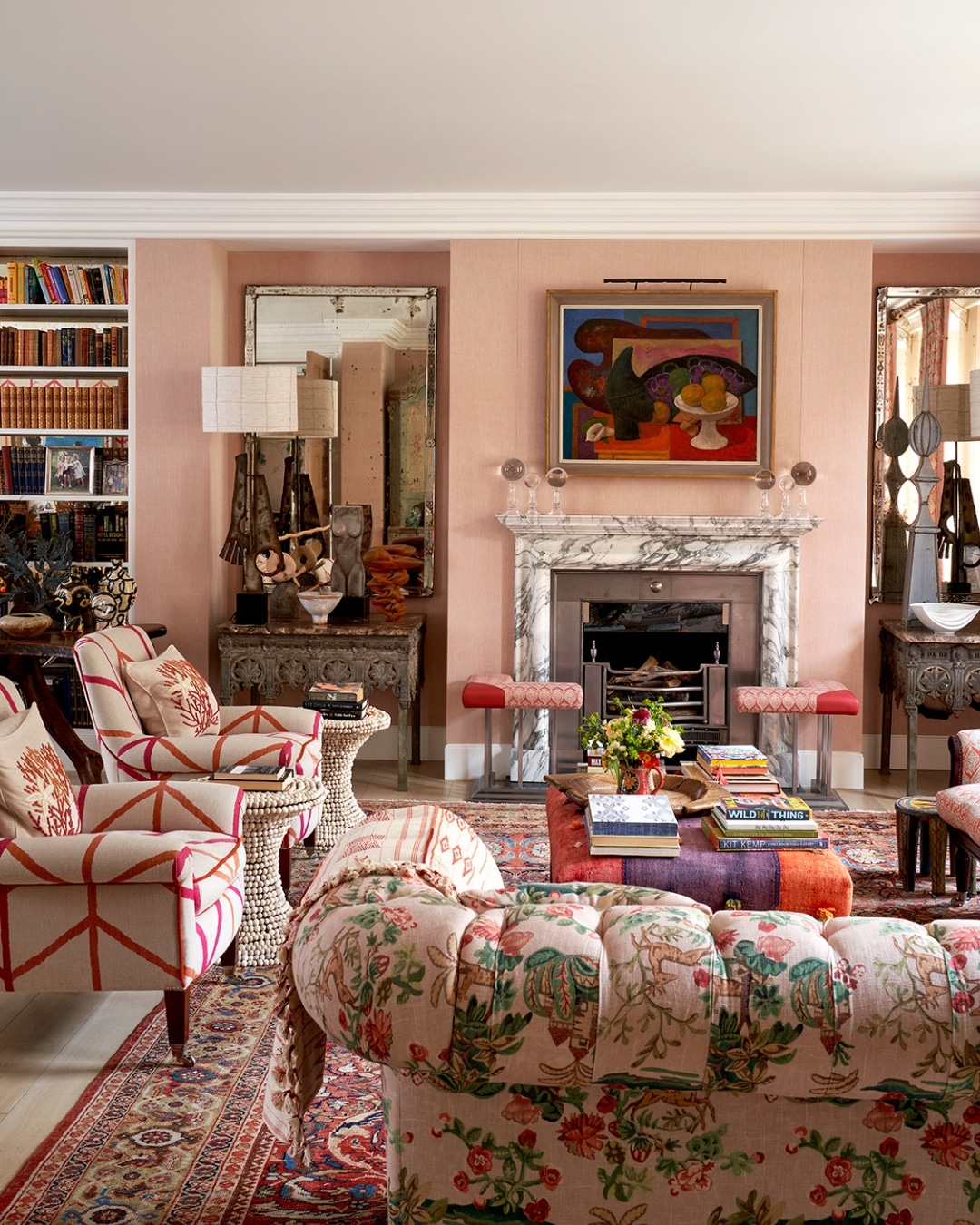
Well, let’s just say that more than a place of experimentation, it’s often where early pieces and designs still in progress find a home. But I love that, because I enjoy pieces that are a little imperfect. In the sitting room, there’s the first run of my Knight’s Tale fabric for GP & J Baker whose ground felt a little too flat; at my desk, there’s a chair upholstered in a prototype Raoul Textiles’ Sari fabric. I also find myself collecting ideas, especially on my walk to work through the park – the veins of a leaf or simply the way the light falls might inspire a fabric for example. There are so many projects to work on within a day, whether the hotels, a collaboration or Shop Kit Kemp, that I find the transition between home and office by foot really clears my mind.
6. Tell us how the colourful creativity of the Bloomsbury Group has influenced your approach over the years?
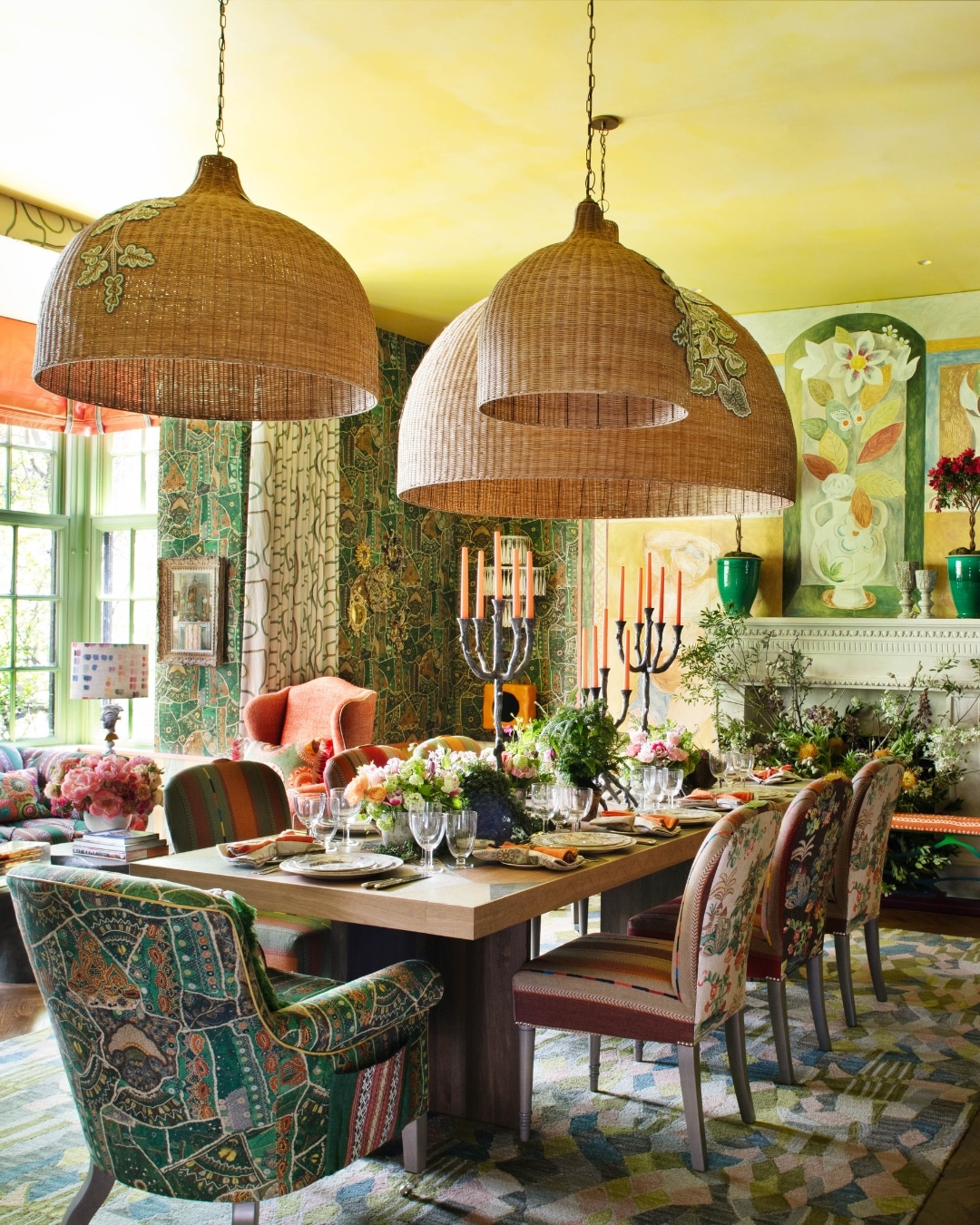
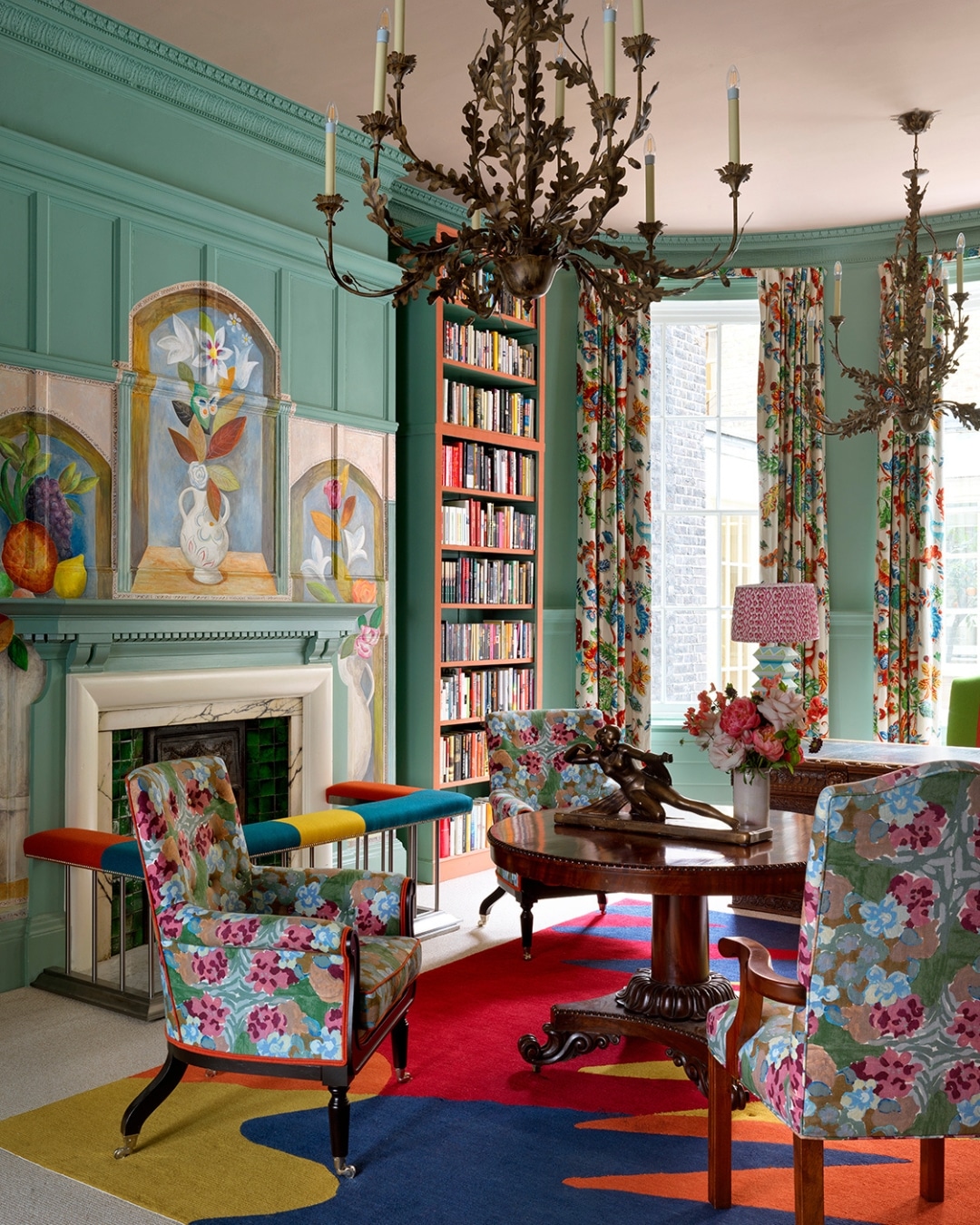
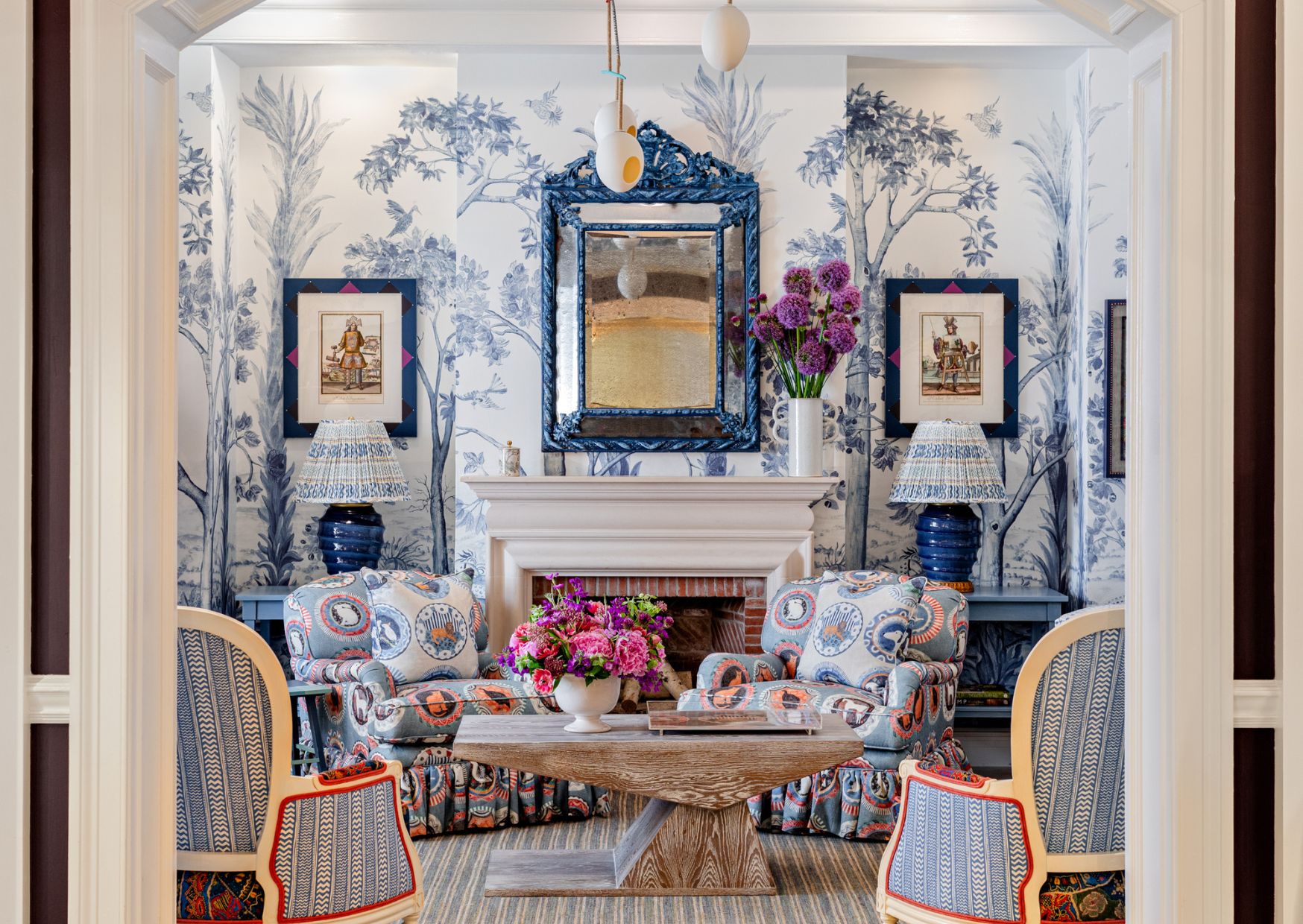
Their free-spiritedness has always been an inspiration. When we opened Charlotte Street Hotel more than twenty-five years ago, there was so little in the area that referenced this artistic movement, even though the building was in the heart of Bloomsbury. It was exciting for me to go to auction and pick up works by Henry Lamb, Duncan Grant and Alfred Wolmark, or track down pieces produced by Omega Workshops, the design collective founded by members of the group. I remember early visits to Charleston too in the depths of winter. There was no heating of course, and that original artistic spirit was so palpable. When my daughter Minnie and myself were offered the opportunity to decorate a room at the Kips Bay show house, it felt natural to pay homage to the colourful artistry of that period. We chose ‘A Dining Room of One’s Own’ as a theme, the name inspired by Virginia Woolf’s book. The room features a hand painted fire surround in homage to the period, created by Tess Newall.
7. In what way has urban life has inspired your interiors?
There’s nothing like tapping into the pulsing beat of the city, whether London or New York. I enjoy the melting pot nature of a city; the idea that it’s full of artists, craftspeople and emerging talent – I hope our hotels reflect that diversity. Myself and Tim have developed some of our hotels from scratch too, building from the ground up in both London and New York, which gives us the unique advantage of conceiving everything, from the steel-framed windows down to the napkins on the tables. It’s a privilege to have that family-run approach while also regenerating under-the-radar neighbourhoods. When designing an urban hotel, I believe there should always be a great emphasis on comfort, character and craft, because a city hotel – or a long stay apartment – is always something of a refuge. We designed the apartments at Ham Yard for example exactly in that vein – a treasure box of surprises and a homage to city living.
8. And at the other end of the scale, you’ve created some beautiful escapes, such as your own home in Barbados. Why does island living appeal?
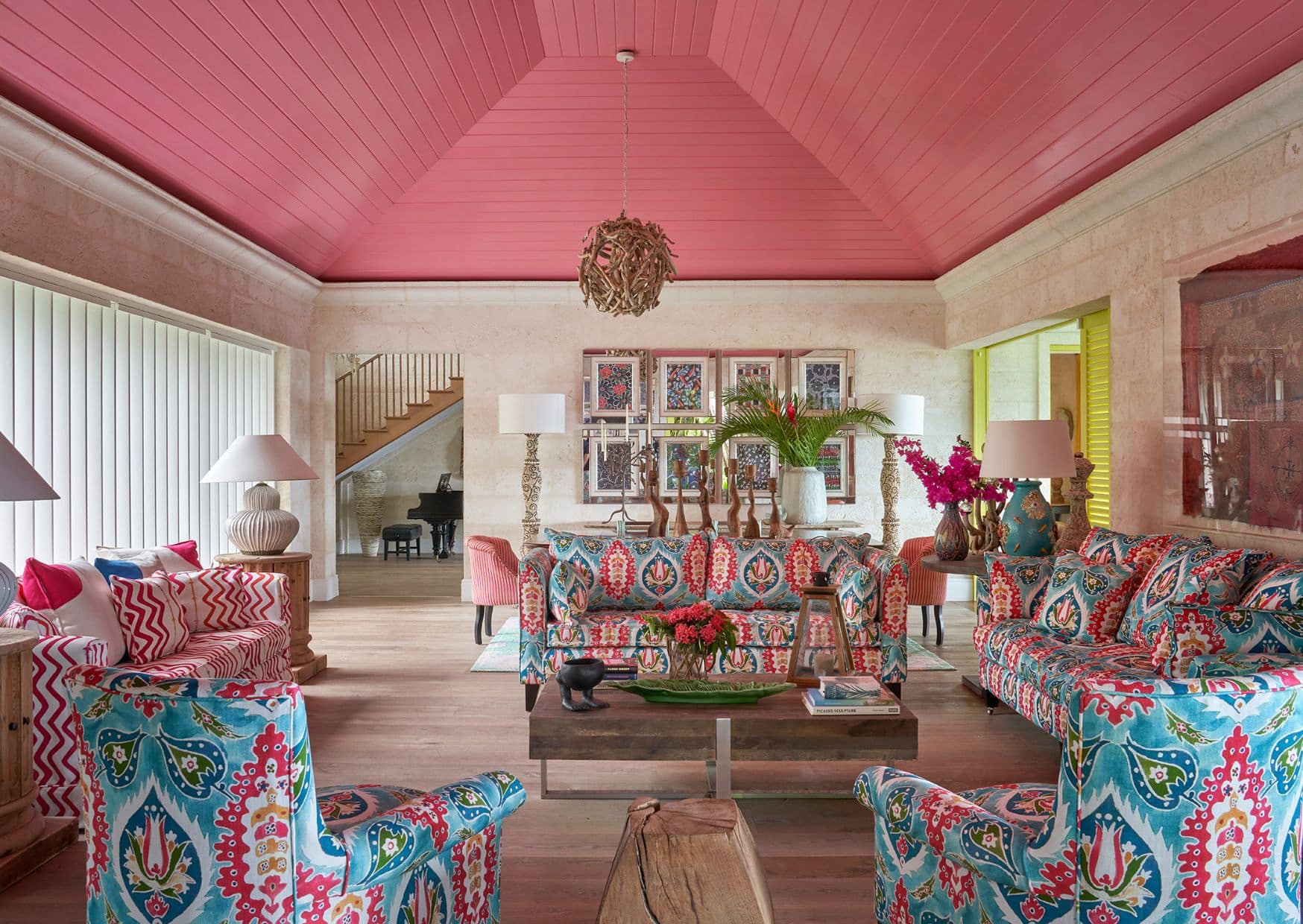
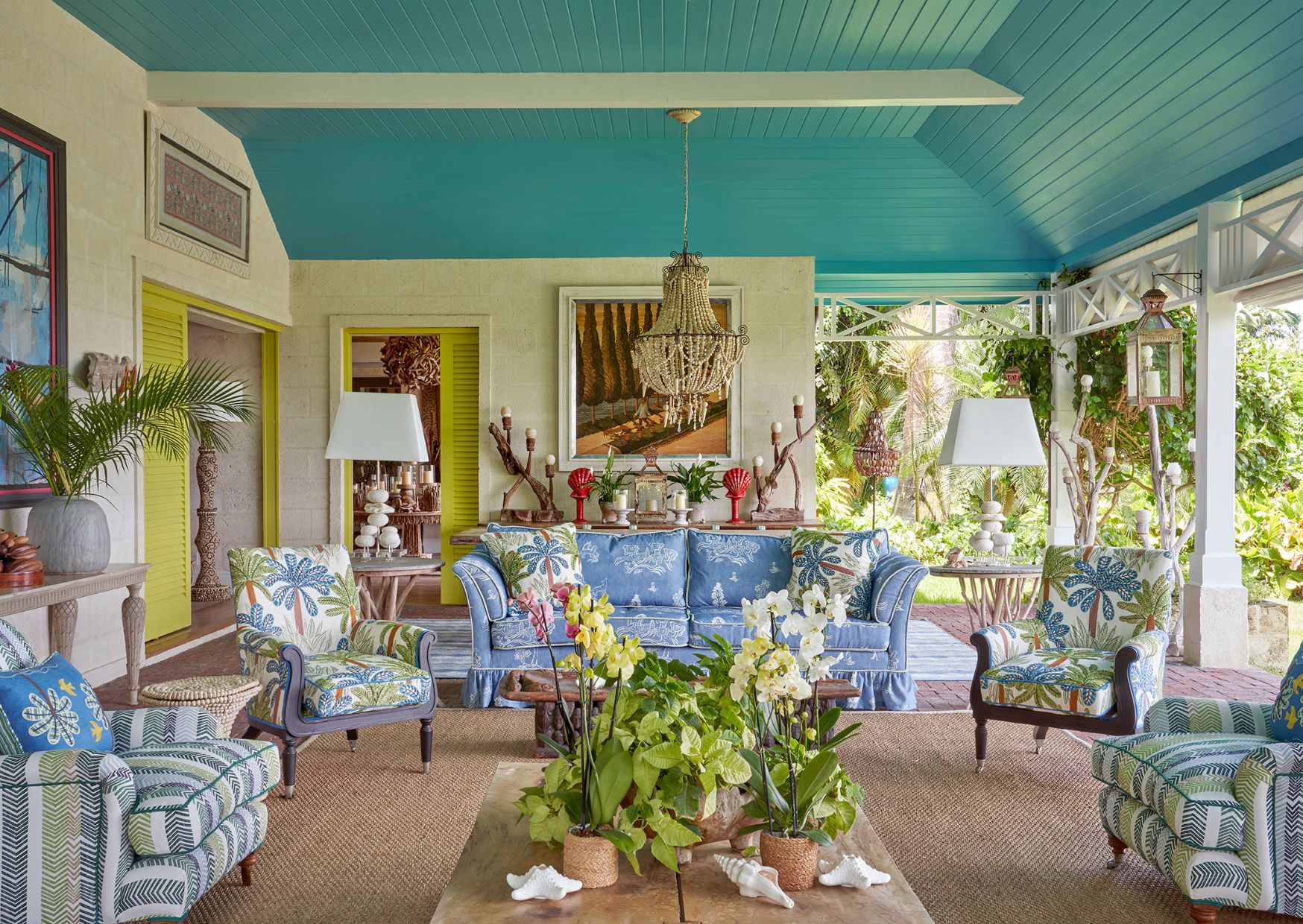
I think it’s all about escape, as well as connection to a place. When we first started staying in Barbados, we rented the house that used to stand in the spot where our current home is. We loved it there – most especially the garden – and when the opportunity came to build something new, we took it. We literally bought a pick-up truck for the renovation and started again. Now, when I’m working in New York, I can escape there easily. It’s incredibly reviving. What I love about the tropics is that you can go bright. Colours fade fast there though, so it’s all about performance fabrics for longevity.
9. Tell us how some of your collaborations have helped add a new dimension to your interiors?
Compared to planning the design of a building, collaborating with brands like Spode, Wedgwood or Chelsea Textiles, uses a different part of the brain and I like that variety. These are brands that I’ve grown up with in some cases, and so it’s a real honour to be working with them or taken behind the scenes – for example, exploring GP & J Baker’s archive in Poole. Then there’s learning new skills – I’m not a trained ceramicist so working with Spode gives me the opportunity to see heritage techniques up close. And then there are the friendships too – for example, I’ve known mother and daughter Mona and Jenny of Chelsea Textiles for many years – for a long time, they lived around the corner. It’s lovely when things come full circle: the new book features a cloth cover based on my fabric Bunty, an ode to artisanal weaves.
10. Your book mentions the importance of empowering others to trust their design eye – why is that so important?
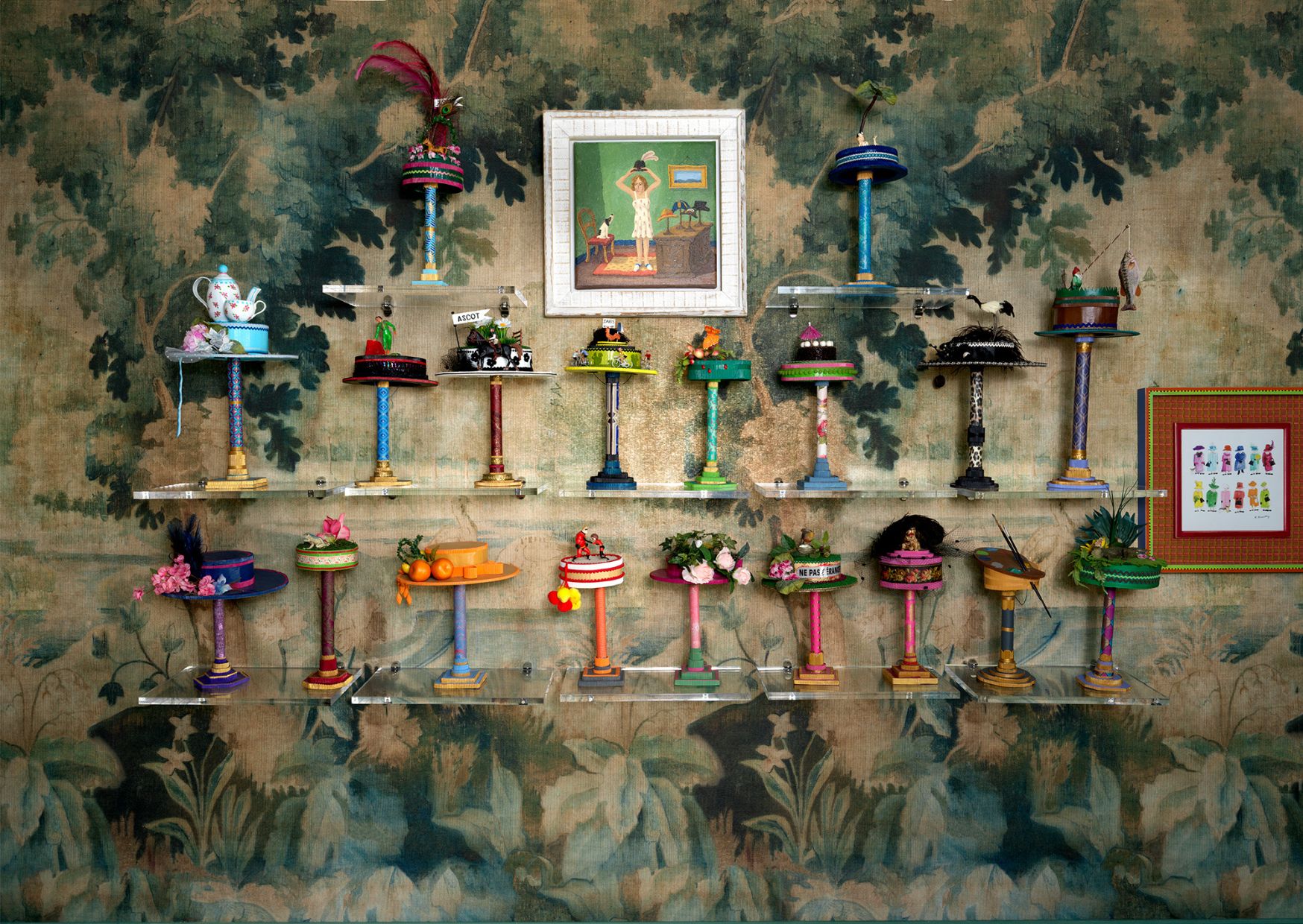
Because I’ve always believed that immaculate, perfect interiors, as beautiful as they may be, often don’t reveal the character of their owners. That’s why I love handmade pieces: not only do they reveal evidence of a human hand, but the same piece, made by an artist over and over will always come out differently. The same applies to creating a scheme for yourself – it’s easy to overlook the ordinary, but often those simple pieces that are meaningful to you are in fact the most interesting. Something as ubiquitous as a key can look beautiful when framed, and becomes more meaningful if it’s built out into a collection of framed keys. I think if you trust that instinct for what feels interesting, you can’t go wrong.
Signed copies of Kit’s latest book, Design Stories, are now available at Shop Kit Kemp here. We hope you enjoy discovering it as much as we loved creating it.