

One of the quieter challenges of designing any space is allowing it to be many things at once, a place to read, to rest, to gather and to work, often all within a single day. True flexibility is essential, yet it should never feel obvious or overly practical. The aim is always to create a room that feels effortless, while working beautifully behind the scenes.

Designing for Movement
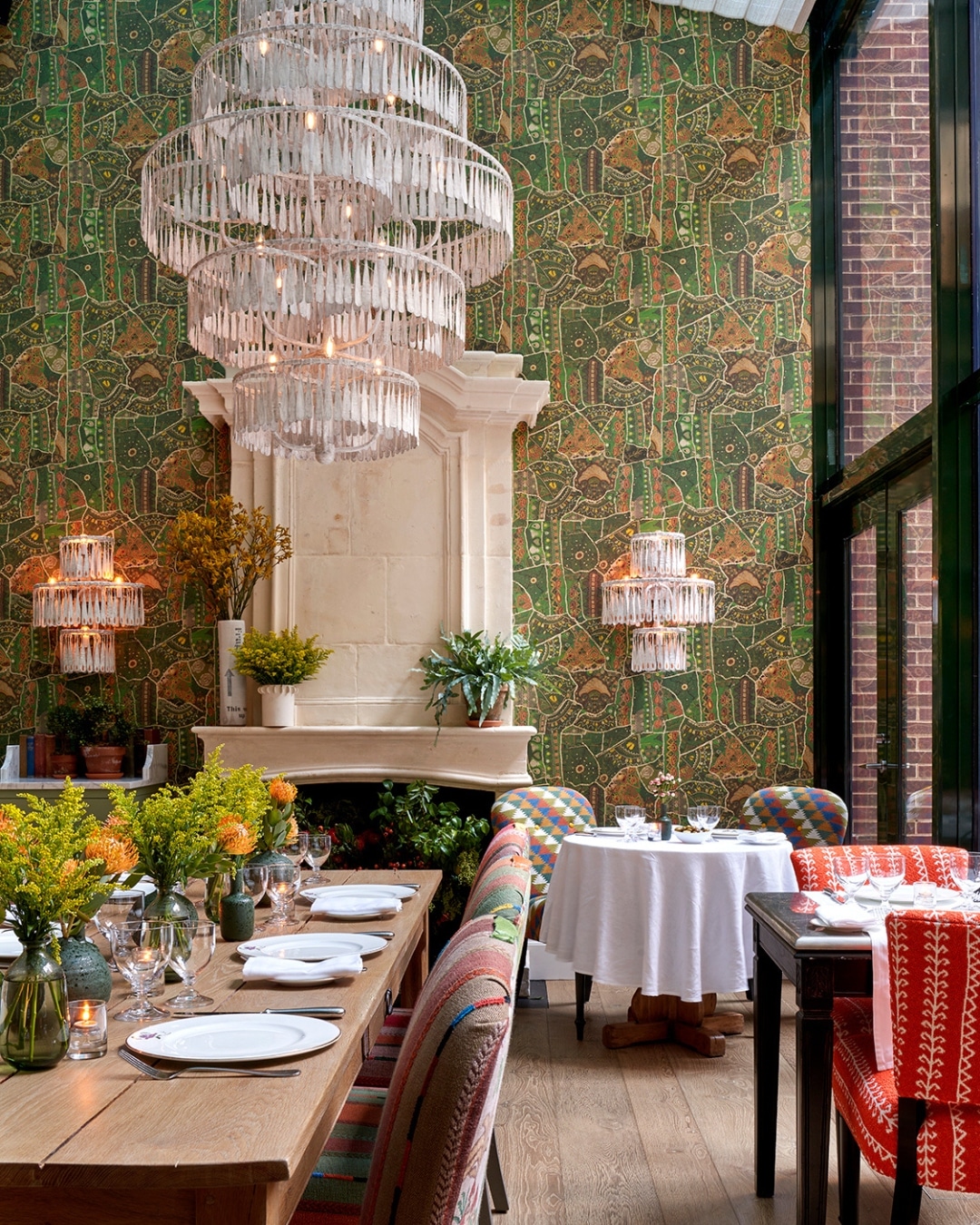
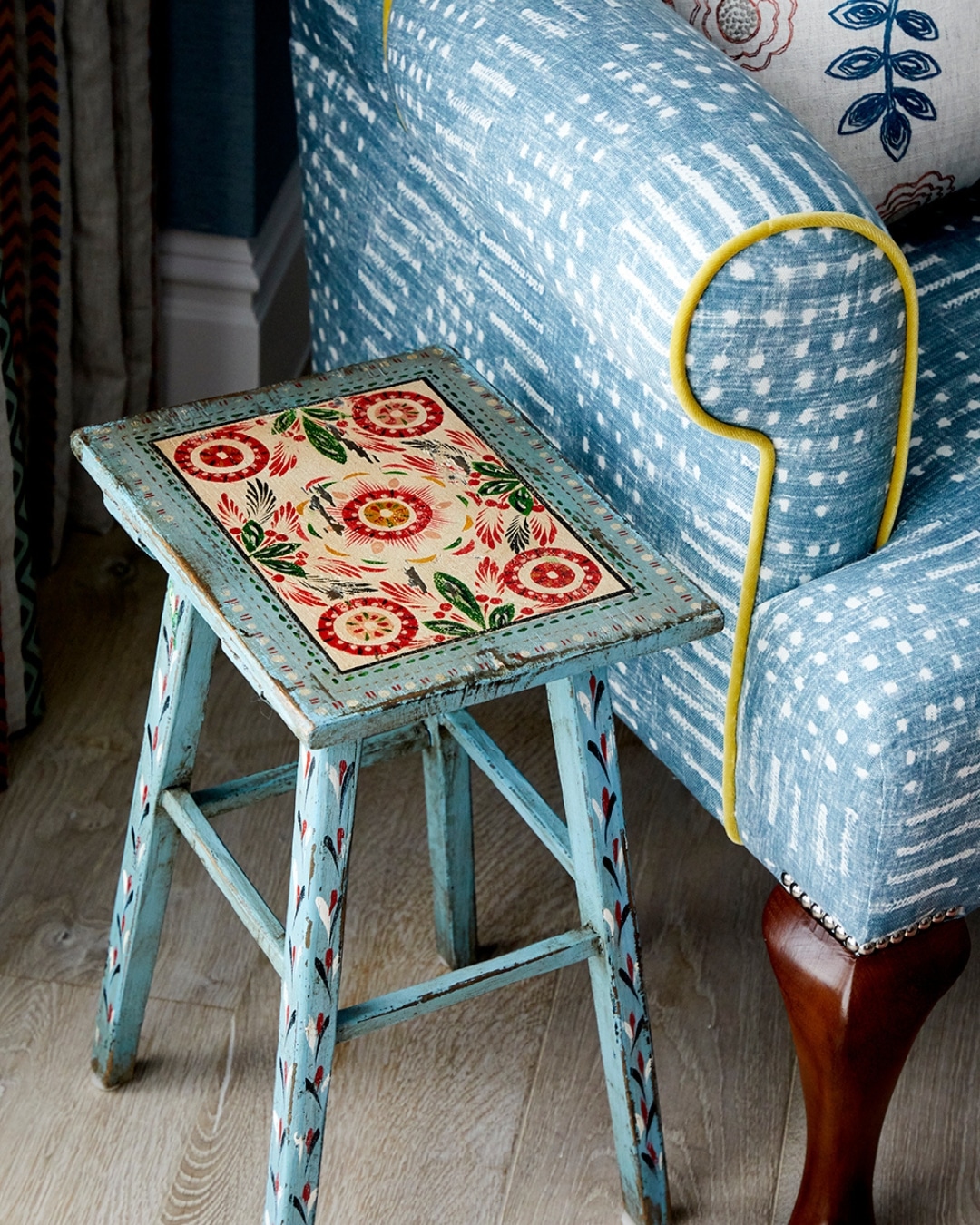
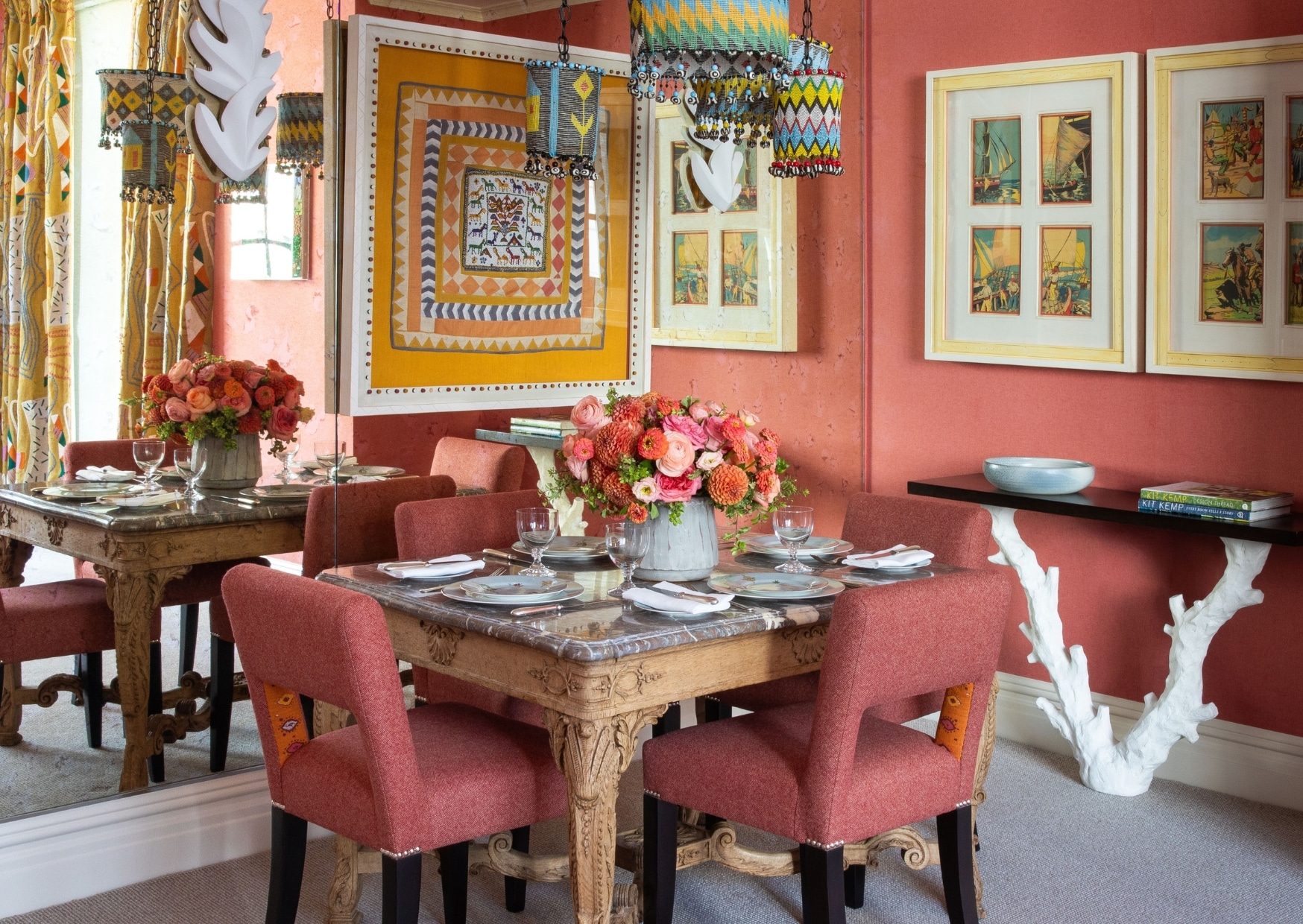
Movement plays an important role in how a space is experienced. Pieces that can be easily repositioned allow a room to evolve naturally throughout the day. Discreet castors can transform a chair into something wonderfully adaptable, gliding from one corner to another with ease. Even smaller pieces, such as stools or side tables, can be designed to be light enough to move freely, offering flexibility without ever feeling temporary.
Choosing the Anchor Piece
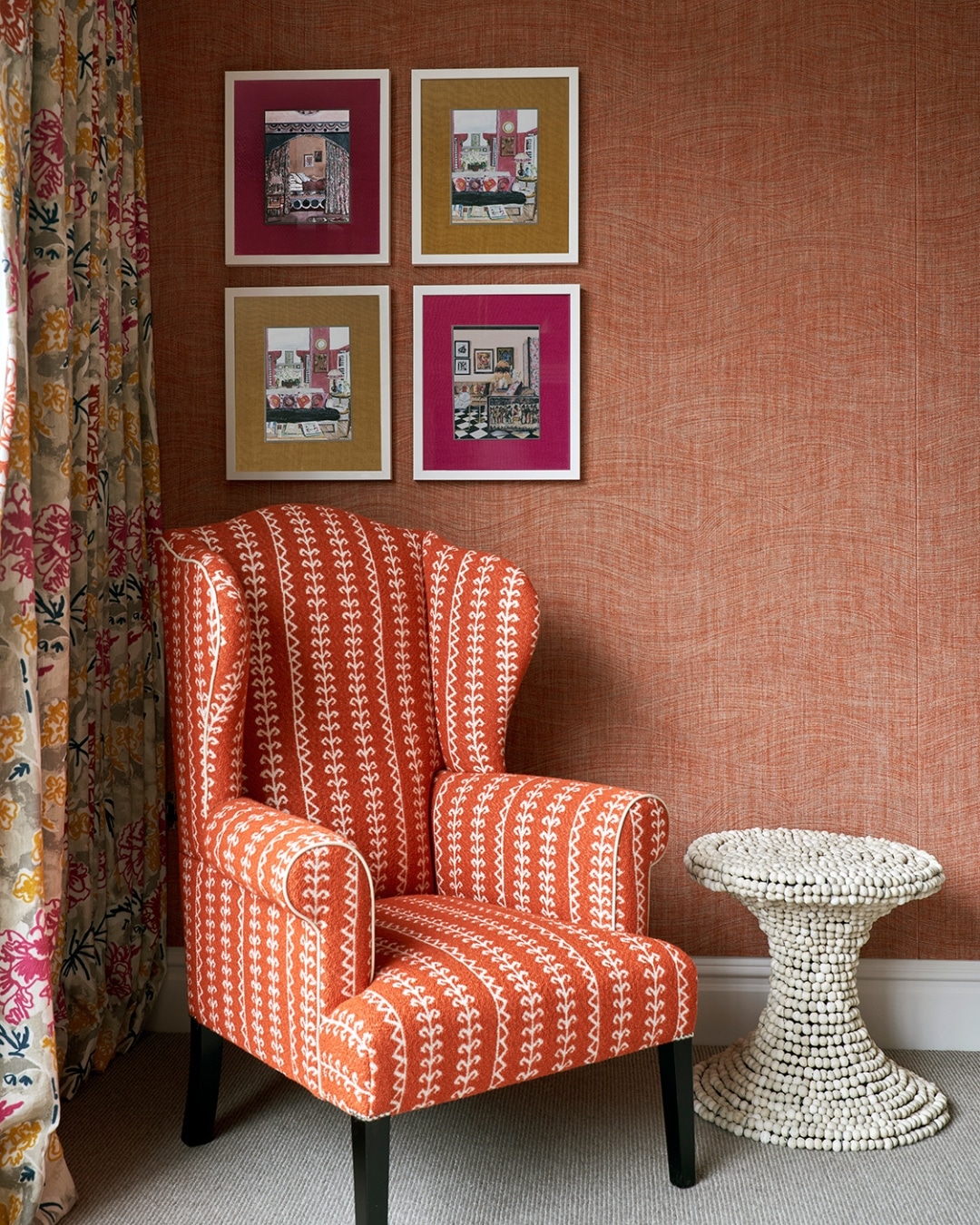
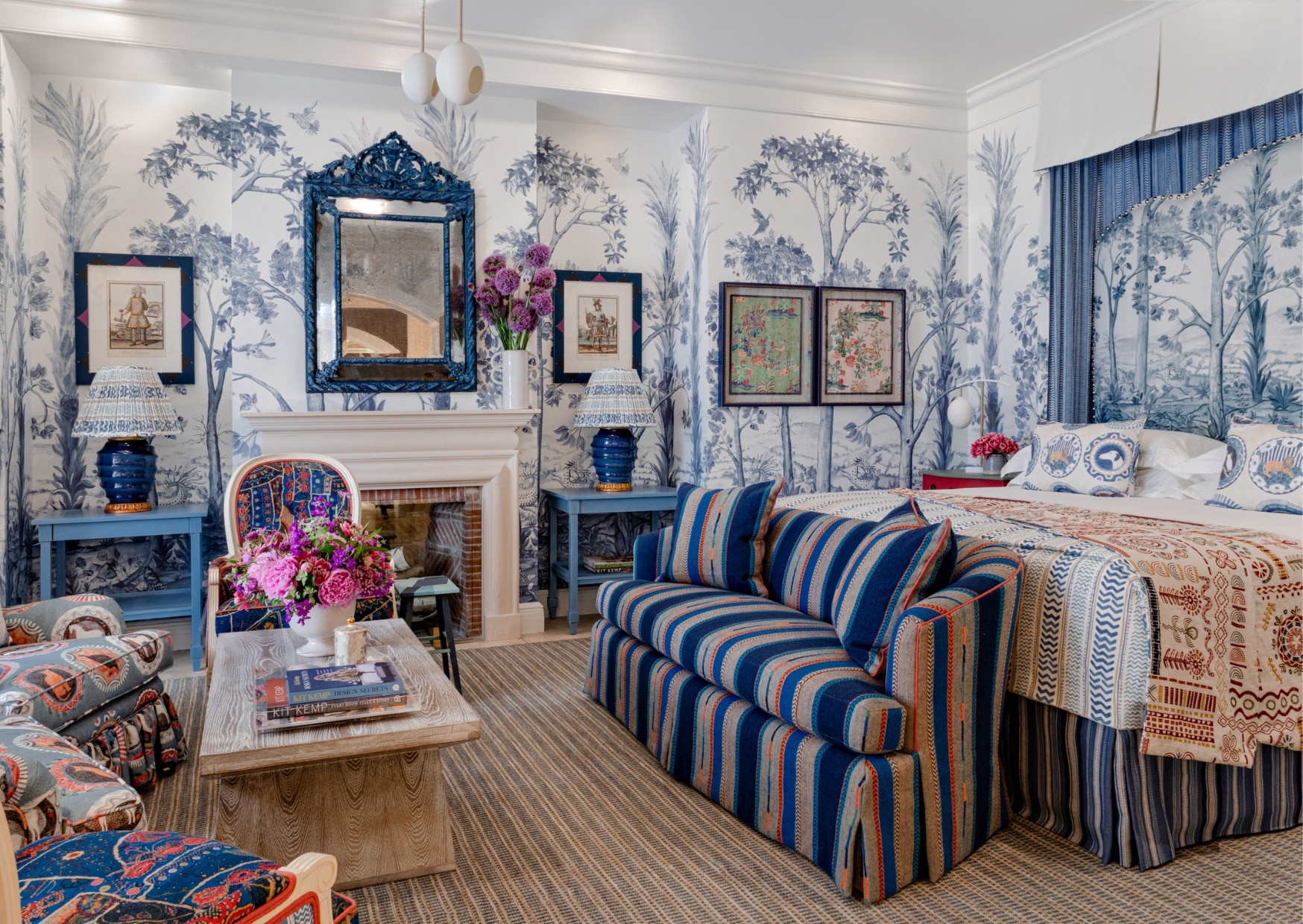
The starting point is often the main seating. A generous armchair can create a sense of calm and intimacy, while a sofa invites a more relaxed, sociable atmosphere. A sofa bed, often overlooked, can offer a wonderful opportunity to transform a space. With thoughtful upholstery and elegant proportions, it need not feel secondary. A tailored skirt or a softly patterned fabric can completely disguise its dual purpose, allowing it to sit comfortably within the overall scheme.
Thoughtful Details That Invite Use
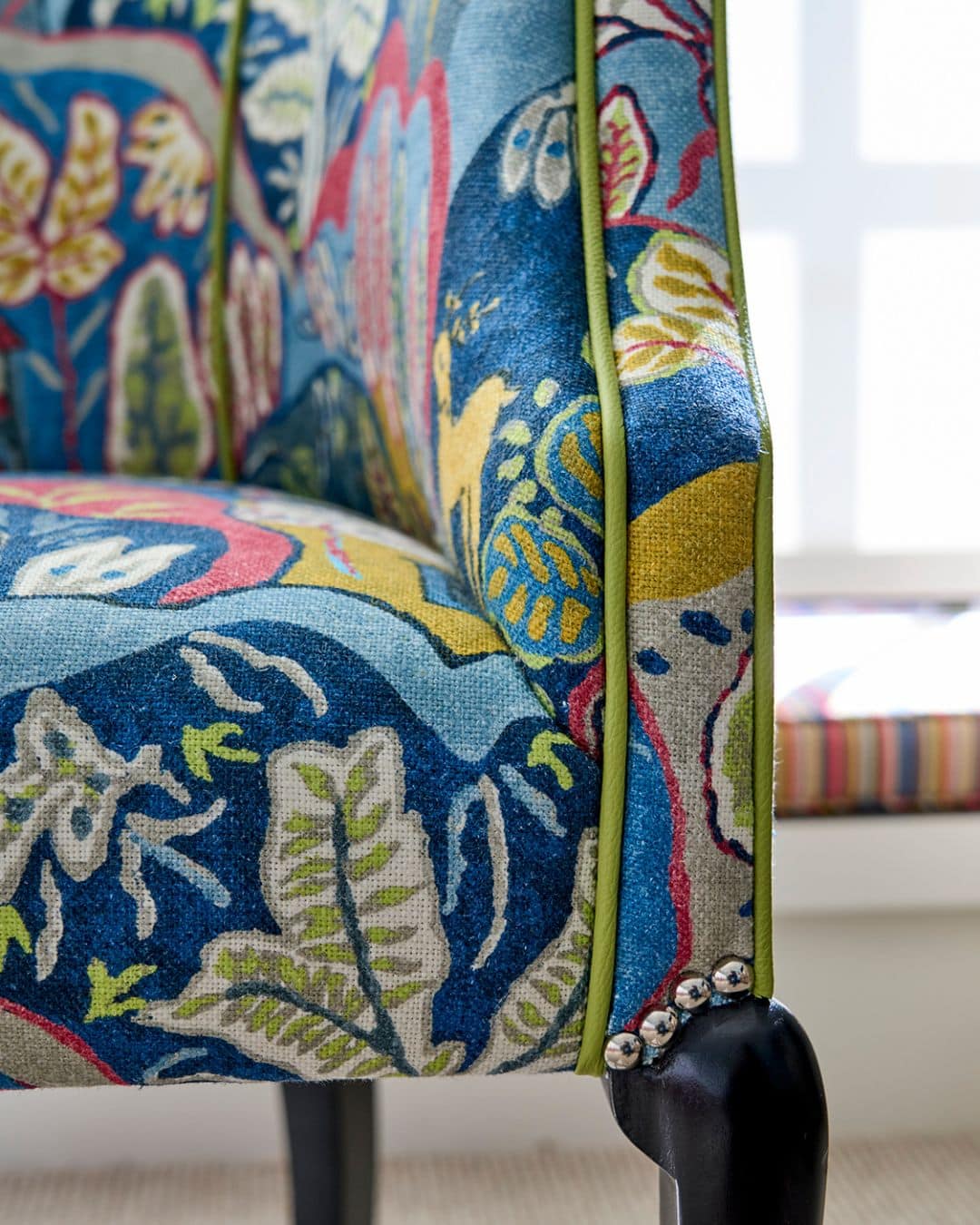
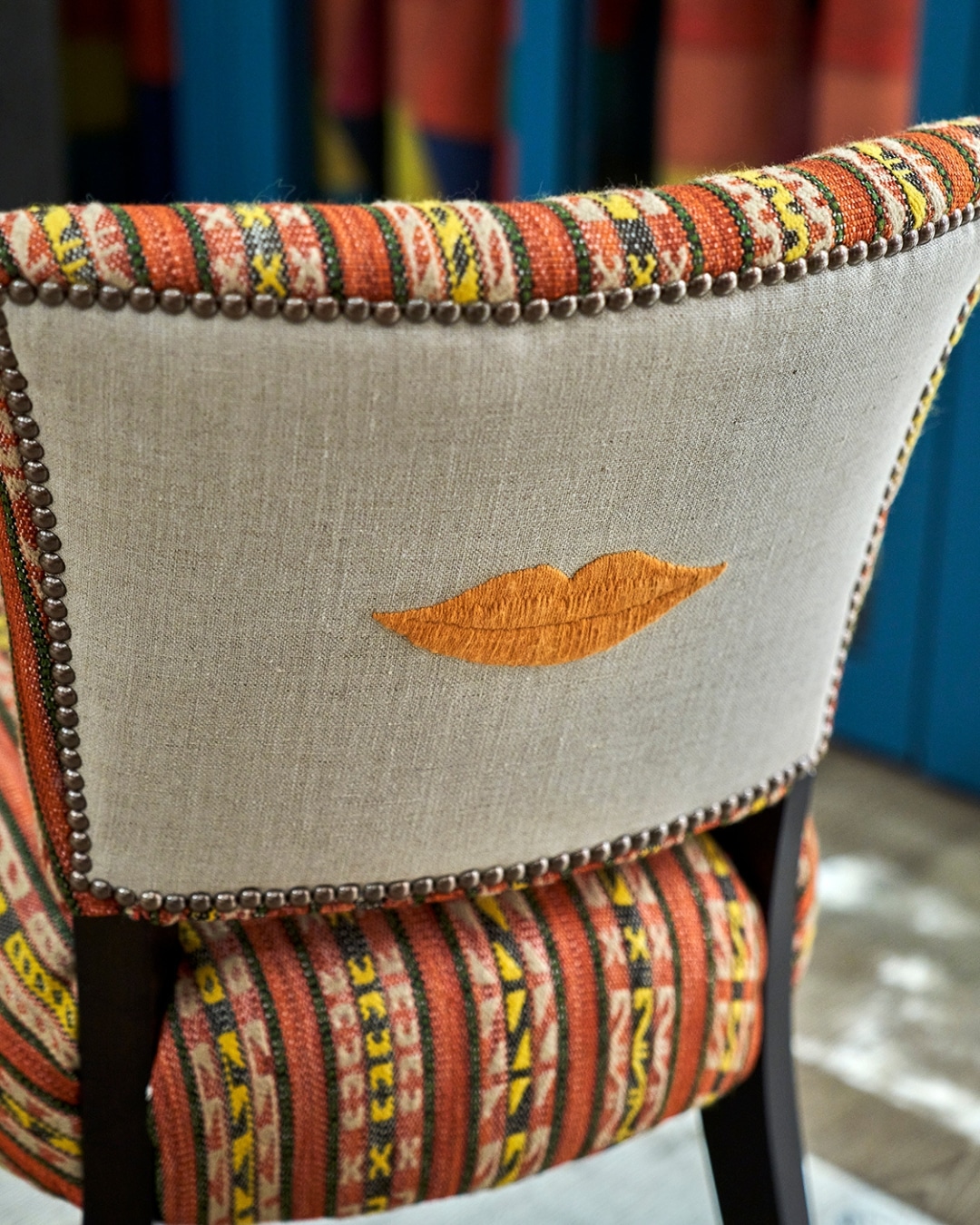
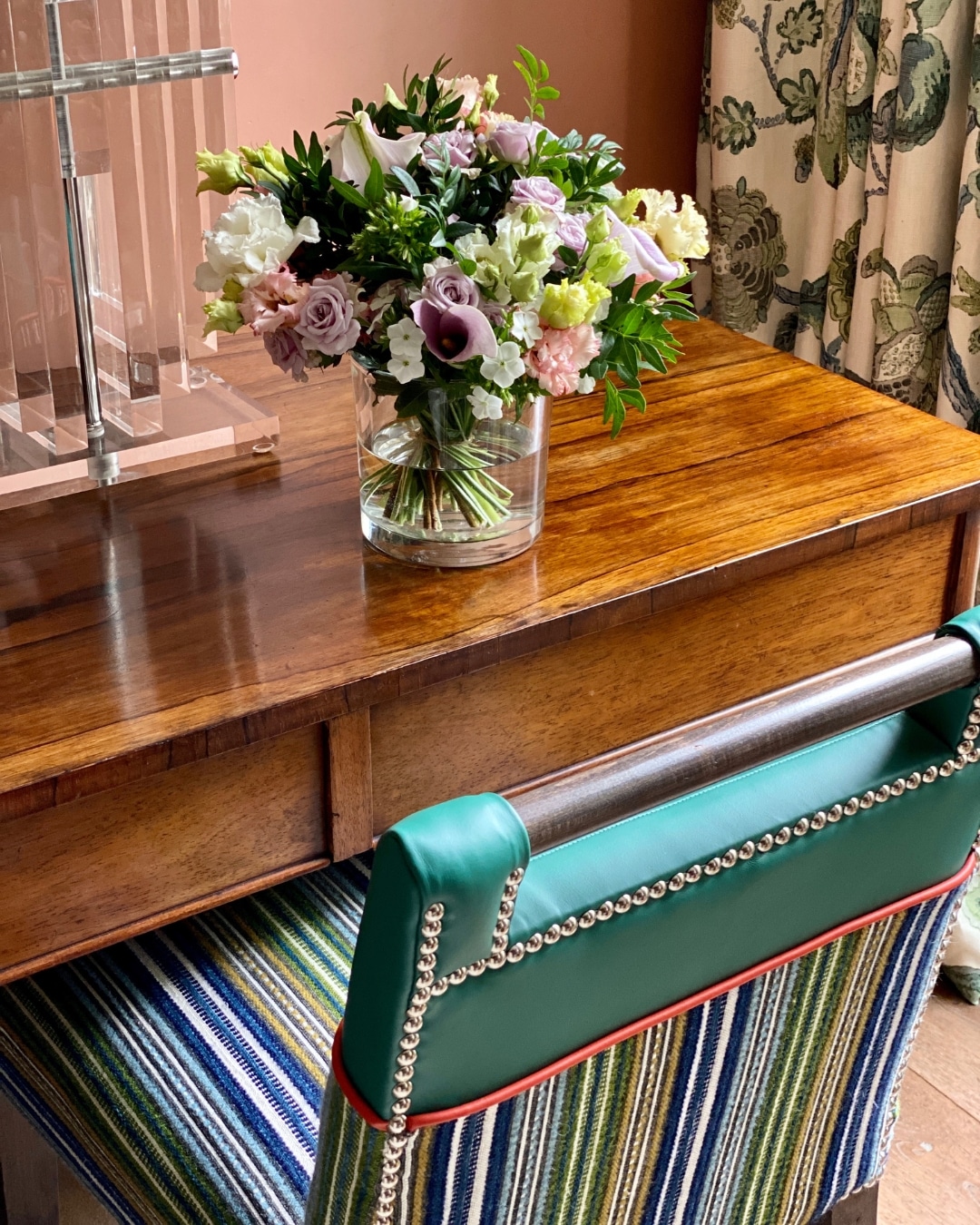
It is often the smallest details that make the greatest difference. Handles on chairs, whether crafted in leather, fabric, rope or wood, offer both practicality and a decorative moment, introducing texture and a sense of craftsmanship. They can act as both a functional element and a design feature, making pieces easier to move while adding a layer of contrast or refinement, almost like jewellery. These additions encourage interaction, allowing people to engage with the space in a natural way. When carefully considered, even the most practical features feel intentional and luxurious.
Playful Practicalities
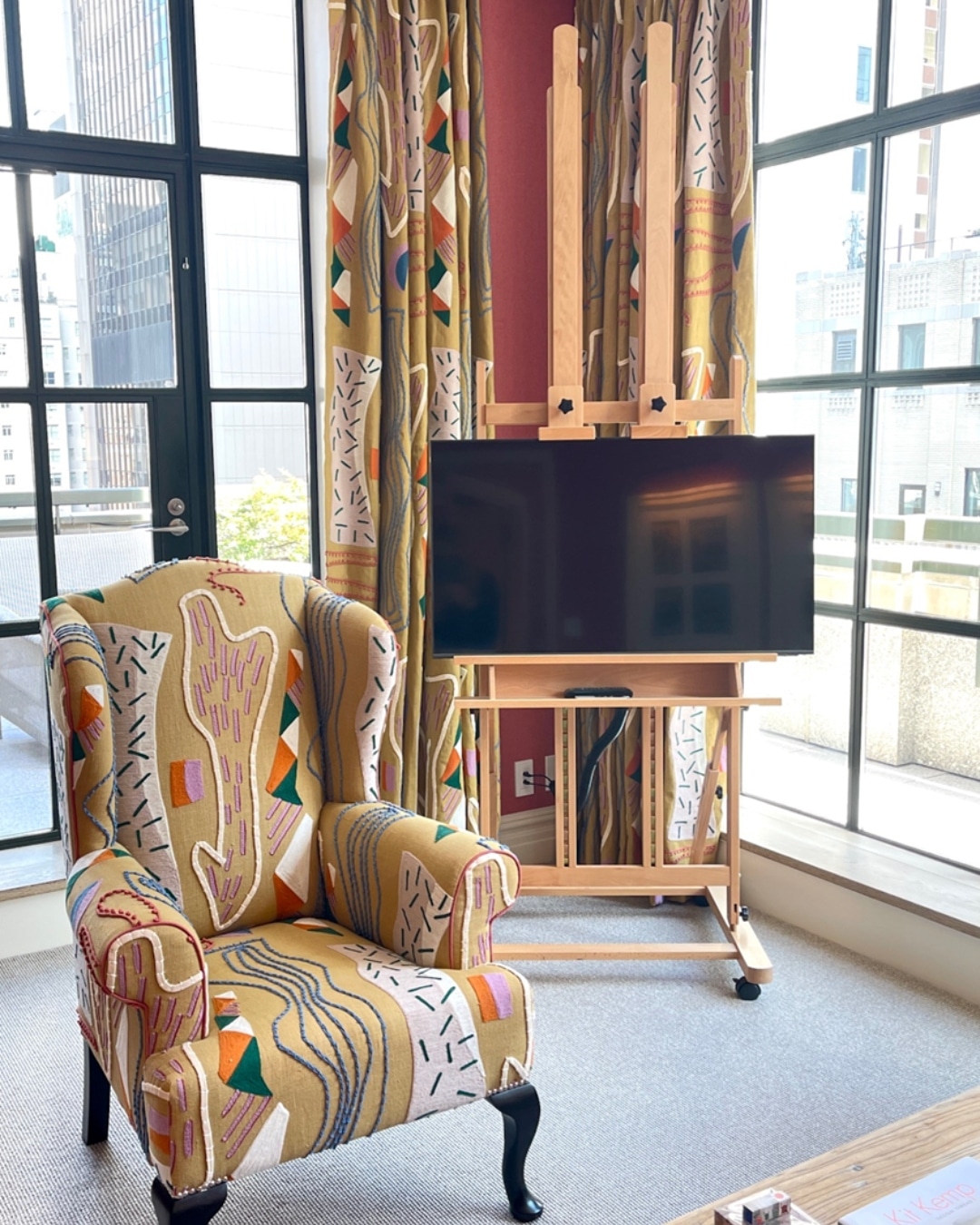
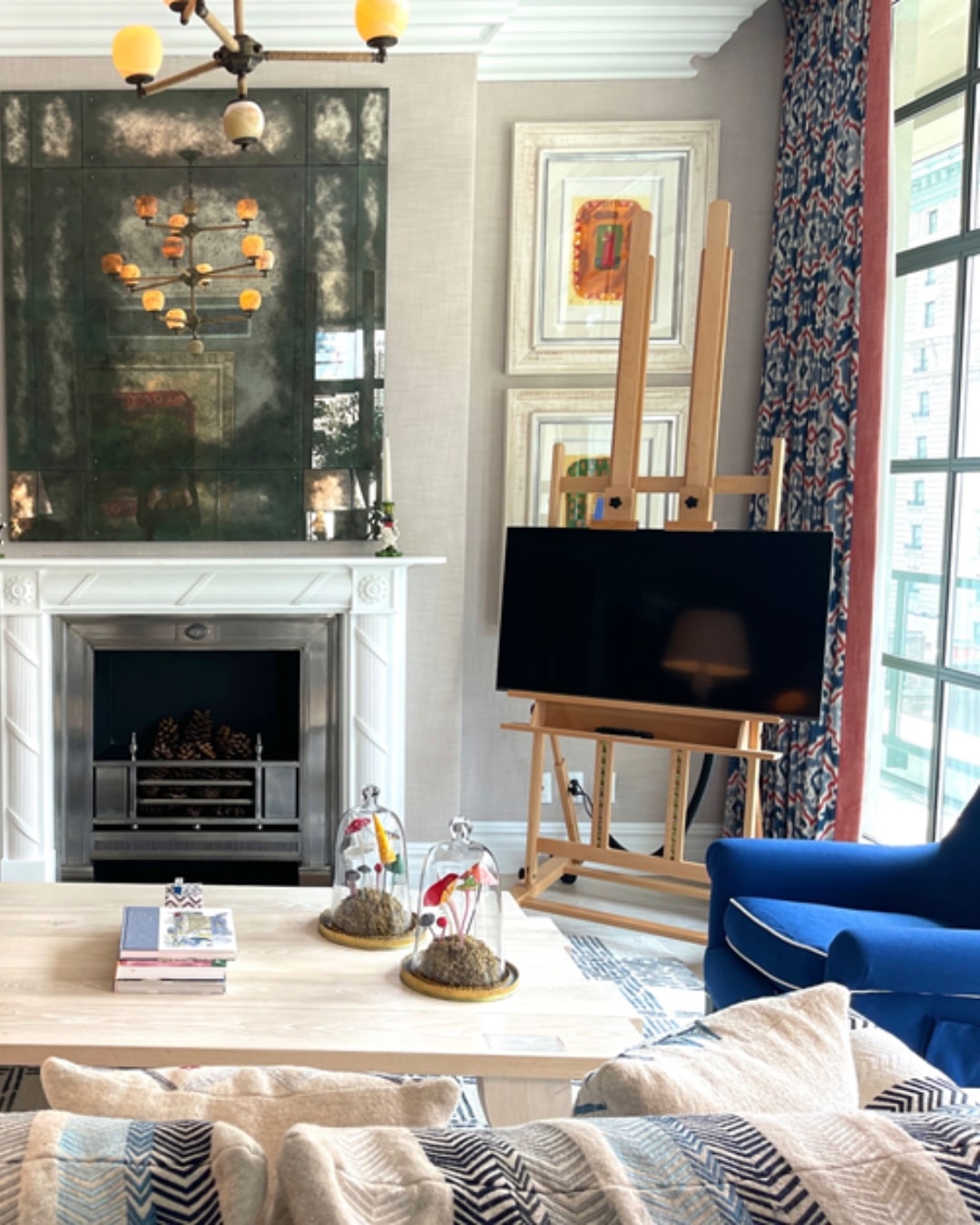
Flexibility can also introduce an unexpected sense of play. In a few of our suites, we placed a television on an artist’s easel fitted with wheels, allowing it to be moved or removed entirely. When in place, it feels sculptural and relaxed, almost like part of the room’s composition. When taken away, the space shifts instantly, becoming more formal. It is a small gesture, but one that allows the room to transform depending on how it is used.
Lighting That Adapts
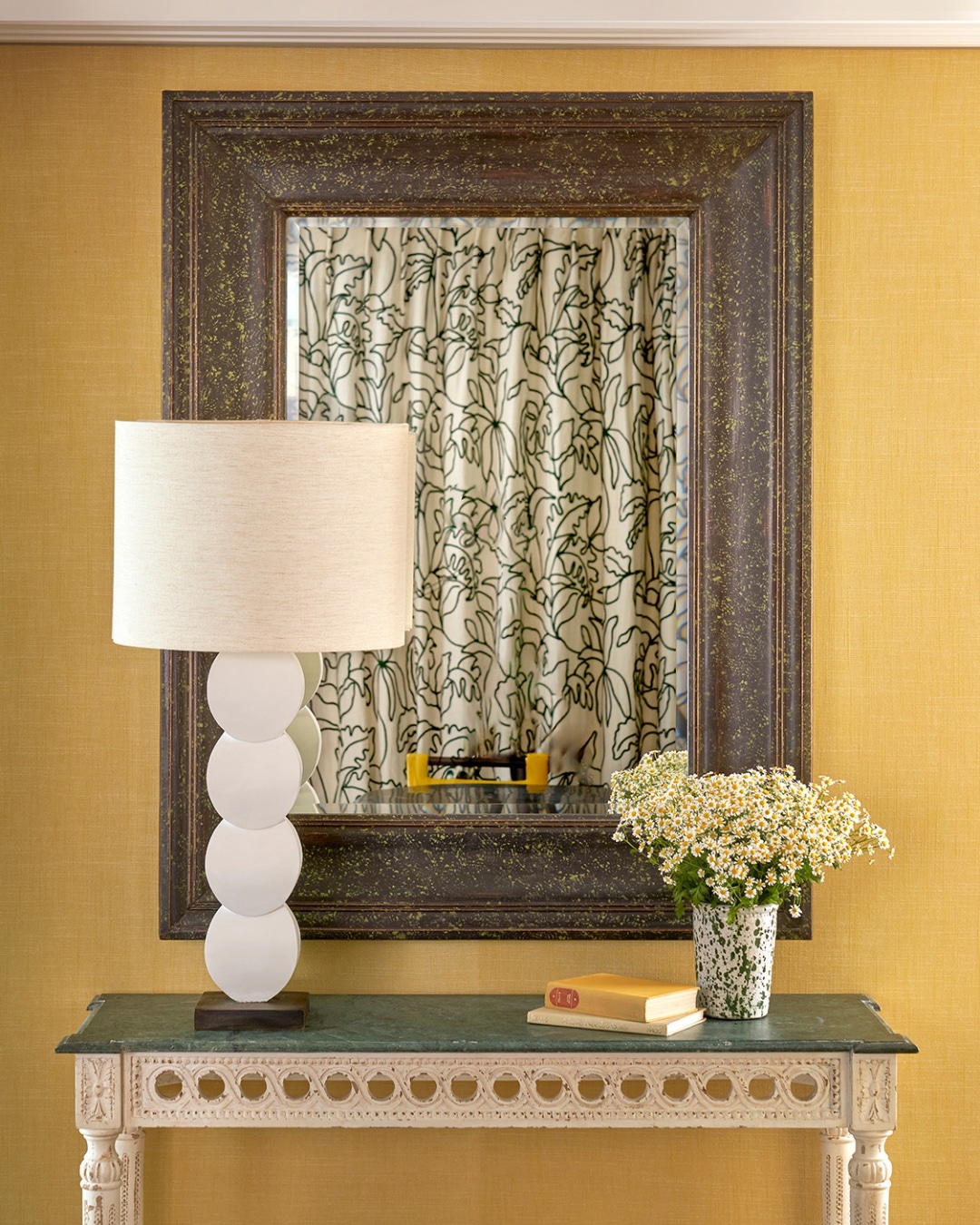
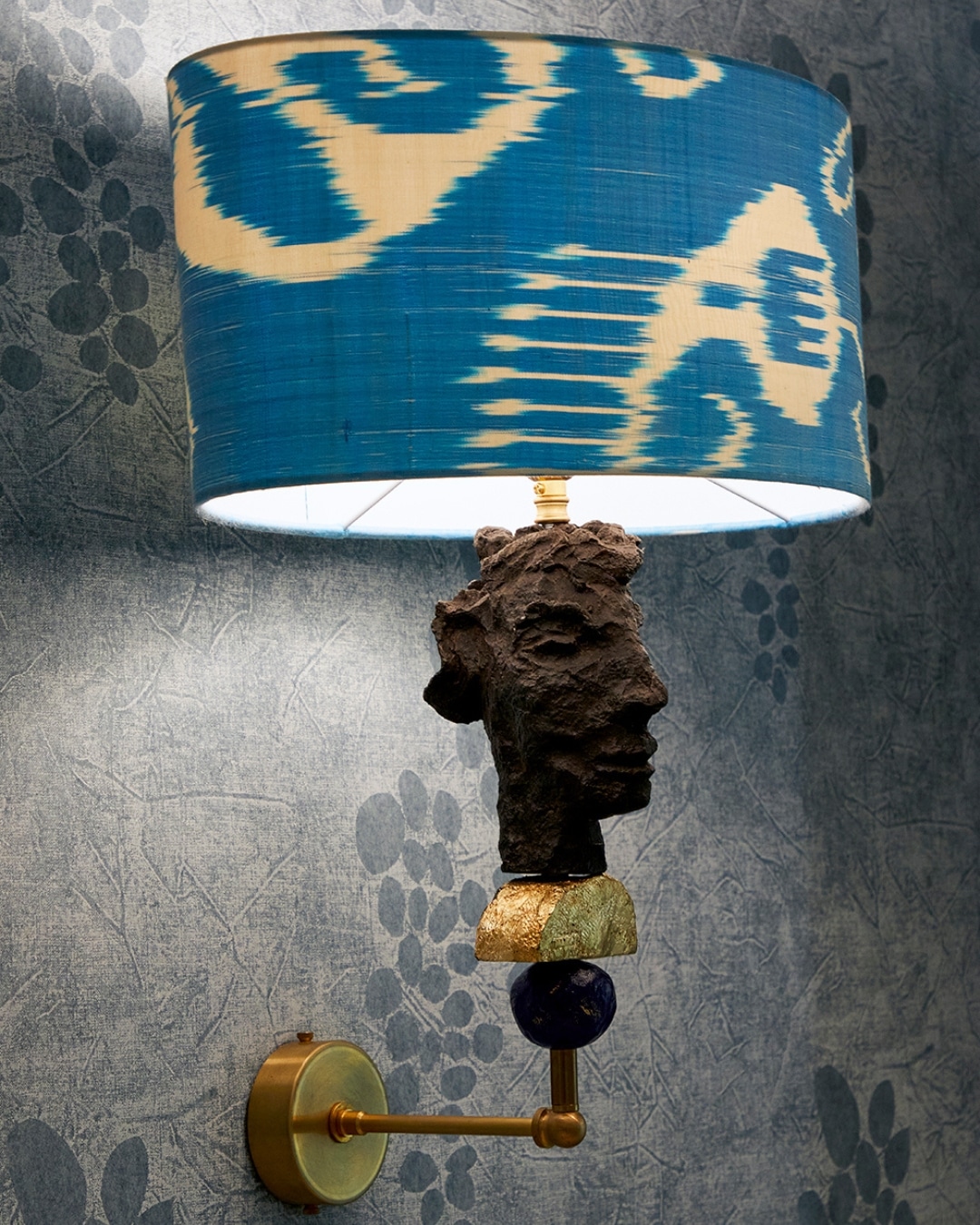
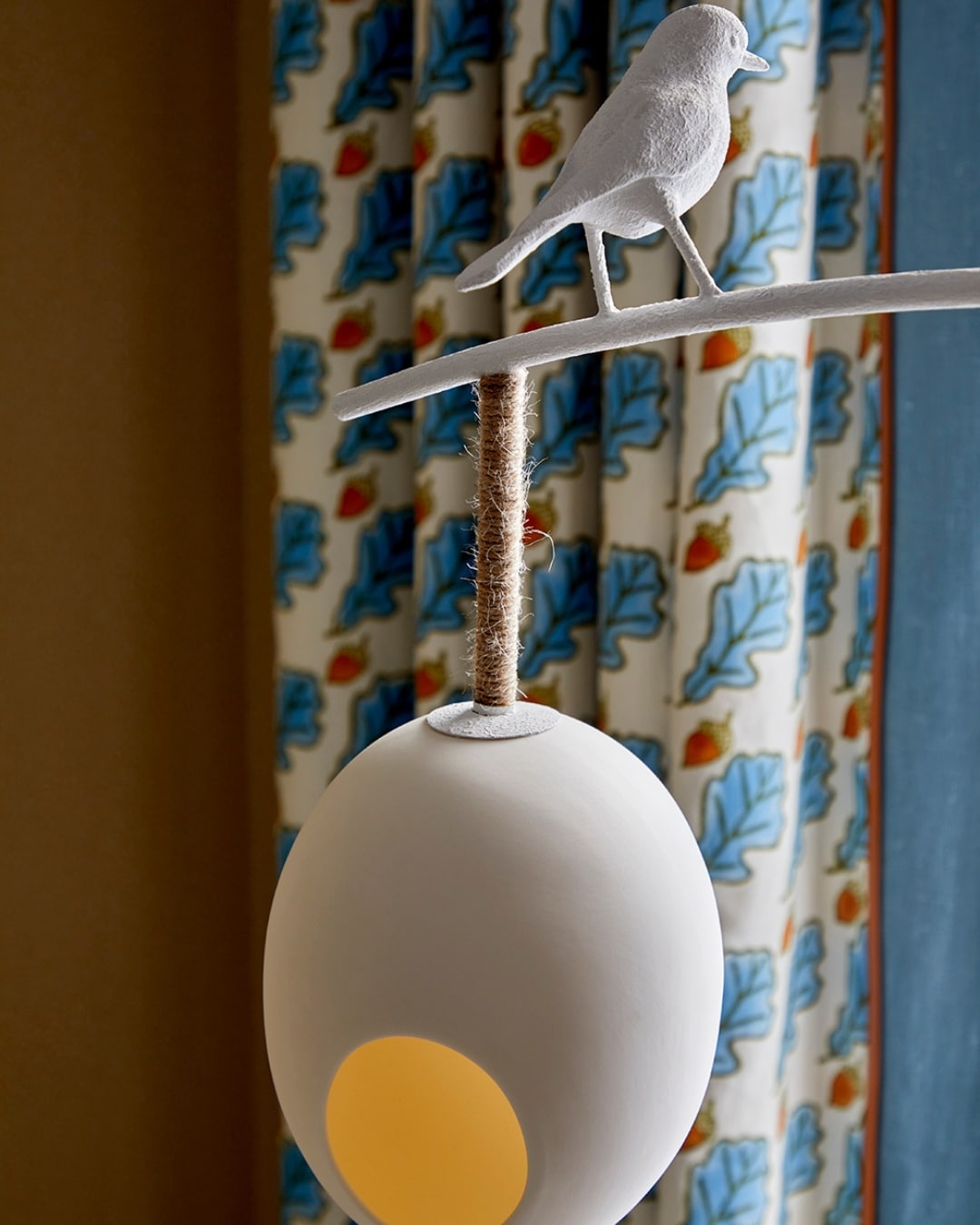
Lighting, too, should be able to shift with the rhythm of the day. A well proportioned standing lamp that can be moved with ease allows a corner to transition from a place of focus to one of relaxation. Layered lighting, combining table lamps, wall lights and floor lamps, ensures that no single arrangement feels fixed, instead offering choice and comfort.
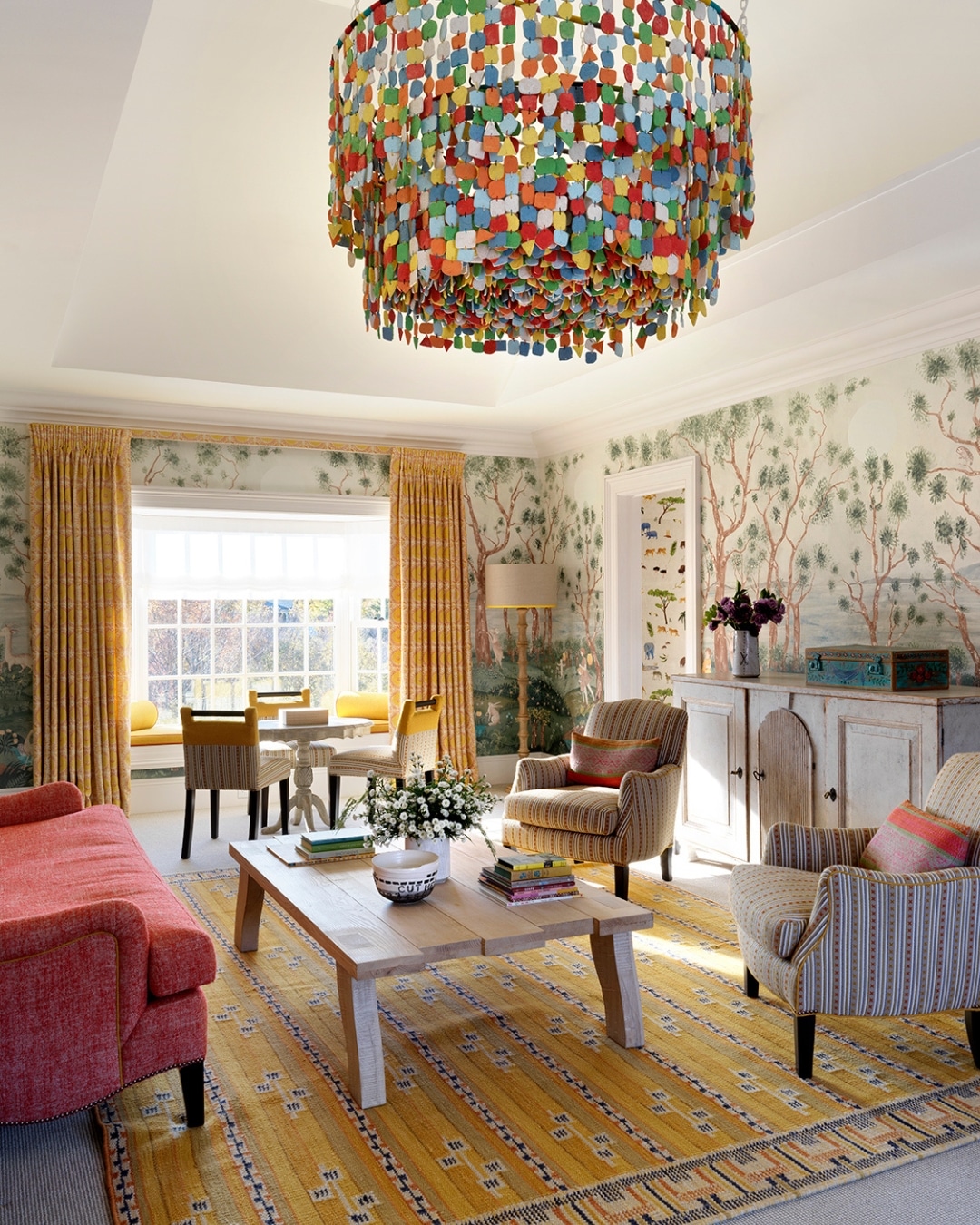
Ultimately, designing for flexibility is not about adding more, but about thinking more carefully. It is about selecting pieces that can adapt, details that invite use and layouts that feel intuitive rather than prescribed. When done well, a space feels comfortable and natural, allowing those within it to settle in and make it their own.