

In interior design, alignment is the art of deliberate placement of architectural elements, furniture and décor so they visually converse with one another. Guided along an axis, it transforms a room from a collection of objects into a harmonious and organised composition, where every piece feels intentional.
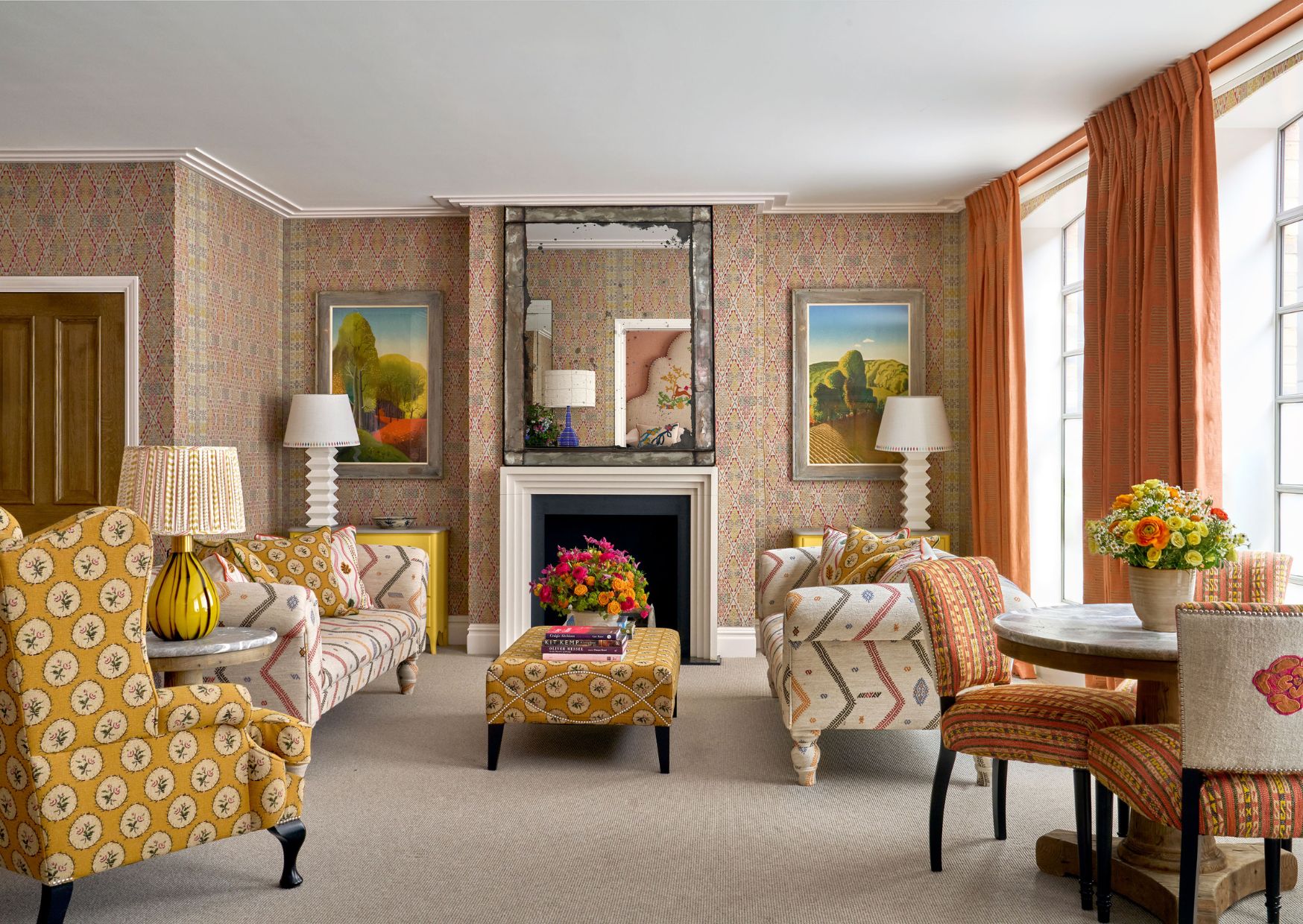
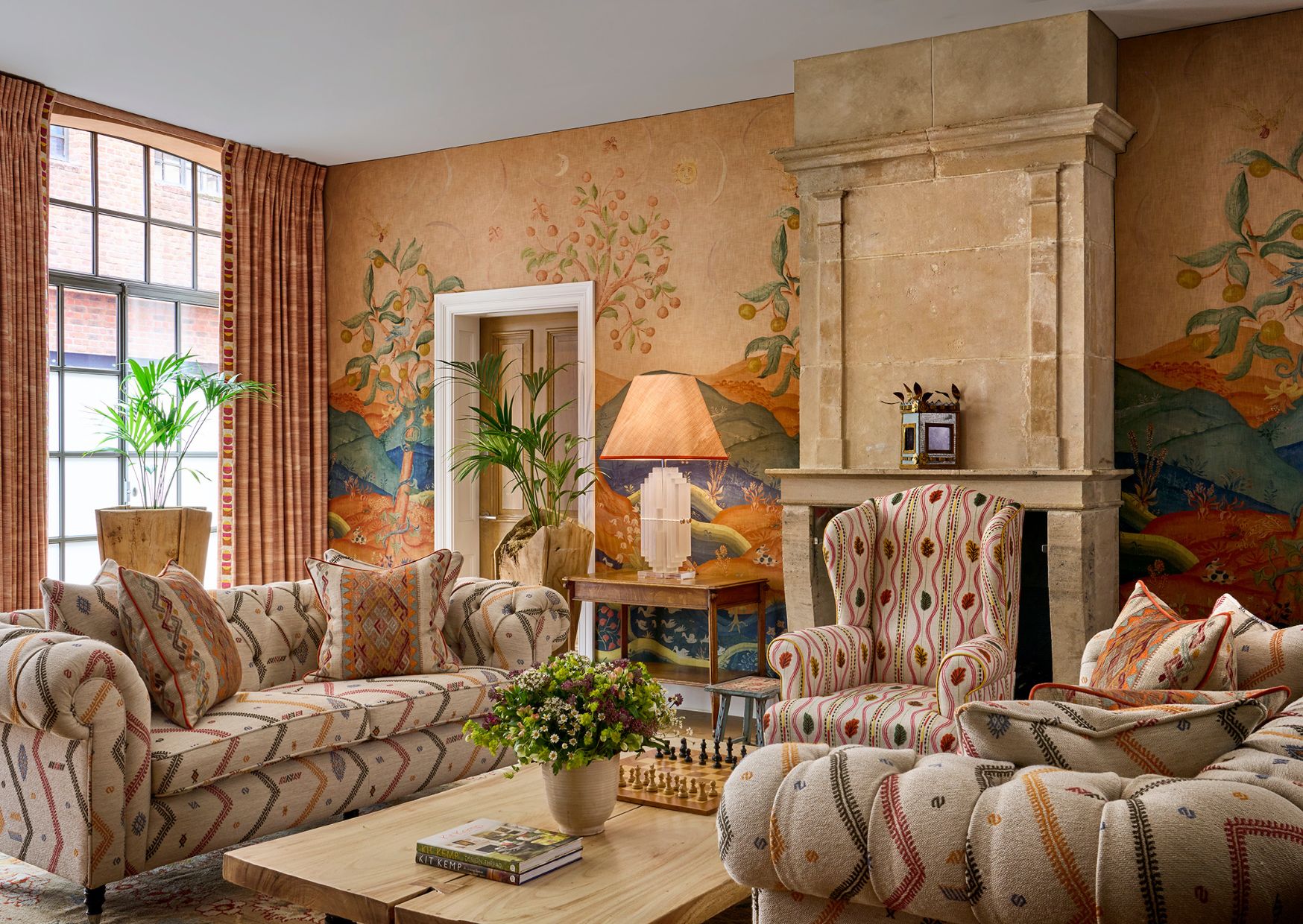
Aligning a sofa with the centre of a wall or fireplace instantly establishes a strong focal point, giving the room structure and purpose. It anchors the seating arrangement and naturally draws the eye to the heart of the space. When the coffee table is aligned with the sofa, and armchairs are thoughtfully positioned around it, the relationship between each piece is strengthened, creating a cohesive, intimate zone where every element feels considered and balanced.
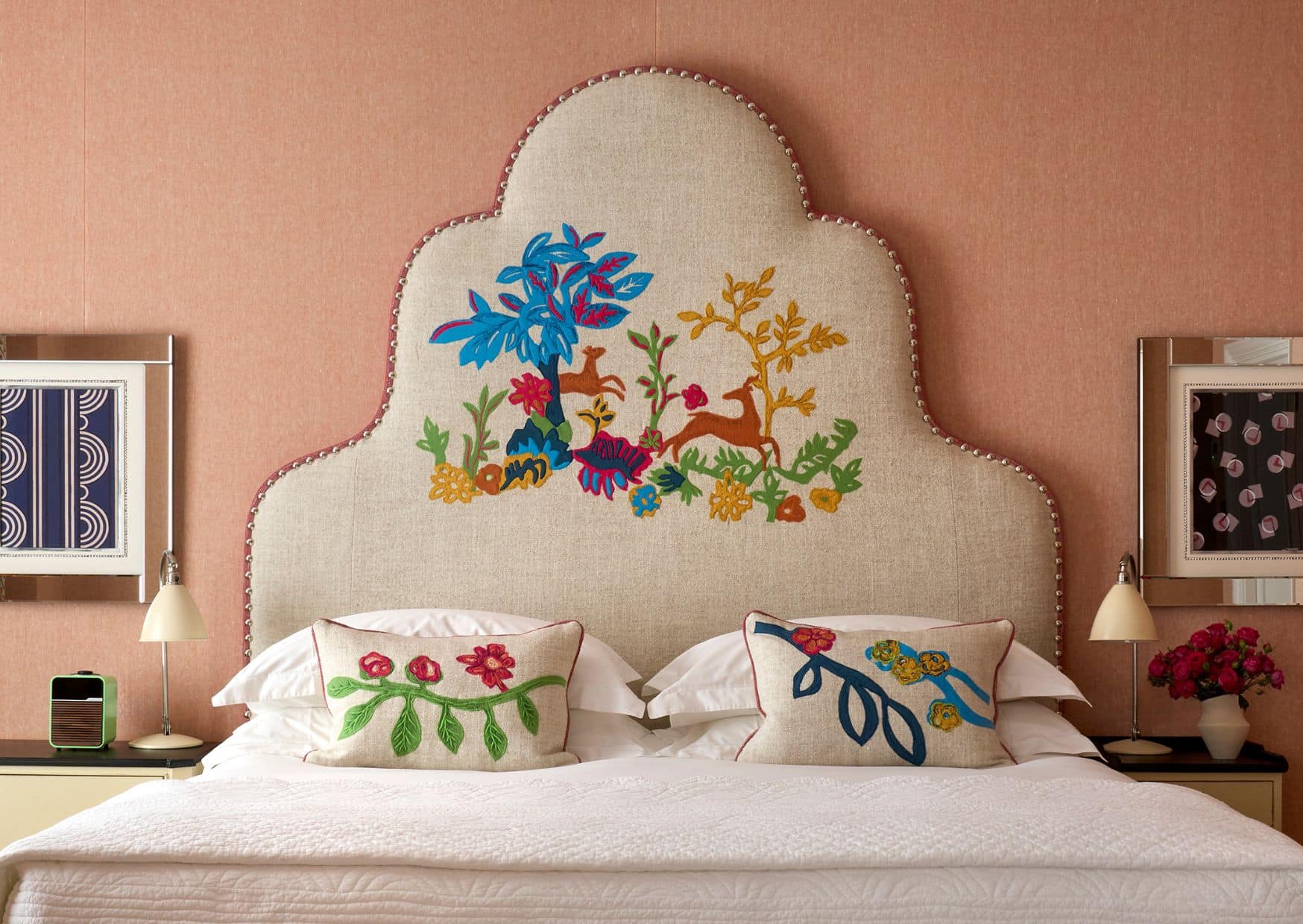
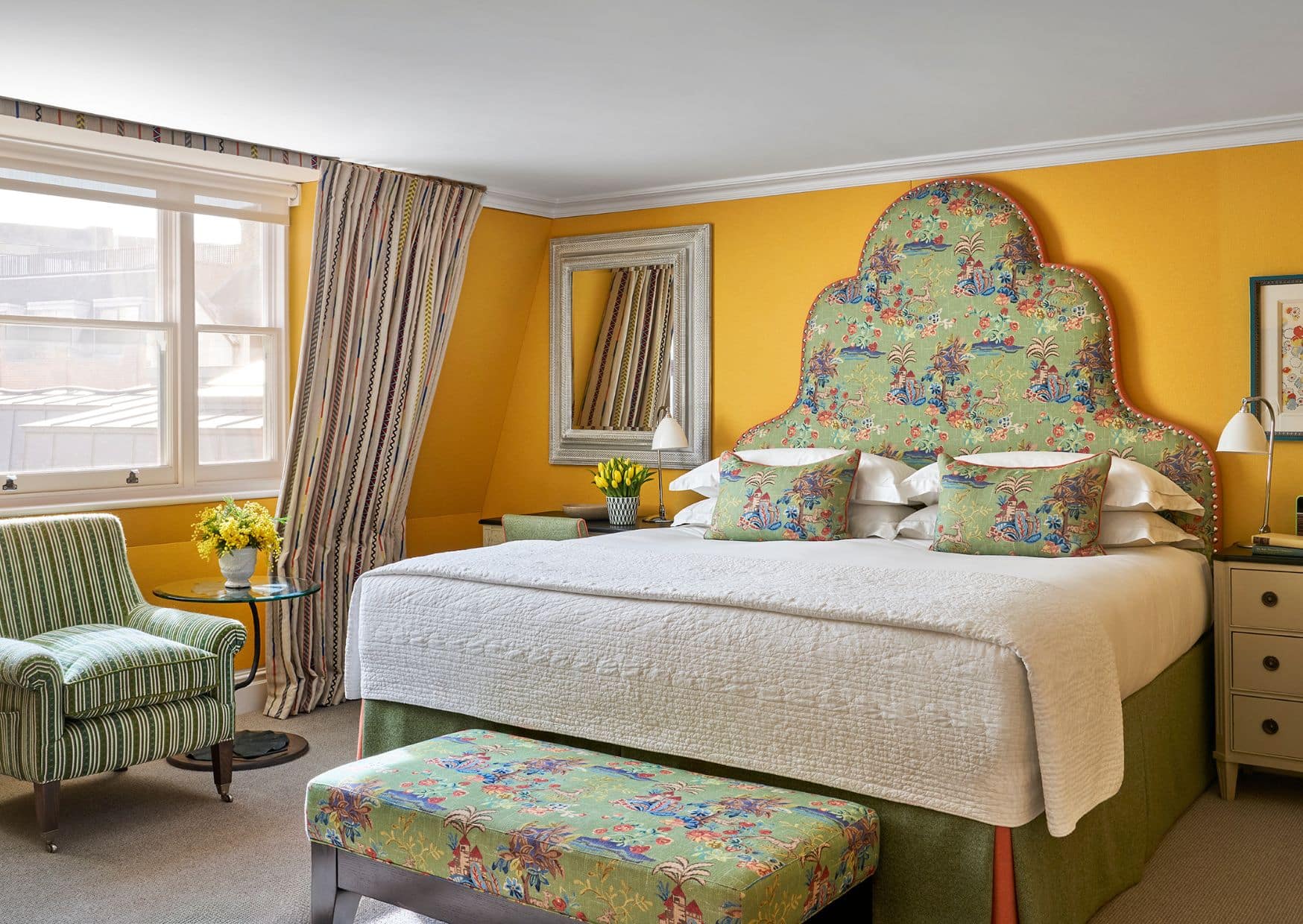
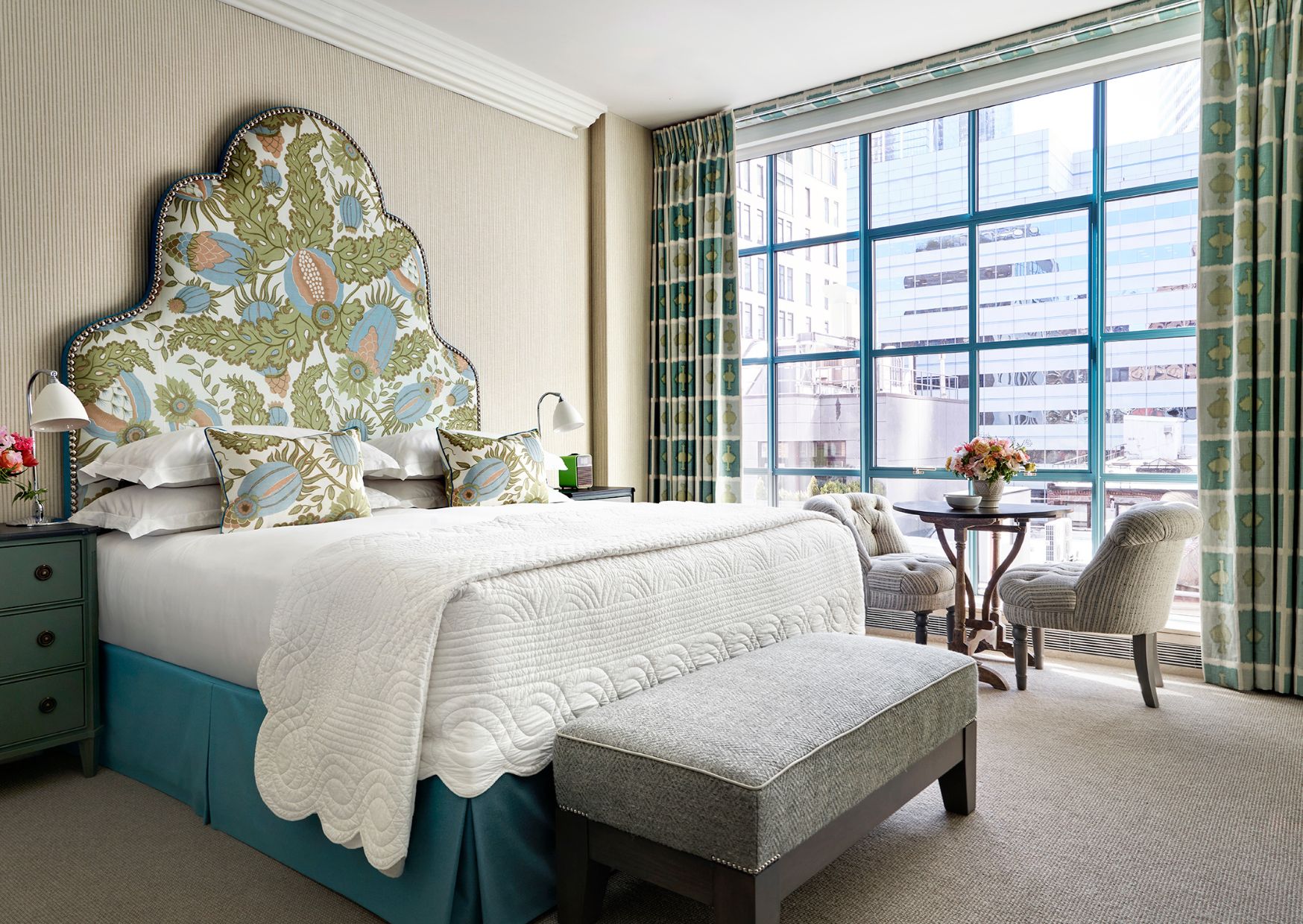
In bedrooms, alignment takes on a softer role. Bedside tables positioned at each side of the bed emphasise its status as the room’s anchor, creating symmetry that brings balance, calm and a sense of restfulness.
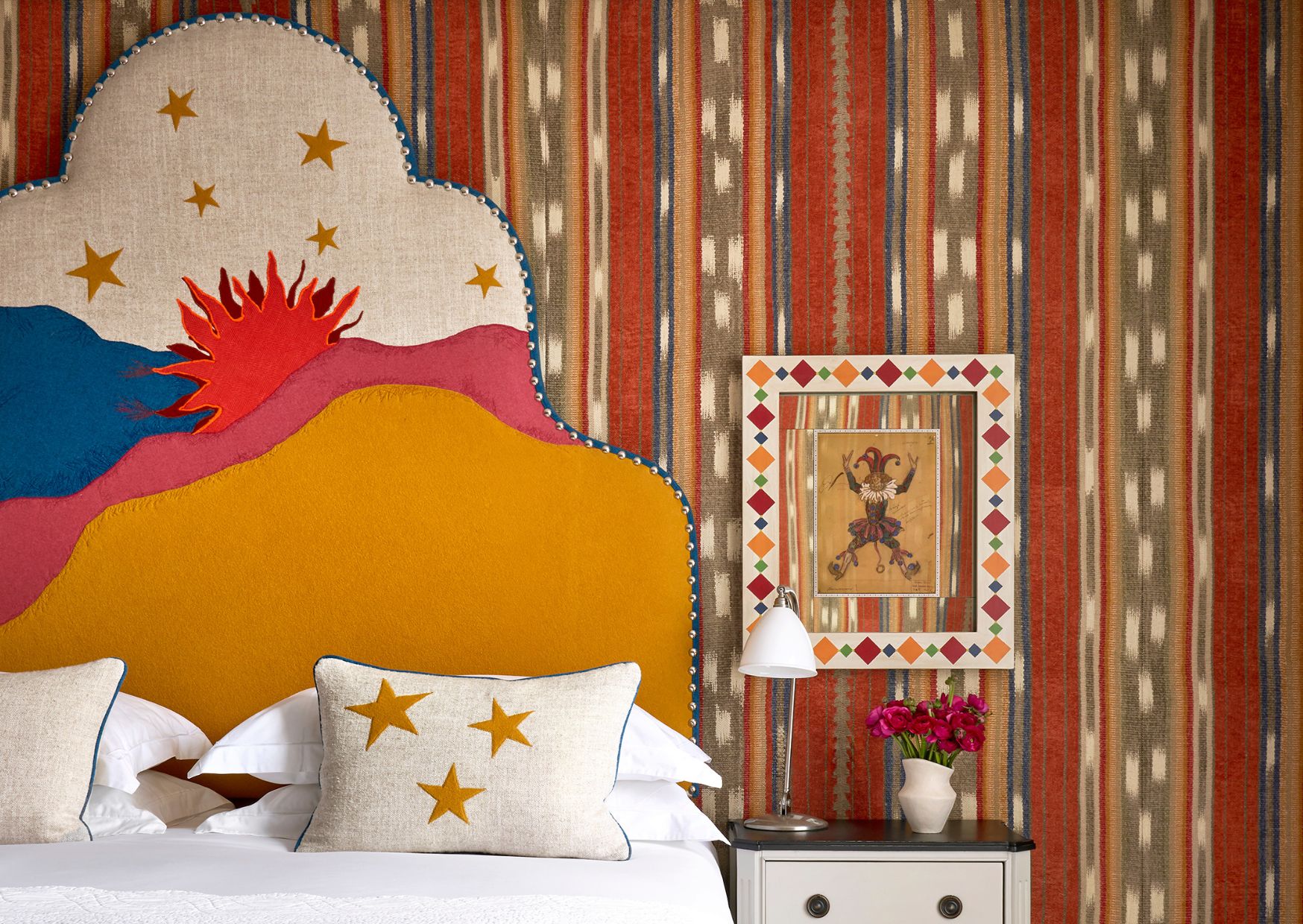
However, alignment is not always symmetrical. It can be fluid, asymmetrical and unexpected, where balance is measured in proportion, rhythm and visual weight rather than repetition. A bedside table on one side and a desk on the other, for example, when carefully proportioned, continue to maintain equilibrium and visual harmony within the room.
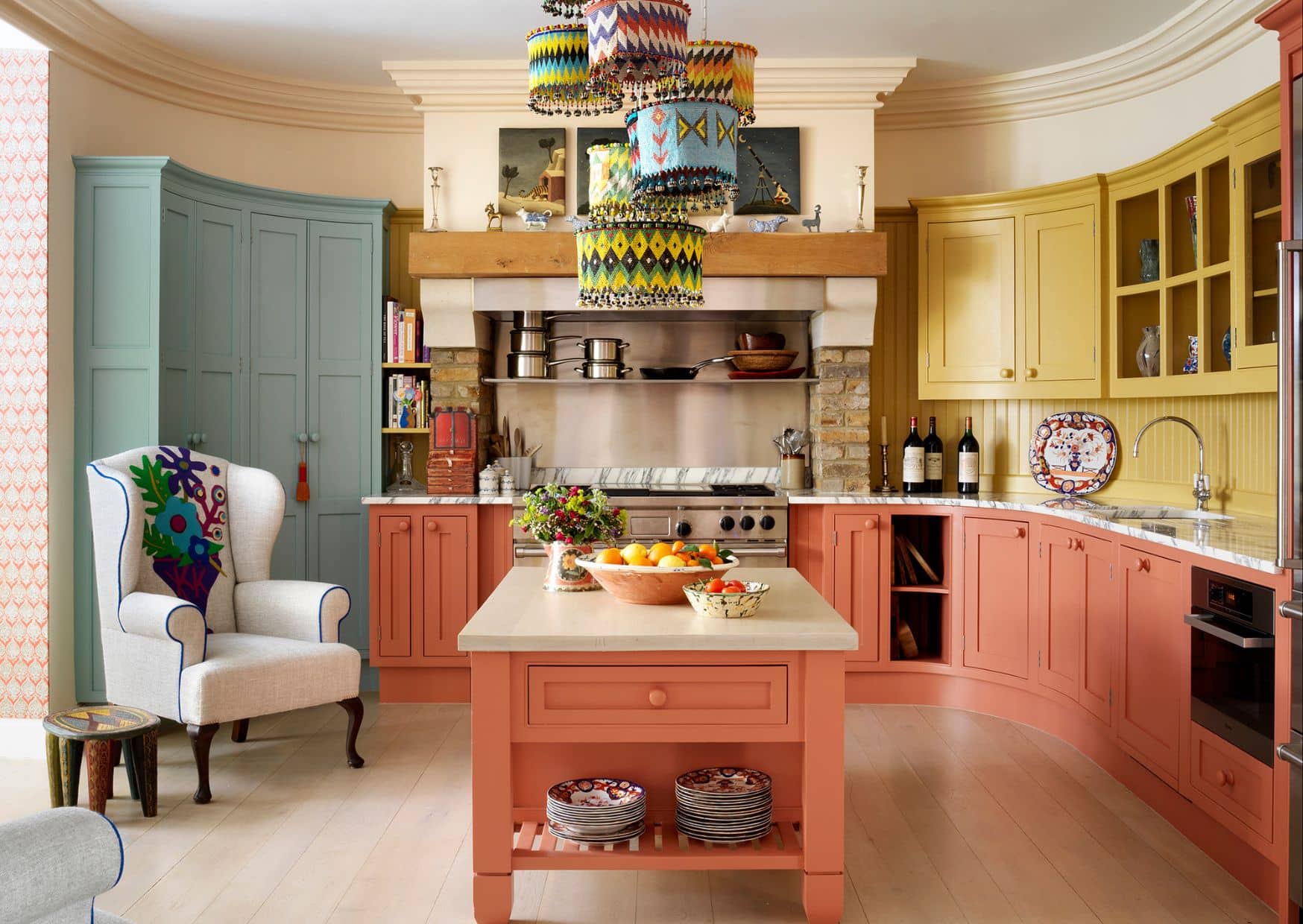
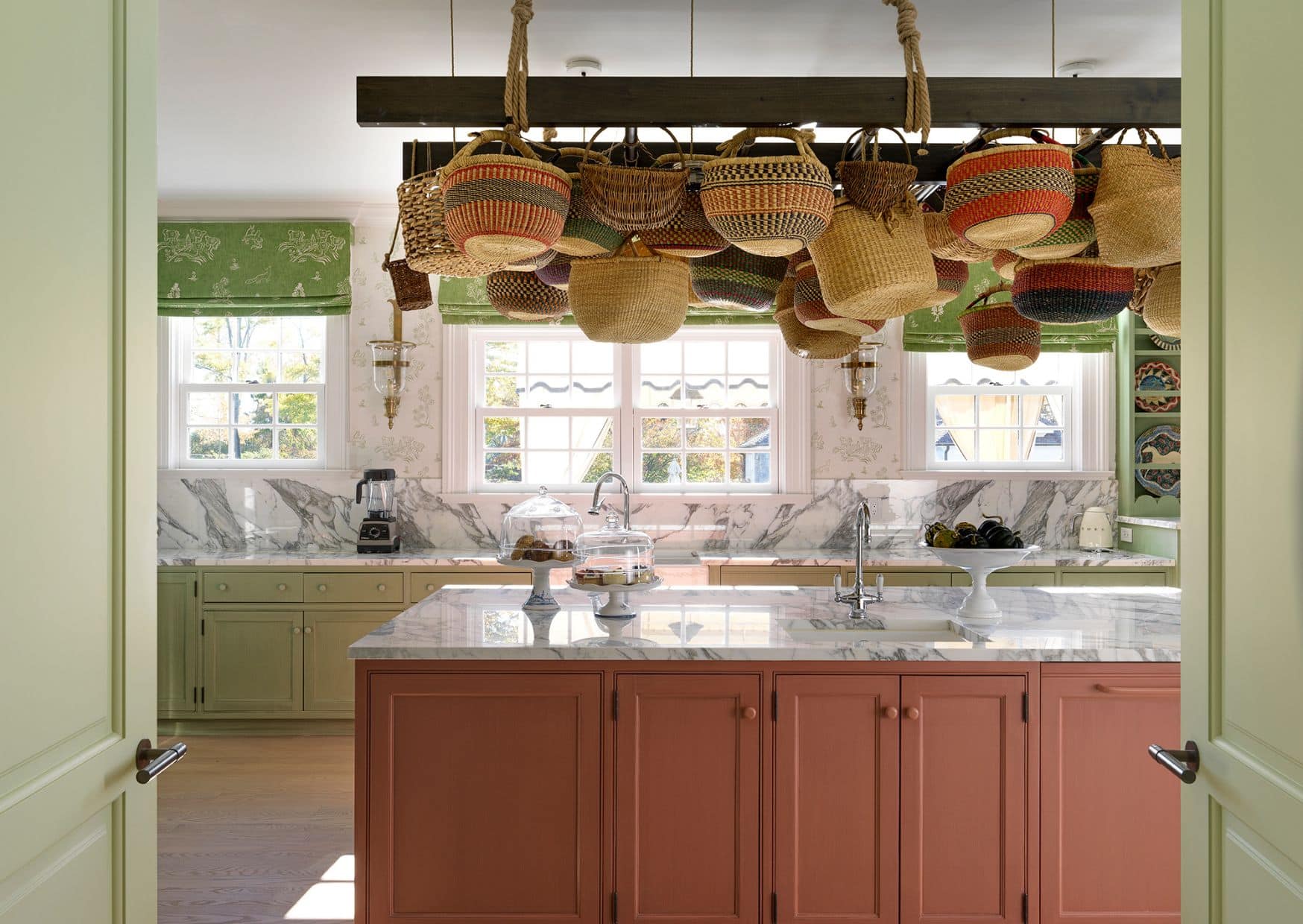
In kitchens, cabinets aligned vertically and horizontally with appliances form strong, continuous lines, bringing order and efficiency to the space. When lighting fixtures are centred over islands and furniture is carefully aligned with windows or walls, the elements feel connected, creating a kitchen that is clean, balanced and effortlessly functional.
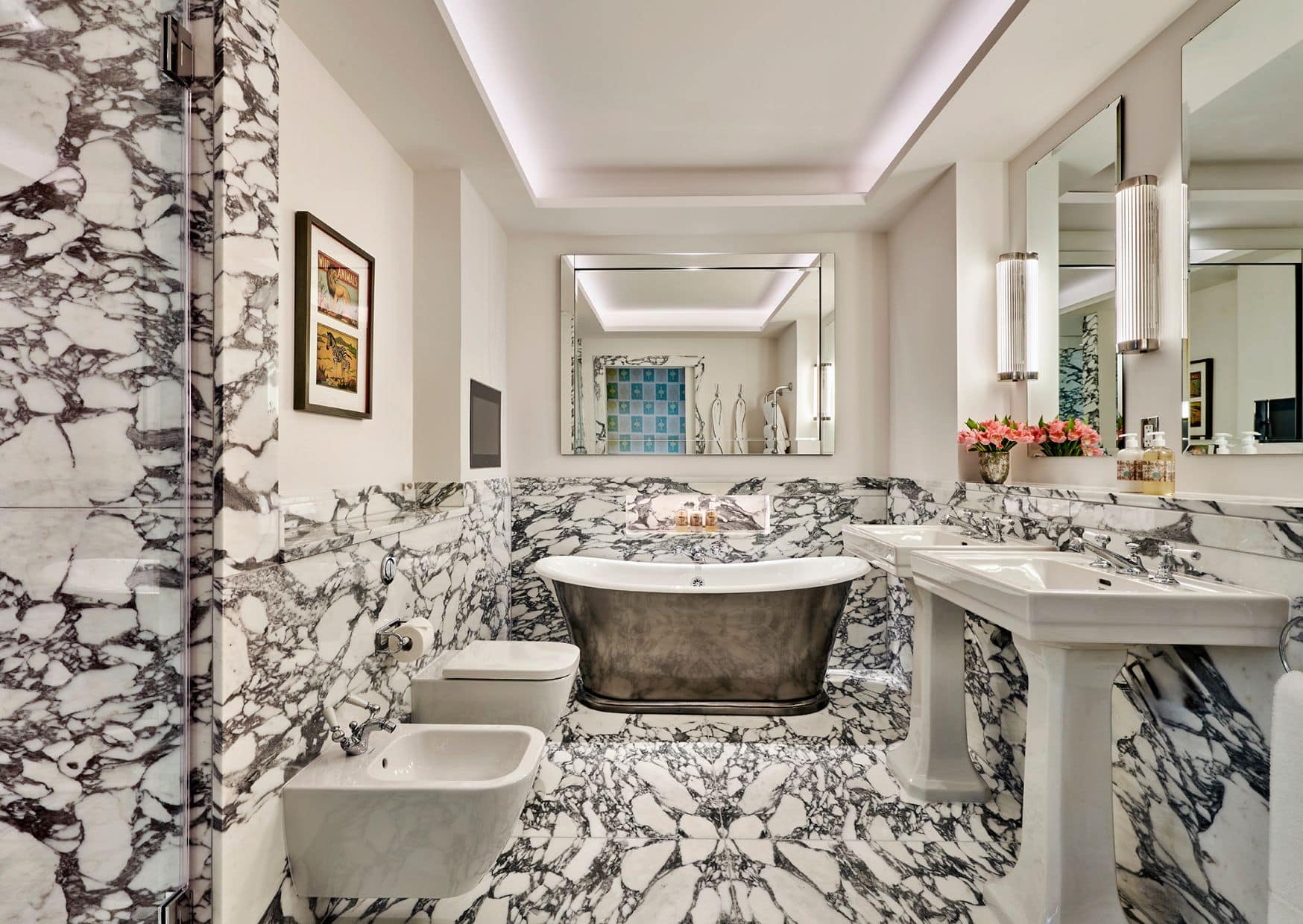
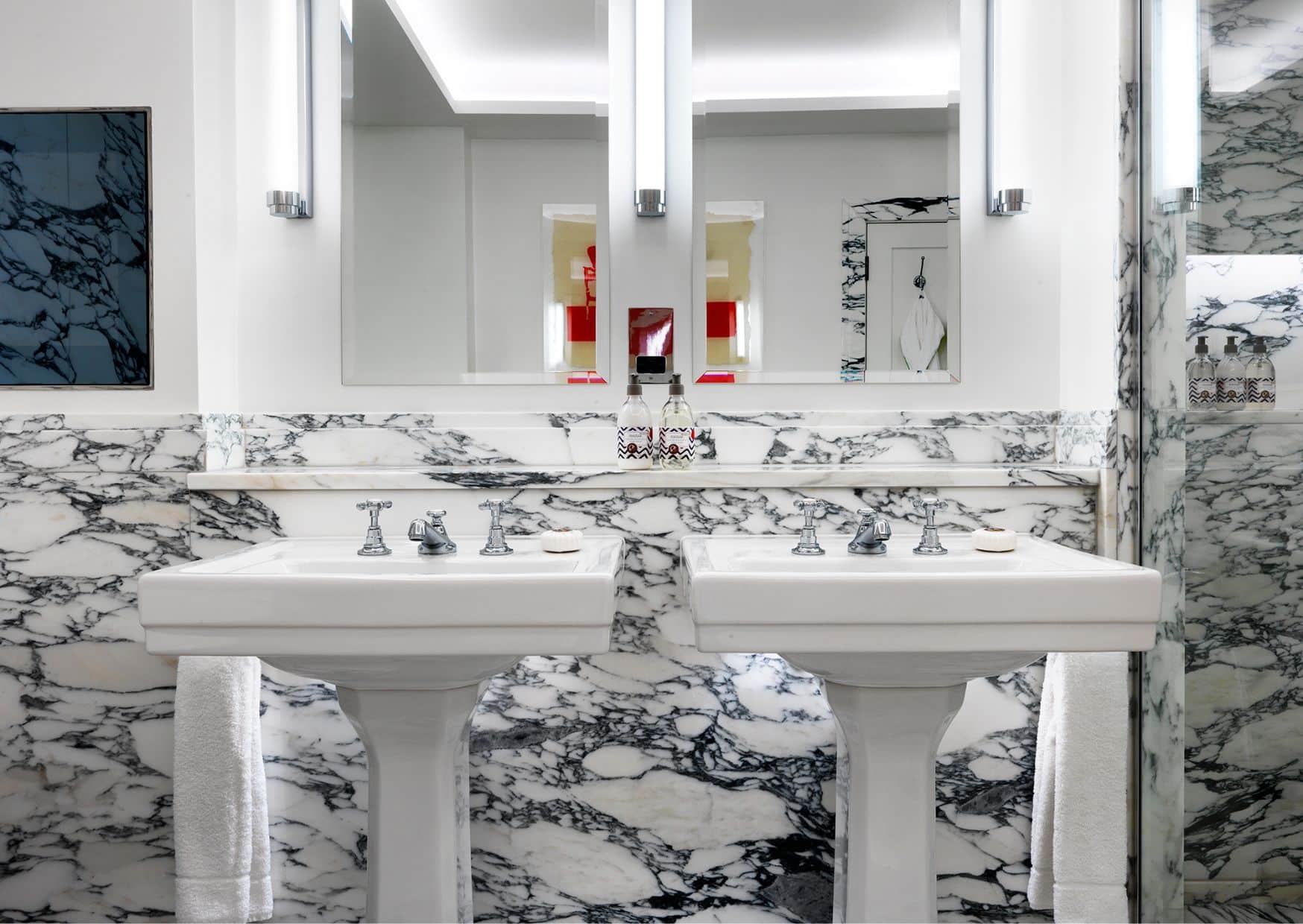
In bathrooms, alignment brings a quiet sense of order and ease. Designed around a central axis, statement pieces like freestanding bathtubs are given space to breathe. Basins, mirrors and fittings align in gentle harmony, creating a calm, connected composition where every element feels intentional.
Alignment plays a key role in how artwork is experienced within interiors, shaping both its presence and its relationship to the surrounding space. An artwork centred on a wall or anchored to the furniture, such as a sofa or table below, becomes part of the room’s rhythm and creates a strong focal point.
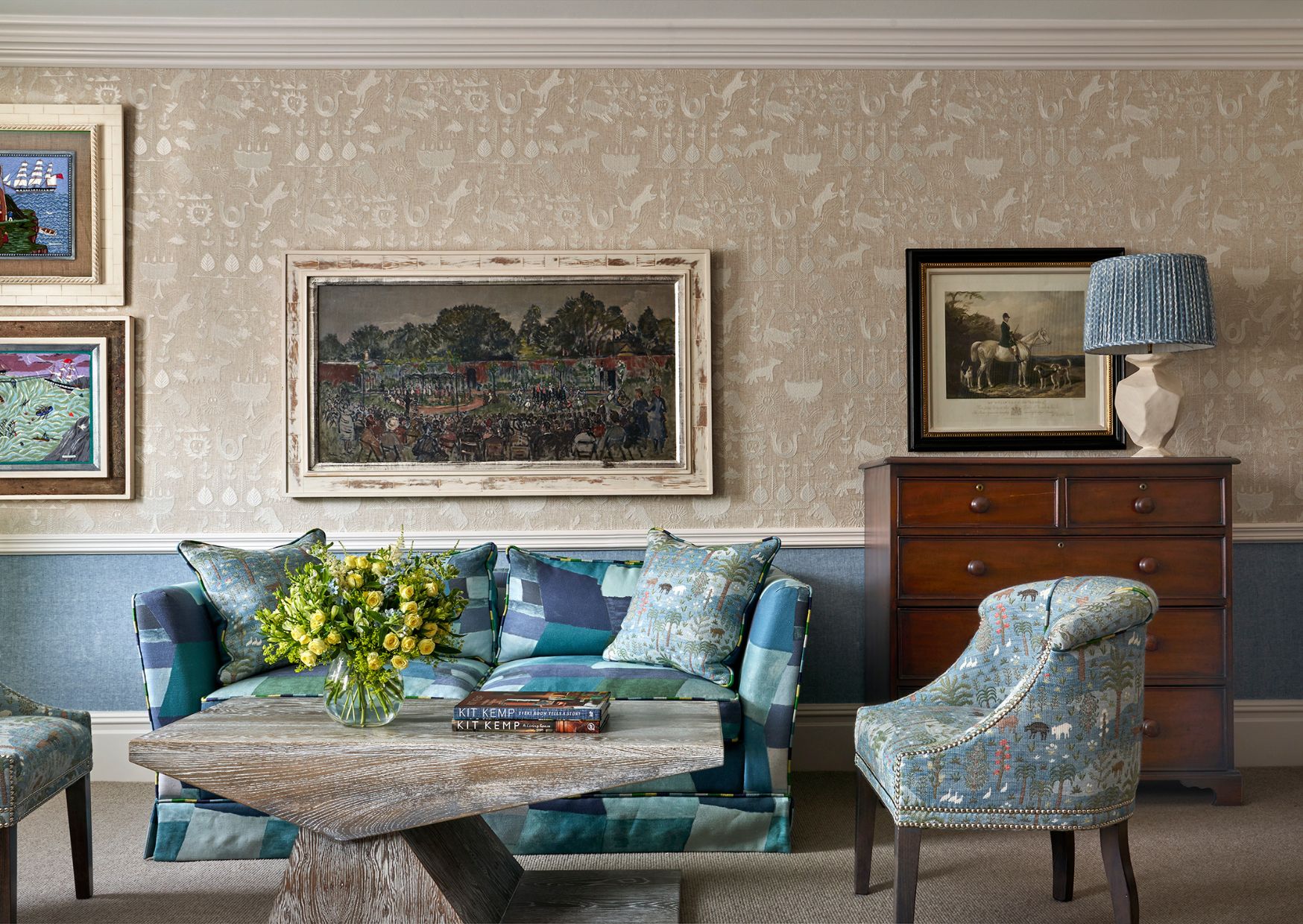
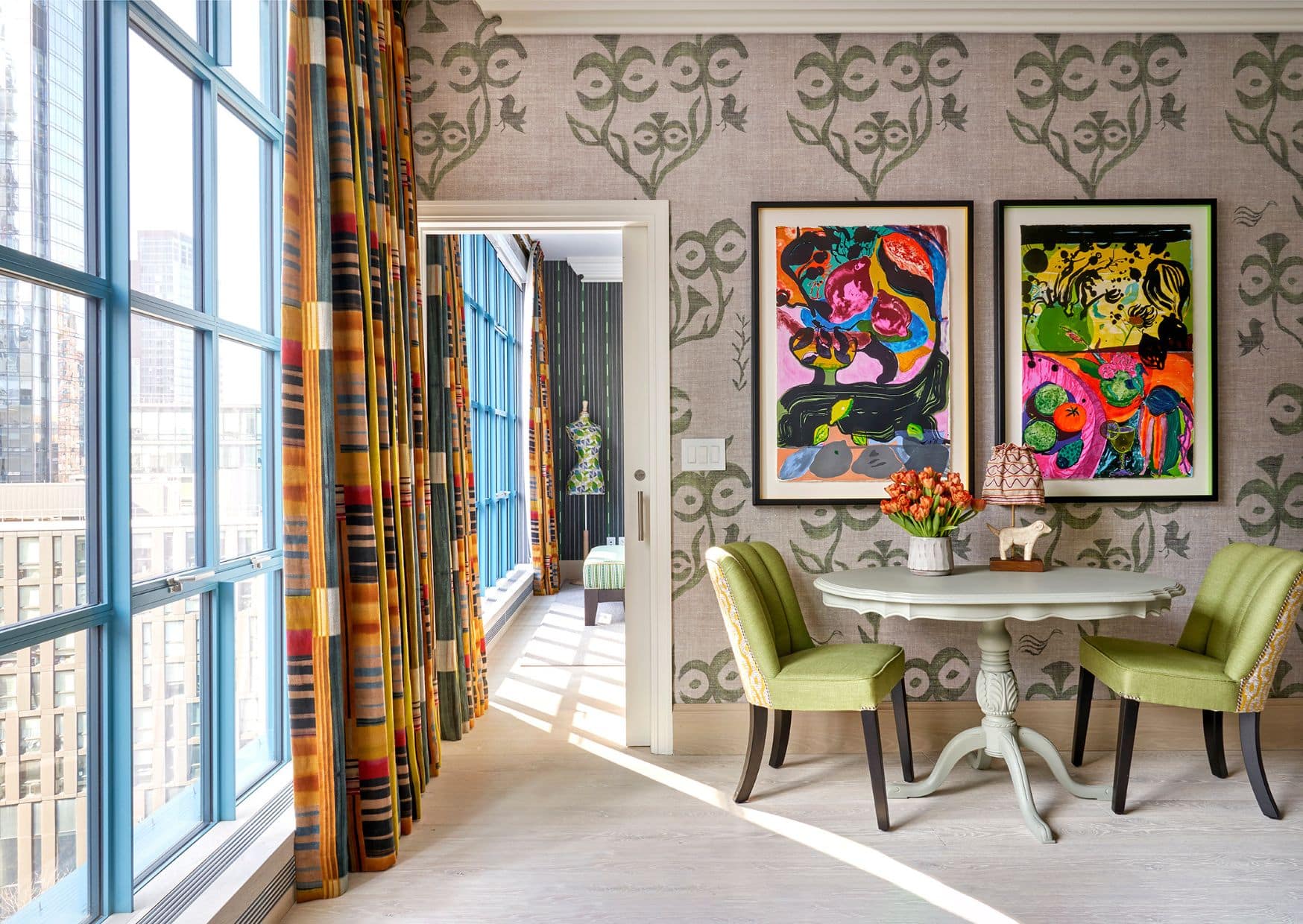
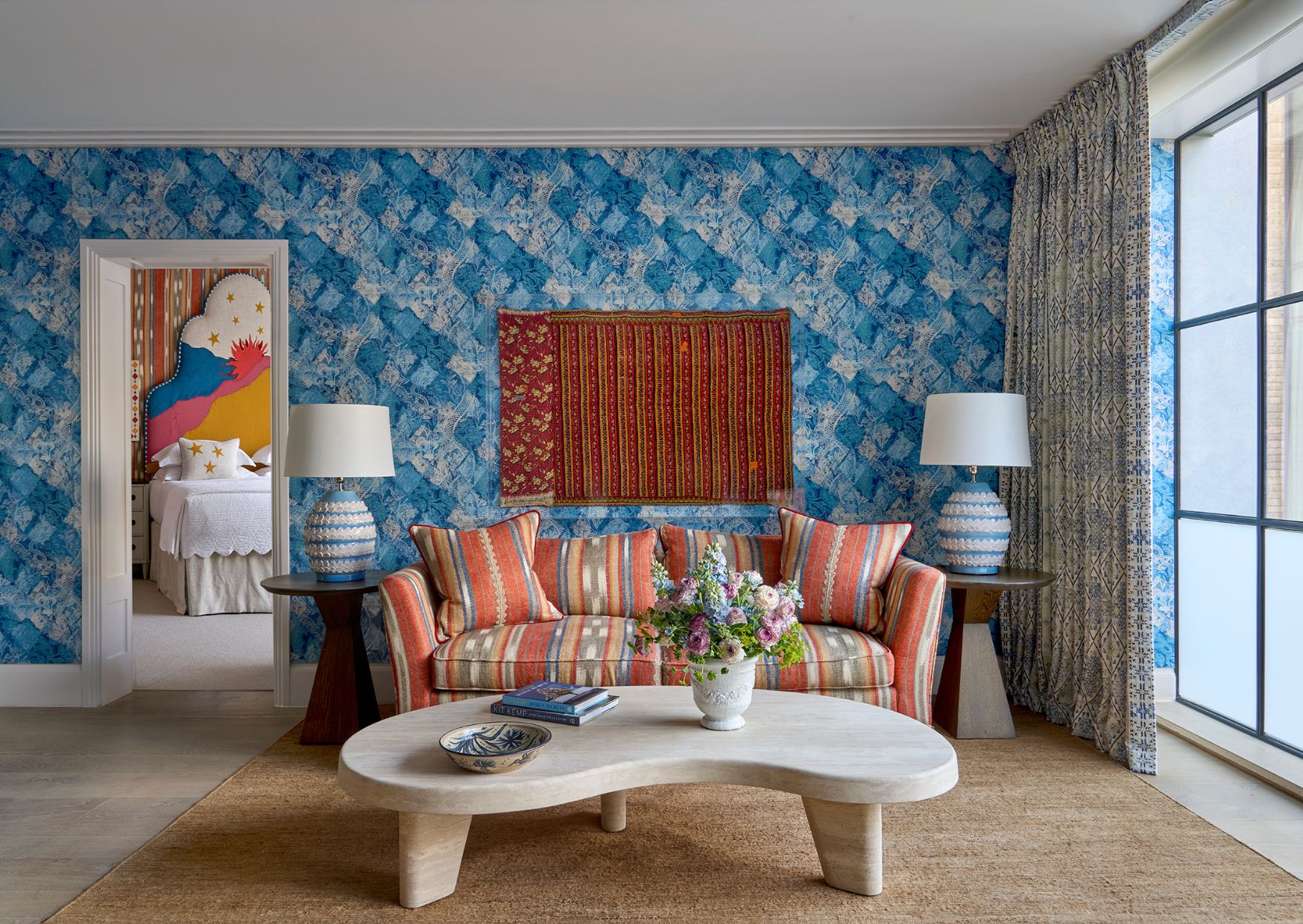
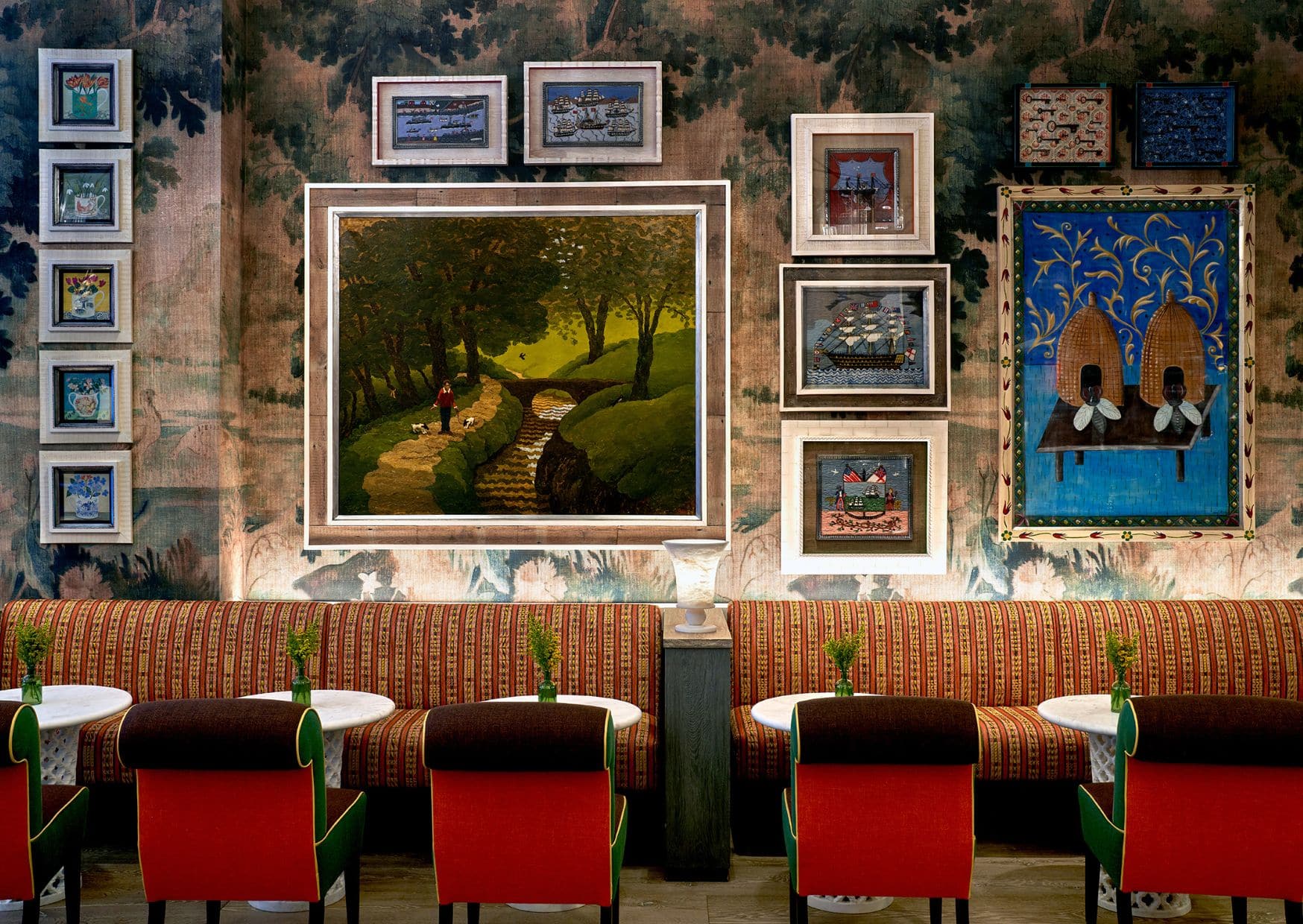
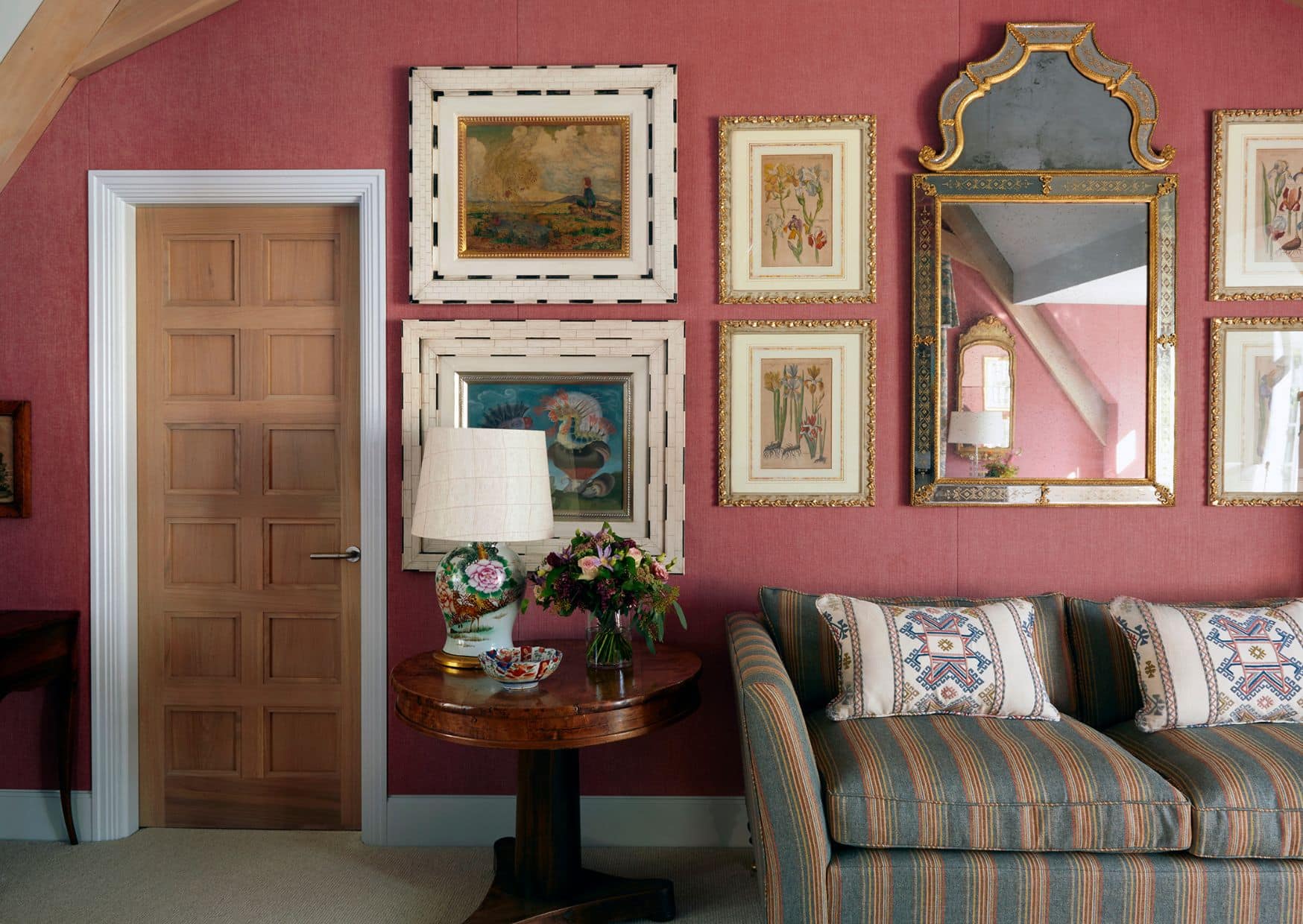
On gallery walls, alignment can follow a shared top edge, bottom edge or central axis, allowing artworks of different sizes to coexist harmoniously. Curate a mix of pieces, from oversized art to mirrors, arranged to form a grid of vertical and horizontal lines. When alignment is considered, each artwork feels intentional, quietly connected to both the architecture and the surrounding furniture, creating a cohesive and balanced composition.
Alignment allows a space to breathe, where lines flow, proportions harmonise and the eye moves with ease. It brings clarity, rhythm and purpose, transforming interiors from simply arranged rooms into spaces that feel intentional and complete.