

There is something magical about holiday shopping: the twinkle of lights, the scent of pine, and the thrill of discovering something special behind a window display. For centuries, department stores have been at the heart of this magic, blending commerce, architecture and spectacle to create experiences that linger long after the purchase. But how did shopping evolve from a simple transaction into a memorable, nostalgic experience?
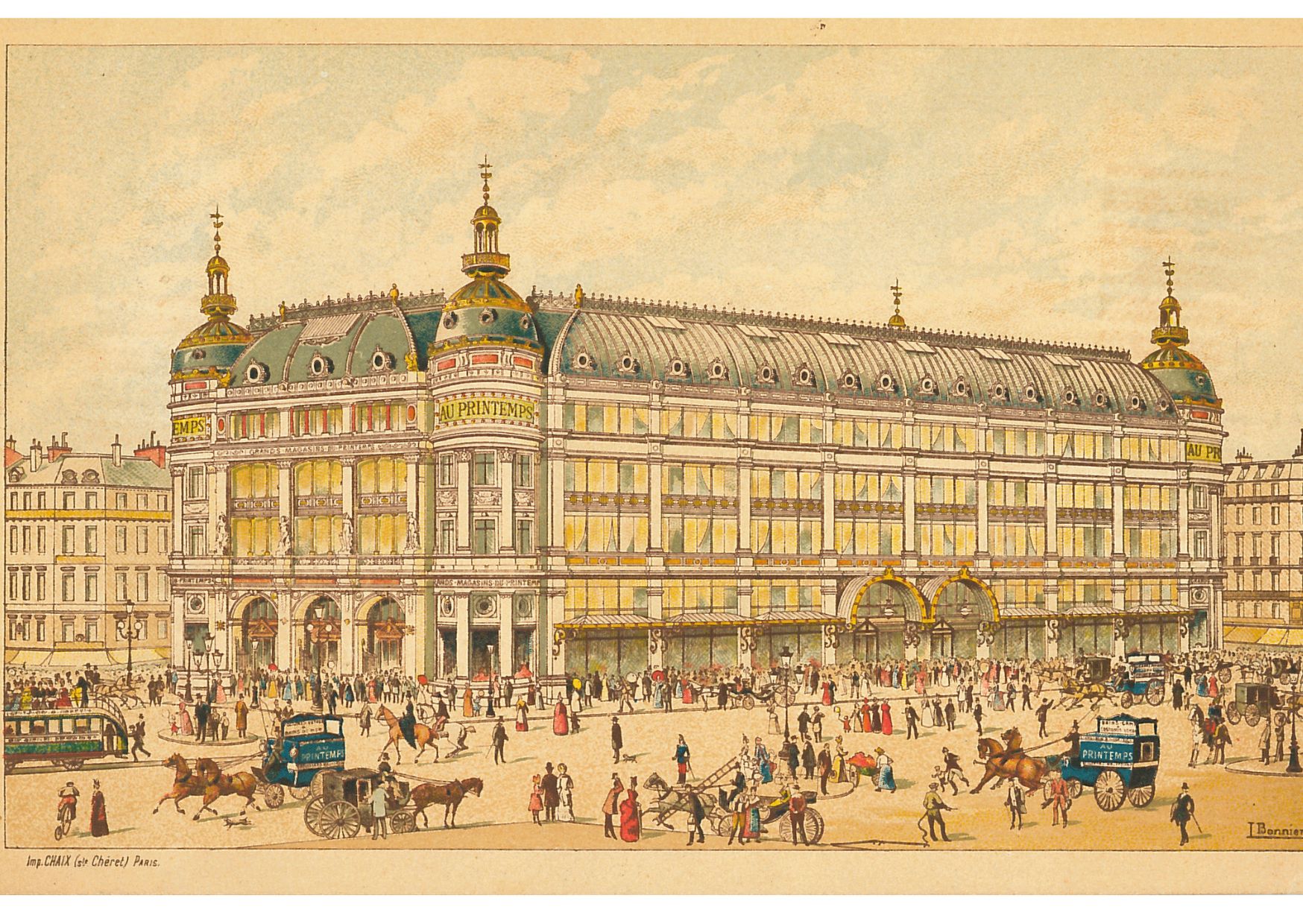
The story begins over 2,500 years ago in Ancient Greece with the emergence of the agora. The agora was part marketplace, part gathering space, where people shopped, exchanged ideas and socialised. It was not just about buying and selling; it served as a stage for civic life, a place where the community came together. By the 18th and 19th centuries, modern streets, grids and infrastructure allowed department stores to inherit this role. Shopping became a theatrical experience, with architecture guiding visitors just as much as the merchandise itself.
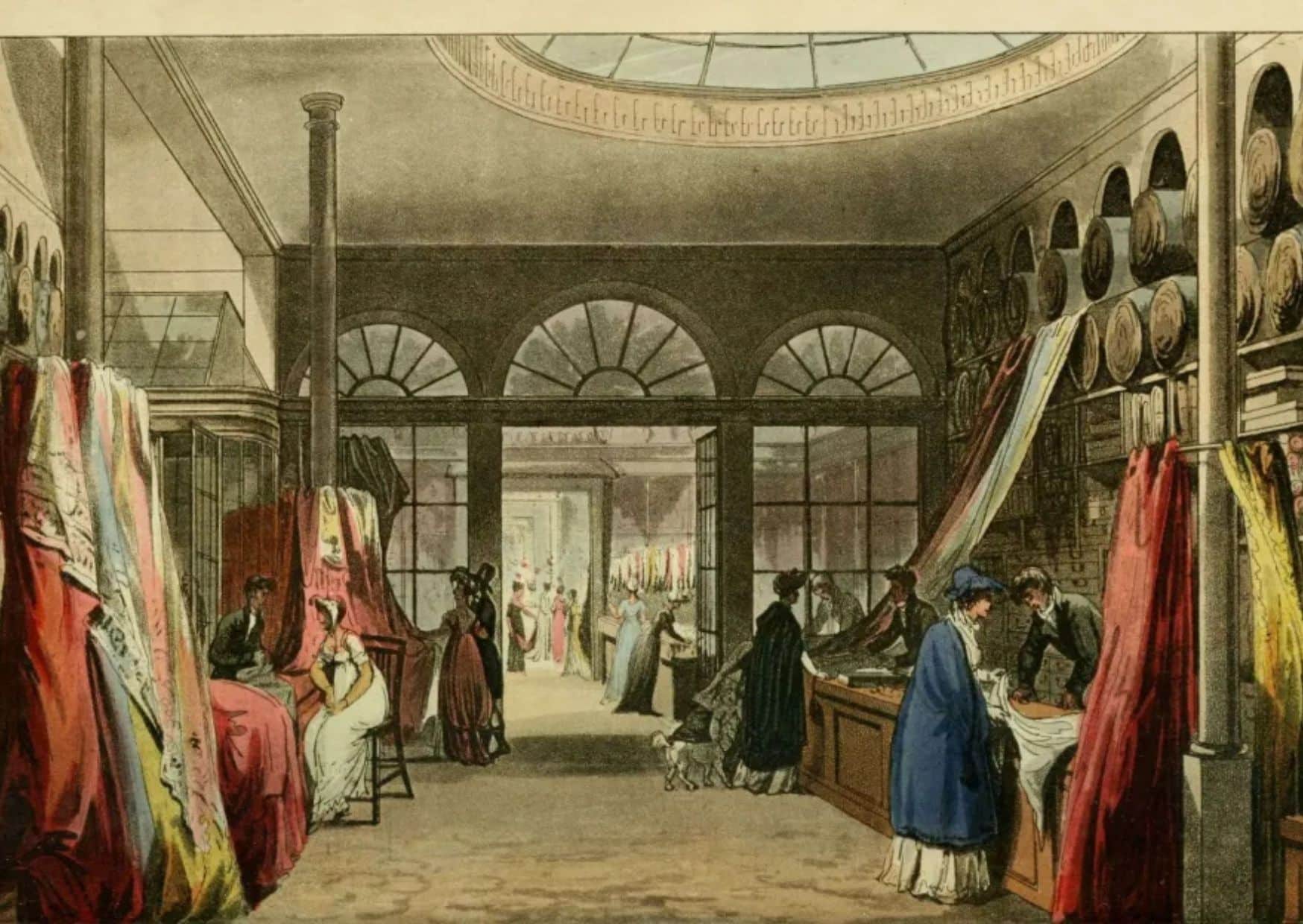
London’s Harding, Howell & Co, founded in 1796, was among the first to organise separate departments for fans, hats, jewellery and fabrics, all under one roof.
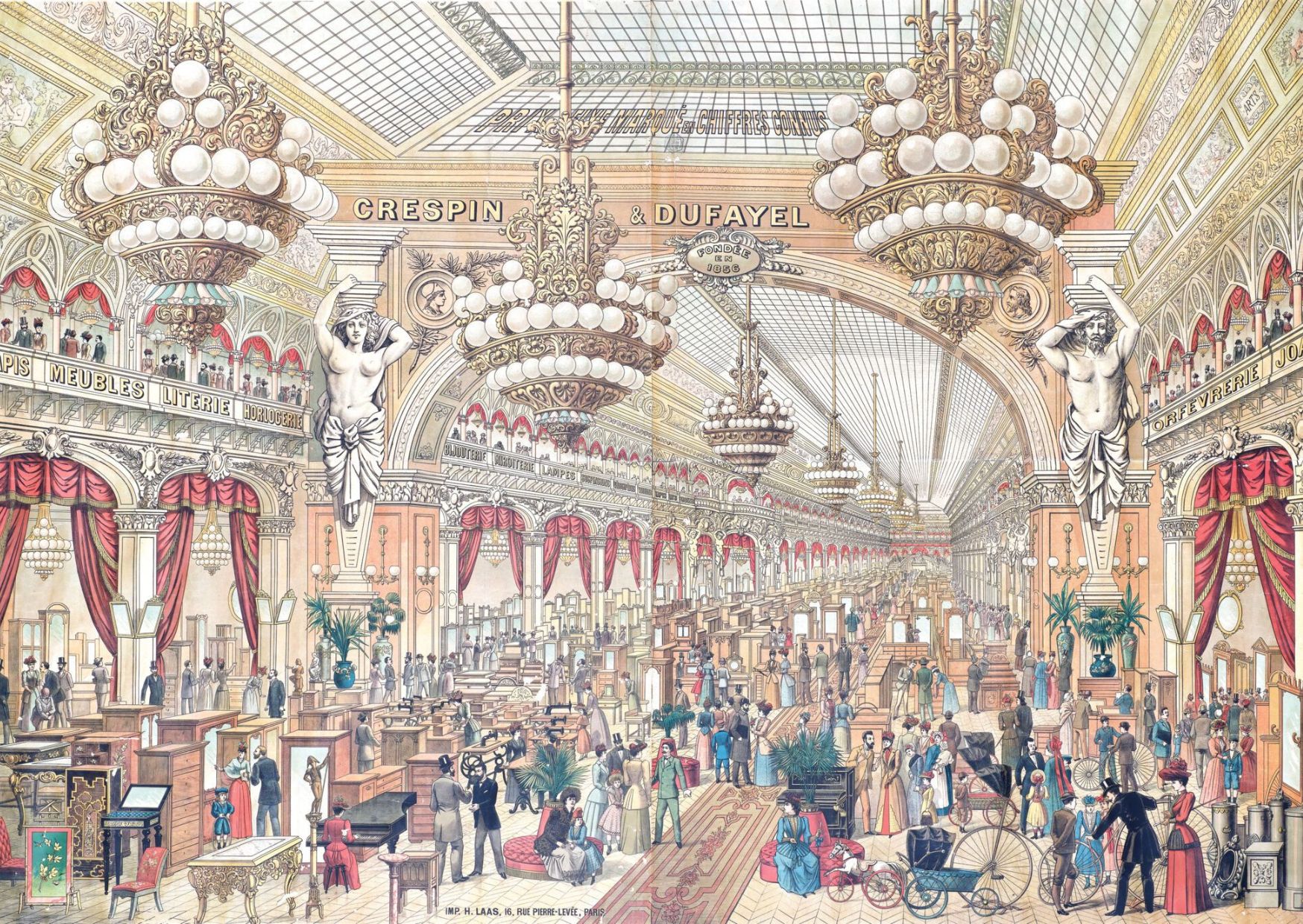
Paris raised the stakes with Le Bon Marché, redesigned in 1876 by Louis-Charles Boileau and Armand Moisant and engineered by Gustave Eiffel. Mirrors, iron frameworks and carefully planned circulation choreographed the shopper’s journey, turning shopping into a performance.

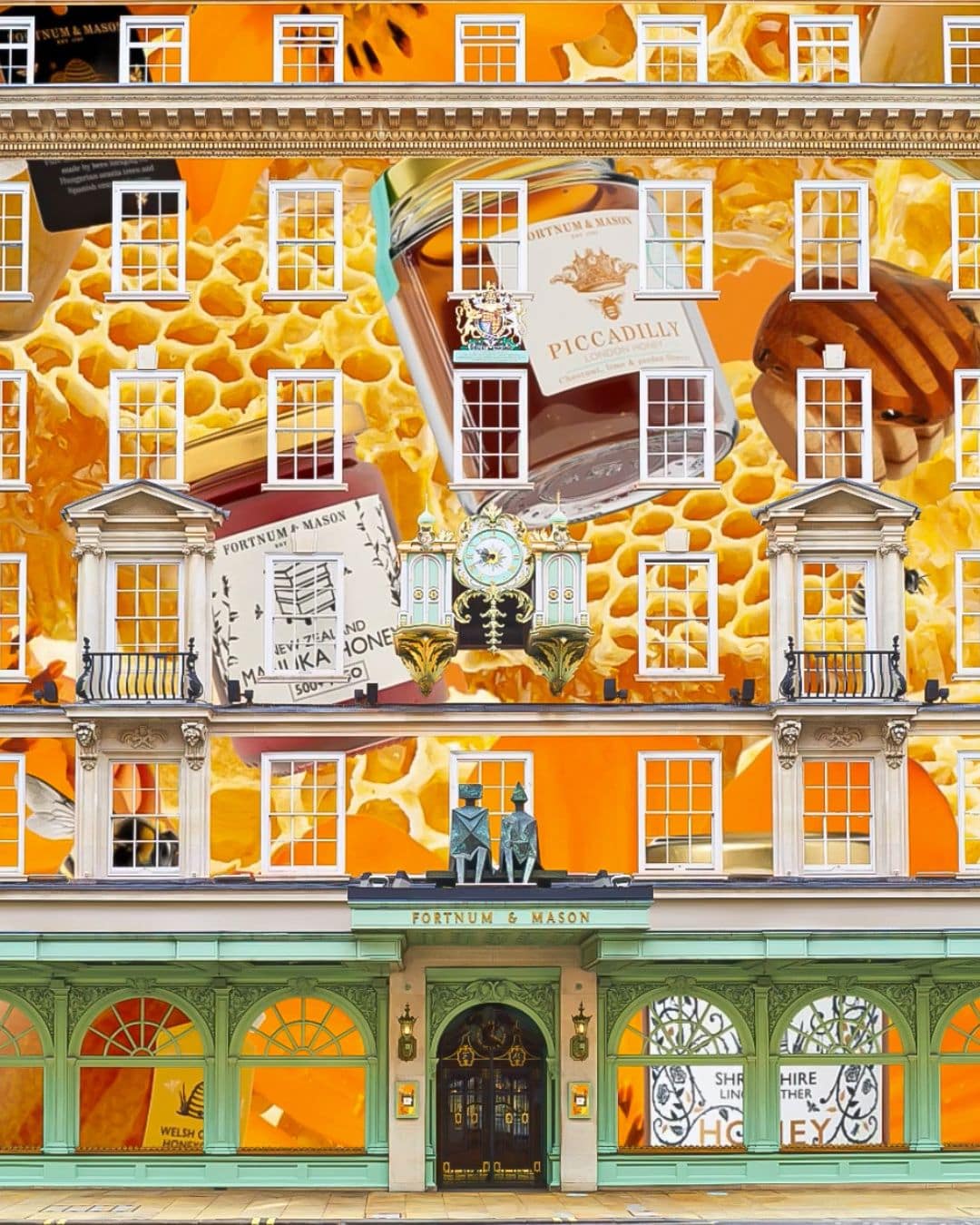
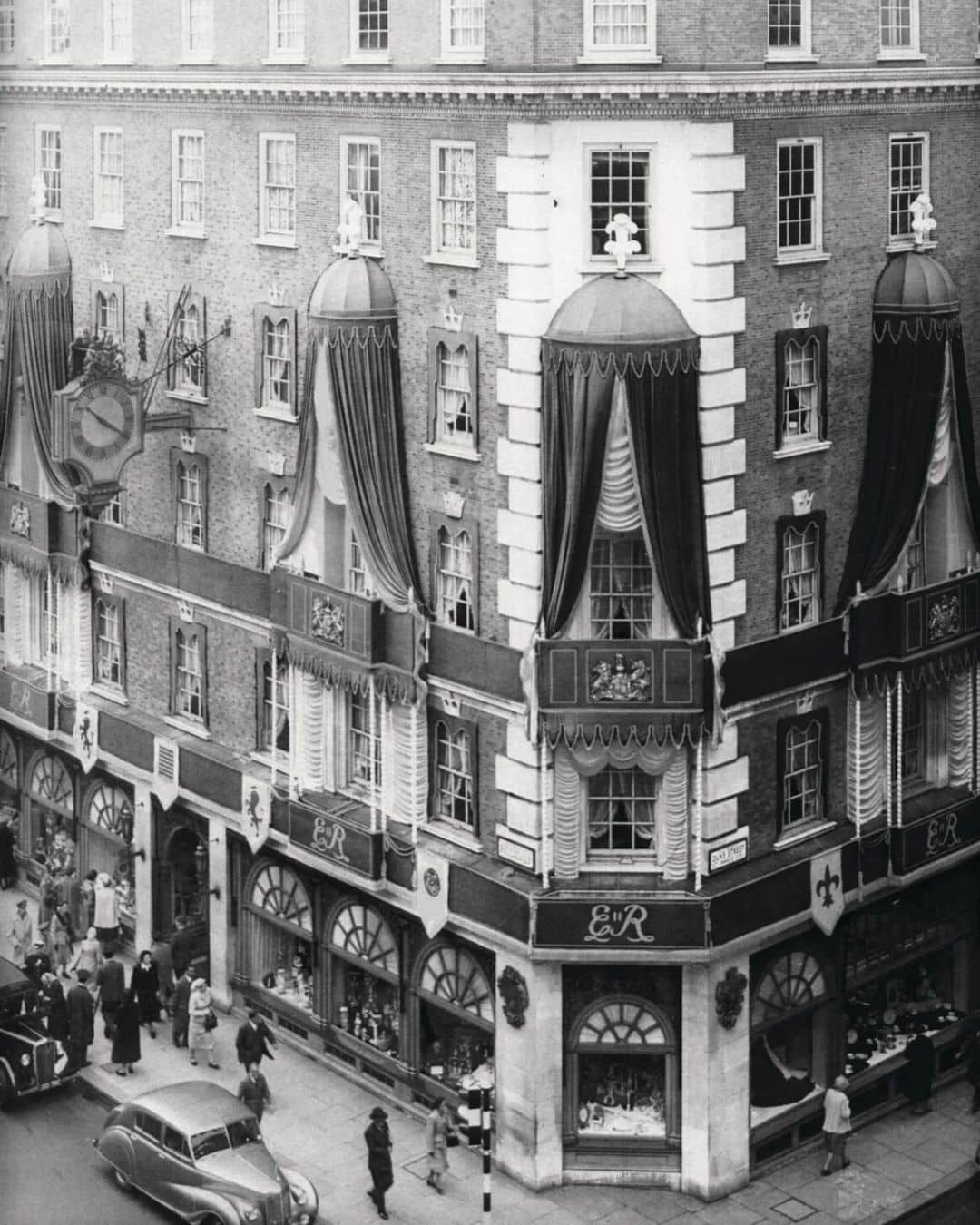
By the late 19th century, stores such as Fortnum & Mason had become miniature cities. Grand staircases, sweeping galleries and holiday windows combined craft, storytelling and commerce to create immersive experiences.
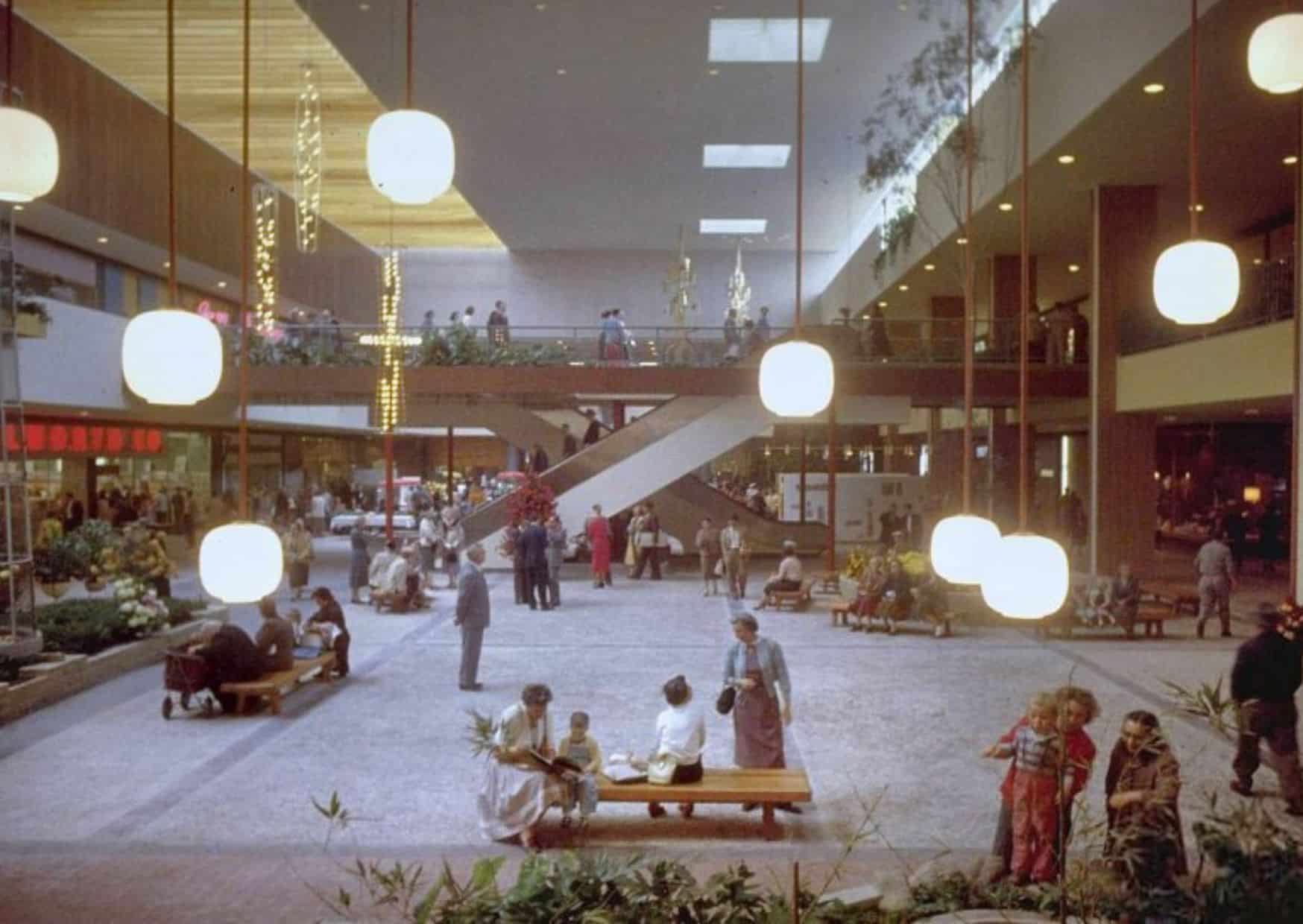
Mid-century malls such as Southdale Center in Minnesota, designed by Victor Gruen in 1954, continued these principles, introducing controlled environments with attention to temperature, lighting and layout to make shopping both comfortable and captivating.
In department stores, the holiday season elevates every design choice. Twinkling lights and animated windows transform streets into stages. Visitors become both audience and participant in an urban ritual where art, culture and theatre intersect.
Founded in 1865, Printemps is renowned for its grand glass dome and theatrical holiday windows. Each year, its festive displays tell immersive stories that delight locals and visitors alike. Recently, Printemps opened its first U.S. outpost, commemorated with a New York City-themed Christmas display in the Paris windows.

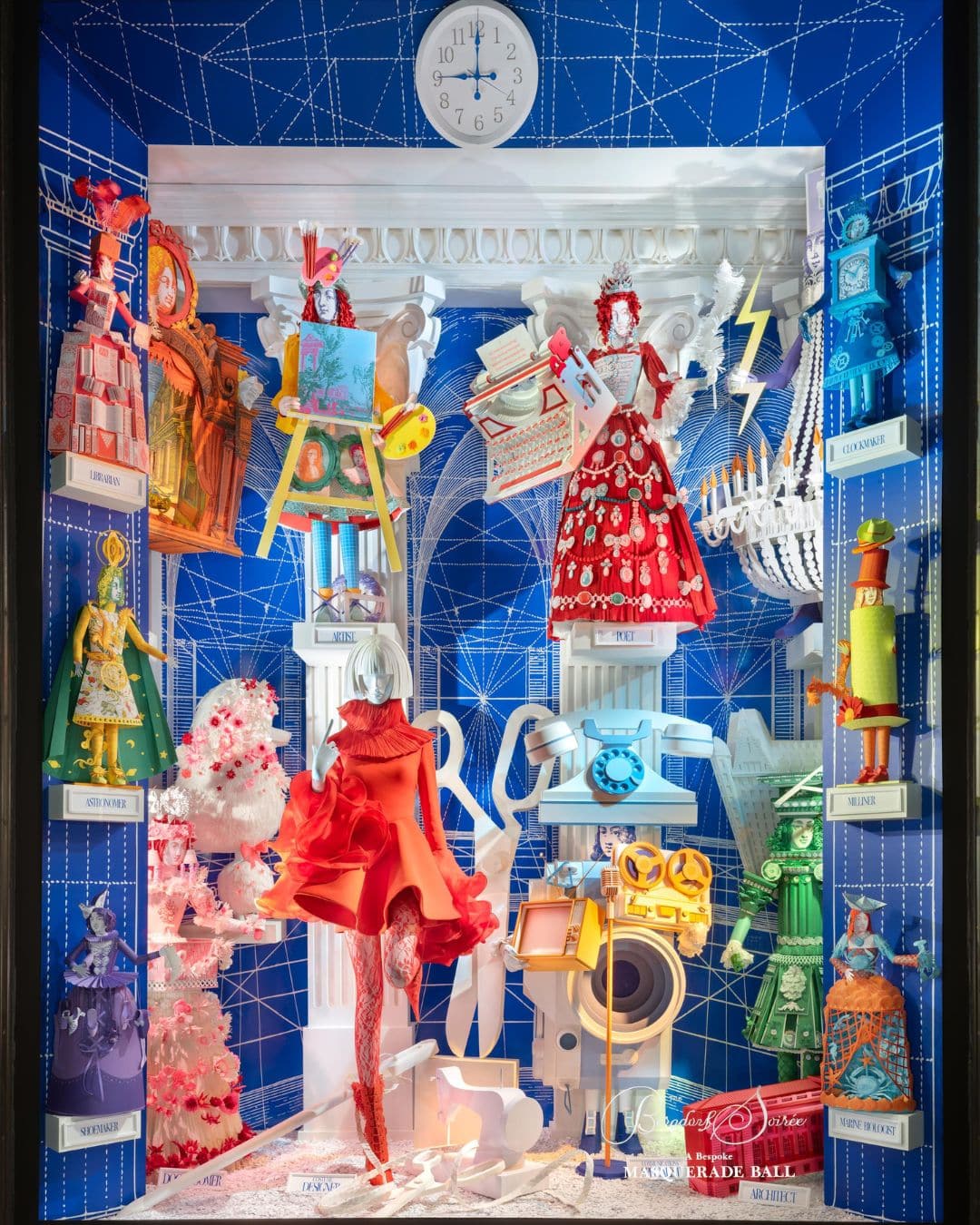
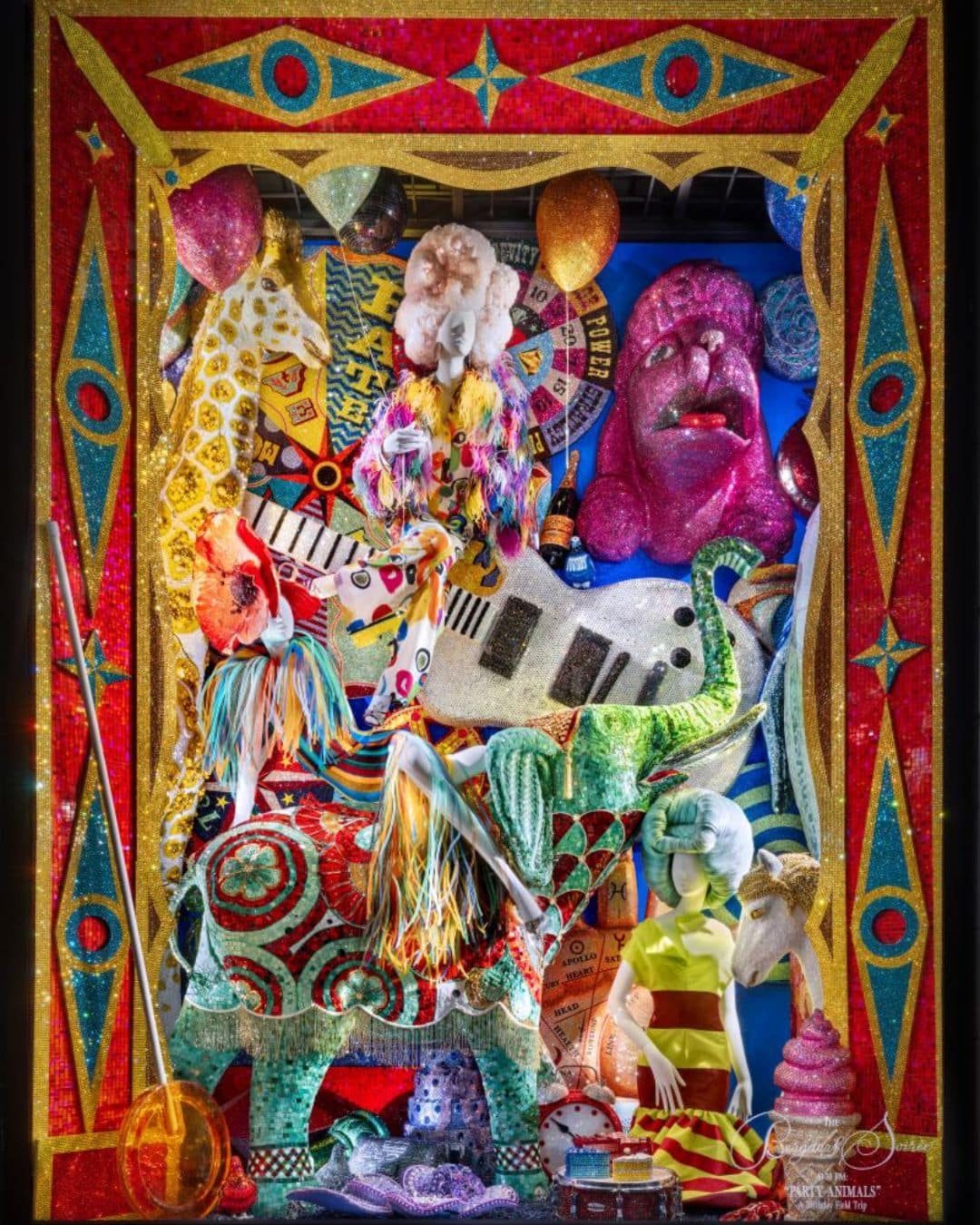
In New York City, Bergdorf Goodman unveils The Bergdorf Soirée, another sparkling tribute to the city’s iconic spirit.
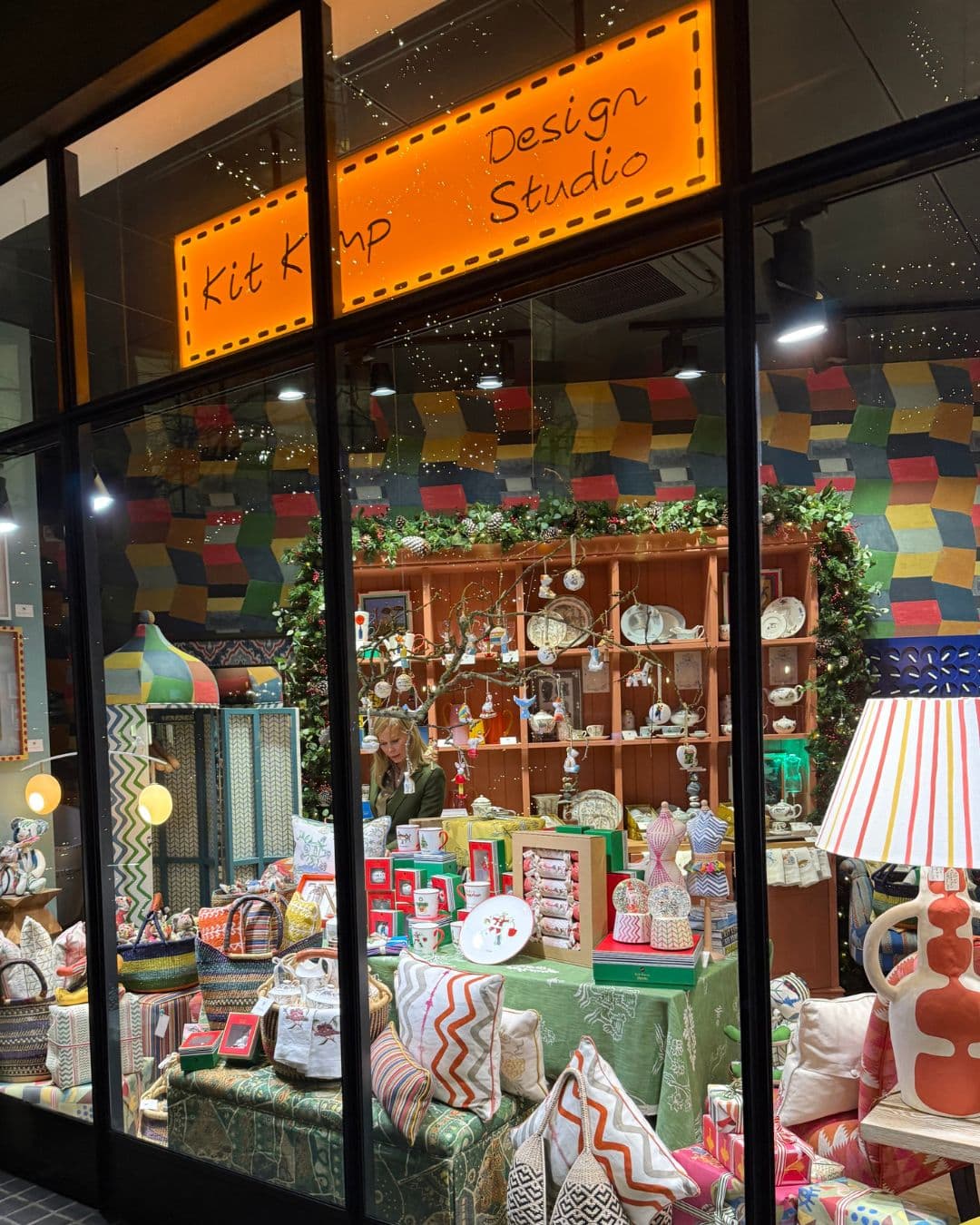
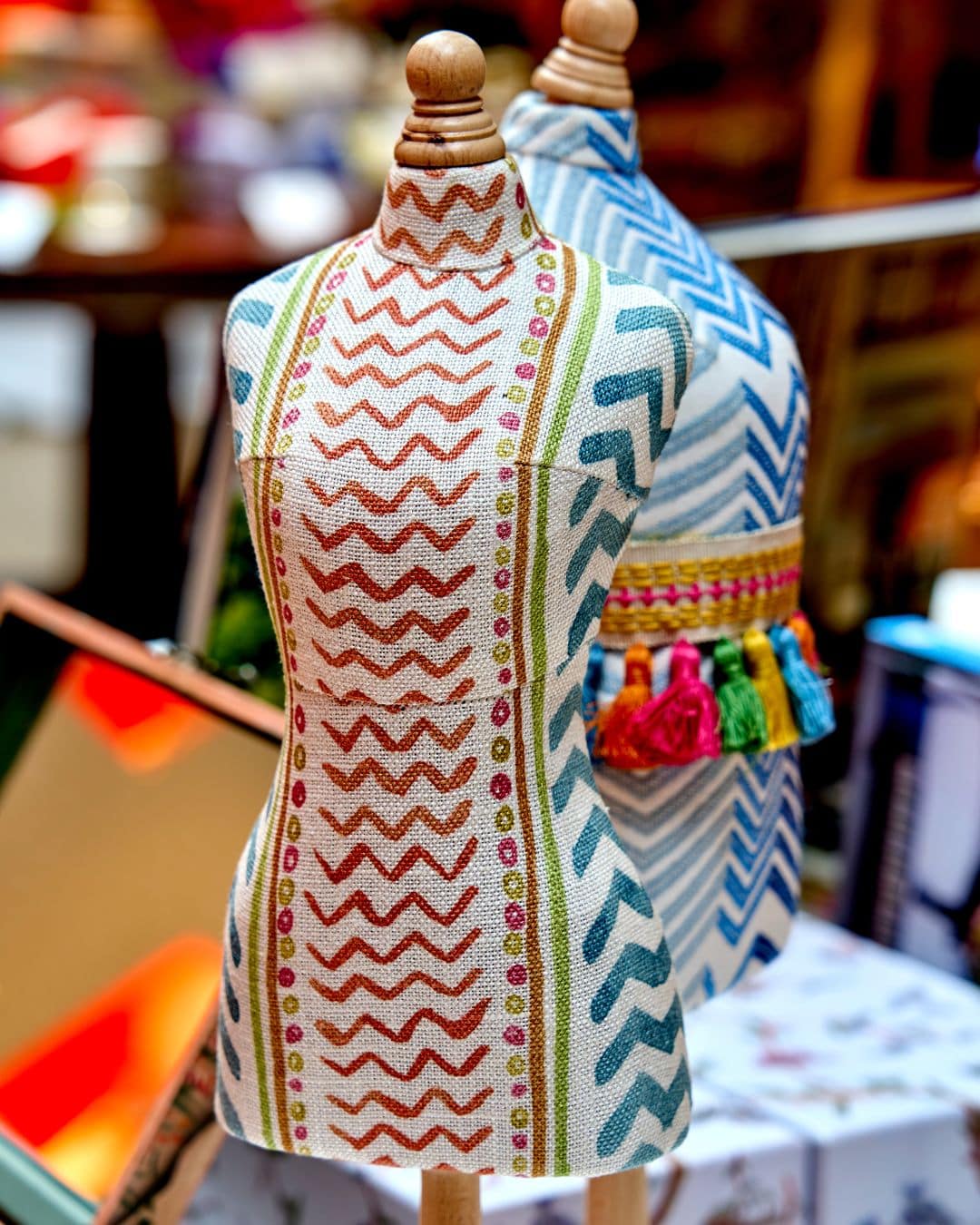
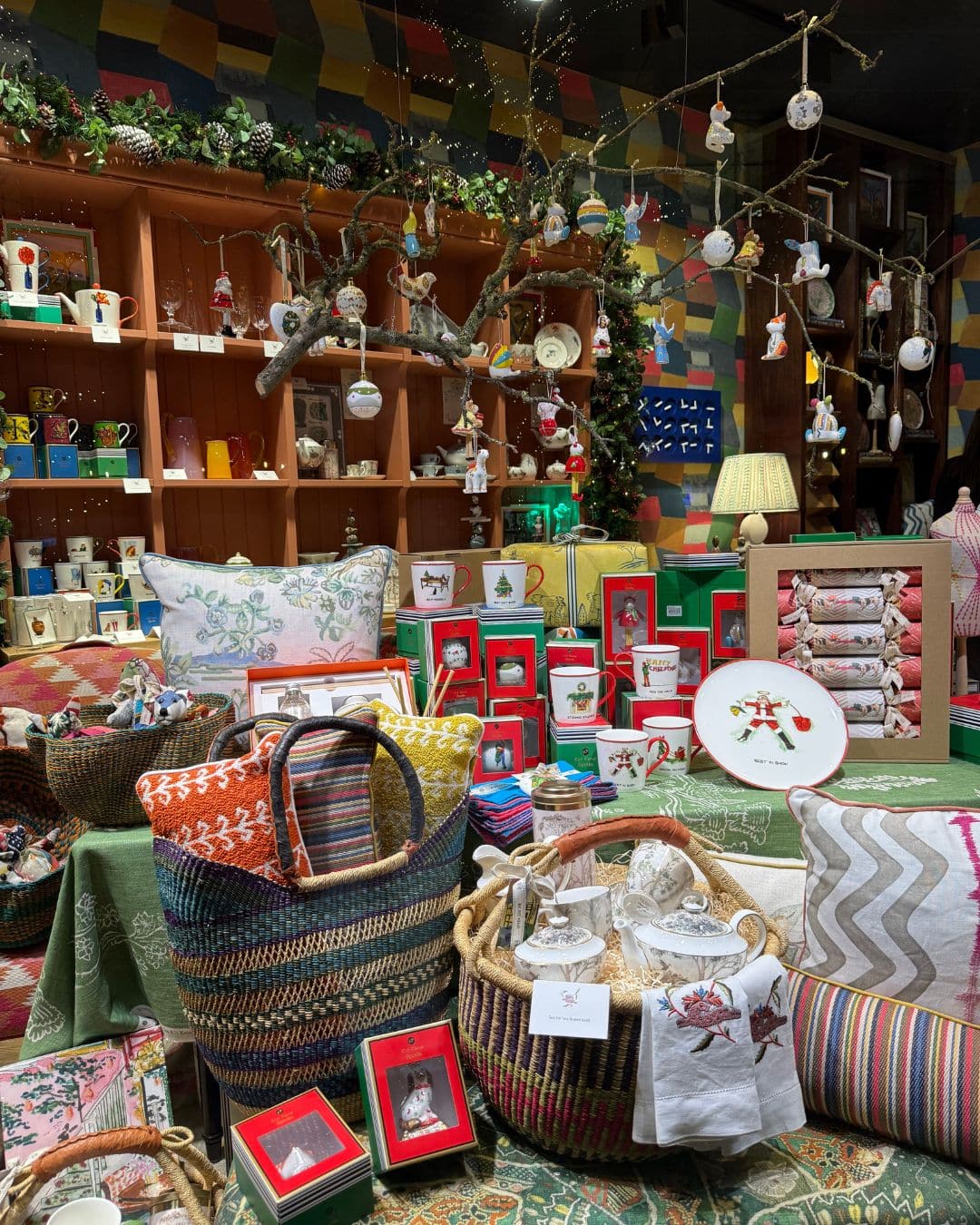
While our Boutique Shop is not a department store, Shop Kit Kemp at Ham Yard Hotel carries on the tradition of artistry and spectacle on a more intimate scale. Curated homeware and artful displays transform browsing into exploration, capturing historic charm with warmth and personality.
Department stores, particularly during the holidays, remind us that shopping is far more than a transaction. It is architecture, culture, community and artistry woven together. With every window offering a moment of wonder, this season invites us to participate in a centuries-old celebration of design, imagination and discovery.